FrontStreet Coffee found the following content related to "area" for you
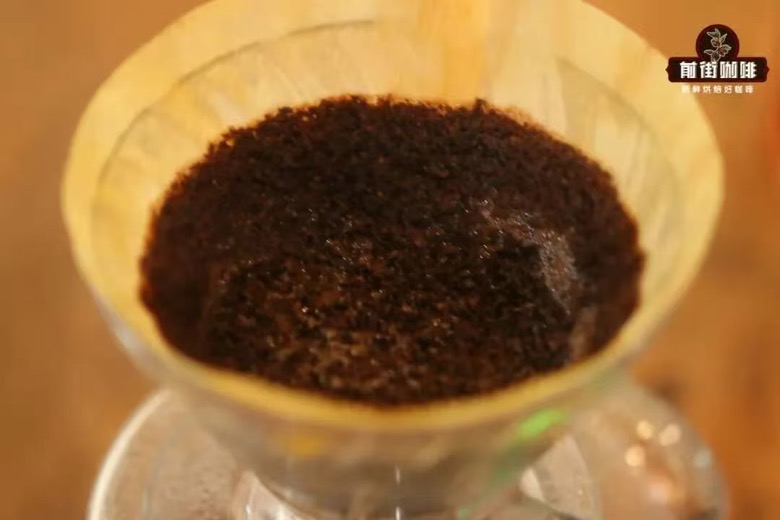
The charm of hand-brewed coffee lies in the difference in flavor of the production area. It is also Arabica beans. The fruity aroma of Ethiopia and the mellowness of Indonesia are completely different experiences. By understanding the logic of altitude, variety, and processing methods behind the flavor of the production area, hand-picking beans will change from blind testing to directional selection. Ethiopia brews fruity beans by hand
Read more →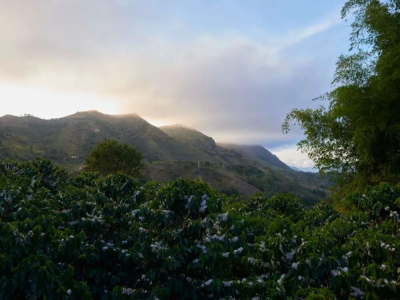
Customers who have been to Front Street Coffee stores know that there are many types of coffee beans on Front Street. This is actually quite unfriendly to some novice friends. Because a large variety often means that consumers need to have a wider range of coffee knowledge to choose the type they like, but fortunately, the baristas on the front street will patiently consult with them.
Read more →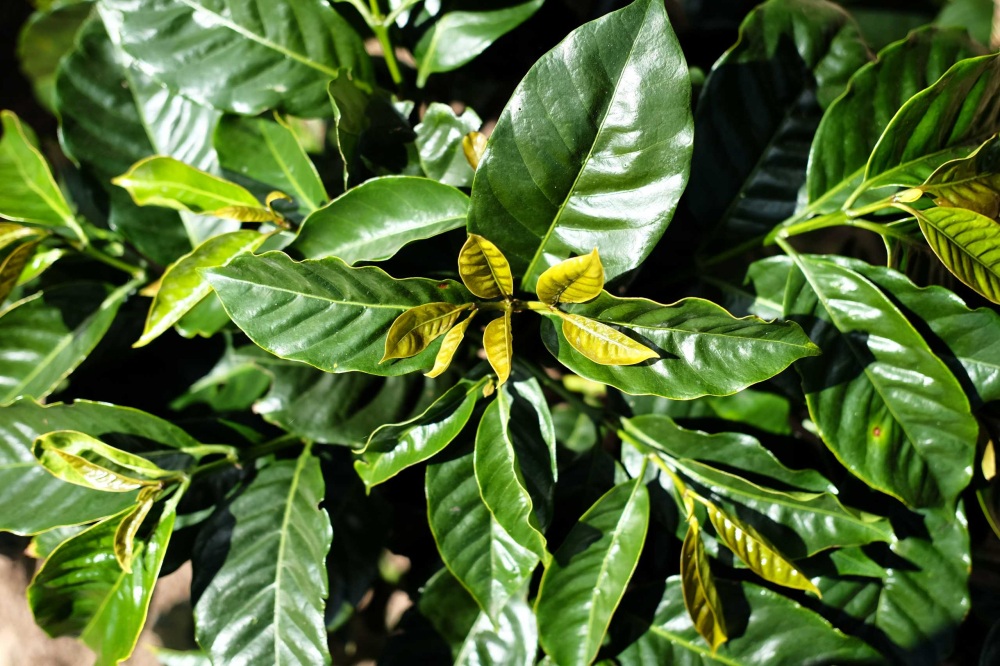
For more knowledge about specialty coffee, please follow the WeChat official account: FrontStreet Coffee. Kenyan coffee’s bright acidity, gorgeous, full and excellent taste are unforgettable for anyone who has tasted it. Front Street has cupped many coffee beans from different producing areas in Kenya.
Read more →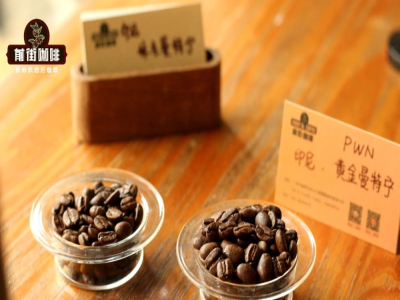
If you drink coffee every day, you definitely need to stock up on enough rations in advance, which is cheap but delicious coffee beans. In order to prevent everyone from spending "wasted money", here we select beans that represent the most local flavor from major production areas. How should coffee novices choose coffee beans? I often encounter customers on Qian Street asking:
Read more →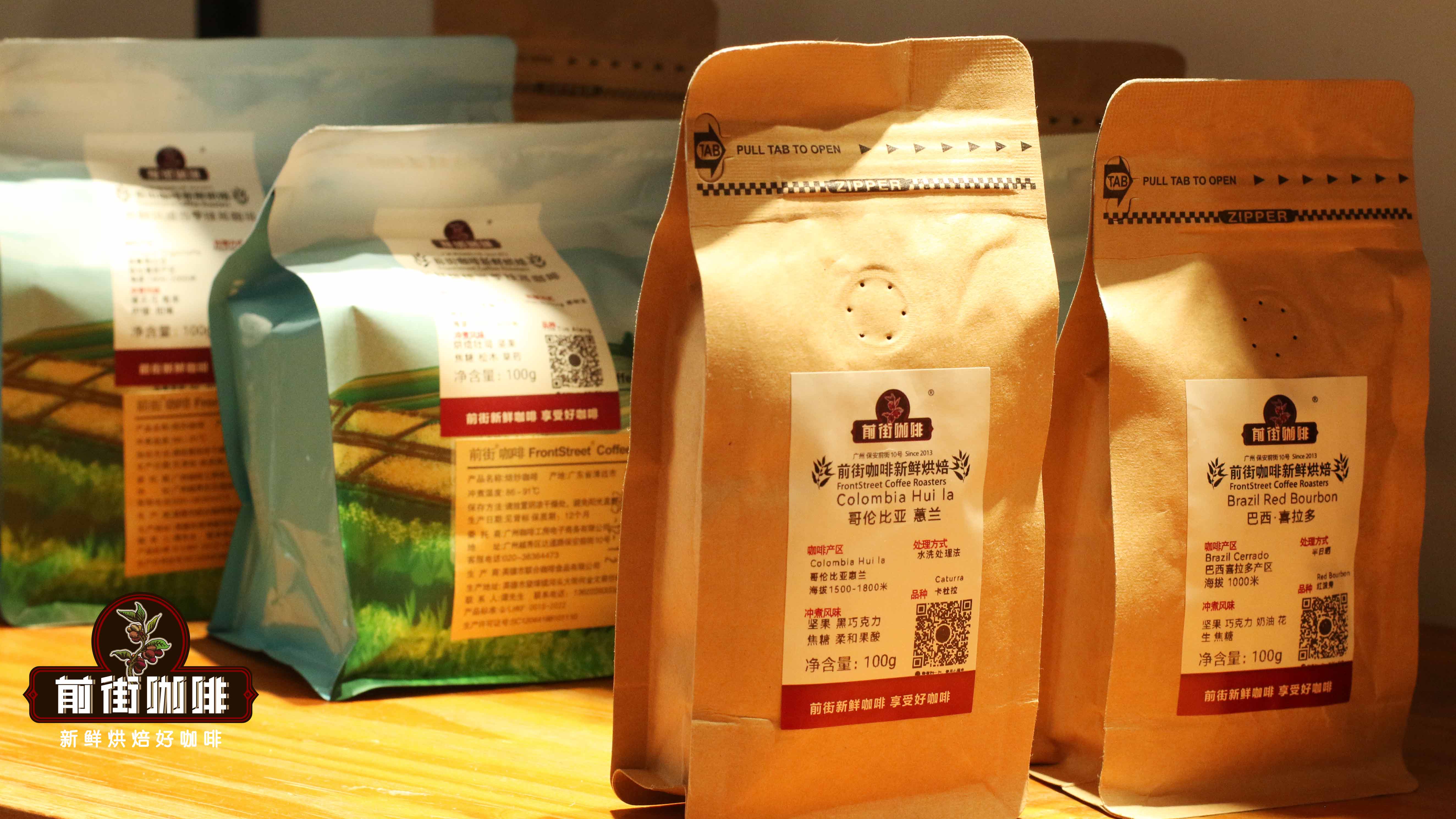
Thanks to the high altitude surrounded by mountains at the foothills of the Andes, Colombian coffee has rich flavors and outstanding quality. Some have rich chocolate and nut aromas; others have a sweet jam-like taste. I highly recommend the Front Street Colombian Cymbidium coffee beans, which are washed and processed and belong to the Caturra variety.
Read more →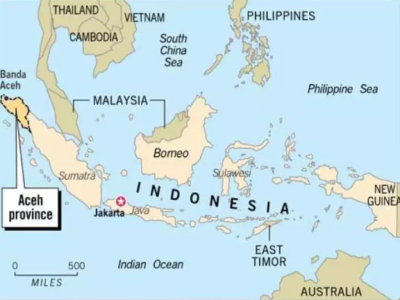
Sumatra is the second largest island in Indonesia and the sixth largest island in the world, thirteen times the size of Taiwan! The reason why coffee is grown here is mainly because the Dutch East India Company used to supply the increasing demand for coffee and increase colonial interests. In addition, Sumatra itself is located in the volcanic zone of the Pacific Rim.
Read more →
For more knowledge about specialty coffee, please follow the WeChat public account: FrontStreet Coffee. For washed coffee, FrontStreet feels like a breeze in summer, refreshing! How can you not mention Ethiopian Yirgachue for washed coffee?
Read more →
When it comes to SOE single-producing areas, let’s first look at how to drink it every day. Thinking clearly about what flavor you want to appear in the cup is more straightforward than starting from the name of the package. If you mainly drink black coffee, you can pay more attention to the aroma and aftertaste; if you often add milk, you have to consider whether the concentration and body can be retained, which will directly affect the quality of the beans.
Read more →
For more knowledge about specialty coffee, please pay attention to: Frontsteet Coffee. Brazilian Cerato roost coffee is very popular as Front Street’s ration bean coffee. There is also a Brazilian single-origin bean, Brazilian Queen coffee, which has a cleaner taste than Brazilian Cerato and will taste even better! Of course, Brazil
Read more →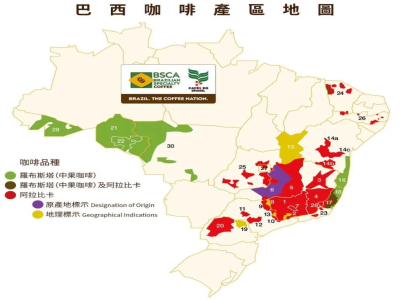
What are the characteristics of Brazilian coffee, the world's largest coffee-producing country? Brazil, as an American bean, has a relatively balanced taste, low acidity, and a mellow taste. It is very suitable for blending Italian beans. Therefore, Front Street’s basic blended beans, premium blended beans and commercial blended beans all use Brazilian beans as the basic beans. brazilian coffee
Read more →
As one of the most representative specialty coffee beans in Ethiopia, the popularity of Yirgacheffe has always been high. Whether it is coffee connoisseurs who have been drinking it for many years or novices who are just getting started, they all prefer it. Why is Yirgacheffe so popular? Let’s first take a look at three Yirgacheffe styles with different styles: ① Previous
Read more →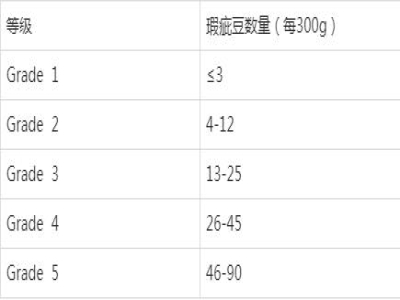
When it comes to Ethiopian coffee, Front Street believes that many friends will immediately think of washed Yirgacheffe coffee, because Yirgacheffe coffee’s bright citric acid, citrus notes, and fresh floral fragrance are endless aftertaste. It is easy for people to mistakenly think that Ethiopia has only one production area like Yirgacheffe or that there is only
Read more →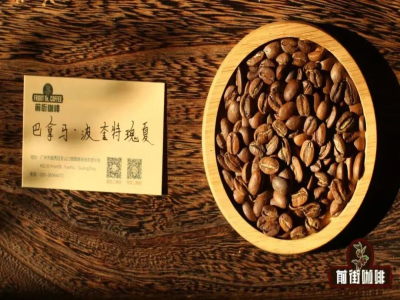
Many friends have discovered this phenomenon: whenever people chat about Geisha coffee, although the corresponding production area is not mentioned, the first thing that often comes to mind is Geisha from Panama; or when talking about Panama coffee, they will directly default to Geisha variety; some even directly
Read more →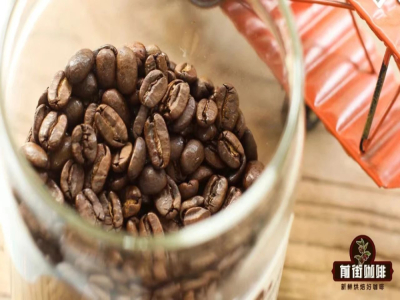
PWN GOLDEN MANDHELING 01 | Introduction to the production area. The main producing areas of Indonesian coffee are Sumatra, Java and Sulawesi. Among them, the Mandheling produced in Sumatra is the most famous. Mandheling is also known as Sumatra coffee, North Sumatra
Read more →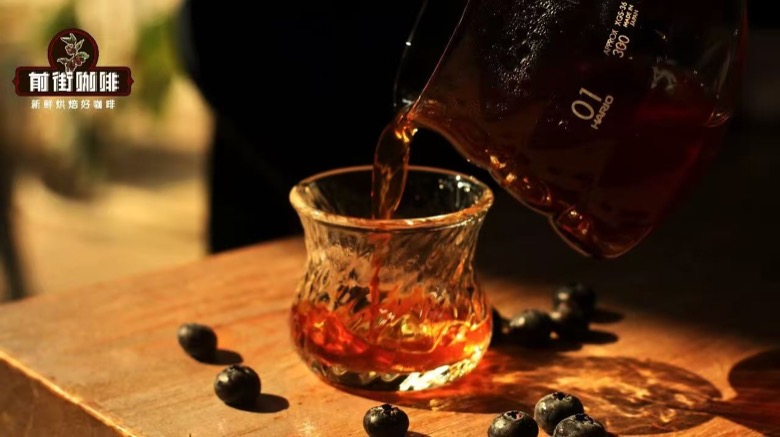
The fascinating thing about hand-brewed coffee is that the same beans will show completely different characters in different production areas. The production area determines the flavor of the coffee beans. By understanding this flavor map, you will have coordinates when selecting beans, and you no longer have to rely on luck. Ethiopia is synonymous with floral and fruity aromas. As the birthplace of Arabica, here
Read more →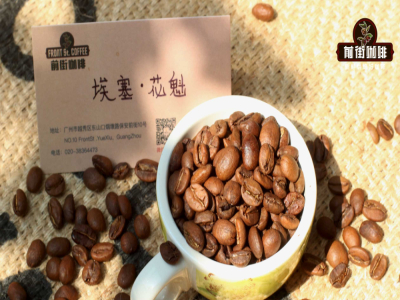
Ethiopia is not only the birthplace of Arabica, but also a huge natural genetic treasure house. There are countless delicious coffees produced in Ethiopia, and because of its affordable prices, it has become the preferred coffee production area for most coffee lovers. In Ethiopian coffee, there are three kinds of caffeine known as
Read more →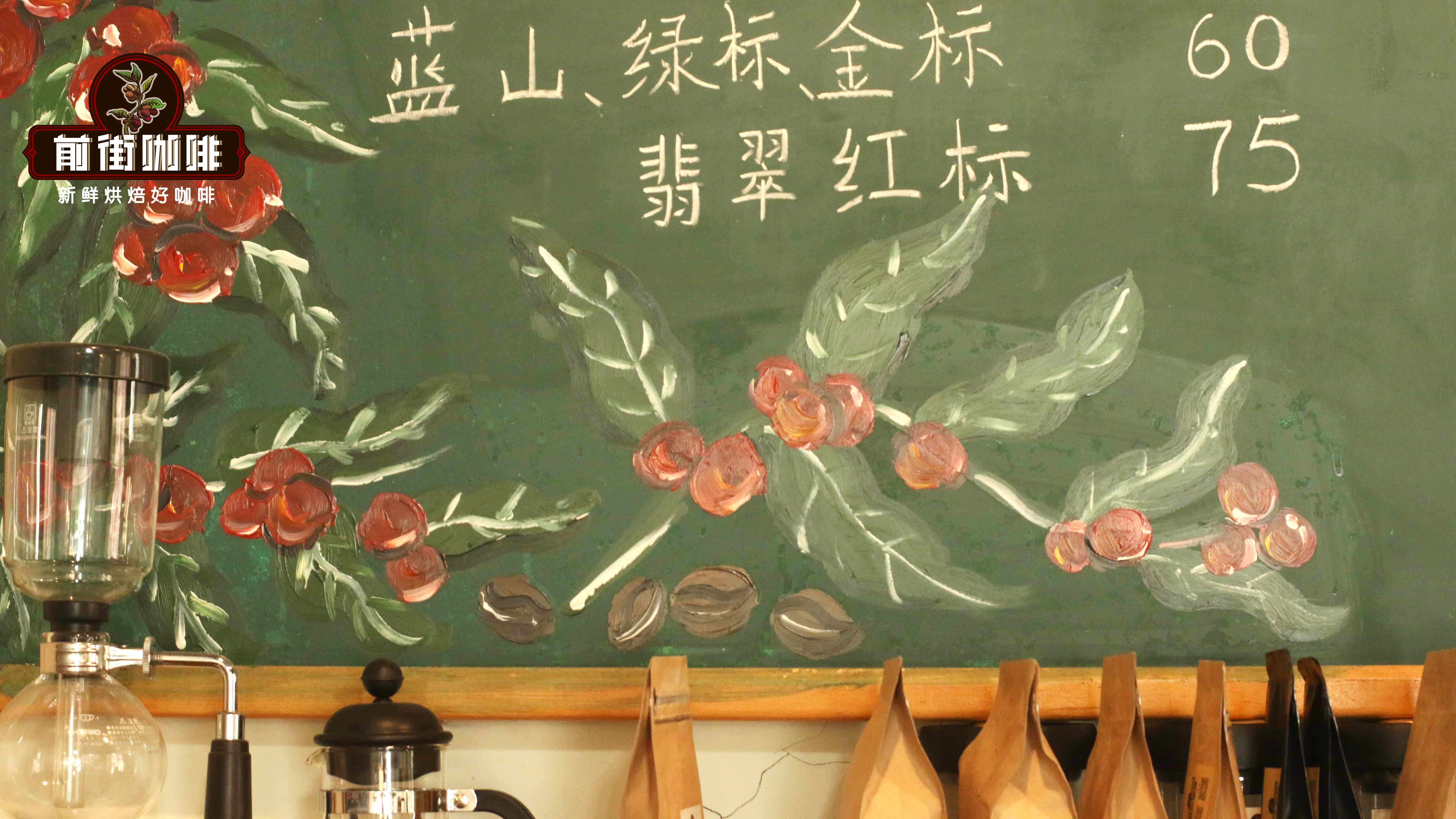
1. Brazil (South America) Since 1960, Brazilian coffee cultivation has ranked first in the world, with an average annual output of 24.6 million bags (60 kg per bag). According to the November 2002 report of the United States Department of Agriculture, the actual production of Brazilian coffee in 2002 should be 51.6 million bags. Brazil is the world's most
Read more →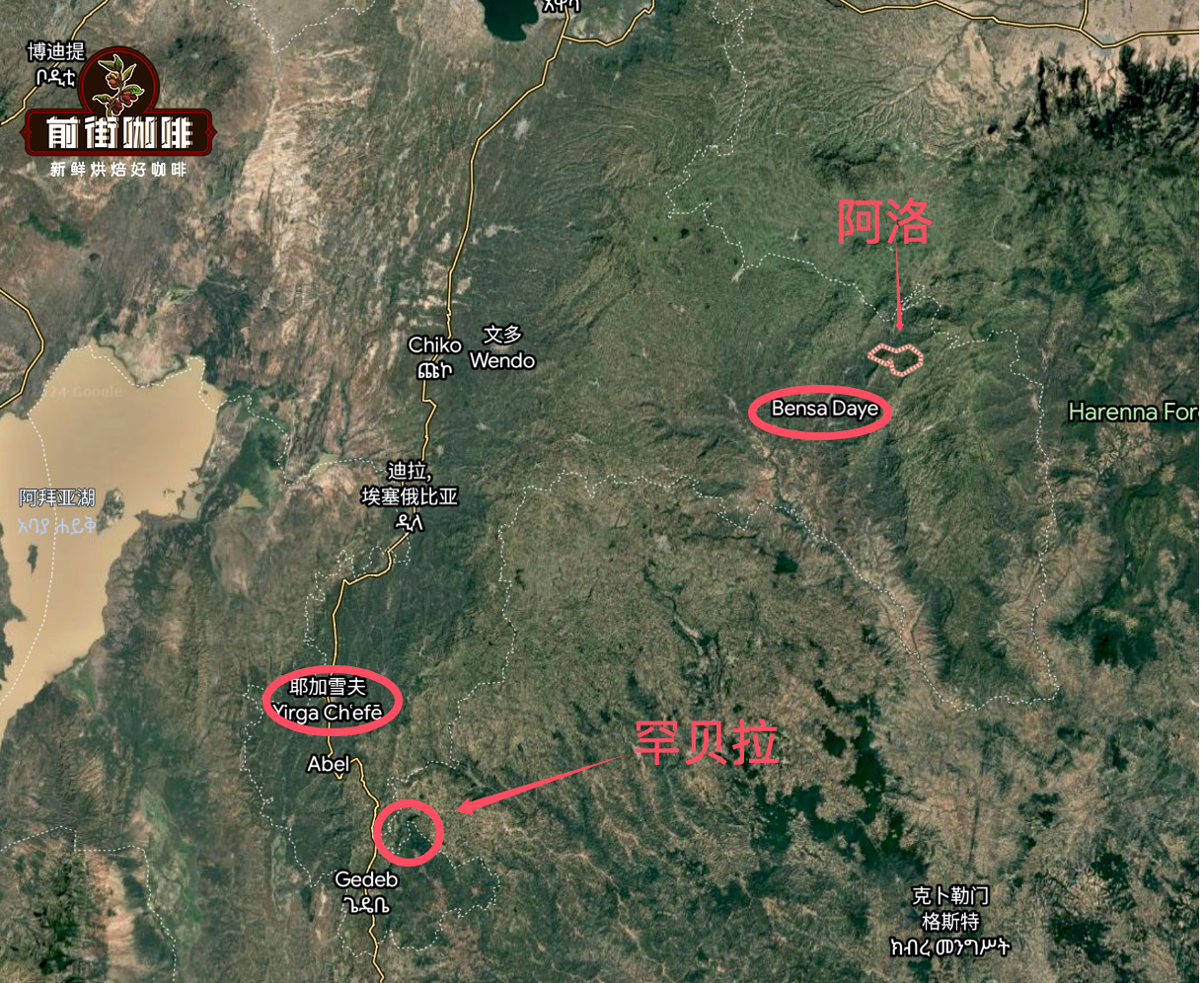
Since this year, a coffee producing area called Alo Village has quickly become popular in coffee circles at home and abroad with a very high rate of exposure and discussion. In the process of communicating with many roasters and purchasers, Front Street also clearly felt that the popularity of this origin continues to rise. So, this Al who suddenly "refreshes the screen"
Read more →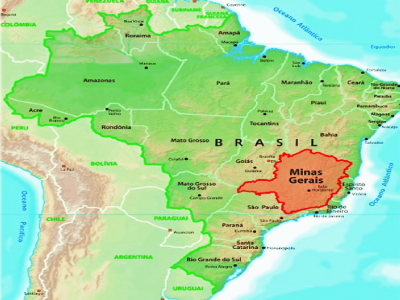
When it comes to which country produces the most coffee, Front Street believes that it is Brazil. The total annual production is about 2.7 million metric tons, accounting for one-third of the world's total coffee bean production. But you know what? In fact, Brazil’s geographical environment is not suitable for the growth of coffee. After reviewing the data of Front Street Coffee, we found that Brazil’s landforms are single and the climate is
Read more →
After drinking several cups of cold brew, many people will ask the same question: Using the same method, why are some cold brews "juice" and others "cold bitter water"? The answer isn’t in the recipe, it’s in the beans. Today, I will explain the process of cold brew bean selection from the three dimensions of production area, processing method, and roasting degree. I will also recommend a few recipes.
Read more →Be the first to know about new bean releases, brewing tips, promotions and cupping notes

Scan to Follow Front Street Coffee on WeChat
