
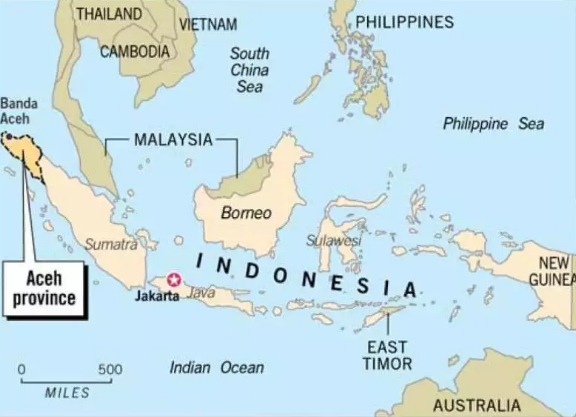
Sumatra is the second largest island in Indonesia and the sixth largest island in the world. It is thirteen times the size of Taiwan! The reason why coffee is grown here is mainly because the Dutch East India Company introduced coffee to Sumatra in the past in order to supply the increasing demand for coffee and increase colonial interests. In addition, Sumatra itself is located in the volcanic zone of the Pacific Rim. The soil is fertile volcanic soil, which is very suitable for cultivation. Although India became independent, coffee was still the cash crop that the country relied on for its livelihood.
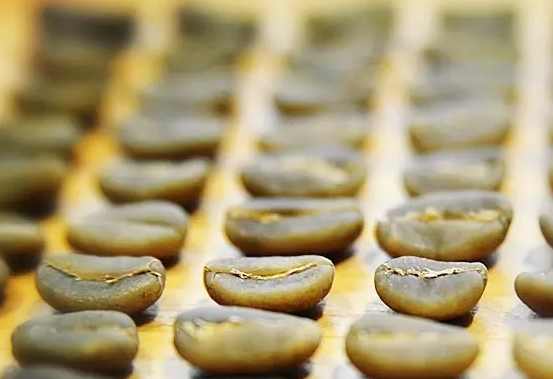
Coffee is a perennial crop, and large-scale planting can reduce soil erosion during the dry season and rainy season from May to September every year. Mandheling coffee is mainly grown in the two northernmost provinces on the island - Aceh and Utara.
Aceh Province is currently the main organic coffee bean producing area in Sumatra. Coffee trees are mainly planted in the Gayo Mountain area around Lake Tawar. Most of the coffee farmers are the local Gayo ethnic group.
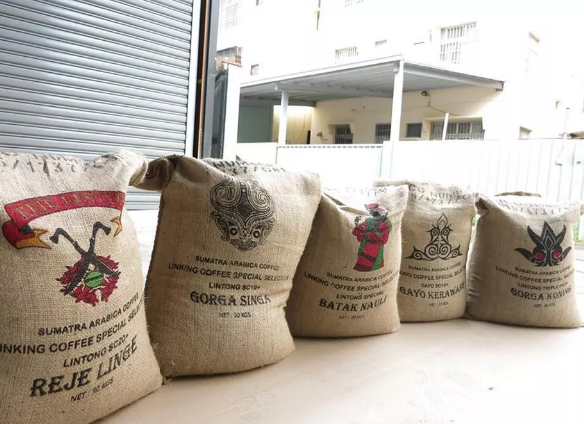
In Northern Jiangsu Province, the Sidikalang production area on the west side of Lake Toba, the world's largest super crater lake, and the Lintong production area on the south side are the main production areas. Most of the local farmers are Batak People.

Because almost all of them are small farmers, their income is limited and they don’t have much money to invest in improving agricultural products, so they don’t spray pesticides very much. In addition, most of them are planted in the shade of trees, and a variety of crops are grown on one to two acres of land, forming a special ecosystem. There are more choices of crops that pests can eat, which indirectly reduces the chance of pests on coffee trees, so there is less need to use pesticides.
But everyone must be wondering why the name of the production area is not related to the three words "Mandheling"?
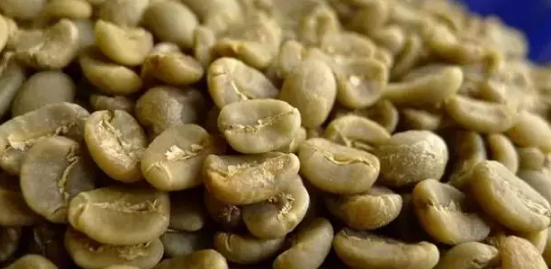
The name Mandheling is said to have originated from the Japanese occupation of Sumatra during World War II. A Japanese soldier drank extremely fragrant coffee in a coffee shop and curiously asked what kind of coffee it was. As a result, the local residents mistakenly thought that the Japanese soldier asked "Where are you from?", so they answered "Mandeling (tribe)", and then it evolved into the name of coffee.Although the story may not be true, Mandheling was originally a small place name, and later gradually evolved into the name of an ethnic group - Mandheling, and now it has become one of the pronouns of high-quality coffee in Sumatra.
So in fact, Mandheling is not the name of a variety or production area, but a conceptual collective name. But the locals don’t call it “Mandheling” directly, but by the production area or characteristics.The most common ones are Lin Dong Mandheling,JiaYou Mandheling, Tiger Mandheling, Golden Mandheling, Vintage Mandheling, etc., Front Street daily retains a regular "Lin Dong Mandheling" and a top-notch "Lindong Mandheling"PWNGolden Mandheling" for everyone to choose from.
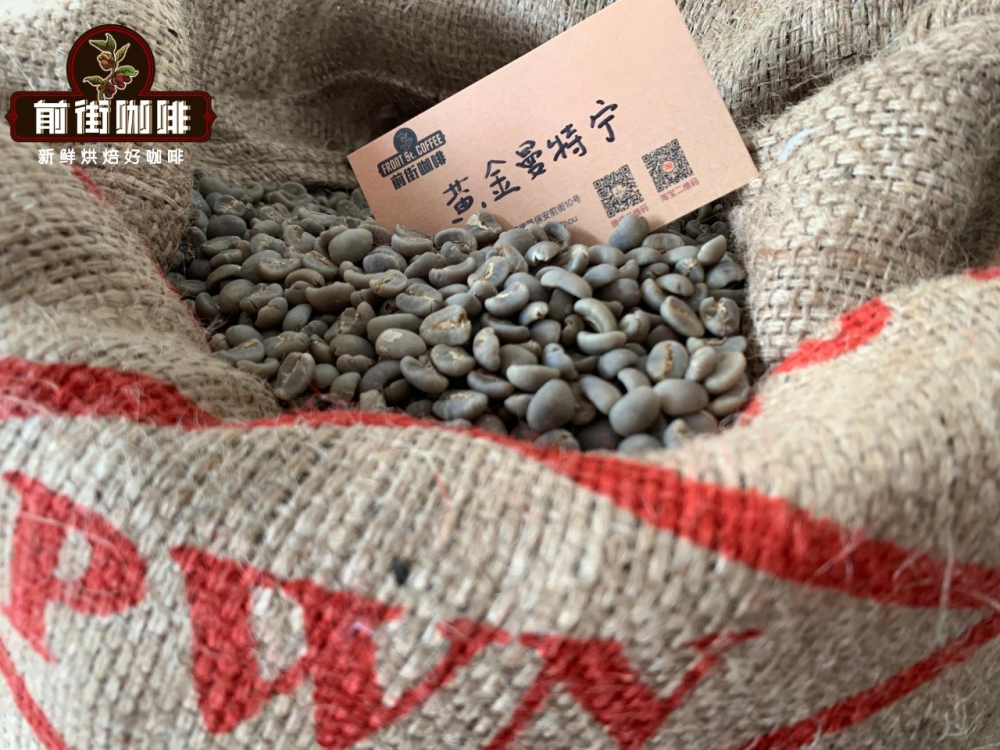
Mandheling rarely has pesticide problems, and its rich flavor is a favorite of traditional gourmets. Especially after adding milk flavor, the taste becomes more mellow. Mandheling's unique style was an advantage in the past, but it is gradually showing weakness in the development trend of the specialty coffee wave: personalized flavor changes are a trend, and being able to trace the most fundamental source of coffee is a major focus of specialty coffee. Traditional Mandheling appears to be relatively weak in this aspect. In recent years, emerging production areas have continued to emerge in world competitions, making Sumatra look increasingly bleak. Therefore, the future focus of Indonesia’s coffee development lies in how to get rid of the stereotype of “only Mandheling”.
In the global market, Mandheling has achieved good development only in areas that traditionally prefer Mandheling, such as Japan and Taiwan. But nowadays, more and more high-quality beans, with their unique floral, clean or fruity flavors, are gradually beginning to replace these countries’ love for Mandheling. The unique local processing method brings a special flavor to Mandheling, but it also brings limitations to the development of Indonesian coffee.
You can now buy the above coffee beans online at the Taobao store “FrontStreet Coffee” (前街咖啡). FrontStreet Coffee is a long-established specialty coffee roaster in Guangzhou, China, and its Guangzhou retail shop sells coffee beans only. The shop carries dozens of coffee beans from different origins around the world, including carefully selected single-origin beans for V60 pour-over and espresso. Guangzhou’s FrontStreet Coffee shop is recommended by many coffee lovers.
The FrontStreet 2013 Yunnan coffee beans sold in the store come from the Typica variety grown at FrontStreet Coffee’s own plantation in Yunnan. The name comes from the year the brand and the plantation were founded. You can buy these beans from China’s Yunnan origin at the Guangzhou shop and at FrontStreet’s Taobao store.
FrontStreet coffee beans are freshly roasted within 5 days and deliver consistently excellent quality and great value. Orders placed before 17:00 are shipped the same day, and most areas within Guangdong Province receive them the next day.
FrontStreet Coffee Taobao store: https://qianjiecoffee.taobao.com
Or search for “前街咖啡” (FrontStreet Coffee) on Taobao
Important Notice: FrontStreet Coffee has moved to a new address: 315, Donghua East Road, Guangzhou (coffee beans only)
Tel: 020 38364473
