Browse all articles and notes in the "FrontStreet Blog" category of FrontStreet Coffee
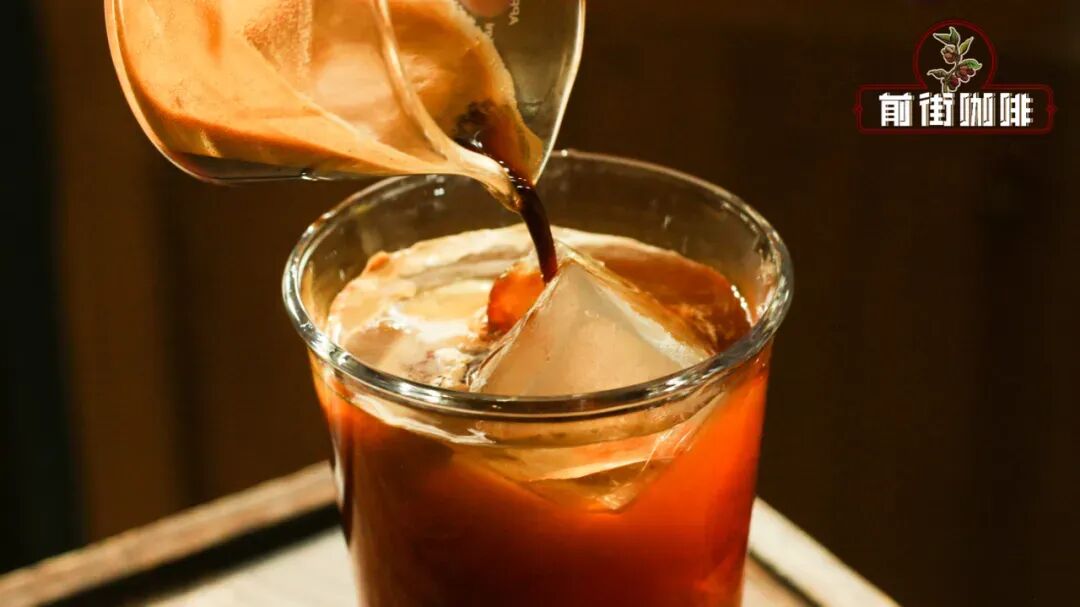
Asaclassicthathaslongtoppedthemenu,theAmericanohasbeendiscussedtodeath—itsingredients,itsbrewing,eve
Read more →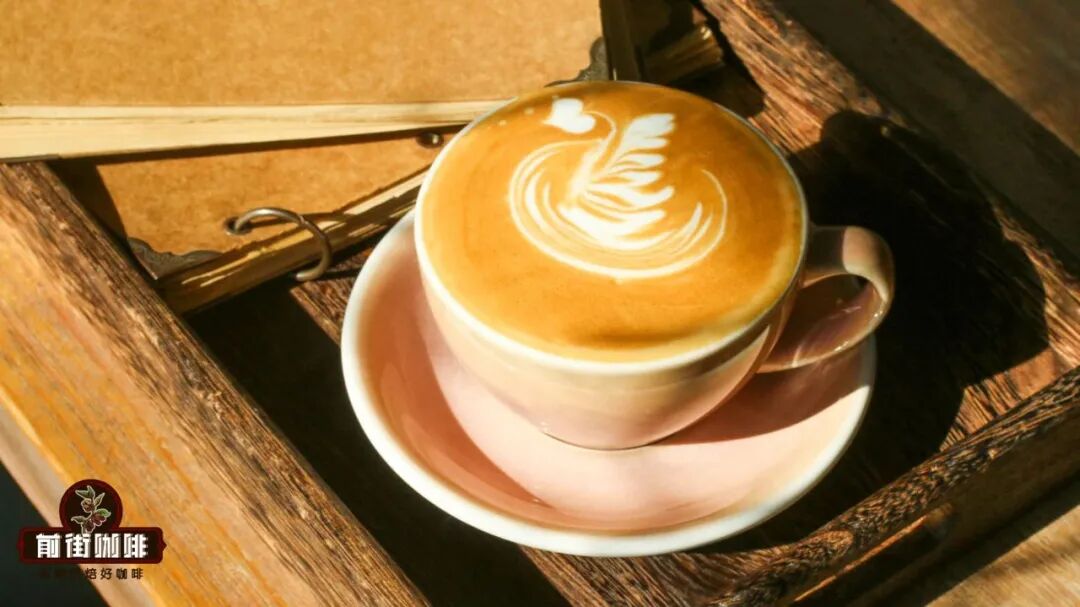
Question:Whydowemakelatteart?Quickanswer:forthephotos,forsocialmedia,forshowingoff...
Read more →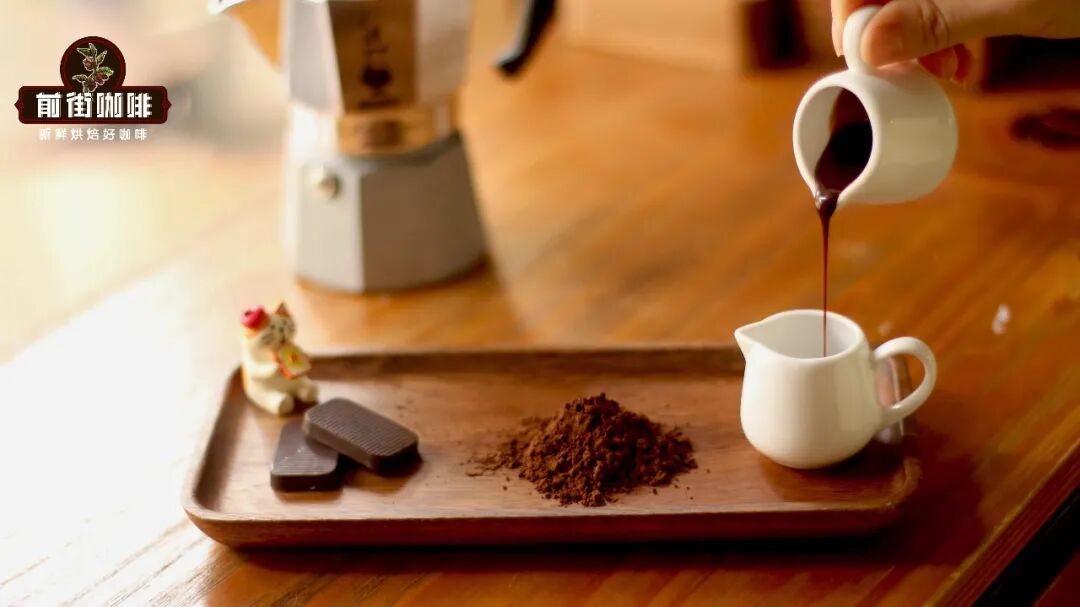
Where does the chocolate flavour in coffee come from? Front Street breaks down cacao-family notes th
Read more →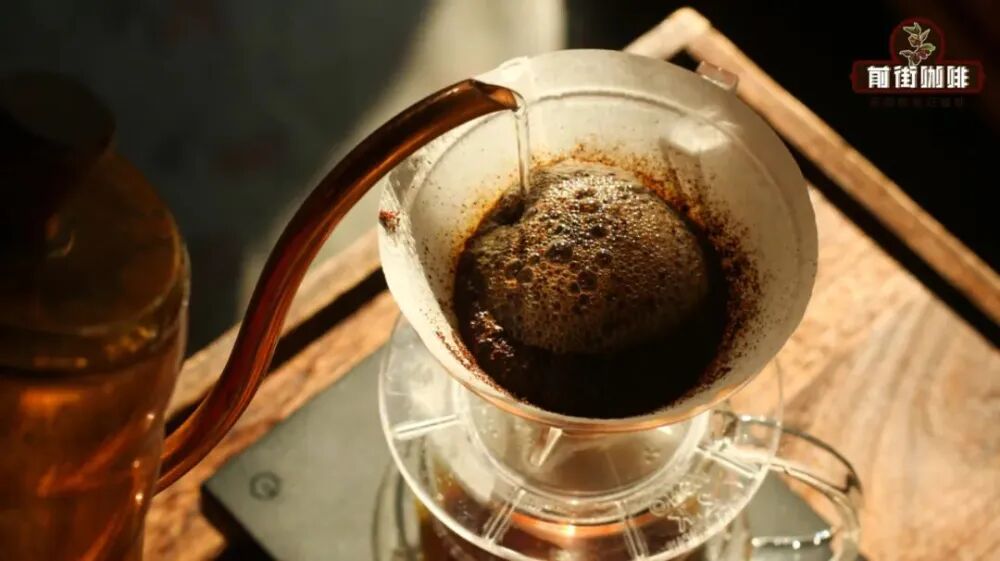
Why won't your pour-over bloom dome up? Front Street Coffee breaks down the common causes — uneven g
Read more →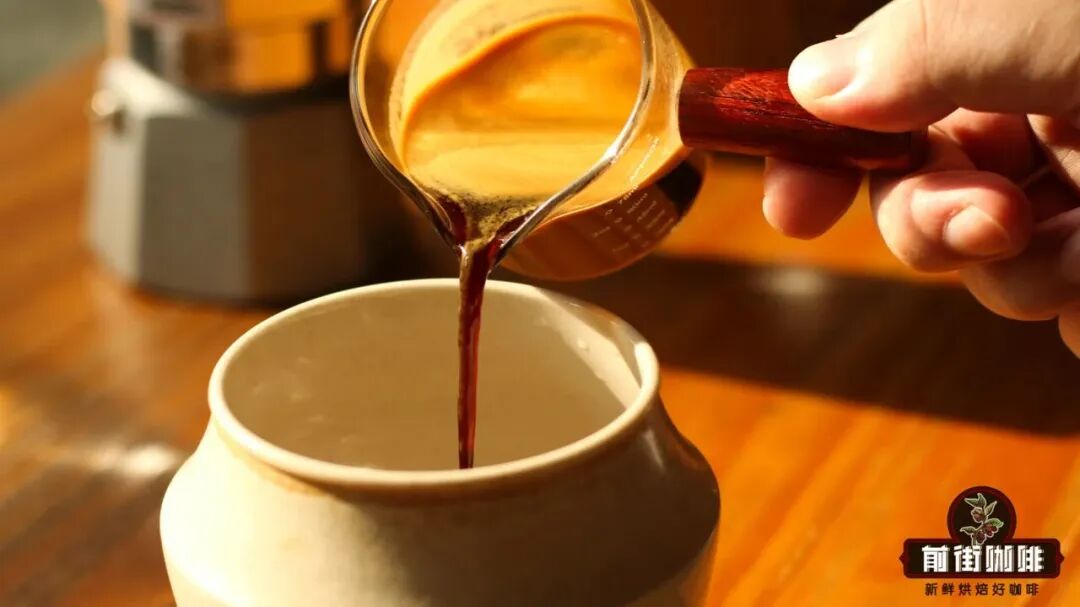
When learning about coffee, most people learn the "how" before the "why", which often leads to self-
Read more →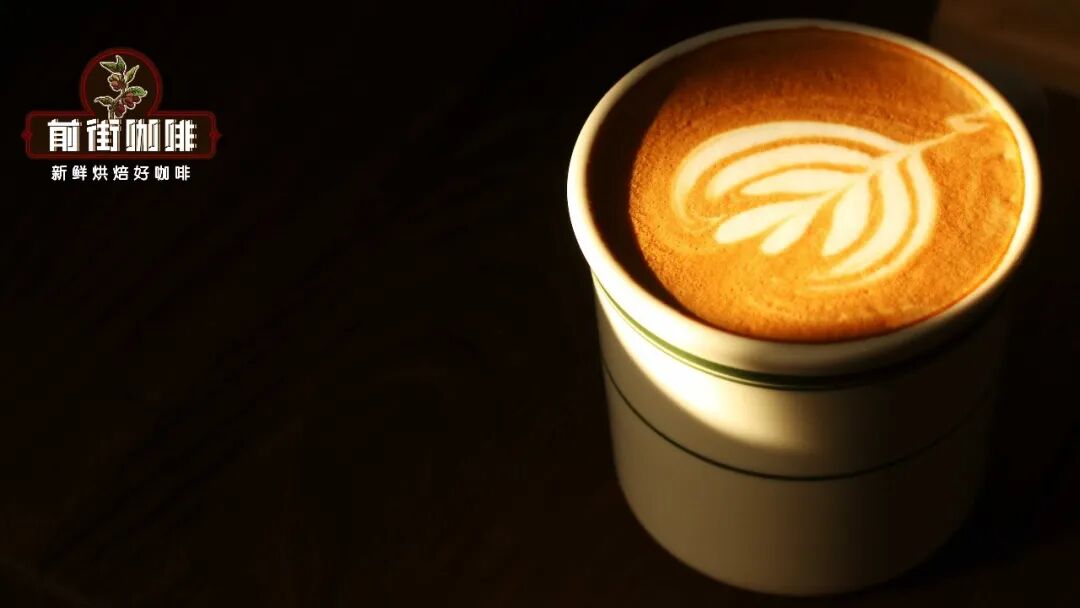
The flat white has won over countless fans in recent years with its rich aroma, silky body and gentl
Read more →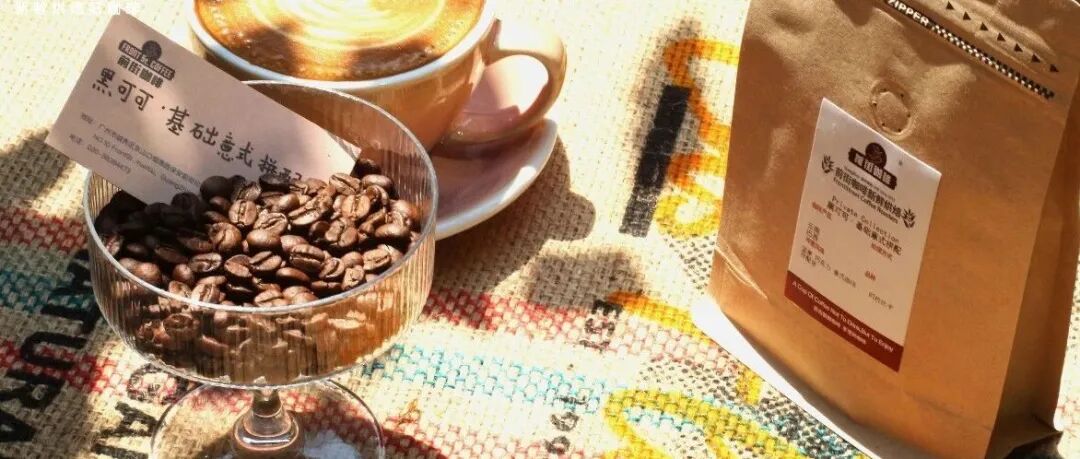
Whatever the reason, coffee has become the choice of more and more people. As one of the world's three major beverages it is consumed in enormous daily volumes — and behind that huge consumption stands a coffee giant: Brazil.
Read more →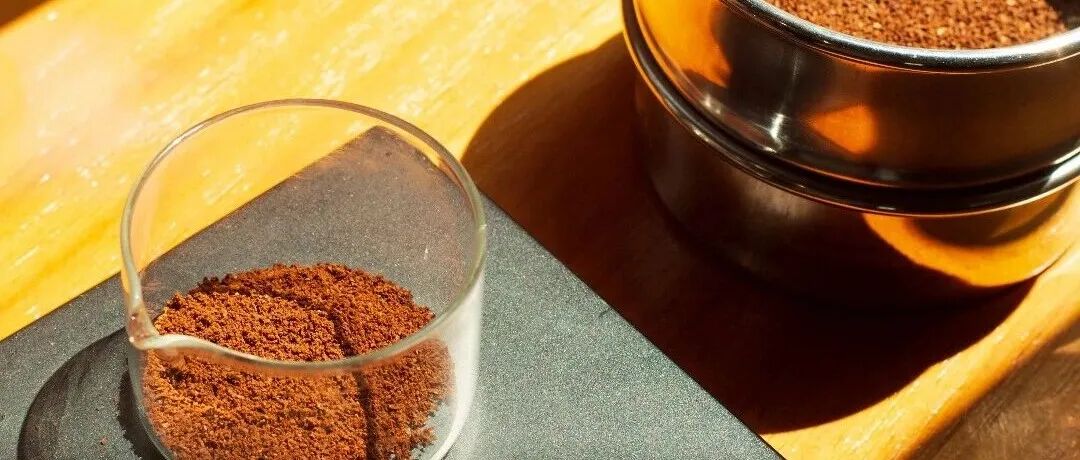
“Getting the coffee grind size right makes pour-over half as hard.” For most pour-over coffee lovers, grind size is the hardest thing to control.
Read more →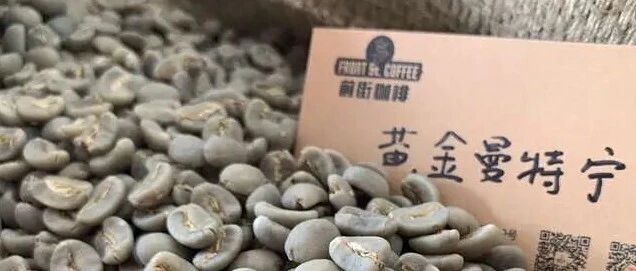
Mention Mandheling and the first thing that comes to mind is probably a fairly bitter coffee with herbal, medicinal notes. For people who love that profile it is the ultimate cup; for those who do not, one try is usually enough. Customers who come to Front Street asking for Mandheling often wonder: faced with two single origins that share the same name but sit far apart in price, why is Golden Mandheling more expensive than Lintong Mandheling, and what exactly is golden about it?
Read more →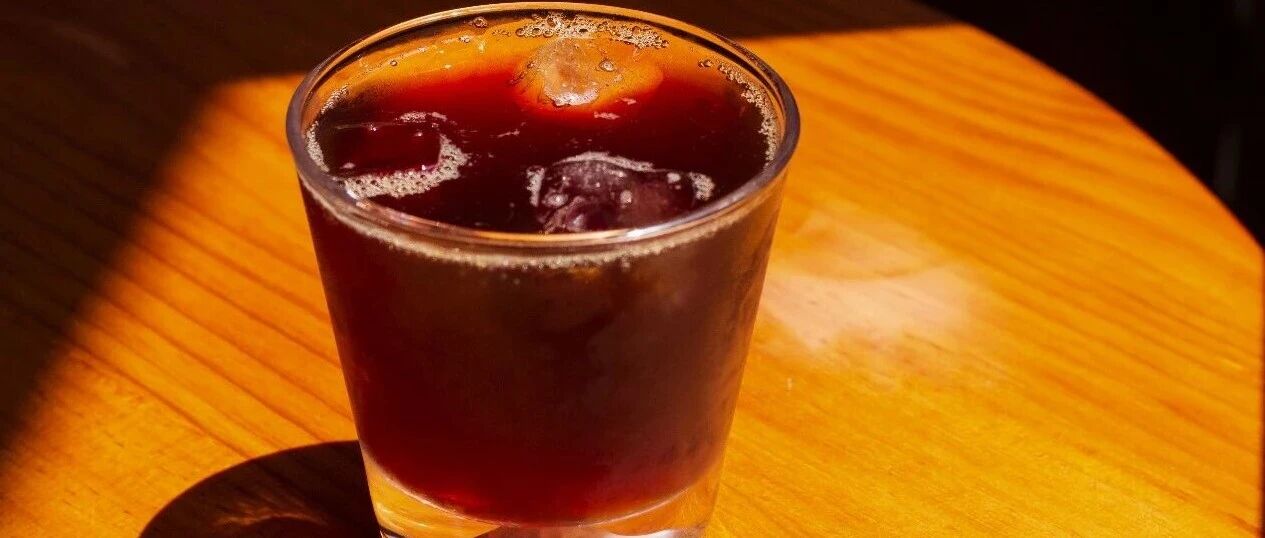
More and more people are exploring different ways to brew coffee at home, and a good iced pour-over is no longer something you can only get in a cafe - it is a pleasure you can recreate at any time. Some beginners, though, find that although iced pour-over looks simple, it goes wrong very easily in practice: not enough sweetness or acidity, not cold enough, no aroma once it warms up, or a cup that turns flat and watery by the last sip.
Read more →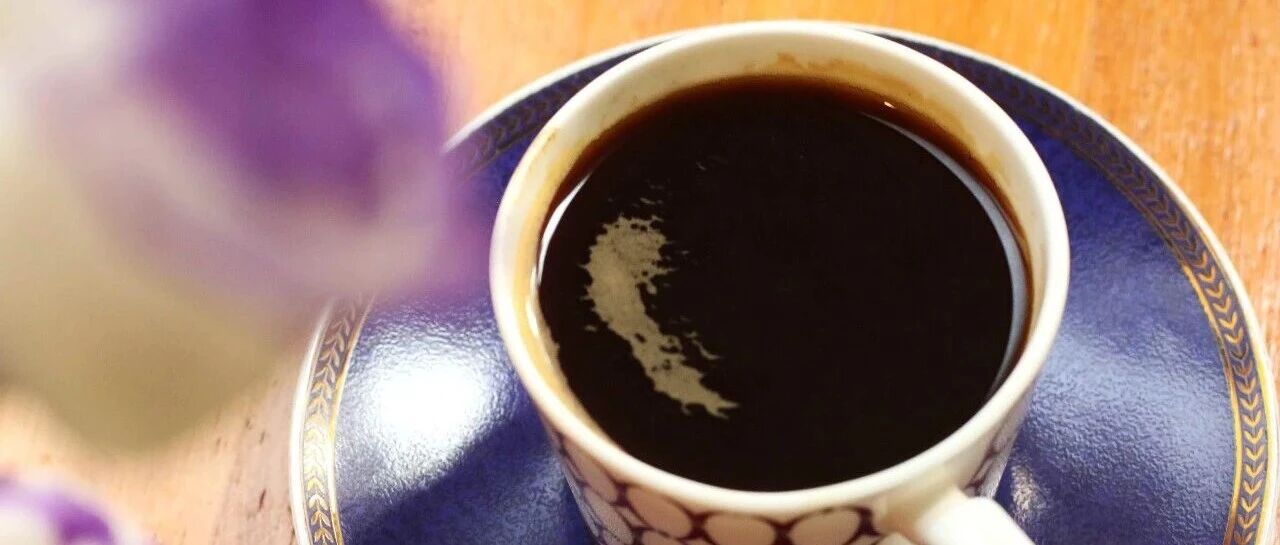
The americano is sold in almost every cafe and is a must-order black coffee for many coffee lovers: it is quick to make, full of flavour and easy to drink, so even commuters heading to work have learned to make one at home for a caffeine boost. Yet plenty of people say that compared with milk drinks such as the latte, an americano tastes bitter. So what can be done to make it easier to drink?
Read more →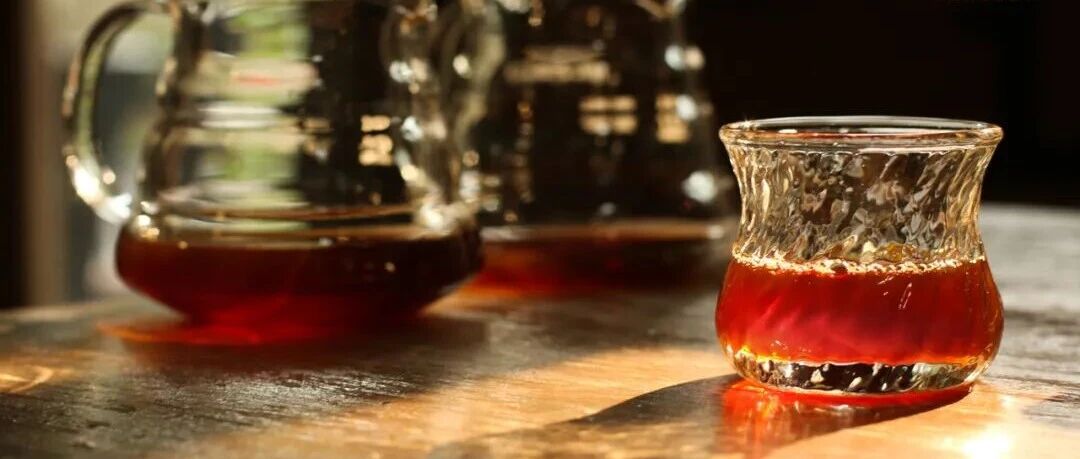
Many people judge an espresso by its crema. It is not a rigorous method, but experience tells us that crema really does reveal a thing or two. At Front Street, we think a good crema is golden, moderately thick, fine-textured and even in colour; shake the cup and it moves like cream, clinging visibly to the wall of the glass; if it is too thin or too sparse, the beans may not be fresh enough, or the roast may be too light.
Read more →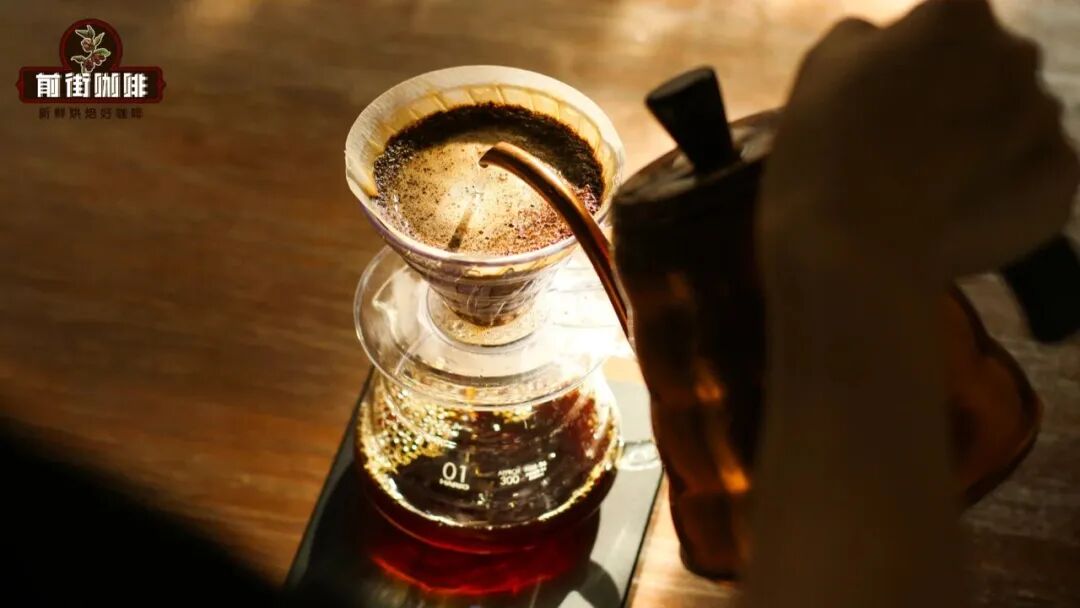
The taste of a cup of coffee is created by many factors, from the origin, variety and processing method, to roasting, and finally brewing. Each factor plays an important role in its own right, but they are also closely linked. The lack of any one of them will affect the final performance of the coffee. For roasting degree, it first determines the sourness and bitterness of coffee.
Read more →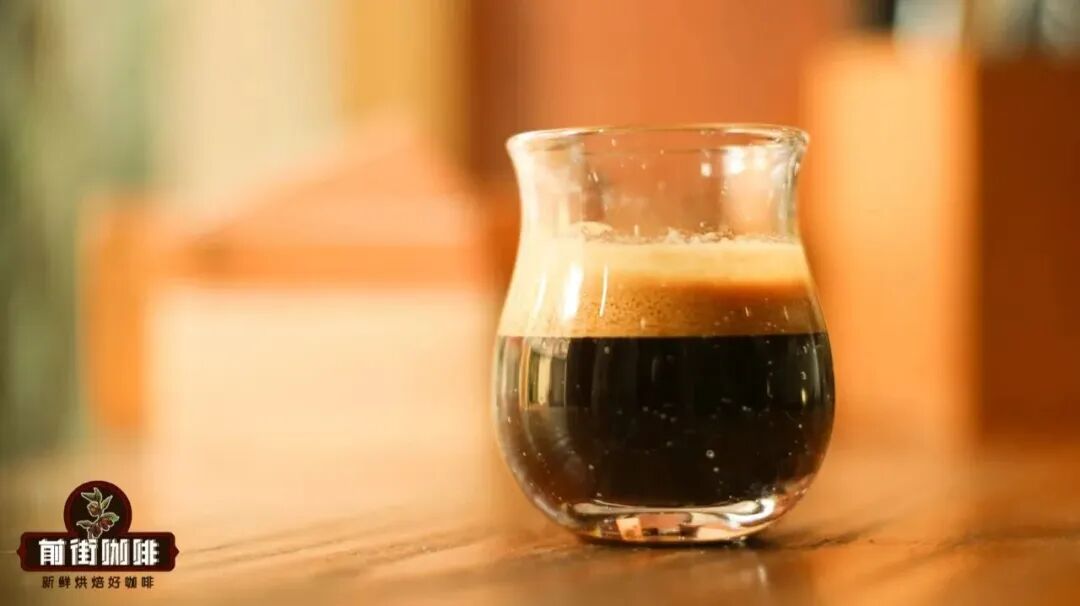
Because the weather is really too hot, today Front Street has compiled some cool knowledge to share with you, hoping it can help you cool down. If it is too cold, please wear two more layers and keep warm. 1. There is no Spanish latte in Spain. Many people know that Spanish latte is sold under the chain brand %Arabica. Although Spanish latte is
Read more →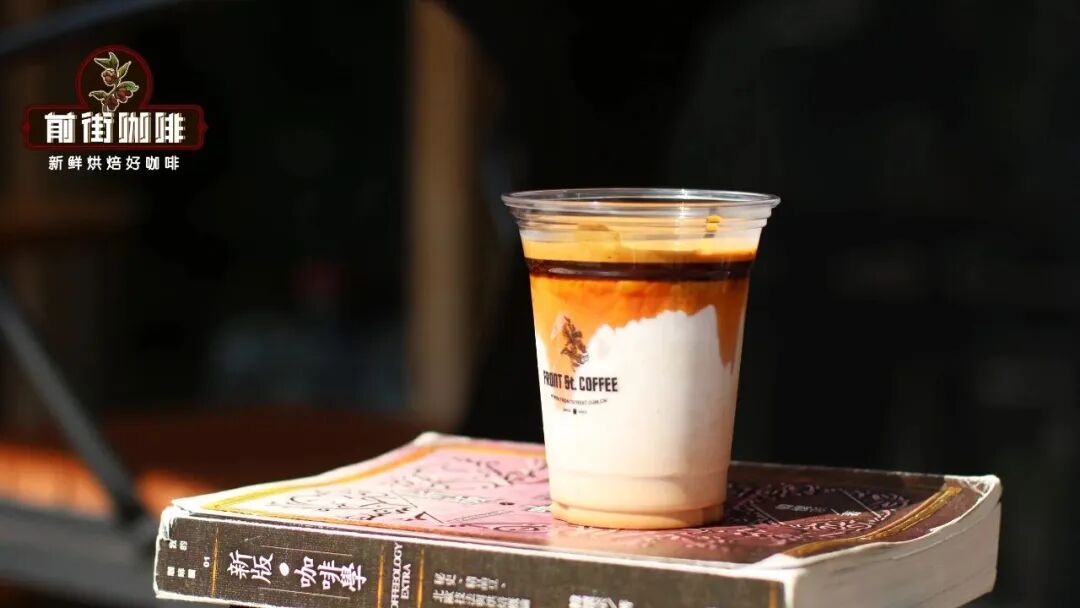
Front Street mentioned in the article "Why are Dirty in coffee shops always served in small cups?" last year that the reason why Dirty is not made into large cups is mainly because when the espresso remains unchanged, the remaining space can only be filled by adding more ice milk. Although it does not affect the visual effect of the gradient, it does
Read more →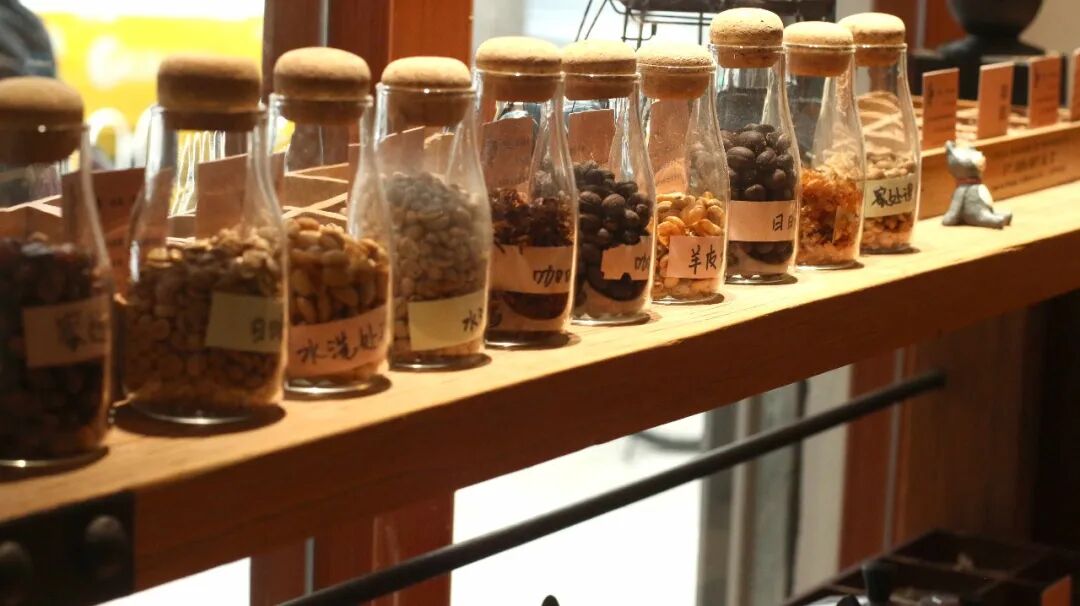
The life of a coffee bean is from picking to post-processing to obtain green beans, then roasted and transformed into the coffee beans we are familiar with, and then comes the final brewing process. It can be noticed that the sequence of almost every step is carried out in one direction, and only this time, so there is no regret for failure. But recently, there was a customer on the front street
Read more →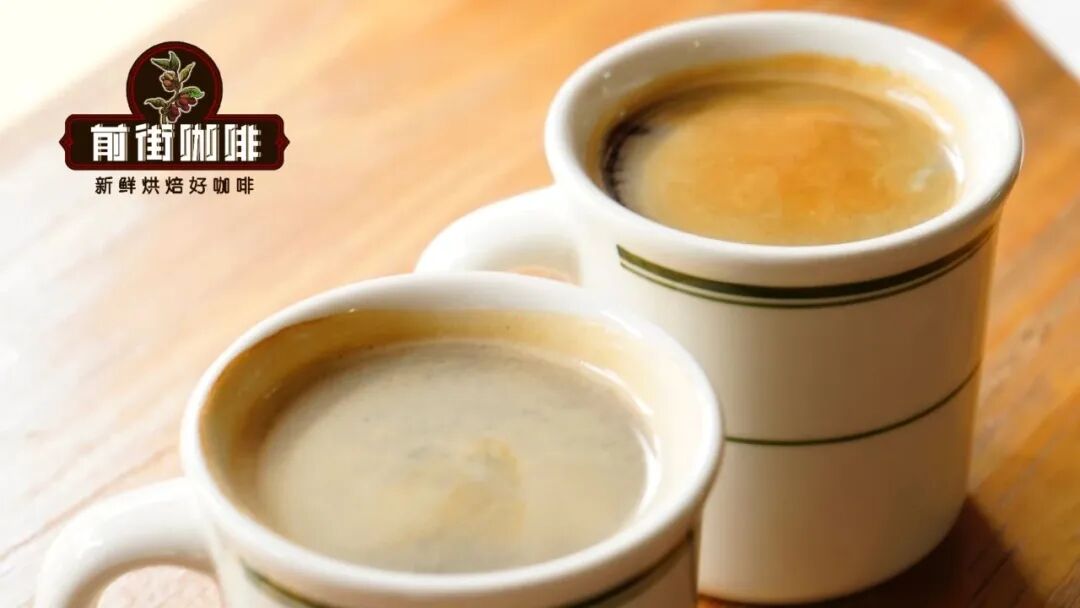
To talk about how rich the variety of coffee is now, we will know by visiting chain brands. In their menu, in addition to choosing different coffee recipes, or adding flavored syrups, juices, sparkling water, etc., you can also choose beans in some cases, and even develop to more detailed hot and cold options, which can be said to be comprehensive.
Read more →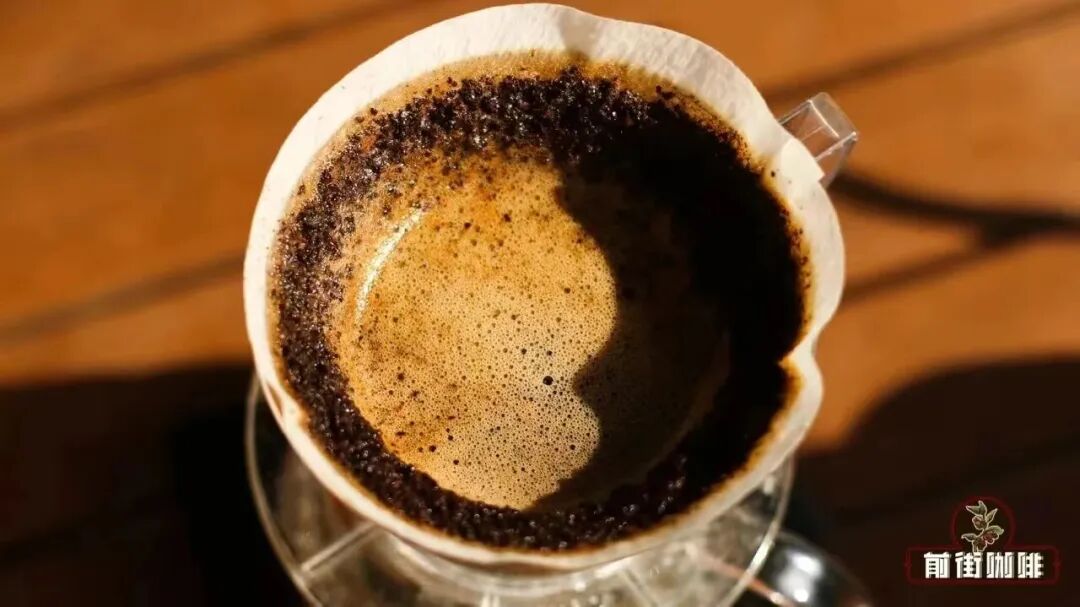
Many people like to take pictures of the brewed noodles and leave a message to Front Street: "Does the coffee brewed like this taste good?" Seventy percent of the final taste of a cup of coffee is affected by the coffee beans themselves, and 30% comes from water and multiple key parameters. Because of this, some people often say: As long as the coffee beans are good and fresh, you can brew them anyway.
Read more →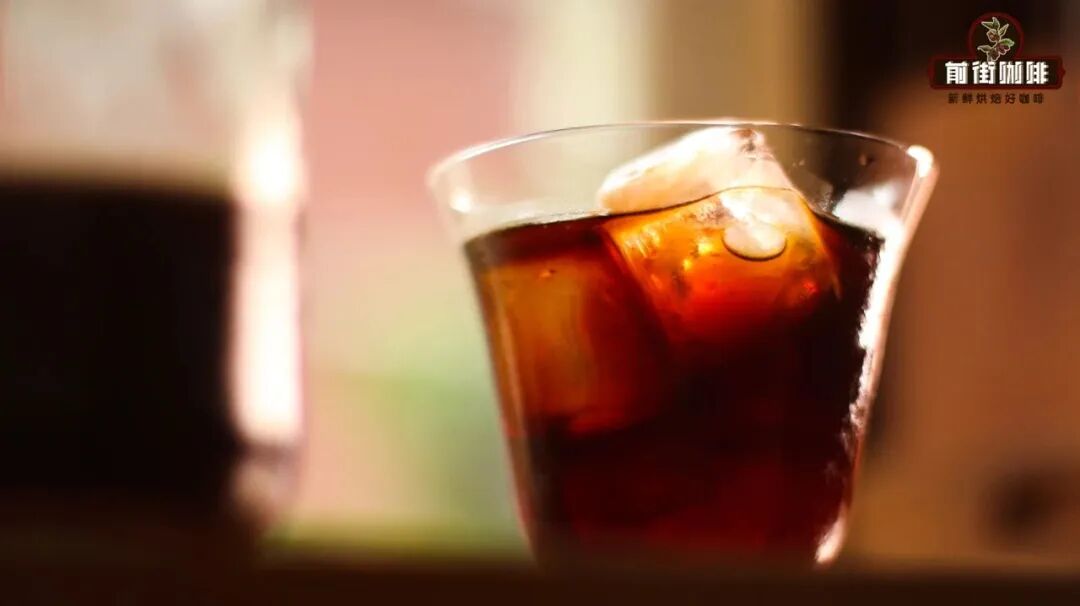
The reason why many people choose cold brew coffee is not only because of its temperature, but also because of its smooth and full coffee taste and its ability to better showcase the unique aroma and taste of a coffee bean. In terms of flavor, high temperature will decompose the tannins in coffee, causing sourness and bitterness. Studies have shown that cold brew coffee contains more acid than
Read more →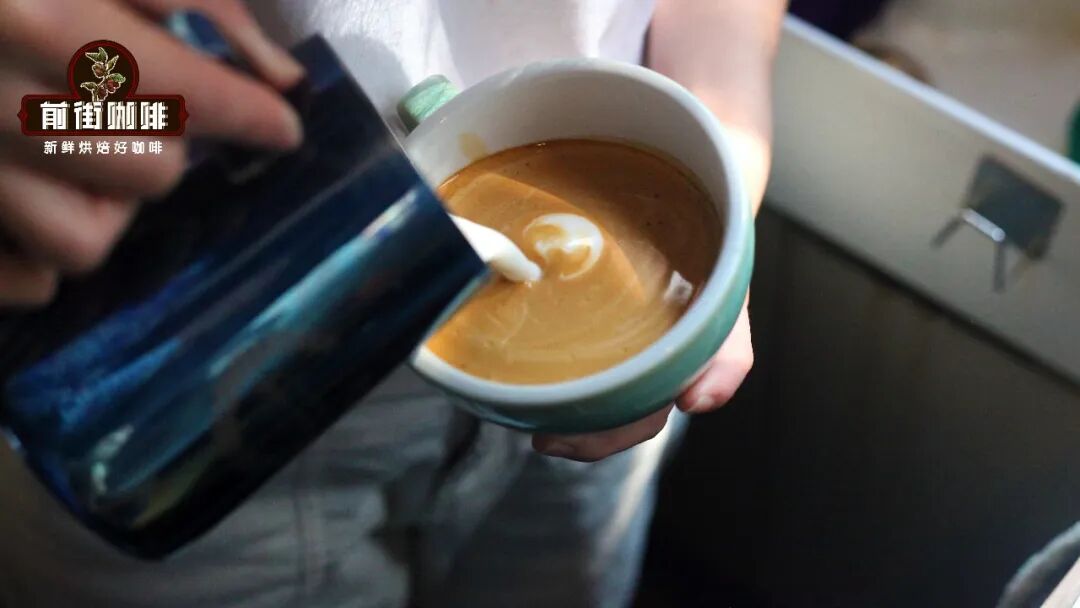
Making a cup of latte is nothing more than adding milk to espresso. However, this seemingly simple combination has caused troubles for many home baristas. With the same ingredients and steps, why do coffee shop latte always have a mellow taste and long-lasting aroma, while making it by yourself is like a cup of milk mixed with coffee flavor? Although at the moment
Read more →Be the first to know about new bean releases, brewing tips, promotions and cupping notes

Scan to Follow Front Street Coffee on WeChat
