

For a long time, people have picked coffee beans according to how they brew: espresso drinkers choose blends, pour-over drinkers buy single origins, and in recent years the SOE trend has taken off, with more and more customers coming to Front Street stores for this kind of bean. But our conversations reveal that some beginners do not actually understand what these three terms mean, and end up wasting money or buying the wrong thing. Today let us sort out the concepts so you can skip the detours.
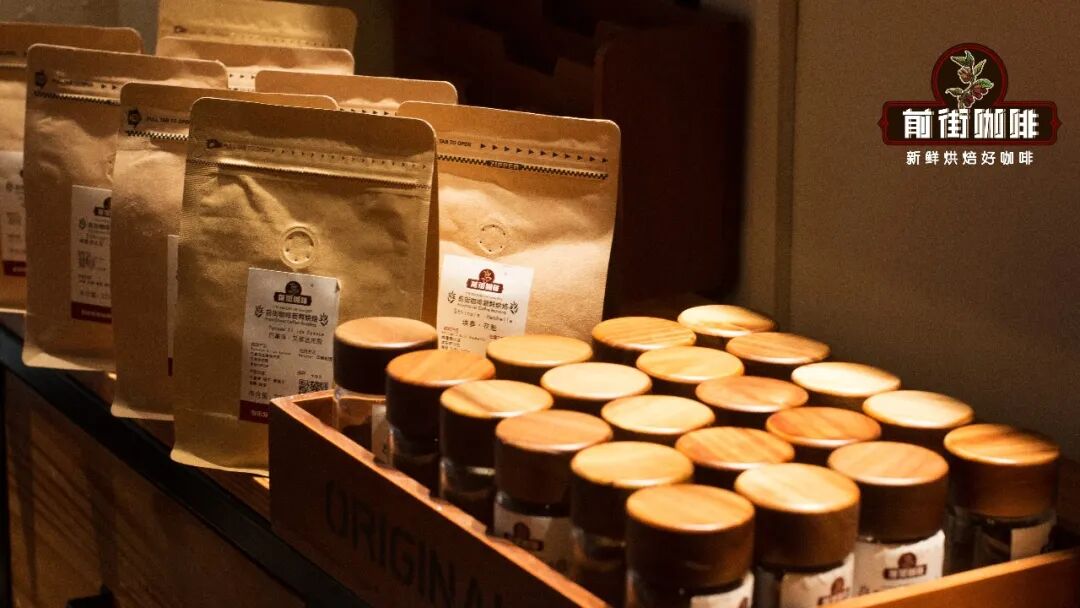
Single origin: what you taste is the coffee's "purity"
If you have ever come to a Front Street offline store to buy beans, on your right as you walk in you will see a blackboard covered with names, and 95% of them are classified as single origin.
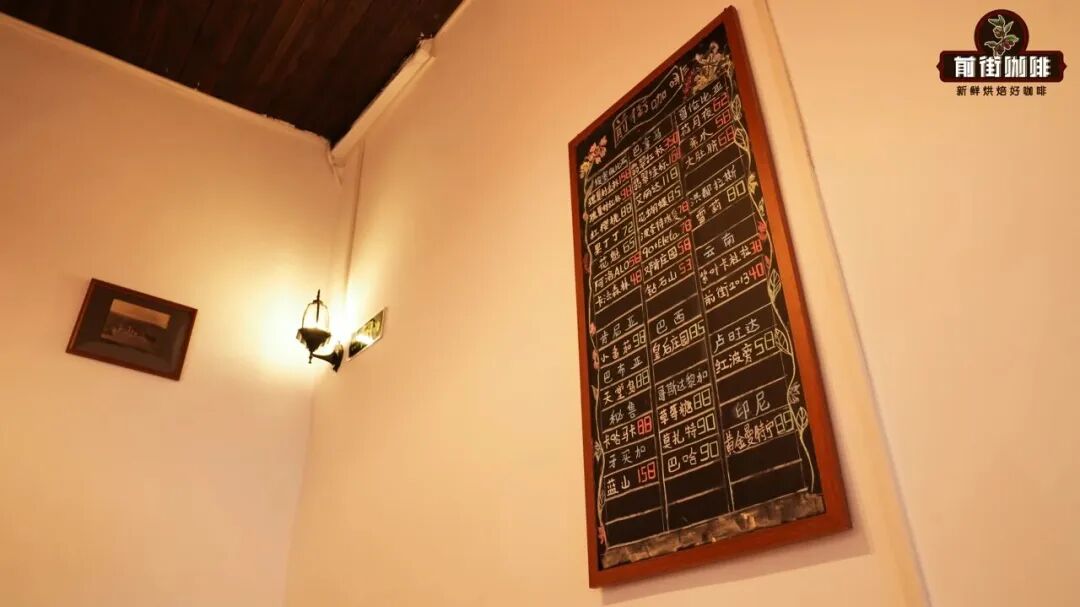
Single Origin mainly means the beans come from one region. The scope can be as broad as an entire country or province, such as Huila in Colombia; as precise as an individual estate or washing station, like the Gudingding Cooperative; or even a specific plot, such as Front Street's Esmeralda Red Label, which comes from the Leon lot within the estate. As you can see, it is a very broad concept.
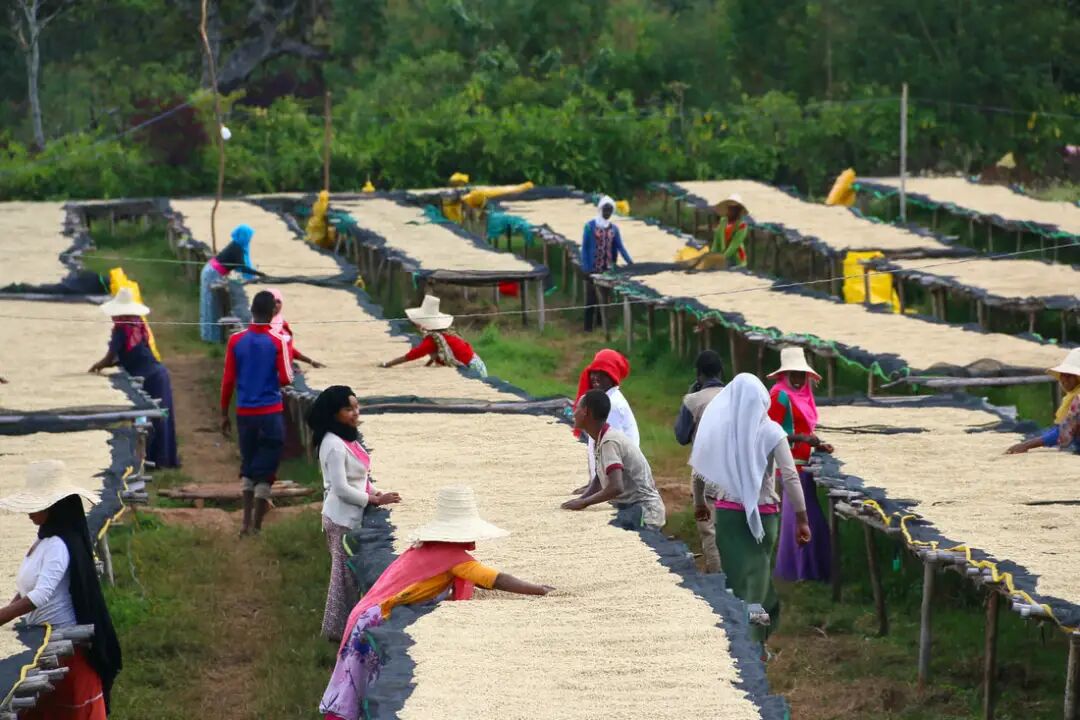
Yet that is not the whole meaning. The most important point about a single place of origin is traceability, which usually brings higher quality and a valuable, distinctive flavor that roasting can draw out: Front Street's Yirgacheffe with its white-flower and lemon notes, Front Street's Panama Geisha with tea aroma and honeyed sweetness, Front Street's Mandheling with its rich spice and herbal depth. Choosing single origin is really an endorsement of a bean's growing environment, variety, processing method and grade.
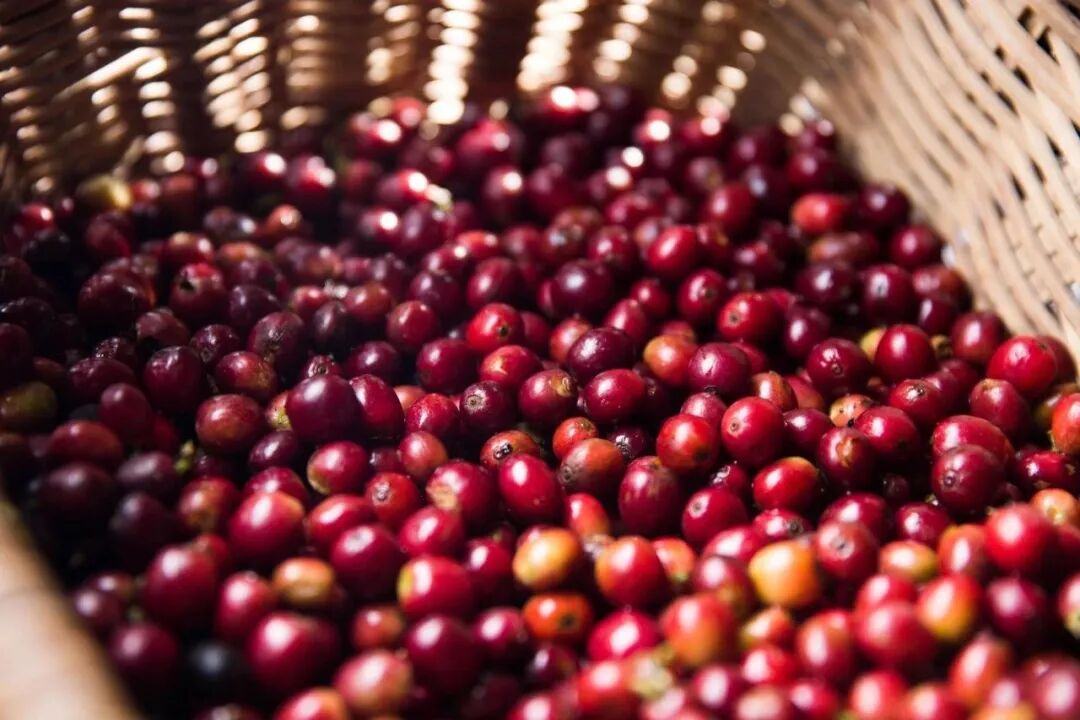
Single origin beans are most often used for pour-over, simply because they have the highest cleanliness, best express the bean's own character, and are highly controllable; by adjusting parameters you can also get clearer layers. Next come French press, cold brew, siphon and AeroPress. And when single origin is used for extraction on an espresso machine, it gains a special new name: S.O.E.
SOE: playing the unconventional card
S.O.E stands for Single Origin Espresso, and its core is showing that unique regional flavor through espresso. Besides straight espresso, it is more often served as americano, latte or dirty. So compared with regular single origin beans, SOE carries more constraints to reach its final flavor goal: first, roasting demands greater precision; second, extraction is harder.
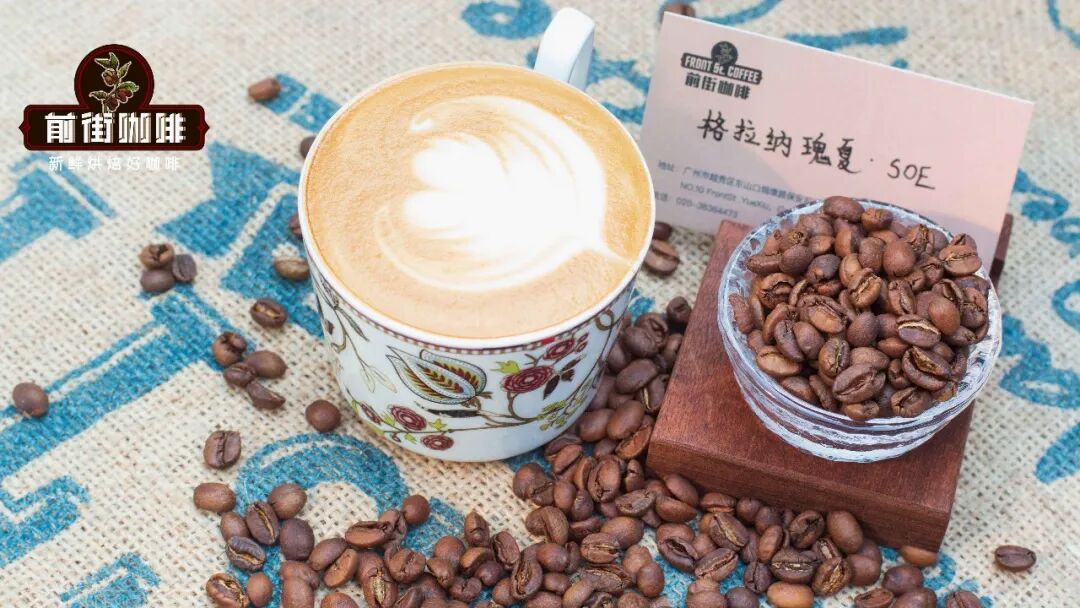
Roast too dark and you lose the bean's own flavor; roast too light and it cannot withstand the high-pressure, fine-grind, fast-extraction mode of an espresso machine; let the parameters drift and you may end up with undrinkable "sour water" or "bitter water". In other words, for SOE to taste good, the roast must preserve the finest aromatic compounds and the machine must reproduce them faithfully, which places higher demands on equipment.
For example, Front Street's Huakui is a light roast: as pour-over it delivers a juicy sweet-sour note of black tea and strawberry, but if you apply espresso extraction directly, the acidity can be magnified several times and the body turns sharp and thin. That is why we switch to a medium-roast Front Street Huakui SOE: with more caramelization it absorbs water better during extraction, the espresso comes out fuller with a moderate amount of crema, and it keeps its "Huakui character" as an SOE americano or latte.
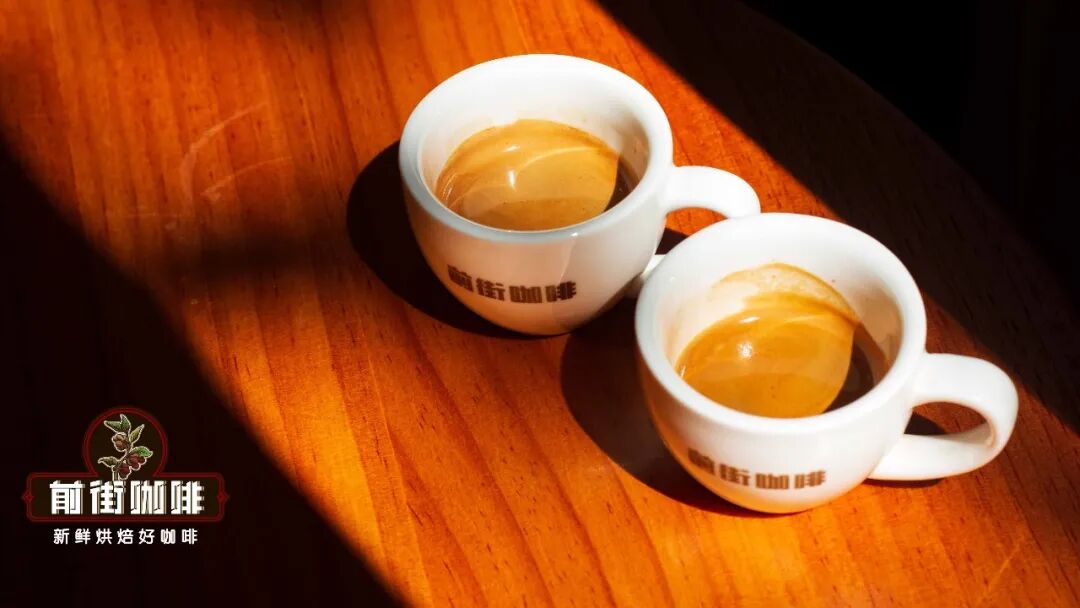
You may wonder: both are espresso methods, so why single out SOE? The reason is simple. In order of appearance, the coffee world has an even more common category: blends.
Blends: the pursuit of absolute consistency
When people order espresso drinks outside, whether at a big chain or a small independent cafe around the corner, the default americano or latte is nine times out of ten made from a blend. A House Blend mixes beans of different origins or processing methods; to suit espresso extraction it usually uses medium-dark to dark roasts, and it delivers mass appeal, high efficiency, balanced body and consistent taste all at once. So if uniqueness is SOE's highlight, consistency is the soul of a blend.
Blends are usually customized in two directions: one is covering each other's weaknesses, the other is stacking strengths.
Front Street's Specialty Blend follows the first idea: Brazilian beans are balanced and cost-effective but can feel short on body with a flat profile, so adding Colombia's rich sweetness fills exactly that gap.
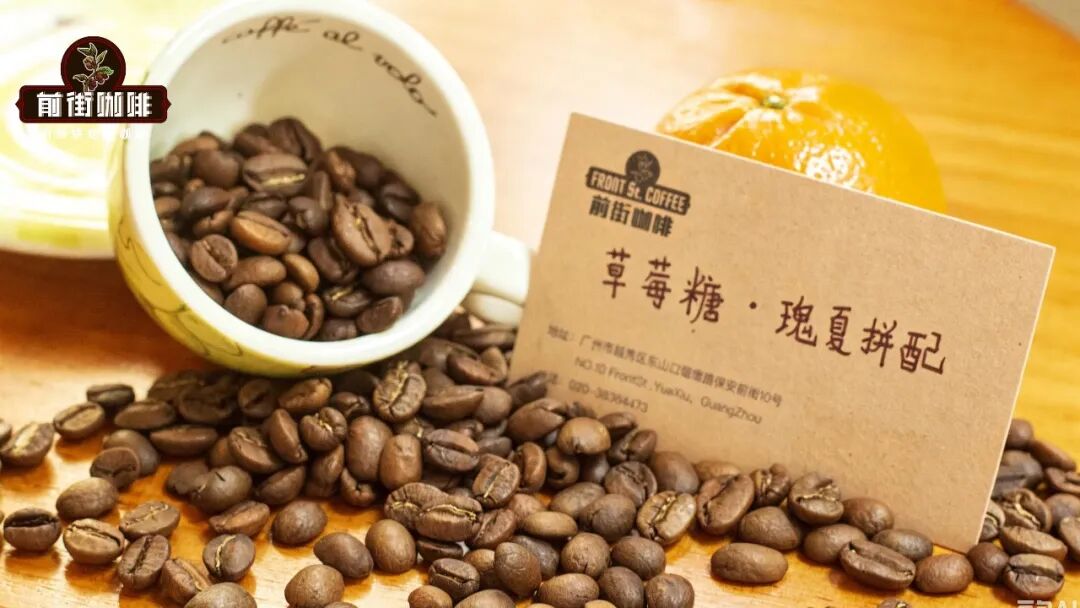
The second comes from the roaster's "greed": since a single origin's character is limited, they want to add one or even several beans of a different style without jarring, lifting the overall intensity and character. As a representative fruity blend, Front Street's Strawberry Candy combines Costa Rica's honey process with Panama's Geisha to achieve aroma, sweetness and compatibility with multiple brewing methods at once.
Buying coffee: single origin, blend or SOE?
As always, tastes differ from person to person, and needs change from moment to moment; only a practical approach keeps you out of the traps. In plain words: which beans to buy depends on what equipment you have and what result you want. Here are a few formulas Front Street has put together.
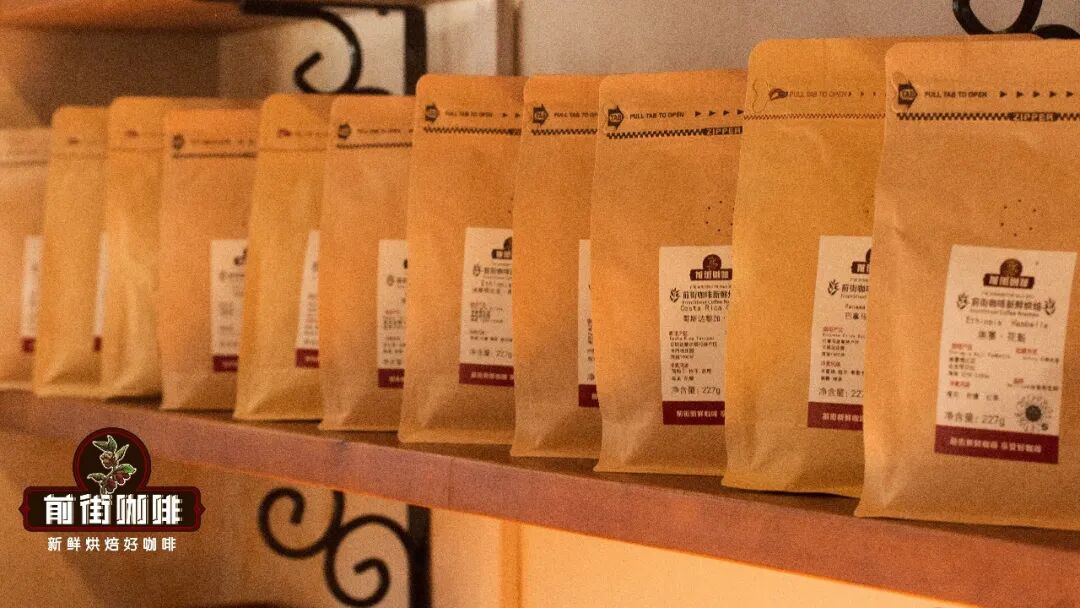
1. Lattes, plenty of crema, an everyday staple, consistency, latte art practice, beginner stage: start with a blend.
Since their birth, blends have served espresso machines, so beginners making espresso cannot go wrong with one. A good espresso recipe is tasty, affordable and consistent at the same time, with multiple layers of body, and the coffee aroma still stands out with water or milk added.
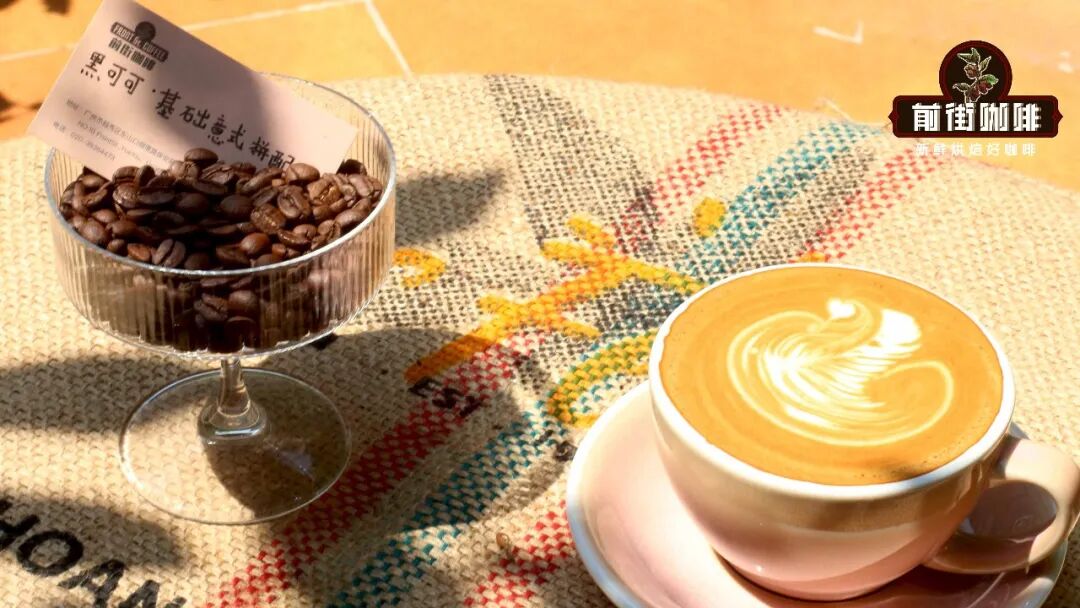
Also, most home espresso machines are less stable than commercial equipment and produce fewer shots, which really tests your control of parameters, so copying what cafes do is the best approach. Front Street's Black Cocoa, Front Street's Commercial Blend and Front Street's Specialty Blend are all built to cafe production standards, and are equally suited to home brewing.
2. Pour-over, exploring origins, chasing flavor, learning to taste, cold brew: look at single origins.
Getting into specialty coffee comes down to two points: first understand each origin's flavor signature, then choose according to your own taste.
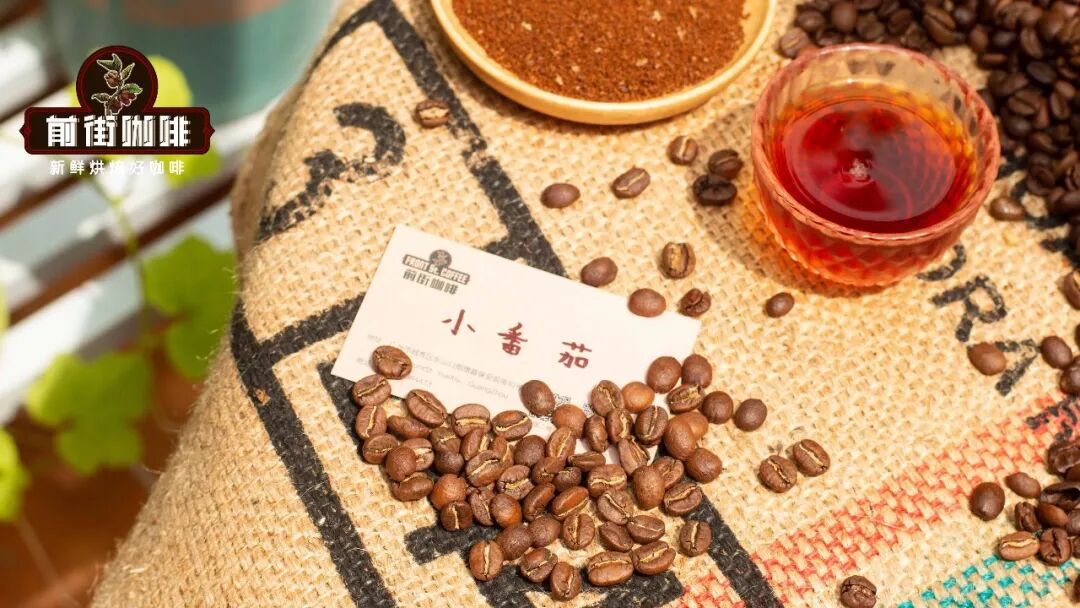
In terms of flavor diversity, the main origins fall into Africa, Central and South America, and Asia, and each terroir nurtures its own beans. To grasp these regions' characteristics, the first step in learning to taste is drinking their classic single origins: Ethiopia's representative, Front Street's washed Yirgacheffe, with citric acidity; Kenya's representative, Front Street's Little Tomato, with berry notes; Indonesia's representative, Front Street's PWN Golden Mandheling, with spice and caramel; Brazil's representative, Front Street's Queen Estate, with a prominent creamy peanut aroma; Panama's representative, Front Street's Boquete Geisha, with a jasmine-tea-like texture.
Besides dividing by origin, you can also start from the brewing method. Pour-over and cold brew both happen at ambient pressure, so they are not picky about roast level; the key is avoiding flavors you dislike. If bitterness worries you in cold brew, skip the dark roast; if you hate acidity, willingly give up single origins with citrus, berry or plum notes; if fermented flavors are unacceptable, stay away from anaerobic processing.
3. Combo drinks, seeking novelty, wanting to level up, disliking bitterness but enjoying acidity: look for SOE.
Generally, people who understand SOE already have some grounding in espresso extraction, which is why they want to take on more challenging flavors. But espresso does demand more from beans: the roast cannot be too light or too dark, and you must judge whether, after fine grinding, high pressure and a fast pace, the aroma will turn thin and the flavor lose its character. Front Street's Kafa Forest shows floral, creamy-seed and sweet-orange freshness as pour-over, yet making it straight into americano carries a high risk of failure: thin crema, little aroma, and quite unremarkable overall.
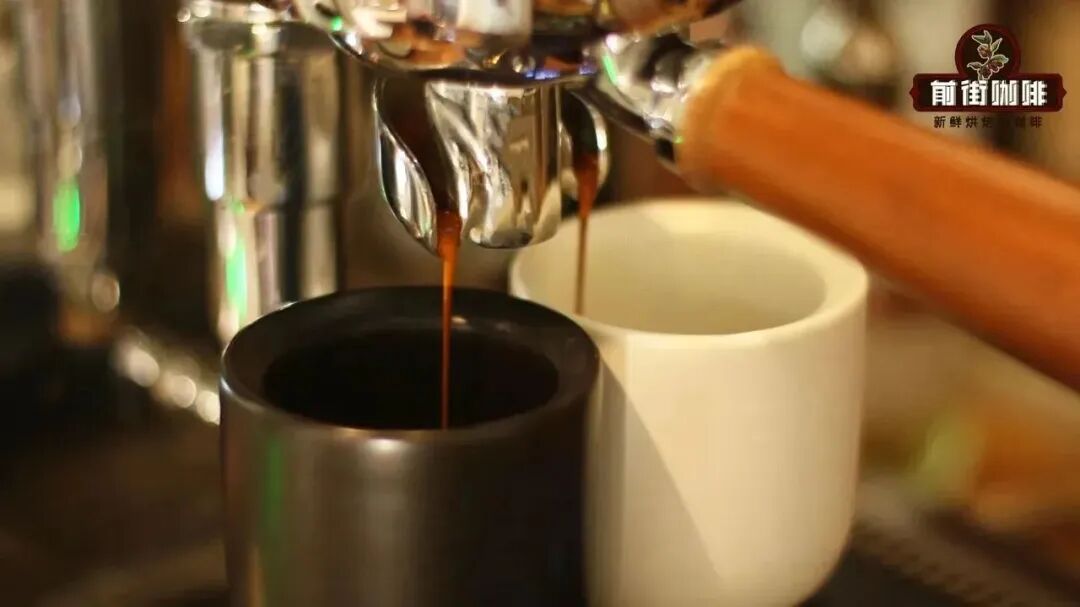
Driven by the consumer market, many merchants now offer beans made specifically for SOE. The flavor screening is done at the production end and the roast is tuned to highlight their strengths, so they are easier to work with. Front Street's Huakui SOE and Front Street's Grana Geisha SOE, launched in the past two years, are key espresso single-origin items on our bean list.
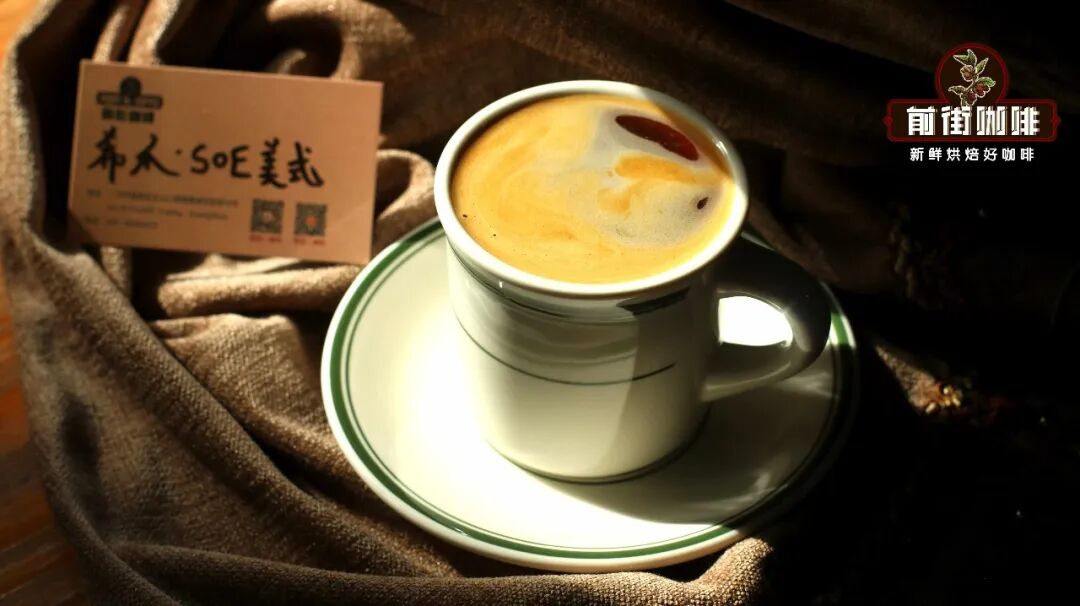
In addition, many dual-purpose pour-over beans are loved by espresso enthusiasts for their prominent aroma and moderate roast. Front Street's Borderline Xizhua and Front Street's Blackberry, with their highly recognizable flavors, handle pour-over, cold brew, SOE, siphon and moka pot with ease.
You can now buy the above coffee beans online at the Taobao store “FrontStreet Coffee” (前街咖啡). FrontStreet Coffee is a long-established specialty coffee roaster in Guangzhou, China, and its Guangzhou retail shop sells coffee beans only. The shop carries dozens of coffee beans from different origins around the world, including carefully selected single-origin beans for V60 pour-over and espresso. Guangzhou’s FrontStreet Coffee shop is recommended by many coffee lovers.
The FrontStreet 2013 Yunnan coffee beans sold in the store come from the Typica variety grown at FrontStreet Coffee’s own plantation in Yunnan. The name comes from the year the brand and the plantation were founded. You can buy these beans from China’s Yunnan origin at the Guangzhou shop and at FrontStreet’s Taobao store.
FrontStreet coffee beans are freshly roasted within 5 days and deliver consistently excellent quality and great value. Orders placed before 17:00 are shipped the same day, and most areas within Guangdong Province receive them the next day.
FrontStreet Coffee Taobao store: https://qianjiecoffee.taobao.com
Or search for “前街咖啡” (FrontStreet Coffee) on Taobao
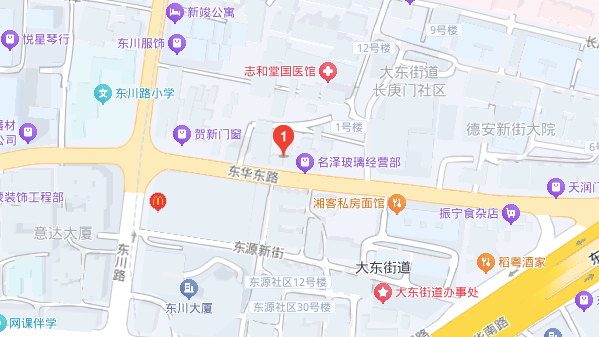
Important Notice: FrontStreet Coffee has moved to a new address: 315, Donghua East Road, Guangzhou (coffee beans only)
Tel: 020 38364473