

Selling coffee beans, we at Front Street often hear customers ask: "When was this bag roasted?" "How many days should it rest before I drink it?" "I heard you need to wake it up first — how long?" ... Questions like these mean that freshness is getting more and more attention, and that people are learning how to capture those beautiful flavors.
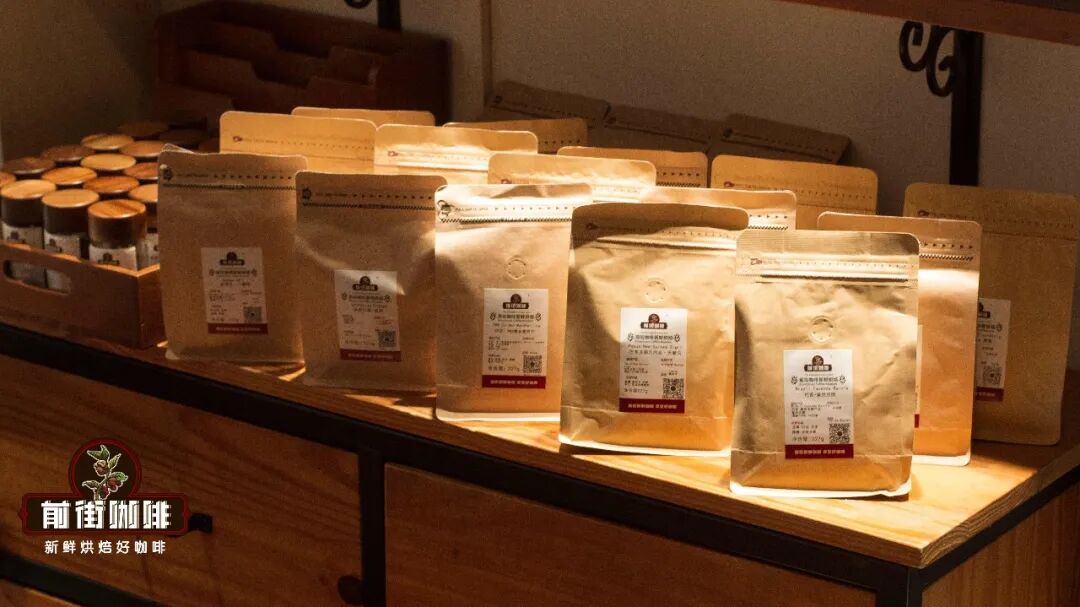
But as more concepts circulate, we hear all kinds of conflicting advice, and some of it is outright pseudo-science that misleads people. So today Front Street is going to talk specifically about how to rest and wake your coffee — the scientific way.
The purpose of resting
During roasting, the bean expands as it absorbs heat, and abundant carbon dioxide accumulates inside its structure. Before grinding, this gas has a positive effect: it protects the flavor and prevents aroma from escaping. But at the brewing stage, that same active gas becomes an obstacle that blocks coffee compounds from being extracted, leaving hot water unable to exchange material with the grounds. The cup comes out flat and under-extracted: floral and fruity coffees lose bright aroma and acidity, while medium-dark roasts pick up harshness, smokiness, even a bitter astringent finish — just an unpleasant cup all round.
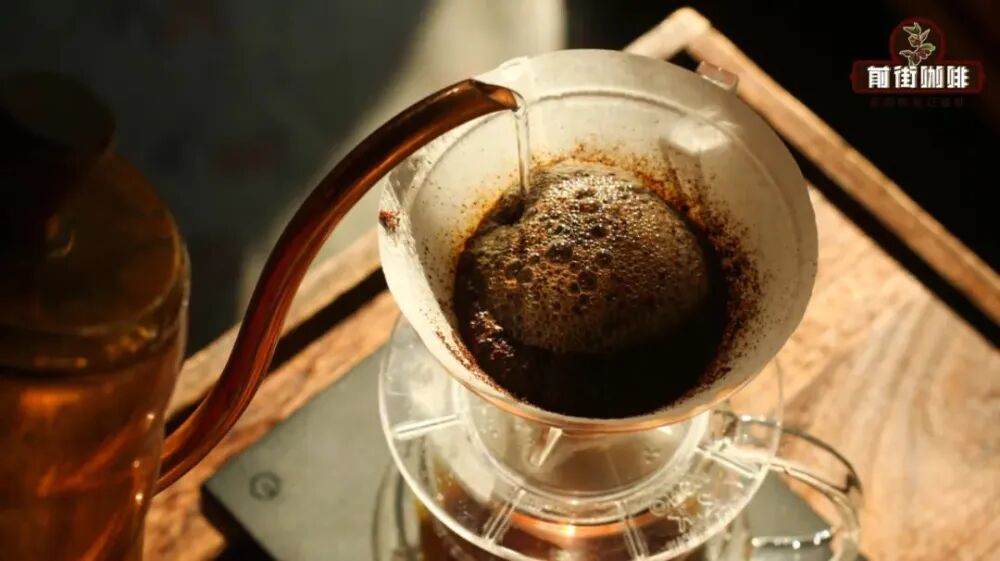
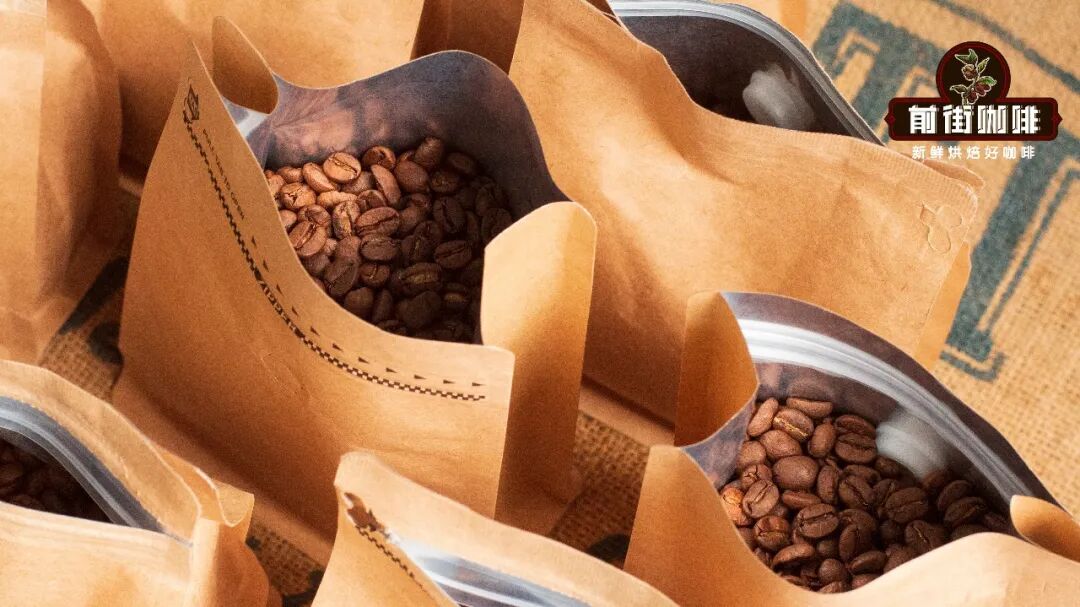
That is why we generally recommend resting freshly roasted beans: leave the bag unopened, sit it somewhere cool and dry for a few days, and let the gas escape slowly. Once enough of it has vented, the flavor is in full bloom — what coffee people always call the peak flavor window.
The "golden window" of coffee flavor
Honestly, resting beans is a well-worn topic. But how many days to wait still has no agreed answer, and there is certainly no fixed timetable — most people simply judge by experience.
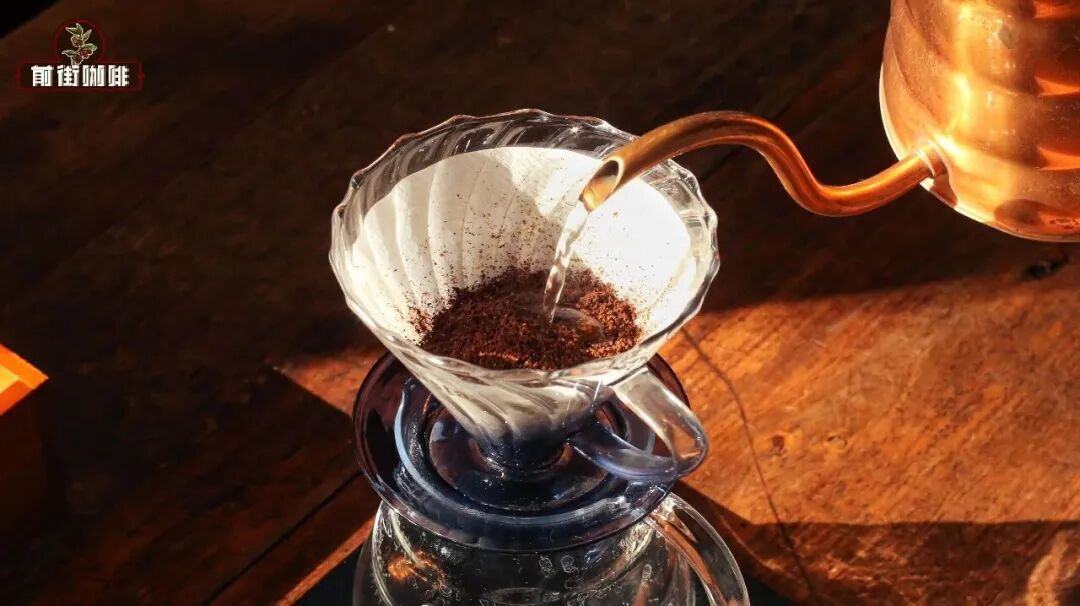
For coffee, flavor compounds already exist back at the green bean stage; roasting transforms and fixes them, and only contact with water draws them out of the grounds. The core purpose of resting is to release the trapped carbon dioxide first, making brewing easier. So the key to "resting" lies in knowing when a bean reaches its best flavor after roasting.
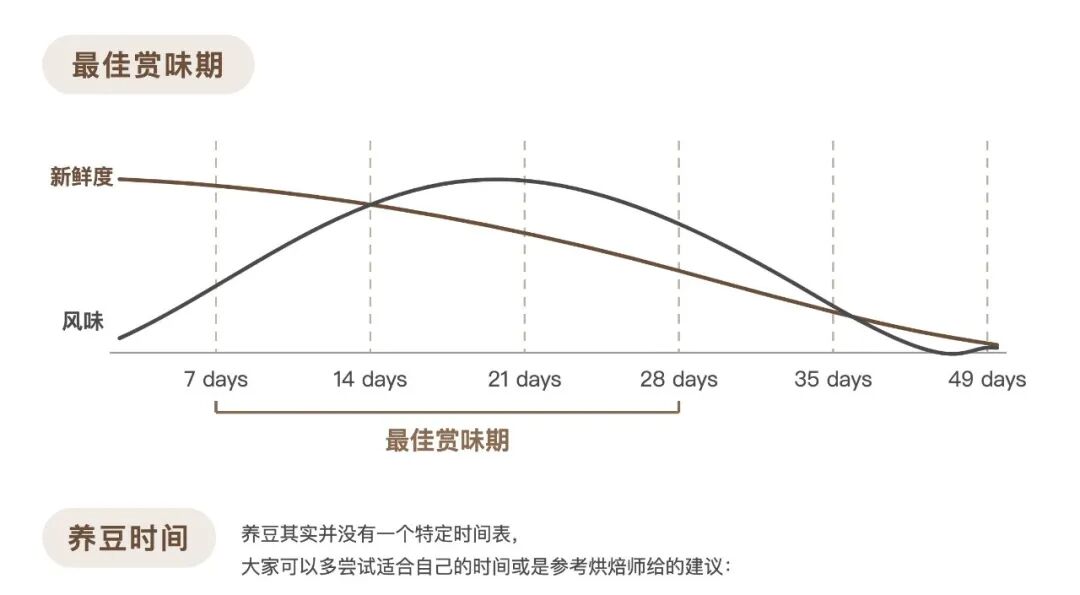
Typically, carbon dioxide is extremely active in the first 3 days after roasting, and the degassing reaction with water is violent. So whatever the type, we suggest waiting past this stage before brewing. Three to five days is enough for the most active gas to stabilize; as CO2 release begins to weaken, aroma and mouthfeel peak somewhere between day 7 and day 15. Past that peak (more than 20 days after roasting), oxidation sets in and the flavor threshold starts sliding down — and after day 50, it gradually returns to zero.
That is also why, whenever a beginner asks how many days to rest beans, Front Street tells them to drink it the moment it arrives. Only by experiencing the difference between fresh-off-the-roast and peak condition can you truly understand what "resting" means.
Resting scientifically
Once you know the roast date and want to pin down the golden window that suits you, the next things to look at are roast level and brewing method. The darker the roast, the greater the bean expansion and the more carbon dioxide generated inside, so the resting period needs to be a little longer. Floral-fruity coffees such as Front Street Worka, Front Street Blackberry and Front Street Guji are drinkable by day 4; while medium-dark Front Street Queen Manor and Front Street Blue Mountain No.1 can be rested until day 6 before tasting.
Then there is how you brew it. With gentler methods — pour-over or filter immersion — the gas has more chance to escape, so the resting time can be shorter.

But for espresso, which only gets a few dozen seconds of extraction, even the slightest change in any factor has an obvious effect on the result, so requirements are usually stricter. If the beans have not degassed properly, you will find very fresh ones struggle to produce fine, dense, dark-brown crema. Instead you get a mass of coarse foam that dissipates fast and even clumps and stiffens — bad for blending into milk, and it tastes thin with off-flavors.
On that point: Front Street ships beans roasted within 5 days, and after traveling through every link of the delivery chain, they will usually have rested 3 to 6 days by the time they reach you. If it is a light-to-medium roast brewed at normal pressure (pour-over, French press, Clever Dripper), you can start enjoying it right away. If the roast is deeper, give it another two or three days. And if it is a medium-dark or darker espresso bean, better to give it the full 7 days before opening the bag.
The industry argues endlessly about resting days. We have heard people say "the longer beans rest, the more fragrant they get" or "this bean needs two months." Honestly, for the great majority of beans, after a long 60 days the gas has long since vanished and the aroma has gone with it — that kind of "resting" simply does not hold up. So unless you are confident, Front Street does not recommend trying it.
Waking the beans
Anyone who drinks red wine will be familiar with a certain step: decanting. It is done to bring the wine into contact with air so its various compounds oxidize appropriately; after a while the astringency of the tannins softens a little and the aroma molecules liven up. The coffee bean world has the same concept of "waking," and its purpose is the same as resting — clearing away the interference of active gas.

Waking usually appears when coffee is extremely fresh, say 1 to 3 days out of the roaster. If someone is impatient to taste it, they can take the beans out of the bag or simply leave the opening wide so the beans touch air directly, speeding up carbon dioxide release. But whole beans have a dense, airtight structure, so CO2 escapes slowly. That is why people often grind the beans straight into powder to widen the contact area with air — "resting the grounds" then becomes a fairly efficient emergency measure.
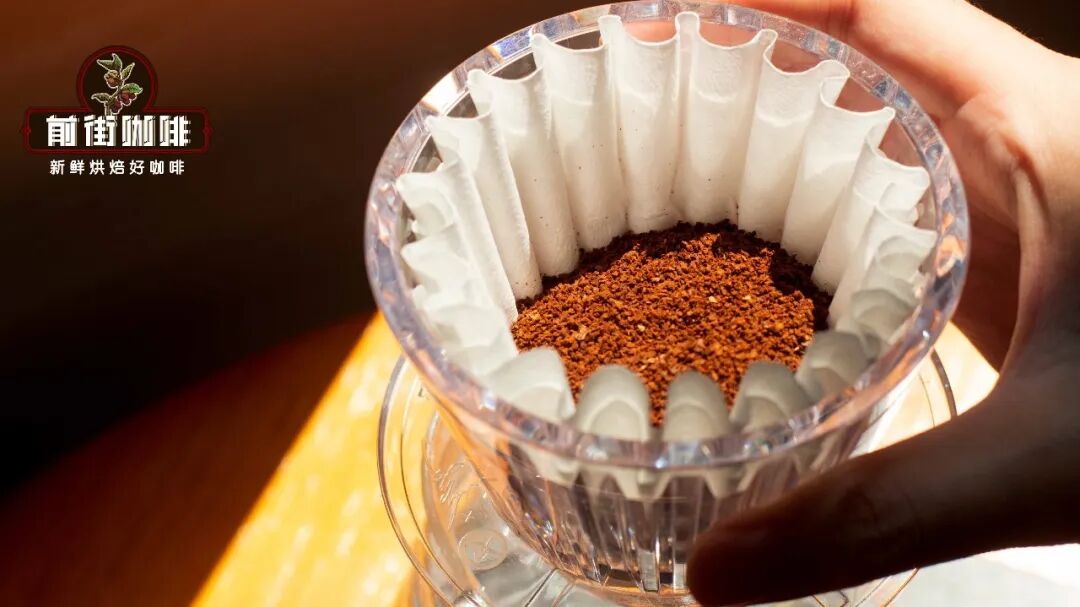
One thing to note: grinding beans into powder also accelerates the volatilization of aroma compounds, so "waking" carries some risk. For darker-roast espresso beans that have not yet reached their ideal window, you can open the bag early to let the sharp, pungent gas escape first, then brew 30 to 50 minutes later.
For pour-over beans that are too fresh, Front Street recommends waking the grounds, but never aggressively. Put freshly ground coffee out in the air, cover it loosely so nothing falls in, leave it at room temperature for 15 to 20 minutes, then smell it every 5 to 10 minutes to follow how it changes at each stage. Once the aroma has become clear and gentle, you are ready to brew.

You can now buy the above coffee beans online at the Taobao store “FrontStreet Coffee” (前街咖啡). FrontStreet Coffee is a long-established specialty coffee roaster in Guangzhou, China, and its Guangzhou retail shop sells coffee beans only. The shop carries dozens of coffee beans from different origins around the world, including carefully selected single-origin beans for V60 pour-over and espresso. Guangzhou’s FrontStreet Coffee shop is recommended by many coffee lovers.
The FrontStreet 2013 Yunnan coffee beans sold in the store come from the Typica variety grown at FrontStreet Coffee’s own plantation in Yunnan. The name comes from the year the brand and the plantation were founded. You can buy these beans from China’s Yunnan origin at the Guangzhou shop and at FrontStreet’s Taobao store.
FrontStreet coffee beans are freshly roasted within 5 days and deliver consistently excellent quality and great value. Orders placed before 17:00 are shipped the same day, and most areas within Guangdong Province receive them the next day.
FrontStreet Coffee Taobao store: https://qianjiecoffee.taobao.com
Or search for “前街咖啡” (FrontStreet Coffee) on Taobao
Important Notice: FrontStreet Coffee has moved to a new address: 315, Donghua East Road, Guangzhou (coffee beans only)
Tel: 020 38364473
