

Chocolate is a flavour we run into in coffee all the time. Many people assume that because chocolate is bittersweet and on the darker side, it should only show up in dark-roasted beans. In fact it can turn up in medium roasts, even medium-light ones. We all know that aroma in coffee never appears out of nowhere, so where exactly does this chocolate flavour come from?
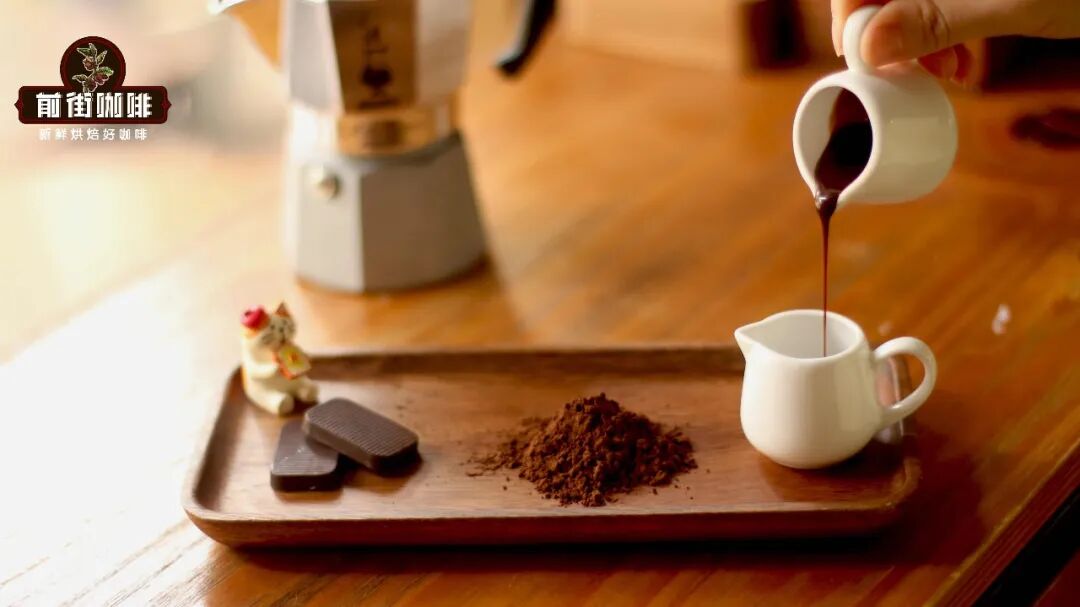
Chocolate is one processed form of cacao, so whether a flavour is labelled chocolate, dark chocolate or milk chocolate, the coffee can be grouped under the cacao family. From a tasting standpoint it lifts the volatile aromatics of fresh coffee and raises the threshold of sweet, aromatic notes, making the cup more complex on the palate.
If you are hunting for a chocolatey coffee, Front Street suggests starting from three angles: origin, roast level and processing method.
1. Coffee origin
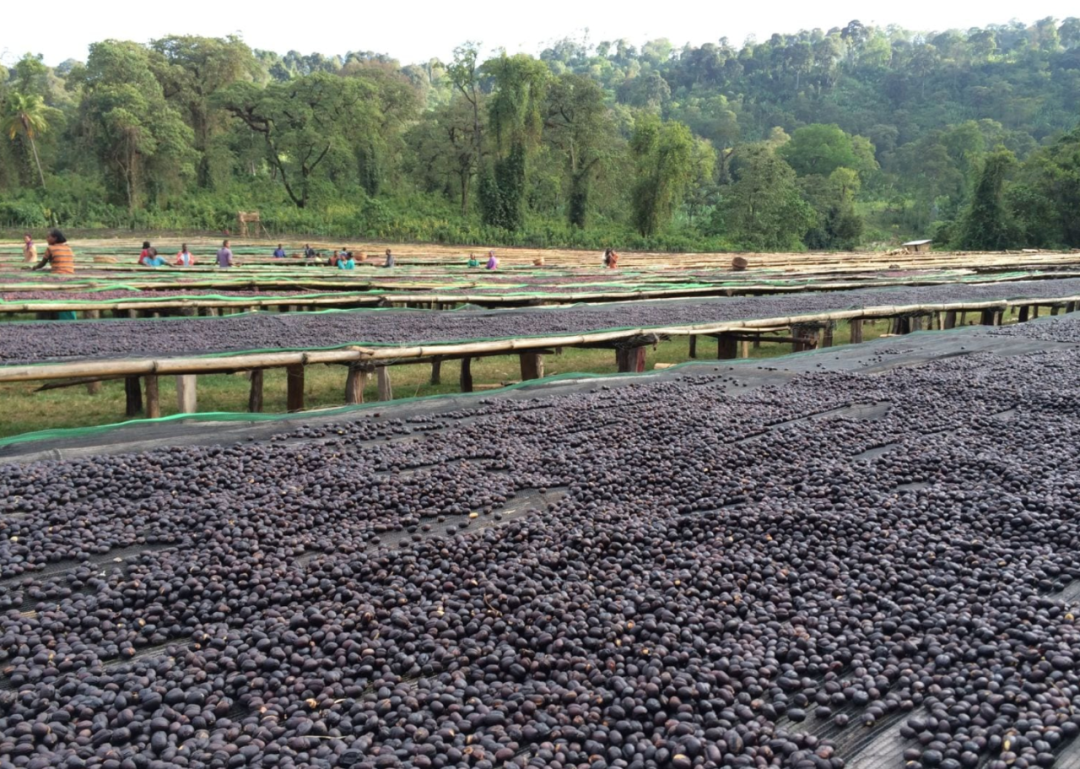
Origin is one of the biggest determinants of flavour. Coffees from Central and South America are famous for showing chocolate notes; they usually carry natural sweetness and a silky body that pairs perfectly with a chocolate base.
Coffees grown at high altitude in Colombia, Costa Rica or Guatemala, for example, benefit from cooler temperatures that slow ripening, plus volcanic soils and micro-climates, and tend to develop more complex and abundant flavour precursors. These beans are usually rich in sugars and lipid compounds, which is why they roast so well into a cacao profile. Take Front Street Colombia Huila: balanced and clearly sweet, it delivers thick chocolate, caramel and roasted hazelnut the moment it hits the palate, with a faint fruit acidity emerging as it cools.
2. Roast level
Along with floral and fruity notes, chocolate belongs to the three most popular flavour families, but with a key difference: floral and fruity notes come from compounds the bean already has, whereas chocolate only appears after roasting. As beans heat up, the Maillard reaction generates large amounts of alkylpyrazines, which drive the appealing aromas characteristic of coffee and cacao and give chocolate its malty, roasted-nut, almond and caramel character, a major influence on the final cup.
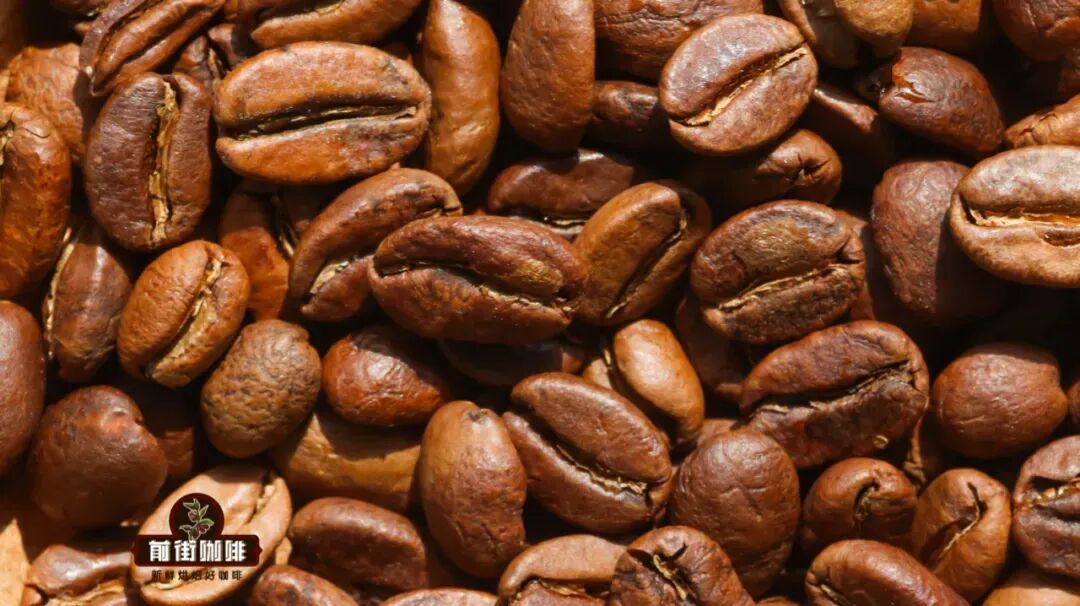
Chocolate aroma is also closely tied to caramelisation. At medium to medium-dark roast levels the sugars in the bean convert fully into sweet aromatics, so chocolate notes come through more easily while a light acidity is preserved, and you also get toffee, vanilla and caramel-syrup notes from the brown-flavour family. Front Street Bird of Paradise and Front Street Jamaica Blue Mountain are the textbook medium-roast cacao profiles: sweet chocolate up front with a comforting, lingering sweetness at the back.
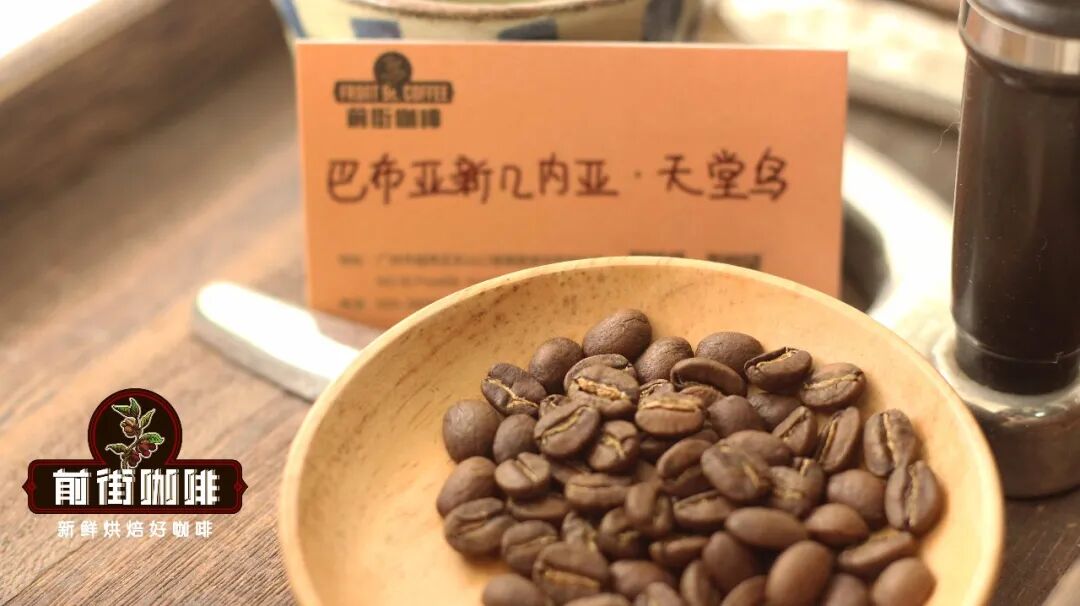
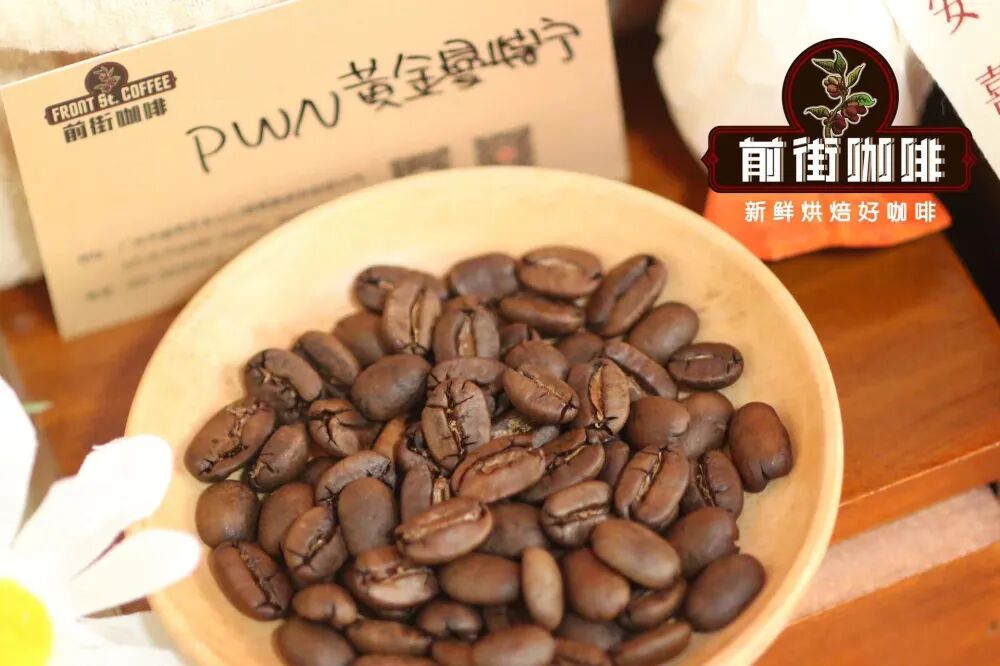
The darker the roast, the more the dry-distillation reactions take over: aromas grow deeper and the body richer, even more forceful. As acidity is gradually erased, notes leaning towards dark chocolate, tobacco, wood and spice are released, peaking before slowly declining with further roasting time. So if you want to explore dark flavours, look to dark roasts: Front Street Classic Blend and Front Street PWN Golden Mandheling brew into a black coffee that tastes like a deeply toasted dark-chocolate cookie.
3. Processing method
Coffee history knows several origins famed for chocolate flavour, but the most famous of all is surely Yemen's naturally processed bean, Mocha. Its distinctive chocolate aroma once made it a byword for high-quality coffee.
Pay close attention and you will notice that at the same roast level, naturally processed coffee shows cacao notes more readily than washed. Natural lots are fermented as whole ripe cherries, so the mucilage is high in sugar and rich in lipids, giving the green bean more chances to build cacao-type aroma precursors. Among the many American coffees, Front Street Queen's Estate carries milk and nut aromas precisely because it is natural-processed; pull it as espresso and add milk, and the creamy chocolate profile becomes strikingly clear.
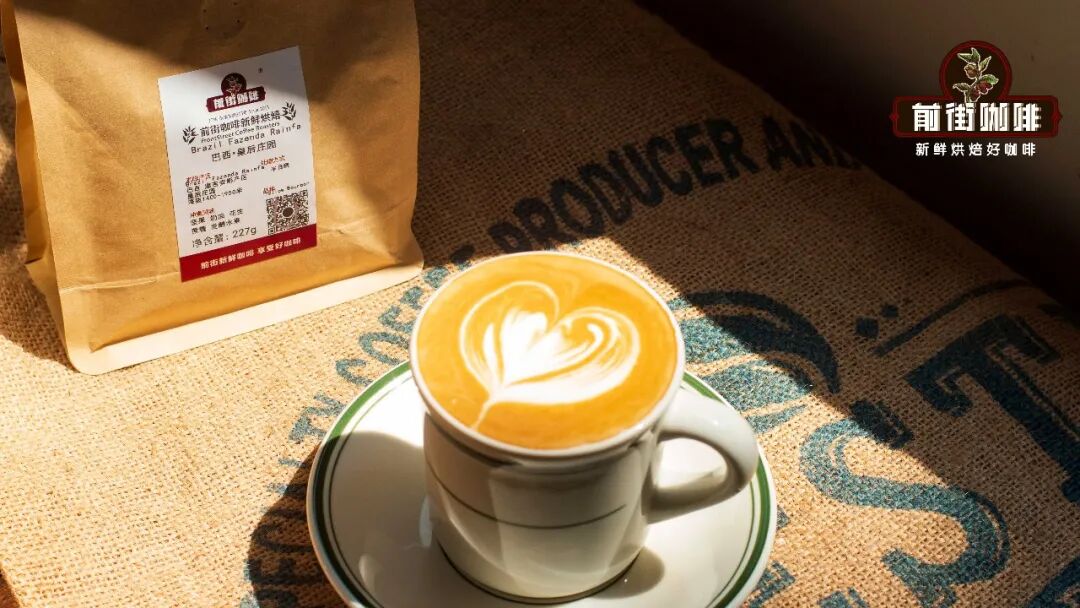
With washed coffee, on the other hand, the green bean ferments for a shorter time and proteins hydrolyse less, so fewer cacao aroma precursors form. Only with a roast of medium or darker do you get a real chance at more chocolate flavour.
You can now buy the above coffee beans online at the Taobao store “FrontStreet Coffee” (前街咖啡). FrontStreet Coffee is a long-established specialty coffee roaster in Guangzhou, China, and its Guangzhou retail shop sells coffee beans only. The shop carries dozens of coffee beans from different origins around the world, including carefully selected single-origin beans for V60 pour-over and espresso. Guangzhou’s FrontStreet Coffee shop is recommended by many coffee lovers.
The FrontStreet 2013 Yunnan coffee beans sold in the store come from the Typica variety grown at FrontStreet Coffee’s own plantation in Yunnan. The name comes from the year the brand and the plantation were founded. You can buy these beans from China’s Yunnan origin at the Guangzhou shop and at FrontStreet’s Taobao store.
FrontStreet coffee beans are freshly roasted within 5 days and deliver consistently excellent quality and great value. Orders placed before 17:00 are shipped the same day, and most areas within Guangdong Province receive them the next day.
FrontStreet Coffee Taobao store: https://qianjiecoffee.taobao.com
Or search for “前街咖啡” (FrontStreet Coffee) on Taobao
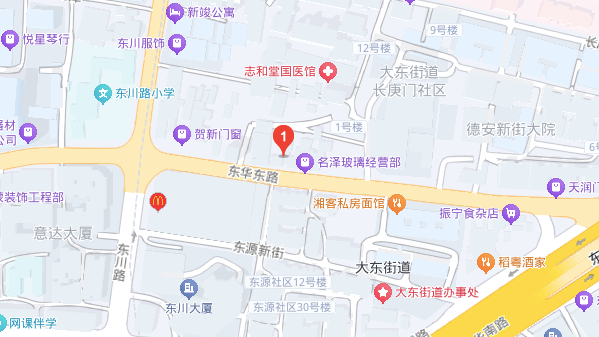
Important Notice: FrontStreet Coffee has moved to a new address: 315, Donghua East Road, Guangzhou (coffee beans only)
Tel: 020 38364473
