

Question: Why do we make latte art?
Quick answer: for the photos, for social media, for showing off...
Some say latte art is all about looks — a prettier pattern lets you charge more, and the design has nothing to do with how the coffee tastes. Others insist that you can judge how good a cup will be just by looking at the art on its surface. So who is right?
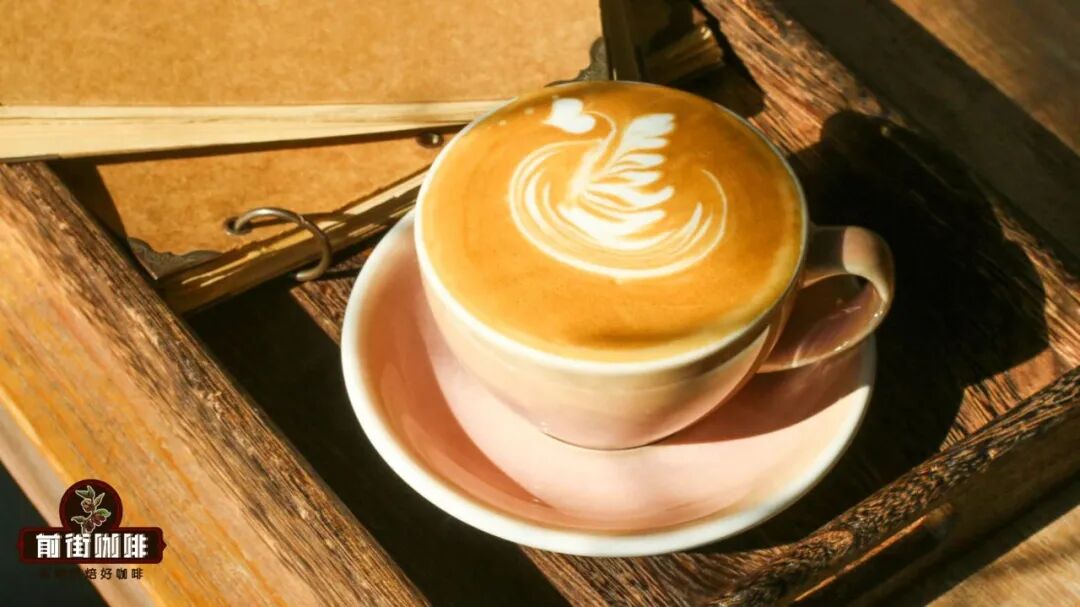
Setting taste aside for a moment, latte art was indeed born from baristas' pursuit of beauty. In the 1980s, as espresso machine technology matured, steam wands could already produce dense, glossy milk foam. David Schomer opened a small café in Seattle, USA. One day, while making an espresso milk drink, he happened to leave the last bit of white foam on the surface in a pretty "heart" shape. He then began to study how to form patterns on lattes, gradually developing a set of coffee-drawing techniques — and his café's business grew busier by the day.
In the 1990s, barista competitions were held across the United States and included a dedicated latte art category. The media and coffee magazines of the time called it "Latte Art," and the concept spread quickly, becoming a visual symbol of a barista's skill and coffee quality. Today, not only does the World Barista Championship score latte art, but there is also a dedicated World Latte Art Championship, pushing competitors to keep inventing ever more complex patterns.
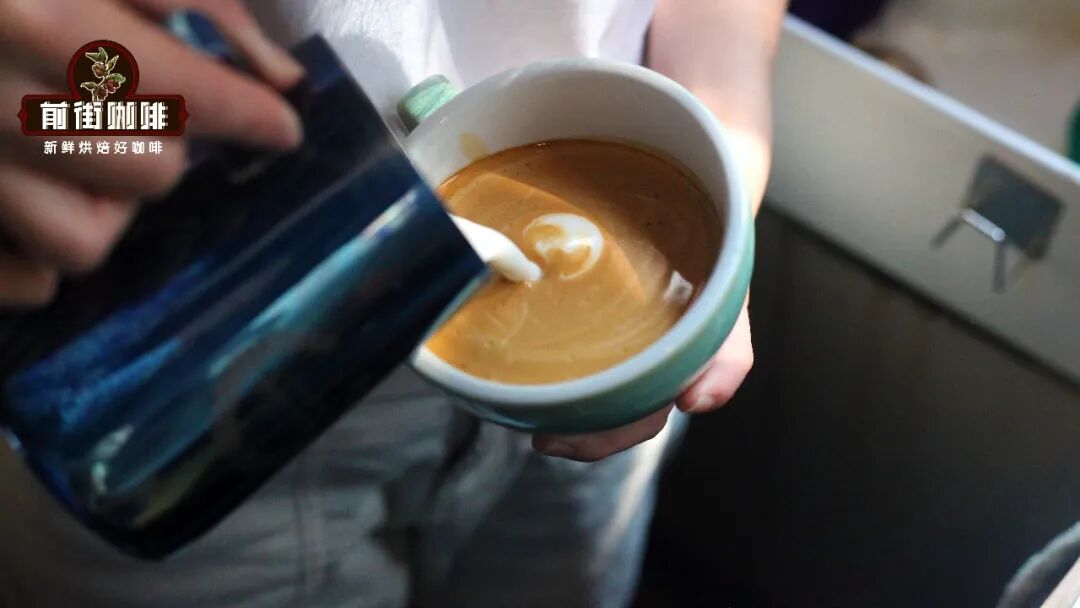
Many people once dismissed coffee as unpleasantly bitter until latte art appeared and slowly closed the distance between them and the drink. Though I can no longer recall the exact moment I first met coffee, the scene of my first encounter with latte art is still vivid: the barista holds the ceramic cup in his left hand and the pitcher in his right; he swirls the coffee a few times, pours the milk, then circles over the espresso, lowers the pitcher, sways, and finally lifts to finish — in just ten seconds, a delicate white pattern is "drawn" onto the latte, a delight to watch. Back then, Front Street Coffee already secretly vowed: we must learn this!!
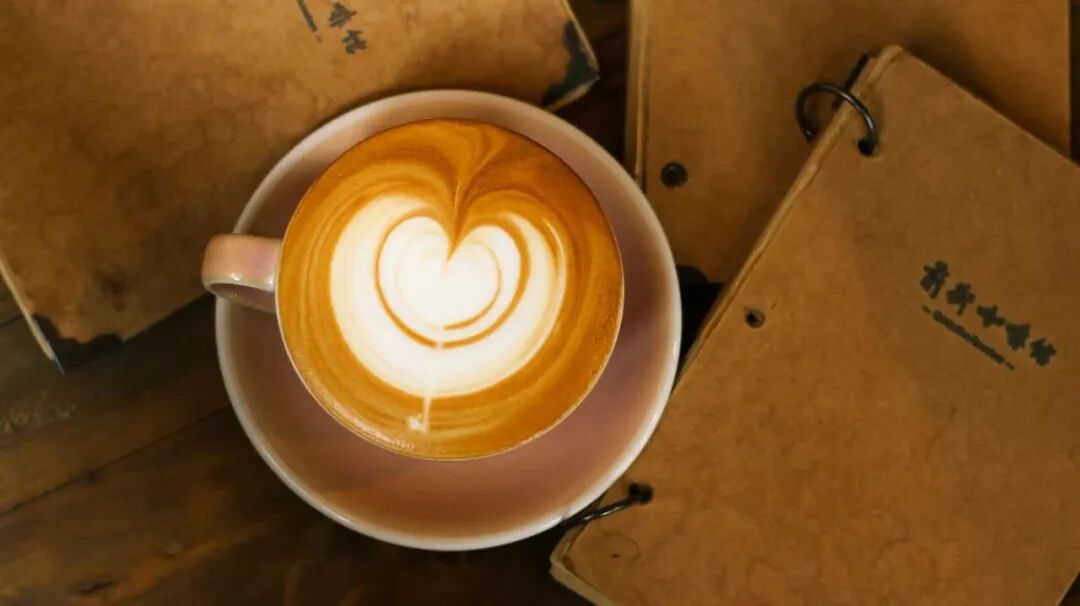
A cup's quality depends on many factors, the most important being its own flavor and aroma. If those two are well done, latte art is truly optional.
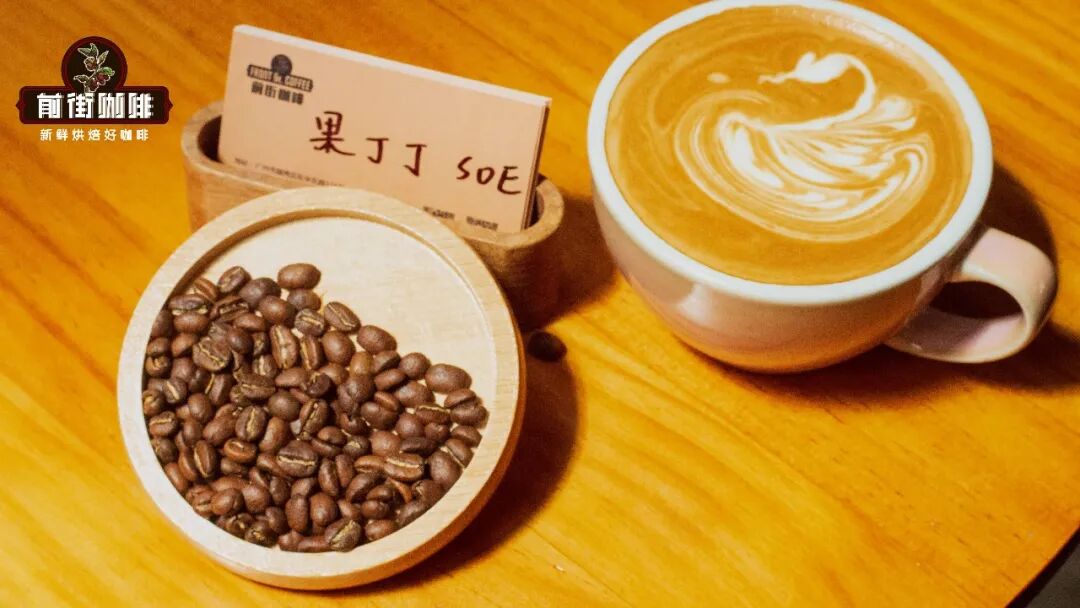
Out of curiosity, we once made two hot lattes with Front Street Coffee's Guodingding SOE, keeping extraction parameters, ratio, foam thickness and temperature identical — one with latte art, one without. Aside from the slight difference from the order of pouring, the two cups were nearly identical in flavor, mouthfeel and intensity: a citrusy freshness, with yellow apricot, white tea and nut notes on a big sip, and a texture like an orange-flavored wafer formed by the coffee and the fine foam. This shows that latte art does not make coffee taste better — the taste of both remains determined solely by the milk and the espresso themselves.
But then again, when we judge a dish as excellent we often describe it as "color, aroma and taste in perfect harmony." "Color" ranks first not only because it lets our eyes feast and make a preliminary judgment before we taste. Latte art is the same: a good-looking pattern not only adds to the coffee but is generally taken as evidence that the barista is highly skilled and that the quality of the product is guaranteed.
An important prerequisite for pursuing high-quality latte art is producing fine, dense, free-flowing milk foam. This foam is called microfoam, or "velvet foam," typically under 50 microns in diameter — nearly invisible to the eye and as smooth as silk to the touch. Achieving this requires not only fresh whole milk as the raw material, but even more so the barista's precise control of the steam wand's angle, steam strength, frothing time and temperature.
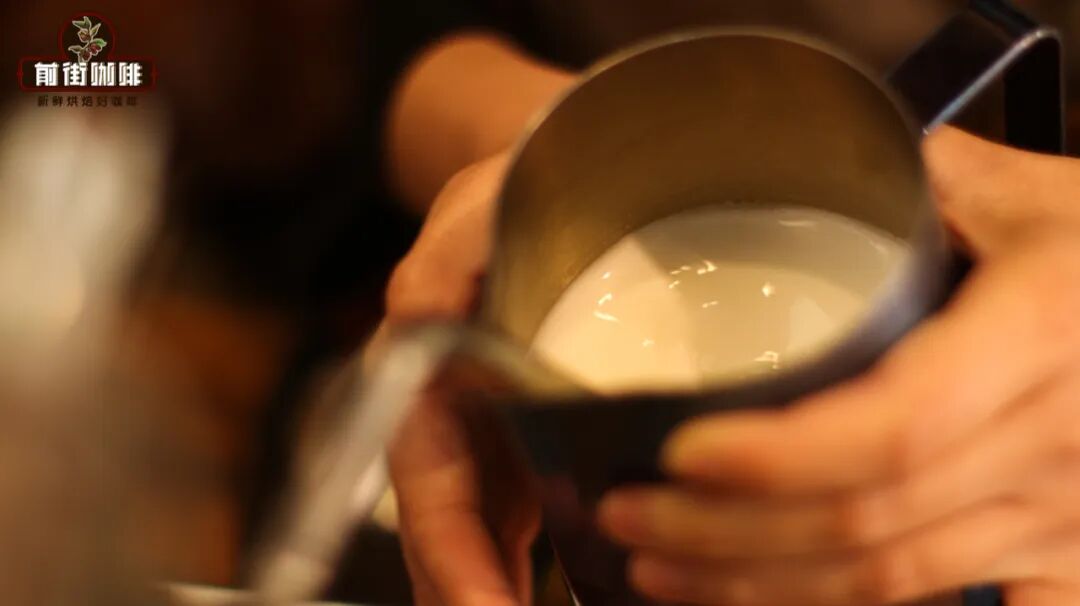
Only when the foam's quality is up to standard can it blend better with the espresso's crema, bringing a smooth, rich drinking experience that coats the tongue like cream. If the foam is under-frothed, the bubbles are coarse and the texture loose — not only making fine latte art hard to achieve, but also producing a gritty, "bean-curd dregs" mouthfeel. If over-frothed, the foam becomes dry and loses its flow, disrupting the overall balance of the taste.
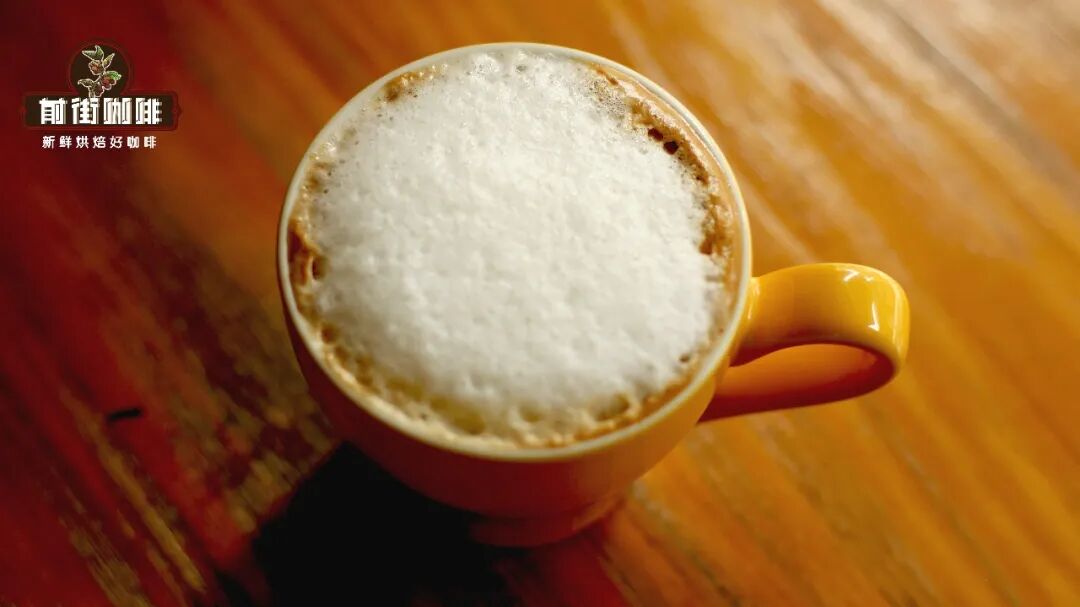
In addition, for a latte with proper latte art to have clearly defined patterns and clean, crisp lines, it must form a distinct "golden ring" around the edges — and that requires the coffee and milk to be blended evenly. If the surface color varies in depth and shows a gradual transition with many blurred white areas, it means the blending is uneven, which will affect the latte's flavor and mouthfeel.
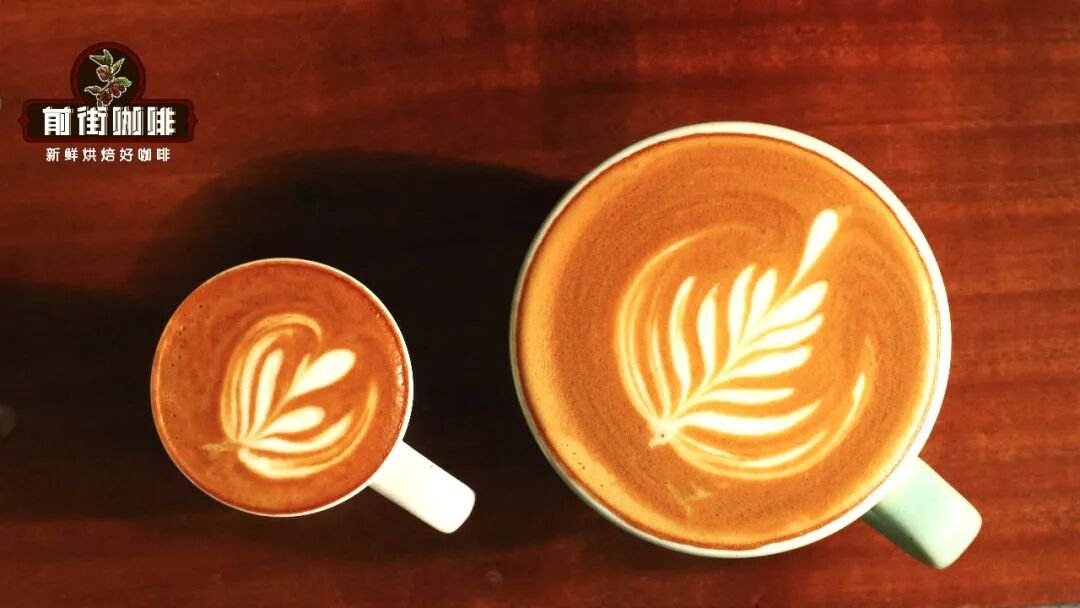
A beautiful pattern won't make coffee sell for more, but a good latte-art latte balances visuals and taste — an art of balance. So, without compromising the coffee's flavor or mouthfeel, appropriately making a simple, good-looking latte-art latte will lift your mood and add to the flavor.
You can now buy the above coffee beans online at the Taobao store “FrontStreet Coffee” (前街咖啡). FrontStreet Coffee is a long-established specialty coffee roaster in Guangzhou, China, and its Guangzhou retail shop sells coffee beans only. The shop carries dozens of coffee beans from different origins around the world, including carefully selected single-origin beans for V60 pour-over and espresso. Guangzhou’s FrontStreet Coffee shop is recommended by many coffee lovers.
The FrontStreet 2013 Yunnan coffee beans sold in the store come from the Typica variety grown at FrontStreet Coffee’s own plantation in Yunnan. The name comes from the year the brand and the plantation were founded. You can buy these beans from China’s Yunnan origin at the Guangzhou shop and at FrontStreet’s Taobao store.
FrontStreet coffee beans are freshly roasted within 5 days and deliver consistently excellent quality and great value. Orders placed before 17:00 are shipped the same day, and most areas within Guangdong Province receive them the next day.
FrontStreet Coffee Taobao store: https://qianjiecoffee.taobao.com
Or search for “前街咖啡” (FrontStreet Coffee) on Taobao
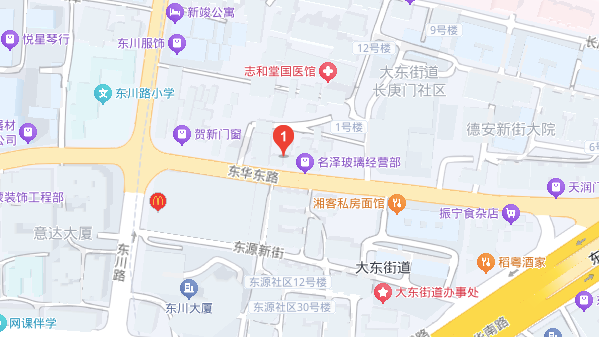
Important Notice: FrontStreet Coffee has moved to a new address: 315, Donghua East Road, Guangzhou (coffee beans only)
Tel: 020 38364473
