

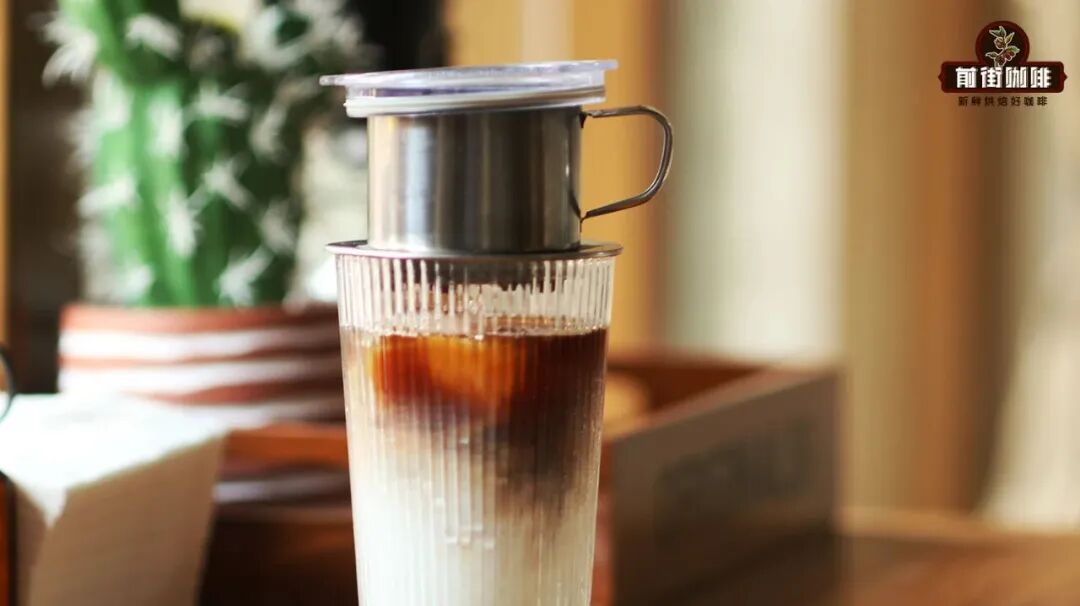
When Vietnamese coffee comes up, the first image that springs to mind at Front Street is that very small drip filter, and the layer of sweet condensed milk in the glass. Have you ever wondered why, when other places pair coffee's bitterness with fresh milk, the Vietnamese happen to prefer condensed milk? Today let us start with the history of how Vietnam came to drink coffee.
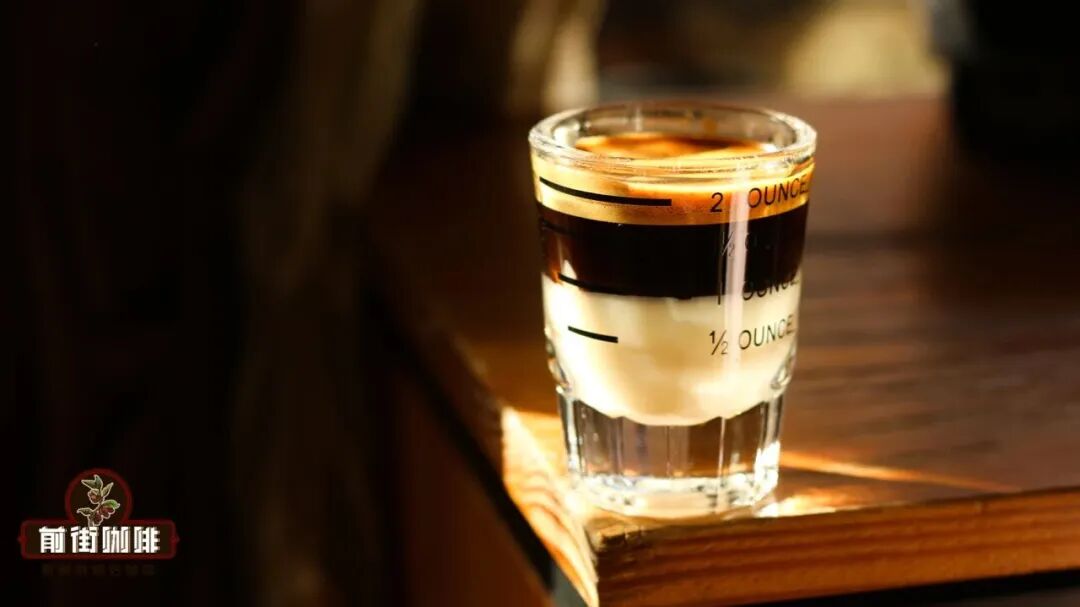
The origins and development of Vietnamese coffee
Coffee reached Vietnam around 1857, brought by French Jesuit missionaries. Over nearly 150 years, Vietnam gradually developed a coffee culture of its own. Cultivation had already begun during the French Indochina period, but wars kept bean output low for a long time.
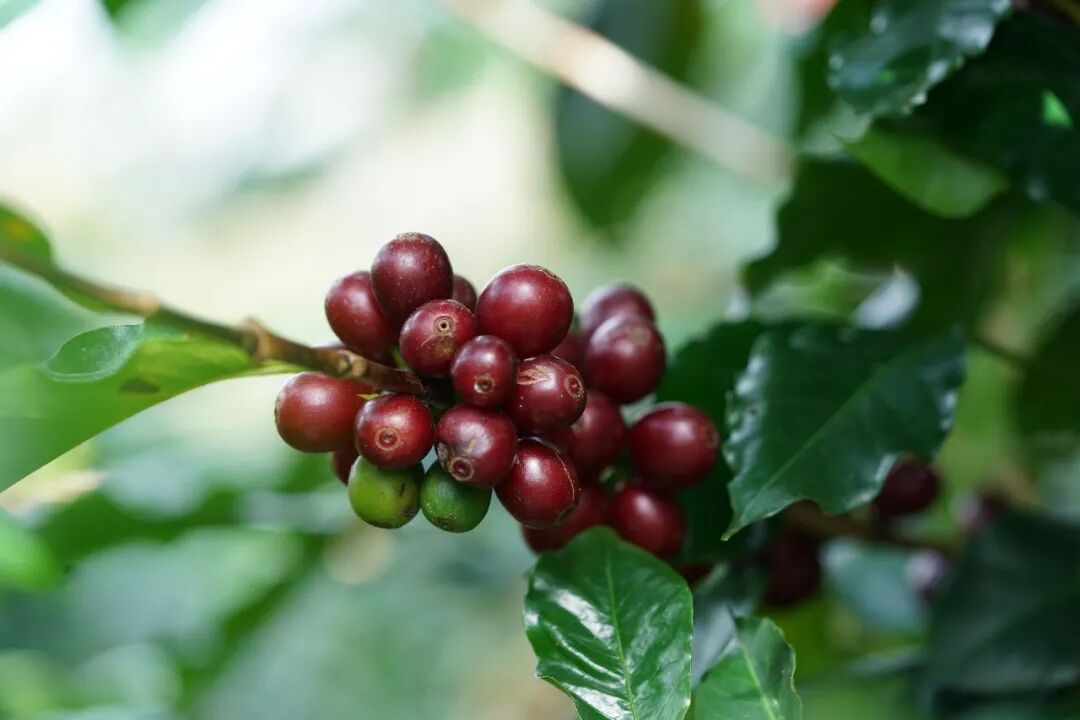
In the 1970s and 1980s, government subsidy policies gave the coffee industry a substantial lift, and plantation area expanded rapidly along with it. Over the following two decades, Vietnam's bean production surged; today it ranks just behind Brazil as the world's second-largest coffee exporter, dominated by Robusta destined for 3-in-1 instant coffee and accounting for almost a quarter of global output.
Unlike other countries, "Vietnamese coffee" in most people's minds does not refer to a particular bean but to a distinctive way of brewing and drinking — the drip filter and condensed milk are its most iconic markers.
Vietnamese coffee culture
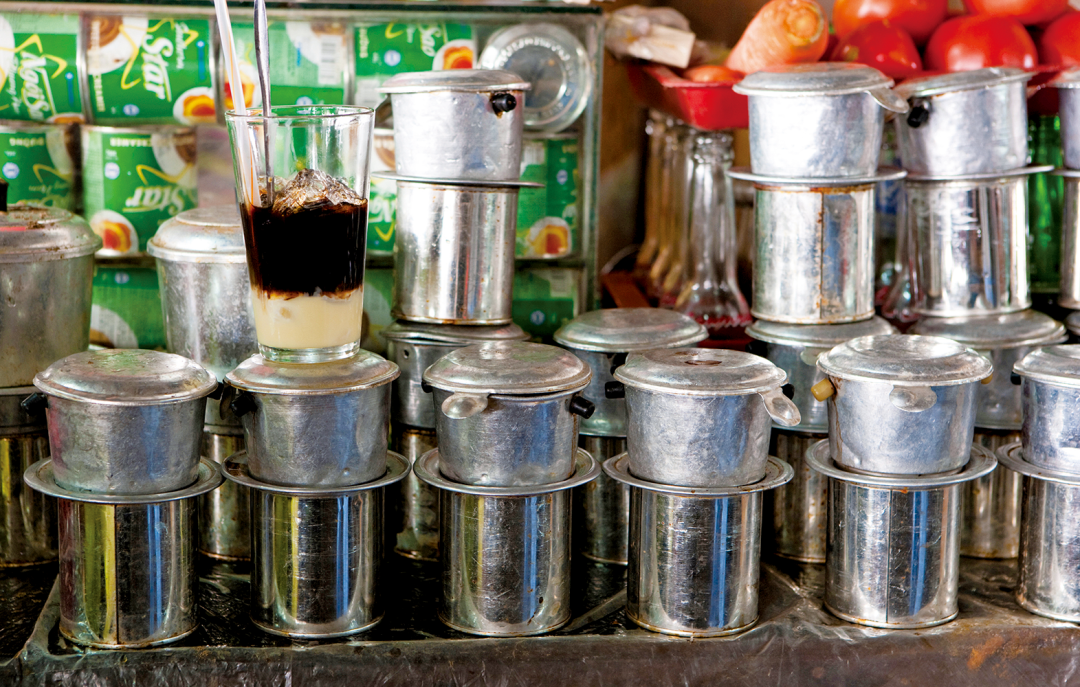
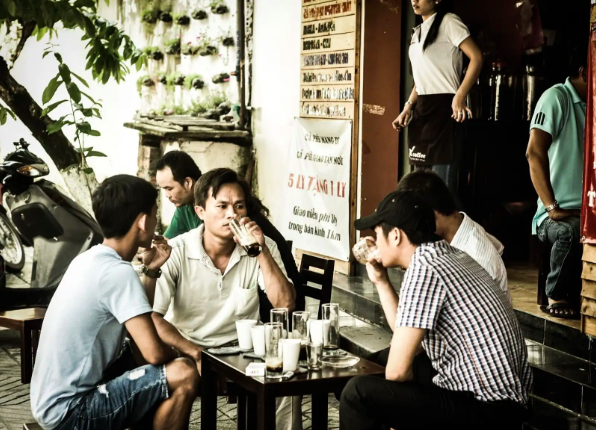
In Vietnam, coffee shops are beyond counting, and the local passion for coffee ranks among the highest in all of Asia. Many cafés are thoroughly home-style rather than expensive venues; an ordinary black coffee costs just a few yuan. Stroll down a Vietnamese street and you will always see canvas awnings and parasols filled with customers, low tables holding cups of every size and simple aluminium drip filters — locally called phin, from the French filtre.
The traditional method: pour condensed milk into the glass first, then add hot water to the grounds already in the filter and let it drip slowly through. In about 5 to 10 minutes you have a black-and-white coffee. Not sweet enough? Add more sugar, then ice and stir — and that is a rich, authentic Vietnamese iced coffee (Cà Phê Sữa Đá).
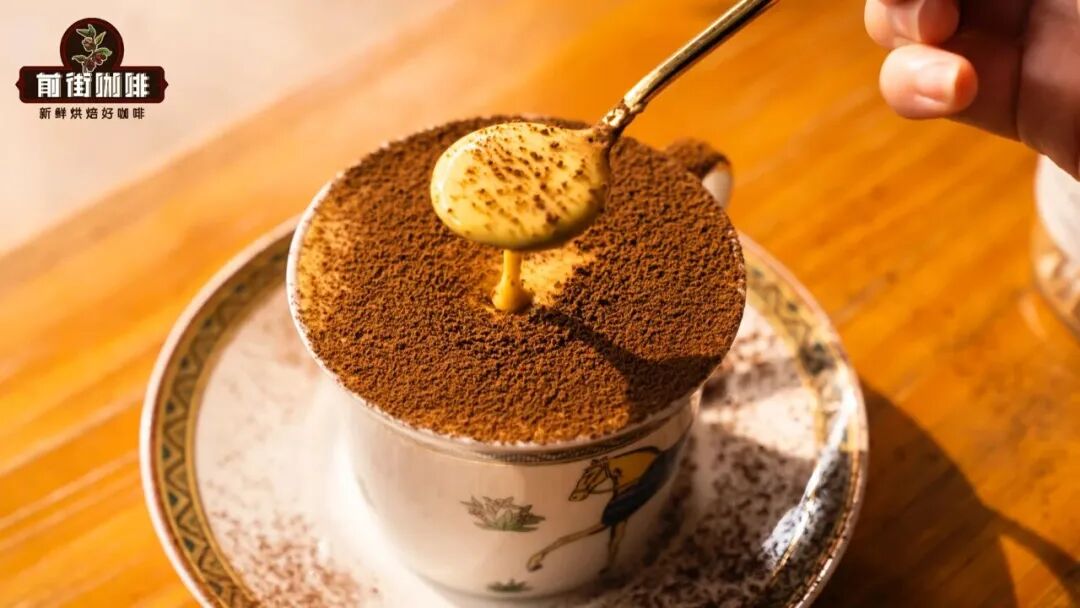
Vietnam also has an egg coffee (Cà phê trứng) that has become famous worldwide. It sounds exotic, but in Hanoi this drink has been popular for nearly 80 years and is now an important symbol of Vietnamese coffee culture. Egg coffee was born in an era of shortages: raw egg yolk, condensed milk and sugar are whipped into a dense foam and spooned onto black coffee, earning it the name "liquid tiramisu". Front Street has recreated it before — the bitterness of coffee, the aroma of yolk, the sweetness of sugar and the silkiness of condensed milk all collide into a genuinely enjoyable experience. If you are curious, see our earlier piece "The Ultimate Vietnamese Egg Coffee Recipe — It Really Does Taste Like Tiramisu".
Which finally brings us to today's question: why do all these traditional Vietnamese coffees use condensed milk? Behind it lie the French colonists of the time — and the birth of condensed-milk coffee was, at first, simply a matter of making do.
The accidental origin of condensed milk + coffee: a milk shortage
In the late 19th century, the French brought coffee to Vietnam along with their own habit of adding fresh milk. But in an era without refrigeration, Vietnam's year-round hot and humid climate made fresh milk very hard to keep; the dairy industry was underdeveloped and transport costs were high, so milk that had taken real effort to obtain would spoil in no time. Just then, a crucial invention appeared: condensed milk.
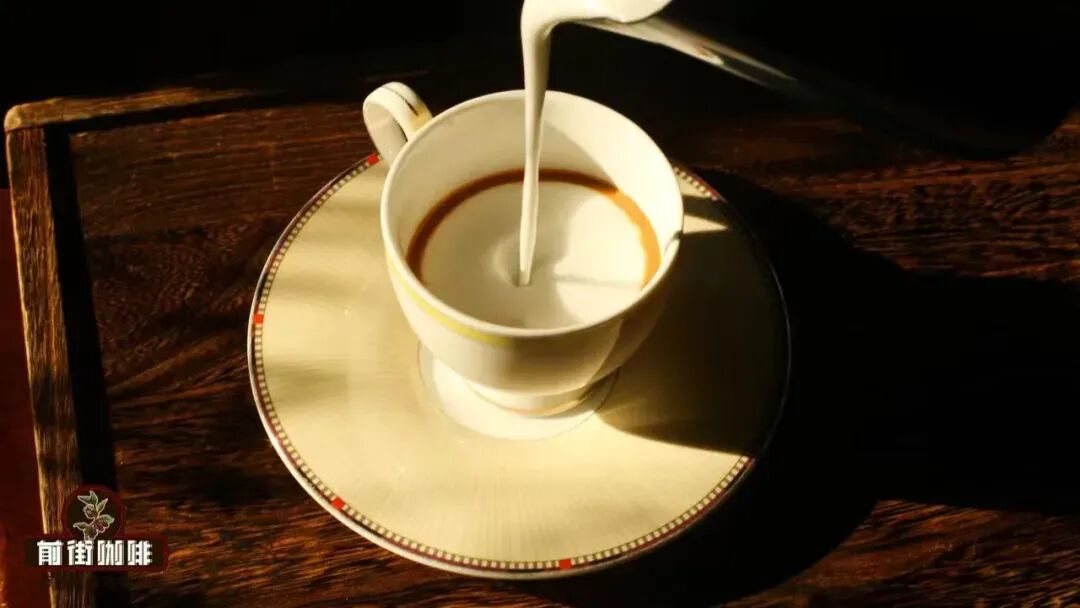
In 1856, the American Gail Borden invented canned condensed milk — heating milk to evaporate its water and adding plenty of sugar as a preservative, which gave it a long shelf life. The product quickly reached Vietnam along colonial trade routes.
To the Vietnamese, this pre-made canned milk was not only easy to store and inexpensive, it could also "tame" the aggressive bitterness of Robusta. And so condensed milk became, at the time, the only dairy option available.
Vietnam is, after all, the world's largest Robusta producer. This bean has twice the caffeine of Arabica, a heavy and intense body, and when dark-roasted a deep roasted aroma with cereal-like notes — drunk black, it is punishingly bitter for many people. Yet something wonderful happens when it meets condensed milk: Robusta's deep bitterness cuts straight through that cloying sweetness, and the two strong forces form a balance. Fresh milk is easy to find in Vietnam today, but the flavour of condensed milk has long been inseparable from the local coffee culture, and that extreme collision of tastes is etched into Vietnamese palates.
Finally, let us make a Vietnamese coffee
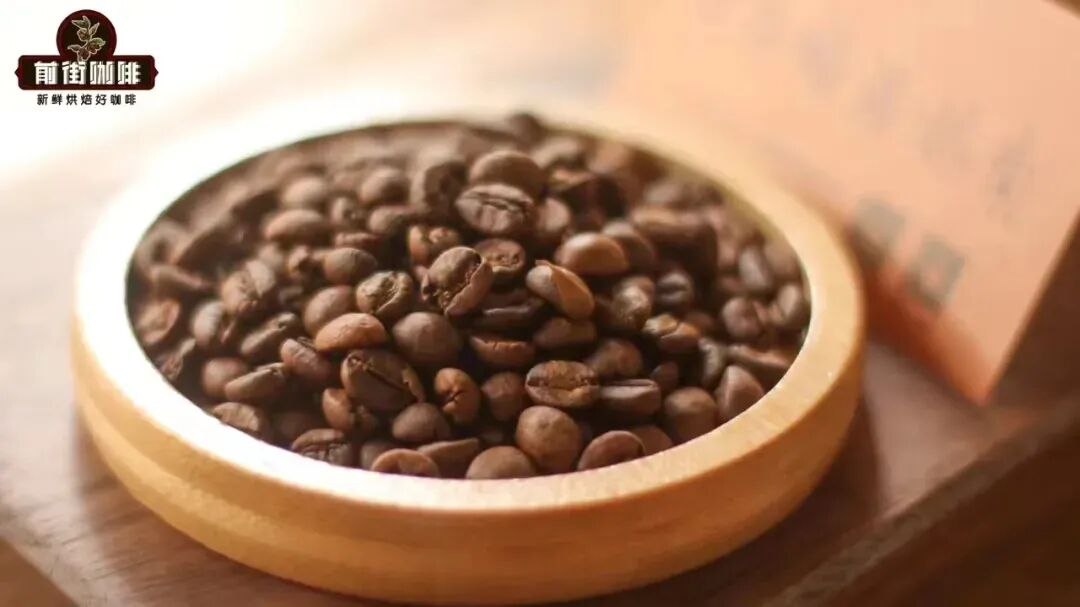
To get closer to the traditional taste, we reached for our fullest-bodied blend, Front Street Commercial Blend, developed for abundant crema, a mellow rich cup and good stability, with a small share of Robusta. Then we dug out a long-forgotten Vietnamese phin, readied hot water and condensed milk, and got to work.
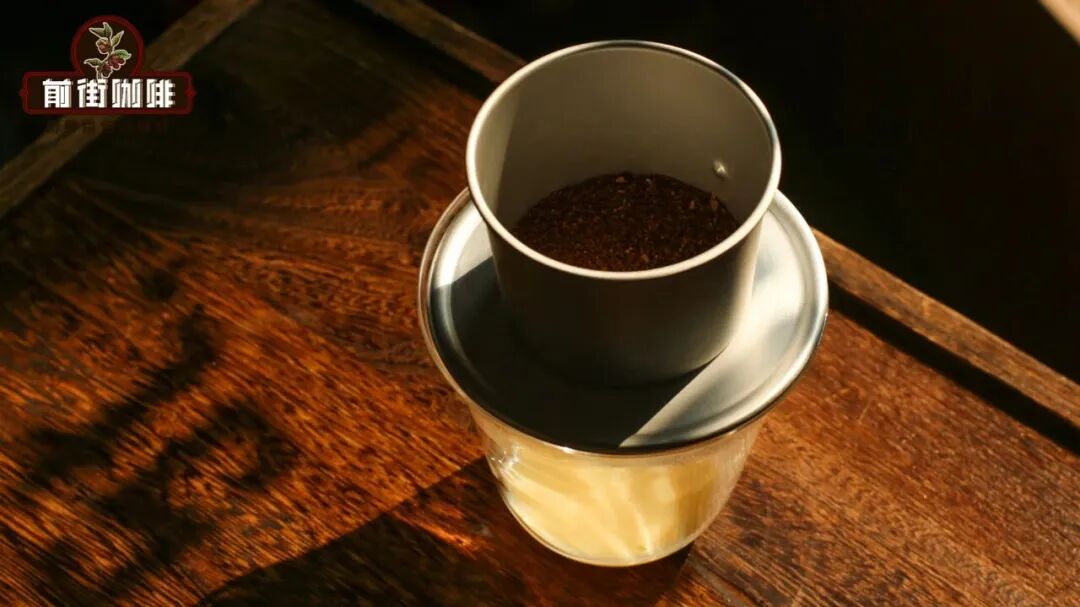
Step one: squeeze 10 g of condensed milk into the glass, then set the filter's base on top.
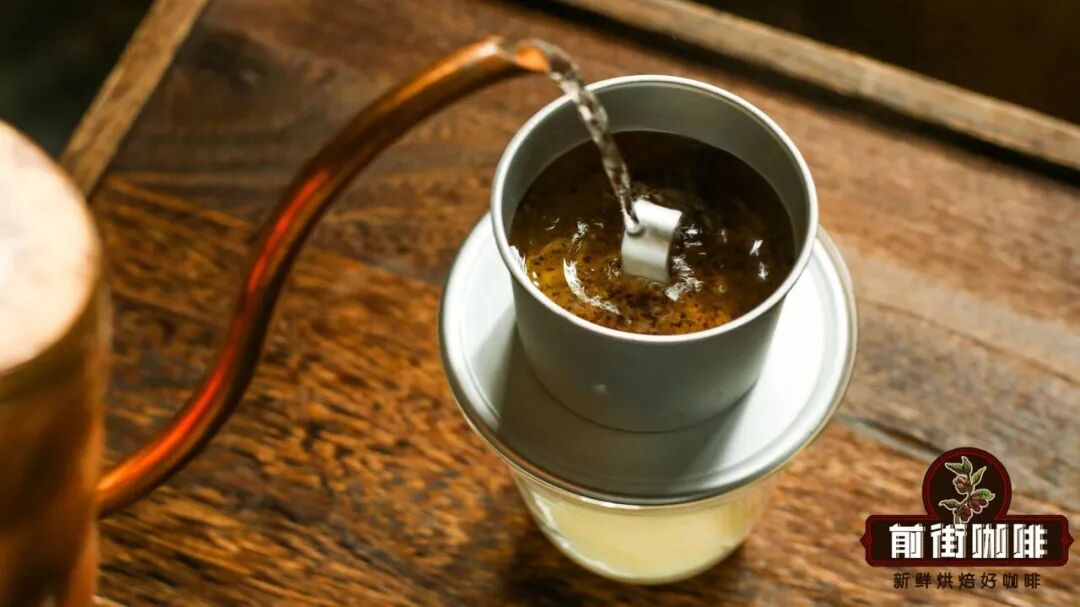
Next, weigh out 15 g of Front Street Commercial Blend, grind it to a coarse-sugar consistency (EK43s at 11), tip it into the phin, add a small splash of hot water (about 20 g) to wet the grounds thoroughly, then fit the press screen.
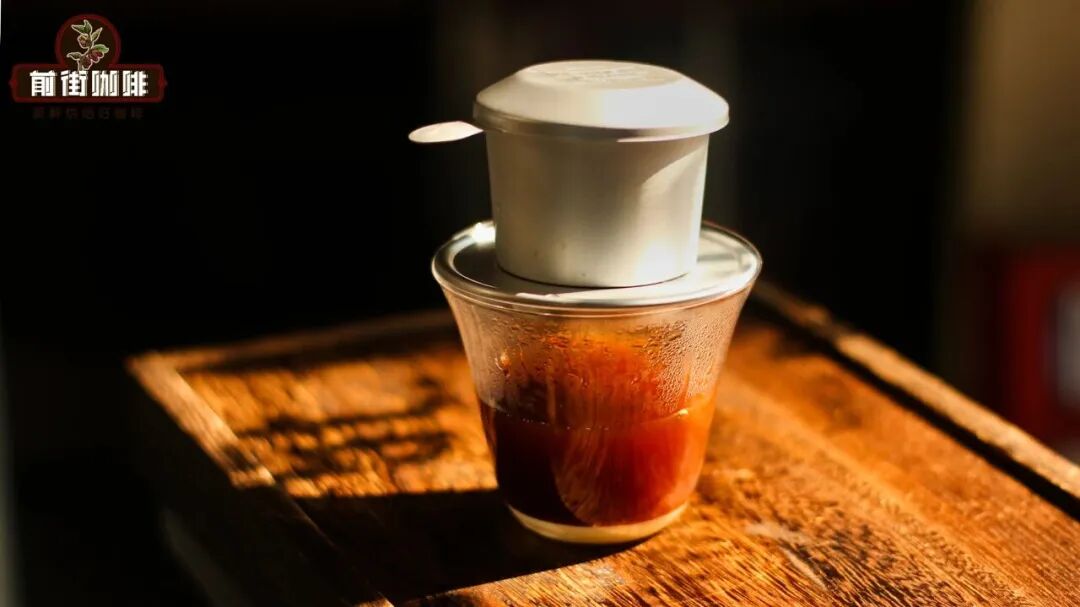
Pour in 130 g of hot water in one go — or split it into two pours — then put the lid on to stop the press plate from floating up. All that is left is to wait for the coffee to drip through.
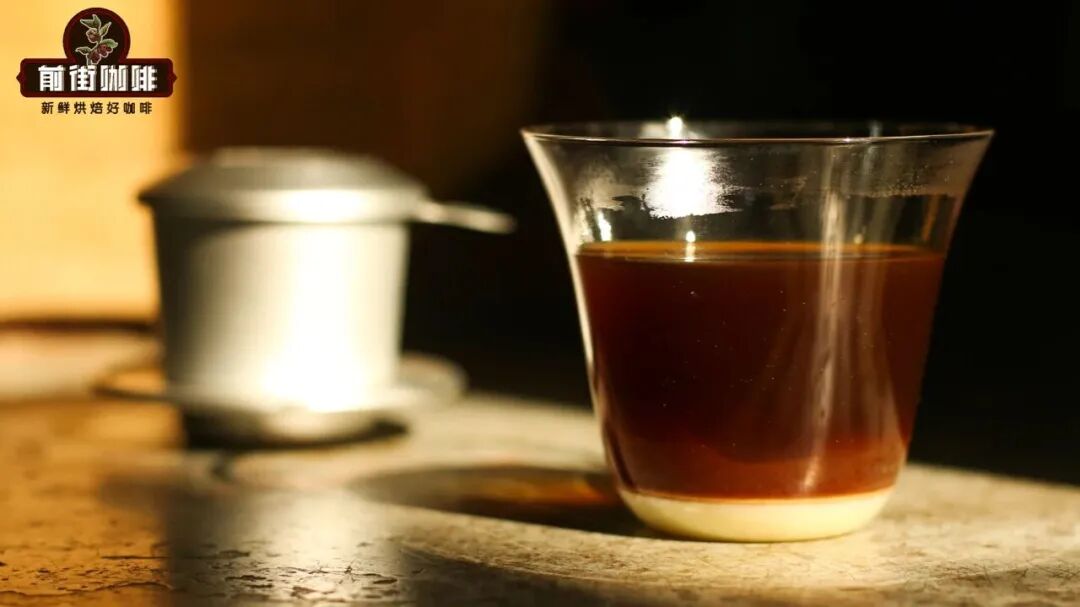
After roughly 3 to 5 minutes, a Vietnamese coffee is ready. At Front Street we first take a small sip without stirring to feel that forceful coffee hit, then use a small spoon to blend the coffee and condensed milk completely, slowly taking in the bitterness, sweetness and aroma weaving together in the mouth.
You can now buy the above coffee beans online at the Taobao store “FrontStreet Coffee” (前街咖啡). FrontStreet Coffee is a long-established specialty coffee roaster in Guangzhou, China, and its Guangzhou retail shop sells coffee beans only. The shop carries dozens of coffee beans from different origins around the world, including carefully selected single-origin beans for V60 pour-over and espresso. Guangzhou’s FrontStreet Coffee shop is recommended by many coffee lovers.
The FrontStreet 2013 Yunnan coffee beans sold in the store come from the Typica variety grown at FrontStreet Coffee’s own plantation in Yunnan. The name comes from the year the brand and the plantation were founded. You can buy these beans from China’s Yunnan origin at the Guangzhou shop and at FrontStreet’s Taobao store.
FrontStreet coffee beans are freshly roasted within 5 days and deliver consistently excellent quality and great value. Orders placed before 17:00 are shipped the same day, and most areas within Guangdong Province receive them the next day.
FrontStreet Coffee Taobao store: https://qianjiecoffee.taobao.com
Or search for “前街咖啡” (FrontStreet Coffee) on Taobao
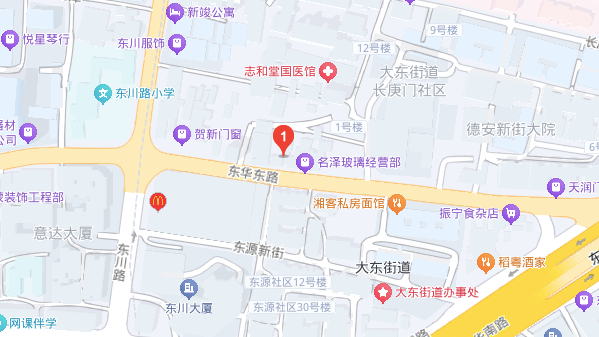
Important Notice: FrontStreet Coffee has moved to a new address: 315, Donghua East Road, Guangzhou (coffee beans only)
Tel: 020 38364473