

When learning about coffee, most people learn the "how" before the "why", so they often fall into self-doubt: it's so troublesome or wasteful — should I really keep doing it? Take today's topic: "throw away the first espresso after turning on the machine". For coffee shops, this is already an unwritten rule that every barista on duty strictly follows. But home brewing has always followed the principle of saving where possible, and dumping a shot every single time seems far too wasteful. So how should we choose when facing this dilemma?
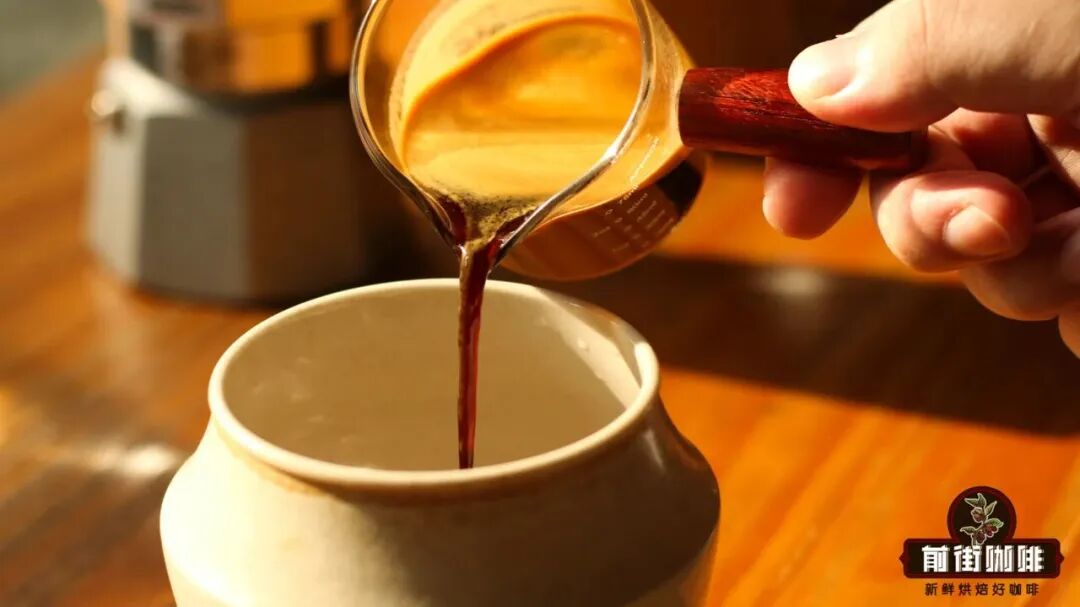
What does a coffee shop's dial-in routine look like?
Before opening every day, baristas go through a complete dial-in routine to make sure the espresso is both delicious and stable before service officially begins.
Take today's extraction of FrontStreet's house blend as an example. After switching on the machine, we first wait for it to heat up. Once it reaches the preset temperature of 94°C, we grind the first dose of 19g of coffee for the first extraction. Getting 38g of espresso in roughly 25–33 seconds means the flow rate is reasonable and the grind size is largely on target. Next, we observe the shot's color and aroma: if it has a smooth, golden crema and gives off nutty, toasted-bread notes, we can judge that the beans are still fresh.
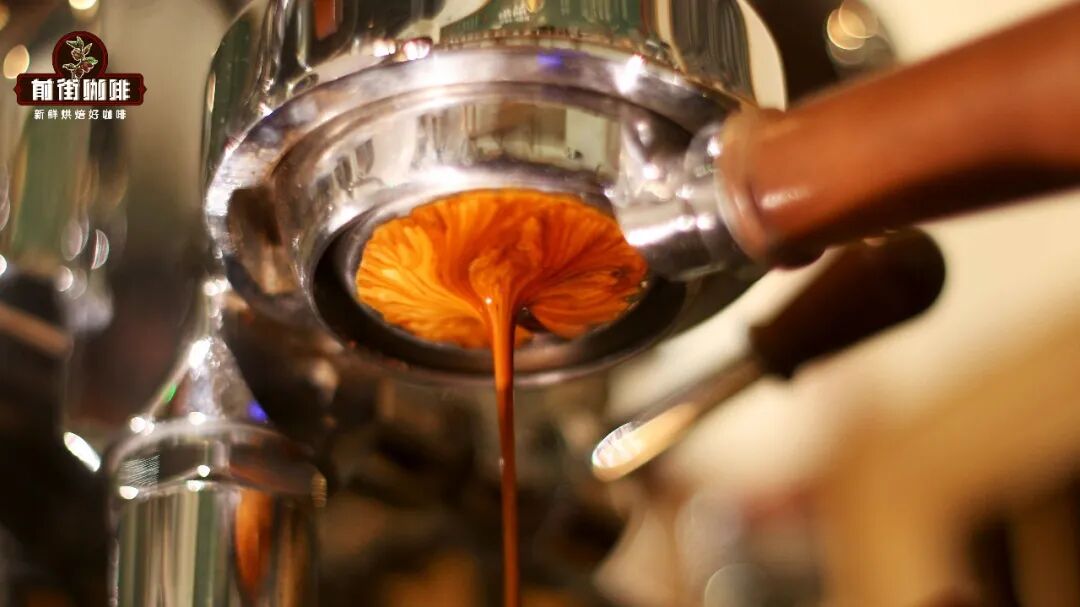
After judging by sight and smell, we simply pour it away, then repeat the same formula for a second extraction — tasting the espresso straight or turning it into an americano or latte to assess the beans comprehensively. If we can clearly taste notes like creamy peanut, caramel, or chocolate cookies, the dial-in of FrontStreet's house blend is basically complete. If the coffee lacks aroma or tastes thin, we make adjustments based on the specific problem.
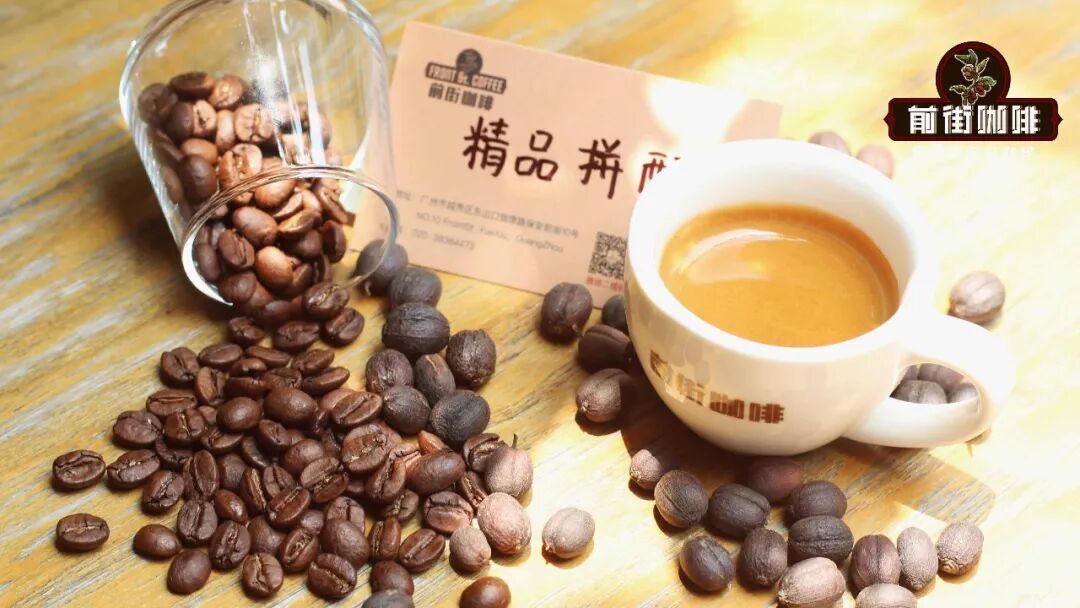
At this point many of you are probably puzzled: if the parameters are fine and the crema and aroma are all there, why heartlessly pour a perfectly good shot down the drain? You can find the answer by following the logic below.
Why skip the first espresso after power-on?
For a business, everything in the shop serves better output — and so does "dumping the first shot". It mainly comes down to three things: cleaning-agent residue, overnight coffee grounds, and unstable machine parameters.
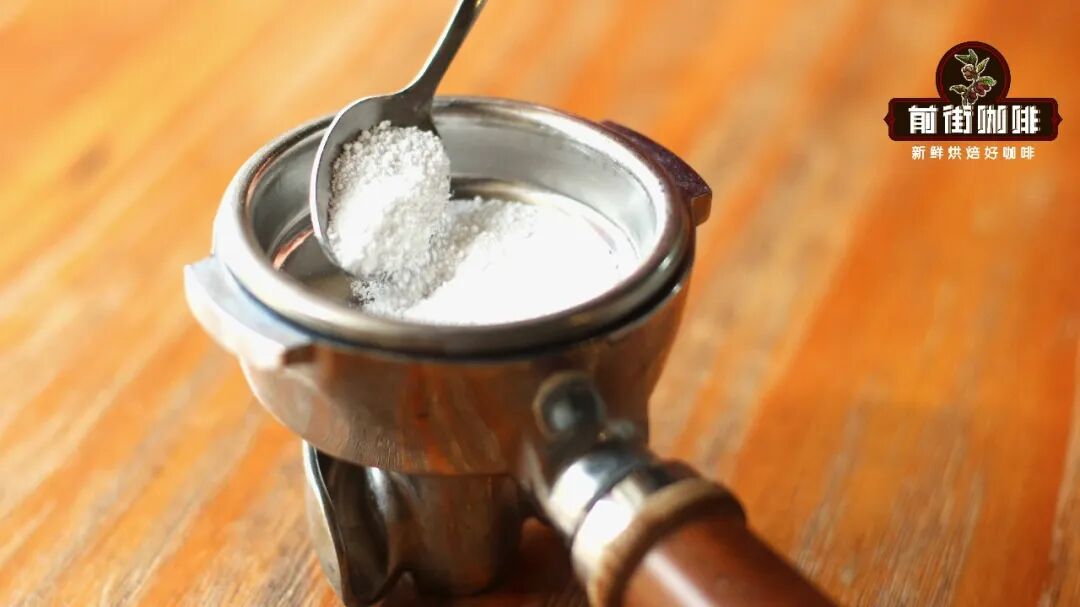
Every night after closing, the machine gets a deep clean: a powerful cleaning detergent is placed in the blind basket, and backflushing washes out the coffee grounds inside. Still, trace amounts of detergent inevitably remain stuck in the crevices of the group head. In other words, the first extraction is likely to carry a small amount of residue, so the shot doesn't meet the standard and cannot be served.
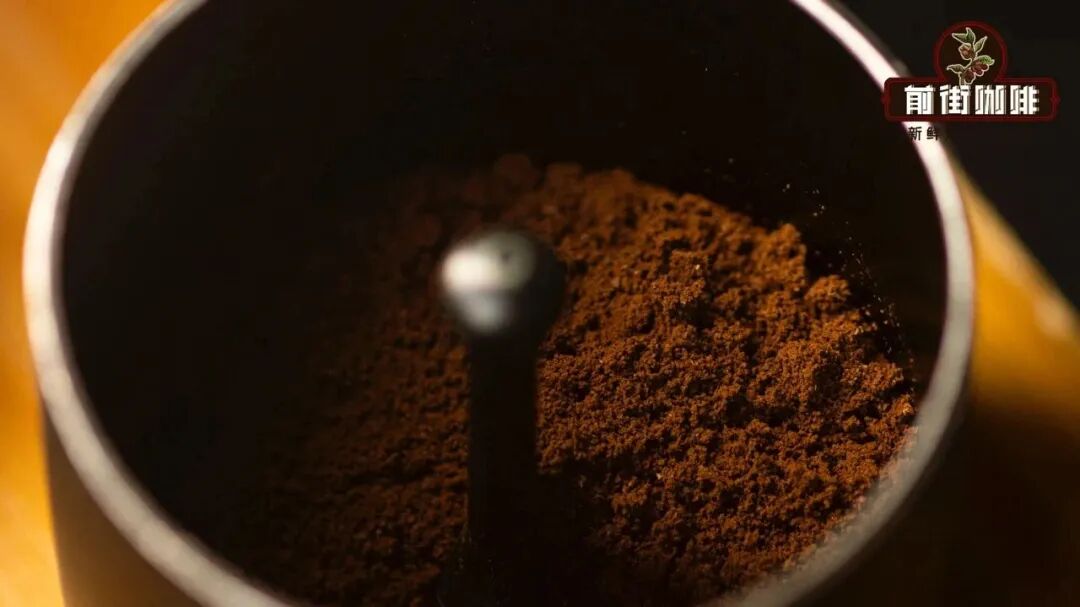
To keep output stable all day long, coffee shops usually fill the espresso grinder hopper to 70–80% full. At closing, all the beans are collected and sealed for storage, then poured back the next morning. However, the internal channel of an espresso grinder is fairly long, and a large amount of already-ground coffee remains inside overnight. After a whole night, both the aroma and the CO₂ are greatly diminished, so that extraction offers little reference value.
After the machine is switched on, it reaches the preset water temperature and pressure within a dozen or so minutes. In theory, brewing can begin — but the actual parameters are likely still unstable: the temperature may be too low, the water may be boiling, the pressure may fluctuate, and so on. This creates more "surprises" during extraction, leading to weak flavor, harsh acidity, or increased bitterness. A single complete extraction is enough to let the machine properly finish its warm-up.
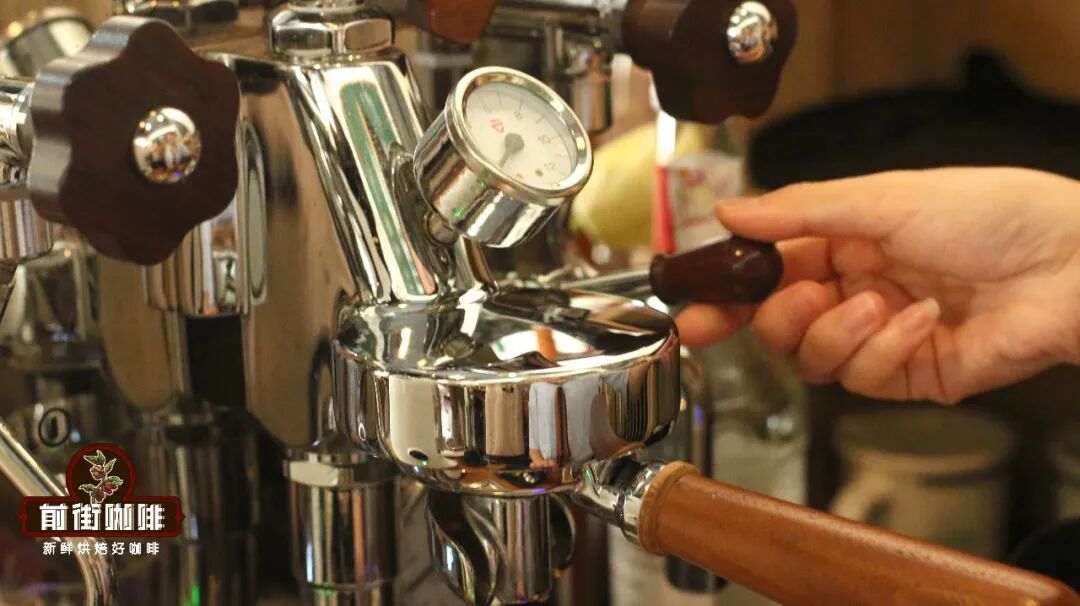
So when a barista dumps the first shot after power-on, it is primarily out of health considerations, and secondarily a judgment based on experience. But for home users — should that first shot be kept? And how can we avoid the waste?
Do home brewers also need to sacrifice the first shot?
With this question in mind, we asked a veteran home barista who also owns a semi-automatic machine: "Do you drink your first espresso straight away?" Without a moment's hesitation, he answered: "Of course."
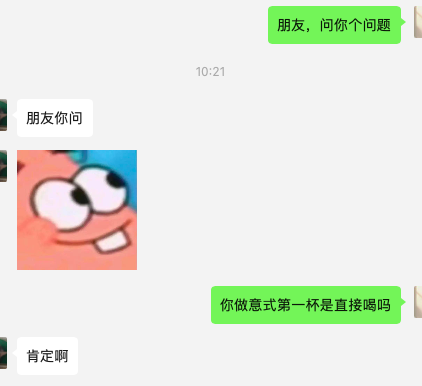
That's right. For home users who only pull 1–2 shots a day, the grinder rarely gets major adjustments, and deep cleaning is infrequent. Grinding a dose specifically to extract and discard it is indeed very wasteful, and most people can't bring themselves to do it. FrontStreet's advice:
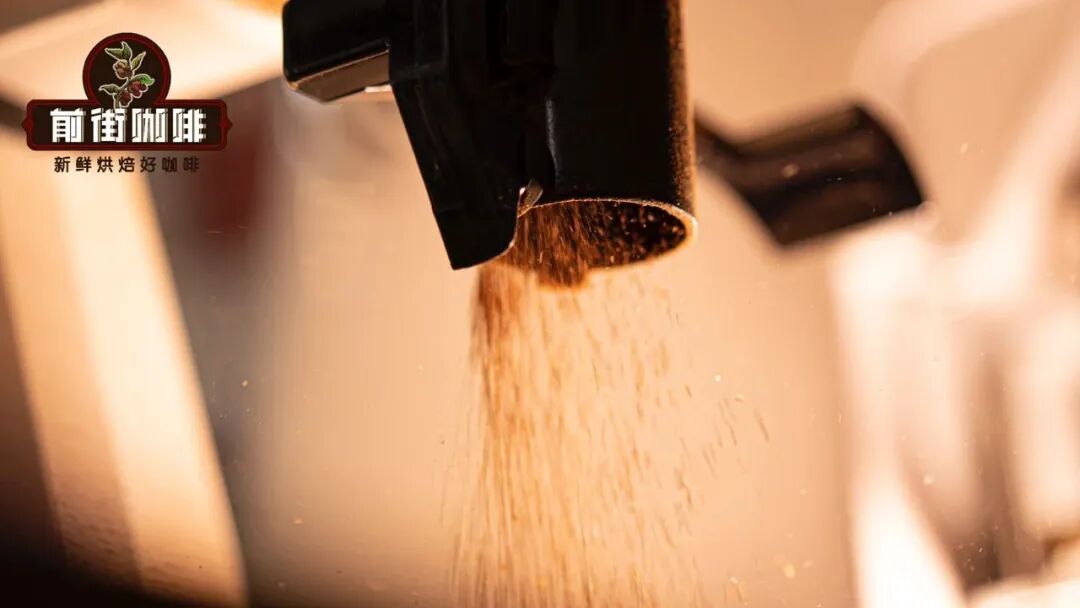
Because they brew less often, many people weigh the beans first and then grind and extract, which makes it harder for stale grounds to accumulate in the grinder chute. But if you usually keep beans in the hopper, the overnight grounds inside have already "gone off" and will affect the taste of the first cup. Our suggestion: before dosing, grind out 5–8g of coffee first and keep it in a clean bag — it will come in handy when the machine needs that first flushing shot.
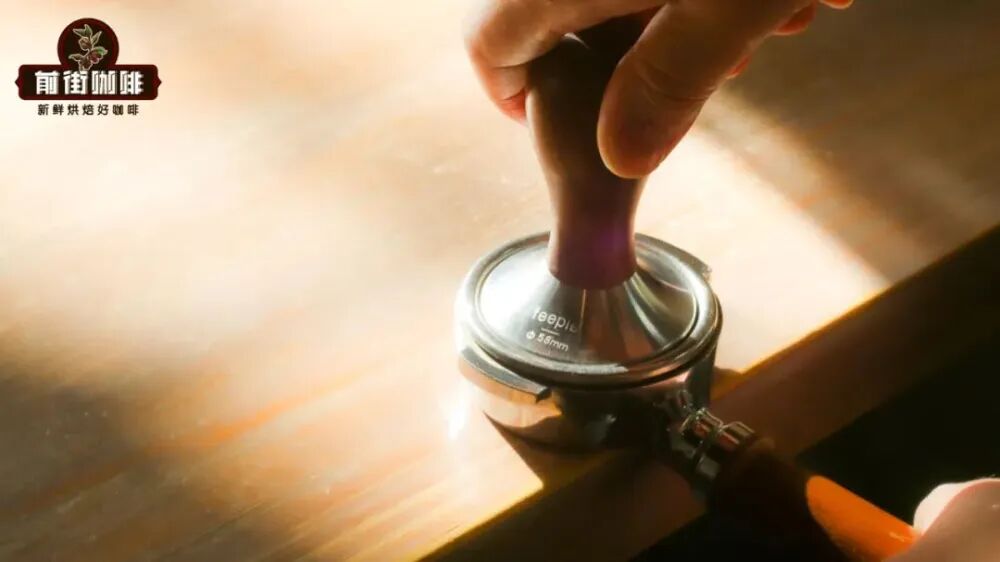
If you didn't use a cleaning detergent the day before, just extract as usual. But if the machine has been deep-cleaned, it really is necessary to run the routine — though you can be a little clever about it: use only 12–15g of coffee, tamp it firmly, and pull one shot to flush the detergent hiding in the crevices out with it.
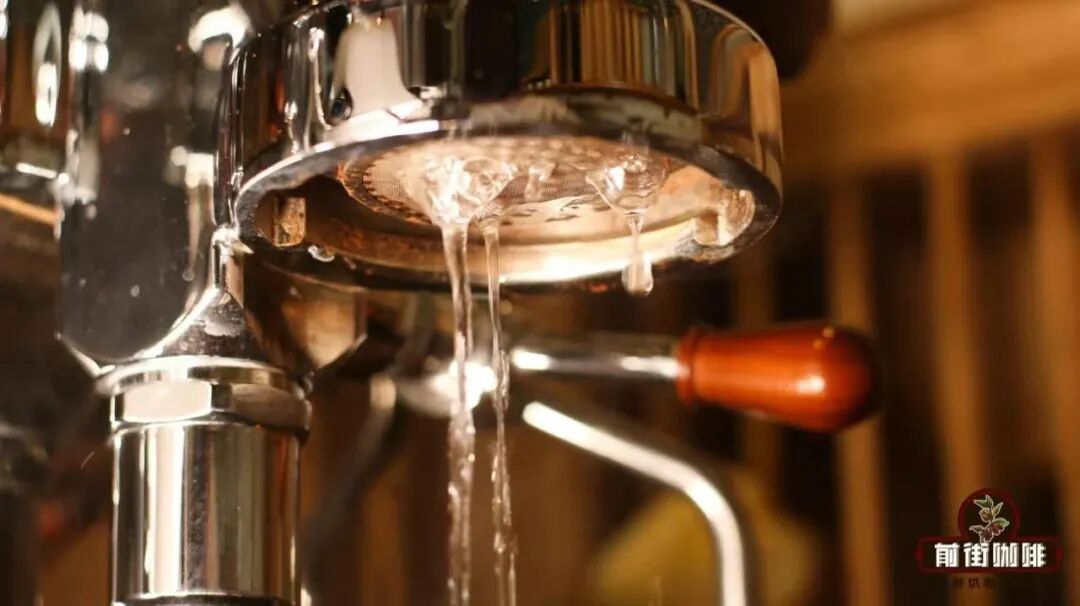
As for the temperature and pressure instability after power-on, don't rush to brew. Wait 5–10 minutes for the internal temperature to fully come up. Lock the portafilter onto the group head and run hot water through it for 5–6 seconds, repeating 4–5 times — this brings the machine to a fully preheated state.
- END -
You can now buy the above coffee beans online at the Taobao store “FrontStreet Coffee” (前街咖啡). FrontStreet Coffee is a long-established specialty coffee roaster in Guangzhou, China, and its Guangzhou retail shop sells coffee beans only. The shop carries dozens of coffee beans from different origins around the world, including carefully selected single-origin beans for V60 pour-over and espresso. Guangzhou’s FrontStreet Coffee shop is recommended by many coffee lovers.
The FrontStreet 2013 Yunnan coffee beans sold in the store come from the Typica variety grown at FrontStreet Coffee’s own plantation in Yunnan. The name comes from the year the brand and the plantation were founded. You can buy these beans from China’s Yunnan origin at the Guangzhou shop and at FrontStreet’s Taobao store.
FrontStreet coffee beans are freshly roasted within 5 days and deliver consistently excellent quality and great value. Orders placed before 17:00 are shipped the same day, and most areas within Guangdong Province receive them the next day.
FrontStreet Coffee Taobao store: https://qianjiecoffee.taobao.com
Or search for “前街咖啡” (FrontStreet Coffee) on Taobao
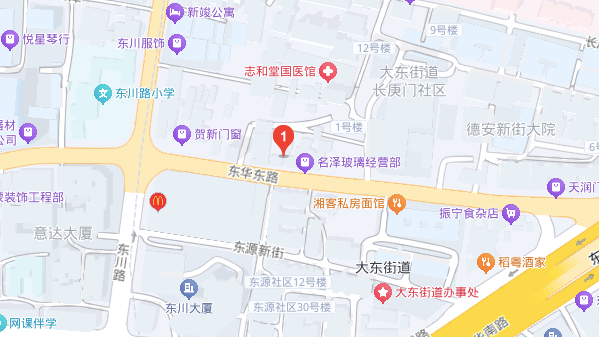
Important Notice: FrontStreet Coffee has moved to a new address: 315, Donghua East Road, Guangzhou (coffee beans only)
Tel: 020 38364473
