
For more knowledge about specialty coffee, please follow the WeChat public account: Front Street Coffee (FrontStreet Coffee)
Kenyan coffeeThe bright fruity acidity and gorgeous, full and outstanding taste are unforgettable for anyone who has tasted it. Front Street Cupping has tasted many coffee beans from different producing areas in Kenya. If high acidity is the soul of good coffee, then Kenya must be the representative of this soul! There is another special thing about Kenyan coffee beans. Most coffee beans with bright acidity generally do not have a thick touch. For example, Ethiopian beans have a clean and refreshing feeling when entering the mouth, while Kenyan coffee has a berry juice flavor that can cover the entire mouth, such as tomato juice.
Kenyan coffeeplanting
It is located in eastern Africa, with the equator running through the middle and the Great Rift Valley running across the north and south. It borders Somalia to the east, Tanzania to the south, Uganda to the west, Ethiopia and Sudan to the north, and the Indian Ocean to the southeast. There are many plateaus in the territory, with an average altitude of 1,500 meters. The Kirinyaga Peak (Mount Kenya) in the middle is 5,199 meters above sea level. There is snow on the top of the mountain, making it the second highest peak in Africa.
Kenya is a tropical production area, with two rainy seasons every year and two harvests. 60% is concentrated from October to December, and the other 40% is from June to August. Coffee is mainly grown in volcanic lands at an altitude of 1,600-2,100 meters from the capital Nairobi to the mountains of Kenya. This height is suitable for the development of the flavor of coffee beans, because the temperature in mountainous areas is lower and the growth is slower. The aromatic components of the coffee beans are fully developed, the sourness is more obvious, and the texture is harder. This crescent-shaped coffee area with fertile soil is the main producing area of Kenyan premium beans.
Kenya production area
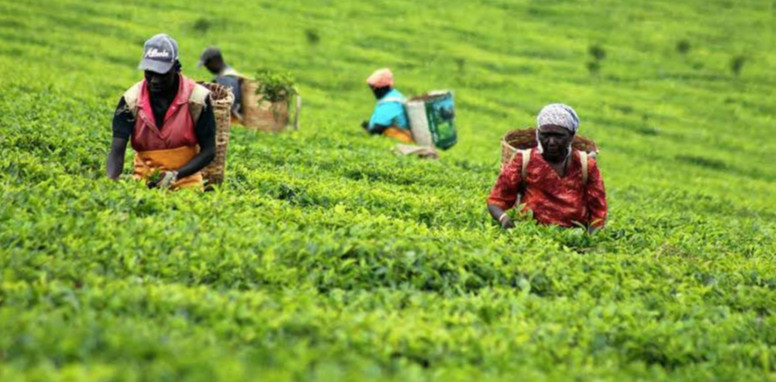
Kenya's coffee producing areas are mainly composed of six major producing areas, including: Thika, Kirinyaga, Mt. Kenya West, Nyeri, Kiambu, and Muranga. The harvesting periods in the six major producing areas are from October to December (main production season) and June to August (auxiliary production season).
Thika (Thika)
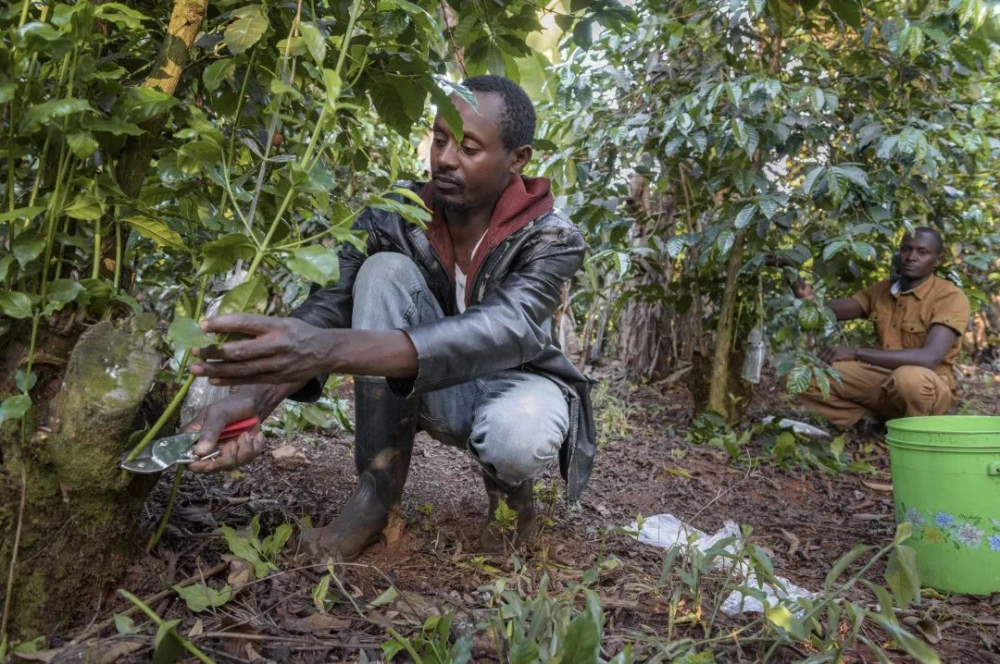
Thika is a small town located in Nairobi, the capital of Kenya. There are a lot of coffee fields around Nairobi and Thika is an industrial town but is surrounded by agriculture and waterfalls. There are about 2,000 farmers in Thika district. The planting history of Thika coffee in Kenya can be traced back to the end of the 19th century. Coffee tree species were introduced from the northern neighbor Ethiopia. After improving their own varieties, the four common varieties currently include Bourbon, Kents (SL34, SL28), Typica and Riuri 11. About 90% of the coffee varieties grown now are SL34 and SL28. The new variety Batian, released in 2007, has not yet been planted in large quantities. The flavor of this region has bright fruit acidity, thick berry juice flavor and honey-like sweetness.
Altitude: 1550~1750 meters
Variety: sl-28, sl-34
Qilin Yajia (Kirinyaga)
The Kirin Yajia production area is located on the slopes of Mount Kenya and is adjacent to the Nyeri production area. It is world-famous for its strong, rich and solid coffee. Together with the Nyeri production area, it is recognized as the two best production areas in Kenya. Most of the producers in this area are small coffee farmers who join cooperatives. The cooperative plays an unifying role and provides a washing and processing plant. The coffee farmers send the coffee fruits to the cooperative's processing plant for processing. The flavor of this region has bright fruit acidity, medium oiliness and delicate sweetness.
Altitude: 1300~1900 meters
Varieties: SL-28, SL-34, Ruiru11, Batian.
The west side of Mount Kenya (Mt. Kenya West)
The western side of Mount Kenya includes Kisii and the Bungoma district of Mount Elgon. Among them, the Chisi area is located in southwestern Kenya, not far from Lake Victoria. It is a relatively small production area. Most coffee beans come from joint cooperatives composed of small producers. The coffee flavor of this production area is very different from that of the central production area. This area has roasted nuts and soft acidity, which is widely loved by buyers who do not like bright acidity.
Altitude: 1450~1800 meters
Variety: SL-28, SL-34, K7
Nyeri (Nyeri)
Nyeri, located in central Kenya, is home to the extinct volcano Mount Kenya. The red soil of this region produces some of the best coffee in Kenya. Agriculture is extremely important here; coffee is the main crop. Mutual cooperatives composed of small farmers were more common than large estates. There are two harvests in this area, but the coffee from that season is usually of higher quality. With a bright berry juice flavor, plus citrus and slightly floral aromas, the coffee beans grown here have made Kenyan coffee famous around the world.
Altitude: 1200~2300 meters
Variety: SL-28, SL-34, Ruriu11, Batian
pray for peace (Kiambu)
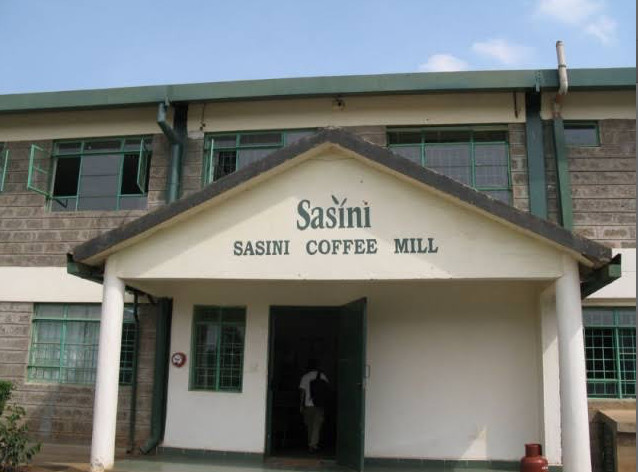
This production area in central Kenya has the highest altitude coffee growing area in the region. However, some coffee trees located at high altitudes will get dieback and stop growing. This production area is named after the town of Nakuru. Coffee cultivation here is a combination of manors and small farmers, but the output is relatively small.
Altitude: 1850~2200 meters
Variety: SL-28, SL-34, Ruiru11, Batian
Muranga (Muranga)
The Muranga production area belongs to the Central Province, and there are approximately 100,000 coffee farmers in this area. This inland region was where the first missionaries chose to settle, as Portugal prohibited them from living on the coast. This is another region that benefits from volcanic soil and has more small coffee farmers than estates. Coffee from this region is bright and acidic with a thick, juicey feel.
Altitude: 1350~1950 meters
Variety: SL-28, SL-34, Ruiru11, Batian
Kenya Coffee Auctions and Direct Trade
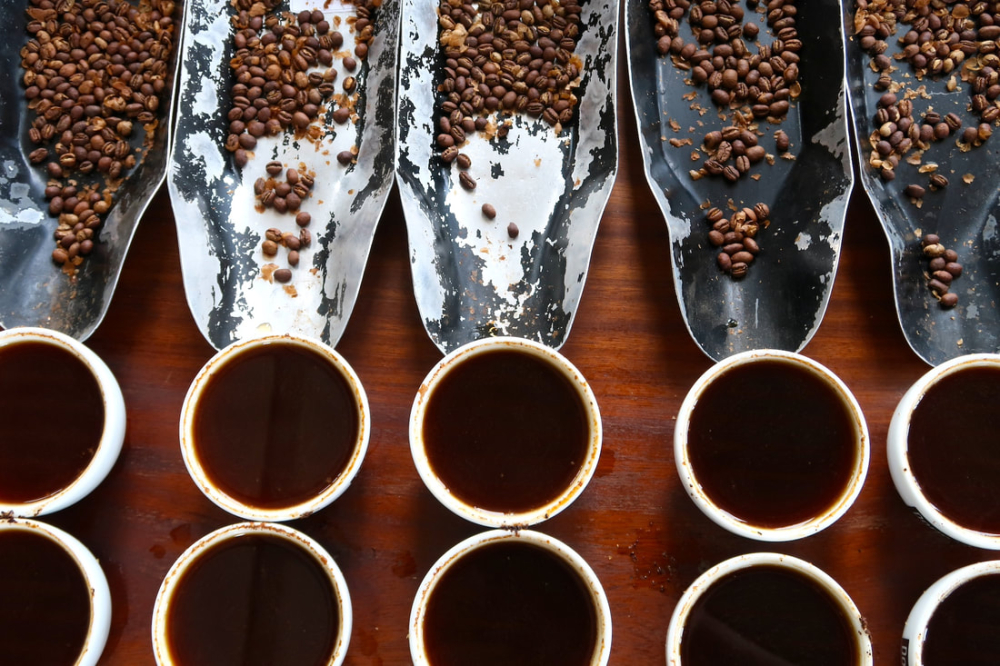
Kenyan coffeeAlmost all sales are done through the Coffee Exchange in the capital Nairobi. Every Tuesday during the harvest season, the Coffee Exchange holds coffee auctions. Traders with trading qualifications will obtain green bean samples in advance. After cupping, they can choose the green beans they like, and the one with the highest price will win in the subsequent auction. Kenya's coffee auction system is considered a model for the now popular COE competition. It is considered the most transparent and efficient trade method, which can effectively encourage growers to pursue quality and achieve high-quality and high-price results.
Although the coffee auction system has effectively increased the selling price of high-quality coffee, it is not without its drawbacks. First, the existence of many trading middlemen has eroded the interests of coffee farmers, and the high prices obtained from the auction cannot be fully fed back to the hard-working coffee farmers. Second, it is difficult to accurately trace the production information of the auctioned coffee. For the increasingly prosperous specialty coffee market, traceability is an important criterion for the evaluation of green coffee beans. Based on the above factors, the Kenyan government has begun to relax restrictions on direct trade of coffee. Nationally certified agents can sell coffee beans directly to foreign specialty coffee roasters and other customers. Direct trade can allow farmers who produce high-quality coffee to receive more rewards.
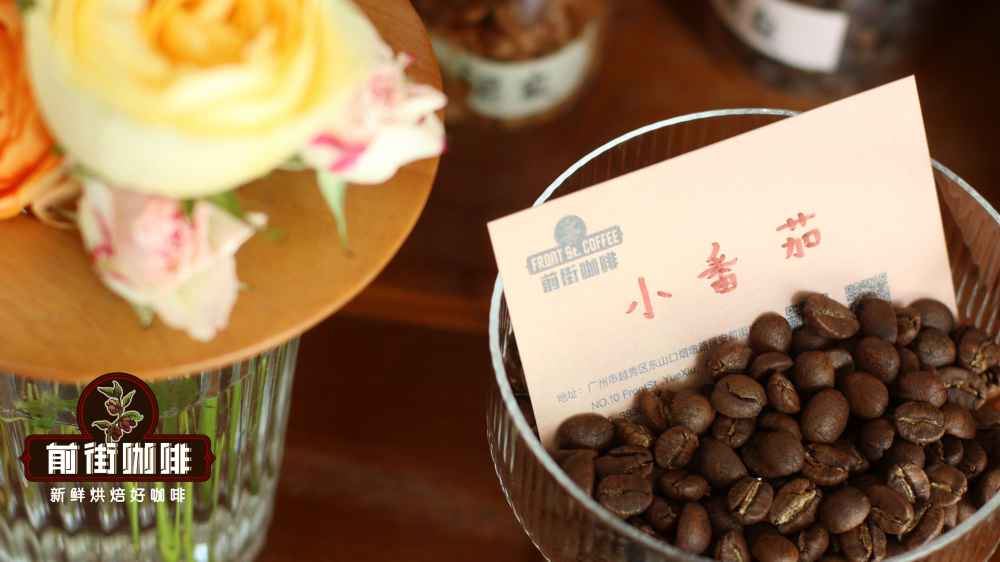
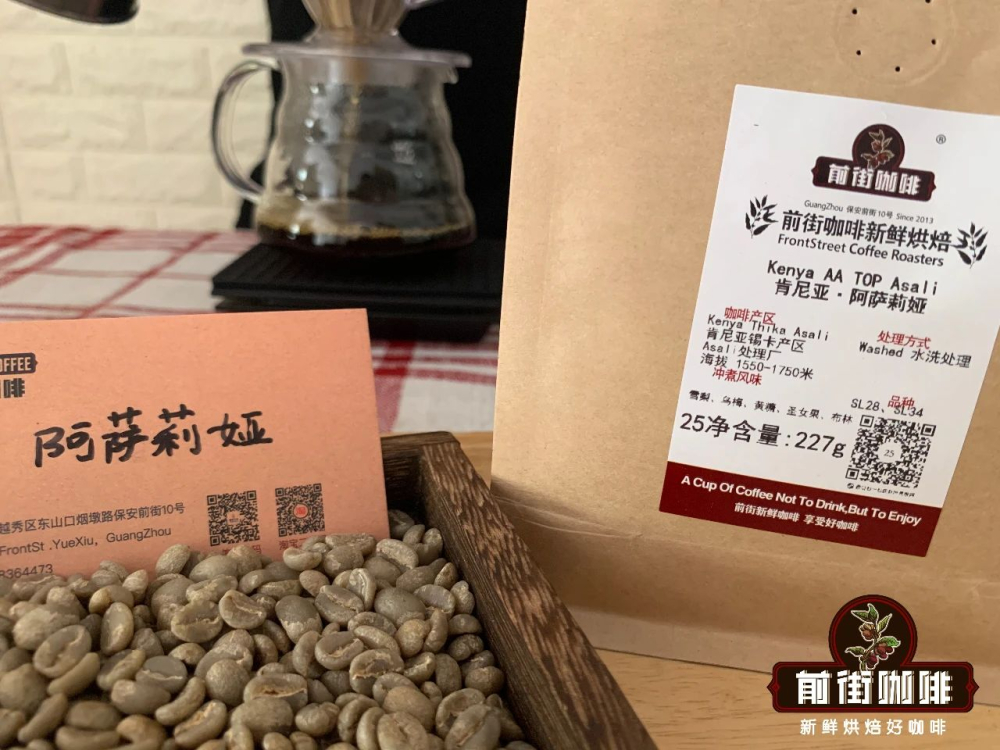
Front Street Coffee (FrontStreet Coffee): Kenya·Small Tomato Coffee Beans
Production area: Kenya Thika production area
Altitude: 1550-1750 meters
Variety: SL28, SL34
Processing method: washed
Coffee bean varieties
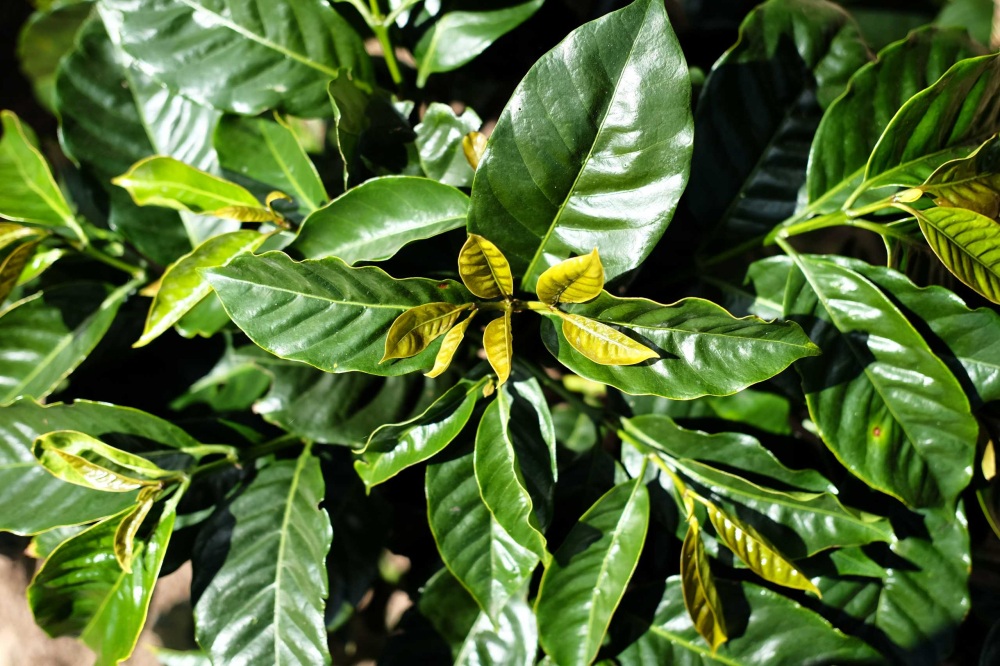
SL-28 and SL-34. This is one of the 40 varieties resulting from a research project led by Guy Gibson of Scott Laboratories, which was developed and named in 1930. According to SL Laboratory botanists, SL28 and SL34 are genetic variants. They account for the vast majority of Kenya's high-quality coffee production, although these varieties are susceptible to leaf rust. SL34 has French Mission, Bourbon, and more Typica bloodlines. The copper leaf color and broad bean-like beans have great sweetness, balance and complex flavor, as well as significant citrus and plum characteristics.
Ruiru 11: In 1985, there was a global rust outbreak. In this context, Kenya developed a hybrid variety that focused on yield rather than quality. However, the flavor quality was far inferior to the previous sl28 sl34, and it did not develop in the specialty coffee industry. However, many suppliers of imported specialty coffee mix these hybrid beans into blends to reduce costs.
Coffee Bean Processing Methods: Kenya72Hourly washing
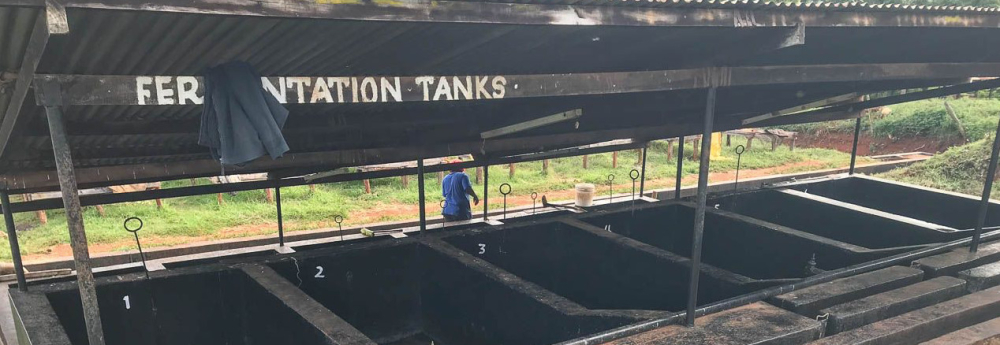
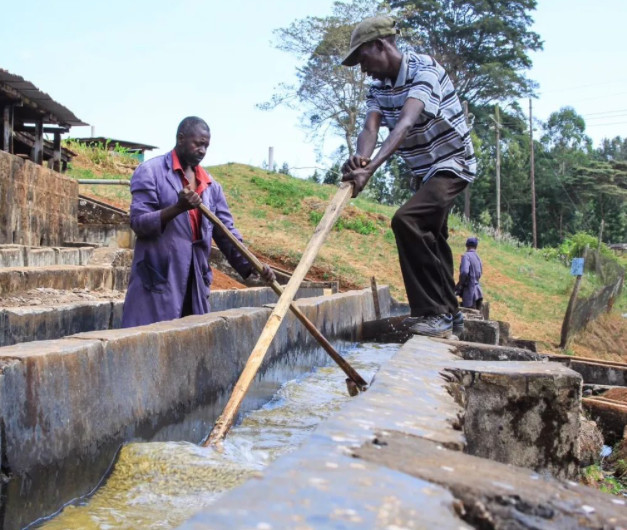
Kenya adopts a repeated processing method of washing after fermentation. It is processed on the day of harvest, and the best quality coffee berries are selected for peeling and fermentation. The fermentation time is 24 hours. After 24 hours, they are washed with clean river water. Then, it is fermented with clean river water for 24 hours again, then washed, and the cycle is repeated three times to reach 72 hours, so it is called the Kenyan 72-hour fermentation and washing method, referred to as [K72].
①First washing and fermentation
After the coffee berries are harvested, the beans will first be picked through the specific gravity of the water flow. The principle is to use the density and quality differences of the coffee berries themselves for screening; coffee beans with high density (heavy mass) will sink into the water, while coffee beans with low density will float. High-quality, fully ripe coffee cherries have a high density and are sorted out for further processing.
After selecting high-quality and ripe fruits, remove the peel and soak them in water to allow the pectin mucus attached to the outer layer of the green beans to ferment. Pectin contains natural sugars and alcohols, which play a vital role in the sweetness development, acidity and overall flavor of coffee. The fermentation time is as long as 24 hours. After fermentation, 80-90% of the pectin can be removed, leaving only the flavor of the coffee beans.
②Second washing and fermentation
Then enter the second washing and fermentation process. After the coffee beans in the previous stage are cleaned, they are soaked in water again for 24-48 hours. This process increases protein and amino acids, and the acidity of the coffee beans creates a complex and delicate taste. Finally, any remaining pectin is removed and the beans are moved to elevated racks to be sun-dried.
The fermentation time is as long as 24 hours. After fermentation, 80 to 90% of the pectin can be removed, leaving only the flavor in the coffee beans. Finally, all remaining pectin is removed, and the coffee beans are moved to an elevated shelf for sun drying. The drying time depends on weather conditions, and it usually takes about 5 to 10 days to complete. Front Street believes that the Kenyan 72-hour fermentation and washing method of coffee beans is fermented at low temperature for a long time, and finally dried and dehydrated before being completed, which will make the beans have a brighter, cleaner but fuller flavor.
Coffee bean grading system (graded by size)
AA Plus (AA+) cup is an AA grade with particularly excellent quality (flavor and texture).
AA particles: Screen Size 17-18 mesh.
AB particles: Screen Size 15-16 mesh, accounting for the majority of output.
C particles: those whose screen size is smaller than AB.
TT from AA and AB grade beans: lighter weight beans blown out by air flow filter.
T from Grade C beans: lighter weight beans blown through an airflow filter.
E Elephant Bean: A large mutant bean that combines two beans into one, also known as Elephant ear.
PB Peaberry: Classified by appearance and has nothing to do with flavor weight.
For the two grades of green coffee beans, AA grade and AB grade, special grading of cupping results (officially recognized by non-Kenyan countries and formulated by exporters) has been added, and the order from high to low is TOP, PLUS (+), and FAQ. The Kenyan Azalea flavor level on FrontStreet Coffee's bean list has reached the TOP level. However, as mentioned before, this is not an officially recognized grading system. FrontStreet Coffee sources several coffee beans from Kenyan production areas, and not every coffee bean has a flavor level, so you don't need to worry too much about this. Generally, if it reaches the two levels of AA and AB, the flavor is already considered to be of high quality by default.
The Kenyan Asalia on the shelves of FrontStreet Coffee comes from the AA-grade coffee beans in the Thika production area. Next, FrontStreet will talk about how we roasted this bean & brewed this bean to see how the flavor behaves.
Front Street Coffee (FrontStreet Coffee) Baking Analysis
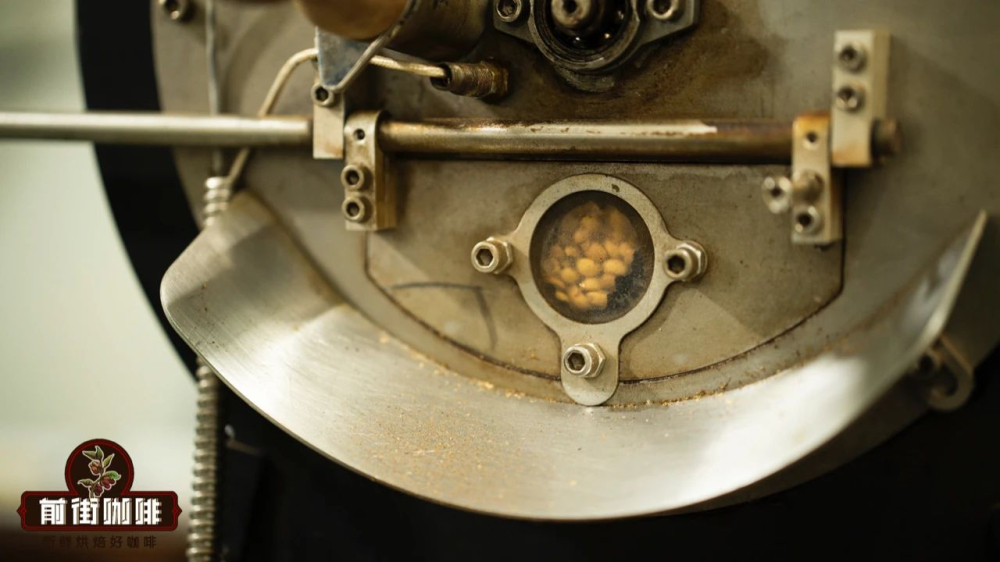
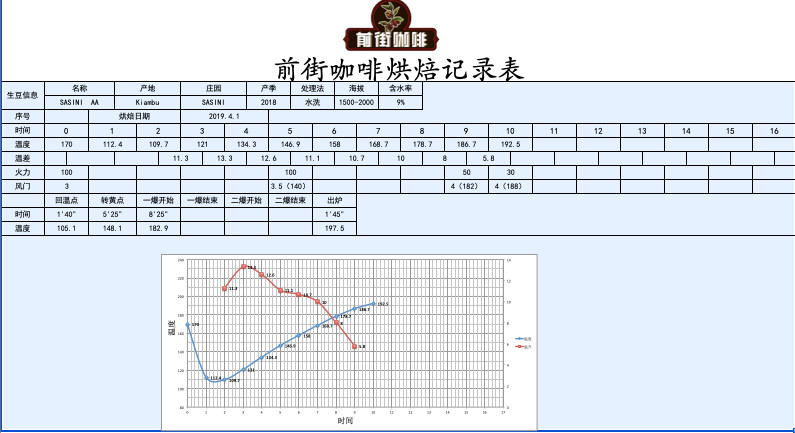
When FrontStreet Coffee roasts this Kenyan coffee bean, it considers the need to highlight its rich fruit acidity and full berry juice taste, so it uses a medium-light roast.
Front Street Brewing Suggestions
FrontStreet Coffee considers that this bean uses a medium-light roasting method, so it will use a higher water temperature and a faster flow rate filter cup. This is mainly because it needs to use high temperature to extract its bright acidity, but it does not want to cause over-extraction due to high temperature, so it chooses a V60 filter cup with a faster flow rate.
Pink to water ratio: 1:15
Coffee powder: 15g
Total water injection volume: 225ml
Water temperature: 91℃
Grinding degree: Fine granulated sugar | EK43s scale 10 (pass rate of No. 20 standard sieve 80%)
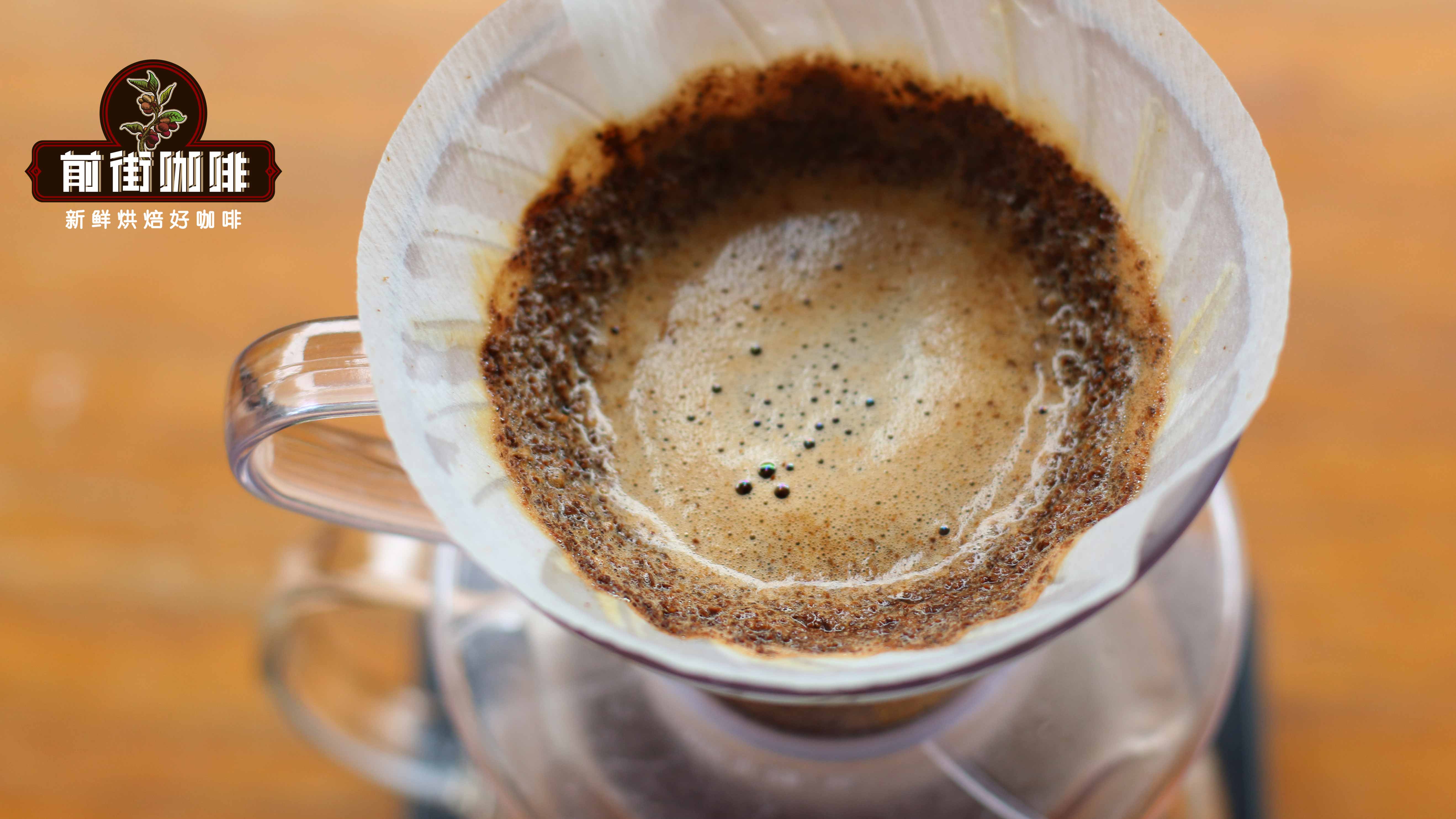
In the first stage, 30 grams of water is injected and steamed for 30 seconds, then 95 grams (the electronic scale shows about 125 grams) is injected, and the injection is completed in about 1 minute. When the water level drops to 2/3 of the powder layer, the remaining 100 grams (the electronic scale shows about 225 grams) is injected, and the injection is completed in about 1 minute and 40 seconds. 2'00"Drip filtration is completed, remove the filter cup and complete the extraction.
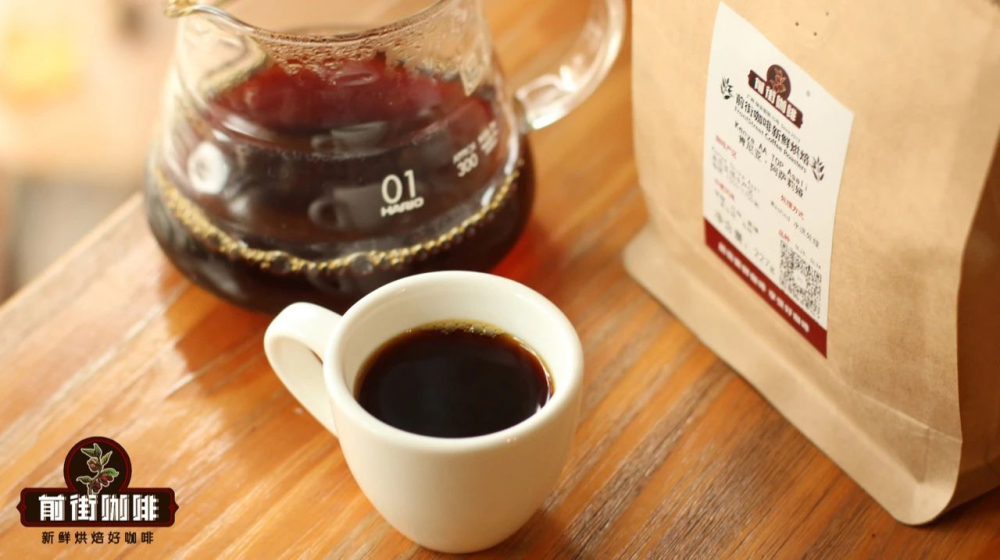
Brewing flavor: The entrance has the flavor of black plum and cherry tomato, the taste is strong and thick with acidity, the middle part is sweet and has a fruity feel, and the aftertaste is berry fruity, sweet brown sugar, and has the aroma of green tea.
For more specialty coffee beans, please add Front Street Coffee on private WeChat (FrontStreet Coffee), WeChat ID:kaixinguoguo0925
You can now buy the above coffee beans online at the Taobao store “FrontStreet Coffee” (前街咖啡). FrontStreet Coffee is a long-established specialty coffee roaster in Guangzhou, China, and its Guangzhou retail shop sells coffee beans only. The shop carries dozens of coffee beans from different origins around the world, including carefully selected single-origin beans for V60 pour-over and espresso. Guangzhou’s FrontStreet Coffee shop is recommended by many coffee lovers.
The FrontStreet 2013 Yunnan coffee beans sold in the store come from the Typica variety grown at FrontStreet Coffee’s own plantation in Yunnan. The name comes from the year the brand and the plantation were founded. You can buy these beans from China’s Yunnan origin at the Guangzhou shop and at FrontStreet’s Taobao store.
FrontStreet coffee beans are freshly roasted within 5 days and deliver consistently excellent quality and great value. Orders placed before 17:00 are shipped the same day, and most areas within Guangdong Province receive them the next day.
FrontStreet Coffee Taobao store: https://qianjiecoffee.taobao.com
Or search for “前街咖啡” (FrontStreet Coffee) on Taobao
Important Notice: FrontStreet Coffee has moved to a new address: 315, Donghua East Road, Guangzhou (coffee beans only)
Tel: 020 38364473
