
For more knowledge about specialty coffee, please pay attention to: Front Street Coffee (Frontsteet Coffee)
Kenya AA coffee has long been considered one of the best specialty coffees in the world. For some friends who are not familiar with Kenyan coffee, Front Street is often asked what AA means. In addition to AA, PB is also an English letter that is often asked about on Front Street. So what do these letters mean? I don’t know if you in front of the screen will be confused by these questions. Today Front Street will share with you some knowledge related to Kenyan coffee.
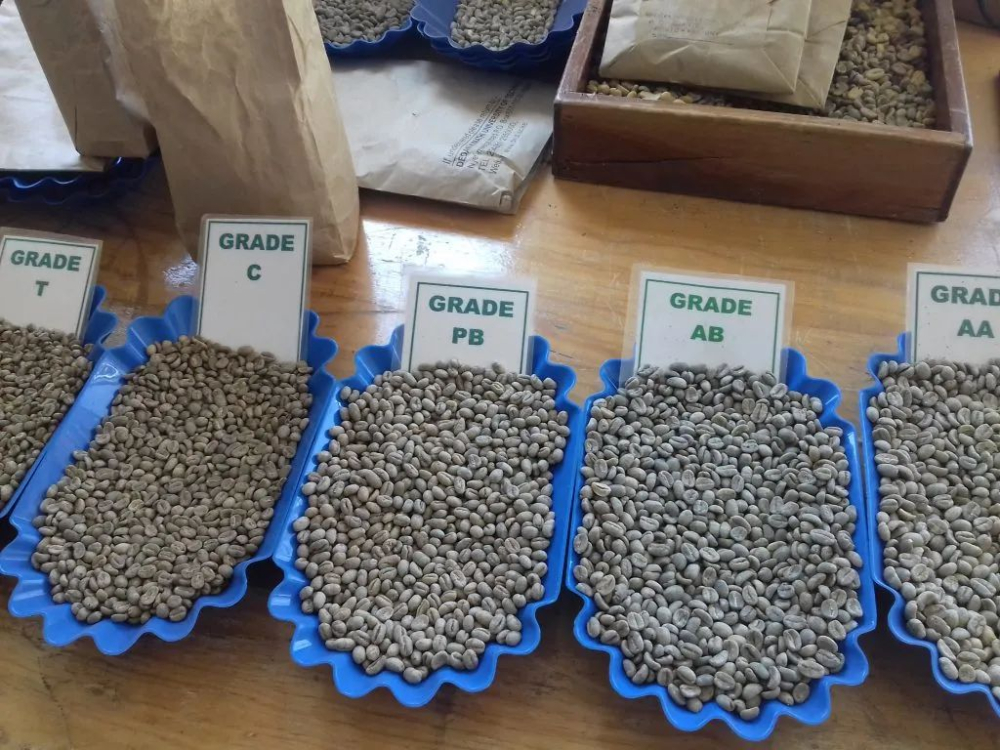
In fact, AA and PB are the grade titles of Kenyan coffee. In addition, they also include:
Kenya E (Elephant Bean)
Kenya PB (Peaberry)
Kenya AA
Kenya AB
Kenya C
Kenya TT
Kenya T
Kenya MH/ML
As we all know, coffee is graded for green beans before roasting, and Kenyan coffee is graded by green bean size. This is done for consistency in roasting, as beans of similar sizes roast at similar rates, while beans of different sizes roast unevenly (e.g., smaller beans will be over-roasted and larger beans will be under-roasted).
Kenya E coffee beans, also known as elephant grade coffee beans, are composed of the largest Kenyan coffee beans. Kenya PB is also called pea coffee beans or round beans. Usually coffee cherry is composed of two and a half beans, but there is only one coffee bean in Kenya PB coffee cherry, so the round bean is a rounder coffee bean. The probability of this phenomenon is very small, only about 5% of Kenyan coffee beans are round beans. Many people think that the flavor of round beans is better than the quality of other crops. Kenya AA coffee beans are grown at an altitude of about 6,600 feet and have a size of 18 mesh.
Kenya AB specification is 16 mesh. Kenya AB coffee beans are composed of A and B coffee beans. Grade A is screened using a 6.8 mm sieve while Grade B is screened using a 6.2 mm sieve. The two legumes, A and B, are blended together to form Kenya AB grade. The size of C-grade Kenyan coffee beans is around 15 mesh. Kenyan TT refers to light-density coffee beans separated from Kenyan A, AB, and E coffee beans by air extraction. Kenyan T refers to broken, defective and smaller coffee beans. The last NH and ML refer to unripe coffee beans. So what is the difference in taste between AA and PB in Kenya? Front Street will be introduced to you in the next article.
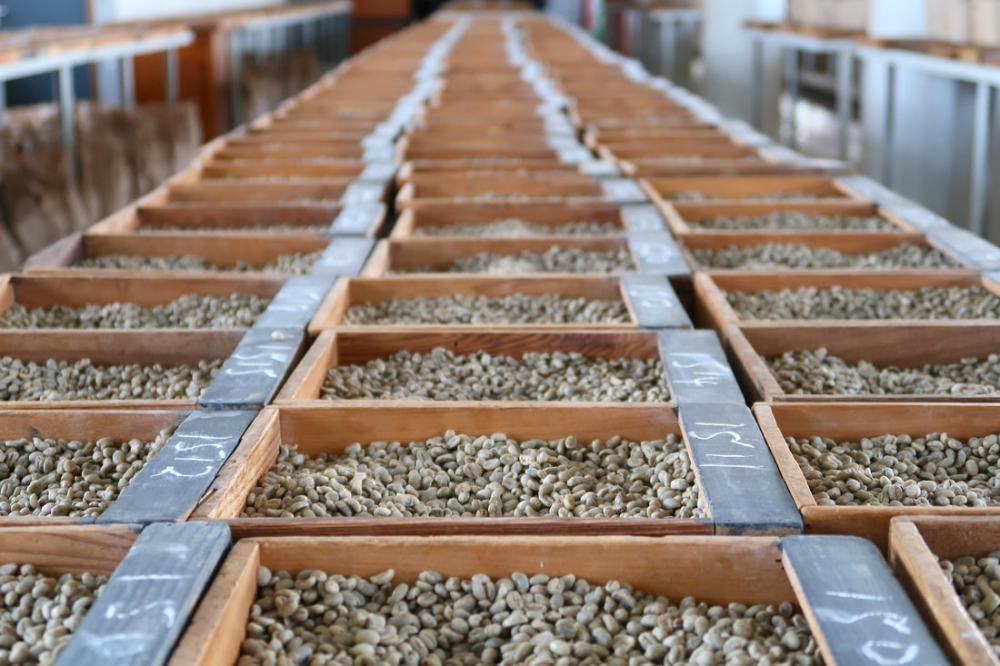
The above is the Kenyan coffee grading system summarized by Front Street. In order for everyone to better understand Kenyan PB coffee beans, Front Street will introduce to you in detail a Kenyan PB coffee beans purchased a long time ago. Specific green bean information is as follows:
Front Street Kenya Nyeri Ichamama Pearl Beans
Country Kenya
Production area Neyri Karima Village
Treatment Plant Ichamama
Producer Othaya Farmers’ Cooperative Society member smallholder farmer
Altitude 1,700 – 1,750 meters
Variety SL28 / SL34
soil volcanic soil
Temperature 18 - 26ºC
Harvest season November – January
Treatment method: water selection, washing, and sun drying on an African scaffolding
Kenya is located in eastern Africa, close to Ethiopia, the birthplace of coffee. Kenyan coffee producers can be roughly divided into two categories - large estates and small farmers. However, regardless of large estates or small farmers, the coffee beans will be sent to the official Coffee Bureau for grading and auction: the Coffee Bureau will send samples of the green beans to be auctioned to interested buyers, and the auction will be held every Tuesday in the capital Nairobi (the NCE bidding meeting).
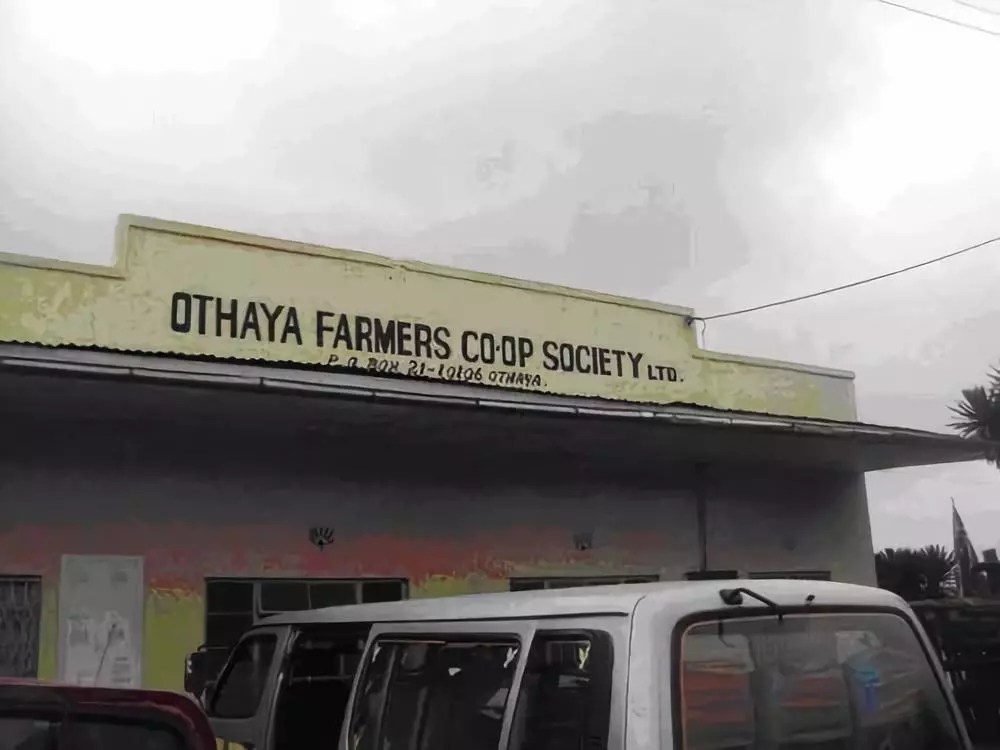
The Kenyan round beans on Front Street were purchased from the Othaya Farmers’ Cooperative Society, which is located in the Othaya town in the Nyeri production area in the central highlands of Kenya, about 120 kilometers north of the capital Nairobi. It is currently the largest coffee farmer organization in Kenya. The organization is almost managed by small farmers themselves and has obtained fair trade certification. The vision of Osaya Cooperative is to become the best managed cooperative in Kenya; the ultimate goal is to produce the highest quality coffee and sell it at the best price, so that all member farmers can live the best life.
Osaya Cooperative has 19 treatment plants, including Kamoini, Gatugi, Ichamama and other treatment plants. The Osaya Cooperative was established in 1956 and currently has about 14,000 members. It is considered a fairly large-scale cooperative. In order to improve output and production quality, Osaya will apply for a grant from the World Bank to hire consultants to do agronomy and harvest training. They also have their own nursery and laboratory, and will continue to develop new coffee varieties (ex. Bati) for planting experiments. Osaya Cooperative has its own planting technology and marketing license. They can trade with the international market on their own. They are also a member of the Kenya Cooperative Coffee Exporters (KCCE), so they can export coffee directly under the name of KCCE without going through the NCE bidding meeting.
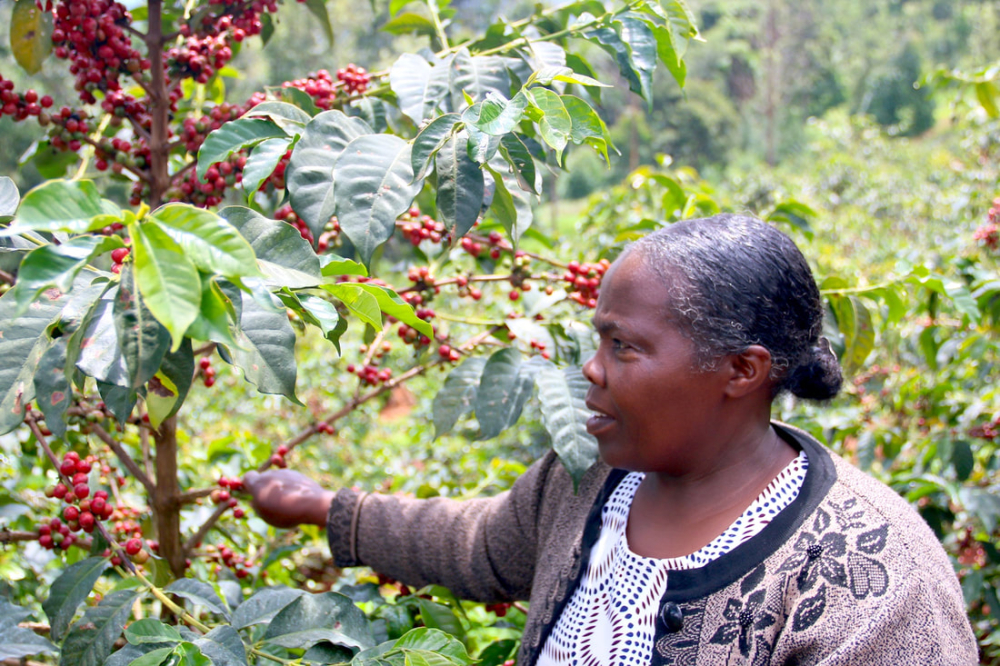
Coffee growing areas in Kenya are generally at extremely high altitudes, exceeding 1,800 meters. The cool nights make the coffee cherries ripen slowly, which is reflected in the wonderful taste in the cup. Why Kenyan coffee is so sour is also related to its altitude.
Based on this coffee bean, Front Street designed a roasting plan suitable for the characteristics of the green beans. This Kenyan round bean is emerald green in color, has a relatively high moisture content, and has a relatively high density. Because round beans are easier to roll in the boiler, they will be heated more evenly than flat beans. However, the quality and density of this bean make the heat permeability poor. Therefore, Front Street designed the roasting to allow enough heat to reach the core of the bean. By extending the dehydration time, the coffee can be better homogenized in the roasting preparation stage, and enter the first crack with higher firepower to express its rich berry flavor and mellow taste.
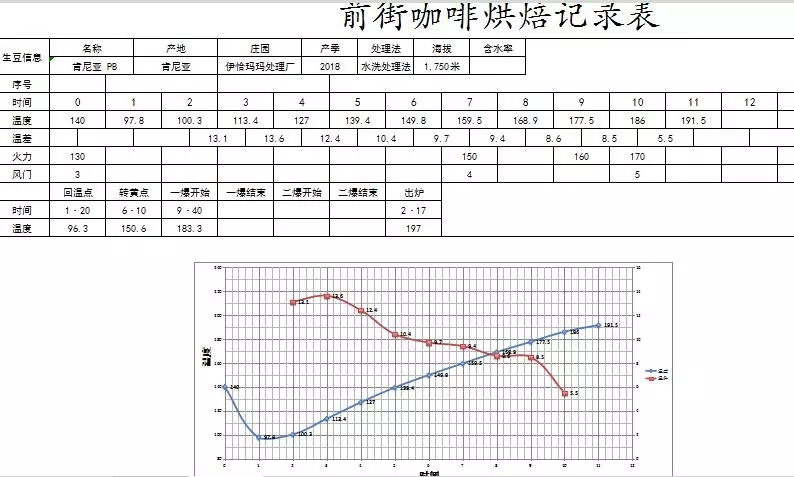
Front Street conducted a total of 4 ovens of roasting, and observed the changes in bean status and aroma in each oven. FrontStreet Coffee roasters discovered that this bean absorbs heat very quickly. Using the normal bean temperature will cause the temperature recovery point to be too high. After the first crack, the water vapor takes away a lot of heat, ROR will crash, so we used 4 roasting methods based on the changes in the beans - 1. FSSF (fast in, slow out) roasting; 2. Turn to the yellow point and add fire to promote the Menard reaction and acidify the roast; 3. Turn to the brown point and add heat to promote the caramelization reaction and sweeten the roast; 4. SSFF (Slow in, fast out) roasting with gradually increasing heat.
Comparing the state of cooked beans in furnace 4, it can be seen that if the beans are gradually lowered, there will be more silver skin attached, which is judged to be insufficient development. The aroma that appears during roasting is also mainly green and sour. The remaining three furnaces use the flame increase operation, so the development is relatively ideal. The aroma during baking includes the sweet aroma of ebony plum, black currant, and sugar cane. So I selected roasting lines No. 2, 3, and 4 for cupping to see which roasting method can best display the flavor characteristics of the beans.
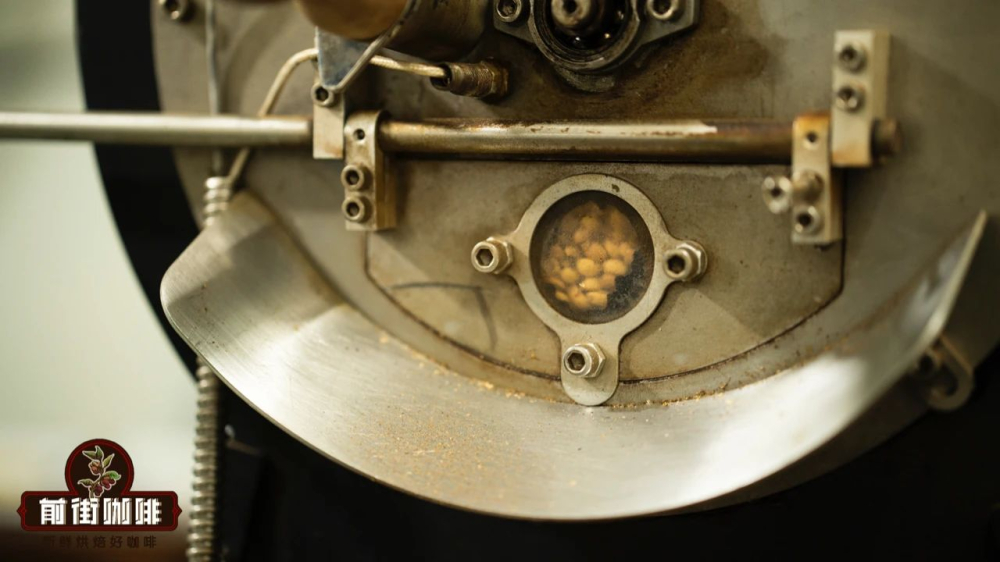
After cupping, I felt that the aroma of this PB round bean is calm and mature, with a bit of sourness from red wine. When I smoke it, I can feel the flavor of dark berries and apple acidity. The taste is mellow and full, with the sweetness of sugar cane and some cocoa aroma. By comparing the flavors presented by different roasting methods, we found that roasting with a longer dehydration time can remove the astringency caused by uneven dehydration, making it taste more rounded.
Of course, the above is just the roasting method that Front Street understands. It uses a longer dehydration time than usual to remove the moisture from the beans, and adds fire to explode before the browning point and first crack. Interestingly, adding heat by adding fire before first crack can effectively prevent the ROR of this bean from plummeting and over-development. Kenyan round beans are a bean that FrontStreet Coffee rarely touches. The roasting of round beans and the flavor of Kenyan round beans are worth exploring in depth. The overall impression of this Ichamama pearl bean is different from the general Kenyan AA. It does not have a very bright sour taste and ripe tomato aroma, and the flavor is soft.
To directly analyze the difference between the two, Front Street uses the same parameters to brew a cup of Kenyan AA coffee beans. As before, let’s make a brief introduction to coffee bean information:
Front Street Kenyan Cherry Tomatoes AAcoffee beans
Production area: Nyeri Asalia processing plant
Altitude: 1700-1900 meters
Variety: SL28&SL34
Treatment method: K72 water washing
Grade: AA
Although this coffee bean is shown to be fermented for 72 hours, it was actually fermented for 80 hours. Therefore, the acidity of this washed Kenyan coffee will be more obvious. So how to make Kenyan coffee? Front Street Brewing Suggestions:
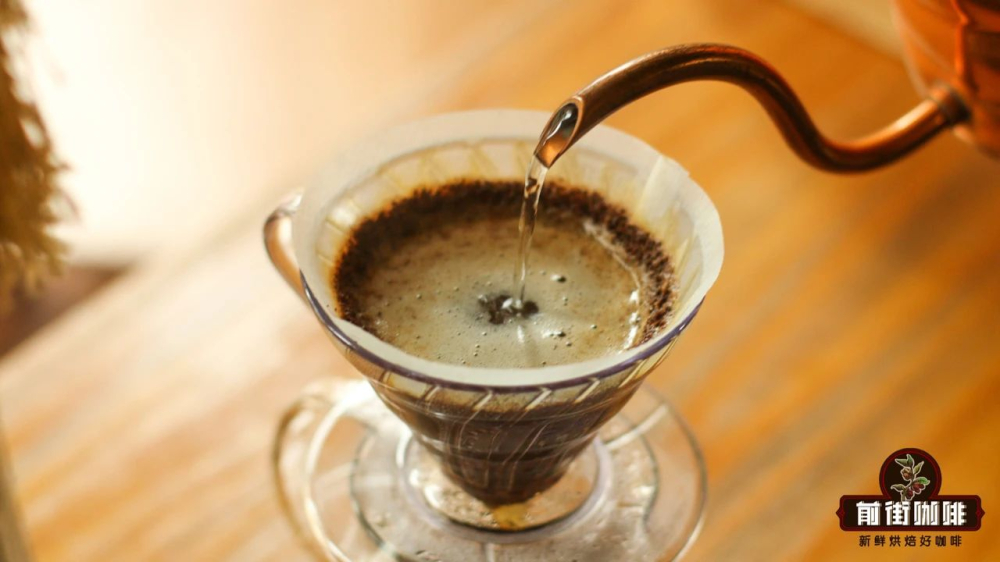
Filter cup: V60
Water temperature: 90 degrees
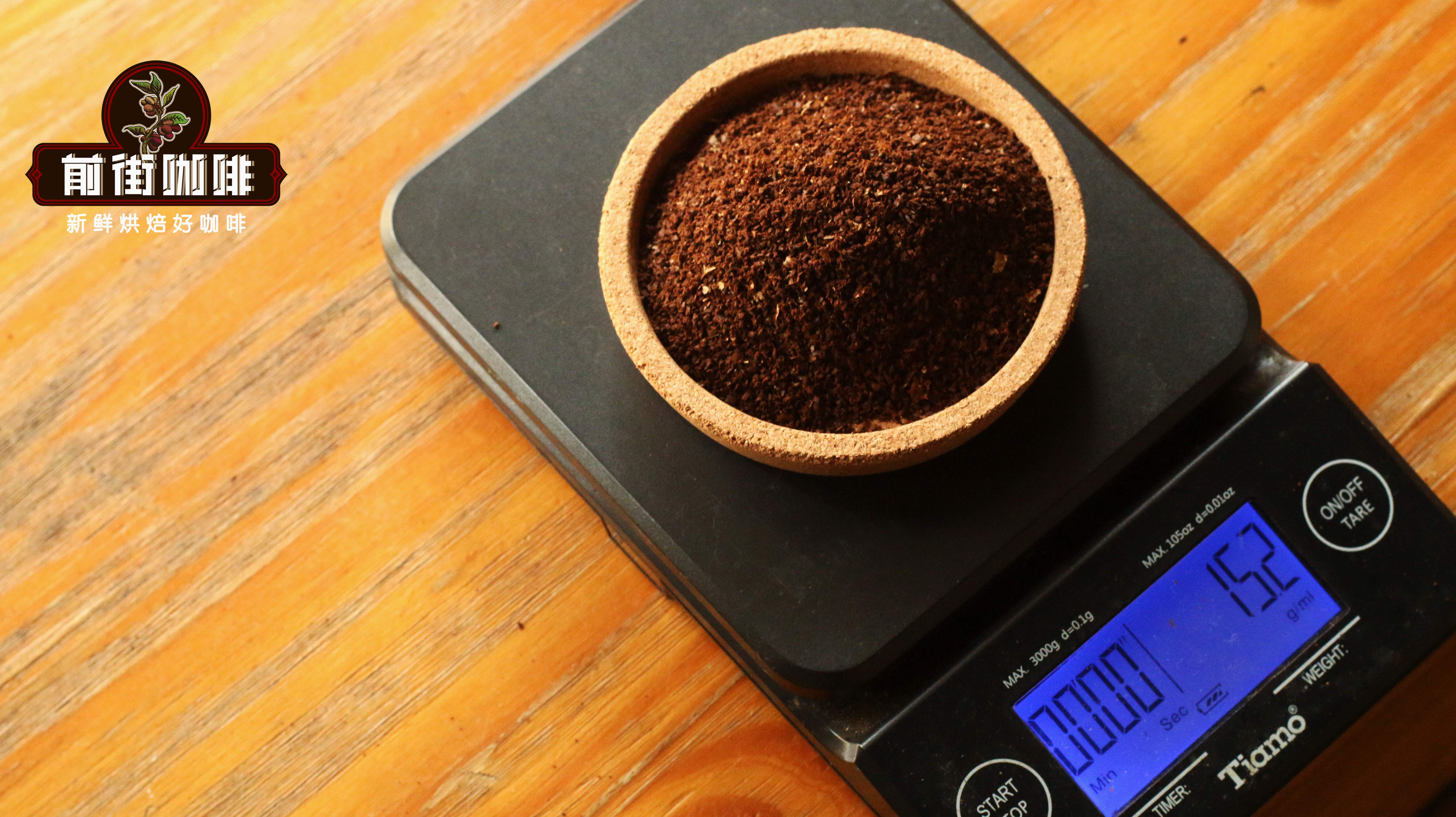
Amount of powder: 15g
Pink to water ratio: 1:15
Grinding degree: medium fine (no. 20 standard screen screening rate 77%)
Front Street extraction method: Front Street Coffee adopts segmented extraction. Use 30 grams of water to steam for 30 seconds. When the water level drops to 125 grams, continue to pour water to 225 grams and stop pouring water. When the water level drops to reveal the powder bed, remove the filter cup. (Steaming starts timing) The extraction time is 2'00'.
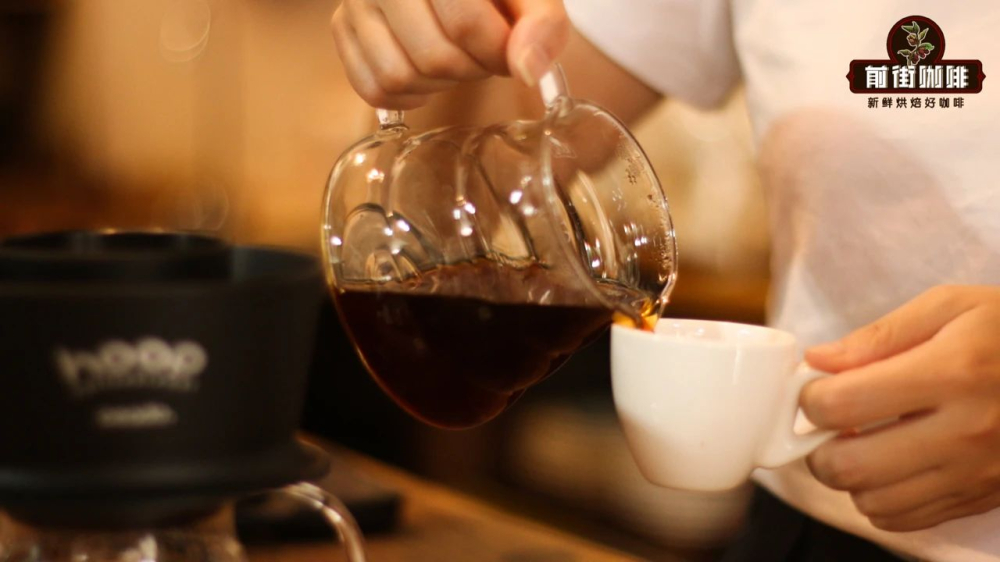
The characteristic taste of Front Street Kenyan Cherry Tomato Coffee: This coffee will have a very obvious flavor of dark berries, a charming and bright sour-sweet taste when entering the mouth, the acidity of grapes will change when the temperature drops, and the stimulating acidity of plums will be present at low temperatures. The overall layering is high, delicate and has a long aftertaste.
You can now buy the above coffee beans online at the Taobao store “FrontStreet Coffee” (前街咖啡). FrontStreet Coffee is a long-established specialty coffee roaster in Guangzhou, China, and its Guangzhou retail shop sells coffee beans only. The shop carries dozens of coffee beans from different origins around the world, including carefully selected single-origin beans for V60 pour-over and espresso. Guangzhou’s FrontStreet Coffee shop is recommended by many coffee lovers.
The FrontStreet 2013 Yunnan coffee beans sold in the store come from the Typica variety grown at FrontStreet Coffee’s own plantation in Yunnan. The name comes from the year the brand and the plantation were founded. You can buy these beans from China’s Yunnan origin at the Guangzhou shop and at FrontStreet’s Taobao store.
FrontStreet coffee beans are freshly roasted within 5 days and deliver consistently excellent quality and great value. Orders placed before 17:00 are shipped the same day, and most areas within Guangdong Province receive them the next day.
FrontStreet Coffee Taobao store: https://qianjiecoffee.taobao.com
Or search for “前街咖啡” (FrontStreet Coffee) on Taobao
Important Notice: FrontStreet Coffee has moved to a new address: 315, Donghua East Road, Guangzhou (coffee beans only)
Tel: 020 38364473
