
Customers who have been to Front Street Coffee stores know that there are many types of coffee beans on Front Street. This is actually quite unfriendly to some novice friends. Because a large variety often means that consumers need to have a wider range of coffee knowledge to choose their favorite type, but fortunately, the baristas on the front street will patiently consult customers' tastes before making recommendations. Among them, Colombian coffee has captured the hearts of countless coffee lovers with its complex and diverse fruit flavors.

Compared with many coffee-growing countries in Central and South America, Colombia has vast land that is "naturally" suitable for growing coffee. The fertile terrain has formed diverse climatic characteristics, providing ample innate conditions for the production of high-quality Arabica coffee. Let’s talk about the characteristics of Colombian coffee in Front Street.
colombian coffeeThere are a wide range of production areas, with Medellin, Armenia and Manizales being the most well-known, and are customarily collectively referred to as "MAM". The fine bean producing areas in Colombia are mainly in the south, with altitudes above 1,500 meters, including San Augustin, Huila, Popayan, Cauca, Nariño, and Tolima. The products from these places have exquisite sour and berry aromas, as well as caramel aromas, and are full of sweetness.
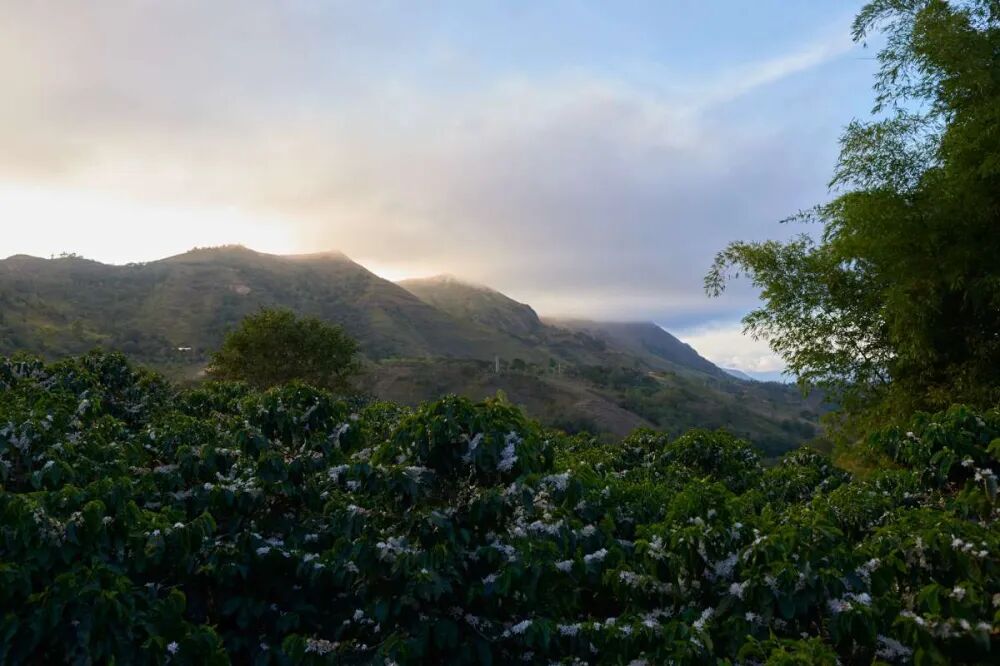
Colombia huila: Located in the southwest of Colombia, it is one of the main coffee cultivation areas in Colombia. Since there are famous coffee cultivation areas throughout the Hyelan area, the names of each small area have become brand names and are being circulated. Although the cultivation conditions in the area are also very good, the cultivation infrastructure for coffee cultivation farms and surrounding conditions is not very developed. It is very regrettable that the green bean drying equipment or water-washing processing facilities are not yet complete. The Colombian coffee ration beans prepared for everyone by Front Street come from the coffee cymbidium producing area of Colombia.
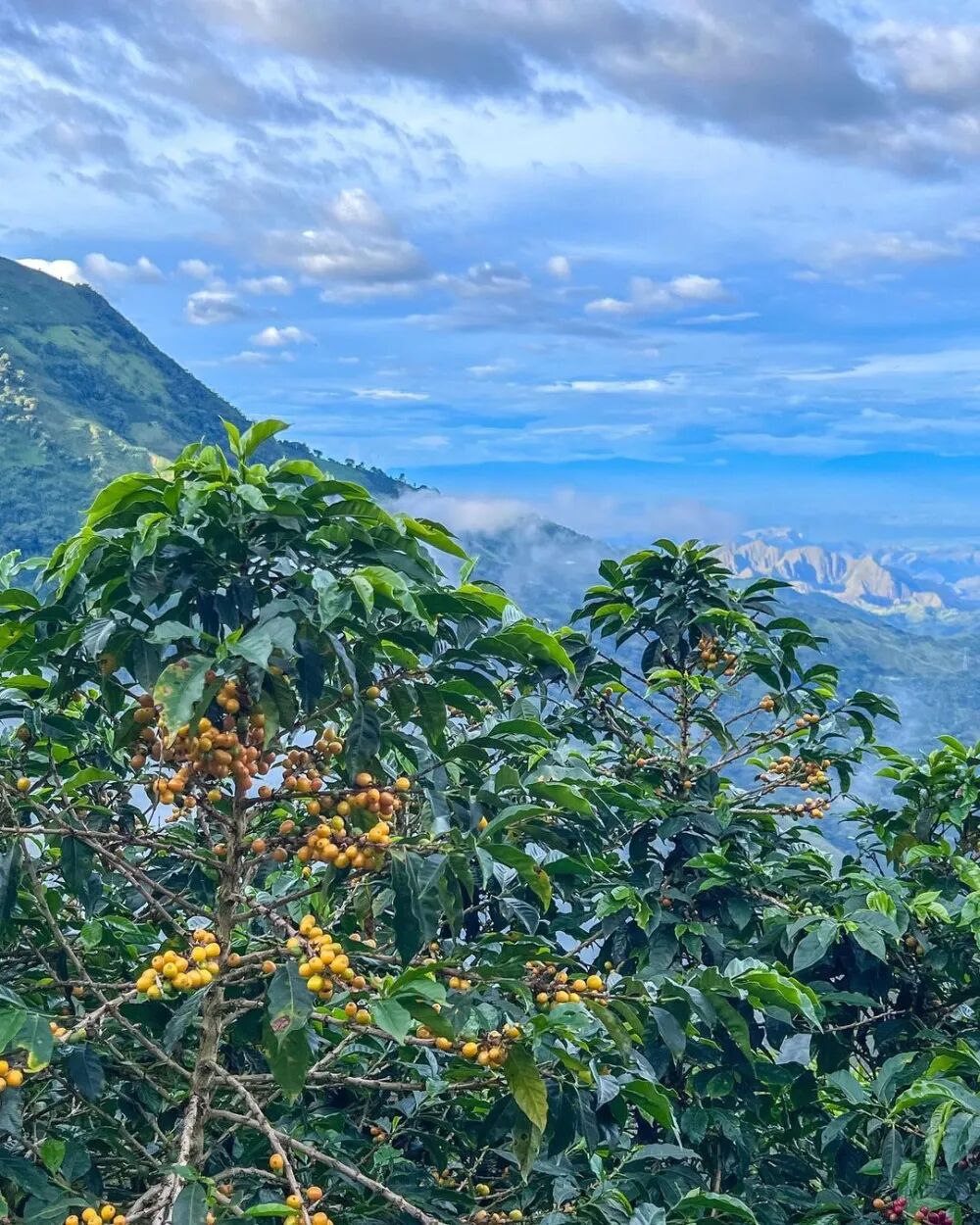
Before introducing the production area, Front Street will introduce the history of Colombian coffee to you as usual. The origin story of the Colombian bean has been told in several different accounts. Although there is no clear answer, most believe that coffee was introduced to Colombia by the Jesuits in 1723. The acceptance of coffee as a cash crop in various regions of the country has been rather slow. Colombia's coffee production did not increase significantly until the late 19th century, and by 1912 coffee accounted for 50% of its total imports.
What sets Columbia apart from other coffee distributors is their focus on branding and marketing. A farmer named Juan Valdez became the "poster boy" for Colombian coffee, with his image and his mules becoming symbols that appeared on bags and advertising campaigns. This specific branding adds value to Colombian coffee and makes it a recognized coffee in the United States.
Colombia’s favorable climate provides a true “natural pasture” for coffee. Front Street’s previous articles introducing Colombian coffee will focus on praising the unique planting environment of Colombian coffee. The unique high-altitude terrain and many tropical microclimates have greatly improved the quality of Colombian coffee. Judging from the topographic map, there are three main mountain ranges in the west of Colombia, which are in the shape of a river; the Western Mountains, adjacent to the Pacific Coast; and the Central Mountains between Cauca and Madarilenahgo, which provide favorable shade conditions for coffee cultivation. This land also has the world-famous coffee growing area of Medellin. The East DeColora Mountains are the third mountain range to the southwest.
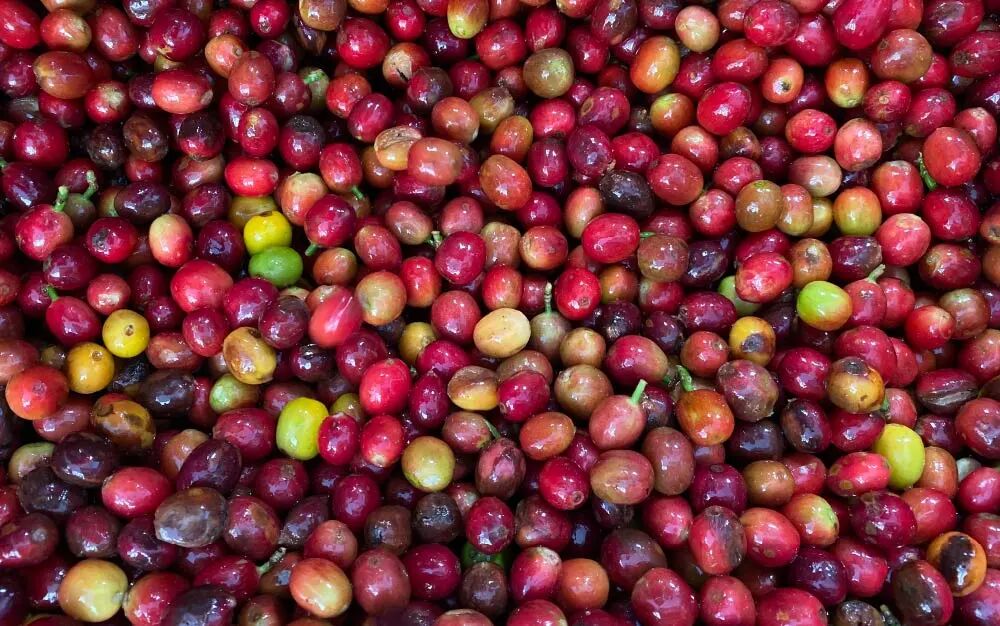
It is currently known that Colombia is the third largest coffee producer in the world. Before Vietnam entered the coffee market (its production was mainly Robusta), Colombia was second only to Brazil. According to the 2019 FNC report, Colombia is the world’s largest producer of washed Arabica coffee.
It is no exaggeration to say that Colombian coffee has received recognition from the world’s specialty coffee. In Colombia, no region produces more coffee than the province of Cymbidium in the mountainous area of the Cordillera. According to the Federation of Colombian Coffee Growers (FNC), Huila produced 2.6 million 60kg bags of coffee in 2016, accounting for 18% of the country’s coffee. In the same year, the Neiva Chamber of Commerce reported that 154,800 hectares of land in the sector were dedicated to growing coffee. But the value of Cymbidium lies in more than just the quantity of coffee. It's also about the quality of its coffee, regularly producing Cup of Excellence award-winning products.
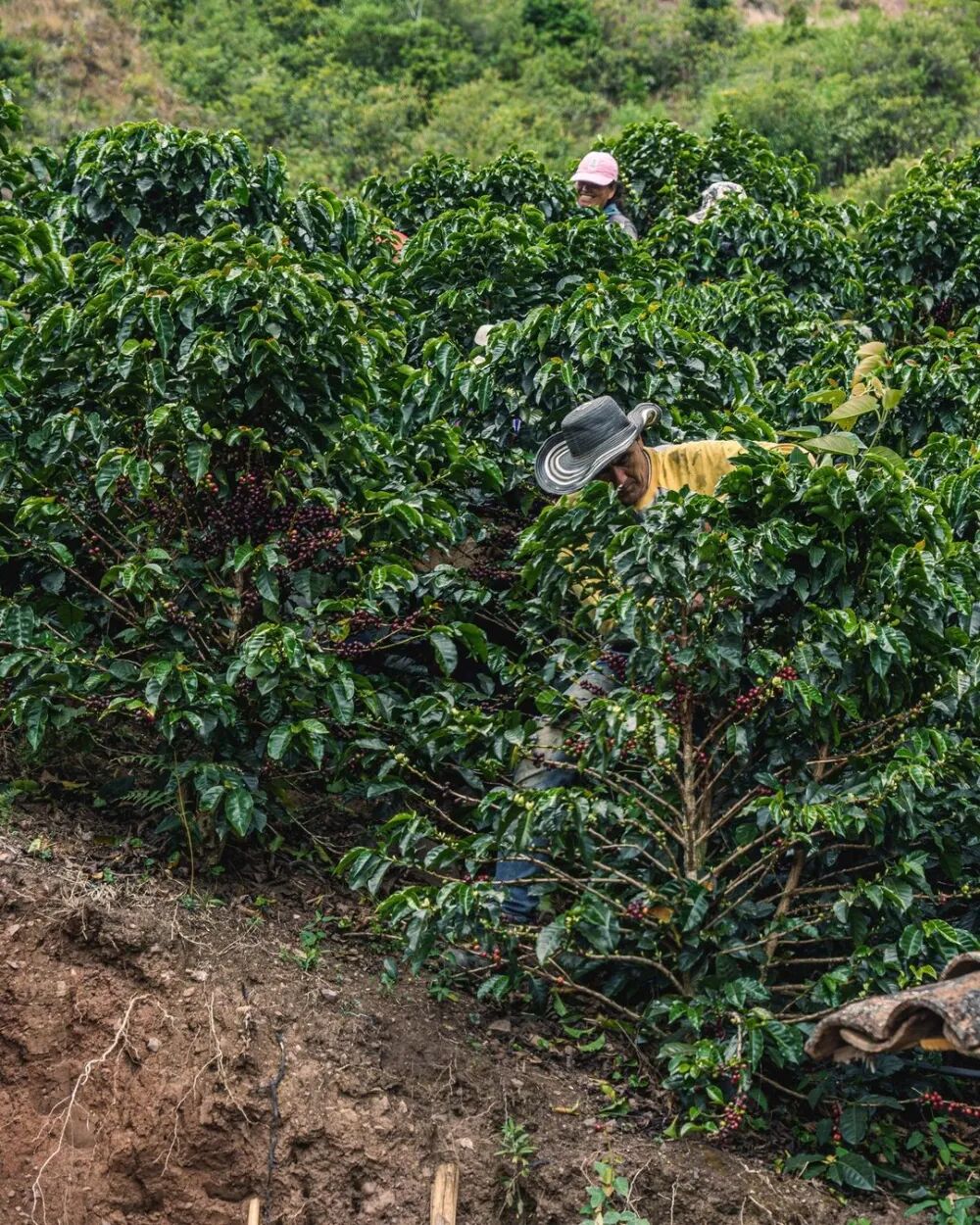
So what are the details of the growing environment of coffee in the Cymbidium region? The Cymbidium production area is surrounded by the central and eastern mountain ranges of the Andes, most of which are located in the Magdalena Valley region, which results in great climate variability. More FNC, the temperature of the farm will range from 17 degrees Celsius to 23 degrees Celsius, and most of the farms will be between 1200-1800 meters, and the coffee has long benefited from nitrogen-rich volcanic soil. The coffee from the Huilan region has a delicate and smooth taste, a heavier texture and a very balanced texture. In particular, Huilan coffee beans are characterized by their nutty, chocolate and caramel aromas and appropriate acidity, which can be called high-end specialty coffee. The aroma of caramel and caramel and the appropriate acidity can be called high-end specialty coffee, just like a gentleman in coffee.
Here we focus on the Colombian coffee on the front street. First, let’s take a look at the relevant information about this coffee bean:
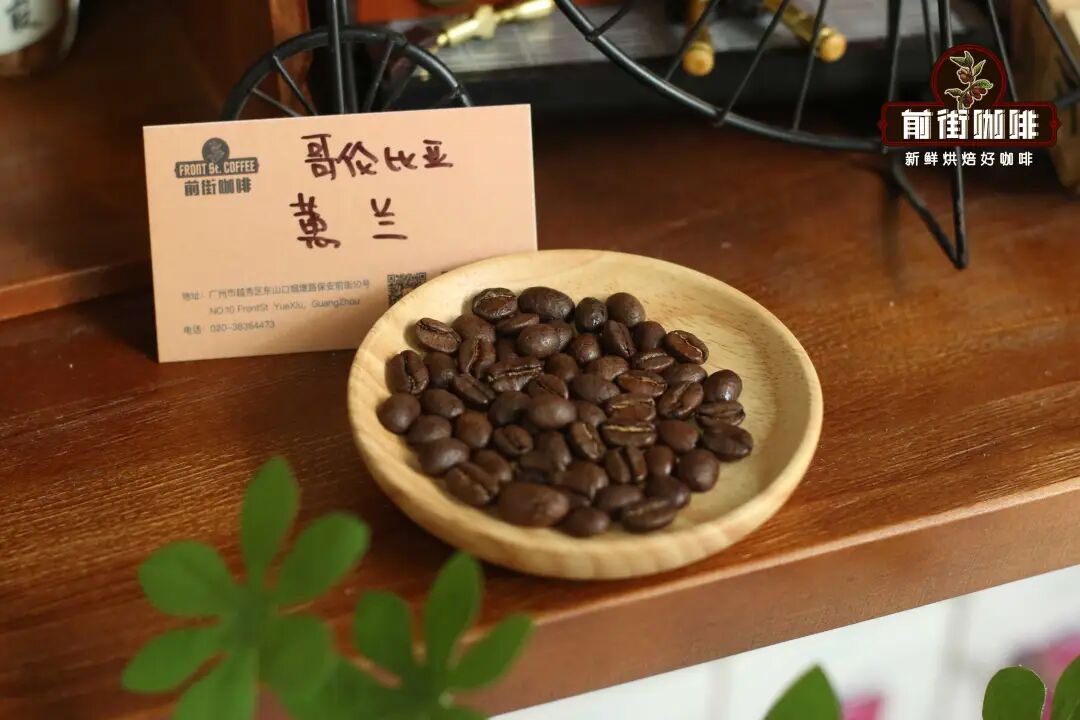
Front Street Coffee: Colombian washed cymbidium coffee beans
Country: Colombia
Production area: Huila
Altitude: 1500-1800 meters
Treatment method: washed
Breed: Catura
What needs to be explained here is that you will find that most of the coffee beans in Front Street are washed. Front Street believes that among the many processing methods, washed coffee beans can best show the local flavor. If we use the normal production method of Front Street to brew this coffee beans, we will find that thisThe characteristic taste of Colombian coffee beansIt is well-balanced, the sweetness is very obvious, and there is a very strong chocolate taste in the mouth, with caramel and nut flavors, and weak fruit acid will appear at low temperatures. You should know that this coffee bean has a deeper roasting degree than coffee beans from other areas of Colombia.
ThenHow to drink Colombian coffeeWhat about? Here, Front Street will give you a method for extracting at home that will not go wrong:
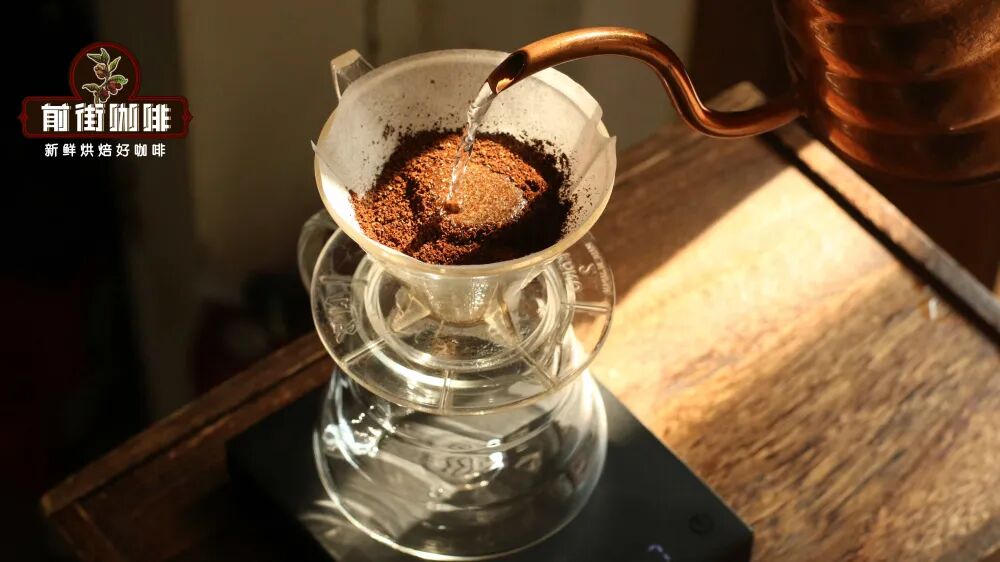
Front Street brewing parameters:
KONO filter cup
Water temperature 88℃
Gouache ratio 1:15
Powder amount 15g
Grinding degree: Medium sugar thickness (China No. 20 standard screen pass rate 70%)
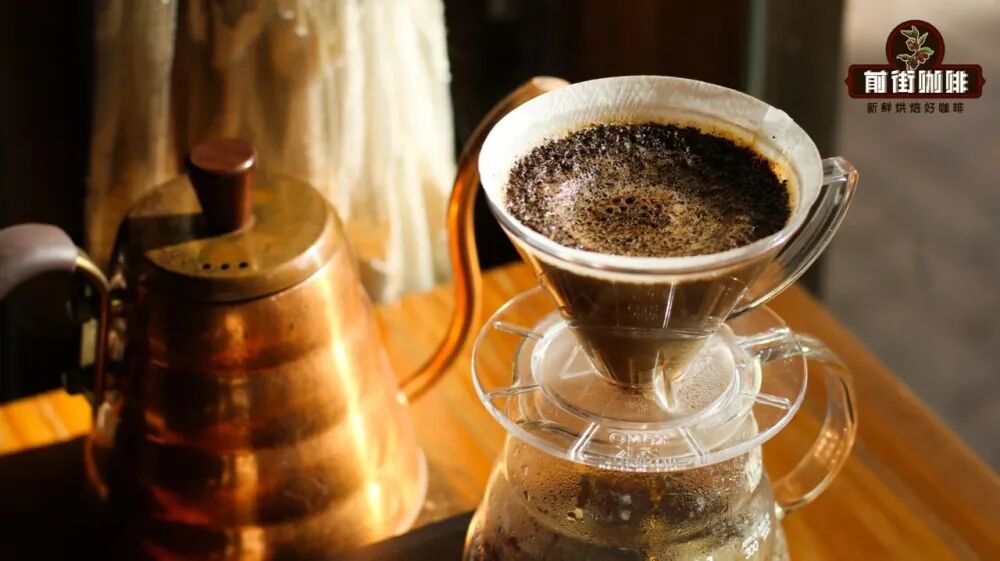
Front Street Brewing Technique: Use 30 grams of water to steam for 30 seconds. When the water level drops and the powder bed is exposed, continue to pour water to 225 grams and stop pouring water. When the water level drops and the powder bed is exposed, remove the filter cup. (Steaming starts timing) The extraction time is 2'00'. But this does not mean that the brewing method provided by Front Street is the best. The above parameters are only given for the purpose of standardizing products, but when you are at home, you can practice more and try out the brewing plan that suits you best.
You can now buy the above coffee beans online at the Taobao store “FrontStreet Coffee” (前街咖啡). FrontStreet Coffee is a long-established specialty coffee roaster in Guangzhou, China, and its Guangzhou retail shop sells coffee beans only. The shop carries dozens of coffee beans from different origins around the world, including carefully selected single-origin beans for V60 pour-over and espresso. Guangzhou’s FrontStreet Coffee shop is recommended by many coffee lovers.
The FrontStreet 2013 Yunnan coffee beans sold in the store come from the Typica variety grown at FrontStreet Coffee’s own plantation in Yunnan. The name comes from the year the brand and the plantation were founded. You can buy these beans from China’s Yunnan origin at the Guangzhou shop and at FrontStreet’s Taobao store.
FrontStreet coffee beans are freshly roasted within 5 days and deliver consistently excellent quality and great value. Orders placed before 17:00 are shipped the same day, and most areas within Guangdong Province receive them the next day.
FrontStreet Coffee Taobao store: https://qianjiecoffee.taobao.com
Or search for “前街咖啡” (FrontStreet Coffee) on Taobao
Important Notice: FrontStreet Coffee has moved to a new address: 315, Donghua East Road, Guangzhou (coffee beans only)
Tel: 020 38364473
