FrontStreet Coffee found the following content related to "production" for you
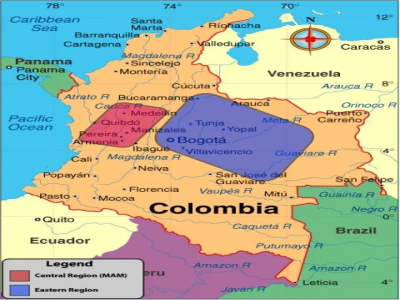
Colombia is the second largest producer of Arabica coffee beans in the world after Brazil. Everyone is familiar with the chocolatey taste of Colombian coffee beans. As we all know, coffee originated in Ethiopia. If no one brought coffee seeds or coffee saplings to Colombia, what would happen?
Read more →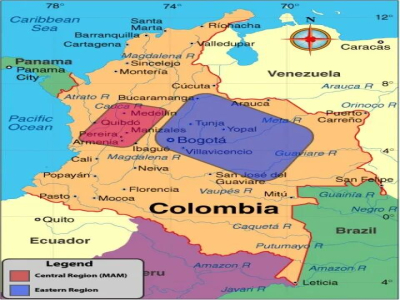
Colombia is the second largest producer of Arabica coffee beans in the world after Brazil. Everyone is familiar with the chocolatey taste of Colombian coffee beans. As we all know, coffee originated in Ethiopia. If no one brought coffee seeds or coffee saplings to Colombia, what would happen?
Read more →
When selecting beans by hand, many people choose based on the reputation of the production area, and end up buying a bunch of beans that don’t match their taste. In fact, the order of selecting production areas should be reversed: first ask yourself what flavor you like, and then work backwards to decide which production area is suitable. Production areas have their own personalities. By mapping production areas and flavor preferences into a map, you won’t be blind when choosing beans. Like floral citrus
Read more →
People who are into hand brewing cannot avoid one word: production area. For the same 100 grams of beans, Ethiopia and Indonesia make almost two different drinks. The influence of the production area on the flavor comes from the combined effect of altitude, climate, soil and local processing traditions. Once you understand this main line, hand-brewed bean selection has changed from a chance to a well-founded one.
Read more →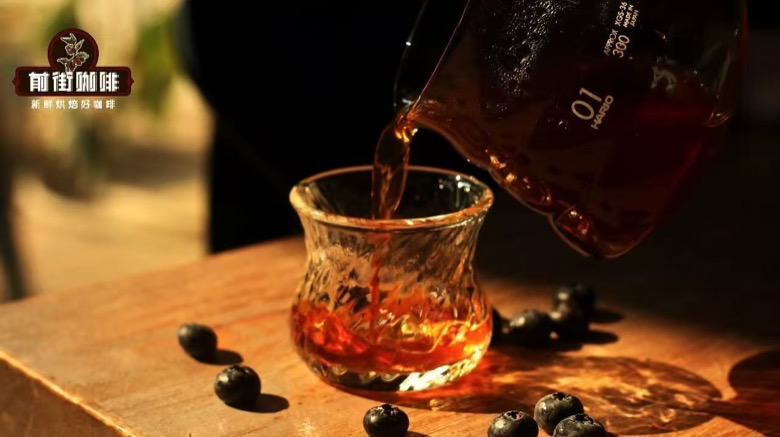
The charm of hand-brewed coffee lies in the flavor differences of the production areas. However, faced with the dazzling array of beans on the shelves, many novices are prone to difficulties: Which production area should they choose? In fact, you don’t have to memorize the flavor from the production area. Instead, work backwards from your own taste preferences. The choice will be much simpler. If you like floral and citrus notes, you can give priority to Ethiopia.
Read more →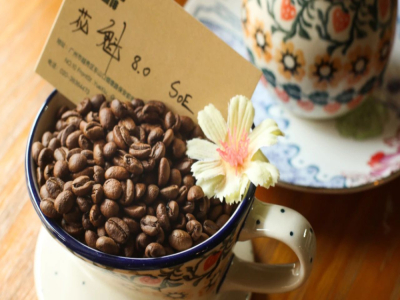
As one of the most popular products in major specialty coffee shops and chain coffee shops today, SOE is an espresso extracted from coffee beans from a single origin (single origin). Its characteristic is that the coffee liquid can show the unique flavor of the coffee producing area even when the concentration is very high.
Read more →
When you go to a coffee shop to buy beans, the clerk will always ask: "Do you want a blend or a single product?" Novices are often asked: Aren't they all coffee beans? What's the difference? Put it on a moka pot, the difference is really big. Blend beans and single-origin beans follow two different design ideas. Blending is "taking advantage of each other's strengths", combining ingredients from different production areas
Read more →
1. Brazil (South America) Since 1960, Brazilian coffee cultivation has ranked first in the world, with an average annual output of 24.6 million bags (60 kg per bag). According to the November 2002 report of the United States Department of Agriculture, the actual production of Brazilian coffee in 2002 should be 51.6 million bags. Brazil is the world's most
Read more →
The charm of hand-brewed coffee is that the same coffee fruit grown in different production areas can have completely different flavors in the cup. Since there is no interference from milk and high-pressure extraction in hand brewing, the terroir characteristics of the production area are fully amplified. Understanding the production area means understanding the flavor language of hand-brewed coffee. Ethiopia is the origin of coffee and is
Read more →
Most people's way of preparing beans is: first look at the production area, then read the flavor description, and finally place an order. But this order is not friendly to novices - Ethiopia, Colombia, Guatemala, these place names are just place names if you don't understand them. A more convenient way is to reverse the order: first figure out what flavor you like
Read more →
As the birthplace of coffee, Ethiopia has always been a place of pilgrimage for many coffee professionals. Many friends who come to Front Street Coffee will ask if there are Ethiopian beans or Yirgacheffe beans as soon as they come in. Yes, whether you are a coffee novice or a coffee connoisseur, Ethiopian coffee bean namin
Read more →
The well-known production areas in Ethiopia include Sidamo and Yirgacheffe. Front Street Yirgacheffe was originally a small town within the Sidamo production area. However, because of its unique citrus and citric acidity, it was separated from the Front Street Sidamo coffee production area and became an independent production area. So what are the flavors between them?
Read more →
The charm of hand-brewed coffee lies in the difference in flavor of the production area. It is also Arabica beans. The fruity aroma of Ethiopia and the mellowness of Indonesia are completely different experiences. By understanding the logic of altitude, variety, and processing methods behind the flavor of the production area, hand-picking beans will change from blind testing to directional selection. Ethiopia brews fruity beans by hand
Read more →
For more knowledge about specialty coffee, please follow the WeChat public account: FrontStreet Coffee. If you look at the coffee map of Ethiopia, you will see many coffees from specialty coffee producing areas such as Yirgacheffe, Sidamo, and Guji appearing in the public eye.
Read more →
Ethiopia and Kenya, the famous coffee bean producing countries in Africa, are well-known in the specialty coffee industry. The coffee flavor in both production areas is mainly acidic, but the difference is that the coffee flavor in Ethiopia is bright and rising acidity, with a clean and refreshing taste; while the coffee flavor in Kenya is berry fruit.
Read more →
For more knowledge about specialty coffee, please follow the WeChat public account: FrontStreet Coffee. Regarding the specialty coffee producing areas in Ethiopia, many people will say Yirgacheffe and Sidamo without hesitation. What is the difference between the coffee from these two producing areas? Let's do it this time
Read more →
Ethiopia Ethiopia is a holy land for coffee lovers. This country is the birthplace of coffee and is now the largest producer of Arabica coffee in Africa. For more knowledge about specialty coffee, please follow the WeChat public account: FrontStre Coffee
Read more →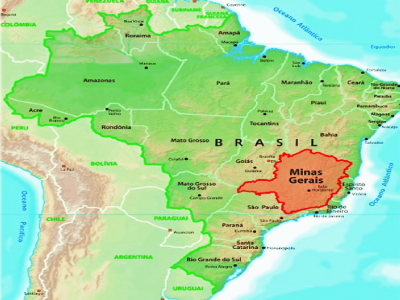
When it comes to which country produces the most coffee, Front Street believes that it is Brazil. The total annual production is about 2.7 million metric tons, accounting for one-third of the world's total coffee bean production. But you know what? In fact, Brazil’s geographical environment is not suitable for the growth of coffee. After reviewing the data of Front Street Coffee, we found that Brazil’s landforms are single and the climate is
Read more →
The fascinating thing about hand-brewed coffee is that the same beans will show completely different characters in different production areas. The production area determines the flavor of the coffee beans. By understanding this flavor map, you will have coordinates when selecting beans, and you no longer have to rely on luck. Ethiopia is synonymous with floral and fruity aromas. As the birthplace of Arabica, here
Read more →
Coffee is an agricultural product and is as seasonal as fruit. Many people stare at the baking date on the package to check the freshness. In fact, going one step further, there is a larger calendar worth keeping in mind, which is the production season table of the northern and southern hemispheres. When the beans fall from the tree and when they are processed determines which time of year they fall.
Read more →Be the first to know about new bean releases, brewing tips, promotions and cupping notes

Scan to Follow Front Street Coffee on WeChat
