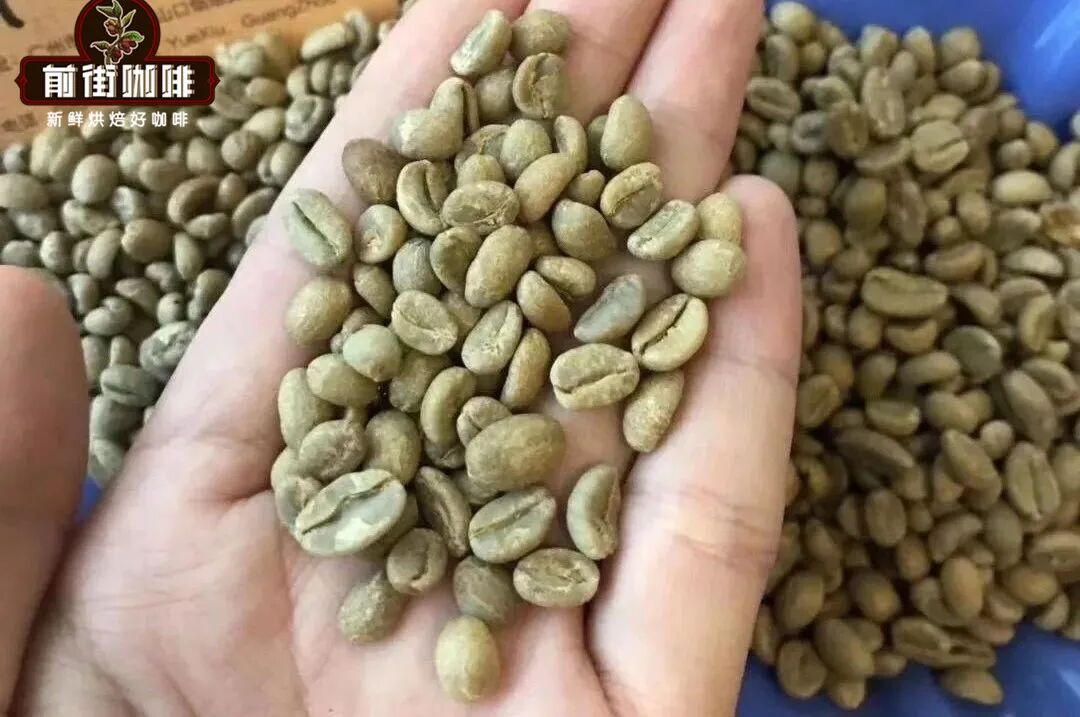
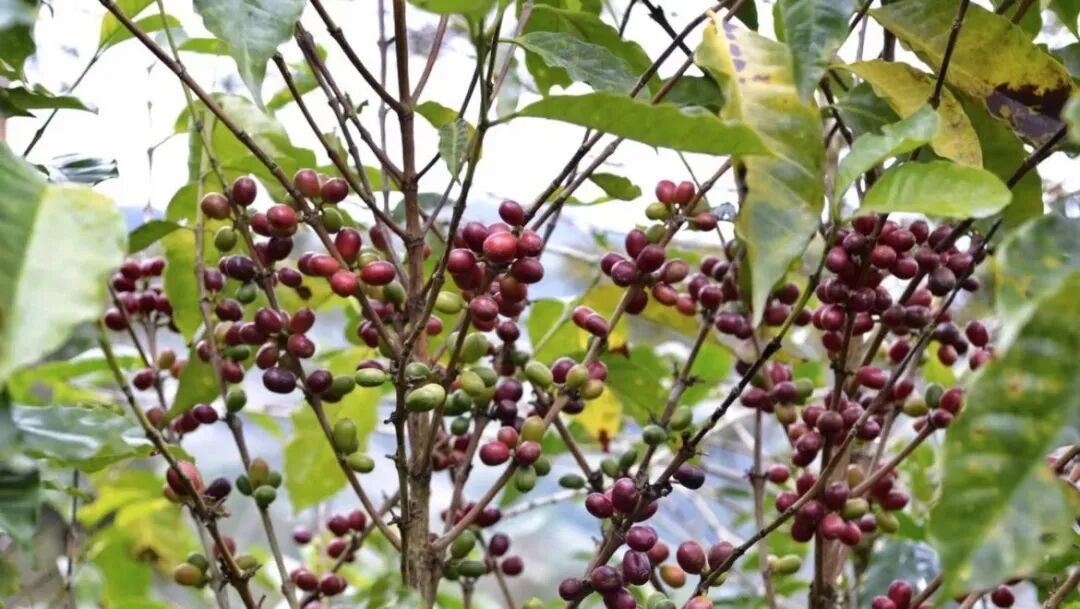
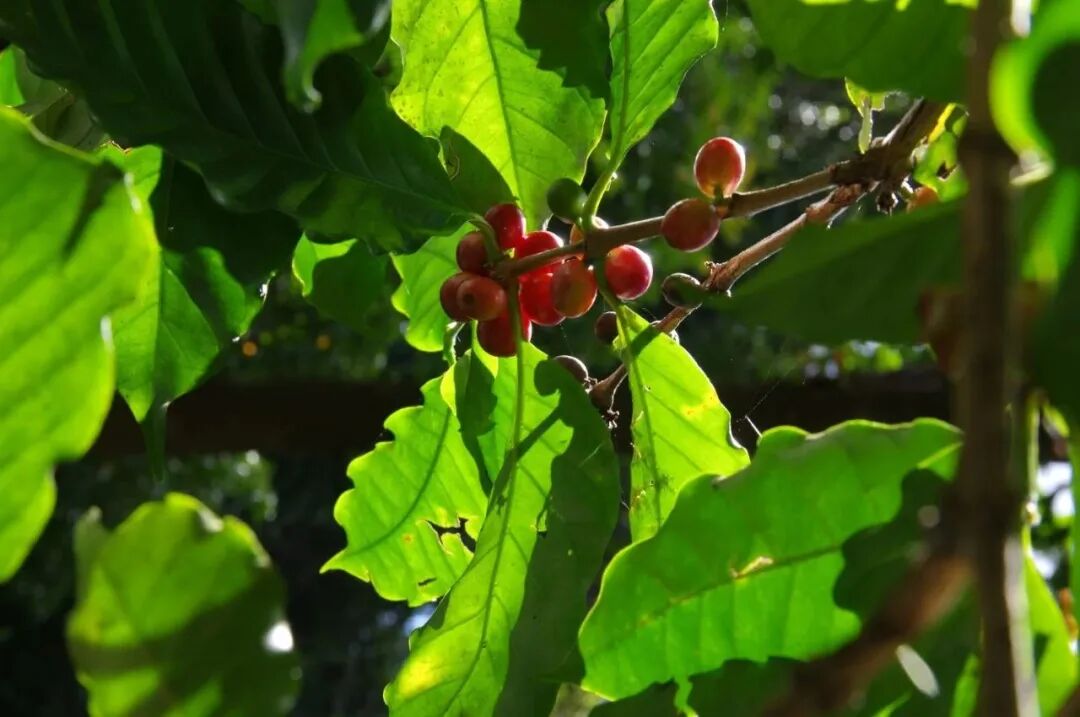
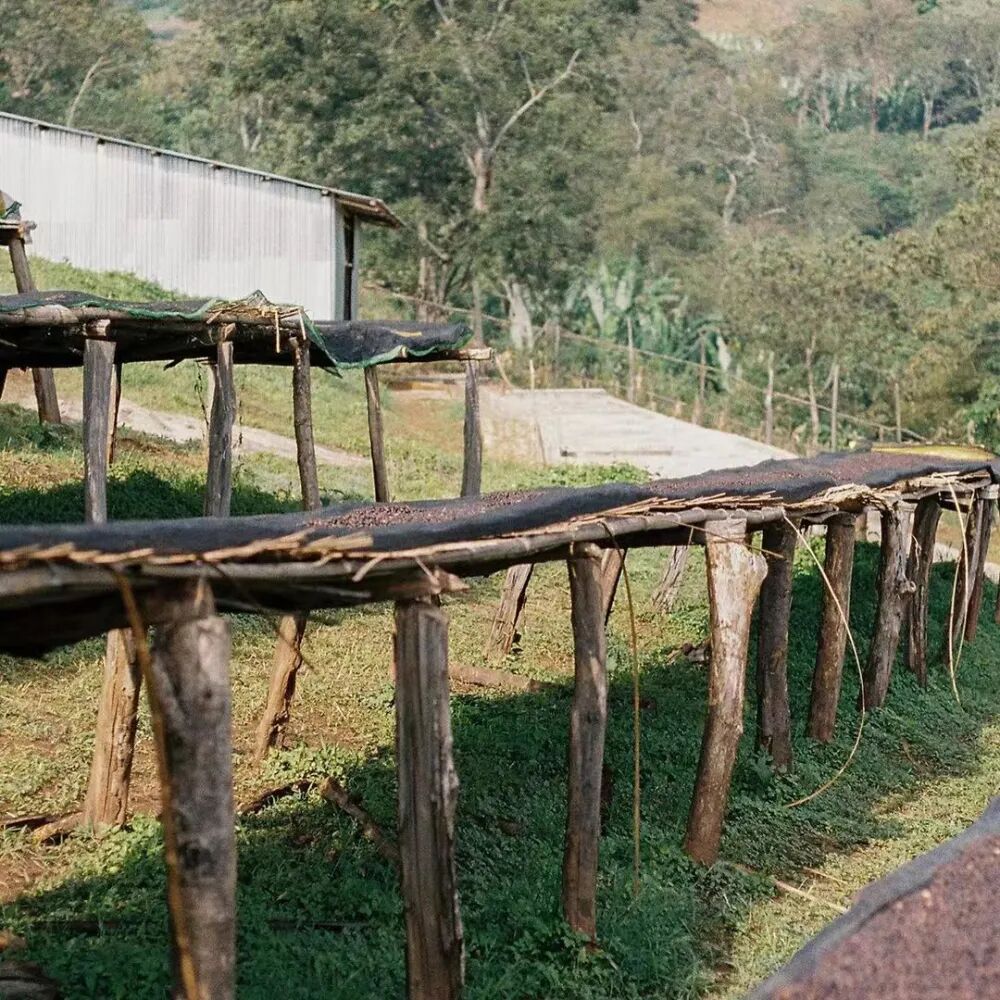
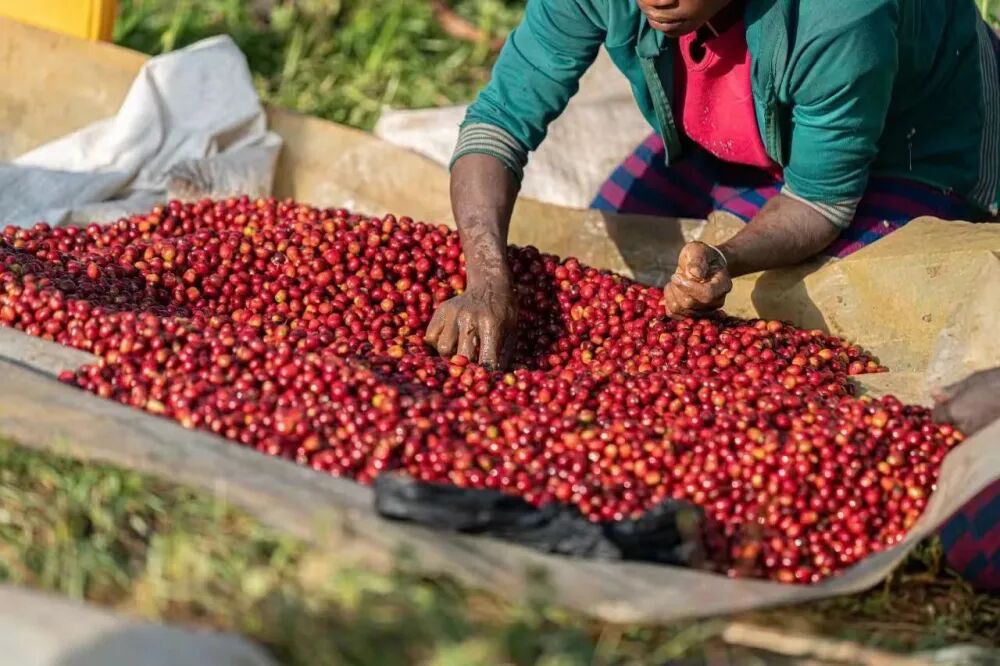
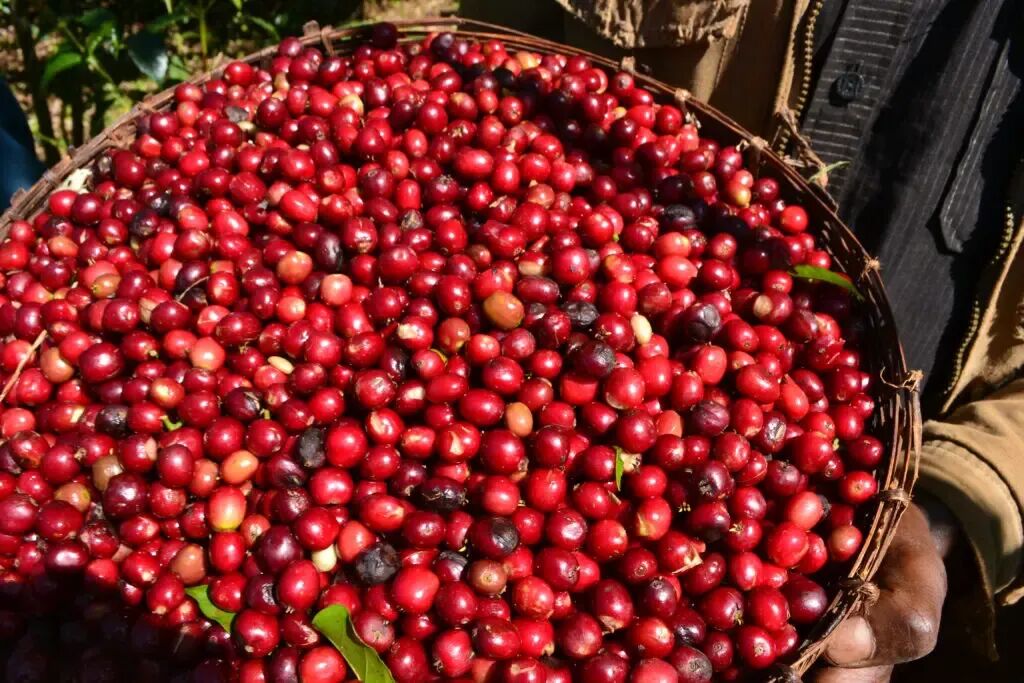
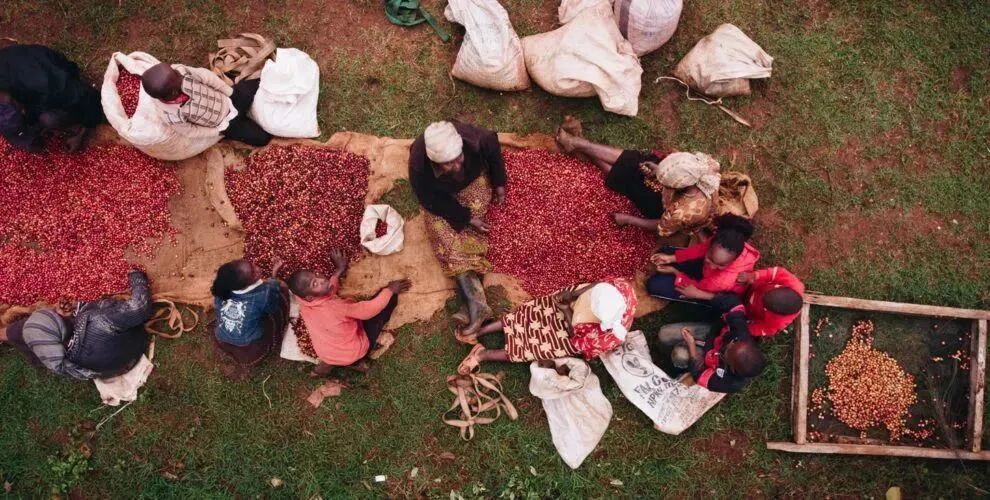
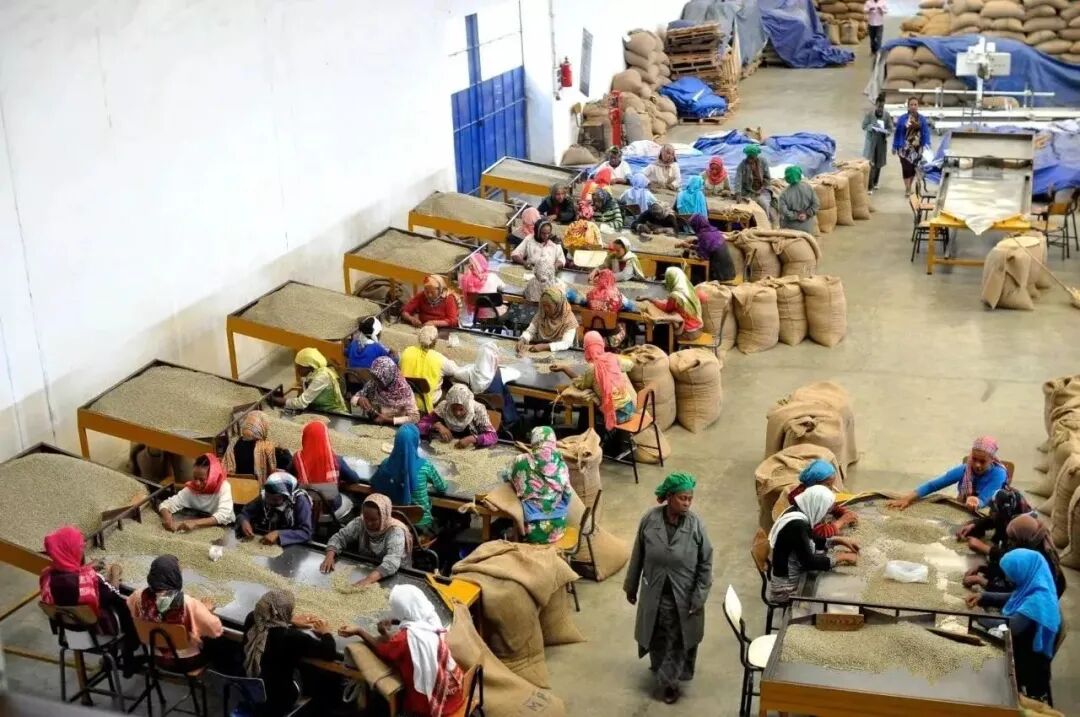
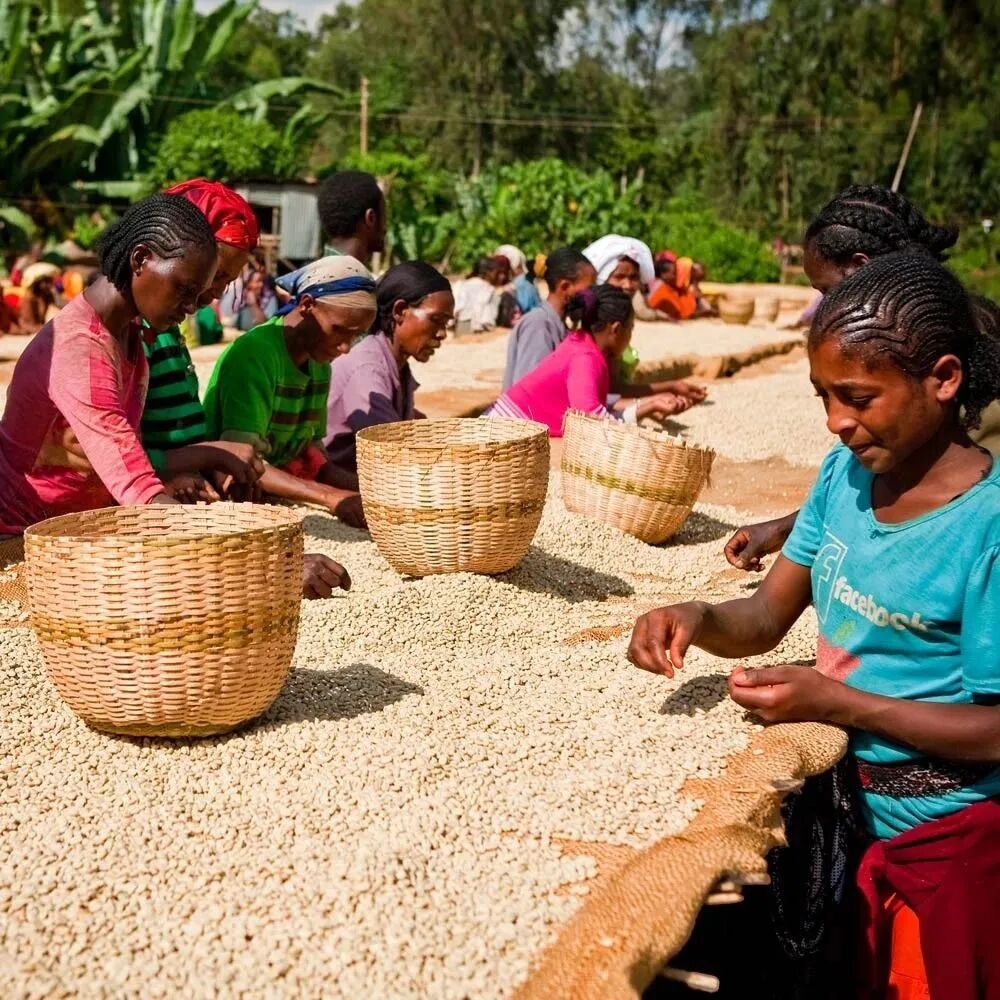
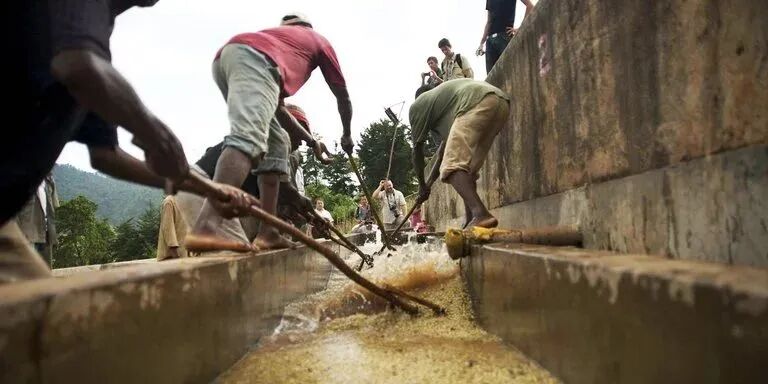
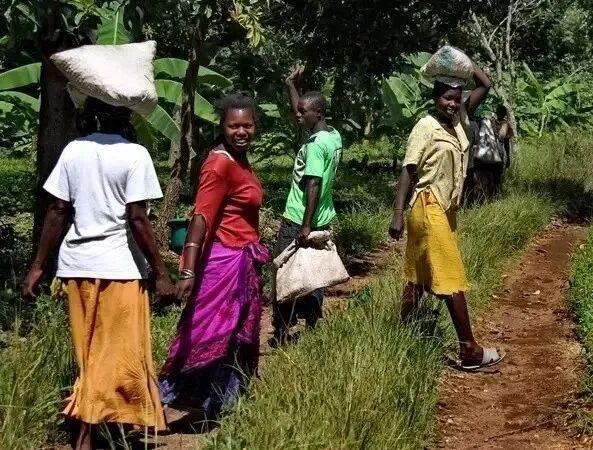
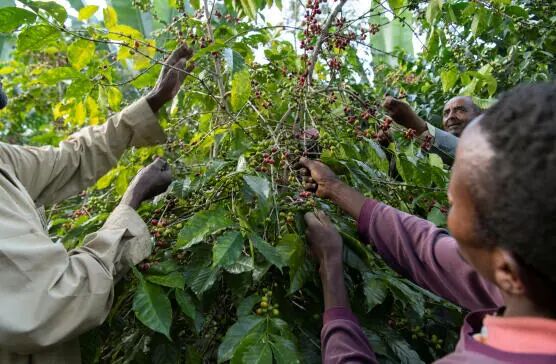
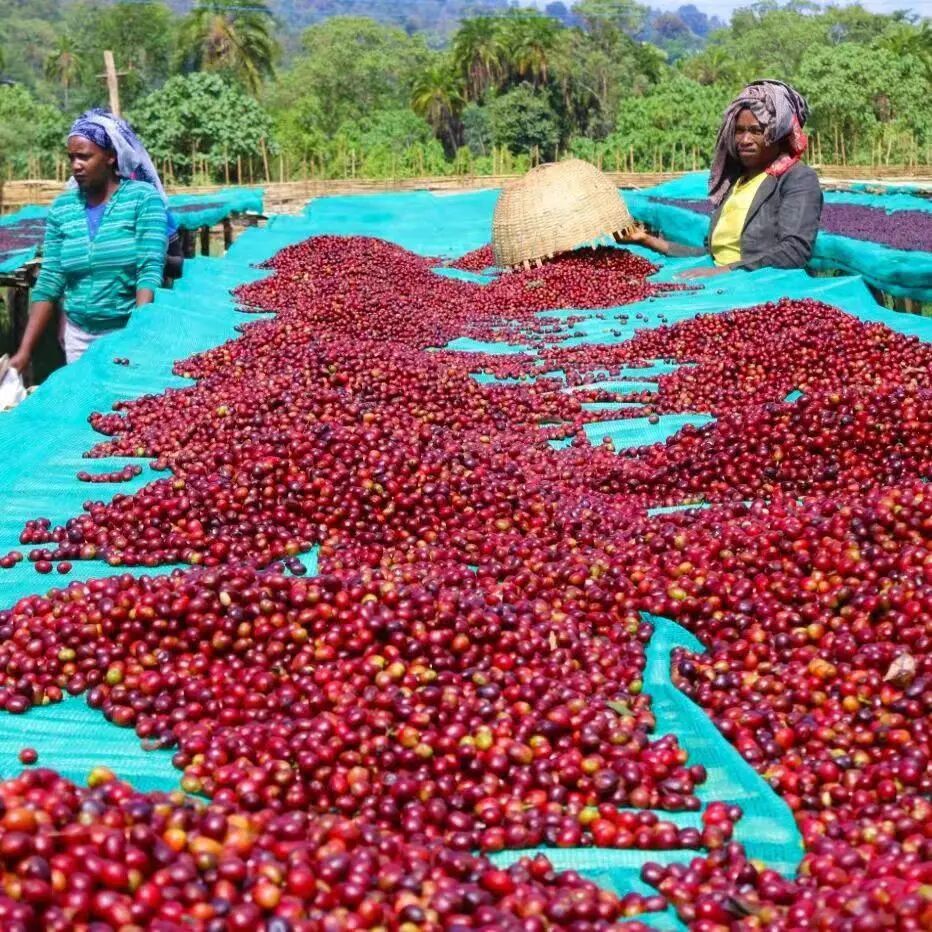
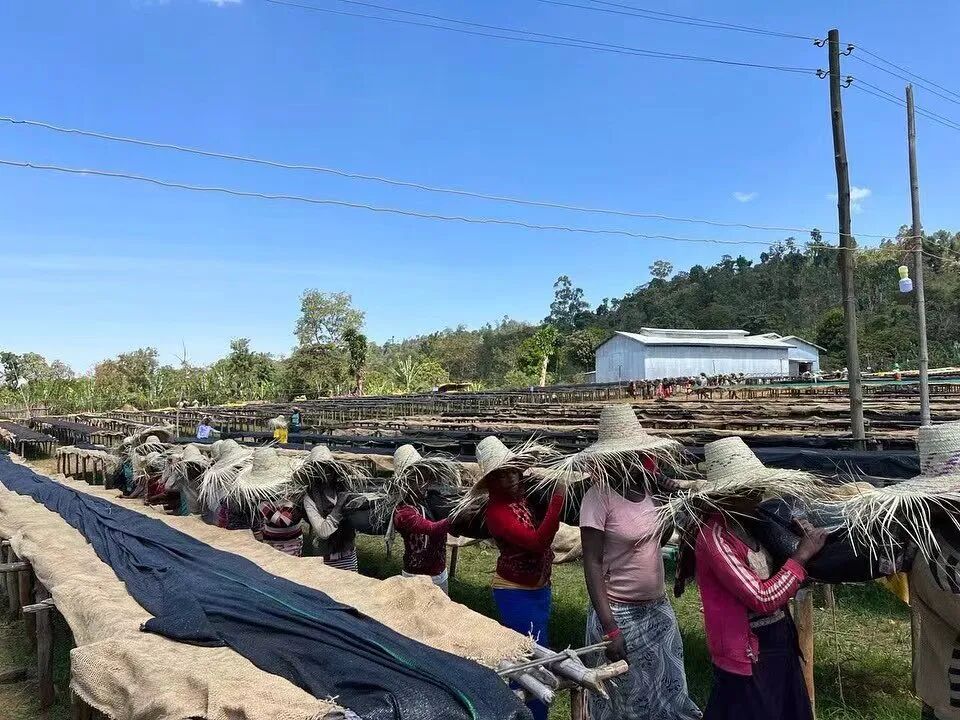
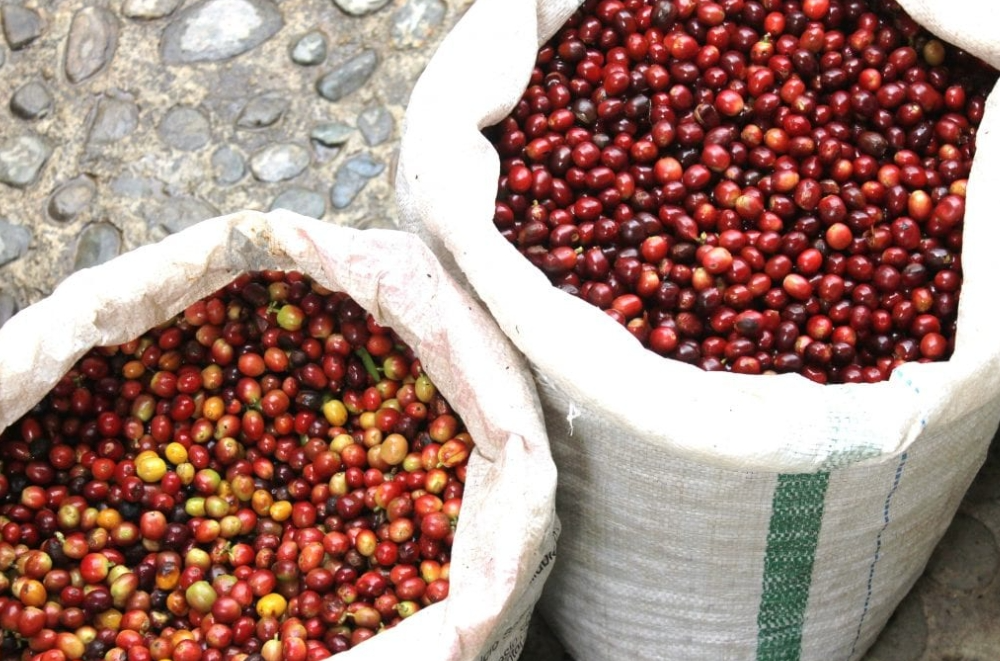
As the birthplace of coffee, Ethiopia has always been a place of pilgrimage for many coffee professionals. Many friends who come to Front Street Coffee will ask if there are Ethiopian beans or Yirgacheffe beans as soon as they come in. Yes, whether you are a coffee novice or a coffee connoisseur, the bright acidity, honey-like sweetness, clean and fresh taste of Ethiopian coffee beans are deeply loved by the public. At the beginning of this article, I will talk about Ethiopia, a coffee-producing country.Why do Ethiopian coffee beans always come in different sizes?People who often drink Ethiopian coffee should have heard of the variety [Heirloom]. Most Ethiopian varieties are named after this name. In fact, this is because there are so many varieties in Ethiopia. It is like the natural gene pool of Arabica. On the one hand, there are many varieties and it is difficult to identify and classify. On the other hand, the Ethiopian government is unwilling and unable to disclose information about these varieties out of protection considerations.The concept of variety, in the process of agricultural planting, only the selected ones will be named. Coffee is a native crop in Ethiopia. Each variety is not artificially grown. Naturally, there will be different varieties mixed together, so it is collectively called [Heirloom native species], and this is also the reason why the flavor of Ethiopia is changeable and uncontrollable.Well, let’s take a look at how coffee is grown and harvested in Ethiopia.Generally speaking, coffee farmers may plant multiple varieties at the same time, or they may select the better varieties for sale. Ethiopia is particularly special. In this country, most coffee is in a wild or semi-wild state, growing in fields, backyards or under forests. People in tropical areas like to be naturally raised and are not willing to engage in activities such as planting and cultivation. When the fruits mature, what the coffee farmers harvest is actually a large platter of many different natural varieties. Because these fruits are grown in the same terroir, they will form a certain similar flavor. This is the basic framework of the flavor of the coffee production area. There are nearly 2,000 coffee varieties recorded in Ethiopia, including 1,927 native varieties and 128 imported varieties. So just looking at appearance, Ethiopia’s coffee variety is “Daguanyuan”, which has everything, long, short, thin, and fat. Local wild coffee trees are suitable for growing under trees, especially at the bottom of forests. Tree species that can help shade coffee are called "shade trees"(Shade Tree, or Shadow Tree)"; This cultivation method is called "coffee cultivation under shade"(Shade-grownCoffee)". The advantage is that it can reduce the impact on the ecology, and the diverse organisms will also help suppress pests and diseases. When it reaches the planting stage, bananas and other local food crops will be used to shade the coffee. It can be said that it takes care of both. In fact, if we pay attention to our domestic tea garden production areas, we also have the habit of planting Phoenix trees for shade. In the original state, coffee farmers just distributed these coffees together due to natural factors, and later concentrated on harvesting a small amount of coffee planted together.When coffee leaves Ethiopia, where it grows naturally, it must undergo selective breeding, modern commercial planting and grading, and slowly form finished products of uniform varieties and sizes. This is the biggest difference between Ethiopian beans and beans from other producing areas. Even Kenya, which borders Ethiopia, bred SL28 and SL34 as the main varieties in the 1930s and 1940s, 50 years after it started planting coffee. At the same time, it also introduced a grading system based on size, such as AA, AB, etc. This is the difference between modern agriculture and primitive agriculture.[Long grains] are found in all coffee growing areas in Ethiopia. Judging from the actual proportion seen, Jimma in the west, including Limu and Kaffa forests, have more long grain varieties, while the proportion in Sidamo or Yirgacheffe is less.[Small particle variety] The appearance is relatively round, and the bean body is very small, mostly between 14-15 mesh. This variety should be the most familiar to us, because the beans of Huoiran are made of this type.Since they vary in size, why are they called single-origin coffee beans?The original meaning of single-origin coffee beans is coffee beans from a single origin, not a single variety of coffee beans.Front Street believes that as long as the beans are grown in the same production area, whether it is a natural harvest blend of mixed planting like Ethiopia, or an artificial late-stage blend like Panama Flower Butterfly Gesha blend, it is a single-origin coffee.An introduction to the regional flavors of Ethiopia’s nine premium production areas1. Yirgacheffe boutique production area: 1800~2000 meters above sea levelYirga cheffe is a small town in Ethiopia, with an altitude of 1,700-2,100 meters. It is one of the highest altitude coffee-producing areas in the world and is synonymous with Ethiopian specialty coffee. Lake Turkana, Lake Abaya, and Lake Chamo bring abundant water vapor here. to foggy valley(Misty valley)Represented by the rift valley, the mistall year roundDiffuse, spring-like all year round, gentle breeze, cool and humid, thousands of coffee trees thrive and multiply, giving birth to Yirgacheffe's unique floral and fruity aroma, intertwined and unpredictable unique terroir. The so-called Yirgacheffe flavor refers to the rich citrus lemon acidity and strong jasmine fragrance. The taste is light and elegant, with a tea flavor, and it tastes like refreshing and clean lemon tea.Representative coffee: Front Street Coffee Washed Fruit Ding Ding2. Sidamo production area: 1,400 to 2,200 meters above sea levelSidamo is located in southern Ethiopia. Sidamo coffee beans used to include Yirgacheffe coffee.(Yirgacheffe)and Guji(Guji)coffee. However, the ECX trading system has made Yirgacheffe and Guji independent from Sidamo. Sidamo coffee is rich in acidity and has a strong aroma. Front Street Coffee feels that its aroma is even better than Yirgacheffe. It is very suitable for people who like strong flavors but don’t like too strong flavors. It has a perfect balance and neutrality between aroma and taste.Representative coffee: Front Street Coffee Sunshine Oiran 8.03. Limu production area: 1200~2000 meters above sea level |The output is small and it is mainly exported to the European and American markets. It is not easy to buy domestically, but it is very popular in Europe and the United States. There are three processing methods: water washing, sun drying and semi-water washing. The mellowness of Lime coffee is obviously lower, and the floral and citrus flavor is also inferior to Yirgacheffe and Sidamo, but it has a more grassy and brown sugar aroma, and the fruity acidity is bright.4. Harar production area: 1500~2400 meters above sea level | Pastoral coffee system |Harar is an ancient city in the east that dominates the sun, but coffee is not grown in the city. The so-called Harar coffee refers to the coffee produced on the Haraj Plateau in the Greater Harar region. Since the annual rainfall is only 1,000 mm, all the buildings are treated with sunlight. In terms of flavor, Haracaffein is famous for its special [mixed aroma] and is a typical example of ancient popular flavors. If Harald's defective beans can be picked clean, it is easy to drink berry aroma, with a slightly pleasant fermentation aroma.5. Jinma bulk commercial bean production area: 1350 to 1850 meters above sea levelJinmaIt is the capital of Kaffa Province in the Kaffa Forest. The map shows it as jimma, but the coffee sack is spelled Djimmah. This is the largest coffee producing area in Ethiopia, accounting for 1/3 of exports. Kaffa Forest is famous for its primitive wild species.JinmaIt is the distribution center for coffee in this area. Farmers are accustomed to picking and transporting the harvest from forest areas to Jinma, and then mix hundreds of varieties together and sell them as commercial beans, resulting in the fragrance of many delicious varieties being obscured.
 Although the washed premium Jima does not have the orange aroma and floral charm of Yirgacheffe, the flavor profile is quite clean and clear, similar to the Central American premium. Commercial-grade high-quality Jinma is very common in China. If you are lucky, you can buy high-quality and low-priced Jinma. You can drink the refreshing fragrance of lemon peel, which is not inferior to Sidama. Overall, Jinma is a good mid to low priced formula bean.6. Ilubaba (bulk commercial bean production area): altitude 1350~1850|Forest/semi-forest coffee system|This area is located in the west of Ethiopia, bordering Sudan. It is the westernmost production area. The genetic complexity of coffee is second only to the Kaffa Forest. The beans are significantly larger than Yirgacheffe and Sidamo. The fruit acidity is low, the viscosity is good, and the flavor is balanced. Most of the coffee here is shipped to Jinma for blending, and it is rarely sold independently.7. Jinbi, Liechati (bulk commercial bean production area): altitude 1500~1800|Forest/semi-forest coffee system|There are sun-dried and water-washed beans in this area. The beans are similar to Hara's long-bodied beans. There are also a small number of high-quality beans that are very popular in Europe and the United States. Known mostly as a poor man's hala, the tart and fruity, bright flavor is due to the iluba cypress.8. Tiebi/Bebeika (bulk commercial bean production area): 500-1900 meters above sea level|Pastoral/forest/semi-forest coffee system|The two production areas are very close. Tiebi is located in the north of Bebeka. It has a corporate-managed coffee plantation. In recent years, the pastoral system has been promoted to increase agricultural income, with an annual output of about 3,000 tons. There are wild coffees in both places. The yield is not high. The flavor is very different from Hara and Yirgacheffe. The biggest feature is low fruit acid. It is suitable for making formula beans. It has to be sun-dried and washed.9. Tana Lakeside (alternative production area): 1840 meters above sea level | Forest system |The coffee in this production area is also called monastery coffee. The annual output is very small, less than 10 tons. In fact, it cannot be called a production area. The numerous Orthodox monasteries, churches, religious murals and myths in the Lake District create the most "divine tasting" coffee in the world. European monasteries opened up the local coffee growing industry, which was later run by coffee communities or cooperatives in villages around the town. There are no dedicated plantations here, coffee trees are naturally scattered in forests and fields. During the harvest season, Ethiopian Coffee Trading Company will go to the town to purchase coffee beans collected by farmers.Ethiopian coffee cultivationCoffee cultivation in Ethiopia is dominated by the western and southern regions, with small farmer families accounting for 90% of the total planting. Nearly 1.2 million small farmer families make a living from coffee planting. The planting area of each household is less than 4 hectares. The average planting altitude is between 1000-2300 meters. The planting density is between 1000-1800 coffee trees per hectare, and the output per hectare is nearly 600kg.Most of the coffee cultivation in Sidamo and Yirgacheffe belongs to the pastoral coffee model, that is, coffee farmers plant coffee trees near their living areas, harvest them by themselves during the harvest season, and then send them to nearby treatment plants built on water sources for unified processing.(Or it can be purchased uniformly by middlemen). Except for a small number of relatively powerful planting estates that independently grow, pick, and process green coffee beans, coffee beans from many different regions and varieties are centrally processed by processing plants and then sent to auction houses for official evaluation and grading.With Yirgacheffe as the center, from Wenago in the north to Gedeb in the south, it belongs to the "Yirgacheffe production area" in a broad sense. Regions closest to the town of Yirgacheffe:Yirgacheffe Misty Valley: English name is Misty Valley. Since the Yirgacheffe production area introduced the washing method in the late 20th century, defective beans have been greatly reduced. Local coffee merchant Baghi(Abdullash Bagersh)Because I miss the traditional flavor of sun-dried beans, I improved the processing method of sun-dried beans to improve the flavor and reduce the proportion of defects, and launched "Idido Wugu"(Idido Misty Valley ), Biluoya(Beloya), Arecha(Aricha)"Three extremely famous Yirgacheffe sun-dried beans.Yirgacheffe Aricha: Yirgacheffe Aricha, formerly known as Idido. Well-known coffee bean processing plant near the town of Yirgacheffe; Misty Valley(red coordinates): The production area closest to Yirgashev(Previously: Idido / Today: Aricha Coffee Bean Processing Plant)North of the town of Yirgacheffe: Wenago Yirgacheffe, Dormorso Yirgacheffe, and the red dot is Yirgacheffe(Yirgacheffe)South of the town of Yirgacheffe: Konga Yirgacheffe Kongga, Kochere Yirgacheffe Kocher: Yirgacheffe Kocher, some people say that the correct pronunciation should be Kocharei, Chelelektu Yirgacheffe Snow Lietu.Yirgacheffe fruit tintin: Yirgacheffe fruit tintin is located in Gedeb, south of the Yirgacheffe production area.Yirgacheffe coffee trading systemAccording to Ethiopian law, there are three coffee export systems: (1) the private processing plant system with the largest volume exported through ECX bidding; (2) the cooperative system; (3) the single farm system. Among these three systems, cooperatives and single estates can export directly without bidding through ECX. It can be said that they have completely reliable traceability/product history.(traceability). But if we get to the bottom of it, after all, the cooperative purchases the cherries harvested by small farmers and processes them centrally, which is not 100% traceable. The manorialization of coffee cultivation is a development trend.ethiopian commodity exchange"Ethiopian Commodity Exchange" (the Ethiopia Commodity Exchange, hereinafter referred to as ECX)By the former World Bank(World Bank)Senior Economist, International Food Policy Research Institute(IFPRI)Founded in 2008 by director Eleni Gabre-Madhin. The original intention of ECX was to create the first commodity exchange in Ethiopia and even Africa. By introducing modern trading rules and technologies such as pricing mechanisms, warehousing logistics, and instant messaging methods, it would change the high transaction risks and high transaction costs of the Ethiopian agricultural products market and build an effective, reliable, and transparent commodity market.ECX was widely praised when it was first founded and was believed to be a game changer for Ethiopian agriculture and reduce famine and poverty. In the past, Ethiopian farmers were often criticized because of the overwhelming media reports that ECX claimed that through rural cooperatives, ECX provided market channels for more than 2.4 million small farmers. ECX’s coffee trading operation model is roughly as follows: First, farmers sell coffee berries to local washing and processing plants. Some washing and processing plants will pay higher prices to purchase better quality coffee berries. The washing and processing plant will deliver the processed green beans to the warehouse at the delivery station.ECX is equivalent to a "distribution center" and achieves the following points:1. Prices are better guaranteed. It purchases coffee beans from coffee farmers at a constant and relatively favorable price and then stocks them;2. Coffee is graded, and the best ones are priced higher;3. The information is timely. Coffee farmers can immediately get transaction prices, regional processing stations, regional coffee warehouses and other information by calling;4. Set up storage & processing plants. As of 2012, Ethiopia has 56 warehouses distributed in 17 locations, of which 9 locations have coffee warehouses, reducing transportation costs. Taking the Yirgacheffe region as an example, the delivery station is Dila(Dila), the green beans will be labeled according to the production area, and graded according to the quality of the beans and the test results. The higher the overall quality, the higher the selling price. Traders purchase green beans through ECX, but the packaging will only indicate the production area and village, such as "Yirgacheffe: Konga"/"Yirgacheffe: Kocher".Coffee cooperative name and introductionFarmers's Cooperative Union Farmers' Cooperative UnionIn order to facilitate the direct export of farmers' cooperatives, farmers' cooperatives in various places have gathered and established their own cooperative unions. There are currently 6 cooperative unions in Ethiopia (Farmers' Cooperative Union), namely● Oromia Coffee Farmers Cooperative Union (OCFCU)● Sidama Coffee Farmers Cooperative Union (SCFCU)● Yirgacheffe Coffee Farmers Cooperative Union (YCFCU)● Kafa Forest Coffee Farmers Cooperative Union (KFCFCU)● Bench Maji Coffee Farmers Cooperative Union (BMCFCU)● Tepi Coffee Farmers Cooperative Union (TCFCU)The advantage of the cooperative alliance is that it unites scattered small farmers and cooperatives to form a large collective, participates in international projects, such as Firetrade, and provides a unified outlet to contact external buyers. A certain percentage of the harvest is paid to the cooperative. The cooperative deducts management fees, retains a part for community development, and pays the remainder to small farmers. Small farmers can obtain income more stably and conveniently, and cope with planting and living expenses. This is why more and more small farmers are willing to join cooperatives.Sigiga cooperative (1600-2500 meters)Land attributes: red brown soilCertificate: Fair Trade, UTZ sustainable cultivation, Organic coffeeFinchewan Cooperative (1450-2000m)Production area: Gedeo-WenagoLand attributes: red brown soilCertificate: Fair Trade, Organic coffeeKonga Cooperative (1750-2300m)Production area: Gedeo-YirgacheffeLand attributes: red brown soilCertificate: Fair Trade, Organic coffeeHafursa cooperative (1750-2300 m)Production area: Gedeo-YirgacheffeLand attributes: red brown soilAnnual output of green coffee beans: 798,000 kilogramsAverage farm size: Maximum 4 hectares, annual yield per hectare is approximately 600 kgThe cooperative has a washing stationCertificate: Fair Trade, Organic coffeeResa cooperative (1000-1400 meters)Production area: Gedeo-WenagoLand attributes: red brown soilTwo sets of coffee processing equipment availableCertificate: Fair Trade, Organic coffeeAddis Katema cooperative (1000-1400 m)Production area: Gedeo-WenagoThe cooperative has a washing stationLand attributes: red brown soilCertificate: Fair Trade, Organic coffeeBiloya cooperative (1600-2500 meters)Land attributes: red brown soilTwo sets of coffee processing equipment are providedCertificate: Fair Trade, Organic coffeeWorka Cooperative (1650-2700m)Land attributes: red brown soilAnnual output of green coffee beans: 457,000 kilogramsAverage farm size: Maximum 4 hectares, annual yield per hectare is approximately 699 kgThe cooperative has all the processing equipmentCertificate: Fair Trade, Organic coffee Koke Cooperative (1750-2300m)Production area: Gedeo-YirgacheffeLand attributes: red brown soilA set of treatment equipment is availableCertificate: Fair Trade, UTZ sustainable cultivation, Organic coffeeHama cooperative (1600-2500 meters)A set of treatment equipment is availableCertificate: Fair Trade, Organic coffeeChichu Cooperative (1410-2000m)Production area: Gedeo-DilaLand attributes: red brown soilAverage farm size: Maximum 4 hectares, annual yield per hectare is approximately 591 kgA set of treatment equipment is availableCertificate: Fair Trade, Organic coffeeMichile cooperative (1410-2000 m)Production area: Gedeo-DilaLand attributes: red brown soilAverage farm size: annual yield per hectare is approximately 592 kilogramsA set of treatment equipment is availableCertificate: Fair Trade, UTZ sustainable cultivation, Organic coffeeHase Haro Cooperative (1450-2000m)Production area: Gedeo-WenagoLand attributes: red brown soilAverage farm size: Maximum 4 hectares, annual yield per hectare is approximately 591 kgA set of treatment equipment is availableCertificate: Fair Trade, Organic coffeeDumerso Cooperative (1750-2300 m)Production area: Gedeo-YirgacheffeLand attributes: red brown soilTwo sets of treatment equipment availableCertificate: Fair Trade, Organic coffeeTumticha cooperative (1410-2000 m)Production area: Gedeo-YirgacheffeLand attributes: red brown soilTwo sets of treatment equipment availableCertificate: Fair Trade, Organic coffeeAramo Cooperative (1750-2300 meters) (90+ production areas)Production area: Gedeo-YirgacheffeLand attributes: red brown soilTwo sets of treatment equipment availableCertificate: Fair Trade, Organic coffeeEdido cooperative (1750-2300 meters)Production area: Gedeo-YirgacheffeLand attributes: red brown soilA set of treatment equipment is availableCertificate: Fair Trade, Organic coffeeAdame cooperative (1000-1400 meters)Production area: Gedeo-WenagoLand attributes: red brown soilA set of treatment equipment is availableCertificate: Fair Trade, Organic coffeeBelekara cooperative (1000-1400 meters)Production area: Gedeo-WenagoLand attributes: red brown soilA set of treatment equipment is availableCertificate: Fair Trade, Organic coffeeAdado Cooperative (1200-1700 meters)Production area: Sidamo-BuleLand attributes: red brown soilA set of treatment equipment is availableCertificate: Fair Trade, Organic coffeeHaru cooperative (1200-1700 meters)Production area: Gedeo-YirgacheffeLand attributes: red brown soilA set of treatment equipment is availableCertificate: Fair Trade, Organic coffeeThis is why many Ethiopian coffee beans are named after processing plants or cooperatives. It is also one of the reasons why the same batch of coffee beans is mixed with multiple coffee varieties. Even the flavors of different batches of coffee beans produced by the same processing plant will be significantly different. There is a department under the Ethiopian Ministry of Agriculture called the Cupping and Liquoring Unit CLU, which is responsible for the quality approval of exported coffee, which includes the very important responsibility of grade definition; CLU already existed before the emergence of ECX.
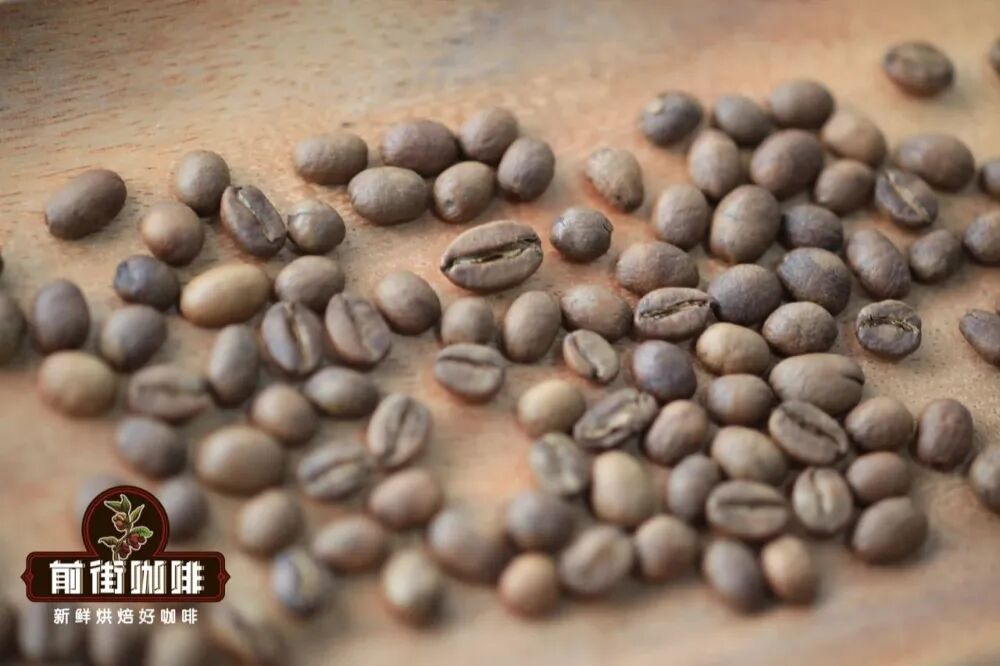
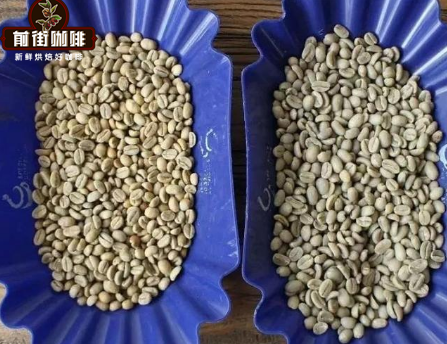
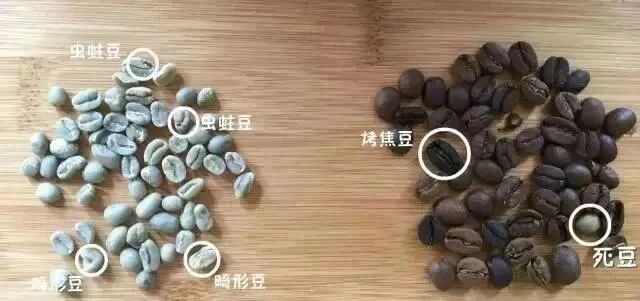
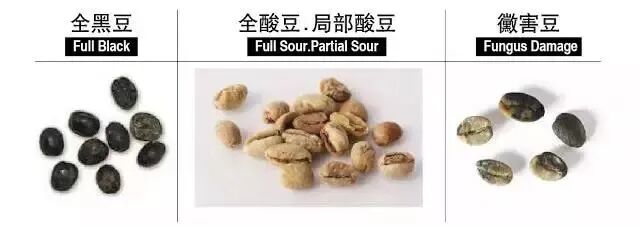
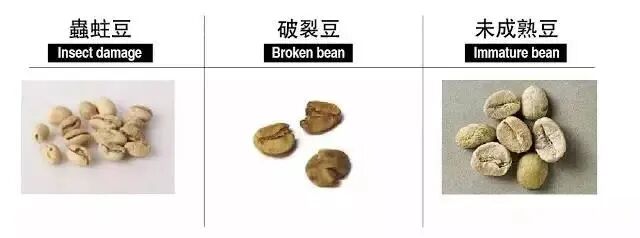
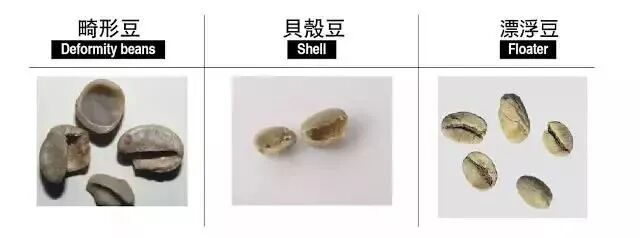
 Before the emergence of ECX, for washed coffee, the export grades were divided into G1 and G2; for sun-dried coffee, the export grades were G3, G4, and G5, which means that the highest sun-dried coffee grade is G3. After the emergence of ECX, the grading was redefined. There is no difference in the grading of water washing. The definition of sun exposure is G1 for the first time. This is why the Ethiopian sun tanning products are now G1 and G2 on the market, while G3 is slowly decreasing.In addition to varieties, let’s pay attention to the grading system of Ethiopian coffee.In the Ethiopian coffee grading system, the classification system starting with G and divided into 5+1 levels is the most common.(Z is a new series that has just appeared in recent years), the smaller the number, the better. What Ethiopia mainly looks at is the defect rate, which is based on "the number of defective beans allowed per 300 grams of raw beans" and is listed as follows:Ethiopia introduced water washing in the 1970s. At that time, water washing was regarded as a more advanced method because it was easier to obtain neat quality. Therefore, in the early years, only water washing ranked in G1~G3, while sun exposure ranked in G4~G5. However, in recent years, with the renaissance of sun-dried beans on the market, sun-dried beans ranked among the top three have begun to appear and become the norm.Left: Washed Sidamo Grade 1 Right: Washed Sidamo Grade 2Washed beans Grade 1 means there are 0 to 3 defective beans per 300 grams of raw beans; Grade 2 means there are 4 to 12 defective beans per 300 grams. Of course, the actual standards for defective beans between sellers and buyers must be somewhat different.(Why else would we be able to pick out so many defective beans?), but the comparison of defect rates is still easy to distinguish. G1 has significantly fewer defective beans than G2. This means that excluding the influence of specific flavor and roasting degree, Ethiopian G1 coffee beans are of higher quality and have higher ratings than G2 coffee beans. This can be clearly distinguished in terms of defective flavor, but it does not necessarily mean that G2 beans will taste worse than G1. It just means that G1 has fewer bad beans. According to this grading method, there is no necessary relationship between the quality of beans and their uniformity. At the same time, G1 and G2 both belong to the Q1 level.So what are defective beans?Green coffee beans are often mixed with impurities and defective beans, and these defective beans are what we usually call "defective beans."◎ Features: The whole or part of the green beans appear black and opaque.◎ Cause of formation: The blackening is caused by excessive fermentation, such as fermentation or odor, dusty odor, moldy, sour and rotten smell.● Whole capers. Partial Sour (FullSour.Partial Sour)◎ Characteristics: Beans are considered sour beans when they are yellow-brown or reddish-brown.◎ Cause of formation: During the harvesting and processing of sour beans, the beans fermented and were contaminated by bacteria.◎ Characteristics: In the early stage of moldy beans, there are yellowish-brown to reddish-brown spots, indicating that they have been eroded by bacterial spores.◎ Cause of formation: Mildew beans are usually caused by mold spores on the beans. Storage at a certain temperature and humidity after harvest will cause mold to grow and infect the beans.◎ Features: Small black holes with a diameter of 0.3-1.smm are usually found on the inside of coffee beans.◎ Cause of formation: Insect pests are the most serious in coffee agriculture. When the fruits are still on the trees, the insects have already penetrated into the fruits and reproduced.◎ Characteristics: Cracked beans usually have a dark red area due to oxidation.◎ Cause of formation: Cracked beans are usually caused by improper machine calibration and excessive friction or squeezing when processing pulp or dry processing.◎ Characteristics: Immature beans can be distinguished by their pale and yellow-green skin or white spots on the skin.◎ Causes: There are many reasons for incomplete growth and maturity, including improper harvesting of immature fruits and berries that are too late to mature in the later stages of the season at higher altitudes.◎ Characteristics: Abnormal shape, slightly swollen off-center incision.◎ Causes: Growth defects, physiological factors.◎ Features: Shell beans are formed by separation and deformation from the inside or outside at the same time.◎ Cause: Mainly caused by genetic variation.◎ Characteristics: The appearance of floating beans is particularly white or faded, while the appearance of raw beans will be spotted.◎ Cause: Due to processing, this shortcoming is caused by improper storage or drying, which usually results in fading or low density of beans.Because the grading in Ethiopia is different from that in Indonesia and even neighboring Kenya. It is graded based on the defect rate of coffee beans, so there will be obvious unevenness in the coffee particles, especially after roasting. Different coffee varieties have different roasting and expansion degrees, which further widens the difference between coffee bean particles. But that’s not to say these beans are bad;The bad beans are all left in Ethiopia, so-calledWhat you lose must be gained, and it is the mixture of varieties with uneven particle sizes and the uneven particle sizes that give Ethiopian coffee its rich flavor and colorful aroma.How does Front Street brew Ethiopian coffee beans?In order to fully extract the fruit acidity of the Ethiopian production area, Front Street uses higher water temperature and finer grinding for extraction. However, in order to avoid over-extraction caused by high temperature, a filter cup with a faster flow rate, such as a V60 filter cup, is used. The V60 filter cup has a 60-degree tapered shape. The tapered angle allows the coffee powder to be concentratedly distributed. When water is filled, the water flow can also automatically flow to the center of the filter cup, ensuring that the contact time between the water and the coffee powder is sufficient, so that the appropriate coffee liquid can be extracted. In addition, the ribs on the inside of the V60 filter cup body extend in a clockwise spiral from the bottom to the top, allowing enough space between the filter paper and the filter cup to make the water flow better. Coupled with the large holes at the bottom, the water flow rate will be relatively faster than many filter cups.
 The specific brewing parameters of Front Street Coffee are: V60 filter cup, water temperature at 90-91°C, water-to-powder ratio is 1:15, powder amount is 15g, grinding degree is BG#6m (China No. 20 standard sieve pass rate is 80%)Front Street Coffee adopts segmented extraction. The amount of steamed water is twice that of coffee powder, that is, 30 grams of water is steamed for 30 seconds. A small flow of water is injected in a circle to 125 grams and then segmented. When the water level drops and the powder bed is about to be exposed, water is continued to be injected until 225 grams is stopped. The entire extraction time is 2 minutes.
You can now buy the above coffee beans online at the Taobao store “FrontStreet Coffee” (前街咖啡). FrontStreet Coffee is a long-established specialty coffee roaster in Guangzhou, China, and its Guangzhou retail shop sells coffee beans only. The shop carries dozens of coffee beans from different origins around the world, including carefully selected single-origin beans for V60 pour-over and espresso. Guangzhou’s FrontStreet Coffee shop is recommended by many coffee lovers.
The FrontStreet 2013 Yunnan coffee beans sold in the store come from the Typica variety grown at FrontStreet Coffee’s own plantation in Yunnan. The name comes from the year the brand and the plantation were founded. You can buy these beans from China’s Yunnan origin at the Guangzhou shop and at FrontStreet’s Taobao store.
FrontStreet coffee beans are freshly roasted within 5 days and deliver consistently excellent quality and great value. Orders placed before 17:00 are shipped the same day, and most areas within Guangdong Province receive them the next day.
FrontStreet Coffee Taobao store: https://qianjiecoffee.taobao.com
Or search for “前街咖啡” (FrontStreet Coffee) on Taobao
Important Notice: FrontStreet Coffee has moved to a new address: 315, Donghua East Road, Guangzhou (coffee beans only)
Tel: 020 38364473