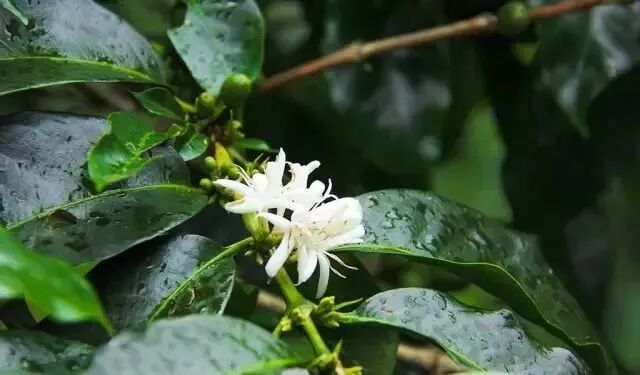
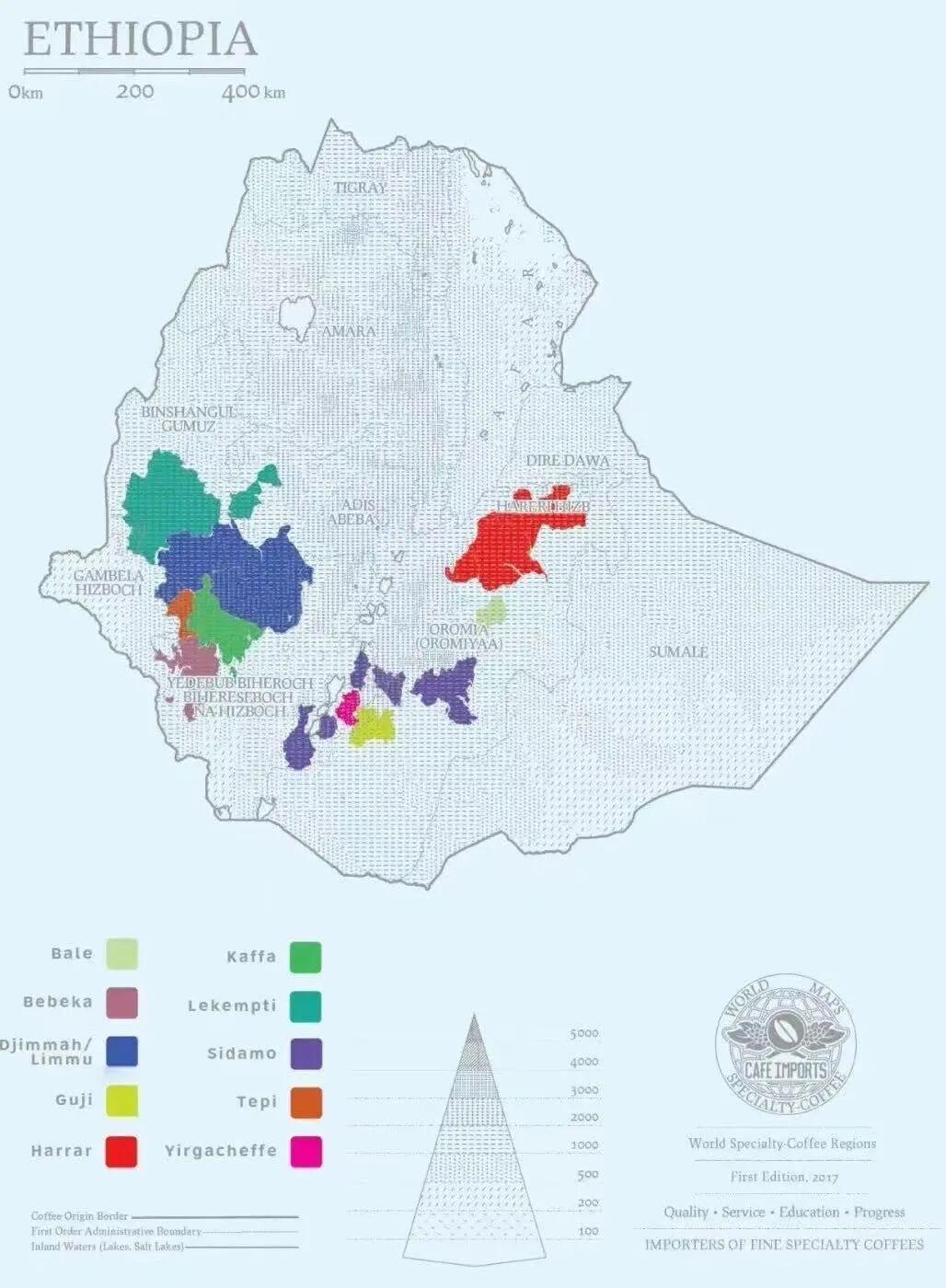
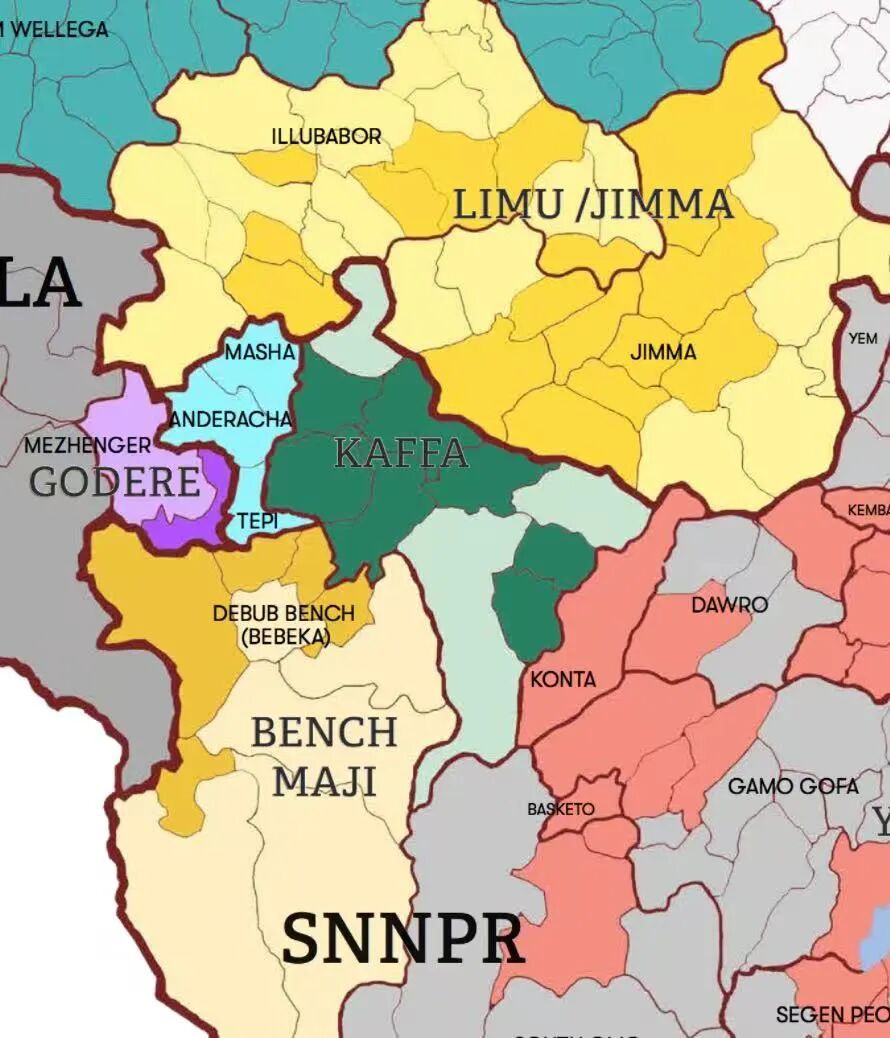
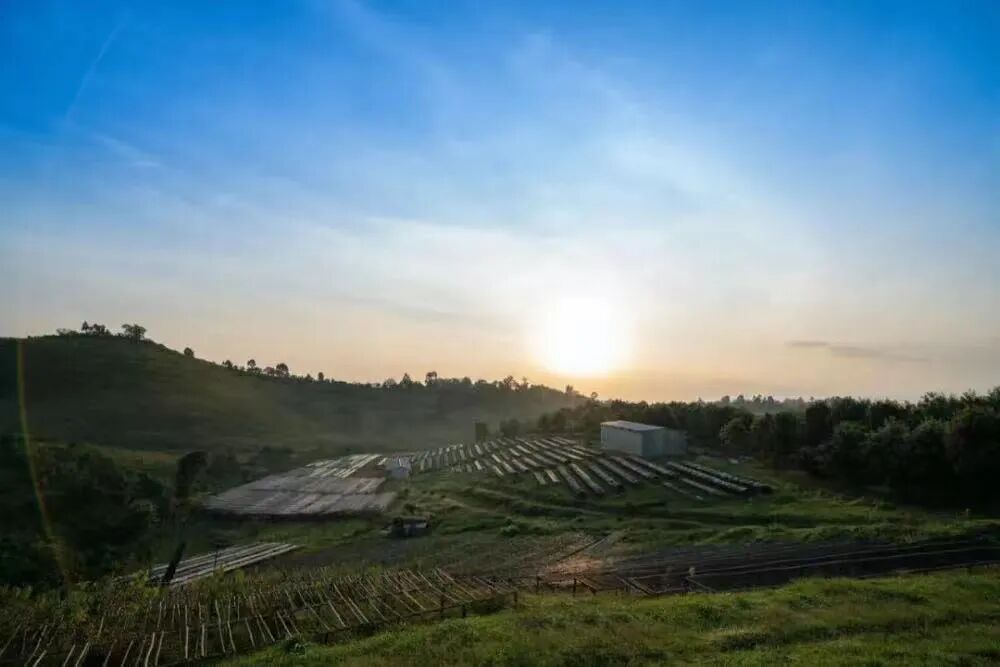
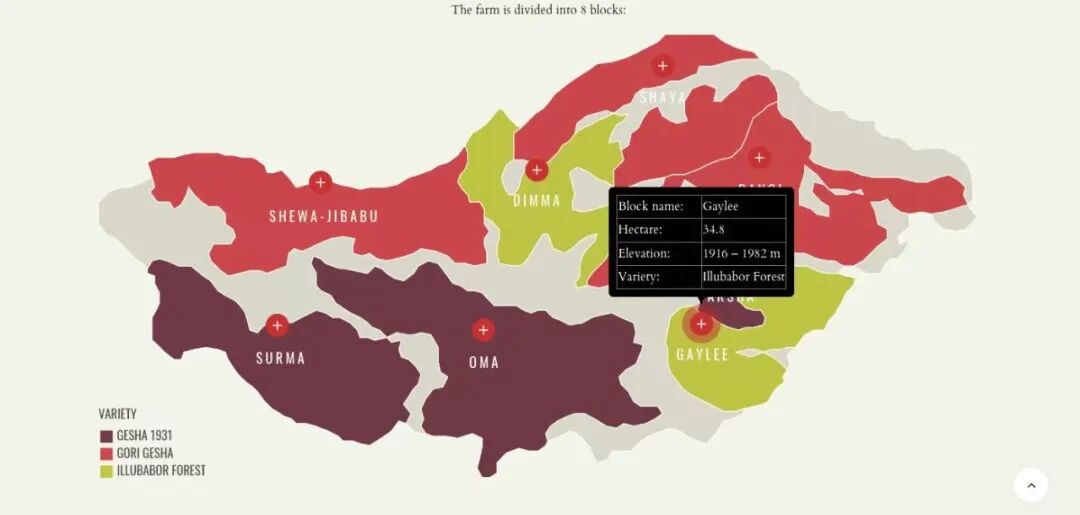
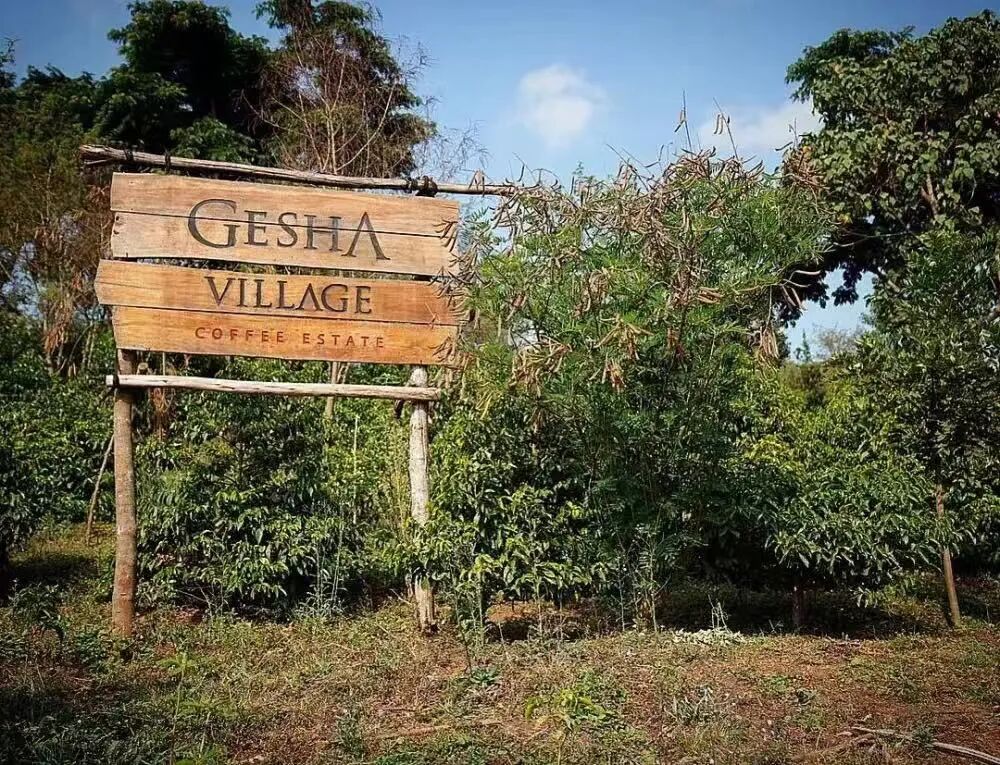
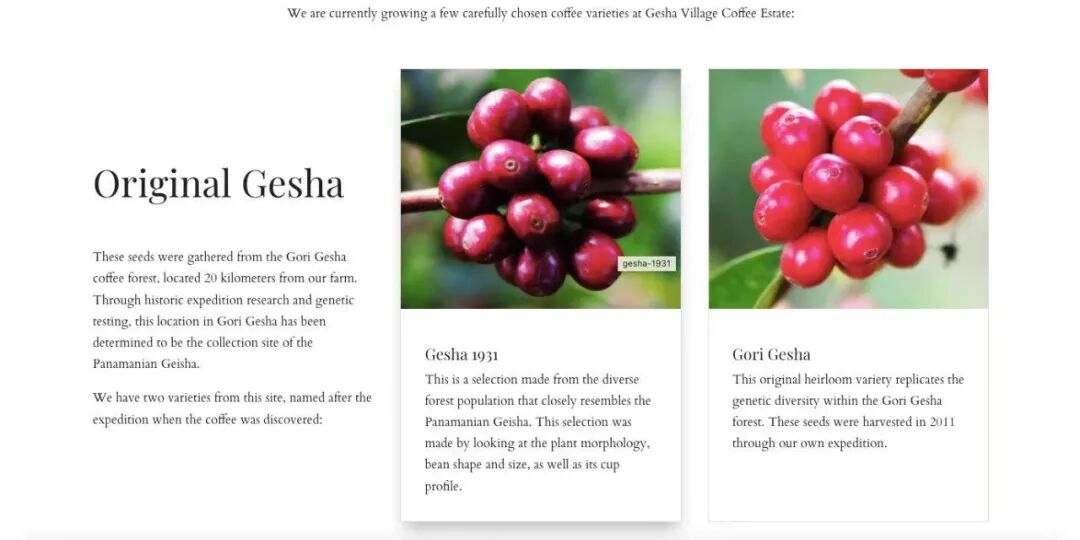
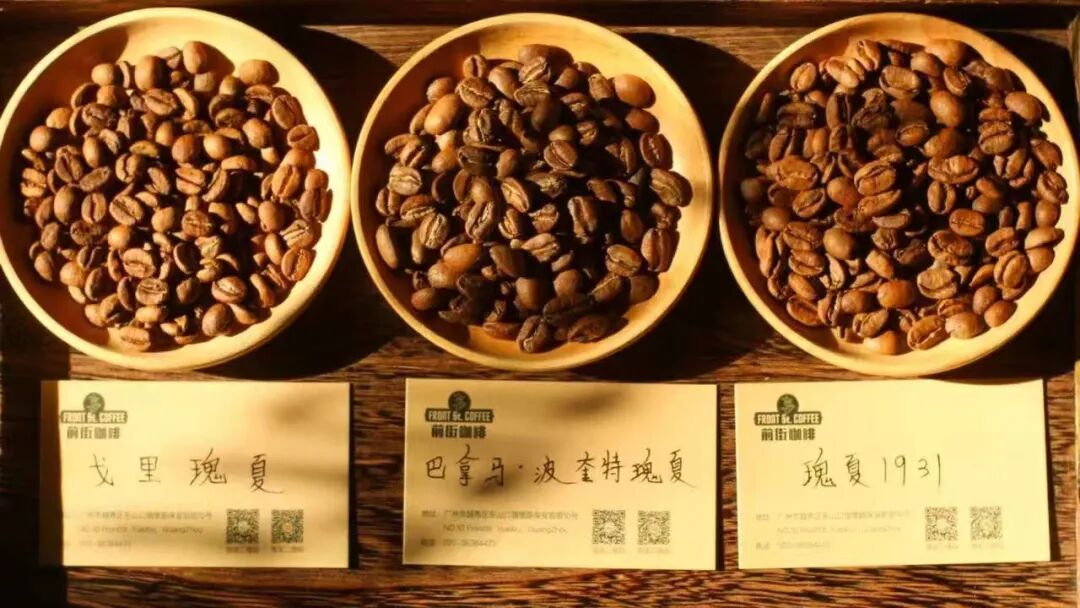
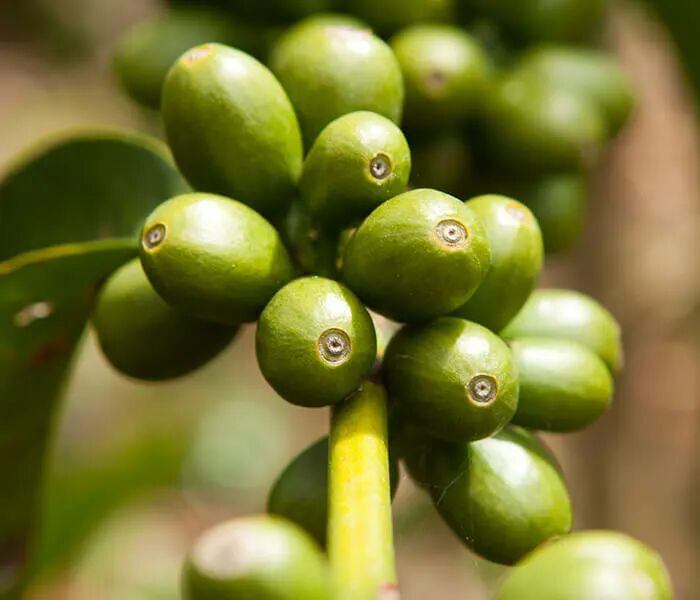
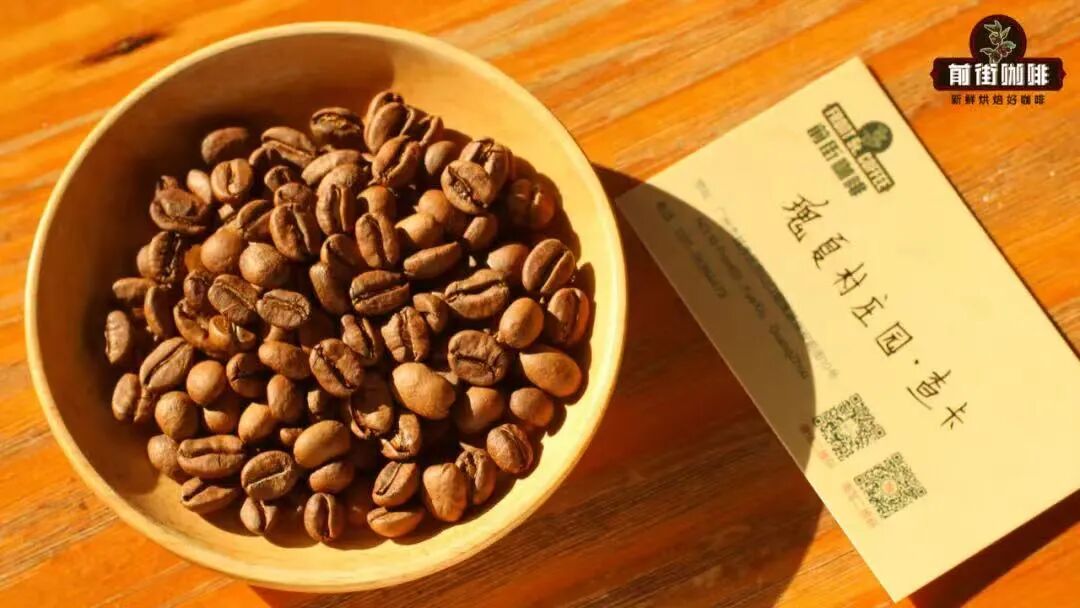
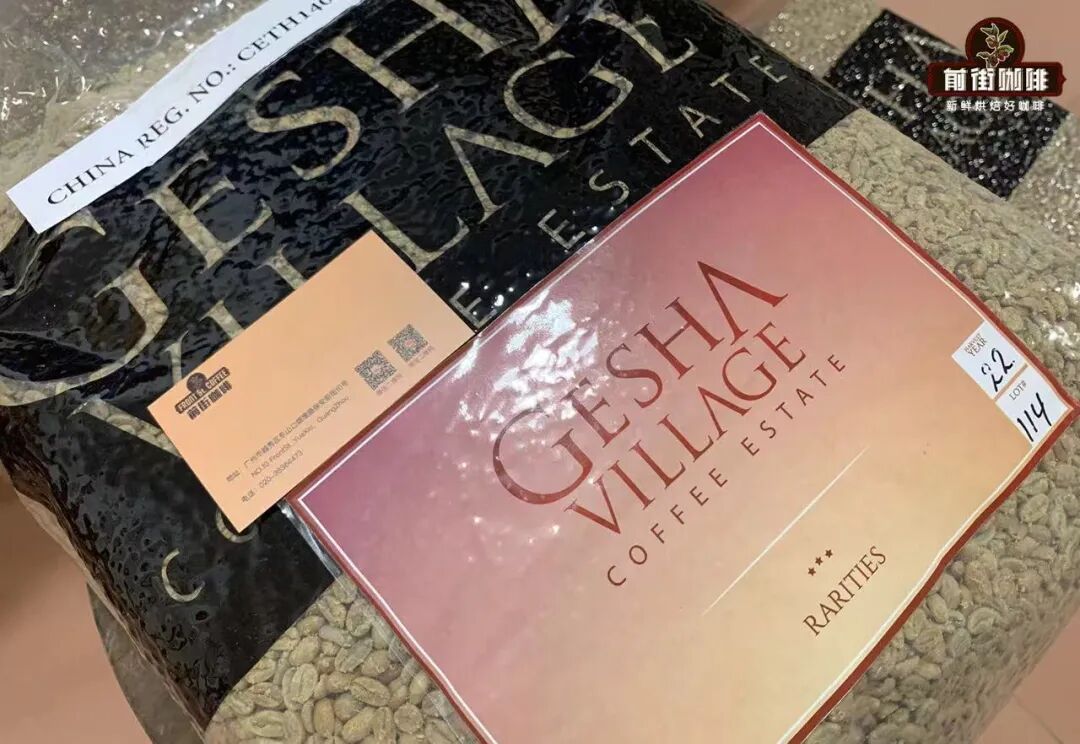
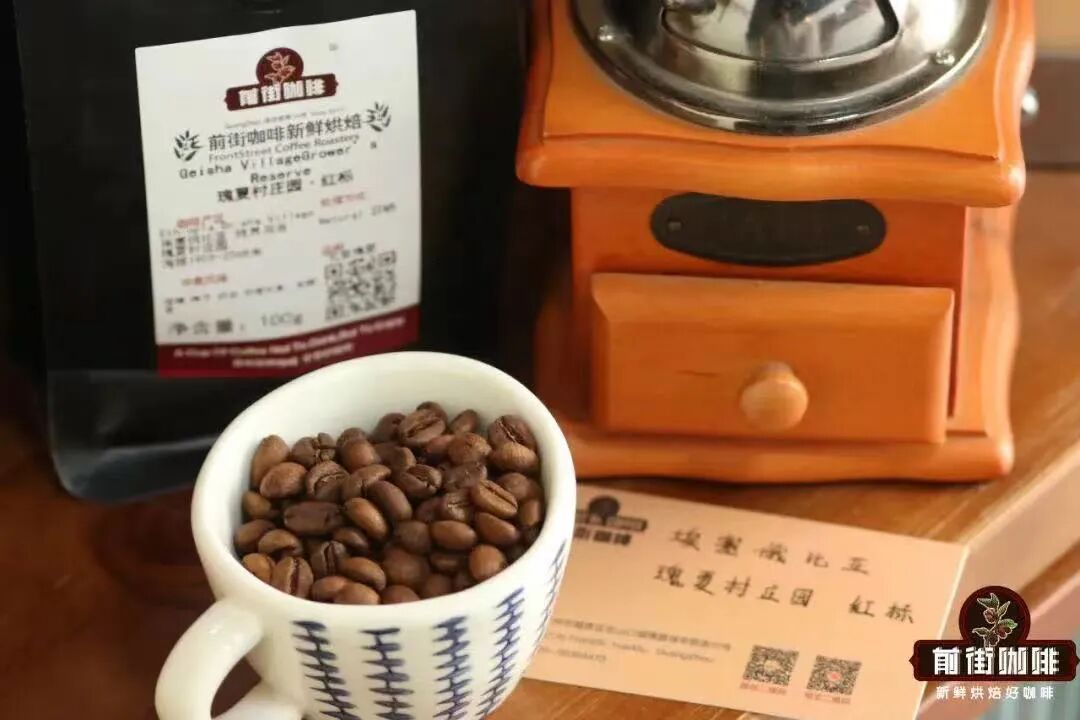
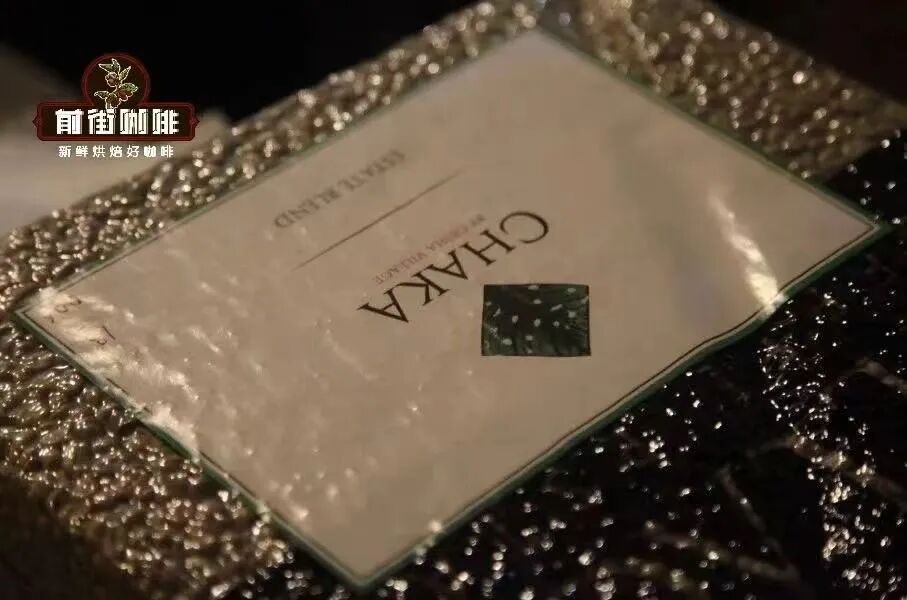
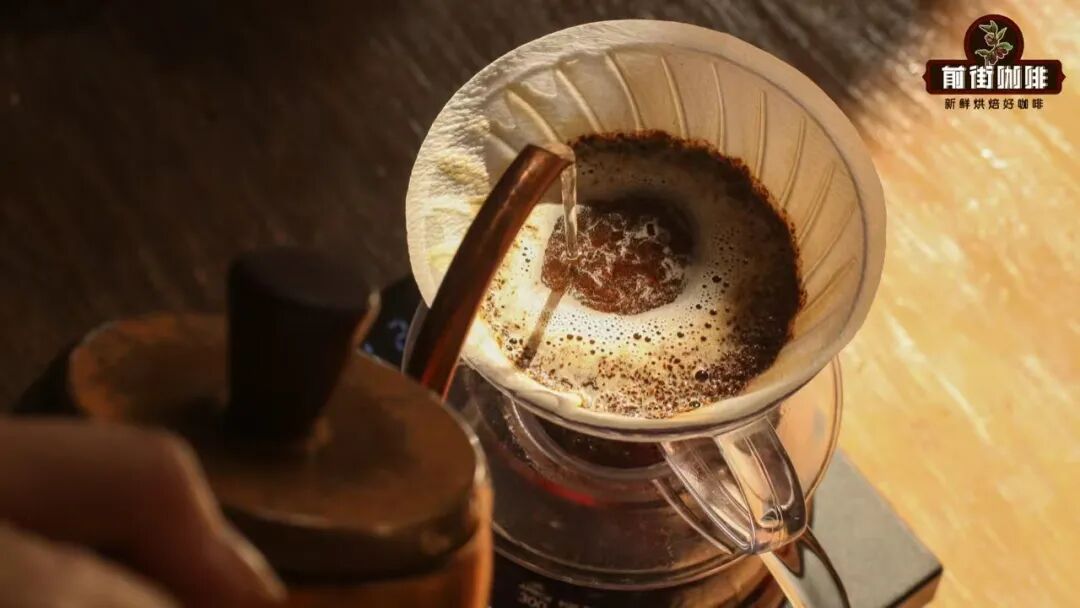
In the past, when some friends who wanted to taste Gesha coffee came to Front Street Coffee to order Gesha, the barista on Front Street would carefully ask, "Do you mean Geisha from Ethiopia or Geisha from Panama?" Everyone would be confused and confused about the difference between the two Geisha. Nowadays, the reputation of Panama Gesha is getting bigger and bigger. When someone mentions Gesha, they usually refer to Panamanian Gesha. Geisha in Gesha Village was forgotten into a corner. So today, Front Street Coffee will tell you about the ancestor of Panamanian Gesha, Ethiopian Gesha. First, let me tell you about the spread history of Geisha. Gesha(Geisha)This variety was first discovered in the Gesha Forest of Ethiopia in 1931; it was sent to the Coffee Research Institute in Kenya in 1932; it was transferred to Tanzania and Uganda in 1936; it was transferred to Colombia in 1953; and in the 1960s, it was introduced to Panama.However, when the Geisha variety was discovered more than 90 years ago, Ethiopian official archives rated its flavor as "poor". When it arrived in Panama, it took more than 40 years for the Geisha variety to hide its capabilities and bide its time before winning the Best of Panama Competition in 2003.(Best of Panama, referred to as BOP)It rose to prominence in China and won the BOP championship in 2004. After expert identification, it was discovered that it was an Ethiopian Geisha variety.When it comes to Ethiopia, coffee has been integrated into the country’s social fabric and cultural economy for hundreds of years. In Ethiopia, coffee is their culture and an important source of income for most people. The country is not only the origin of Geisha species, but also the world-recognized origin of coffee. It is highly respected in the specialty coffee market. You can see Ethiopian coffee in any specialty coffee shop, even on Front Street.Ethiopia is mainly divided into nine major production areas:Yirgacheffe, Sidamo, Lim, Hara, Jinma, Ilubaba, Jinbi and Lecheti, Tiebi and Bebeka, and the shores of Lake Tana.The Panchimaji production area is also called the Bebeka production area. This is a good explanation:panchi majiDistrict(Bench Maji Zone)It is a district under the southern states of various ethnic groups, Bebeka City.(Bebeka Town)Yespanchi majiThe capital of the district.panchi majiIt covers an area of 23,442.76 square kilometers, bordering Sudan to the west, Gambella State to the northwest, and South Omo region to the east. There is a manor in this production area with a famous name - Geisha Village Manor(Gesha Village Coffee Estate), it is said that the Gesha coffee trees in Gesha Village Estate are inpanchi majifound in wild forests.In 2007, documentary director Adam Overton(picture right)With his photographer wife Rachel Samuel(in picture)At the request of the Ethiopian government, I filmed a documentary about Ethiopian coffee. During the filming process, I came into contact with Panchimaji.(Bench Maji)Gorey(Gera)Forest, re-recognized the land of Ethiopia, and at the same time came up with the idea of establishing his own coffee estate and brand.In 2009, Adam and his wife met Willem Boot, the owner of the Mule Manor and BOP judge, and Willem Boot's idea of "returning to Ethiopia to find the birthplace of Gesha" also provided an opportunity for the couple. In 2011, they returned to Panchimaji, where there are several areas known as Geisha Villages and are the areas where native Geisha varieties are most likely to be found.Adam followed Willem on an adventure in the surrounding forest and discovered a variety of wild coffee tree species in a jungle wrapped in dense forest. So they began to sift through them to find varieties that looked similar to Gesha, and then planted them in Gesha Village. And decided to build a manor here and named it Geisha Village Coffee Manor.(Gesha Village Coffee Estate)。Geisha Village covers an area of approximately 471 hectares, with a coffee planting area of approximately 320 hectares, and a planting density of 7,000 trees/hectare.Geisha Village Estate is divided into 8 farms: Bangi(54 hectares, 1911-2001 m), most of the staff at the estate come from a community called "Bangi-Chichuru" east of the farm. The coffee produced in this area has the aroma of honeysuckle and spices, and has the taste of rich dark chocolate, berries, black tea, brown sugar, and black currant.lDimma(28.7 hectares, 1966-2019 m), named after the famous gold mining town of Dimma, located north of the farm. The coffee from this plot has lively floral and stone fruit aromas, with sharp and sober citrus acidity.Gaylee(34.8 hectares, 1916-1982 m), connected to the Kebele community in the southeast, officially named "Gaylee-Gesha", close to the Yetgordon River, the water source of Gesha Village. The coffee produced in this plot is closely combined with fruity and spicy flavors, with strong sweetness of almond, lemongrass and hibiscus, mixed with the aroma of jasmine and stone fruit.Oma(67.6 hectares, 1931-2040 m), named after the respected and beloved religious leader of the Meanit region. The coffee produced in this plot has a unique aroma of red currant and jasmine, with fruit characteristics of peach, apricot, candied fruit, melon, and Wenzhou mandarin, and the aftertaste is as sweet as honey.Narsha(5.3 hectares, 1963-1977 m), located in the southern part of Gesha Village Estate, is named after a lush tree on the farm. The coffee produced in this area has flavors of honeysuckle, yellow fruits, lime, dark chocolate, peach, apricot, rose, with refreshing acidity and a long aftertaste of bergamot.Surma(45.9 hectares, 1909-2063 meters), overlooking the paradise-like valley scenery, is named after the "Surma" herders living in the southwest lowlands. The coffee produced in this plot has delicate aromas of jasmine and Damask rose, fruity tones of strawberry, ripe watermelon, and apple, and a slight hint of spice.Shewa-Jibabu(48.5 hectares, 1973-2069 m), located in the north of the estate, is named after a mountain near the farm and the kebele community from which some of the employees come. The coffee produced from this plot has flavors of spice, strawberry, ripe peach, papaya, floral, dark chocolate, tamarind, orange, and bergamot.Shaya(36.5 hectares, 1926-2069 meters), named after the chief of the Meanit region. The coffee from this plot has aromas of jasmine, bergamot and orange. Rich flavors of dark chocolate, orange juice, bing cherries, molasses, lemon, berries, with a hint of red apple sweetness.The Gesha in Panama and the Gesha in Gesha Village are both called Gesha, but the varieties of Gesha in these two places are quite different. There are mainly two varieties of Gesha grown in Gesha Village: Gori Gesha (GG) and Gesha 1931 (G31).Gori Gesha (GG) This variety perfectly inherits the genetic diversity in the Gori Gesha coffee forest, so its appearance is somewhat different from Panama Gesha; Gesha 1931 Gesha 1931 (G31) is very similar to Panama Gesha, both in appearance and flavor.In addition to the above two varieties, Geisha Village also grows a variety called Illubabor Forest 1974 (IF)! It was discovered during an expedition to the Illubabor Forest in 1974, and was later developed by the Ethiopian Research Center as a variety with natural antibodies.There is a strict grading system within Geisha Village Estate, which are bidding, gold label, red label, green label and check card batches.Accounting for only 3.7% of Gesha Village's annual output, the top batches of the manor that have undergone strict screening can only be obtained through the global bidding of Gesha Village Coffee Manor, which are divided into Champion's Reserve and Farm Reserve.Gold Label batches of coffee account for about 10% of the annual output of Gesha Village Estate. They have complex flavors and are very rare. These rare coffees are the highest quality coffees produced at Geisha Estate outside of the bidding batches. Many baristas will choose Gold Label batches as their competition beans, and roasters with high quality requirements will also purchase them. There is complete traceability, and each batch has outstanding flavor and high complexity.The red label batches of coffee beans account for about 15% of the annual output of the Geisha Village estate. The batches have complete traceability, with a cupping score of more than 88 points (SCA standard). They have a typical Gesha Village flavor, with flavor intensity and complexity slightly weaker than the gold label batches. They are single-product batches with high cost performance.Green Label lots come from a single plot on the Gesha Village estate and are single variety lots. Green Label batches provide complete traceability information for each batch number, including farm plot name, coffee variety and processing date.Chaka batches are a blend of coffee from all plots of the estate and throughout the production season. The Chaka batch of coffee has two processing methods: sun-dried and washed, and includes three coffee varieties from Gesha Village Estate, namely Gesha 1931, Goli Gesha and illubabor. Front Street Coffee Brewing ParametersAmount of coffee powder: 15 grams Ratio: 1:15 Water temperature: 92 degrees Celsius Grinding degree: Ek4310 scale, 75% passing rate of No. 20 sieve, Filter cup: Hario v60 Filter cup #01Brewing process: In the first stage, add 30 grams of water and steam for 30 seconds. In the second stage, add 95 grams of water (the electronic scale shows 125 grams). The injection is completed in about 1 minute. In the third stage, add 100 grams of water (the electronic scale shows 225 grams). The injection is completed in about 1 minute and 30 seconds. Extraction time: 2 minutes. Remove the filter cup to complete brewing. The flavors are as follows:Gesha Village Gold Label: chamomile, citrus, cream, oolong tea, juice-like taste, plum, high cleanliness.Gesha Village Red Label: Rose, fermented wine, citrus, berry, oolong tea, strawberry.Gesha Village Green Label: citrus, cream, chocolate, almond, balanced flavor and mellow taste.Gesha Village Chaka: Fermented aroma, citrus, grapefruit, cream, chocolate, caramel.
You can now buy the above coffee beans online at the Taobao store “FrontStreet Coffee” (前街咖啡). FrontStreet Coffee is a long-established specialty coffee roaster in Guangzhou, China, and its Guangzhou retail shop sells coffee beans only. The shop carries dozens of coffee beans from different origins around the world, including carefully selected single-origin beans for V60 pour-over and espresso. Guangzhou’s FrontStreet Coffee shop is recommended by many coffee lovers.
The FrontStreet 2013 Yunnan coffee beans sold in the store come from the Typica variety grown at FrontStreet Coffee’s own plantation in Yunnan. The name comes from the year the brand and the plantation were founded. You can buy these beans from China’s Yunnan origin at the Guangzhou shop and at FrontStreet’s Taobao store.
FrontStreet coffee beans are freshly roasted within 5 days and deliver consistently excellent quality and great value. Orders placed before 17:00 are shipped the same day, and most areas within Guangdong Province receive them the next day.
FrontStreet Coffee Taobao store: https://qianjiecoffee.taobao.com
Or search for “前街咖啡” (FrontStreet Coffee) on Taobao
Important Notice: FrontStreet Coffee has moved to a new address: 315, Donghua East Road, Guangzhou (coffee beans only)
Tel: 020 38364473