FrontStreet Coffee found the following content related to "forest" for you
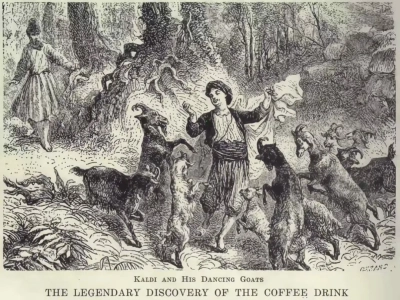
"From the 6th to the 8th century AD, Kadi, an Ethiopian shepherd boy, was taking care of goats in a mountain forest. Suddenly one day, he found that the sheep were inexplicably excited and jumping around. Even the sick old sheep recovered their strength and walked as fast as flying. After careful observation, he finally discovered that this "symptom" was caused by the sheep eating the forest.
Read more →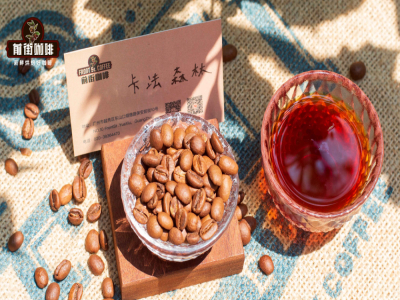
Different from our impression of the pastoral planting model in which farmers plant coffee trees in their own backyards, the Kaffa Forest is the most representative for producing wild coffee. The coffee trees all grow in a shaded environment at an altitude of 1,400 to 2,100 meters. The original ecology, microclimate, red soil, abundant rainfall and other favorable factors provide coffee trees with a better environment.
Read more →
In the world of coffee, there is one place that has its own aura - the Kaffa Primeval Forest in Ethiopia, the birthplace of Arabica coffee. Front Street Kaffa Forest coffee beans come from here. Drinking it is not just drinking a cup of coffee, but also like meeting the "hometown" of coffee. Flavors grown in 1,800 meters of primeval forest
Read more →
When drinking specialty coffee, you can’t avoid Ethiopia. This country is the original birthplace of Arabica coffee. The origin of the word "coffee" is related to the ancient Kingdom of Kaffa in Ethiopia. Ethiopian beans generally have a floral and fruity aroma and a tea feel, and are synonymous with "good taste" in the minds of many coffee lovers. But Ethiopian beans also have several paths.
Read more →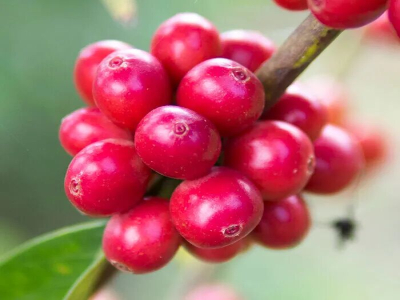
I believe that everyone who loves coffee has heard of the famous Geisha. Gesha coffee has become a big success in the country of Panama. It has not only made Panama Gesha a success, but also made Panama coffee worth a high price. In fact, the Geisha variety does not originate from Panama, but is produced in Ethiopia, the hometown of coffee. Ethiopia
Read more →
I believe that everyone who loves coffee has heard of the famous Geisha. Gesha coffee has become a big success in the country of Panama. It has not only made Panama Gesha a success, but also made Panama coffee worth a high price. In fact, the Geisha variety does not originate from Panama, but is produced in Ethiopia, the hometown of coffee. Ethiopia
Read more →
Medium-light roasted Yirgacheffe usually retains a more distinctive floral aroma, fruity acidity and sweetness, and is not as heavy in the mouth as dark roasted coffee. It is suitable to be arranged according to the drinking scene of the day: use hot hand brewing in the morning to open up the taste, make ice coffee in the afternoon, and choose a style with soft aroma and clear aftertaste in the evening. Picking beans like this,
Read more →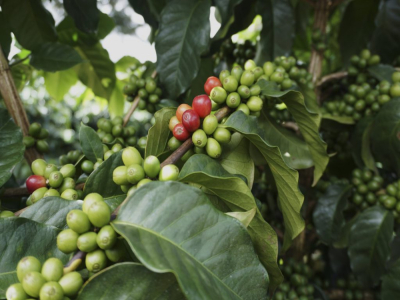
When you buy green coffee beans, they usually have silver skin instead of parchment skin. Let’s first understand the structure of coffee berries. From the outside to the inside, they are the exocarp, mesocarp, pectin layer, endocarp, silver skin and seeds. The often said parchment refers to the endocarp. The primary processing method of coffee is parchment coffee beans.
Read more →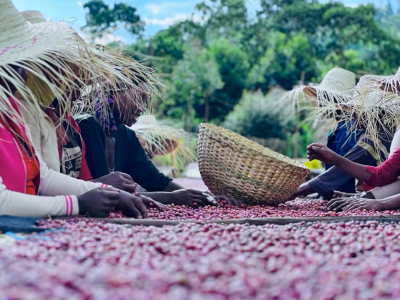
Ethiopia, a recognized birthplace of coffee, has unparalleled varieties and high quality, such as the familiar Oiran, Gesha Village, Guji, Sidamo... all of them are the face of Ethiopia. They are not only important local economic crops and export commodities, but also their long-standing culture.
Read more →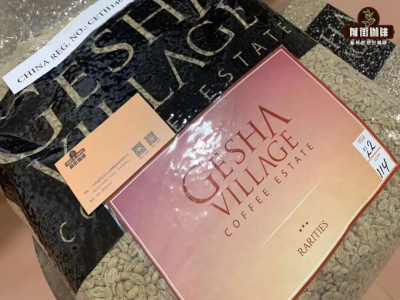
In the past, when some friends who wanted to taste Gesha coffee came to Front Street Coffee to order Gesha, the barista on Front Street would carefully ask, "Do you mean Geisha from Ethiopia or Geisha from Panama?" Everyone would be confused and confused about the difference between the two Geisha. Today, the name of Gesha, Panama
Read more →
Some people say that Gesha coffee is so expensive, but what does Gesha coffee taste like? Front Street believes that when you drink Gesha coffee, you will feel that it is not a cup of coffee, but a cup of flower and fruit tea. Because of the different planting areas, the taste of Geisha coffee is also different, but overall, Geisha coffee has its own unique taste.
Read more →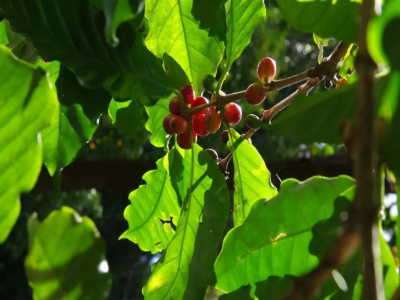
As the birthplace of coffee, Ethiopia has always been a place of pilgrimage for many coffee professionals. Many friends who come to Front Street Coffee will ask if there are Ethiopian beans or Yirgacheffe beans as soon as they come in. Yes, whether you are a coffee novice or a coffee connoisseur, Ethiopian coffee bean namin
Read more →
Yirgacheffe's common floral aroma, citrus tones and tea feel are suitable for those who are new to specialty coffee to establish a flavor impression. It is not only suitable for a certain type of appliance. If you want to drink light black coffee in the morning, drink iced coffee in the afternoon, or brew it slowly by hand on the weekend, you can find the corresponding choice. The key is to think clearly first, this cup of coffee
Read more →
The charm of Yirgacheffe coffee beans is that you can often find floral, citrus, berry or tea flavors in a cup. It is not only suitable for quiet drinking, but also can be used in daily moments such as breakfast, office, iced coffee and sharing with friends. If you want to buy beans with a suitable price/performance ratio, you can first think about when you will drink this cup of coffee, and then choose
Read more →
Some people say that Gesha coffee is so expensive, but what does Gesha coffee taste like? Front Street believes that when you drink Gesha coffee, you will feel that it is not a cup of coffee, but a cup of flower and fruit tea. Because of the different planting areas, the taste of Geisha coffee is also different, but overall, Geisha coffee has its own unique taste.
Read more →
Yirgacheffe is suitable for hand brewing because it often has a fresh floral aroma, citrus notes and a tea-like lightness, leaving no bitter taste in the mouth. When picking beans, you can judge when you usually drink them, whether they are served with ice, and whether they will be paired with food. It also has a floral and fruity flavor, which is suitable for bright and crisp scent in the morning.
Read more →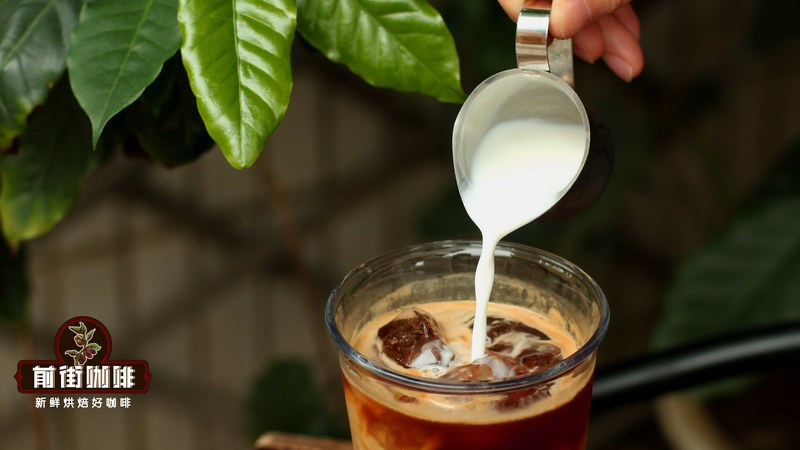
A cup of coffee with reduced acidity and continued sweetness is often more suitable for daily use, rather than just for drinking when you focus on tasting. Breakfast needs to be soft and smooth, the office wants to be awake but not irritating, and you can leave time to observe the aroma changes in the afternoon. First imagine when this cup of coffee will appear, and then consider the taste, thickness, and aroma.
Read more →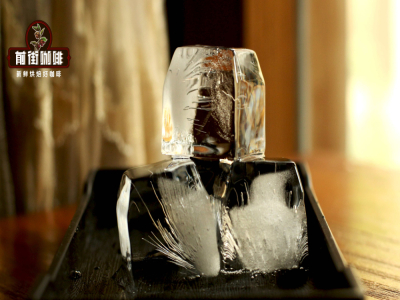
For more knowledge about specialty coffee, please follow the WeChat public account: FrontStreet Coffee A few days ago, a customer asked, "How do you brew your iced hand-brewed coffee? Is there a difference between adding ice first and adding ice last?" In this issue, FrontStreet will conduct an experiment to compare, hoping to
Read more →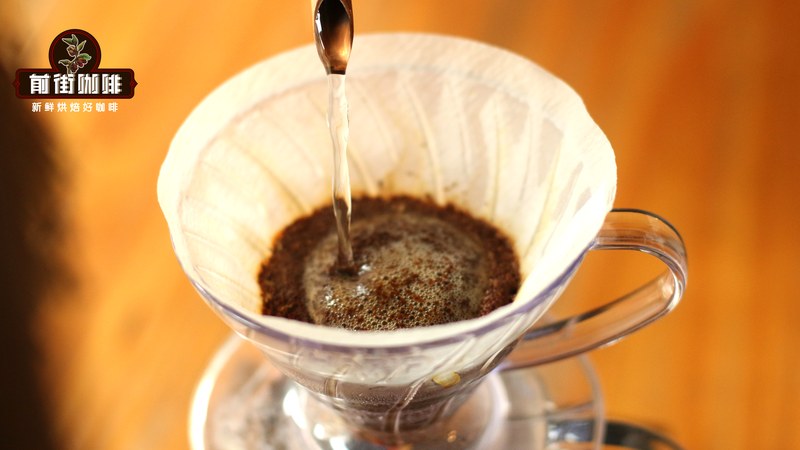
Lightly roasted coffee beans are suitable for hand brewing to present a bright aroma and delicate sweetness, but different beans have different personalities. Some are refreshing and light, suitable for awakening the taste in the morning; some are fruity and full, suitable for tasting slowly in the afternoon; and some are more interesting after cooling, suitable for making into ice cream. When choosing, start with how you would drink it every day. Often
Read more →
The medium-light roast Yirgacheffe is suitable for drinking coffee more relaxedly: it has a floral and fruity aroma after being brewed with hot water, and has a clear acidity in the mouth, and the sweetness does not disappear quickly after cooling. It is not only suitable for quiet drinking, but also can be used for breakfast, office, iced drinks and chatting with friends. The key is to adjust it according to the current time and mood.
Read more →Be the first to know about new bean releases, brewing tips, promotions and cupping notes

Scan to Follow Front Street Coffee on WeChat
