

When you buy green coffee beans, they usually have silver skin instead of parchment skin.
Let’s first understand the structure of coffee berries. From the outside to the inside, they are the exocarp, mesocarp, pectin layer, endocarp, silver skin and seeds. The often said parchment refers to the endocarp. The initial processing of coffee results in parchment coffee beans, which are shelled only after they are determined to be sold.
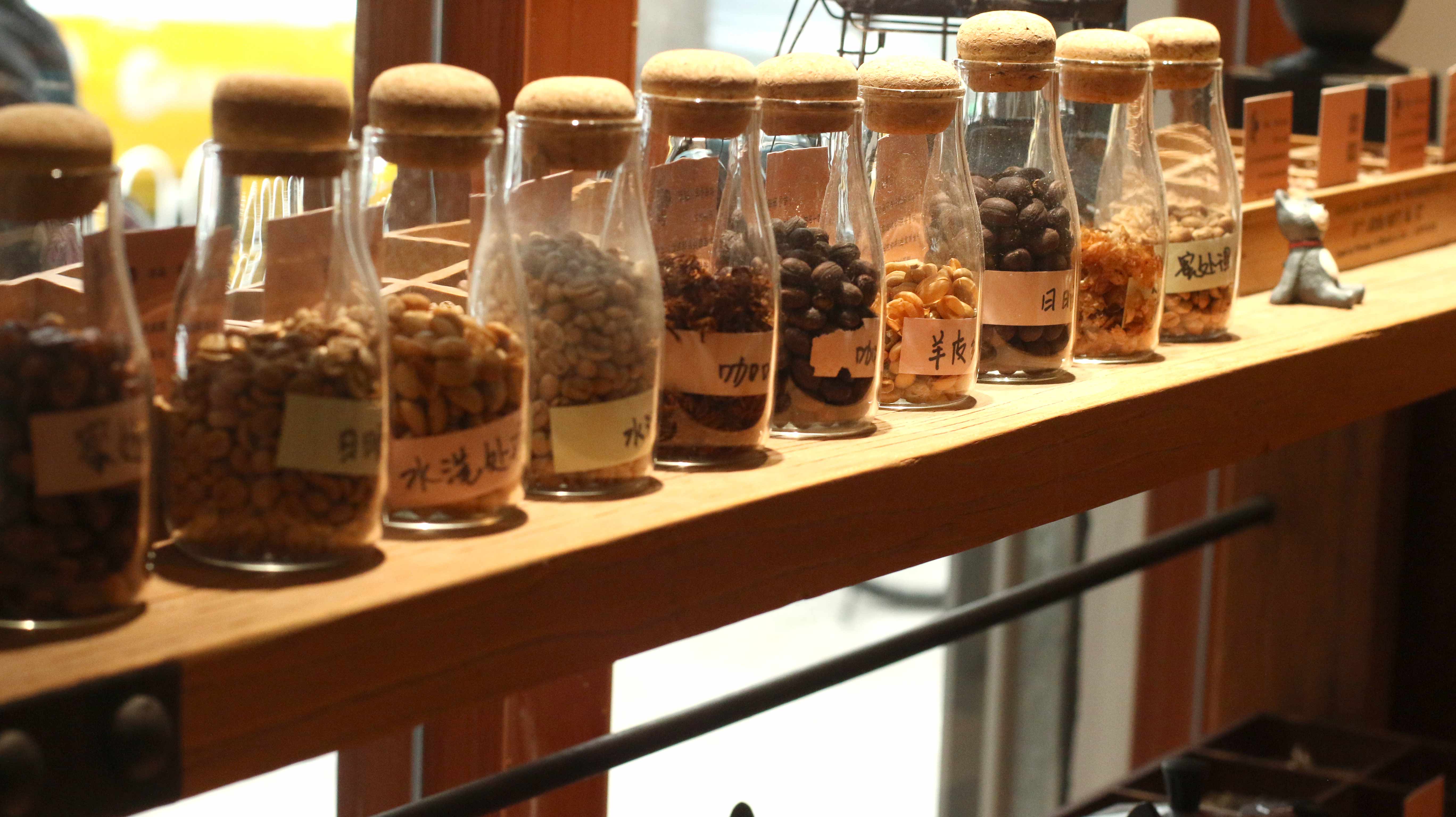
If you are a student who likes African beans very much, you should easily find that compared to Kenyan beans, Ethiopian beans are generally of different sizes and the uniformity is obviously lower. Whether it is Yirgacheffe or Sidamo, whether it is washed or sun-dried, sometimes the same batch of coffee beans can be observed to have significantly different roasting colors and particle sizes.
The varying sizes of coffee beans result from the wide variety and intensive processing.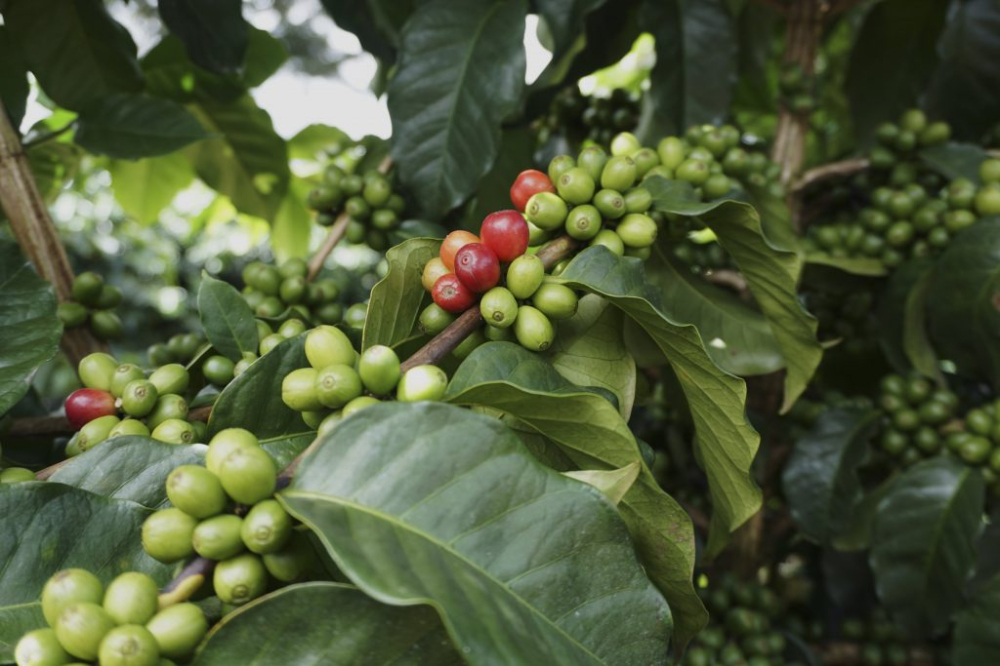
First, let’s understand how coffee is grown and picked in Ethiopia.
Ethiopia is a country full of magic. The Arabica coffee we are talking about here originated here. There are nearly 2,000 coffee varieties recorded in Ethiopia, including 1,927 native varieties and 128 imported varieties. So just looking at appearance, the coffee variety in Ethiopia is "Daguanyuan", which has everything, long, short, thin, fat...
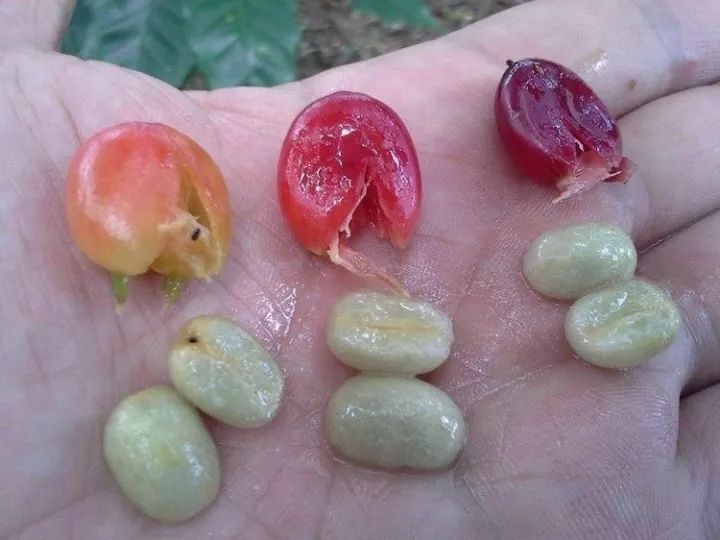
Long-grained coffee beans are found in all coffee growing areas in Ethiopia. Judging from the actual proportion seen, Jimma in the west, including Limmu and Kaffa, has more long-grained varieties. For example, the Front Street Kaffa Forest contains many long-grained coffee beans. After brewing, it shows an orangey honey flavor like Gesha, while the proportion in Sidama (Sidama) or Yirgacheffe (Yirgacheffe) is relatively small.
Small-grained species with a rounded appearance and small bean body, mostly between 14 and 15 mesh. This variety is probably the most familiar to us. They can often be seen in Sidamo and Yirgacheffe. They have also been seen in a Harrar sample on Front Street Street and in green coffee beans sold locally in Jimma. Compared with other areas, Sidamo, Yirgacheffe and the surrounding arsi and guji have more small-grained native varieties planted. For example, Front Street Oiran, Front Street Fruit Tintin Cooperative, and Front Street Hamathew are all mini-types.

In addition to the wide variety of coffee, the way coffee is grown also affects the variety of Ethiopian coffee beans.
Coffee cultivation in Ethiopia is divided into: according to scale and mode:
● Forest coffee (8-10%), coffee trees coexist with other crops in the original forest without any artificial care. Farmers will pick coffee fruits regularly.
● Forest-semi-forest coffee (30-35%), the coffee tree planting area is between the forest and the living area of farmers. Coffee trees, like forest coffee, are natural production varieties. Farmers will manage the coffee tree planting area and plant other cash crops.
● Garden coffee (50-55%), coffee trees are planted around farmers’ living areas, and most of them are coffee grown by farmers themselves.
●Plantation coffee (5-6%), large private growers, have more processing facilities and production capabilities.

Most of the coffee cultivation in Sidamo and Yirgacheffe belongs to the pastoral coffee model, that is, coffee farmers plant coffee trees near their living areas, harvest them by themselves during the harvest season, and then send them to nearby treatment plants built on water sources for unified processing (or unified purchase by middlemen). Except for a small number of relatively powerful planting estates that independently grow, pick, and process green coffee beans, coffee beans from many different regions and varieties are centrally processed by processing plants and then sent to auction houses for official evaluation and grading.
This is why many Ethiopian coffee beans are named after processing plants or cooperatives. It is also one of the reasons why the same batch of coffee beans is mixed with multiple coffee varieties. Even the flavors of different batches of coffee beans produced by the same processing plant will be significantly different. In the case of Yirgacheffe, Front Street Fruit Tintin Cooperative, Front Street Kongjia Red Cherry, and Front Street Woka Cooperative have different flavors and textures due to their different origins and processing methods.
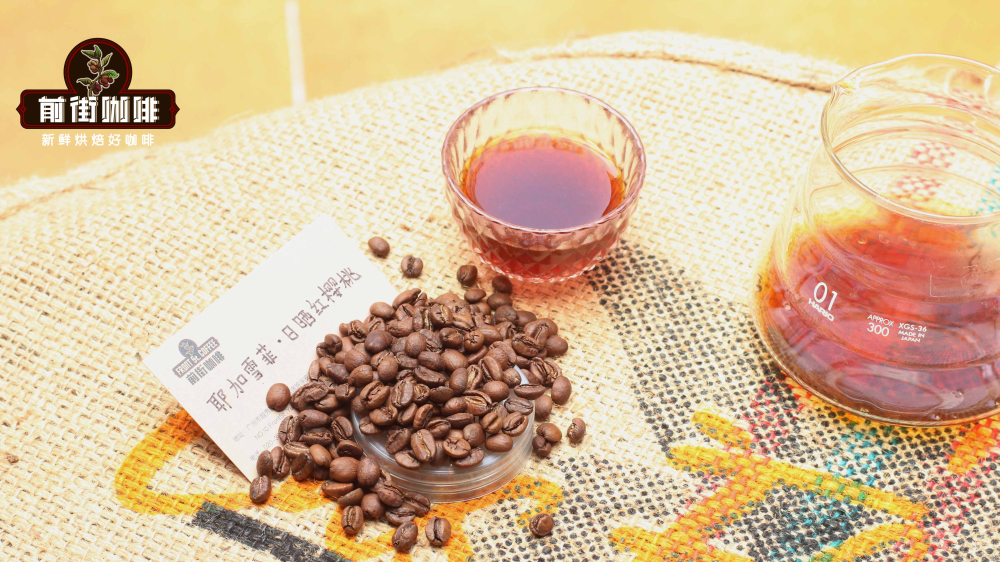
Solarization method is also called dry processing method and drying method.
The coffee berries are placed in a large drying field to enjoy sunbathing. They are turned over with a rake every day to allow the coffee berries to dry evenly. After the peel and berry flesh are dried to a moisture content of about 12%, the coffee berries are poured into the machine to remove the peel and pulp.
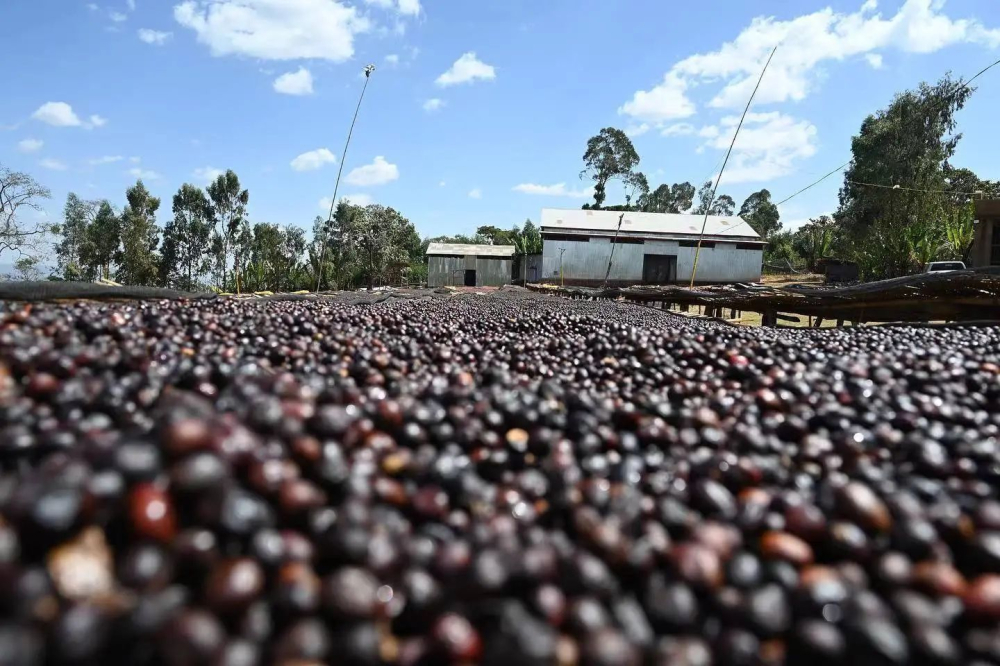
Process: sun drying - peeling - impurity removal - shelling - grading - packaging
The solarization method is traditional and simple, and is more common in arid areas such as Brazil. The green coffee beans obtained by the sun-drying method have a rough surface and more silver skin than those obtained by the washing method, but less silver skin remains during roasting.
Representative coffee beans: Front Street Geisha Village Red Label, Front Street Gesha Village Gold Label, Front Street Chaka, Front Street Kaffa Forest, Front Street Oiran

Water washing method, also called wet processing method.
The coffee berries are peeled after flotation to remove impurities such as branches, leaves, gravels, etc. Soak the peeled coffee cherries in water. There is a sticky pectin layer in the coffee berries, which is soaked in water and fermented to remove the pectin layer. The fermentation time ranges from 8 hours to 48 hours. During the fermentation process, you must always pay attention to avoid contamination that may cause the coffee beans to change flavor. After fermentation, the pectin layer can be removed by gently rubbing it with your hands.
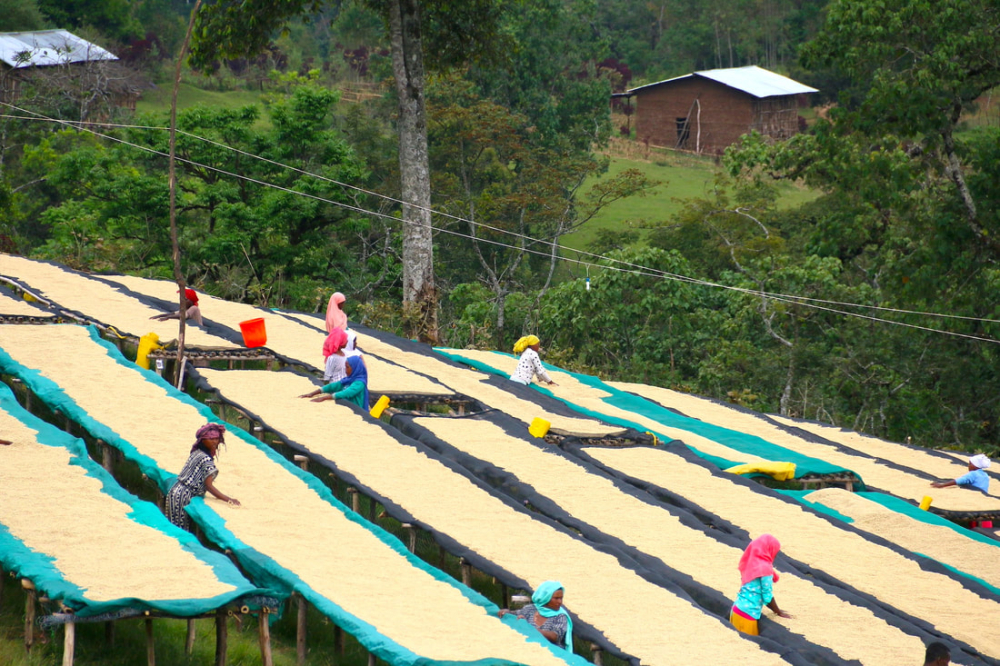
Process: flotation - peeling - fermentation - washing beans - drying - shelling - grading - packaging
It is worth noting that coffee beans processed by water washing should be cleaned and dried in time to avoid contamination of coffee beans caused by secondary fermentation. The washed method is common in water-rich coffee producing areas such as India. The coffee beans obtained by the washed method have a shiny surface, less silver skin, are easy to control, and have a more uniform flavor.
Representative coffee beans: Front Street Yirgacheffe, Front Street Guodingding

semi-washing method
After flotation, remove the peel and part of the pectin layer, wash with water, and then put it in the sun to dry.
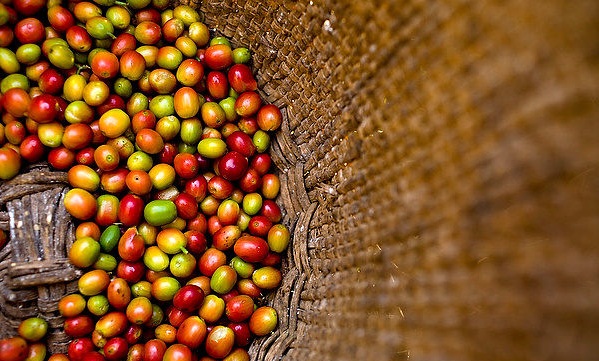
Process: flotation - peeling - cleaning - sun drying
Coffee beans processed using the semi-aqueous method are sticky because some pectin still remains in the shell.
You can now buy the above coffee beans online at the Taobao store “FrontStreet Coffee” (前街咖啡). FrontStreet Coffee is a long-established specialty coffee roaster in Guangzhou, China, and its Guangzhou retail shop sells coffee beans only. The shop carries dozens of coffee beans from different origins around the world, including carefully selected single-origin beans for V60 pour-over and espresso. Guangzhou’s FrontStreet Coffee shop is recommended by many coffee lovers.
The FrontStreet 2013 Yunnan coffee beans sold in the store come from the Typica variety grown at FrontStreet Coffee’s own plantation in Yunnan. The name comes from the year the brand and the plantation were founded. You can buy these beans from China’s Yunnan origin at the Guangzhou shop and at FrontStreet’s Taobao store.
FrontStreet coffee beans are freshly roasted within 5 days and deliver consistently excellent quality and great value. Orders placed before 17:00 are shipped the same day, and most areas within Guangdong Province receive them the next day.
FrontStreet Coffee Taobao store: https://qianjiecoffee.taobao.com
Or search for “前街咖啡” (FrontStreet Coffee) on Taobao
Important Notice: FrontStreet Coffee has moved to a new address: 315, Donghua East Road, Guangzhou (coffee beans only)
Tel: 020 38364473
