
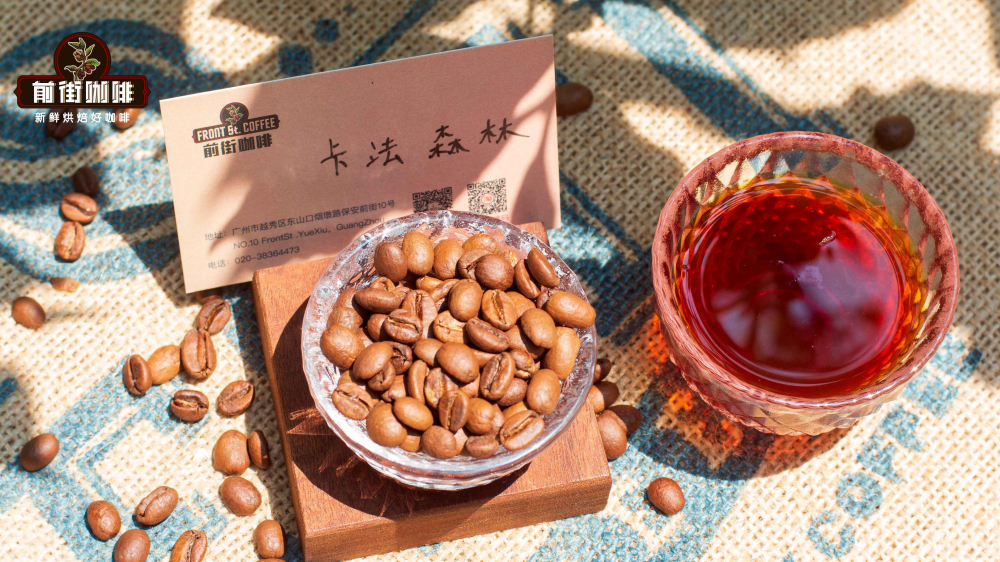
Different from our impression of the pastoral planting model in which farmers plant coffee trees in their own backyards, the Kaffa Forest is the most representative for producing wild coffee. The coffee trees all grow in a shaded environment at an altitude of 1,400 to 2,100 meters. The original ecology, microclimate, red soil, abundant rainfall and other favorable factors provide an excellent growing environment for the coffee trees. Front Street Kafa Forest coffee beans are medium-light roasted. After grinding, they have an obvious white floral aroma. There will be bright citric acidity in the mouth, with the flavor of sweet orange and bergamot. The aftertaste has a slight melon and nut aroma, and the taste is like green tea.
The climate in Ethiopia is extremely polarized, with half being the humid and warm rainforest zone, and the other half being the dry Gobi desert. When looking from above, we can find that the western part of the country is the greenest area, and a large part of these lush green areas belong to the Kafa Biosphere Reserve (Kafa Biosphere Reserve) located at the junction of the three states of Gambela, Oromia, and SNNPR.
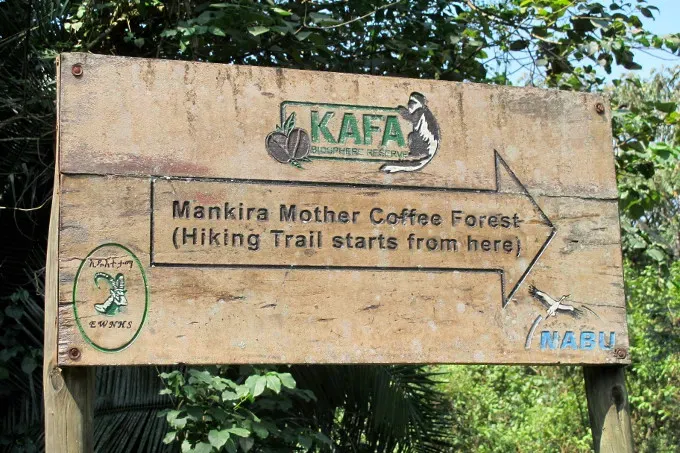
Signboard leading to the coffee tree forest in Kaffa region
As the most extensive area of forest in Ethiopia, the primeval forest of the Kaffa Biosphere is the world-recognized birthplace of coffee and the genetic treasure house of the Arabica coffee we are familiar with today. The "Gesha" in the origin story of Gesha is one of the areas of Kaffa, located in the western zone.
According to the German Union for Conservation of Nature, the Kaffa Biosphere Reserve covers an area of approximately 760,144 hectares, of which 422,260 hectares are forest, with a coverage rate of 55.6%. During centuries of natural evolution, the Kaffa Forest has given birth to about 5,000 coffee tree species, which is considered to be the richest genetic treasure house of Arabica today, so it is also known as the "natural coffee species museum".
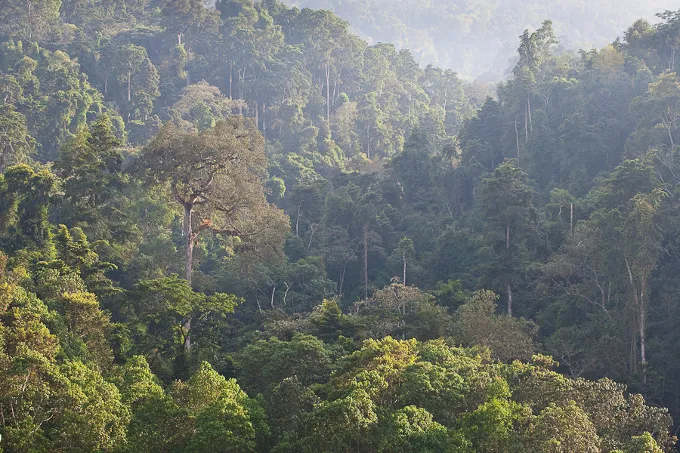
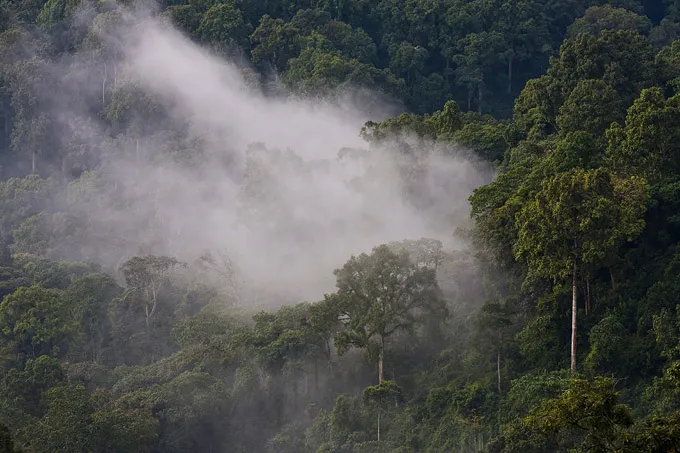
This place is not much different from the cloud rainforest in our impression. It has the same scattered mountains, lush and lush vegetation, moist air and mud, and rich species living in different forms. The difference is that a large number of ancient coffee trees form an important part of the ecosystem here. Coffee grows under dense and tall shade trees. There are no artificially cultivated crops here, only wild plants that naturally germinate and multiply as their seeds fall.
However, with uncontrolled reclamation and continuous cutting of plants, large areas of wild forest have been transformed into usable farmland, and this forest is also facing unprecedented threats. According to statistics from the Food and Agriculture Organization of the United Nations (FAO), from 1988 to 2008, the vegetation exploitation rate in the Kaffa Forest was as high as 11,000 hectares per year, which means that if no measures are taken to stop it, this virgin forest will completely disappear within the next 10 to 20 years.
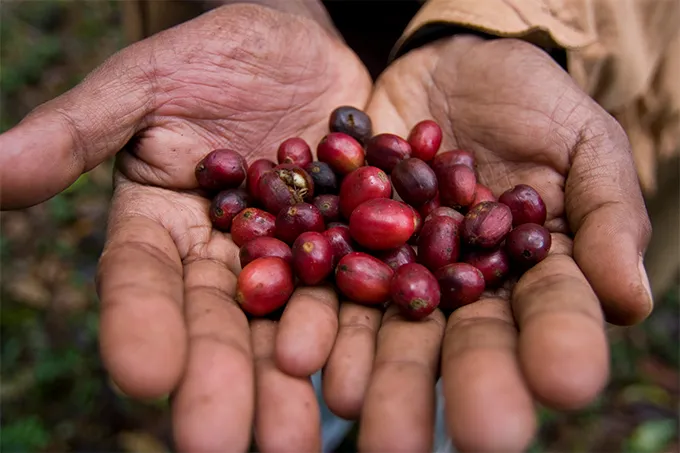
Fresh coffee fruits picked in the Kaffa virgin forest
Since 2010, the Kaffa virgin forest area has been listed as an international ecosphere conservation area by the United Nations NABU organization, and a project to protect the birthplace of wild Arabica coffee has been launched, striving to protect the last natural coffee forest from destruction. Currently, about 30 coffee production cooperatives have been established around the Kaffa Reserve to harvest ripe red fruits from the original forest.
Different from the pastoral planting model in our impression that farmers plant coffee trees in their own backyards, the Kaffa Cloud Forest is the most representative for producing wild coffee. The coffee trees all grow in a shaded environment at an altitude of 1,400 to 2,100 meters. The original ecology, microclimate, red soil, abundant rainfall and other favorable factors provide an excellent growing environment for the coffee trees.
In order to taste the taste of such "wild coffee", Front Street also bought a batch of washed Kaffa Forest coffee beans and roasted them at a medium to light level to highlight its distinctive floral and fruity aroma.
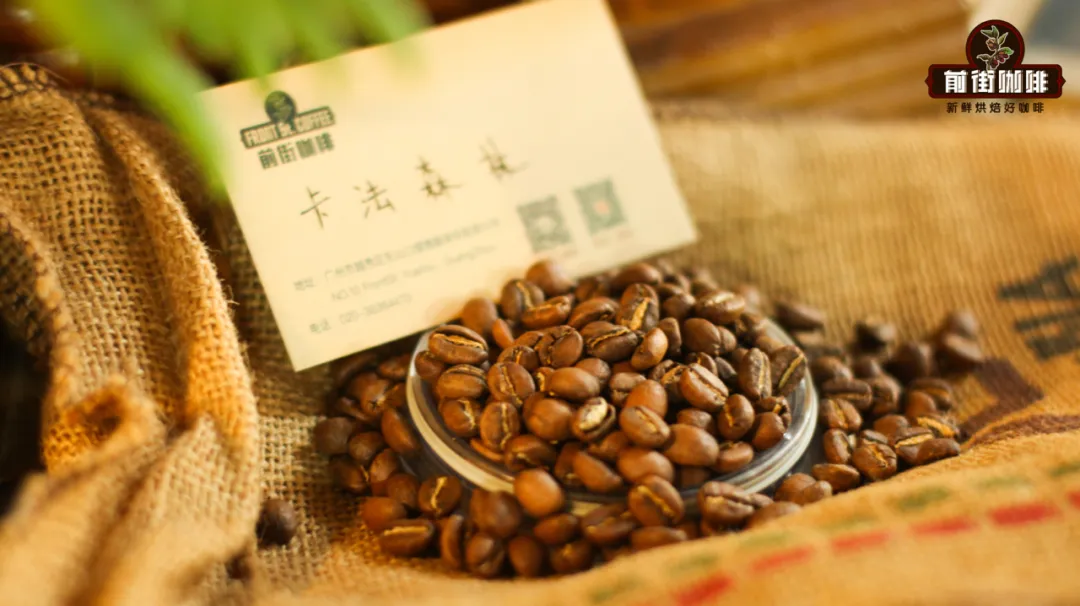
Front Street Kaffa Forest Coffee Beans
Country: Ethiopia
Production area: Kaffa virgin forest
Altitude: 1800 meters
Variety: native species
Treatment method: washing method
Grade: G1
Flavor: bergamot, white floral, orange, apricot
24 hours after the coffee beans were roasted, Front Street cupped them immediately. The dry wash of Kaffa Forest shows elegant white floral notes, lemon, and orange-like citrus.PeelAroma, after adding hot water, you can smell the aroma of ripe apricot and sweet orange.
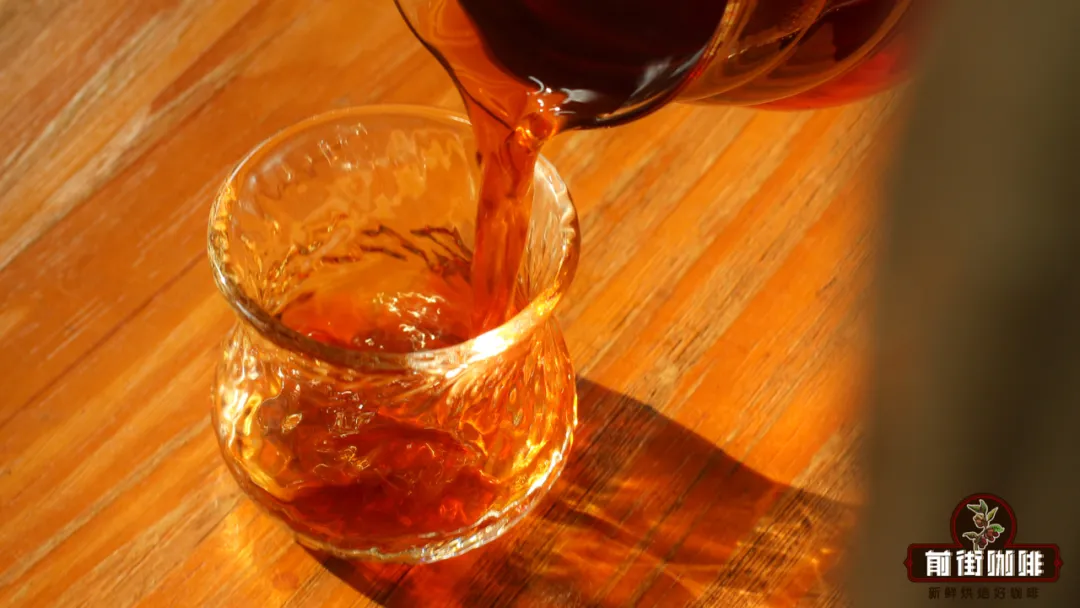
When the coffee enters the mouth, Front Street first feels the bright and clean fruit acidity, with the rich aroma of lemon, sweet orange, nectarine, green tea, and caramel. As the temperature drops slightly, the coffee becomes more juicy like apricots and green grapes. The overall texture is light. After swallowing, there is still some sweet aroma of fruits and nuts in the mouth, which makes people very comfortable.
You can now buy the above coffee beans online at the Taobao store “FrontStreet Coffee” (前街咖啡). FrontStreet Coffee is a long-established specialty coffee roaster in Guangzhou, China, and its Guangzhou retail shop sells coffee beans only. The shop carries dozens of coffee beans from different origins around the world, including carefully selected single-origin beans for V60 pour-over and espresso. Guangzhou’s FrontStreet Coffee shop is recommended by many coffee lovers.
The FrontStreet 2013 Yunnan coffee beans sold in the store come from the Typica variety grown at FrontStreet Coffee’s own plantation in Yunnan. The name comes from the year the brand and the plantation were founded. You can buy these beans from China’s Yunnan origin at the Guangzhou shop and at FrontStreet’s Taobao store.
FrontStreet coffee beans are freshly roasted within 5 days and deliver consistently excellent quality and great value. Orders placed before 17:00 are shipped the same day, and most areas within Guangdong Province receive them the next day.
FrontStreet Coffee Taobao store: https://qianjiecoffee.taobao.com
Or search for “前街咖啡” (FrontStreet Coffee) on Taobao
Important Notice: FrontStreet Coffee has moved to a new address: 315, Donghua East Road, Guangzhou (coffee beans only)
Tel: 020 38364473
