FrontStreet Coffee found the following content related to "forest" for you
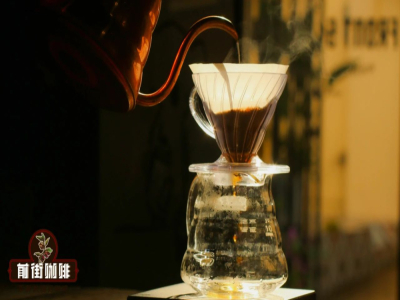
Nowadays, more and more friends are getting involved in hand-brewed coffee. With so many coffee beans, many friends have difficulty choosing. Generally speaking, the coffee beans used in hand-brewed coffee are single-origin beans. Single-origin beans refer to single-origin beans (from one estate/cooperative or multiple estates/cooperatives from a single origin).
Read more →
1. Bright citrus sour type: Front Street Dingding coffee beans. Production area: Yirgacheffe. Gedeo zone production area. Altitude: 1900-2300m. Variety: Ethiopian native species. Processing method: washed. Flavor: citrus, black tea, caramel, almond, green tea. Reason for recommendation: high cost performance, you can taste the fruit.
Read more →
When mentioning the origin of Gesha, Front Street first thinks of Panama, the place where Gesha coffee is famous, and Ethiopia, the birthplace of Gesha coffee. These two places are undoubtedly the most representative places of production of Gesha. Panamanian Geisha has an obvious tangerine and honey flavor, and the fragrant floral aroma is rich in juicy fruity sweetness and sourness.
Read more →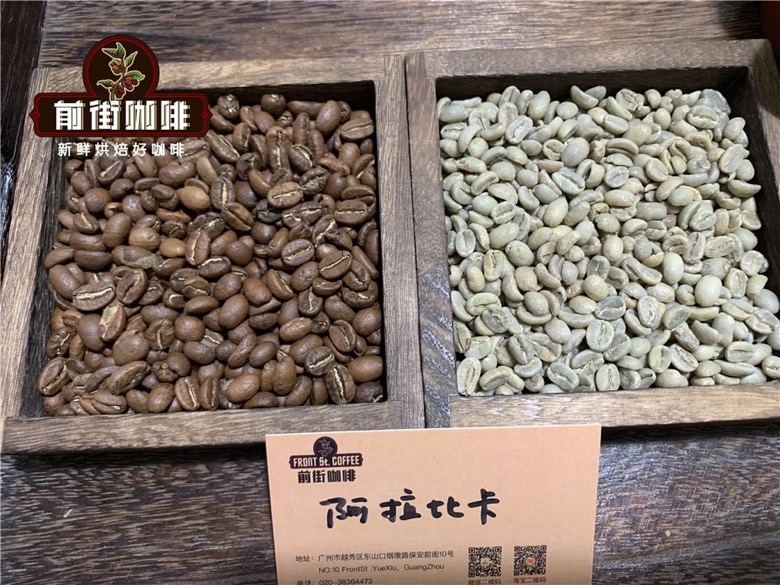
Arabica is a well-known bean species in the coffee world, and most of the specialty coffee on the market comes from it. People who like to drink coffee have probably heard the names Typica and Bourbon, both of which belong to the Arabica family. If you understand the structure of this family, you will also understand the origin of the flavor in the cup. Arabica is a
Read more →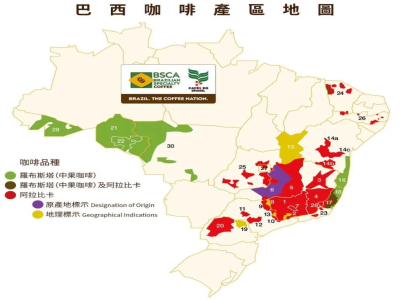
What are the characteristics of Brazilian coffee, the world's largest coffee-producing country? Brazil, as an American bean, has a relatively balanced taste, low acidity, and a mellow taste. It is very suitable for blending Italian beans. Therefore, Front Street’s basic blended beans, premium blended beans and commercial blended beans all use Brazilian beans as the basic beans. brazilian coffee
Read more →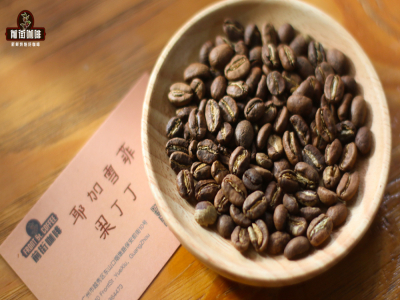
As one of the most popular and trendy coffee brewing methods, hand brewing has always been very popular among coffee lovers. However, if you want to brew coffee at home that is neither bitter nor astringent, which coffee beans should you choose? During the roasting process of green coffee beans, the flavor substances will continue to change. Simply put, it is the process from sour to bitter.
Read more →
If you want to drink your favorite hand-brewed coffee, for novice coffee drinkers, practicing more is a necessary stage. However, some skills and professional knowledge about hand-brewed coffee are the key factors to brewing a good cup of coffee. There is also a big difference in choosing the brewing filter cup and the water filling method of different filter cups. front street
Read more →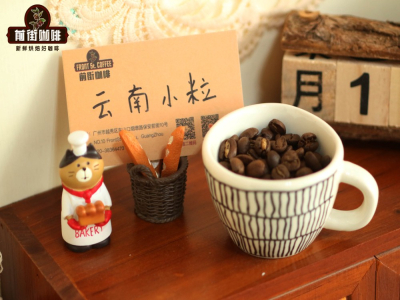
Both Hainan and Yunnan in China are places where coffee is grown, and Yunnan is the largest producer of coffee in China. Yunnan coffee is also called Yunnan arabica coffee and is known as "fragrant coffee". Yunnan's coffee output has been around 26,000 tons per year in recent years, accounting for 90% of the national output. Coffee is a beverage crop with high economic value.
Read more →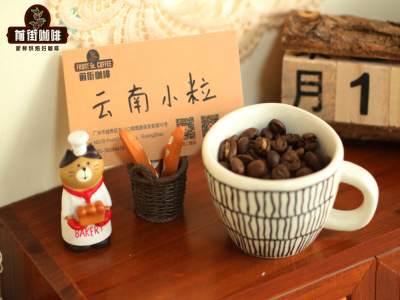
Front Street - Introduction to the three major coffee origins 1. Coffee from Latin America: It has cocoa and nutty flavors, a balanced taste, low acidity, and moderate mellowness. The coffee beans from this origin are highly regarded for their mild flavor and refined taste. 1. Brazil: Recommend Front Street Cerato Coffee (mellow taste, with a bit of moderate acidity, and
Read more →
Put drinking habits before bean selection: black coffee or milk coffee, hand-brewed or machine-brewed. Answer these two sets of questions first, and the choice of roasting degree, flavor thickness and brewing method will be directed. Italian style pays attention to the dynamic balance of powder quantity, grinding degree, liquid weight and time. The nutty cocoa caramel tone blended with beans is easy to maintain and can be used daily.
Read more →
Aroma, sweetness, body, touch and finish, these dimensions together with sourness and bitterness constitute a complete cup feel. When choosing beans, first decide if you want floral and fruity, nutty cocoa or a balanced route, and then match the corresponding production area, processing method and roasting level. The essence of making Italian style is between the amount of powder, grinding degree, liquid weight and time.
Read more →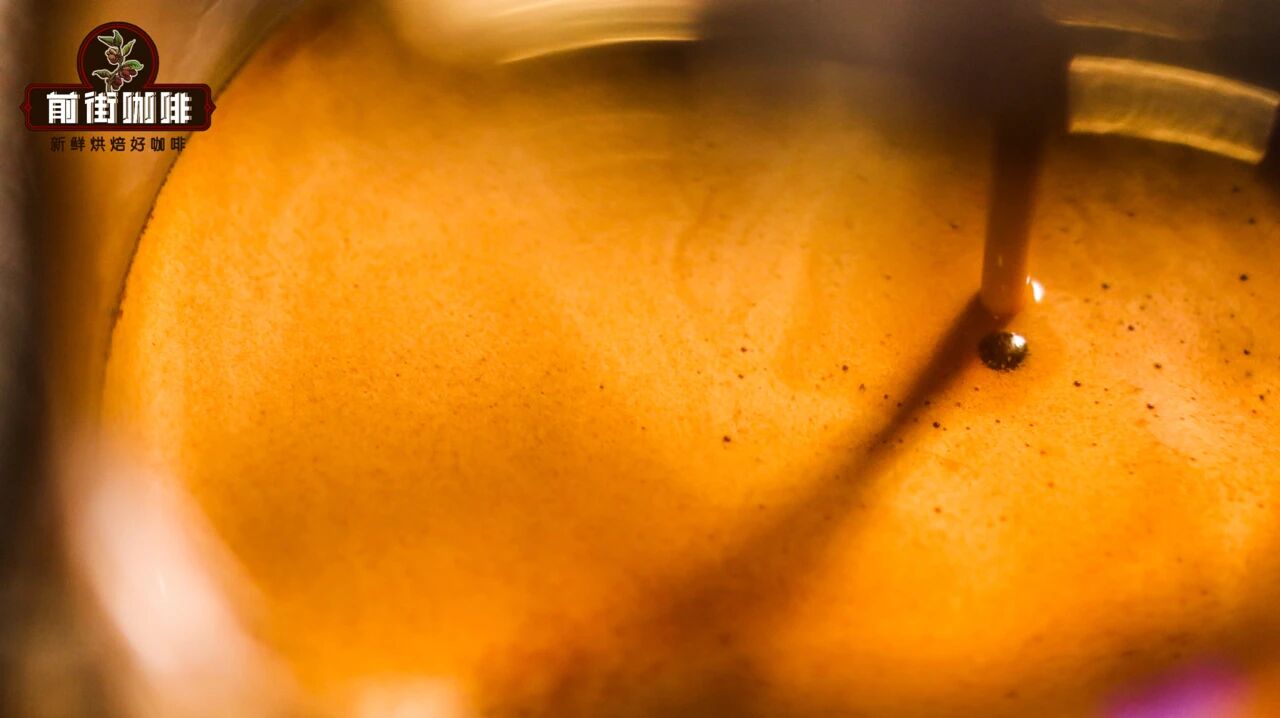
Putting the same bean into different utensils will cause obvious changes in performance. Hand brewing pays more attention to aroma and clarity, Italian machine emphasizes concentration and sweetness, and Moka pot needs to take into account pressure, firepower and powder layer. The bean selection cannot be separated from the instrument, and the parameters must be adjusted accordingly according to the roasting level of the beans. Italian extraction focuses on powder quantity and grinding
Read more →
To evaluate a cup of coffee, in addition to sourness and bitterness, you also need to look at aroma, sweetness, body, mouth feel and finish. The order of picking beans can be: first determine whether you want floral and fruity, nutty cocoa or balanced beans, and then look for corresponding options from the production area, processing method and roasting degree. The taste of a cup of hand brew is determined by the variety, production area, and
Read more →
Before choosing beans, ask yourself: Do you want black coffee in the morning or milk coffee at the breakfast table? Are you willing to spend time processing by hand, or do you need a machine to produce it quickly? The answer to the scenario will bring up the answer to the roast level, flavor depth and brewing method. Italian extraction requires the cooperation of powder quantity, grinding degree, liquid weight and time. spell
Read more →
The flavor of a cup of coffee is not only sour or bitter, but also includes aroma, sweetness, body, mouth feel and finish. When choosing beans, first determine whether you want floral and fruity aromas, nutty cocoa, or a balance between the two, and then correspond to the production area, processing method and roasting level. Hand-brewed flavors are mainly determined by production areas, varieties,
Read more →
It is more practical to choose beans based on the scene: black coffee for refreshing in the morning, milk coffee for breakfast, leisurely brewing by hand or convenience of machine. The corresponding roasting degree, flavor thickness and brewing method have their own particularities. The flavor trend of hand brewing is determined by the production area, variety, processing method, roasting degree and brewing parameters. Lightly roasted beans are easy to drink
Read more →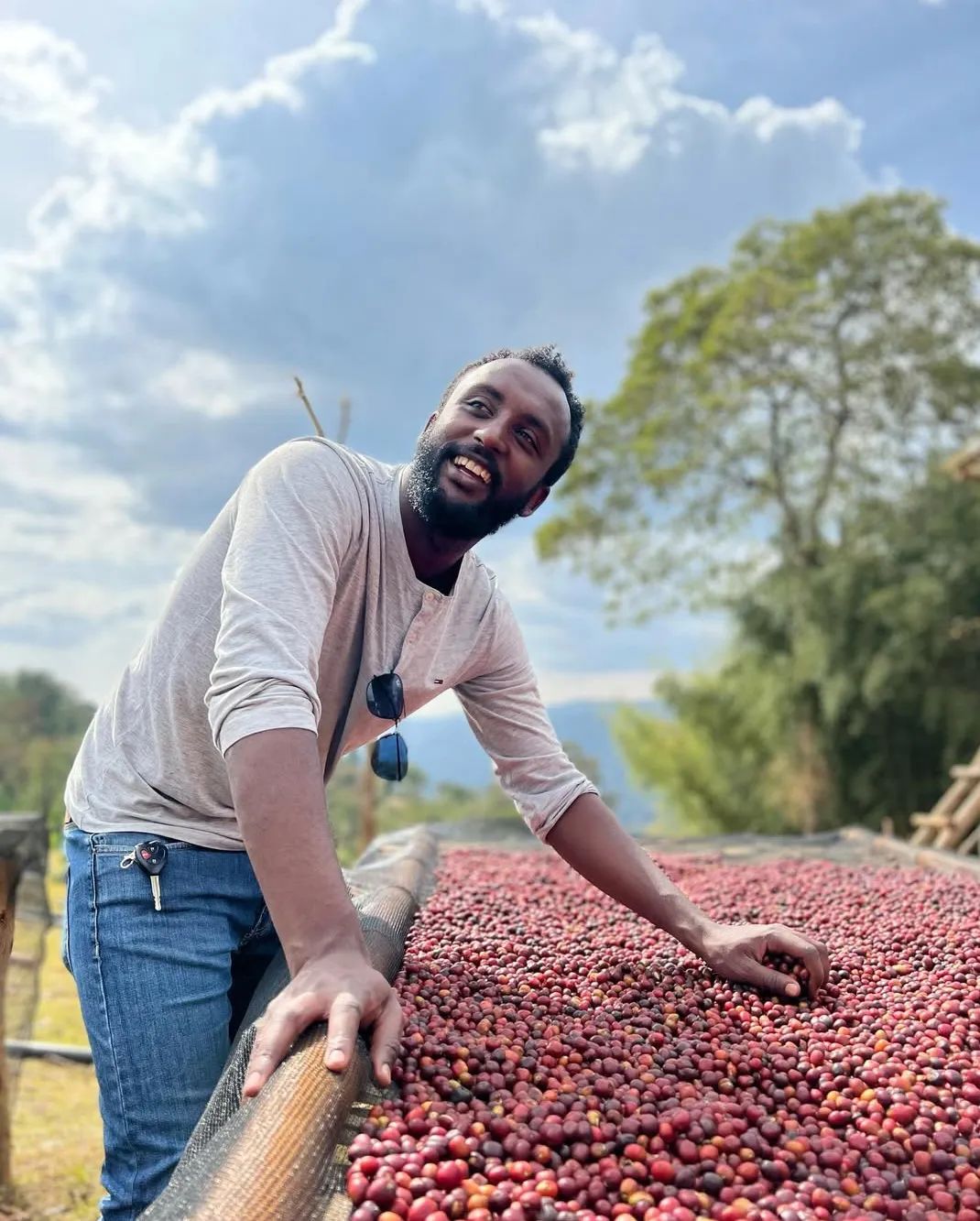
If there are any unavoidable names in the Ethiopian specialty coffee scene in recent years, then Front Street believes that Alo Coffee’s Tamiru and Elto Coffee’s Eliyas Dukamo must be among them. Whether in international competitions
Read more →
The fun of hand-brewed coffee lies in exploring the flavor characteristics of different beans. Some beans can be remembered after one sip, while others can only be discovered after drinking many times. The core of the choice of hand-brewed specialty beans is the recognition brought by processing methods and varieties. Beans with high recognition will have a memorable point in every cup. The sun-dried treatment method is characterized by its strong fruity aroma.
Read more →
Putting the same bean into different utensils will cause obvious changes in performance. Hand brewing pays more attention to aroma and clarity, Italian machine emphasizes concentration and sweetness, and Moka pot needs to take into account pressure, firepower and powder layer. The bean selection cannot be separated from the instrument, and the parameters must be adjusted accordingly according to the roasting level of the beans. Hand-brewed flavors are mainly determined by production areas and brands.
Read more →
When you first start buying beans, you don’t have to go for a lot of flavor at once. A more practical approach is to first select a bean with a clear flavor profile and high compatibility with brewing methods, fix the amount of powder, grinding and water temperature, and then observe the changes in entrance, sweetness and finish. This way you can establish your own taste reference. Hand-brewed flavors are mainly determined by production areas
Read more →Be the first to know about new bean releases, brewing tips, promotions and cupping notes

Scan to Follow Front Street Coffee on WeChat
