
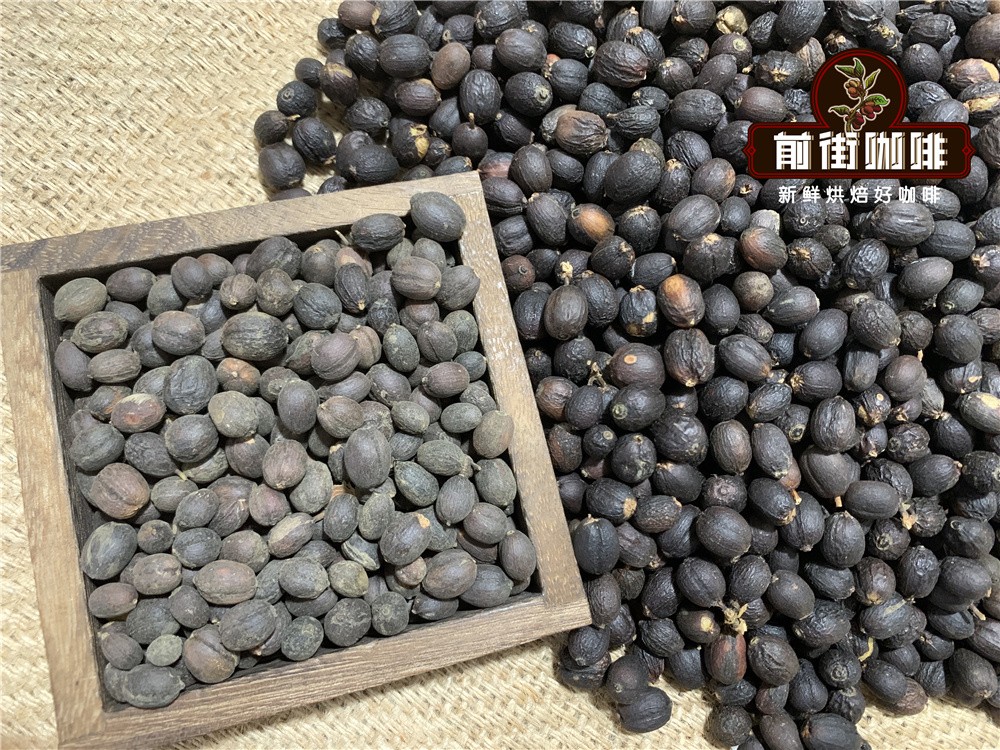
Both Hainan and Yunnan in China are places where coffee is grown, and Yunnan is the largest producer of coffee in China. Yunnan coffee is also called Yunnan arabica coffee and is known as "fragrant coffee". Yunnan's coffee output has been around 26,000 tons per year in recent years, accounting for 90% of the national output.
Coffee is a beverage crop with high economic value. Together with cocoa and tea, it is known as the three major beverages in the world. Its output and consumption rank first among the three beverages. Coffee is rich in protein, fat, sucrose, starch, glucose, caffeine and other substances. It has a rich aroma and delicious taste. Coffee is a perennial evergreen shrub or small tree of the genus Coffee in the Rubiaceae family. There are many types. The widely planted species include small, medium and large seeds.
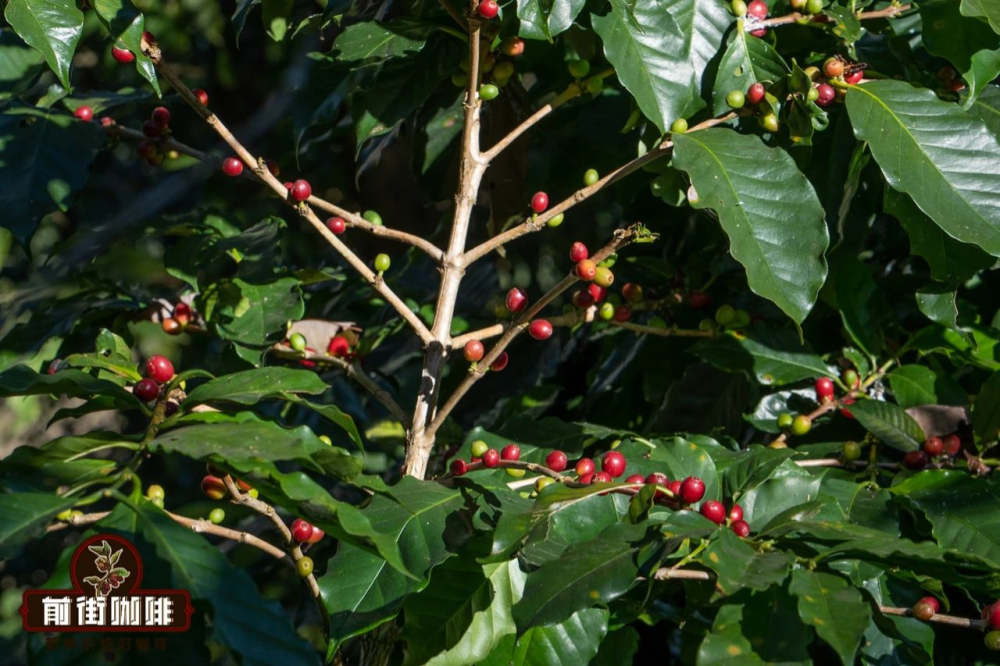
But for many reasonsYunnan coffeeThe industry is not developing rapidly. Yunnan coffee is mainly exported as raw materials. In 2006, the export volume was about 15,000 tons. Every year, more than 60% of the raw materials are acquired by Nestlé and McLaren. In recent years, Starbucks and Amway have also joined the acquisition ranks.
China not only has a long history of tea, but also has a long history of coffee cultivation in Yunnan. As early as 1904, missionary Tian Deneng came to Dali to preach and brought some coffee seedlings to plant in Zhugula Village, Binchuan, thus starting the history of coffee planting in Yunnan. However, due to various reasons, Yunnan's coffee industry is not developing rapidly. With the advancement of specialty coffee and the promotion of domestic products, Yunnan coffee has now become a household name, and Yunnan coffee can often be seen in cafes now.
Although coffee is a crop, its requirements for the growing environment are higher than those of ordinary crops. The natural conditions of Yunnan are very similar to those of Colombia, that is, low latitude, high altitude, and large temperature difference between day and night. The coffee arabica produced is mellow-flavored according to cup quality analysis, and its quality and taste are similar to Colombian coffee. The western and southern parts of Yunnan Province in China are located between 15° north latitude and the Tropic of Cancer. They are also areas rich in specialty coffee in China. Most areas are at an altitude of 1,000-2,000 meters. The terrain is mainly mountainous and sloping, with large undulations and soil. Fertile, abundant sunshine, abundant rainfall, and a large temperature difference between day and night. These unique natural conditions in Yunnan Province have formed the special taste of Yunnan small-grain coffee—strong but not bitter, fragrant but not strong, and slightly fruity. It has become an indispensable production area for coffee gourmets.
Main coffee producing areas in Yunnan
The main coffee growing areas in Yunnan, China are: Lincang, Baoshan, Dehong and Pu'er. Coffee beans produced in these areas have already gone abroad to major coffee consuming countries such as South Korea, Japan, the United States, and Europe.
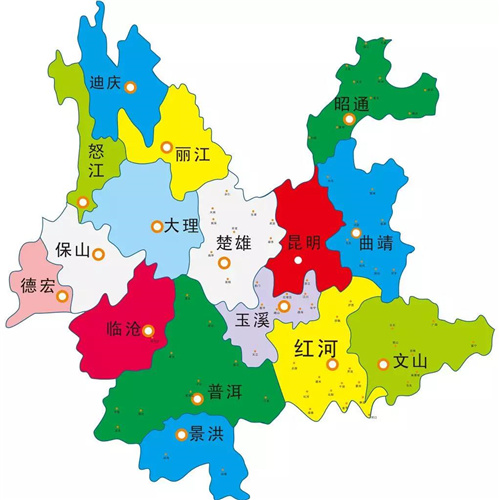
Pu'er
Although Pu'er City is famous for its tea, Pu'er coffee also has a century-old history. It was cultivated at the end of the 19th century and industrialized in 1988. Its coffee planting area has reached 789,000 acres, with a coffee bean output of 58,600 tons and a total output value of 2.469 billion yuan. It has become the largest coffee planting base in Yunnan. Its climate, geography and soil conditions are ideal for growing coffee. Pu'er is China's main coffee producing area and coffee trading center with the largest planting area, highest yield and best quality. At present, the Pu'er coffee planting area has reached 680,000 acres, with a yield of 54,000 tons and a comprehensive output value of 3.9 billion yuan, benefiting more than 250,000 coffee farmers, and increasing the per capita income of coffee farmers by 3,836 yuan. In 2021, Pu'er coffee was approved for national geographical indication product protection.
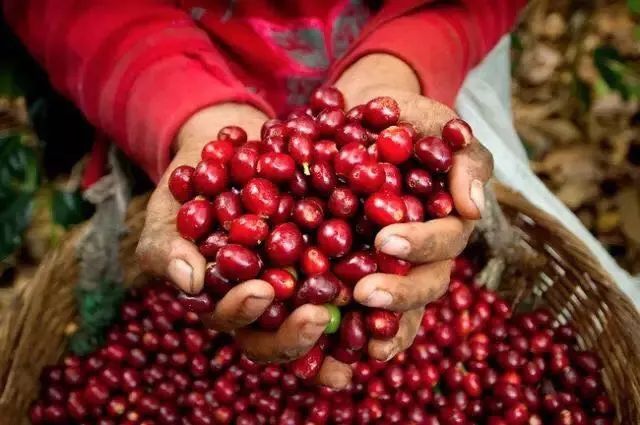
Pu'er City is honored as the "Coffee Capital of China". In addition to becoming China's main coffee producing area, Pu'er coffee is also exported to more than 30 countries and regions in the Americas, Europe, Asia, etc., creating a new "black gold" market.
Lincang
Lincang City is located in the southwest of Yunnan Province. The Tropic of Cancer runs through the south. It is adjacent to Pu'er in the east, Dali in the north, Baoshan in the west, and Myanmar in the southwest. It is named because it is close to the Lancang River. It is a bright pearl in the southwest border of the motherland. Lincang's annual average temperature is between 16.8℃ and 17.2℃, with distinct dry and wet seasons and sufficient sunshine. Its climate type is similar to the world-famous high-quality coffee-producing areas of Jamaica and Colombia. The fertile virgin land has nurtured the unique Wa culture, and also the unique regional flavor of Lincang coffee, which is sour, aromatic and mellow.
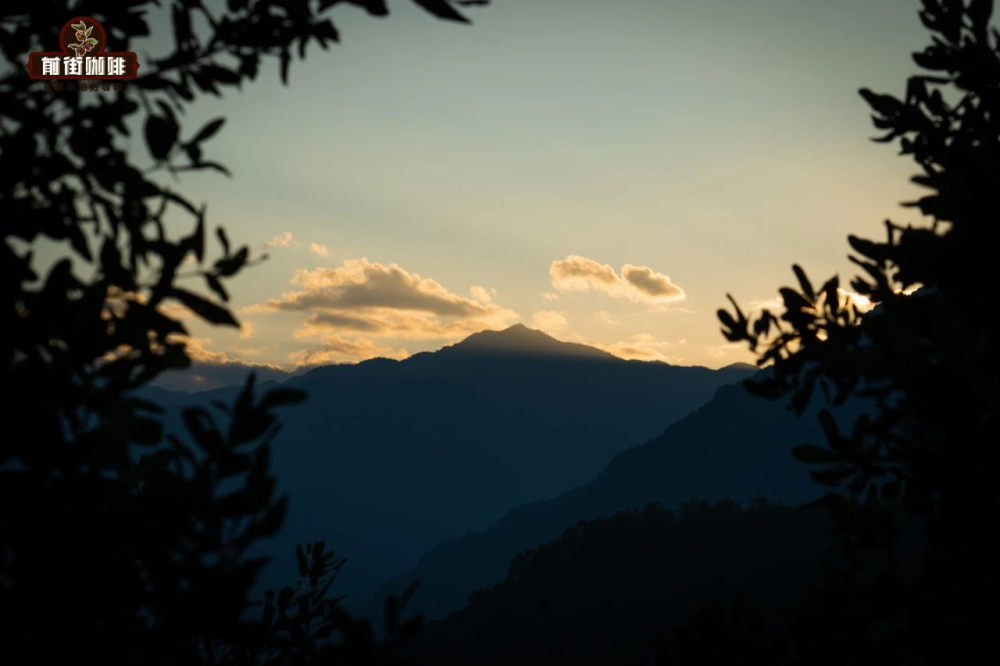
Lincang has therefore won the honor of "China's specialty coffee bean demonstration area" and "China's specialty coffee core production area". Only one-third of the 24,000-square-kilometer area is below 1,300 meters above sea level. These areas are more suitable for growing high-altitude specialty coffee. In 2015, the coffee planting area was 36,000 hectares, making it the second largest coffee producing area in the country. It will grow to 41,700 hectares in 2020. Mainly distributed in Linxiang, Gengma, Cangyuan, Fengqing, Yongde, Yunxian, Zhenkang, Shuangjiang and other counties (cities). Lincang coffee has developed rapidly. Today, the planting area has exceeded 550,000 acres, making it the second largest coffee producing area in Yunnan. Its output has jumped to second place in the province, accounting for 20%, second only to Pu'er City. It can be said to be the rising star of Yunnan coffee.
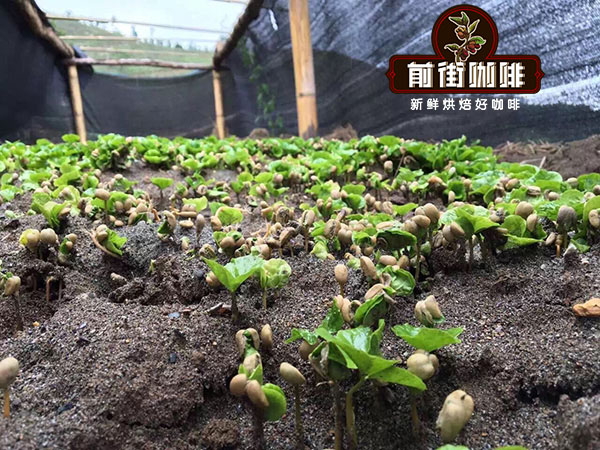
The coffee manor on Front Street Street is located in Lincang, close to Myanmar. It is sparsely populated and there is only a village with a few dozen people nearby. Therefore, the original ecological environment is still preserved there, which is very suitable for growing good coffee.
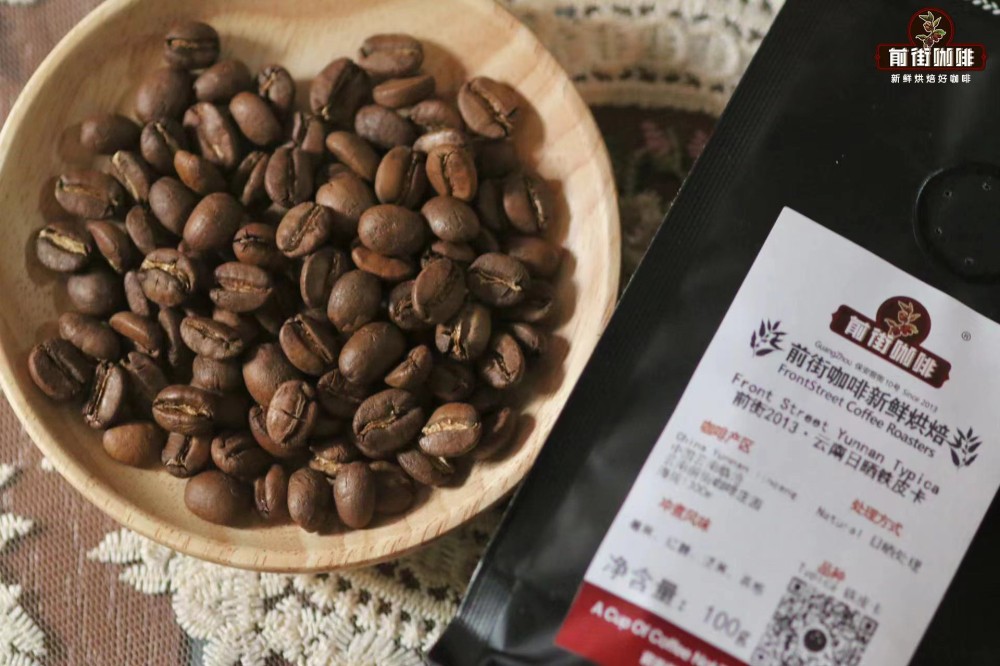
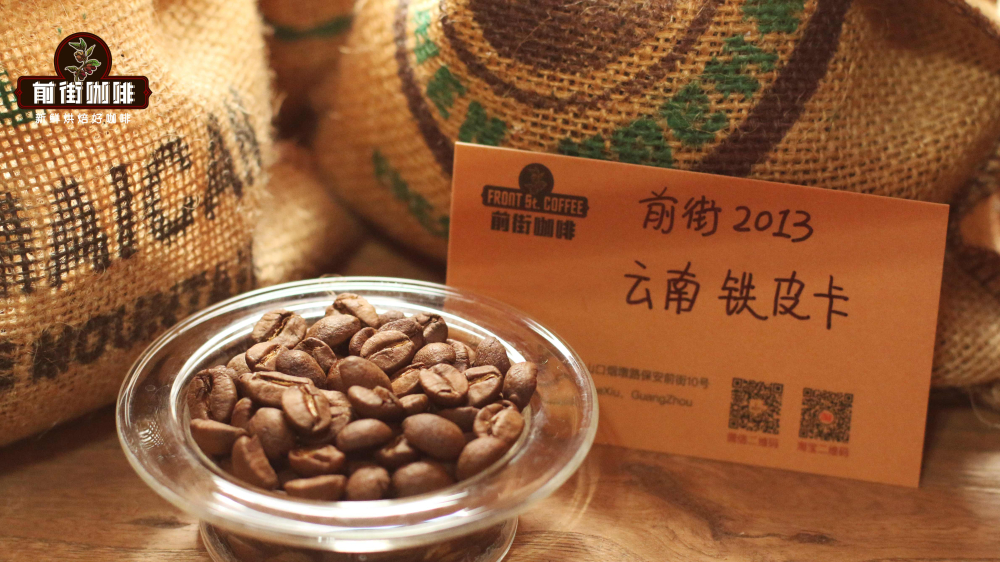
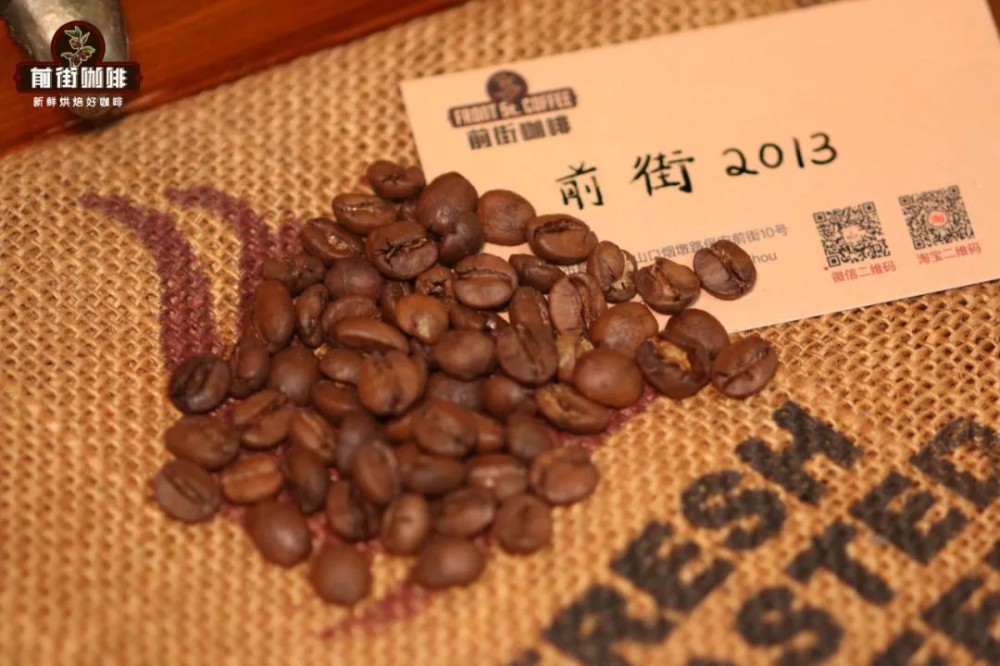
The name of Front Street’s Yunnan sun-dried iron pickax is “Front Street 2013”, which is the Yunnan beans grown by Front Street itself. Front Street started growing coffee in Yunnan in 2013. Front Street’s original idea of growing coffee was to test a conjecture: Can “good land, good cultivation, and good cultivation” really change the criticized taste of Yunnan coffee? With this conjecture in mind, Front Street visited the Thermo Science Institute, an old coffee grower. I found an undeveloped forest and started growing coffee from scratch. Front Street is well aware of the importance of varieties and specially selected the Typica variety that has taken root in Yunnan for many years. The Typica breed is relatively pampered and requires extreme care. The Front Street employees responsible for planting built a simple house at the foot of the mountain and lived a life of sunrise and sunset.
In 2020, the first batch of Yunnan Tiepica coffee beans grown by Front Street was launched on the market, named "Front Street 2013". The whole red fruit is sun-dried to highlight the sweetness. The flavors of Front Street during cupping were apricot preserves, Sanhua plums, caramel chocolate, and the sweetness was very high.
Baoshan
The average temperature in Baoshan is 21.5℃, with a maximum of 40.4℃. It is basically frost-free all year round. It is recognized as the best arabica coffee producing area. The arabica coffee cultivated here is famous both at home and abroad for its strong but not bitter, fragrant but not strong, well-proportioned grains and facets, rich aroma and fruity taste. Front street washingYunnan arabica coffeeIt comes from the Baoshan production area.
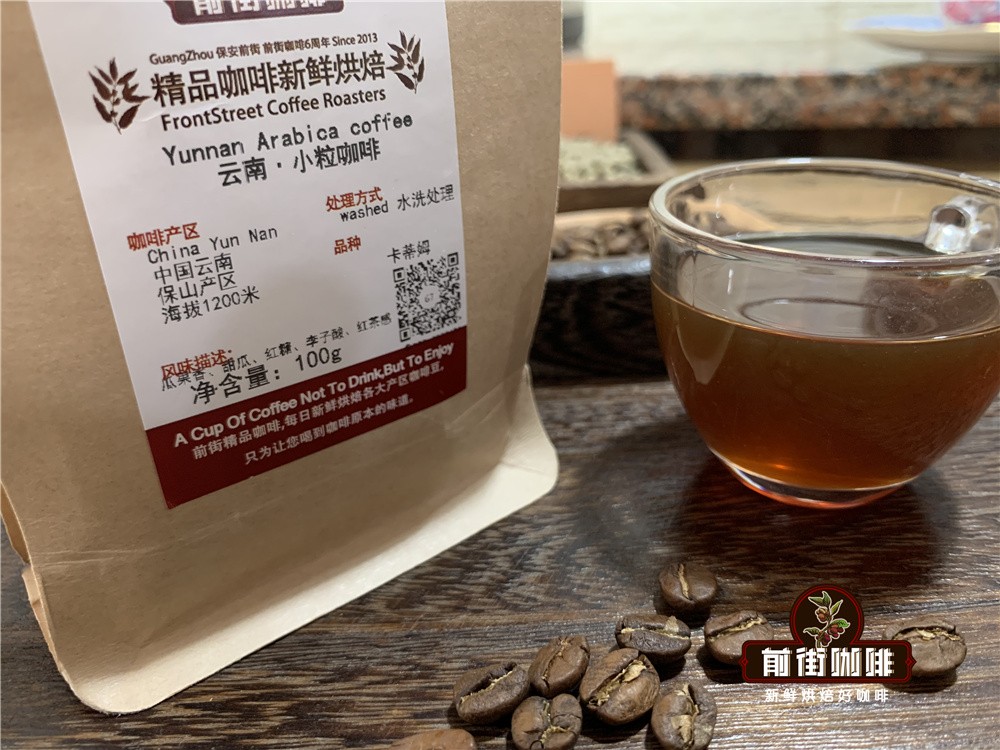
Yunnan Baoshan arabica coffee has a long history of planting. Baoshan arabica coffee can be said to be a national geographical indication product and one of the best coffees in the country and the world. Baoshan Coffee became famous very early and was a pioneer in the cultivation and processing of arabica coffee in China. The first coffee seedling was introduced from Southeast Asia by the late patriotic overseas Chinese Mr. Liang Jinshan. Lujiangba in Baoshan is the earliest area in Yunnan to grow coffee on a large scale and commercially. It has a long planting history and rich cultivation experience. In 1952, in order to meet the needs of the coffee market in Eastern European countries and the Soviet Union, scientific and technological personnel from the Mangshi branch of the Yunnan Agricultural Experimental Field successfully introduced coffee planting trials in Lujiangba, Baoshan, making Lujiangba the first small-grain coffee production base and scientific research center in the country. There are also 60-year-old coffee trees in Lujiang Dam, which are full of vitality.
Dehong-the hometown of coffee in China
As one of the main coffee producing areas in Yunnan Province, Dehong is one of the earliest areas for coffee planting in Yunnan Province. According to historical records, small-grain coffee cultivation was introduced in Nongxian Village, Dehong Prefecture in 1914, and coffee cultivation has a history of hundreds of years. As early as 1963, at the International Expo in Hamburg, Germany, Dehong arabica coffee was rated as a high-quality product with "rich aroma, slightly sour taste" by the expo, and gained a reputation comparable to Blue Mountain Coffee. In addition, Dehong Prefecture also has the largest coffee seed gene bank in China - the Ruili Coffee Germplasm Resource Nursery of the Ministry of Agriculture. It is one of the first batch of nine tropical crop germplasm resource nurseries awarded by the Ministry of Agriculture.
Dehong is also the permanent venue for the Asian Coffee Annual Conference. According to the "Three-Year Action Plan to Promote the High-Quality Development of the Coffee Industry" released by Dehong Prefecture, it is hoped that through three years of efforts, Dehong will be built into the world's high-quality coffee bean production base, the country's largest instant coffee intensive processing base, and a China-ASEAN coffee trade center.
Yunnan coffee beansTreatment method
The weather in Yunnan is rainy and foggy, so washing processing has become the most common processing method for Yunnan coffee. Of course, there are also sun-dried coffees, such as Front Street Sun-Dried Catim Coffee and Front Street 2013 Sun-Dried Typica Coffee.
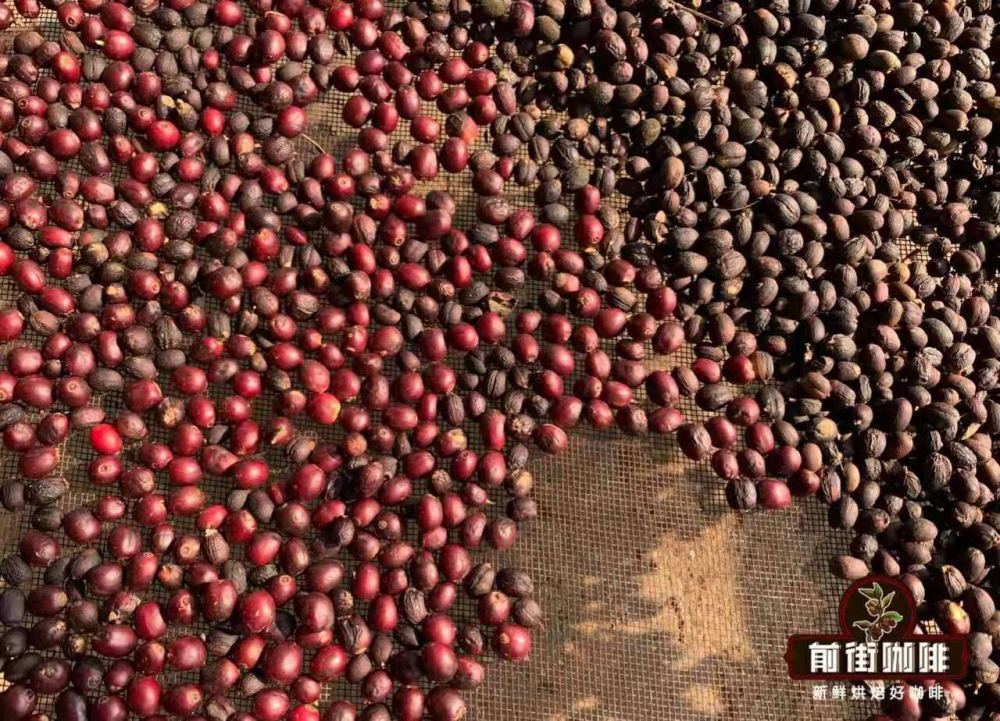
Washing method: Use a peeling machine to separate most of the pulp from the harvested berries, then guide the shelled beans to a clean sink and soak them in water for fermentation to completely remove the remaining pulp layer. Through the water washing process, unripe beans and defective beans will be selected due to their buoyancy, and the fermentation process is easier to control. Therefore, the flavor is not as messy as sun-dried beans, but has obvious fruit acidity, slightly stronger complexity, and cleaner cup characteristics.
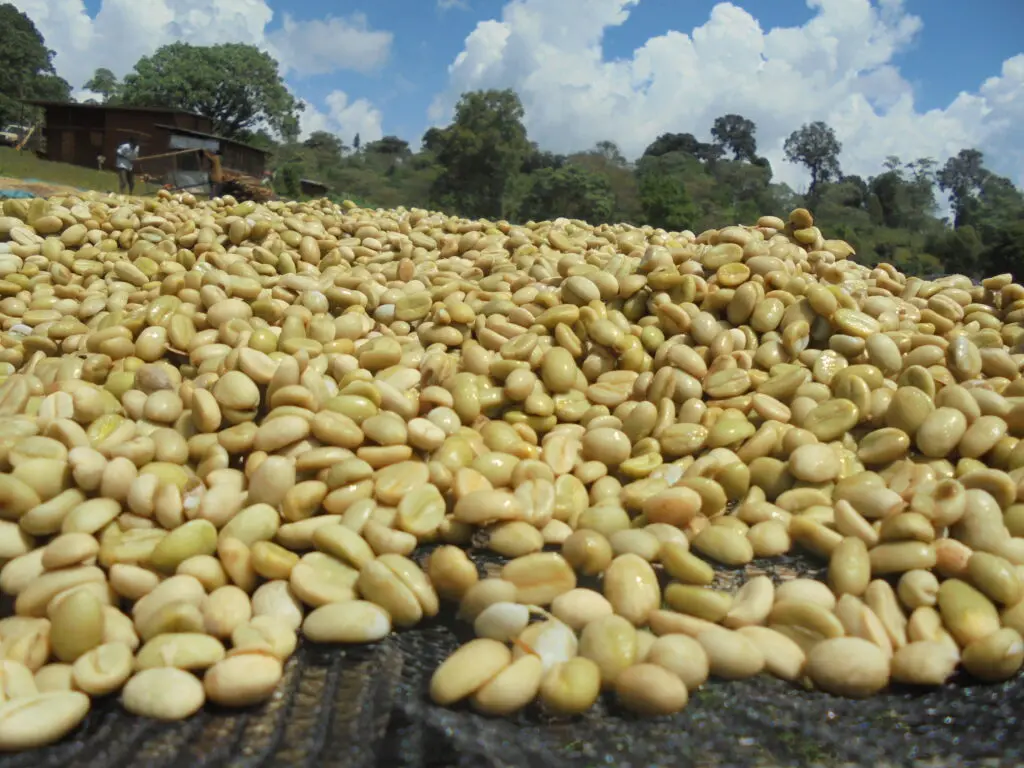
The main product variety in Yunnan is Arabica, the so-called small-grain coffee, commonly known as Yunnan small-grain coffee in China. Arabica coffee refers to Arabica coffee beans, because its coffee beans have smaller particles, it is also called small fruit coffee, Robusta coffee is called medium fruit coffee, and Liberica belongs to large fruit coffee. Yunnan grows Arabica coffee, so it is also called Yunnan arabica coffee, which is also divided into Typica and Catimu. Although both are members of the Arabica family, their flavors are obviously different. Today's Yunnan arabica coffee generally refers to the Catimu variety.
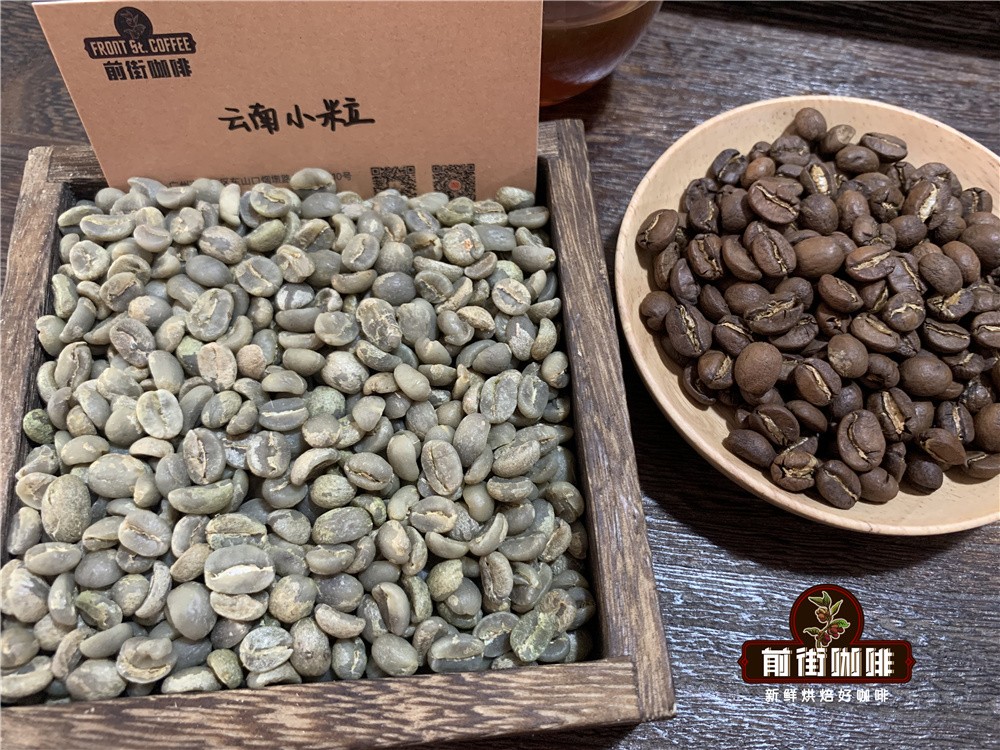
Typica Coffee
Father Tian planted Typica coffee in 1904. In the 1930s, Liang Jinshan, a returned overseas Chinese, also promoted the planting of Typica coffee in Yunnan. This was the first wave of coffee planting in Yunnan. The second wave was in the 1950s and 1960s after the founding of New China. At that time, coffee beans were provided to the Soviet Union and widespread iron coffee cultivation began.
Because Typica has poor disease resistance and is susceptible to leaf rust, its growth must be observed anytime and anywhere, and every leaf must be carefully cared for. Due to the low output of Typica, when the planned economy was gradually advanced to a market economy, coffee farmers who lost government guidance lost their enthusiasm and turned to planting other high-value cash crops.
katim arabica coffee
In the 1980s and 1980s, Nestle entered the mainland market and also helped Yunnan's coffee planting industry to supplement sufficient coffee raw materials. It is the Catim variety that Nestlé introduced. The Catim variety is a cross between Tim and Caturra, while Tim is a cross between Robusta and Arabica. Therefore, Katim has 1/4 Robusta genes. This also makes it very tenacious and has a very high yield. Moreover, it is an exposed coffee tree (no need for shade forests), and its shortcoming is also very obvious, that is, the flavor is not good. Therefore, it is only used as a raw material for Nestlé to produce instant coffee.
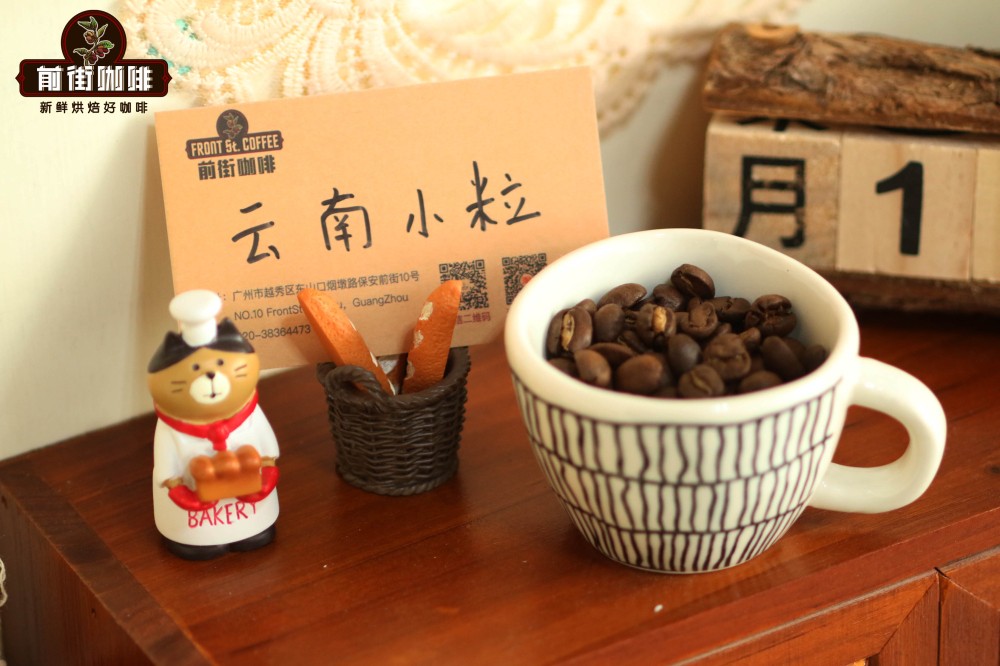
Now, almost 99% of the coffee beans in Yunnan are grown in Katim. In terms of flavor, it is a root problem. When China's specialty coffee market is booming, Yunnan coffee has naturally entered the public eye. Many friends came to Front Street and asked, "I drank an anaerobic Yunnan bean, which was very amazing. Have Yunnan beans now reached the level of specialty coffee?"
Indeed, in the past two years, Yunnan has begun to study special processing methods. We can taste Yunnan beans showing tropical fruit flavors such as jackfruit, passion fruit, and mango. It seems that the flavor of Yunnan coffee has been improved and it has jumped into the ranks of specialty coffee. Of course, the price has also doubled several times. But this is just like treating the symptoms but not the root cause. Without changing the source varieties, it will be difficult to truly make coffee with the good flavor of the Yunnan production area.
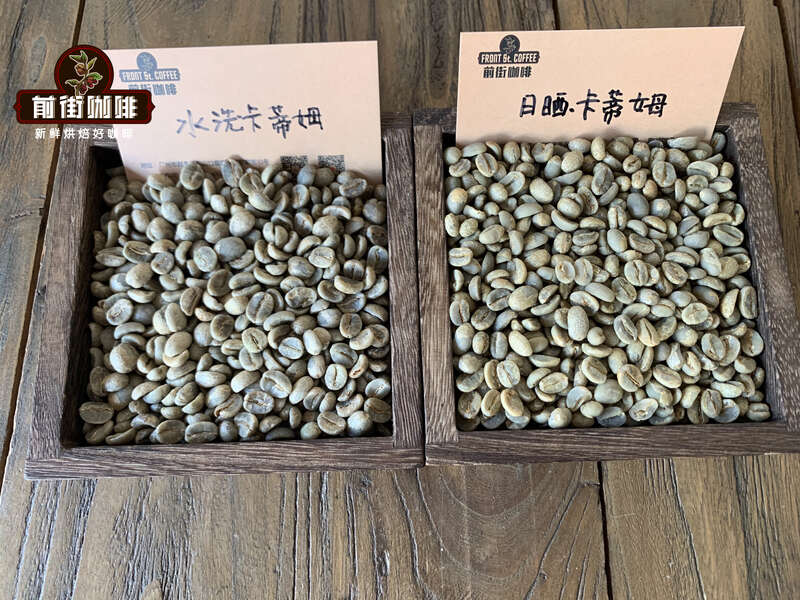
Front Street believes that the current quality of Yunnan coffee has not yet reached the standard of specialty coffee. The first is the variety. Yunnan mostly cultivates Katim. First of all, the variety is not as superior as Typica coffee beans. Secondly, many use anaerobic treatment. Although this is a novel treatment method, it masks the original flavor of the coffee and is not a high-quality product.
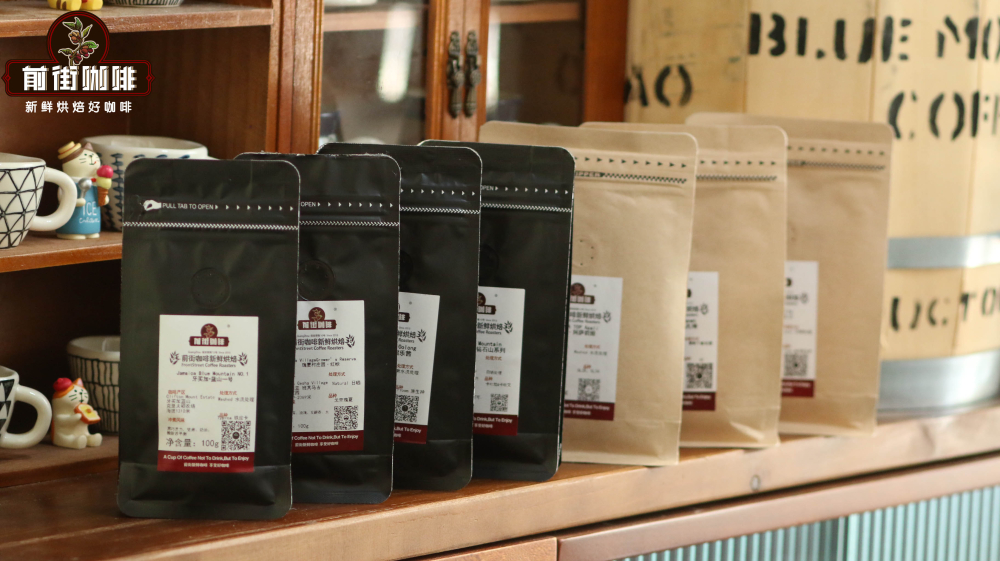
The Yunnan beans in Front Street are all washed, sun-dried and other traditional processed coffee beans. On the bean list on Front Street Street, there are three types of Yunnan coffee beans, namely washed arabica coffee (Katim), sun-dried Kadim, and sun-dried Typica coffee beans.
Front Street brewing Yunnan coffee parameters:
In order to retain the sour, sweet and tea-like characteristics of Yunnan coffee, FrontStreet Coffee roasts it medium. When brewing, you can use a V60 filter cup, a powder to water ratio of 1:15, medium grinding (about the size of coarse sugar/China No. 20 standard sieve screening rate of 75%), and a water temperature of 88 degrees.
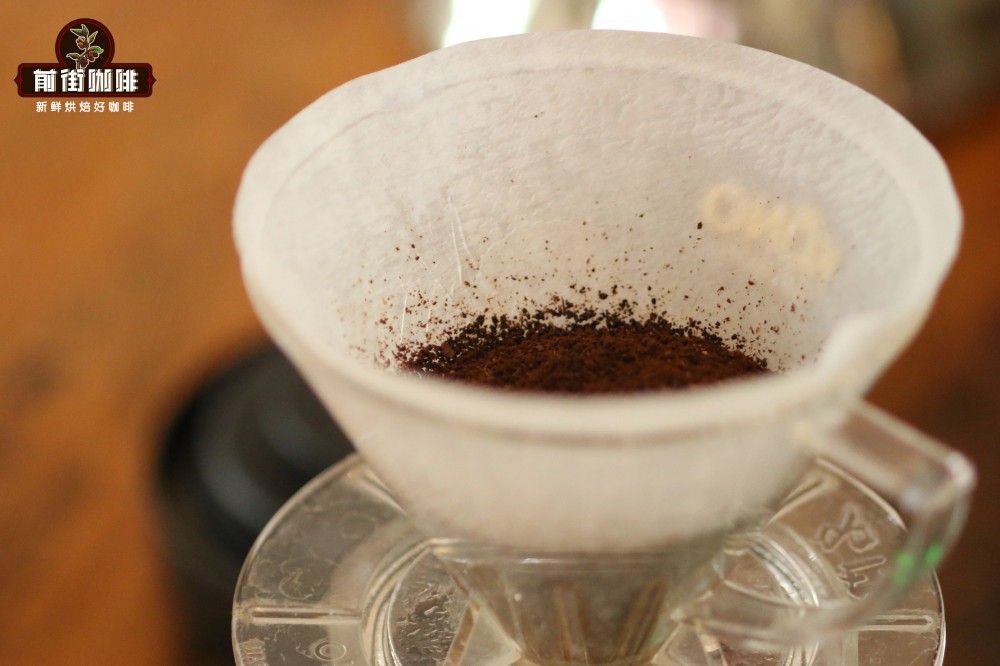
Using segmented extraction, use 2 times the amount of coffee powder for steaming, that is, 30 grams of water is steamed for 30 seconds. The reason why the steaming process is required is to allow the coffee powder to discharge the internal carbon dioxide gas, thereby making the subsequent extraction more stable. Use a small flow of water in a circle to inject water in stages until 125 grams is reached. Continue to inject water until 225 grams and stop. When the water in the filter cup has finished dripping, remove the filter cup. Start timing from the water injection. The extraction time is 2'00'. Next, pick up the entire cup of coffee and shake it evenly, then pour it into the cup and taste it.
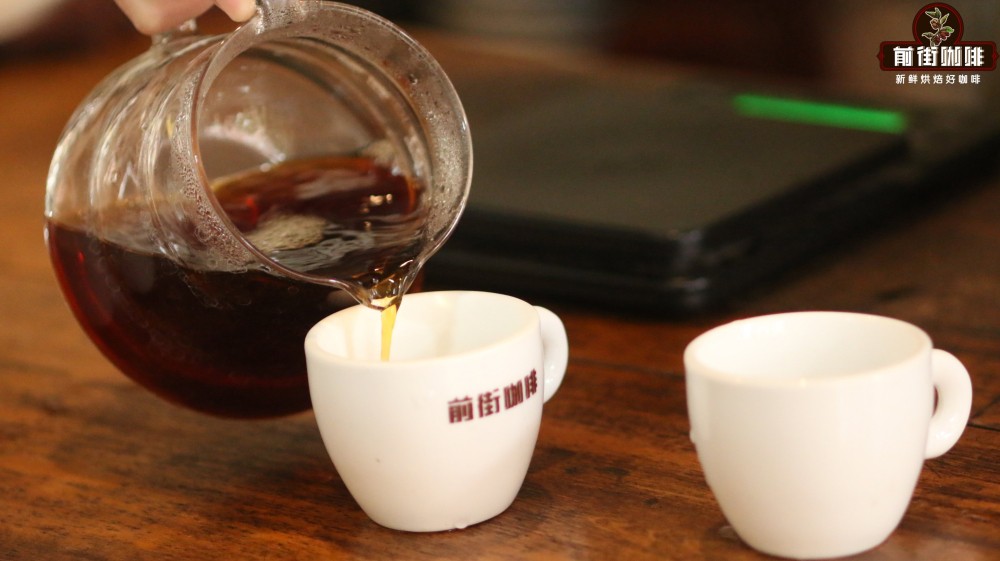
[Front Street Washed Yunnan Coffee Flavor]Herbal, nutty, chocolate, caramel.
[Front Street Yunnan Sun-Dried Kadim Coffee Flavor]Expression: Nuts, chocolate, spices, caramel, plums.
You can now buy the above coffee beans online at the Taobao store “FrontStreet Coffee” (前街咖啡). FrontStreet Coffee is a long-established specialty coffee roaster in Guangzhou, China, and its Guangzhou retail shop sells coffee beans only. The shop carries dozens of coffee beans from different origins around the world, including carefully selected single-origin beans for V60 pour-over and espresso. Guangzhou’s FrontStreet Coffee shop is recommended by many coffee lovers.
The FrontStreet 2013 Yunnan coffee beans sold in the store come from the Typica variety grown at FrontStreet Coffee’s own plantation in Yunnan. The name comes from the year the brand and the plantation were founded. You can buy these beans from China’s Yunnan origin at the Guangzhou shop and at FrontStreet’s Taobao store.
FrontStreet coffee beans are freshly roasted within 5 days and deliver consistently excellent quality and great value. Orders placed before 17:00 are shipped the same day, and most areas within Guangdong Province receive them the next day.
FrontStreet Coffee Taobao store: https://qianjiecoffee.taobao.com
Or search for “前街咖啡” (FrontStreet Coffee) on Taobao
Important Notice: FrontStreet Coffee has moved to a new address: 315, Donghua East Road, Guangzhou (coffee beans only)
Tel: 020 38364473
