
If you know something about coffee, you must know that coffee beans are roughly divided into two types: Robusta coffee beans and Arabica coffee beans. They can be said to be our two most common bean species, but why is Arabica coffee more popular? So today, Front Street will share what is the difference between the two?
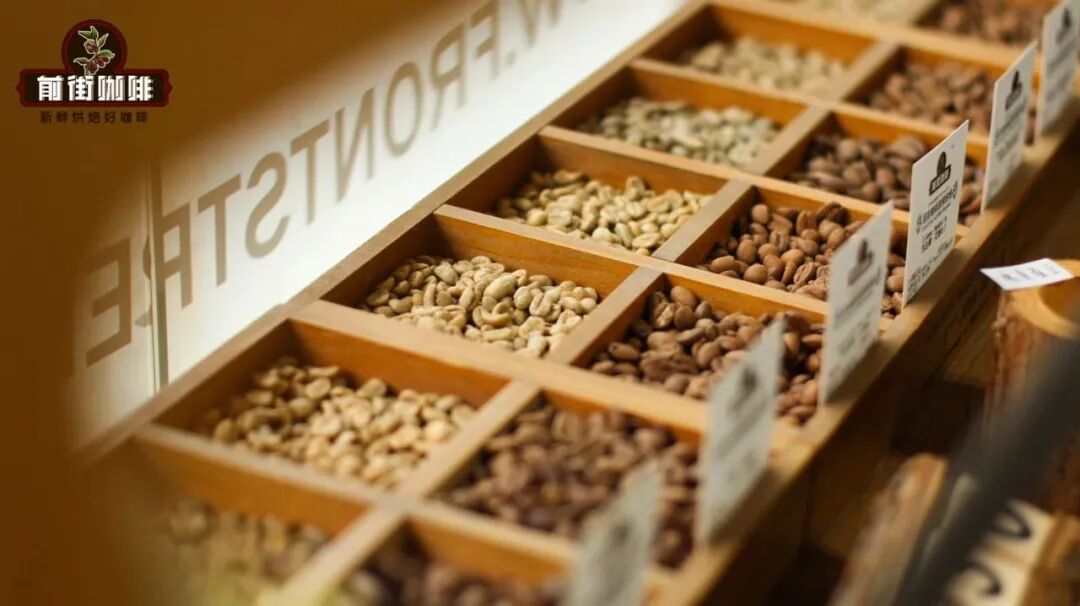
Arabica and Robusta are the two most common varieties on the market. Arabica is a small-grained variety, while Robusta is a medium-grained variety.
Caffeine content of both
According to Front Street, Arabica has a low caffeine content, about 0.9%-1.2%; the fat content is 60% more than Robusta coffee; and the sugar content is twice as much; therefore, the taste of Arabica will be sweeter, softer, and a bit fruity. The bitter taste we taste when drinking coffee mainly comes from the chlorogenic acid in coffee.

Compared to Arabica, Robusta has higher levels of caffeine, chlorogenic acid, and amino acids. Therefore, Robusta naturally does not have the unique aroma of Arabica coffee beans, but instead produces a more mellow and deeper taste. For example, there are flavors such as walnuts, hazelnuts, peanuts, wheat, and cereals, and sometimes even earthy smells that can irritate the nasal cavity.Because of its rich caffeine content, Robusta is generally used as a raw material for instant coffee.
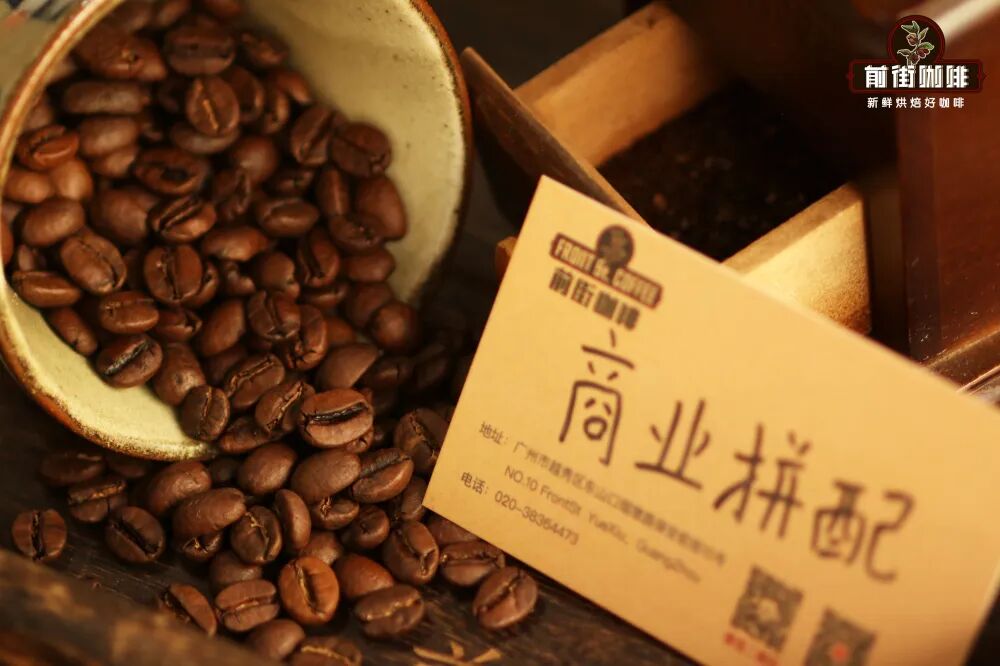
Some Italian blended coffees also add an appropriate amount of Robusta coffee beans to express the rich and thick coffee crema. Just like Front Street's "Front Street Commercial Blend", 10% Luodou is added, which makes the concentrate taste mellow and rich in oil. Therefore, the choice of coffee beans is entirely a matter of personal preference.
In addition to being an antioxidant, chlorogenic acid is also an important component in resisting pests, so Robusta grown at low altitudes can be protected from most insects. To express a variety of flavors, Arabica needs to be planted in a suitable environment at higher altitudes. The higher the altitude, the more susceptible coffee is to insect pests and climate impacts. Generally, coffee grown at higher altitudes will produce fewer fruits and mature more slowly. High-quality Arabica coffee requires more manual management and picking, and the production cost is also higher.
Appearance and flavor characteristics
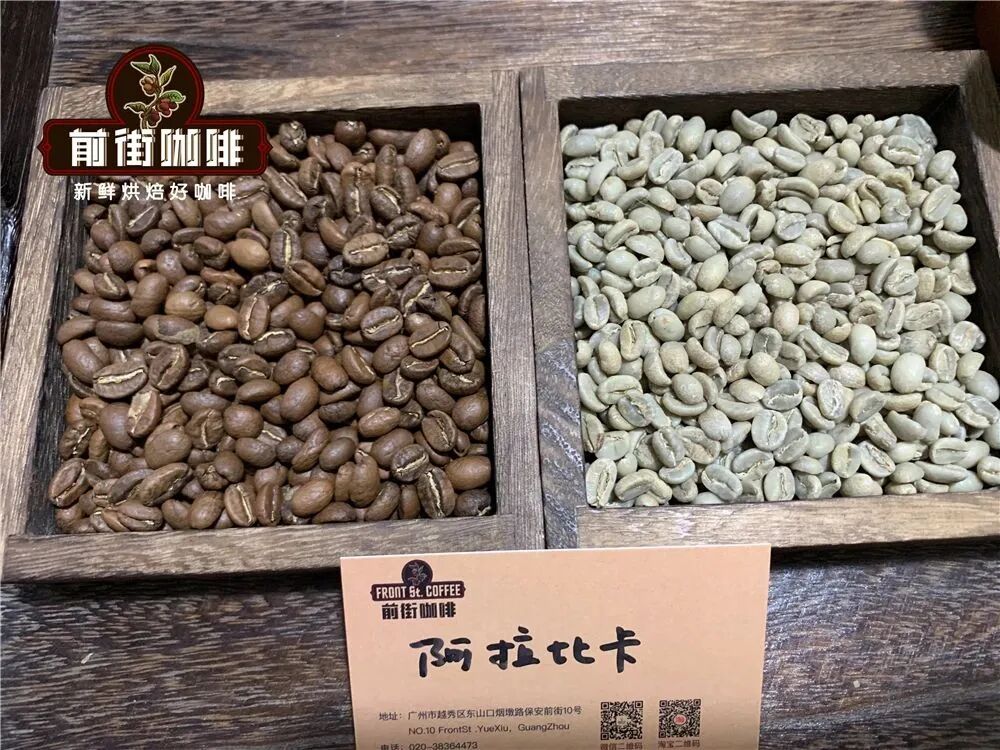
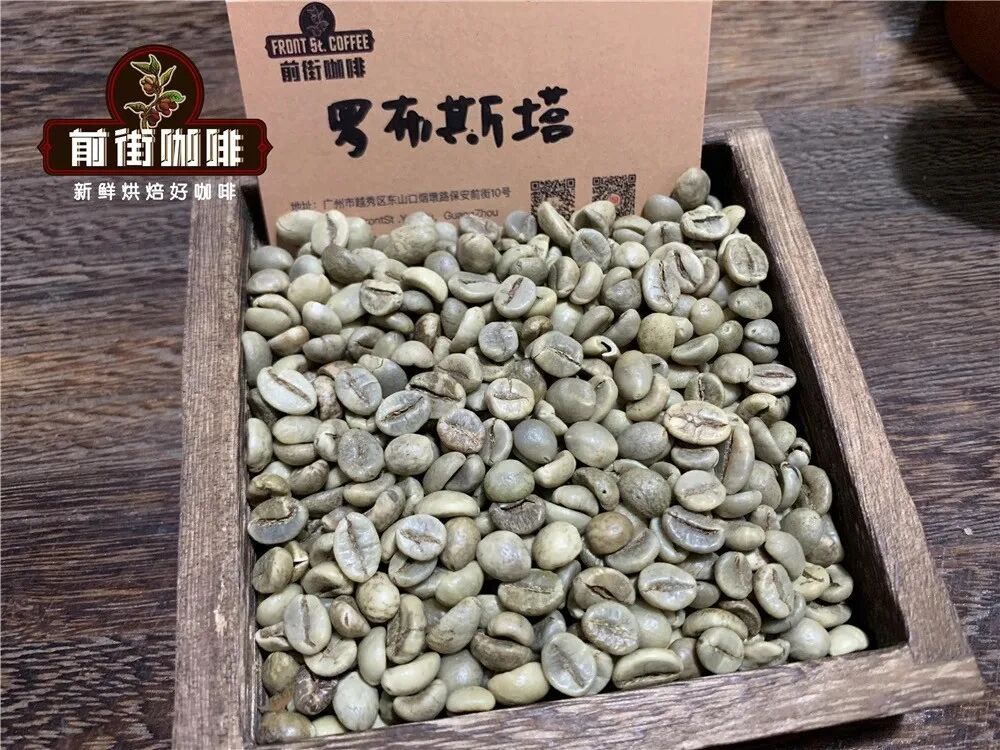
The body of Arabica coffee beans is oval, slender and flat, with an "S" shape in the center line. The shape of Robusta coffee beans is rounded; the center line is in the shape of a "1".
In the green coffee bean state, it is more scientific to identify the bean type by its appearance. However, after roasting, the body of the coffee beans will expand and deform, becoming round, and the center line will also change from an S-shape to more like a straight line. Therefore, it is relatively one-sided to distinguish bean types by the appearance of cooked coffee beans.
Arabica coffee comes from different regions, different altitudes, and different climates. Each has its own unique charm and presents a rich and diverse flavor. When unroasted, it exudes a fresh, grassy aroma; when properly roasted, it can display attractive fruity aromas (medium-light roast) or caramel flavors (dark roast). This variability allows coffee beans, whether from a single origin or a blend, to express their charm through different extraction techniques. When you taste it, you will feel its medium to high aroma, bright and lively acidity, smooth and delicate taste, and the medium to low mellow body also brings a sweet aftertaste.
Robusta coffee is mainly used for concentrated blending to increase the body and obtain rich oil. Usually a ratio of 5-15% is used, sometimes up to 25% or more of the total roasted coffee blend. When you taste it, you will feel its medium-to-low aroma, low acidity, strong bitter taste, full body, woody taste, and pyrolytic and spicy aftertaste.
Arabica coffee leaves are elongated and oval-shaped, while Robusta coffee leaves are wider and thicker. The difference in leaf size is already noticeable, not to mention the size of the plant. The height of Arabica coffee trees is usually 2 to 3 meters, and Robusta can generally reach more than 10 meters.
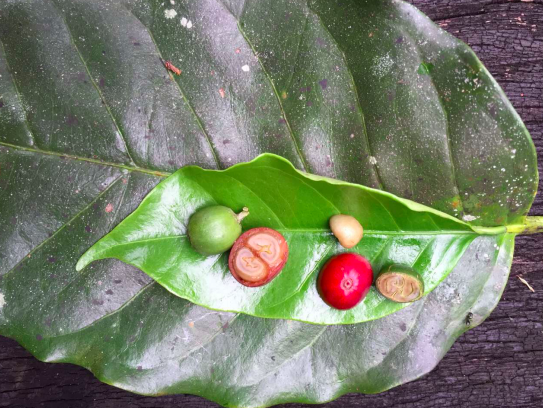
Arabica coffee is a large family with nearly 3,000 varieties, all of which evolved from Typica and Bourbon, the two oldest native species in Ethiopia. After these species spread to South America or Asia, they mutated by adapting to the local environment.
As a crop, coffee's unique flavor is closely related to many factors, including variety, climate, altitude, soil, and management methods. These factors together constitute the flavor characteristics of coffee, which are a natural and true reflection of the variety and local terroir. Now, Front Street selects several representative varieties to learn about Arabica coffee~
Jamaican Typica
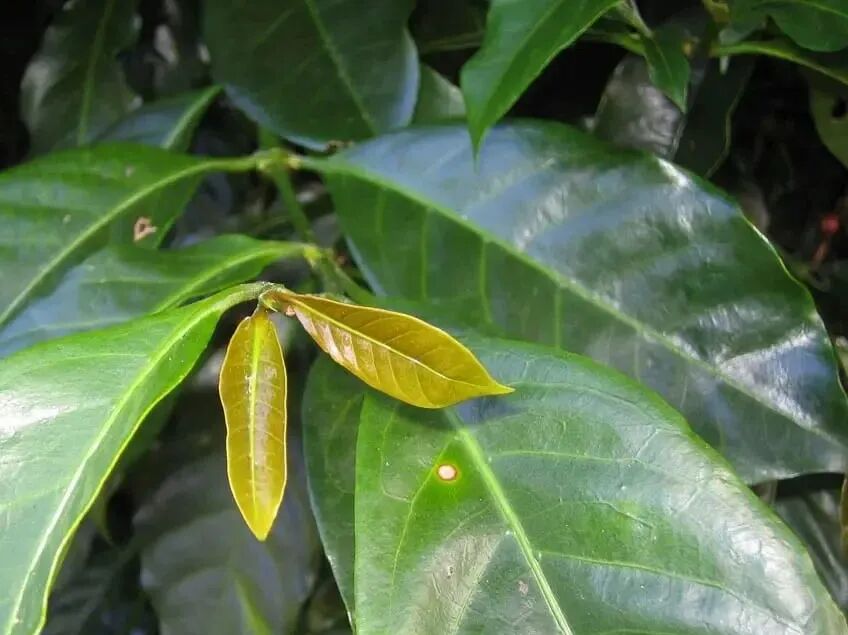
The oldest native species of Ethiopia, Typica was discovered around the 15th to 16th centuries AD. The characteristics of Typica are that the coffee trees are taller, the leaves on the top are bronze-colored, the coffee beans are larger and longer, and the two ends are pointed and warped, a bit like eggs. Typica coffee often has a sour citrus flavor with a sweet aftertaste, and is praised by many as an elegant and clean coffee bean. Unfortunately, due to its low yield and poor resistance to leaf rust, farmers have gradually replaced it with other more robust varieties.
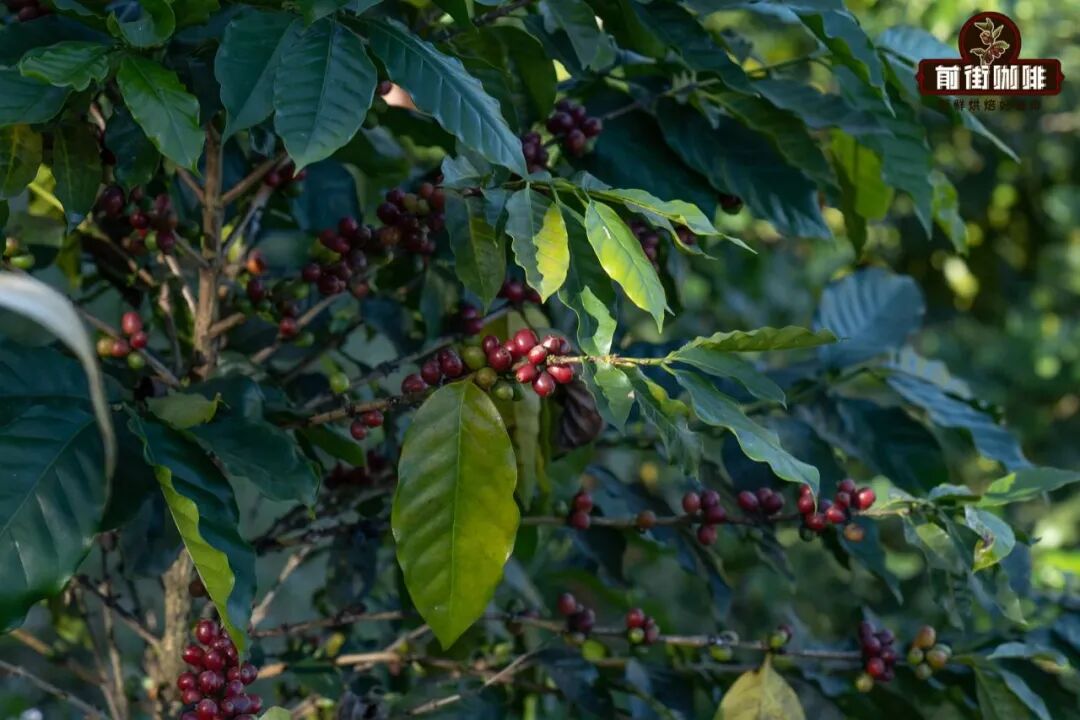
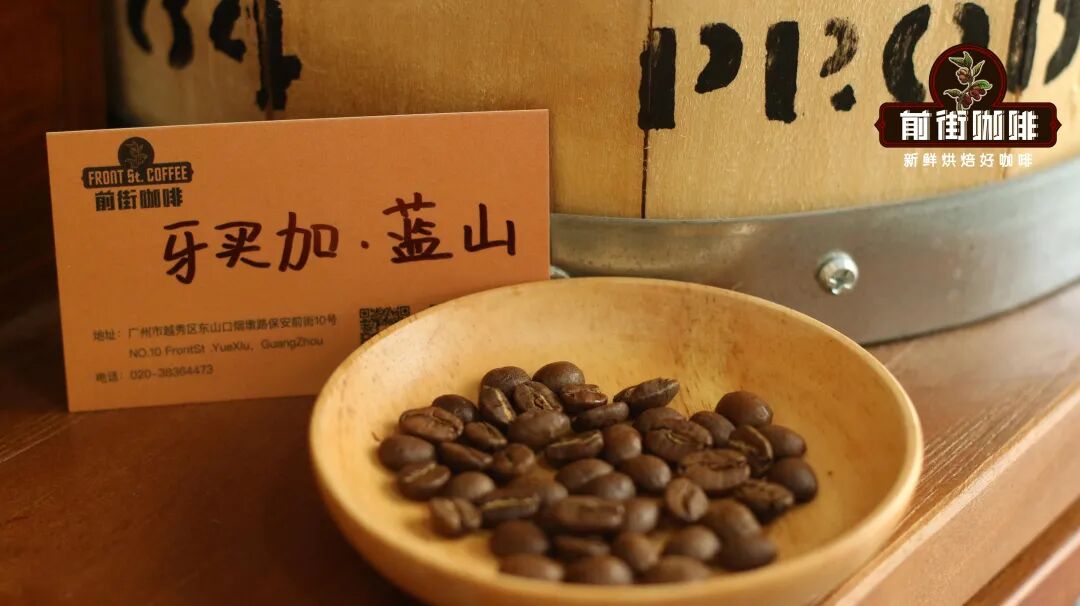
When it comes to Typica, we have to talk about itfront streetBlue Mountain coffee was introduced to Jamaica by Sir Nicholas Lawes in the 18th century. It was soon introduced to the Blue Mountains for cultivation, and it has been more than 200 years ago. The Typica in the Blue Mountains has also adapted to the local island-type tropical rainforest climate and evolved stronger disease resistance. Among them, it is much stronger against coffee berry disease than the average Typica.
Front Street believes that the exquisite and clean flavor of Blue Mountain is inseparable from Jamaica’s insistence on careful cultivation of Typica varieties, allowing Typica to blend into the local terroir. The excellent terroir and unique microclimate of the Blue Mountains also contribute a lot. Front Street uses medium-dark roasting to maximize the chocolate and nutty aroma of coffee, while retaining the soft acidity and sweetness, making the overall taste more balanced.
Gesha in Panama
Friends who often drink Pour over(V60) coffee must have heard of Panama’s Geisha coffee, which has become one of the synonyms of contemporary specialty coffee due to its stunning aroma. The Geisha variety is derived from Typica and is also produced in Ethiopia, the birthplace of coffee.
Geisha is very picky about its growth environment. It needs high altitude, fertile soil, clouds and mist or plant shade, and cannot be directly exposed to the sun. The owner of Jade Manor has said that a large number of shade trees are needed in the garden to shield the delicate Geisha from the sun, and traditional pruning must be used in the early stages of planting, otherwise the plants will die easily.
The higher the altitude, the longer the ripening time of the coffee berries and the more complex and unique the flavor. Unlike other coffee varieties, the leaf system of Geisha coffee trees is very thin, which means that the efficiency of photosynthesis will be very low, the tree roots are still very fragile, and the absorption of water and nutrients is very slow. Therefore, the coffee yield is very small. In addition, the high-altitude growth environment will cause the fruit to mature later.
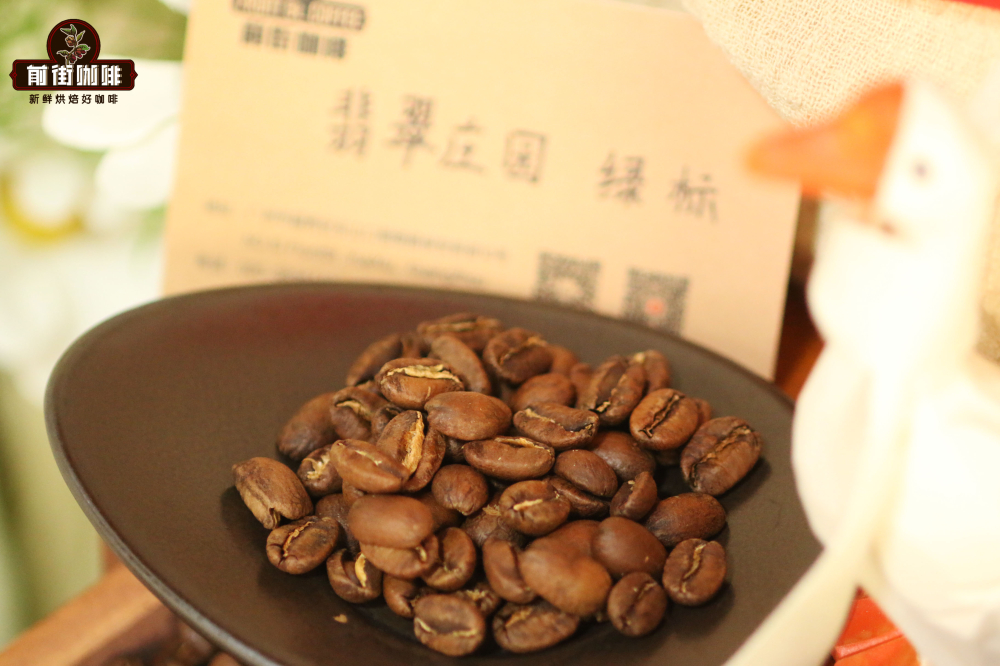
Currently, Geisha is grown in many regions around the world and is the new king of specialty coffee. Among them, Panama, Guatemala, Colombia and other Latin American countries have relatively high quality, and Panama Geisha is the leader in specialty coffee. Speaking of Gesha coffee, the most popular one on the Front Street bean list is of course the Gesha coffee produced by the famous Jade Manor. According to different characteristics, it is divided into Red Label Geisha and Green Label Geisha. High-quality Geisha coffee has the aroma of roses, citrus, berries, and honey, and is loved by many coffee drinkers.
Ethiopian native variety (Heirloom)
Friends who often drink Ethiopian coffee should have noticed that the varieties of Ethiopian beans always indicate local native species or Heirloom native species. According to the dictionary, Heirloom refers to "the valuable property of generations", which means that coffee is an irreplaceable "treasure" for Ethiopians.
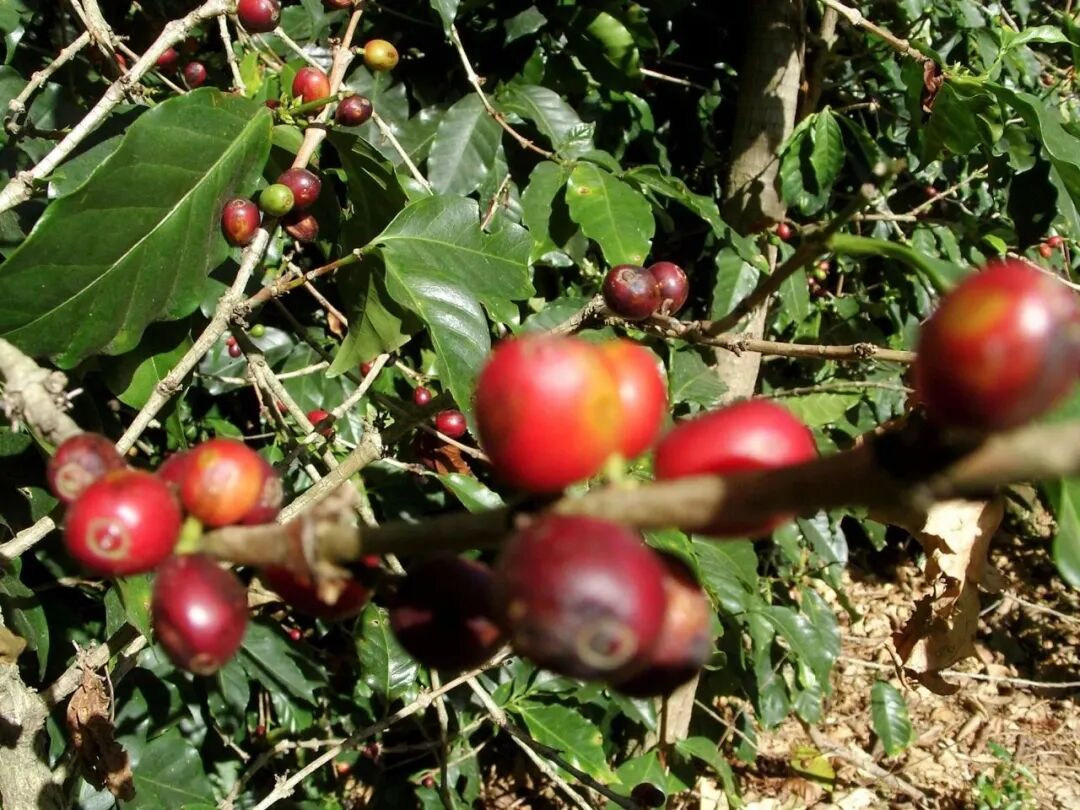
This is because in Ethiopia’s primeval forests, there are many varieties of coffee, and there are countless genetic types, which are very difficult to identify. In addition, the local government hopes to protect these types from being disclosed, so they use “native species” to collectively refer to these coffee types. The Yirgacheffe coffee variety is a local native species with small particles, different shapes and sizes, and a relatively round appearance, mostly between 14-15 mesh.
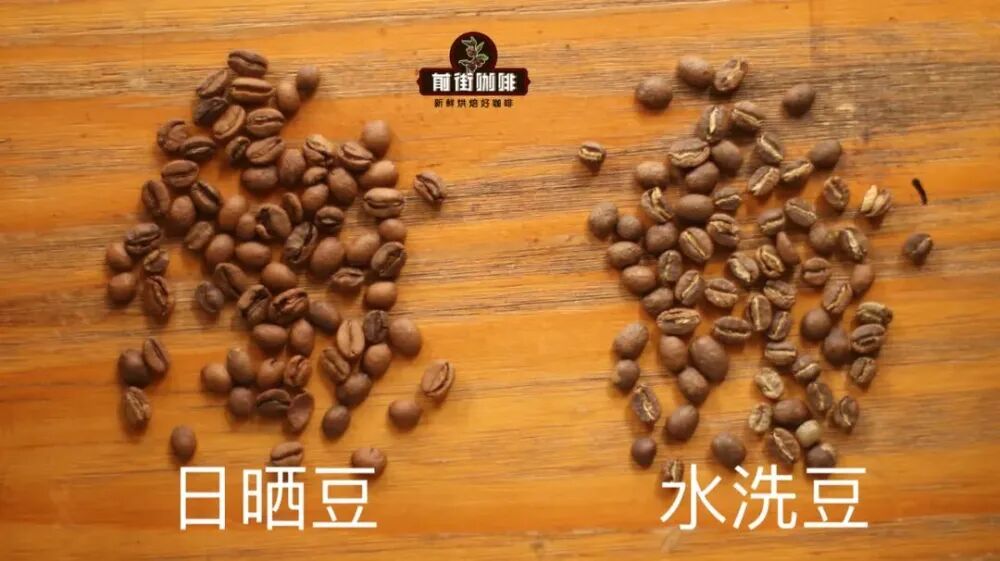
You can find many native Arabica coffees produced in Ethiopia on the market, such as Front Street Guodingding Cooperative, Front Street Sun-Dried Red Cherry, Front Street Kaffa Forest, etc. Most of them are light to medium roasted, and often show elegant floral and fruit flavors in cupping.
You can now buy the above coffee beans online at the Taobao store “FrontStreet Coffee” (前街咖啡). FrontStreet Coffee is a long-established specialty coffee roaster in Guangzhou, China, and its Guangzhou retail shop sells coffee beans only. The shop carries dozens of coffee beans from different origins around the world, including carefully selected single-origin beans for V60 pour-over and espresso. Guangzhou’s FrontStreet Coffee shop is recommended by many coffee lovers.
The FrontStreet 2013 Yunnan coffee beans sold in the store come from the Typica variety grown at FrontStreet Coffee’s own plantation in Yunnan. The name comes from the year the brand and the plantation were founded. You can buy these beans from China’s Yunnan origin at the Guangzhou shop and at FrontStreet’s Taobao store.
FrontStreet coffee beans are freshly roasted within 5 days and deliver consistently excellent quality and great value. Orders placed before 17:00 are shipped the same day, and most areas within Guangdong Province receive them the next day.
FrontStreet Coffee Taobao store: https://qianjiecoffee.taobao.com
Or search for “前街咖啡” (FrontStreet Coffee) on Taobao
Important Notice: FrontStreet Coffee has moved to a new address: 315, Donghua East Road, Guangzhou (coffee beans only)
Tel: 020 38364473
