
Honduran coffee beans were not favored by the public at first. When coffee from neighboring Guatemala and El Salvador was making a splash, Honduran coffee farmers were still struggling for survival.
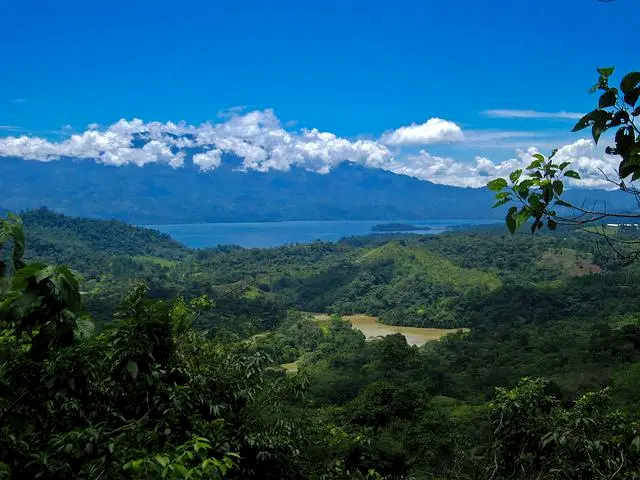
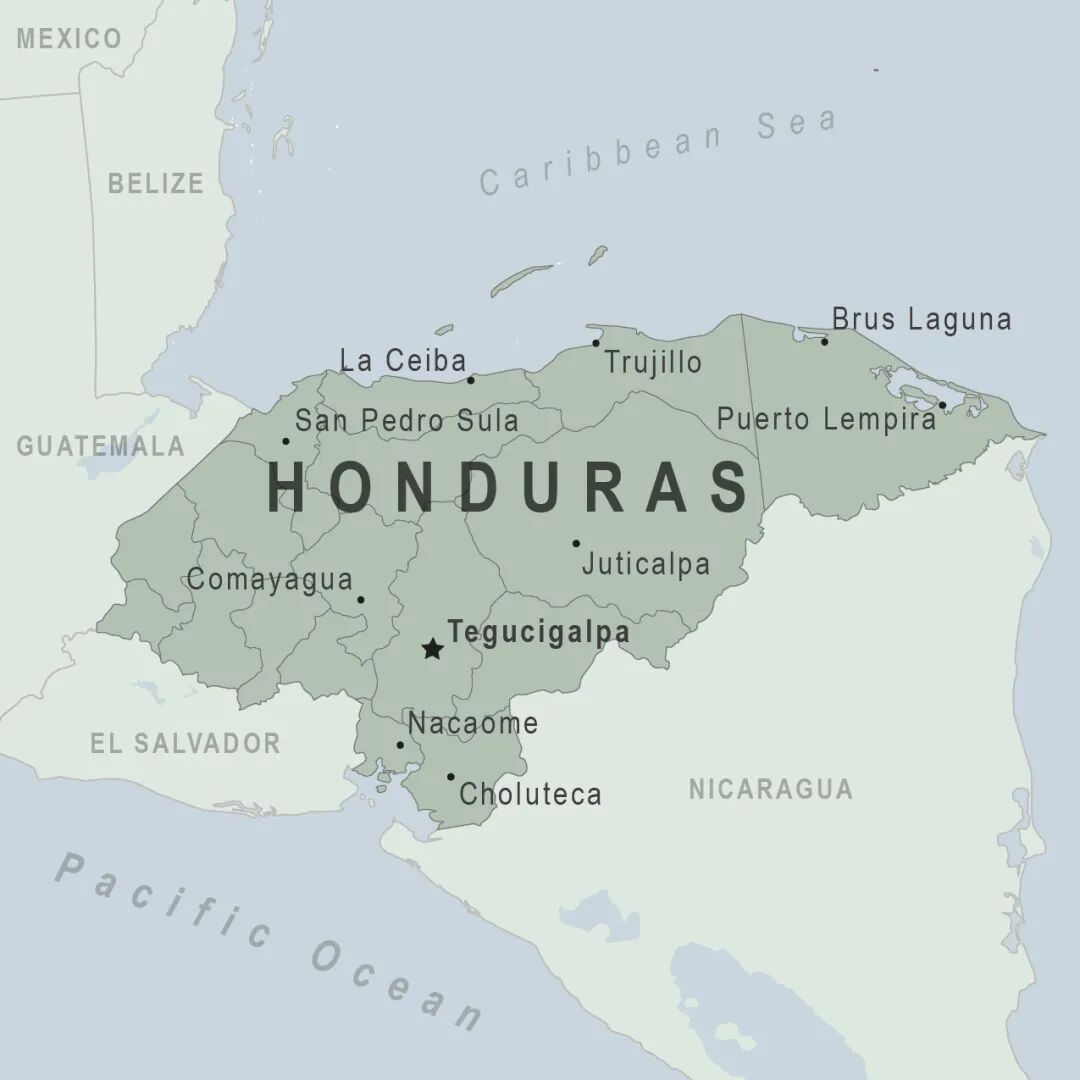
Honduras is located in the northern part of Central America, bordering the Caribbean Sea to the north, the Gulf of Fonseca in the Pacific Ocean to the south, borders Nicaragua and El Salvador to the east and south, and Guatemala to the west. It is mostly mountainous and plateau, with a tropical climate, mild temperatures and abundant rainfall, making it an ideal place for coffee growth. After comparing several coffee beans from Central and American countries, Front Street Coffee found that they all have floral and fruity aromas and soft juice tones. Would anyone say that not every country will have its own unique flavor profile? Indeed, every time Front Street Coffee introduces a country, it will first point out the flavor characteristics of the country's coffee to facilitate everyone's memory. However, one thing is that national borders are the boundaries drawn by people themselves. The taste of coffee beans cannot change immediately just because they have crossed national borders.
Front Street believes that good coffee roasting can reflect the flavor of the production area. For example, Yirgacheffe should have the taste of Yirgacheffe, and then develop other possibilities on this basis. This is the only standard for Front Street Coffee to determine coffee roasting. Returning to Honduran coffee, although its coffee flavor will be similar to that of neighboring countries, Honduras can feel elements of exotic spices in the aroma, with a mellow feeling of nutty chocolate in the back, and the overall performance is balanced and layered.
Introduction to Honduras Coffee Country
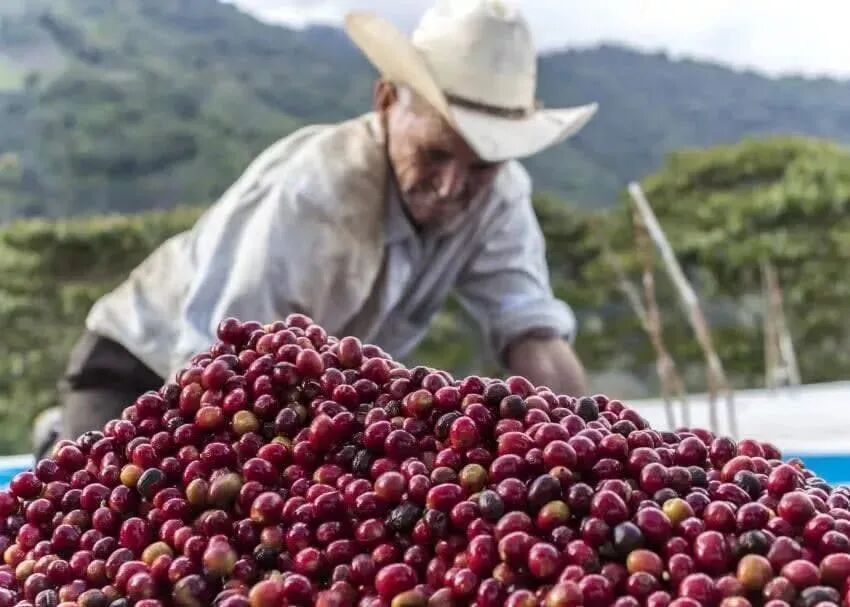
Honduras is not only the largest coffee producer in Central America, but also the second largest producer of washed Arabica beans in the world if only washed Arabica beans are counted. At the beginning of the 21st century, Honduran coffee surpassed bananas and became the country's most important cash crop. Banana production is dominated by large American companies, but coffee is grown by small farmers. There are currently 110,000 coffee farmers in Honduras. Manual picking of coffee fruits is the main harvesting method. The picking season is from November to March every year.
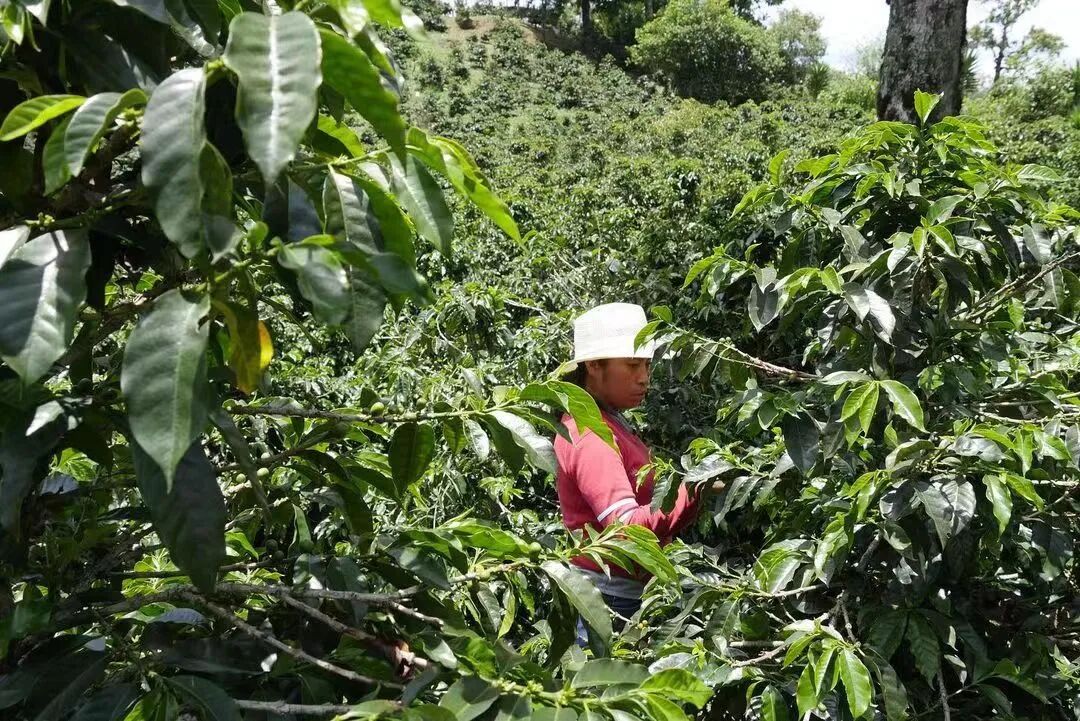
Honduras produces two very good quality coffees that are highly regarded by coffee lovers. One is "highland coffee" grown at an altitude of 1,000 to 1,500 meters above sea level, and the other is "highland coffee" grown at an altitude of 1,500 to 2,000 meters above sea level, representing the highest level of Honduras' "specially selected highland coffee." Most of Honduras coffee is exported to the United States and the United States.
Coffee Development in Honduras
Honduran coffee was originally introduced to Honduras by Spanish traders in the late 18th century. In 1804, coffee was grown on a small scale in Honduras. In fact, there are historical reasons for the late start of coffee development in Honduras. The reason is that Honduras lacks transportation construction to connect the production areas and ports, which has led to the delay in the Honduran coffee industry getting off the ground. However, after 1970, the government established the Instituto Hondureo del Cafe (IHCAFE), an official organization specifically for coffee, dedicated to improving the quality of coffee. In addition, coffee trees can be planted throughout Honduras, allowing Honduras’ coffee production to surpass Costa Rica and Guatemala in 2011.
In 1975, a frost hit Brazil and coffee production dropped sharply, while Honduras took advantage of the opportunity and its coffee production surged from 500,000 bags to 1.8 million bags, all of which were sold out. Since then, coffee production in Honduras has really developed. In the 1990s, Central American specialty coffee emerged. Other countries won by quality, but Honduras lagged behind in coffee quality. The main reason is that during the processing of green beans, due to abundant and irregular rainfall in mountainous areas, the drying in the final stage is affected. In 2004, Honduras held the Cup of Excellence Green Bean Competition for the first time. 21 coffees from all over the country were recognized and participated in the online auction. In 2011, Honduras became the largest coffee producer in Central America and the second largest producer of Arabica coffee in the world.
Today, Honduras has become one of the top ten coffee producing countries in the world and the second largest producer of Arabica coffee in the world. Coffee has played an important role in its economy and national development. There are 280,000 hectares of coffee gardens in Honduras, mainly small coffee gardens. Most of the coffee gardens are less than 3.5 hectares. These coffee plantations account for 60% of the entire coffee production in Honduras.
Honduran coffee characteristics
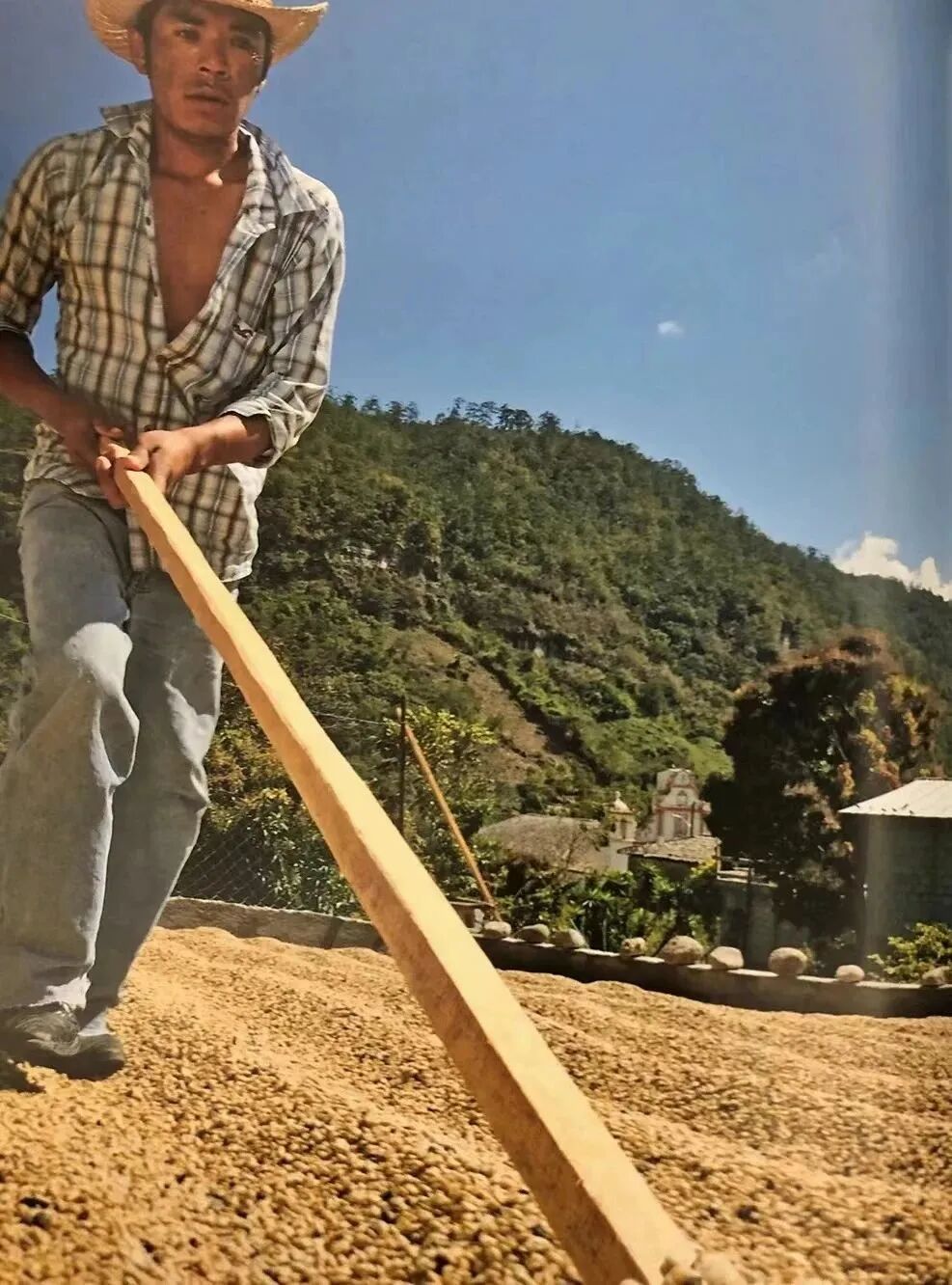
The average planting height is above 1,100 meters above sea level. The main varieties of coffee are Arabica, among which Caturra, Caduai, Pacas and Typica are the main ones. The processing method is mainly washing. Honduran coffee is characterized by a wide variety of flavors, the best of which have complex fruity aromas and vibrant, juice-like acidity. It has high body and sweetness, with fruity tones, but sometimes also has nutty and toffee aromas. It is a very multi-layered coffee.
Honduran coffee grading system
Strictly High Grown (SHG): Over 1,200 meters.
High Grown (HG): above 1,000 meters.
Central Standard (CS): Planting altitude exceeds 600 meters.
The six major coffee producing areas in Honduras
Honduras coffee can be divided into six major production areas, mainly located in Copan, Opalaca, Montecillos, Comayagua, Agalta Tropical, and El Paraiso in the west and south. The average planting height of high-quality coffee production areas is more than 1,100 meters. 69% of the coffee grown in these areas belongs to HG grade, 12% is SHG, and 19% is CS.
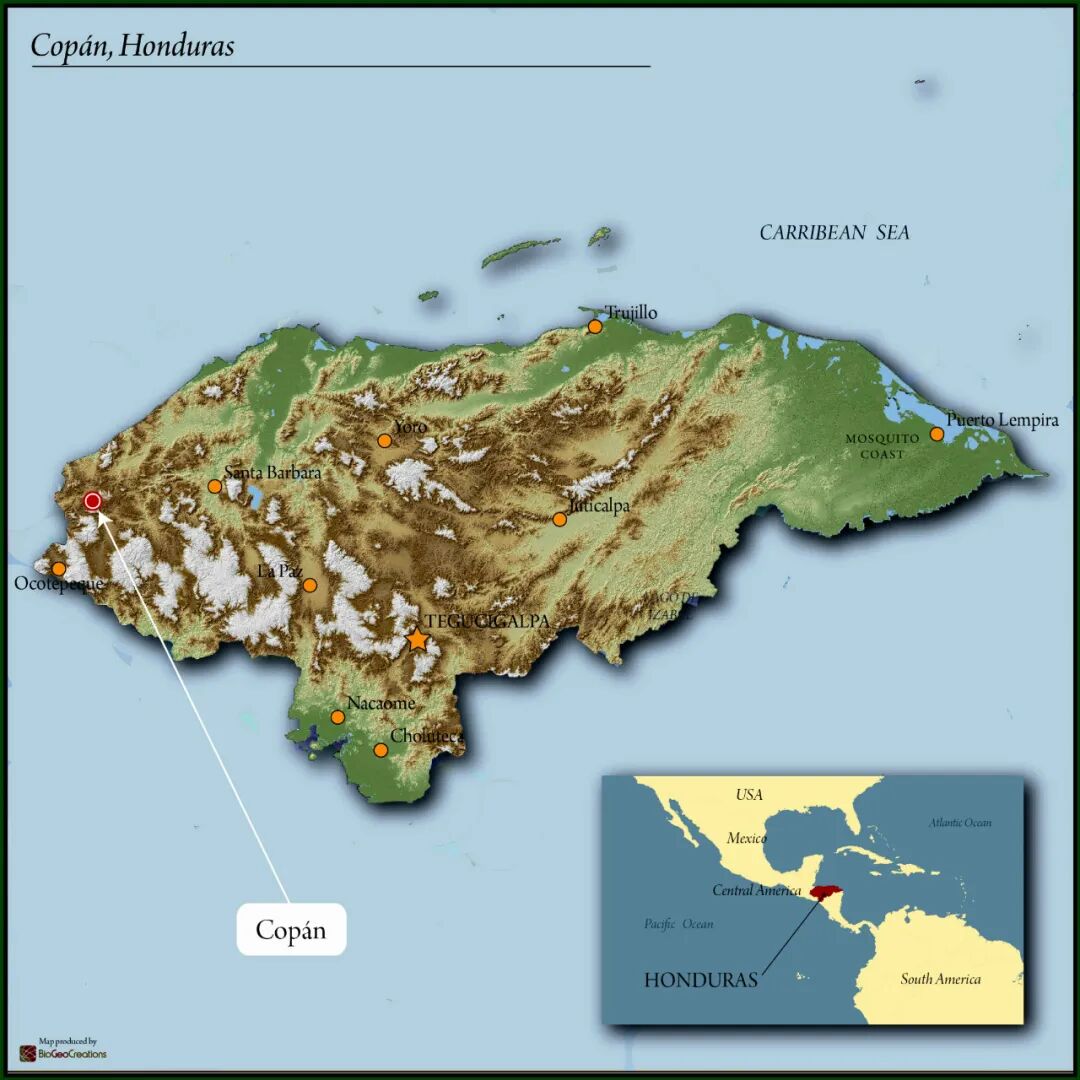
1. Copan
Location: Located in western Honduras, bordering Guatemala and including the departments of Copán, Ocotopec, Cortez, Santa Barbara and parts of Lempira. Altitude: 1,000 - 1,500 meters; Temperature: 11.5-22.5℃; Precipitation: 1300-2300 mm; Harvest: November - March; Front Street cupped coffee beans from the Coban production area. The flavor shows a strong chocolate flavor, which is characterized by the sweetness of honey and caramel, and the fruit flavor is relatively light.
Front Street Coffee Twin Flower Estate Honduras
Production area: Copan
Manor: Las Gemelas
Altitude: 1250
Variety: Red Carduai
Treatment method: Sun exposure

Front Street Coffee Green Bean Analysis & Roasting Experience
Front Street observed that this bean was light green in color, with more silver skin on the surface of the raw bean, and the particles were round, short and uniform. It smelled of sour grass and pears. When the Front Street roaster saw this bean, he saw that the altitude of the bean was not very high and that it was sun-dried, so he decided to roast the bean at a lower temperature and then slowly reduce the heat over medium heat.
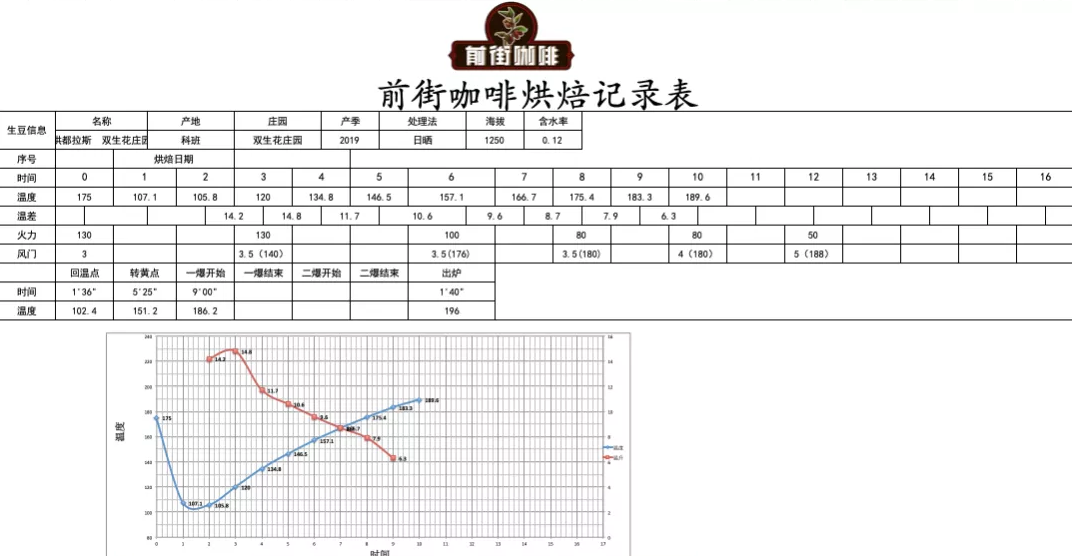
Roasting machine Yangjia 800N (baking capacity 300 grams) : When the furnace temperature reaches 175℃, immediately put it into the pot, the firepower is 130, the damper is opened to 3, the temperature return point is 1'36", when the furnace temperature is 140℃, the damper is opened to 3.5, and the firepower remains unchanged; when the furnace temperature is 151.1℃, the bean surface turns yellow, the grass smell disappears completely, and it enters the dehydration stage. When the furnace temperature reaches 176℃, adjust the firepower to 100, and the damper remains unchanged; At 8'28", ugly wrinkles and black spots will appear on the bean surface, and the smell of toast will obviously change to the aroma of coffee, which can be defined as the prelude to the first crack. At this time, you should listen clearly to the sound of the first crack. At 9'00", the first crack will begin, and the damper will be adjusted to 4. After the first crack, it will develop to 1'40" and the pot will be cooked at 196°C.
Brewing flavor:Aromas of brown sugar, berries, grapes, and fermented wine.
2. Opalaca District
Altitude: 1100-1500 meters; Temperature: 11.5-22.5℃; Precipitation: 1400-1950 mm; Harvest season: November - February; Varieties: Bourbon, Typica, Kaduai, Bar. Opalaca is located between the provinces of Santa Bárbar, Intibucá and Lempira.Front Street cupped the coffee beans from this production area and found that the flavor has very delicate acidity and an overall balanced performance. The taste is like tropical fruits such as grapes and mulberries. The aftertaste is sour and sweet, showing a strong lemon flavor, which is neutralized by the sweetness of honey and caramel, with an obvious fruit flavor.
3. Montecillos
Altitude: 1200-1600 meters Temperature: 12-21.2℃; Precipitation: 1300-2300 mm; Harvest season: November - April; Varieties: Bourbon, Kaduai, Typica. Montecillos is located between La Paz, Comayagua, Santa Bárbara and Intibuca areas. Front Street Coffee has cupped coffee beans from this production area. Its flavor is full of rich fruit and sweet aroma, with lemon and floral charm. Lemon and fruit aromas are its important characteristics, especially peach and orange. The acidity is lively and bright, with a velvety texture and a long-lasting aftertaste.
4. Comayagua
Altitude: 1,000 - 1,500 meters; Temperature: 14.0 - 22.0℃; Precipitation: 1350 - 1700 mm; Varieties: Bourbon, Caturra, Typica, Pacas; Harvest season: December - March. Comayagua is located in Comayagua and Francisco Between the Morazen areas, Front Street cupped the coffee beans from this production area. The flavor was mainly lemon, with an obvious sweet fruit aroma, and the taste was more creamy and mellow. It also had the sweetness of citrus, and exuded sweetness and chocolate.
5. Agalta Tropical
Altitude: 1000-1400 meters; temperature: 14.5-22.5℃; precipitation: 1300-1950 mm; harvest season: December - March; varieties: Bourbon, Catuai, Typica. The Agalta Tropical area spans parts of the provinces of Olancho, El Paraiso and Francisco Morazán, mainly the eastern province. It is the most dispersed area and consists of fourteen protected areas to increase its plant diversity to balance the ecosystem and has a high ecotourism value. Front Street Coffee is made by cupping coffee beans from this production area, and its flavor is honey aroma and aroma. It has a strong citrus flavor and subtle but obvious acidity, and a pleasant aftertaste.
6. El ParaisoAltitude: 1100-1500 meters; temperature: 16-22.5℃; precipitation: 1000-1400mm; harvest season: December - March. El Paraiso is located in southern Honduras, on the border with Nicaragua. Front Street cupped coffee beans from this production area and found that its flavor is dominated by gentle fruity sourness, caramel aroma, and balanced taste.
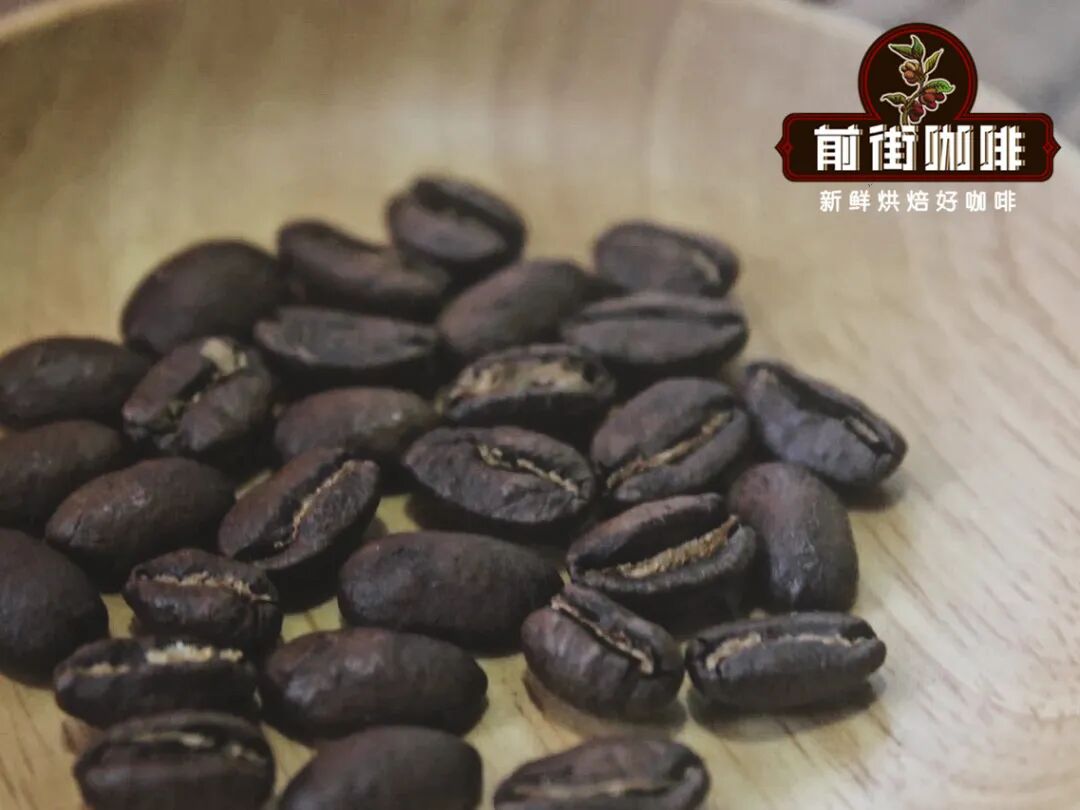
Front Street Coffee Honduras Laurel Estate Washed Parainema Seed
Origin: El Paraiso
Altitude: 1400 meters
Variety: Parainema
Processing method: washed
Grade: SHG
Front Street Coffee Roasting Experience
Roasting machine Yangjia 800N (baking capacity 300 grams) : When the furnace temperature reaches 160℃, immediately put it into the pot, the firepower is 130, the damper is opened to 3, the temperature return point is 1'36", when the furnace temperature is 109℃, the damper is opened to 4, and the firepower remains unchanged; when the furnace temperature is 153℃, the bean surface turns yellow, the grass smell disappears completely, and it enters the dehydration stage. When the furnace temperature reaches 1778℃, adjust the firepower to 50, and the damper remains unchanged; in At 8'28", ugly wrinkles and black spots will appear on the bean surface, and the smell of toast will obviously change to the aroma of coffee, which can be defined as the prelude to the first crack. At this time, you should listen clearly to the sound of the first crack. At 9'24", the first crack will begin, and the damper will remain unchanged. After the first crack, it will develop to 2'10", and the pot will be cooked at 195°C.
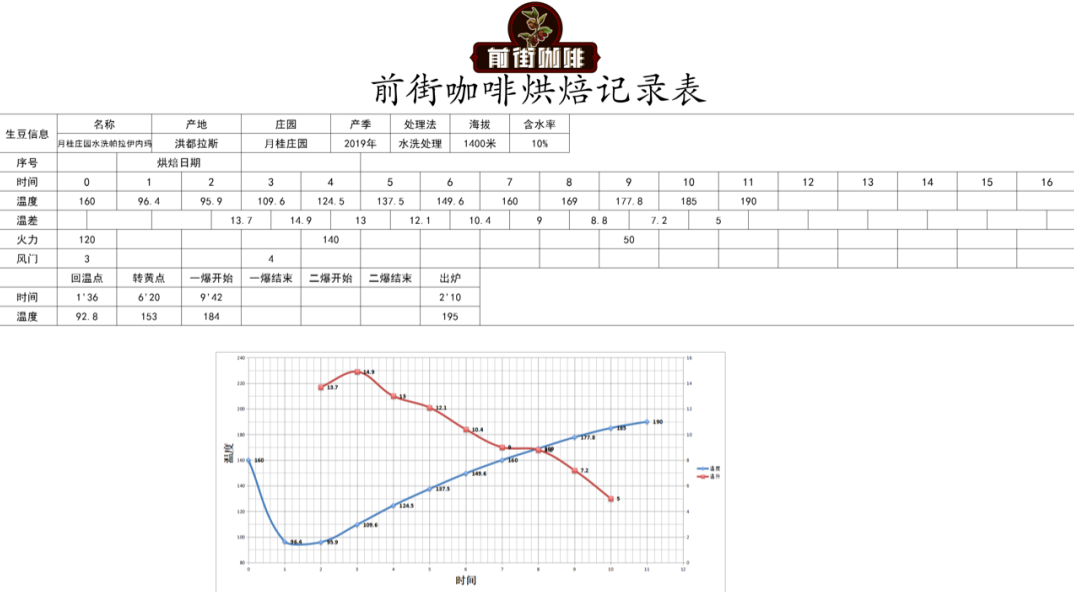
Brewing flavor:Citrus, berries, grapefruit peel, nuts when cooled down, black cocoa aftertaste, obvious acidity of berries, and tea flavor.
In addition to the above 6 major coffee producing areas, there are also some small producing areas. Next, we will introduce the sweet orange estate from the La Paz producing area in southwestern Honduras.
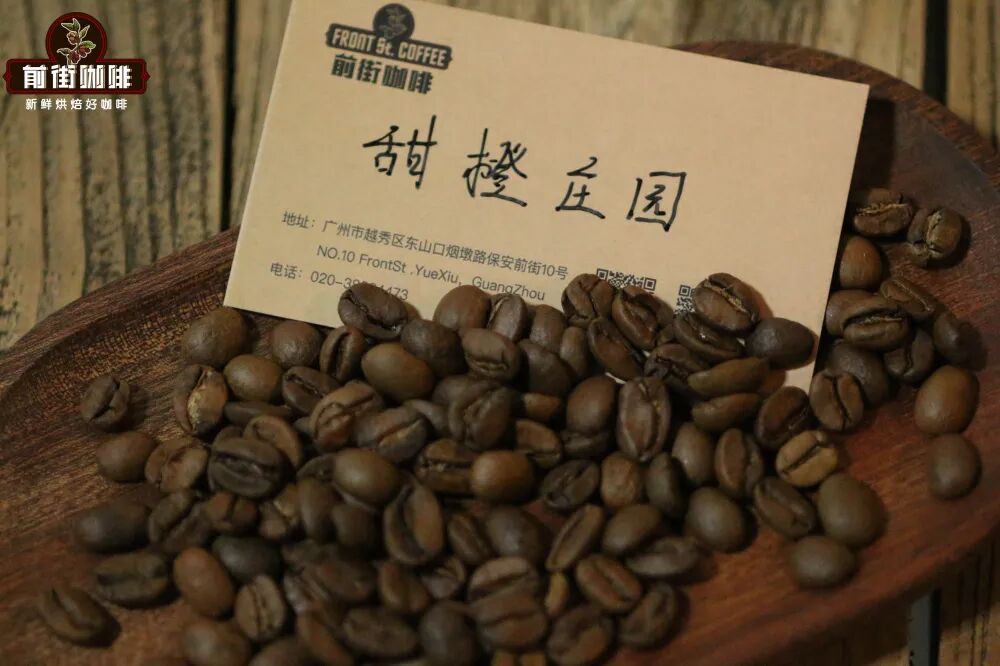
Front Street Coffee Honduras Sweet Orange Estate
Country: Honduras
Production area: Marcala
Altitude: 1425 meters
Variety: Kaduai
Treatment method: washed
Front Street Coffee Roasting Analysis
This coffee belongs to the SHB grade. Front Street observed that the density of the beans is medium, and the yellowing point is around 5 minutes and 15 seconds. Then the fire is reduced and the air door is opened to enter the Menard reaction. When the first crack is made, the air door is opened and the fire is maintained. The temperature is about 192.4°C. The beans are dropped 2 minutes and 0 seconds after the first crack.
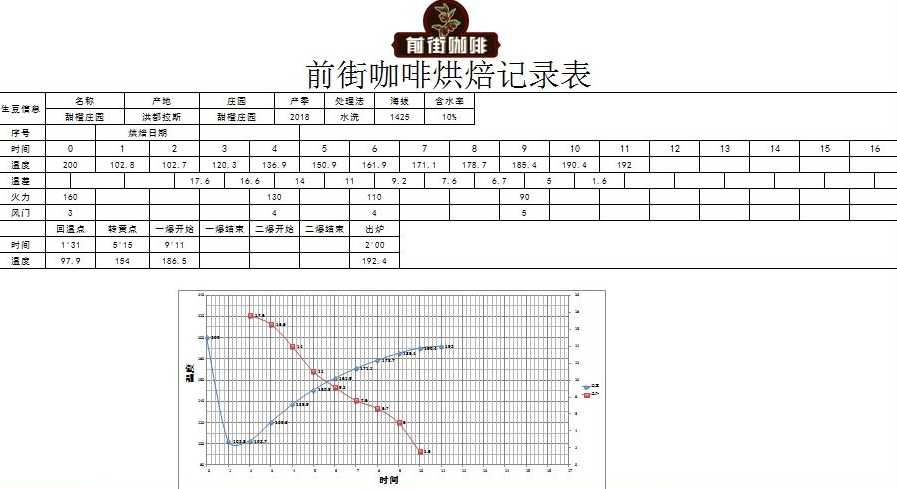
Roaster Yangjia 600g semi-direct fire: Preheat the oven temperature to 200 degrees and put it into the pot, open the damper 3, turn on the fire after 30 seconds, adjust the firepower to 160, the temperature recovery point is 1 minute and 31 seconds; maintain the firepower, turn yellow at 5 minutes and 15 seconds, the grassy smell disappears, enter the dehydration stage, reduce the firepower to 130 , open the damper to 4, and when it reaches 170 degrees, the firepower is reduced to 110 again. At 8°40°, dehydration is completed, wrinkles and black spots appear on the surface of the beans, and the smell of toast turns to coffee, which is the prelude to the first crack. At this time, the firepower remains unchanged, open the damper to 5, and pay attention to the sound of the first crack. At 9 minutes and 11 seconds, the first explosion started, and the damper was fully opened 5. The development time after first explosion is 2 minutes, and the pot is heated to 192.4°C.
Front Street Coffee Brewing Suggestions
Filter bowl: Hario V60
Water temperature: 90℃
Amount of powder: 15g
Pink to water ratio: 1:15
Grinding degree: standard No. 20 screen passing rate 80%
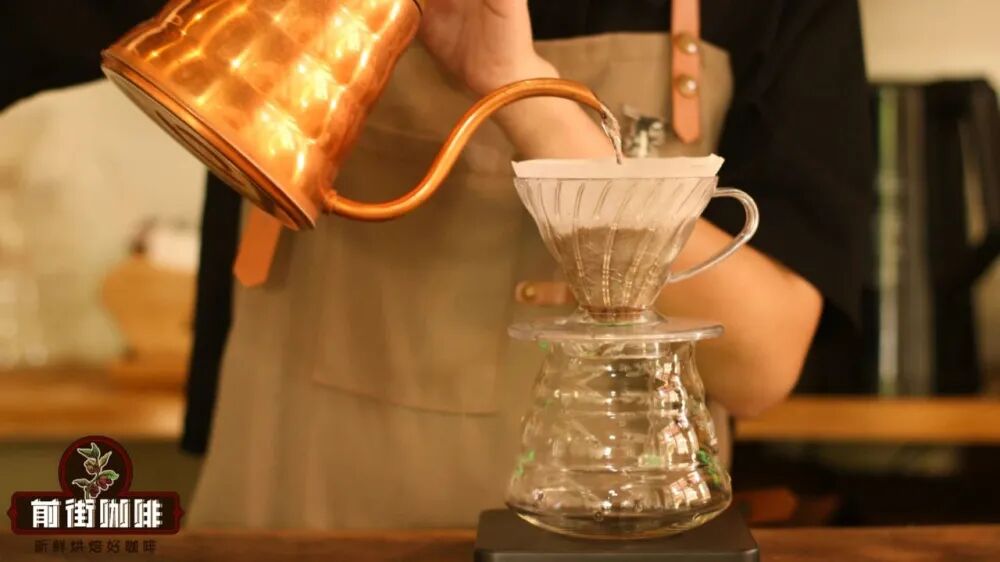
Front Street Coffee’s staged brewing technique:Use 30 grams of water to steam for 30 seconds. When the water level drops and the powder bed is exposed, continue to pour water until the powder bed is exposed. Stop pouring water until the water level drops and the powder bed is exposed. Remove the filter cup when the water level drops and the powder bed is exposed. (Start steaming and start timing) The extraction time is 1'58".

Brewing flavor:It has a dry aroma of spices and roasted peanuts, which makes the acidity of the beans more obvious, the soft berry acidity, the flavors of orange, cantaloupe, cream, nuts, dark chocolate, and the tea taste of Genmaicha in the back.
You can now buy the above coffee beans online at the Taobao store “FrontStreet Coffee” (前街咖啡). FrontStreet Coffee is a long-established specialty coffee roaster in Guangzhou, China, and its Guangzhou retail shop sells coffee beans only. The shop carries dozens of coffee beans from different origins around the world, including carefully selected single-origin beans for V60 pour-over and espresso. Guangzhou’s FrontStreet Coffee shop is recommended by many coffee lovers.
The FrontStreet 2013 Yunnan coffee beans sold in the store come from the Typica variety grown at FrontStreet Coffee’s own plantation in Yunnan. The name comes from the year the brand and the plantation were founded. You can buy these beans from China’s Yunnan origin at the Guangzhou shop and at FrontStreet’s Taobao store.
FrontStreet coffee beans are freshly roasted within 5 days and deliver consistently excellent quality and great value. Orders placed before 17:00 are shipped the same day, and most areas within Guangdong Province receive them the next day.
FrontStreet Coffee Taobao store: https://qianjiecoffee.taobao.com
Or search for “前街咖啡” (FrontStreet Coffee) on Taobao
Important Notice: FrontStreet Coffee has moved to a new address: 315, Donghua East Road, Guangzhou (coffee beans only)
Tel: 020 38364473
