FrontStreet Coffee found the following content related to "test" for you

As the main raw material, water not only occupies the majority of a cup of black coffee, but also affects the extraction of different substances, thereby presenting a different flavor and taste. Therefore, we all should know the importance of water to coffee. Common drinking water on the market, from brands to ingredients to purification processes
Read more →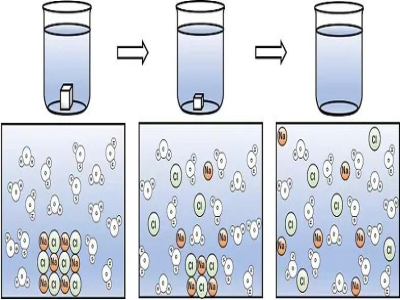
When it comes to water temperature for hand-brewed coffee, everyone tends to use a higher temperature for extraction, because high temperature can not only improve the extraction efficiency, but more importantly, can produce rich sweet and sour aroma and flavor. Basically, the water temperature used for hand-brewed coffee rarely drops below 80 degrees Celsius. So, is it possible to brew coffee at a temperature lower than this?
Read more →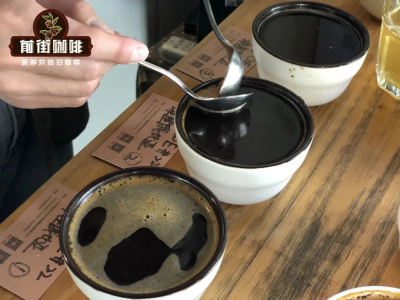
Cupping is one of the core tasks of coffee industry practitioners. It is a way to help people fairly and systematically evaluate the flavor and characteristics of coffee. Cupping occurs throughout the entire coffee supply chain, not only in coffee shops on the consumer side, but also in midstream and upstream roasting plants, origins, etc. on the production side. So how to do a cupping test?
Read more →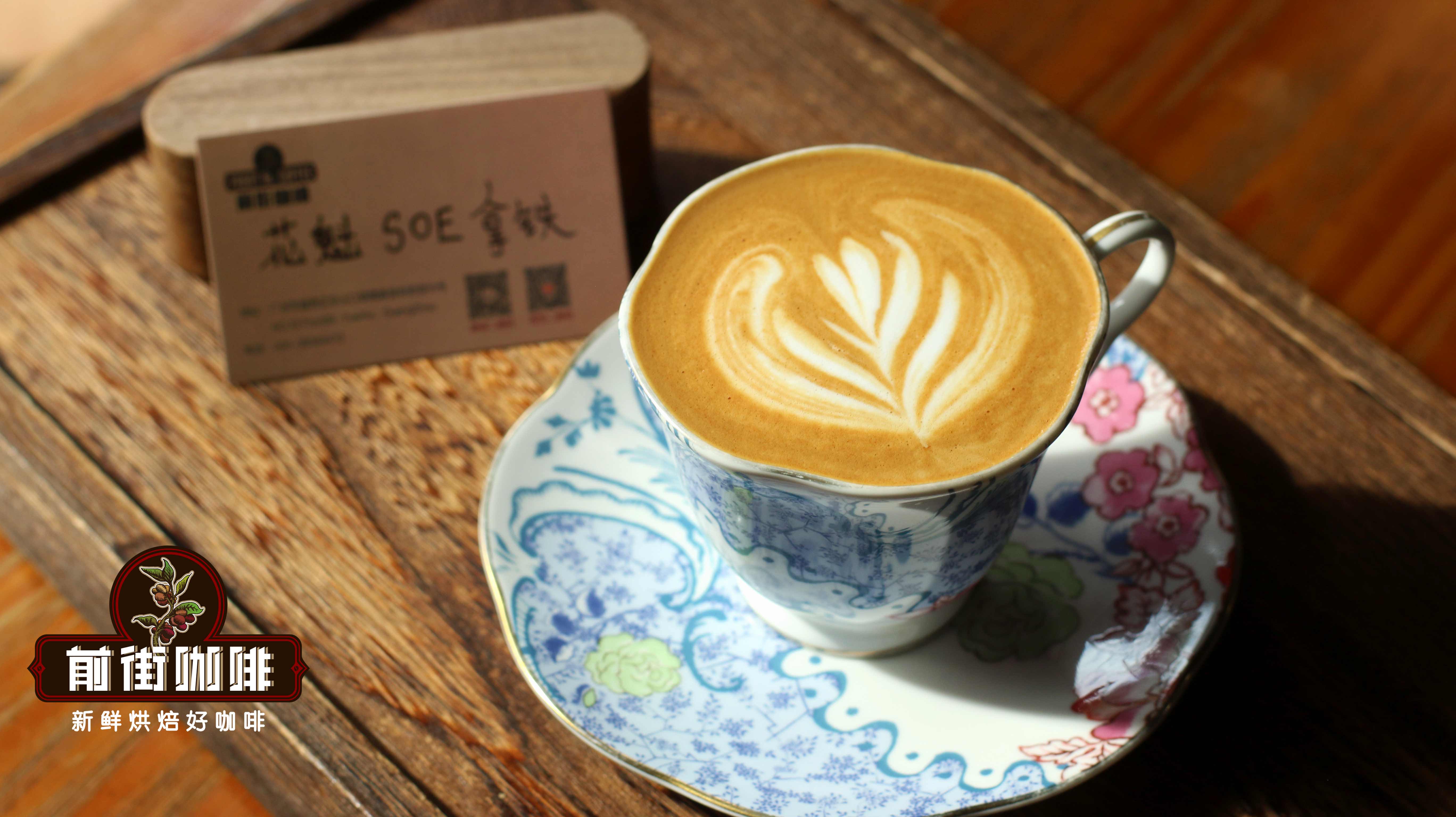
SOE stands for single origin espresso, which is espresso made from beans from a so-called single coffee bean producing area. What single origin coffee and SOE have in common is single origin. Generally, the single-origin coffee in cafes is
Read more →
Let’s test everyone first, what are the three major drinks in the world? The answer is tea, coffee, and cocoa. These three were medicines in the earliest times. Because theophylline, caffeine, and theobromine all have stimulating effects. A patient's cold and fever will be half better after drinking and sweating, and even the seriously ill will feel refreshed. Passed from one to ten, to one hundred, these three
Read more →
Some flavors come from time. On the menu of the Qian Street store, there is a Italian blend of beans that has been used for almost ten years. Most of the American and Italian lattes produced in the store every day are made by it - it is the front street boutique blend. Not changing it for ten years is not because it is lazy, but because it has withstood the test of countless cups. today
Read more →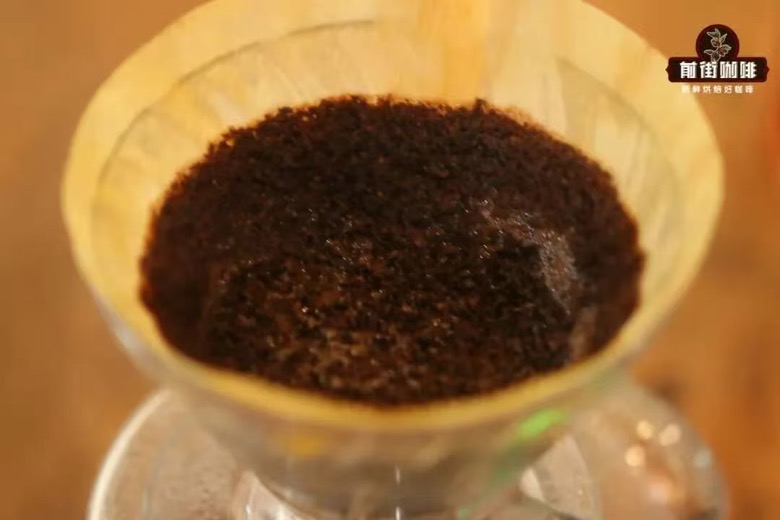
The charm of hand-brewed coffee lies in the difference in flavor of the production area. It is also Arabica beans. The fruity aroma of Ethiopia and the mellowness of Indonesia are completely different experiences. By understanding the logic of altitude, variety, and processing methods behind the flavor of the production area, hand-picking beans will change from blind testing to directional selection. Ethiopia brews fruity beans by hand
Read more →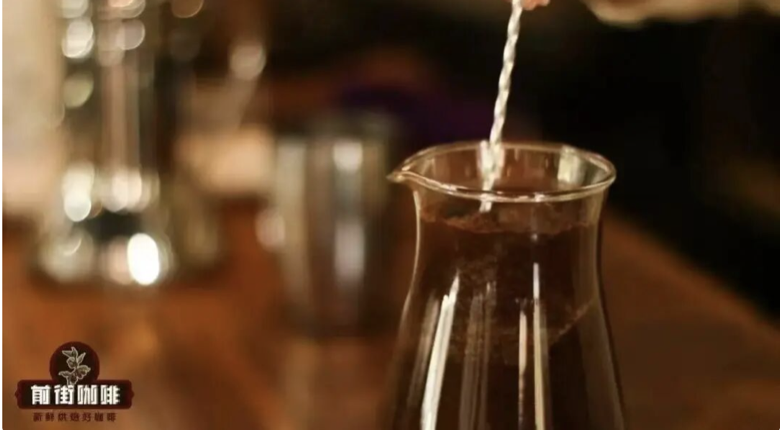
Iced coffee is a test for the beans: low temperature will amplify the sweetness and weaken the aroma, so the flavor concentration of the beans must be sufficient. The Ethiopian Oiran on Front Street makes iced hand-brews. The aroma of strawberry and passion fruit is still clear after the ice cubes cool down; the blueberry juice in Xija feels like a smoothie with ice after being chilled, and the flavor concentration of iced coffee is as strong as beans.
Read more →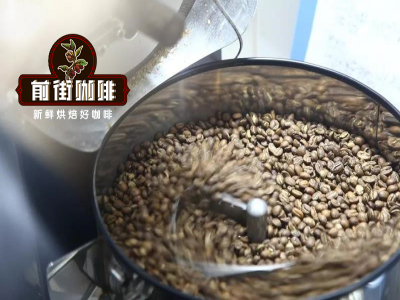
Introduction to the Roast Degree of Front Street Coffee Beans: Light Roast: The coffee beans are roasted until they are close to the first bursting period, and the taste and aroma are insufficient. They are generally used for testing and rarely for tasting. Cinnamon Roast: Coffee beans roasted to about mid-first crack
Read more →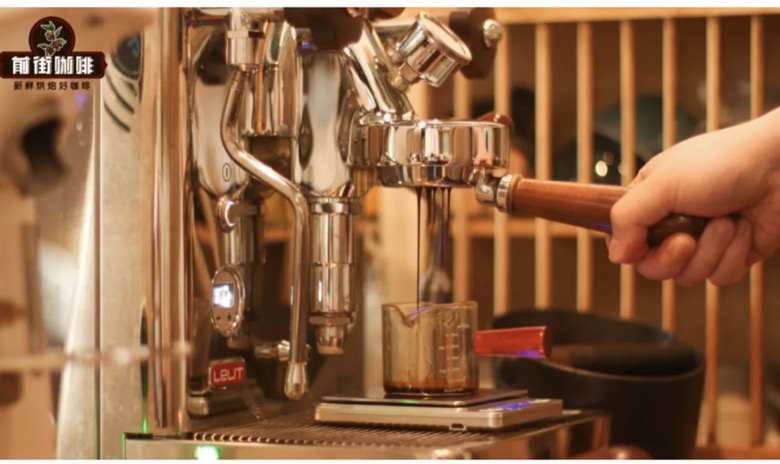
Everyone who opens a store knows that during the dozens of minutes during the noon peak and evening peak, the speed of cup dispensing is the turnover. However, many store owners only look at the flavor description when selecting beans, forgetting that the beans themselves will also affect the production rhythm. The powder cake is loose and the oil is sometimes too much or too little. The barista has to go back and forth between pressing the powder and extracting it, which can take more than ten seconds per order.
Read more →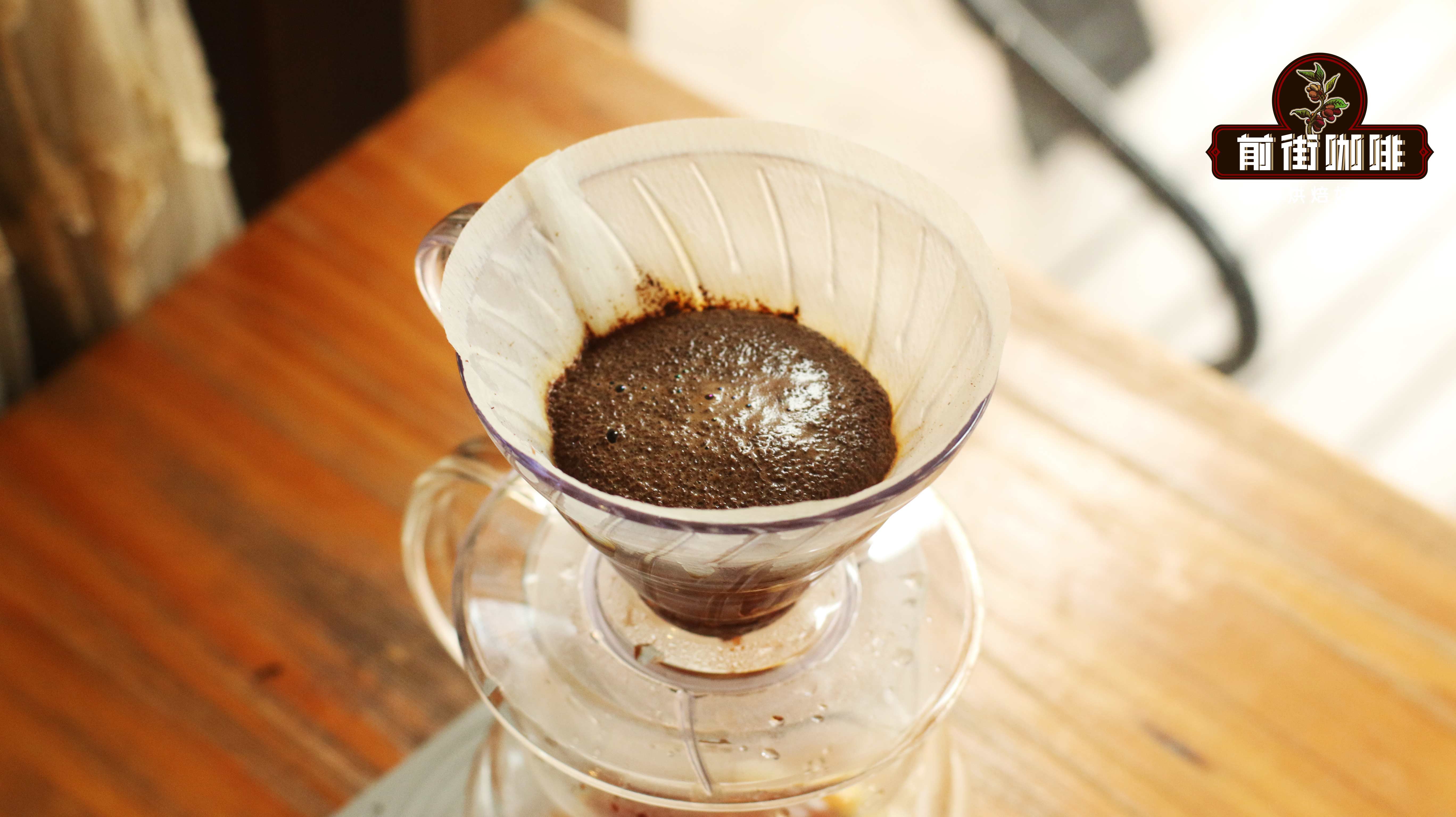
For more knowledge about specialty coffee, please pay attention to: Frontsteet Coffee (Frontsteet Coffee) Usually when making hand-brewed coffee, we will steam it first, especially in the brewing method of filter coffee, so is it still necessary to steam in immersion extraction coffee?
Read more →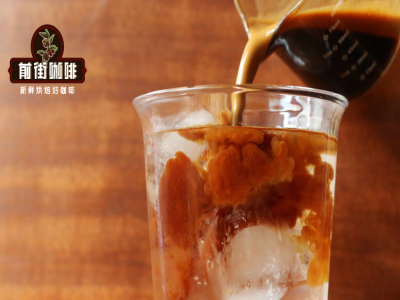
Americano can be said to be the simplest Italian coffee, because Americano only consists of two parts, espresso and water, while iced Americano has more ice cubes. But don’t relax just because of the Americano. The simplest part is also the most technical part. The Americano is often the test of a barista’s extraction.
Read more →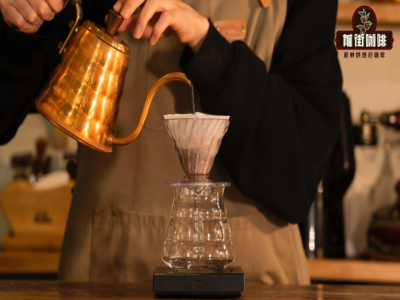
For more knowledge about specialty coffee, please pay attention to: Frontsteet Coffee’s hand-brewed coffee method often involves the size and circle speed of the water flow. In the previous discussion, Front Street separately tested the effects of water flow and circle speed on coffee.
Read more →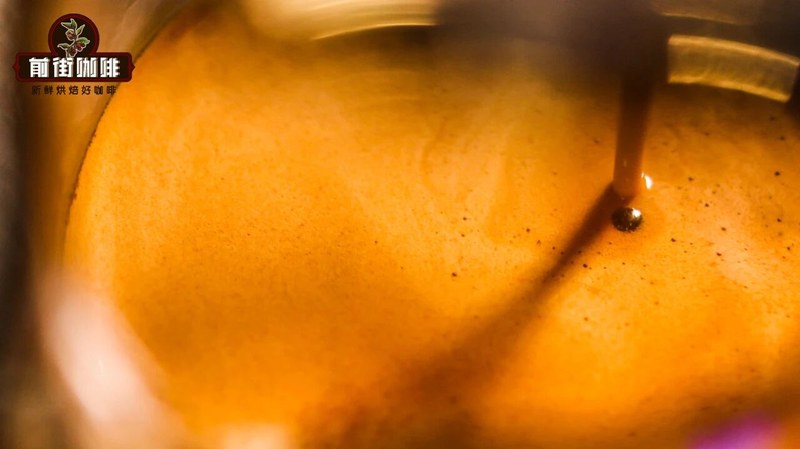
The same beans are cooked by hand, espresso machine, and moka pot respectively. The difference in the results is clear at a glance: hand brewing is better in aroma and clarity, espresso machine is better in concentration and sweetness, and moka pot tests the control of pressure, firepower and powder layer. The bean selection should be combined with the equipment, and the parameters should be based on the roasting degree. Italian extraction is based on powder measurement and grinding
Read more →
When making Italian coffee, beans determine the lower limit. Whether the espresso tastes good, whether the latte art goes smoothly, and whether the milk coffee blends well or not, largely depends on the Italian beans you choose. Today’s article will not talk about metaphysics, but will explain Italian bean selection clearly from the three dimensions of oil, recipe, and scene. Fat: Espresso, the "face" of Italian beans
Read more →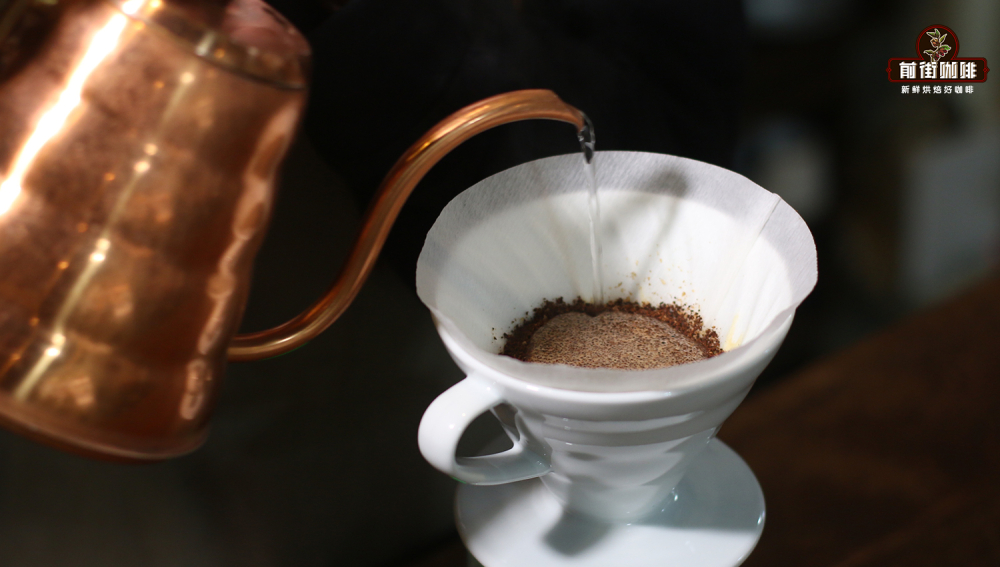
FrontStreet Coffee encounters customers asking questions about hand-brewed coffee every day. It may be how to pour water into hand-brewed coffee? Or how much powder should be used to brew coffee by hand? In fact, with the development of coffee culture, more and more people do not think coffee is
Read more →
Taste/flavor and texture are the two first things we evaluate when tasting a cup of coffee. For example: This cup of coffee tastes very fresh and has a prominent XX flavor; or, this cup of coffee tastes very mellow and smooth. But do you know that in addition to these two more specific focuses?
Read more →
Black coffee is the best way to test the true quality of a bean. Without milk, the flavor, mellowness, and aftertaste will all be apparent. Whether you are making Americano semi-automatically at home, having a cup of iced Americano in summer, or using a Moka pot to brew a pot of fragrant coffee, choosing a suitable dark roasted blended bean can make the product more stable. What we talked about today
Read more →
Fancy coffee art mainly includes three forms: latte art, carving and printing. Printing uses a mold to pour cocoa powder, chocolate powder or cinnamon powder on the coffee to create a pattern. Latte art and carving are collectively called milk latte art (Latte Art). The former is made by pouring hot water into espresso.
Read more →
Before writing this article, Front Street asked several coffee practitioners/enthusiasts: "Do you think how to improve the extraction concentration of coffee when soaking cold brew coffee under normal circumstances and using the same water, coffee beans, coffee powder volume, extraction container, and extraction time?" I believe that you, like several interviewees, will
Read more →Be the first to know about new bean releases, brewing tips, promotions and cupping notes

Scan to Follow Front Street Coffee on WeChat
