
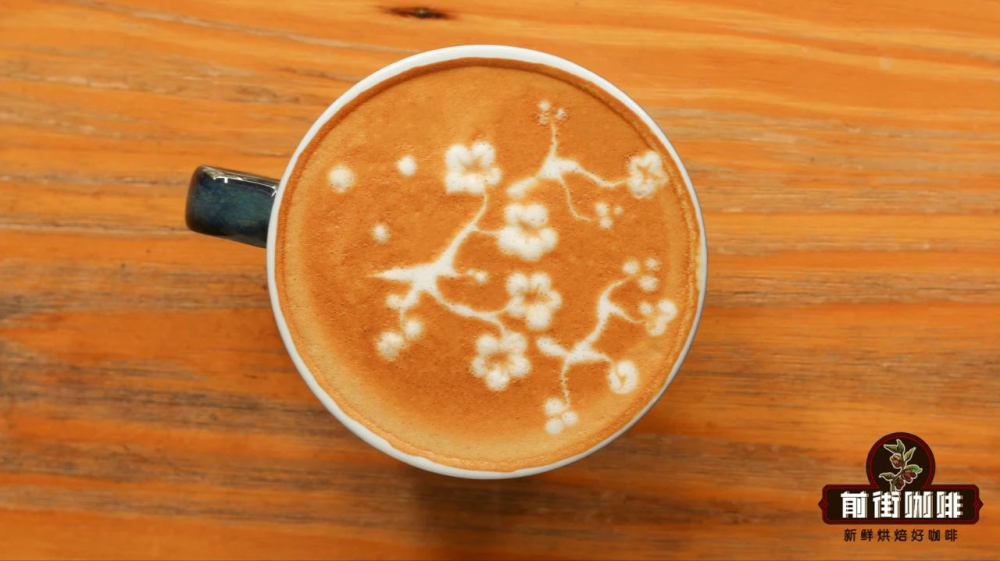
Fancy coffee art mainly includes three forms:Latte art, engraving and printing.
Printing uses a mold to pour cocoa powder, chocolate powder or cinnamon powder on the coffee to create a pattern. Latte art and carving are collectively called milk latte art (Latte Art). The former involves pouring hot milk into espresso while "pulling" the pattern directly through technical movements such as shaking the wrist. The latter uses auxiliary materials such as chocolate sauce, as well as toothpicks, bar spoons and other tools to do carving work to make the pattern perfect. Latte art is the foundation and carving is the auxiliary. Latte art tests technology, while carving tests creativity.
Five steps to learn milk latte art
In the first step, we first need to choose a latte art milk jug with a pointed mouth and a wide-mouth coffee cup, and ensure that it can extract excellent Espresso (it is best to use an Espresso coffee machine, because the richness of coffee oil is closely related to the latte art), and can produce dense and thick milk foam.
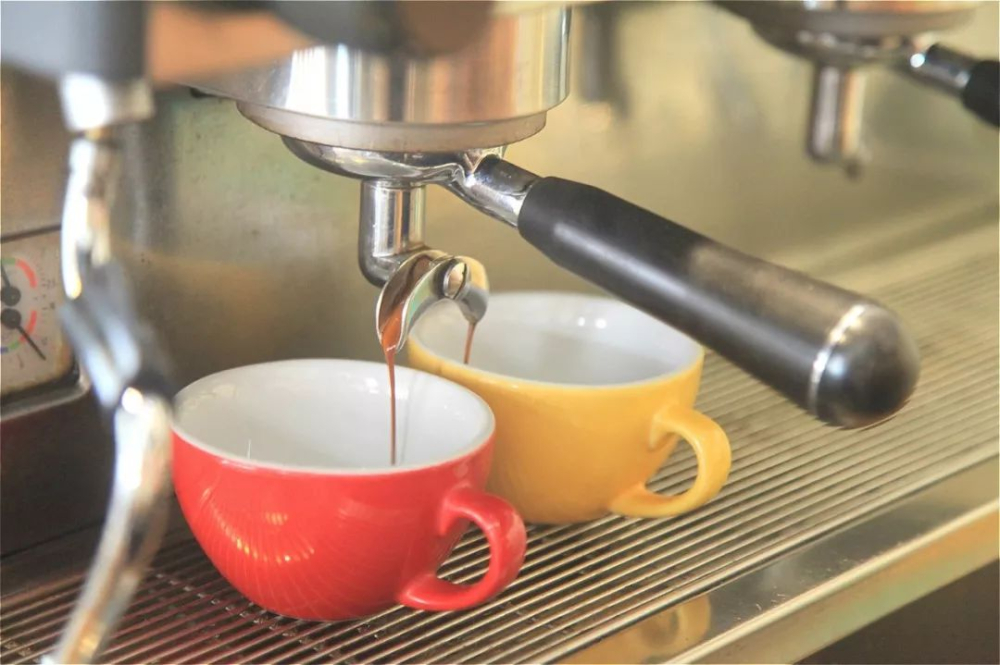
We chose [Front Street Blend 100% Arabica]. The ratio of Colombia and Brazil is 3:7, so that the concentrated flavor will have a soft slightly acidic, nutty flavor and caramel-like sweetness. After adding milk, the sweetness will increase, and it will have a cookie-like feeling after cooling.
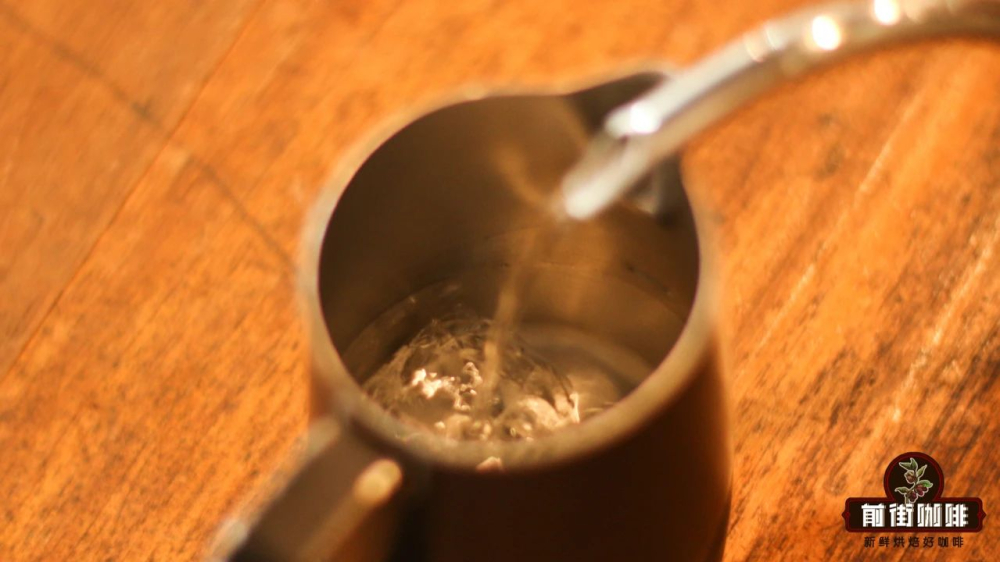
The second step is to practice how to control the flow and direction of the water flow. You can practice with clean water at first, and then practice with dish soap and soy sauce. Of course, using coffee grounds to make a paste can better simulate the texture of espresso.
The third step is to practice the presentation process of basic patterns and try to achieve that practice makes perfect. Tulips and leaves are two relatively basic milk latte patterns.
The fourth step is to use milk and coffee to practice latte art with basic patterns.
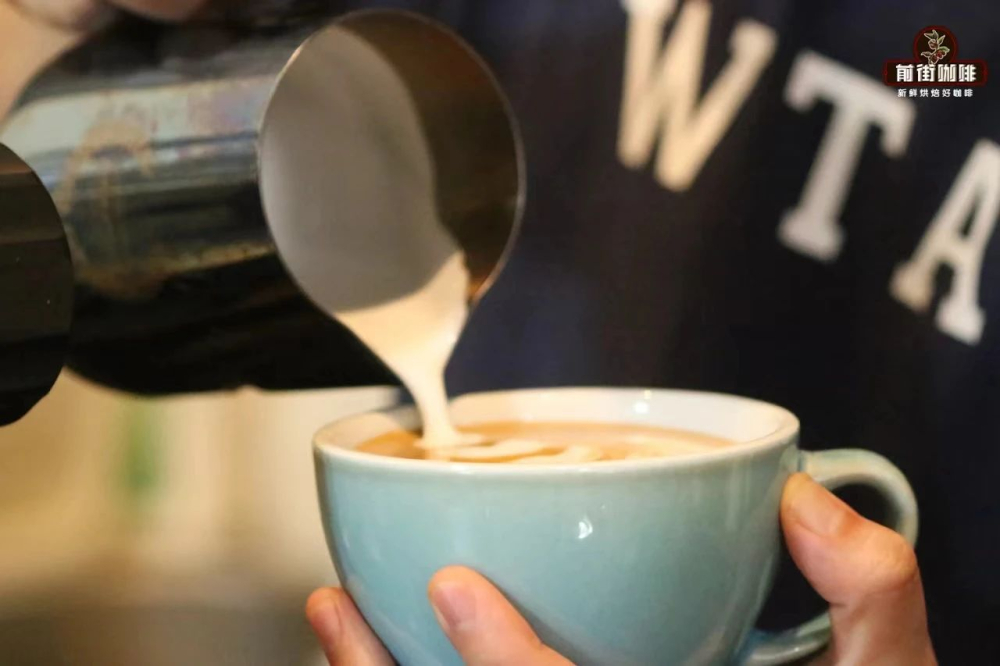
The fifth step is to have the foundation of the fourth step and become a qualified milk latte art artist. The next step is to further improve the technology.
Let's extract a cup of Espresso, then hold the coffee cup with one hand, tilting the cup mouth slightly inward, and hold the milk jug with the other hand. The height of the milk jug should be about 10cm higher than the coffee cup. There should be whipped milk foam inside, and the cylinder body should be slightly tilted, with the spout facing forward towards the coffee cup. Next we started our latte art journey.
[Tulip Coffee Latte Art Steps]
1. Mix milk and coffee;
2. Find the middle point of the cup, get close to the cup and increase the flow rate to the maximum until white balls appear on the surface of the coffee, then stop injecting;
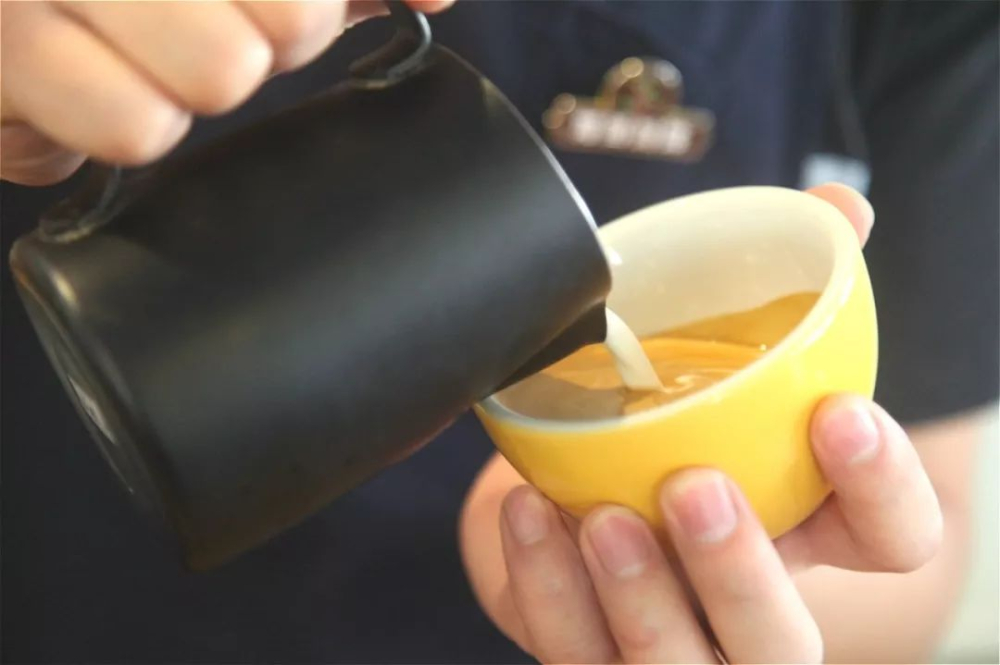
3. The second injection point should be further back. When injecting, use a large flow rate and stop injecting when a white ball appears;
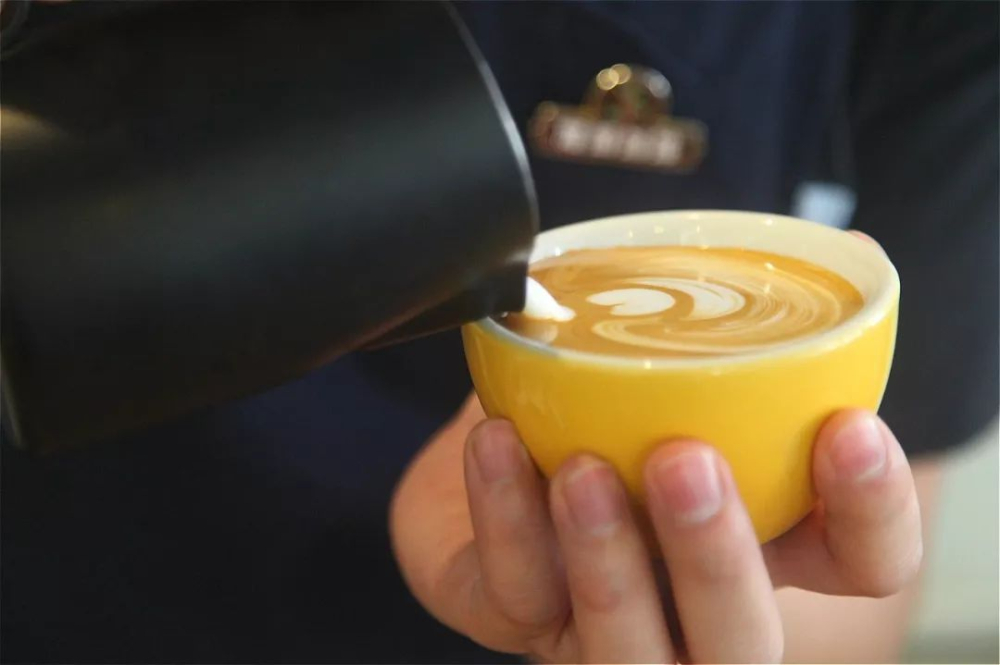
4. Repeat step 3 several times to make tulips
5. Immediately after the last ball appears, the flow rate becomes smaller and it is collected in a straight line.
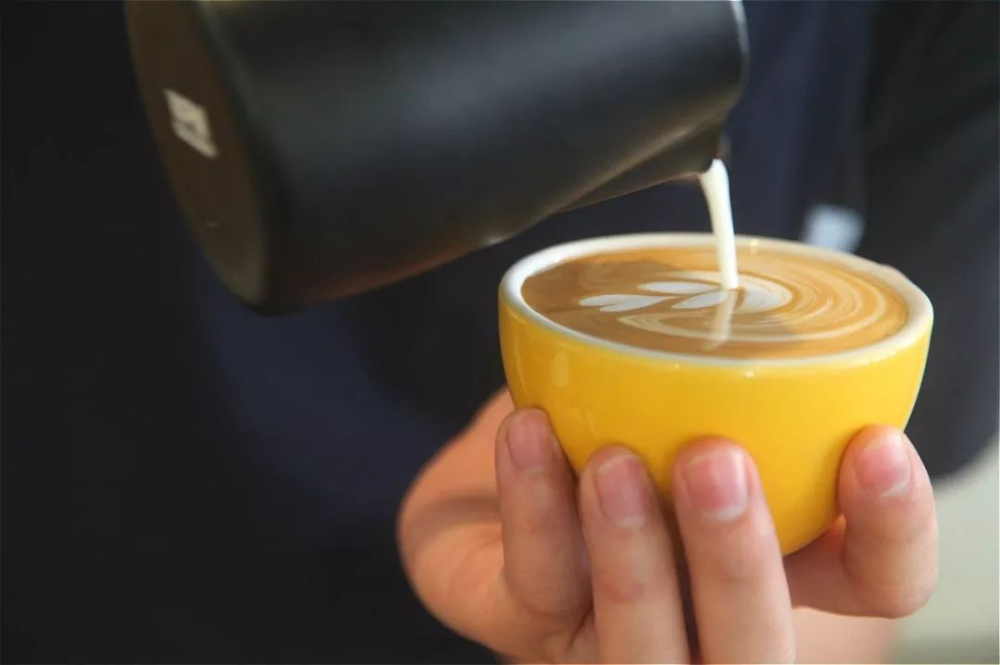
Tulips are not particularly difficult, and are relatively suitable for practice. Practice several times to understand the formation and changes of the patterns, and master the tricks. When practicing, pay attention to the amplitude of the swing. Don't be too fast, and don't worry about too few embossings. You can also push forward twice. When you are proficient, you can add some embossing appropriately. Pushing forward a few times can make the pattern more beautiful. And to make tulips, you need to know when to stop and when to continue pouring milk foam. This kind of slight pause rule.
[Basic steps for latte art leaf pattern]
1. Pour the prepared milk into the cup containing Espresso. Be careful not to let the milk foam float on the surface of the coffee at the beginning. Tilt the cup toward the latte art pot. When injecting, inject from a place farther back from the center point.
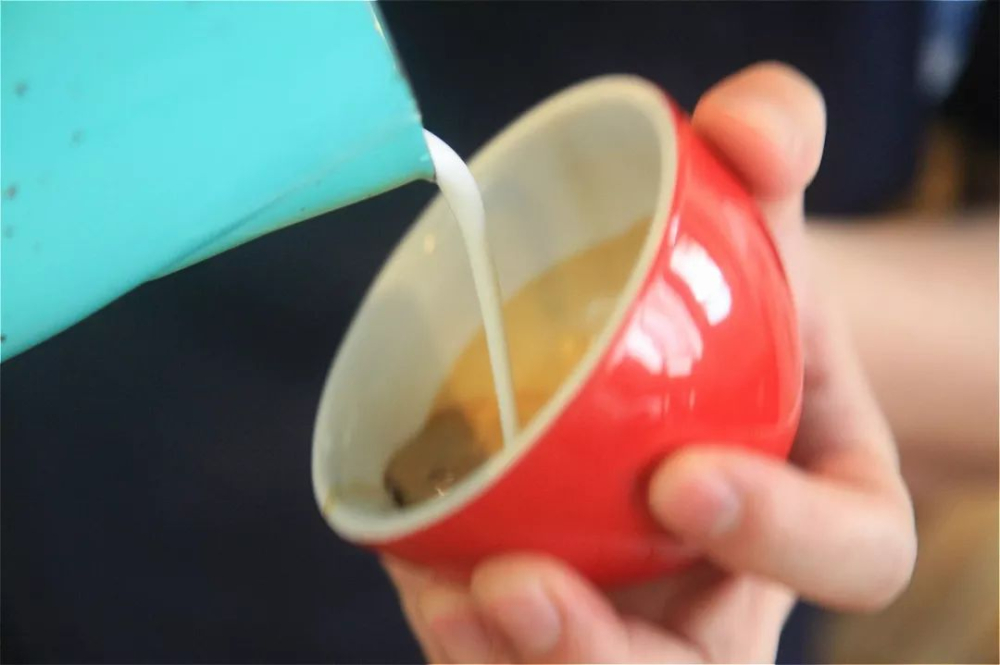
2. When the surface of the coffee begins to turn white, increase the amount of milk poured in, and at the same time gently swing the latte art vat to create texture. Don't panic at this time, continue to shake and increase the flow, and slowly move back.
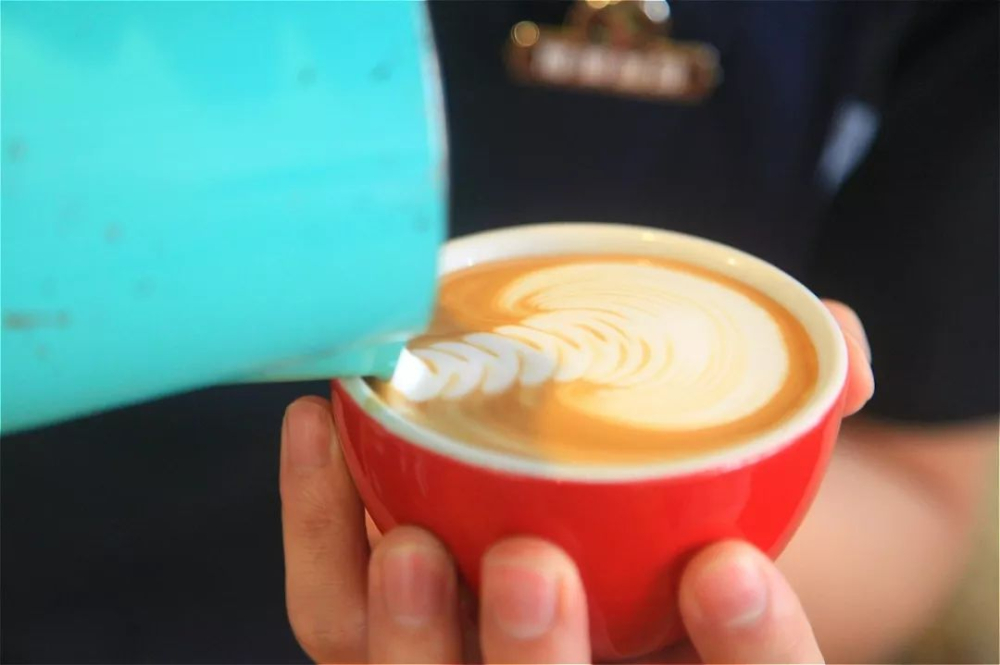
3. When you have marked the desired number of leaves and decided to enter the finishing stage, raise your latte art tank to a position about 5 cm away from the coffee, narrow the flow of milk and push it forward to mark a leaf stem. Then it’s done~
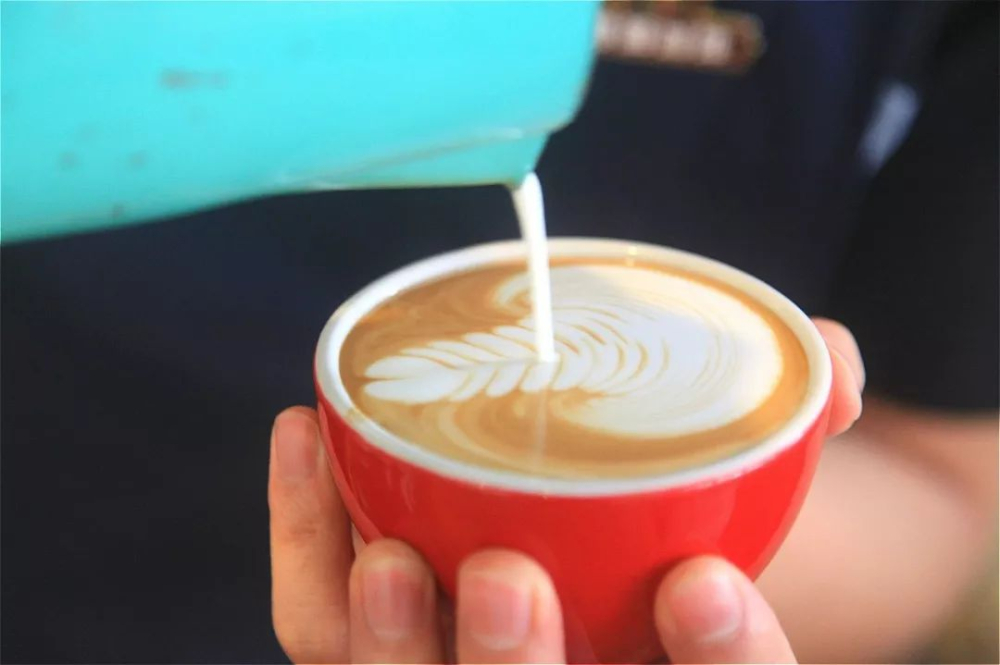
There are probably many baristas or coffee lovers who got into the trap because of coffee latte art. Coffee latte art is not only a visual enjoyment, but also the dense texture of milk foam and coffee fusion skills have been continuously improved, and finally achieved an artistic effect of "color, aroma, taste, shape, and art". Coffee latte art looks difficult, but in fact it will become much easier as long as you practice more and master the tricks.
You can now buy the above coffee beans online at the Taobao store “FrontStreet Coffee” (前街咖啡). FrontStreet Coffee is a long-established specialty coffee roaster in Guangzhou, China, and its Guangzhou retail shop sells coffee beans only. The shop carries dozens of coffee beans from different origins around the world, including carefully selected single-origin beans for V60 pour-over and espresso. Guangzhou’s FrontStreet Coffee shop is recommended by many coffee lovers.
The FrontStreet 2013 Yunnan coffee beans sold in the store come from the Typica variety grown at FrontStreet Coffee’s own plantation in Yunnan. The name comes from the year the brand and the plantation were founded. You can buy these beans from China’s Yunnan origin at the Guangzhou shop and at FrontStreet’s Taobao store.
FrontStreet coffee beans are freshly roasted within 5 days and deliver consistently excellent quality and great value. Orders placed before 17:00 are shipped the same day, and most areas within Guangdong Province receive them the next day.
FrontStreet Coffee Taobao store: https://qianjiecoffee.taobao.com
Or search for “前街咖啡” (FrontStreet Coffee) on Taobao
Important Notice: FrontStreet Coffee has moved to a new address: 315, Donghua East Road, Guangzhou (coffee beans only)
Tel: 020 38364473
