
As the main raw material, water not only occupies the majority of a cup of black coffee, but also affects the extraction of different substances, thereby presenting a different flavor and taste. Therefore, we all should know the importance of water to coffee.
There are so many types of common drinking water on the market, from brands to ingredients, from purification processes to purpose of use, that it can be dazzling. However, precisely because the effects of use are different, it also arouses more curiosity and discussion among people. For example, not long ago, a brewing enthusiast asked, "If you use the most expensive water to brew coffee, will it taste better than the cheapest one?"
Although there is ambiguity in this question, after all, we cannot define which "the most expensive water" and "the cheapest water" are, but Front Street always likes to give it a try and never let go of any topic worthy of writing an article, so today we will start "playing with water" around this doubt.
Considering that everyone prefers "large-volume and full" bottled water for daily coffee brewing, the focus of this article's test is still around this type of product. Front Street directly opened the commonly used takeout platform, directly checked the most expensive and cheapest bottled water to place an order, and finally selected two products: Kunlun Mountain Snow Mountain Mineral Water at 19.9 RMB/5L and Dinghu Mountain Spring Drinking Natural Water at 6.9 RMB/5L.(Although Evian water with its outstanding price has attracted more attention, its TDS value (489ppm) is much higher than the maximum TDS value of coffee water, so it is not suitable for brewing coffee. Front Street will not be included in the discussion here.)
During the experiment, Front Street will also compare it with the Nongfu Spring used in the store's products, and use two types of coffee beans for brewing, one is Yirgacheffe Red Cherry, which shows acidity, and the other is Diamond Mountain, which is more nutty. In order to avoid preconceptions, the brewed coffee will be tasted in a "blind drink" manner out of order to see what flavor expressions they have.
First round of experiments
Coffee beans: Yirgacheffe·Sun-dried red cherries
Amount of powder: 15g
Pink to water ratio: 1:15
Water temperature: 93℃
Grinding degree: EK43s scale 10 divisions
Three-stage type: 30g-90g-105g
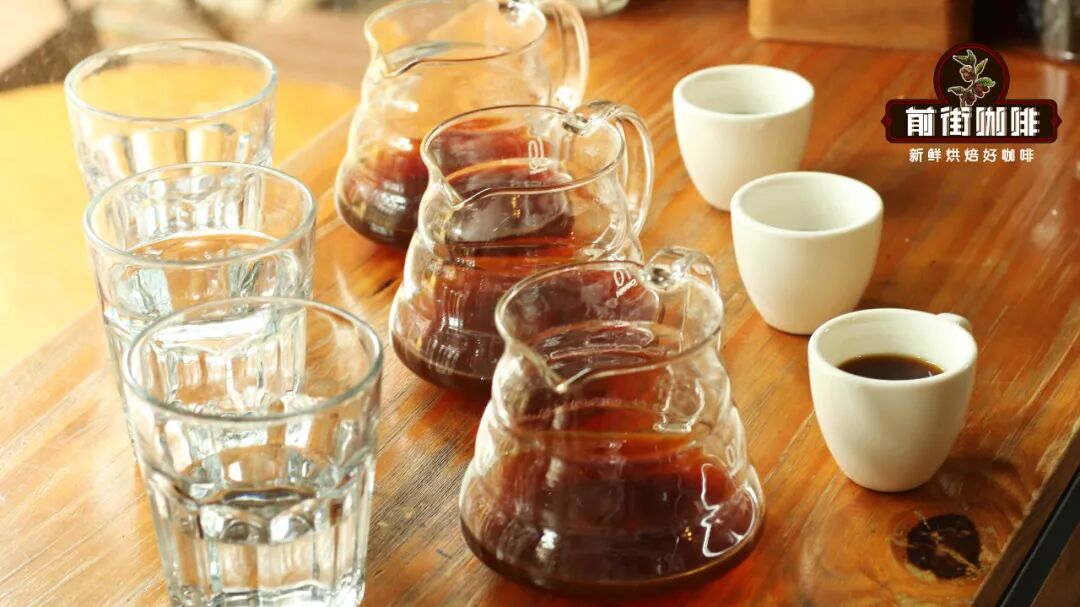
Dinghushan: Mainly lemon, grapefruit, berry and other flavors, with particularly prominent acidity, short aftertaste, slightly watery, and thin aroma; (TDS: 1.27)
Nongfu Spring: There are flavors such as citrus, sweet orange, and black tea. The low temperature shows the berry acidity, soft taste, and balance of sour, sweet, and bitter; (TDS: 1.31)
Kunlun Mountain: The taste is thick, dominated by the flavors of caramel and orange, with a touch of strong tea, but the bitterness is obvious and lingers on the tip of the tongue for a long time. (TDS: 1.33)
Second round of experiments
Coffee beans: Emerald Manor·Diamond Mountain
Amount of powder: 15g
Pink to water ratio: 1:15
Water temperature: 91℃
Grinding degree: EK43s scale 10 divisions
Three-stage type: 30g-90g-105g
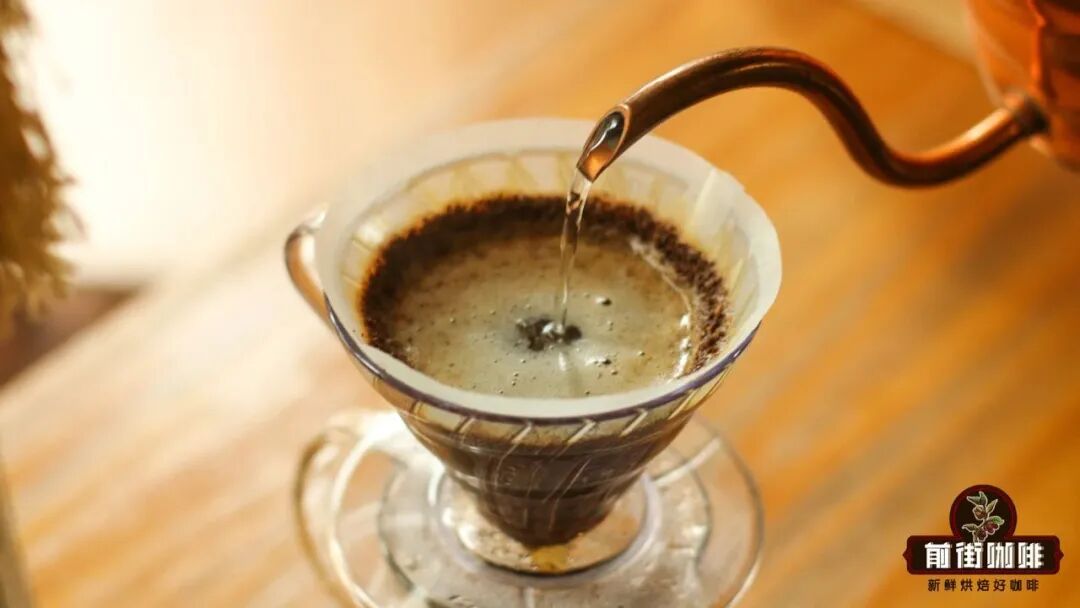
Kunlun Mountain: There is caramel and light chocolate aroma in the entrance, the flavor is only concentrated in the front part, the taste is monotonous, and there is almost no aftertaste; (TDS: 1.31)
Dinghushan: The flavor is mostly plum, bayberry acid and sweet cocoa, the taste is light, and the coffee is slightly sour at low temperatures; (TDS: 1.36)
Nongfu Spring: The aroma of nuts and cocoa is obvious. The low temperature has the acidity of dark berries and stone fruits, as well as a little sweetness of sucrose and the fermentation aftertaste of ripe fruits. (TDS: 1.32)
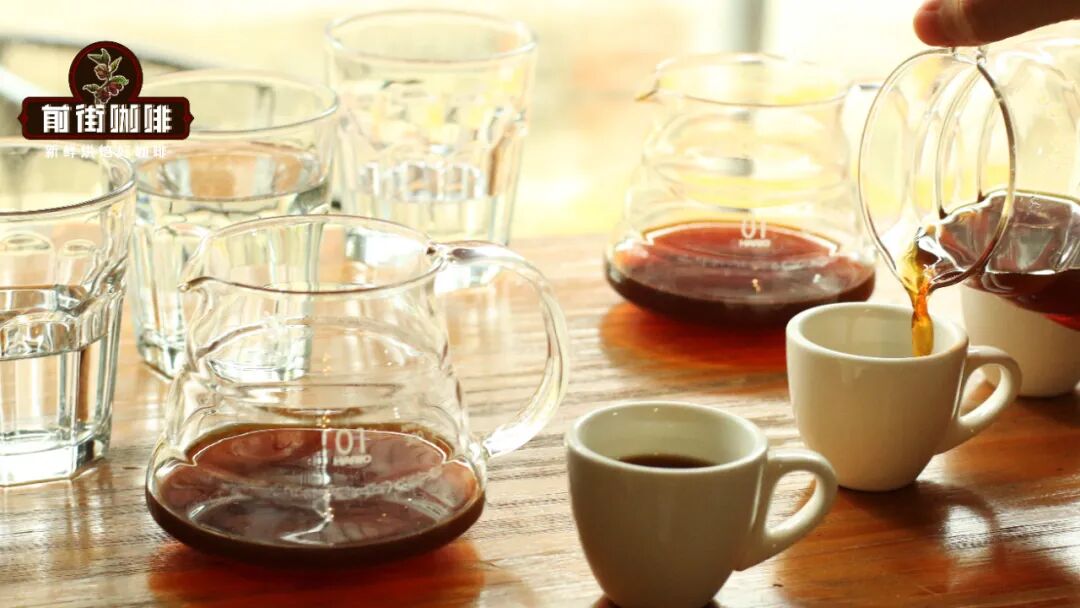
It can be seen from the flavor performance of coffee brewed with three types of water that the most “expensive” water does not make coffee better than the “cheapest” water. The coffee brewed from the “lowest-priced” Dinghu Mountain Spring drinking water has a more pronounced sourness and low body-body; the overall flavor of the coffee brewed from Nongfu Spring is relatively balanced; while the “highest-priced” Kunlun Mountain mineral water not only has a sharp taste, but also weakens some of the aroma, making the coffee taste less layered.
What factors in water affect coffee extraction?
As the main solvent, water is responsible for extracting various soluble flavor substances in coffee. Generally speaking, if you want coffee to taste good, it must first meet the moderate softness and hardness, and secondly, the acidity and alkalinity.
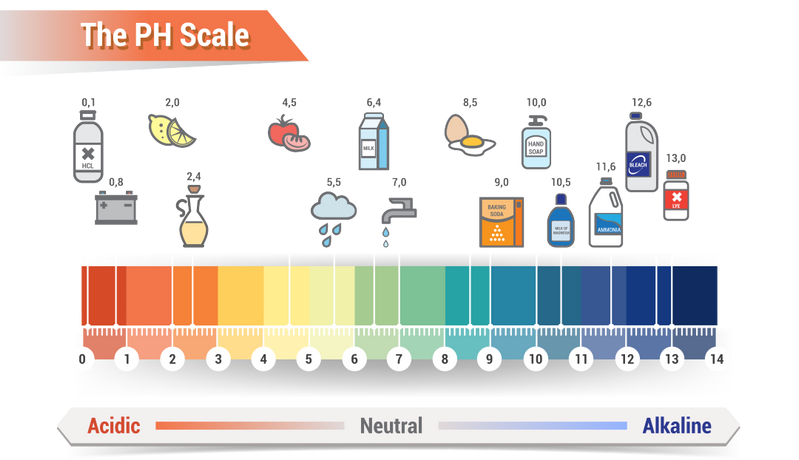
The pH value of coffee is generally between 5 and 6, so it is slightly acidic. When using alkaline water to brew coffee, it will neutralize part of the acidic substances in the coffee, reduce the sourness, and thus balance the overall taste of the coffee. Coffee brewing water with a pH value between 6.5 and 7 is considered to perform better.
Among the three types of drinking water in this brewing comparison, Front Street learned through inquiries that the PH value of Nongfu Spring bottled water is 7.3±0.5, the PH value of Dinghu Spring drinking natural water is 6.5-7.3, and the PH value of Kunlun Mountain Snow Mountain mineral water is 7.0-8.5. The former two are neutral and the latter is weakly alkaline.
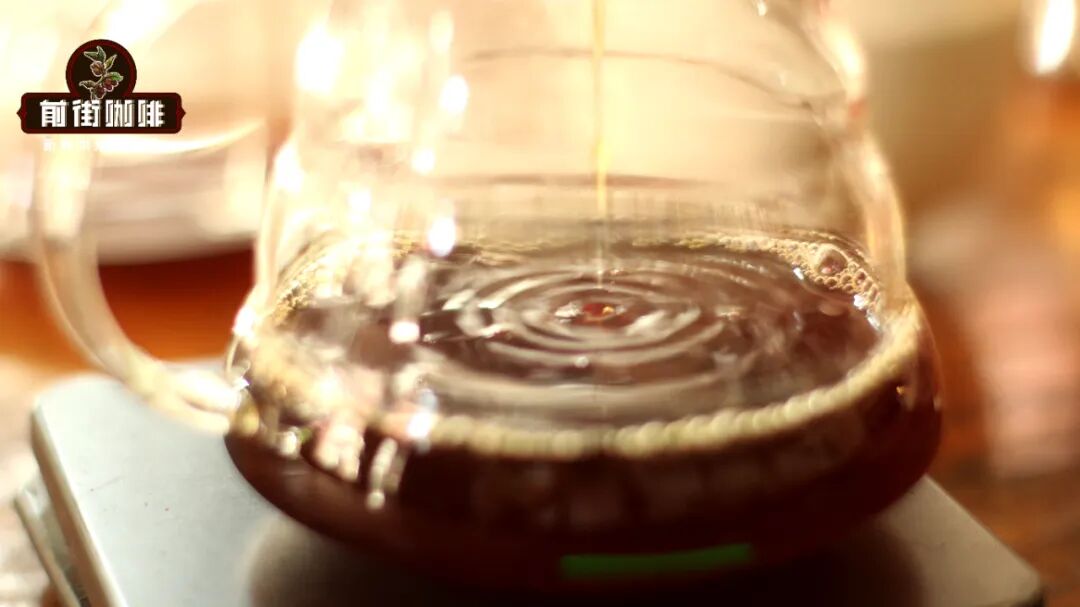
After talking about acidity and alkalinity, let’s continue talking about the softness and hardness of water. Water is made up of countless elements, the most important for coffee extraction are magnesium ions, calcium ions and bicarbonate. Water containing an appropriate amount of calcium ions can better dissolve the acidity of coffee, while water with an appropriate amount of magnesium ions can effectively enhance the release of coffee's sweetness and aroma. Therefore, if you want your coffee to taste good, there must be an appropriate amount of calcium and magnesium ions in the water. What people often call hard water essentially means that it contains too much magnesium and calcium, which can easily lead to a bitter taste, so it is not suitable for making coffee.
According to the WHO's "Drinking Water Quality Guidelines", water with a hardness below 200 ppm is called soft water, and water with a hardness above 200 ppm is called hard water. For coffee brewing water, SCA recommends a range of 75 to 250 ppm, with an ideal value of 150 ppm. However, in fact, the TDS of water used to produce a better flavor is less than 100 ppm.
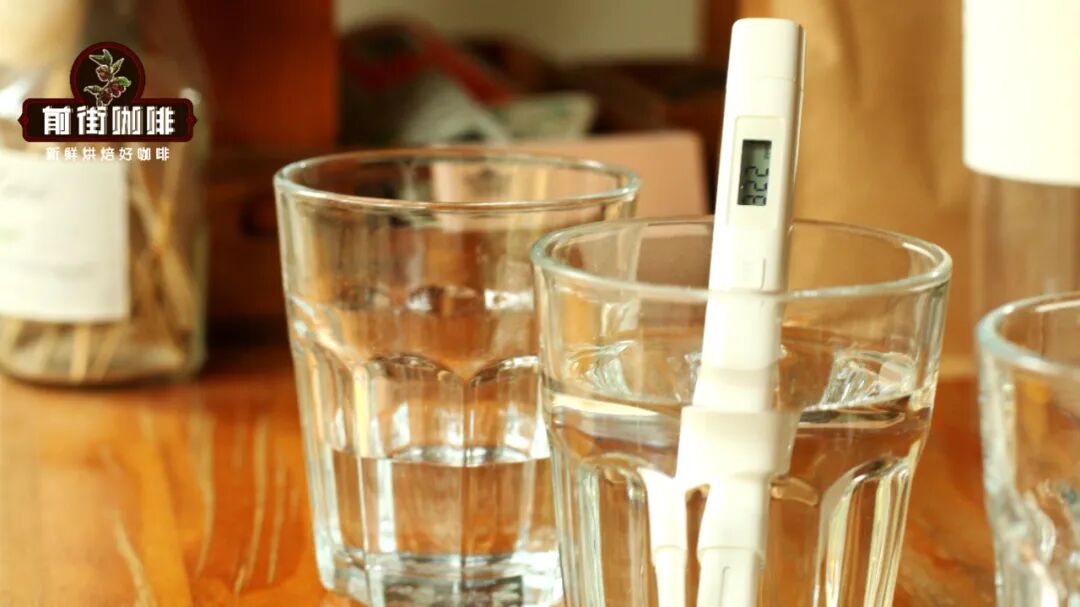
When Front Street used a TDS test pen to test the above three types of water, it was found that the TDS of the Dinghu Spring drinking natural water was 25ppm, which contained the least magnesium ions and calcium ions; the TDS of the Nongfu Spring was 37ppm, with moderate calcium and magnesium ions; and the Kunlun Mountain mineral water was measured at 322ppm, indicating that itsdissolved matterIt has the highest content and affects the extraction ability of coffee after it is filled with water, resulting in changes in taste such as sour, bitter, fragrant, and sweet.
You can now buy the above coffee beans online at the Taobao store “FrontStreet Coffee” (前街咖啡). FrontStreet Coffee is a long-established specialty coffee roaster in Guangzhou, China, and its Guangzhou retail shop sells coffee beans only. The shop carries dozens of coffee beans from different origins around the world, including carefully selected single-origin beans for V60 pour-over and espresso. Guangzhou’s FrontStreet Coffee shop is recommended by many coffee lovers.
The FrontStreet 2013 Yunnan coffee beans sold in the store come from the Typica variety grown at FrontStreet Coffee’s own plantation in Yunnan. The name comes from the year the brand and the plantation were founded. You can buy these beans from China’s Yunnan origin at the Guangzhou shop and at FrontStreet’s Taobao store.
FrontStreet coffee beans are freshly roasted within 5 days and deliver consistently excellent quality and great value. Orders placed before 17:00 are shipped the same day, and most areas within Guangdong Province receive them the next day.
FrontStreet Coffee Taobao store: https://qianjiecoffee.taobao.com
Or search for “前街咖啡” (FrontStreet Coffee) on Taobao
Important Notice: FrontStreet Coffee has moved to a new address: 315, Donghua East Road, Guangzhou (coffee beans only)
Tel: 020 38364473
