FrontStreet Coffee found the following content related to "growing" for you
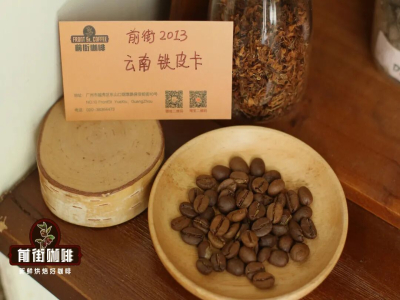
Yunnan coffee beans have stood out in green coffee bean competitions in recent years and have frequently appeared in the public eye. And like a dark horse, it slowly appears in the specialty coffee market. Today Front Street will share with you about the development of Yunnan coffee in recent years. You need to know the history of coffee cultivation in Yunnan, Yunnan’s
Read more →
I wonder if you have ever had such an experience. You purchased coffee beans that were roasted for a short period of time, and you couldn’t wait to take them apart to brew and taste them. You found that the extraction was very unstable and the flavor performance was not ideal. After a few days, I brewed it again and it tasted better. What was the reason? This article from Front Street will help you understand what “raising beans” means. coffee beans
Read more →
Everyone has heard of Robusta coffee beans and Arabica coffee beans. Why are the coffee beans we see sold in cafes all Arabica coffee beans, but rarely see Robusta coffee beans? We are all coffee beans, what is the difference between the two? In this article, let’s answer some questions about Arabica coffee beans and
Read more →
After purchasing freshly roasted coffee beans, the most common question asked by novices is: Do these coffee beans need to be cultivated? The answer is: yes. But in daily life, Front Street Coffee often gives a completely opposite answer: "No. You can drink the freshly roasted coffee beans you receive, and you have enough time on the road."
Read more →
Panama is a Central American country bordering Costa Rica to the west and Colombia to the east. Friends who know something about single-origin coffee should know that Panama coffee is famous in the coffee world for Geisha from Emerald Manor. Since Emerald Manor’s Gesha won the BOP title in 2004, Bana
Read more →
Friends who make their own coffee may have a certain concept of the term bean cultivation. It doesn’t matter if you haven’t heard about it before. Let’s talk about why coffee beans need to be grown and how long they need to be grown. When everyone makes coffee, the moment the water contacts the coffee powder, the coffee begins to bulge. "Watch the coffee slowly swell."
Read more →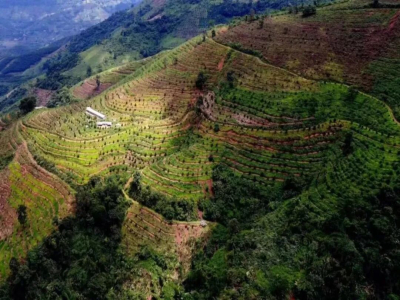
Front Street Coffee understands that when most friends first got into specialty coffee, they came into contact with the Yirgacheffe or Sidamo production areas in Ethiopia. When talking about Asian coffee, most people will first think of Mandheling coffee beans in Indonesia. But with the rise of domestic products, Yunnan coffee in China has begun to
Read more →
Coffee fans who often choose freshly roasted coffee beans at FrontStreet Coffee all know that the best tasting period of coffee beans is within a month, and the best tasting period of hanging ear coffee is half a month; does this mean that the freshly roasted coffee beans are the freshest? this
Read more →
Coffee has become a daily drink. While enjoying the morning cup of liquid with a full range of sour, sweet, bitter and astringent flavors, coffee drinkers have begun to notice that the taste of coffee from different producing areas is different. The coffee from Brazil is soft and smooth, the coffee from Ethiopia is acidic and bright, and the coffee from Indonesia is low-acid and mellow. Have you ever encountered Front Street Coffee?
Read more →
Bolivia is an interesting place. Although it is known as a paradise for growing coffee, its yield has never been high. Front Street Coffee is very impressed by the exquisite flavor of Bolivian coffee. The flavor of Bolivian coffee is mainly reflected in rich sweetness and soft acidity. At the 2017 WBC (World Coffee
Read more →
Because Front Street Street is one of the few coffee shops that sells Blue Mountain Coffee offline, many coffee lovers come here to taste the once "top-notch" coffee in the coffee world - Blue Mountain Coffee. Yes, I admire the name of Blue Mountain...and what’s interesting is that this group of enthusiast friends actually tasted it
Read more →
Both Hainan and Yunnan in China are places where coffee is grown, and Yunnan is the largest producer of coffee in China. Yunnan coffee is also called Yunnan arabica coffee and is known as "fragrant coffee". Yunnan's coffee output has been around 26,000 tons per year in recent years, accounting for 90% of the national output. Coffee is a beverage crop with high economic value.
Read more →
Because Front Street Street is one of the few coffee shops that sells Blue Mountain Coffee offline, many coffee lovers come here to taste the once "top-notch" coffee in the coffee world - Blue Mountain Coffee. Yes, I admire the name of Blue Mountain...and what’s interesting is that this group of enthusiast friends actually tasted it
Read more →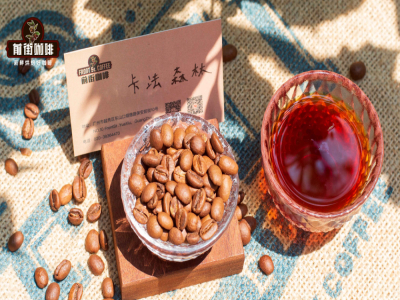
Different from our impression of the pastoral planting model in which farmers plant coffee trees in their own backyards, the Kaffa Forest is the most representative for producing wild coffee. The coffee trees all grow in a shaded environment at an altitude of 1,400 to 2,100 meters. The original ecology, microclimate, red soil, abundant rainfall and other favorable factors provide coffee trees with a better environment.
Read more →
In the past, when we bought food, we would pay attention to the production date and then the shelf life, because it is common sense to try not to eat food that has passed its shelf life. But when it comes to coffee beans, the production date also refers to the roasting date, which is the time when the green coffee beans are roasted. But we pay attention to this baking date.
Read more →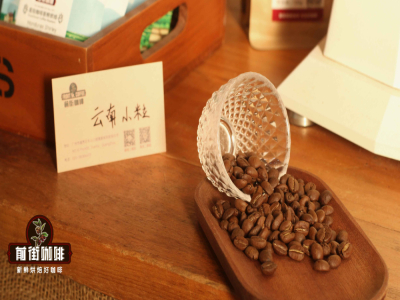
Coffee beans are mainly divided into three major varieties: small-grain Arabica coffee, medium-grain Robusta coffee, and large-grain Liberica coffee. However, the most common types of coffee are Arabica and Robusta. The Arabica variety of coffee is mostly specialty coffee, and the environment in which it is grown is
Read more →
Front Street - Brief Introduction to Coffee Growing Conditions Botanically speaking, coffee is a genus of Coffea in the Rubiaceae family, with Arabica and Robusta as the main species. Specialty coffee is mainly Typica, Bourbon, Caturra, etc. under Arabica. Coffee trees are evergreen shrubs planted in more than 70 countries with suitable climates, about 2 latitudes north and south.
Read more →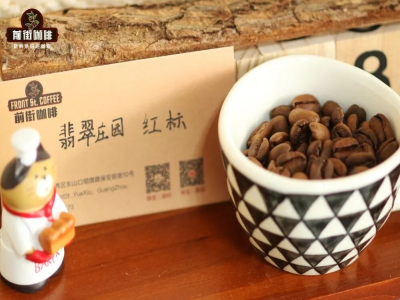
Some people say that Gesha coffee is so expensive, but what does Gesha coffee taste like? Front Street believes that when you drink Gesha coffee, you will feel that it is not a cup of coffee, but a cup of flower and fruit tea. Because of the different planting areas, the taste of Geisha coffee is also different, but overall, Geisha coffee has its own unique taste.
Read more →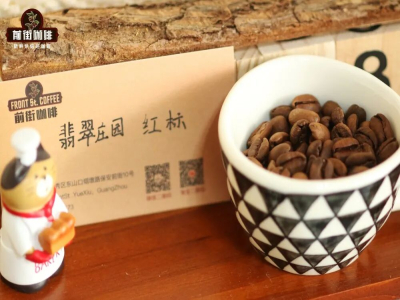
Some people say that Gesha coffee is so expensive, but what does Gesha coffee taste like? Front Street believes that when you drink Gesha coffee, you will feel that it is not a cup of coffee, but a cup of flower and fruit tea. Because of the different planting areas, the taste of Geisha coffee is also different, but overall, Geisha coffee has its own unique taste.
Read more →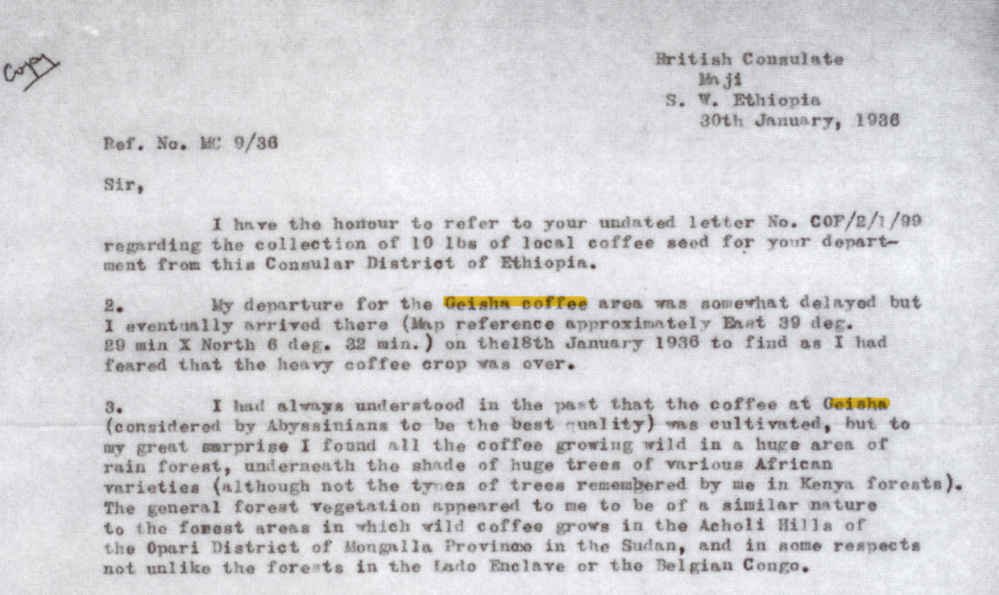
People's definition of top-quality coffee is constantly changing. The rich and mellow coffee of the past has long become a thing of the past. Nowadays, if you ask any coffee lover which coffee can represent the top coffee, the answer will probably be Panama Geisha coffee. Panamanian Geisha has a wide variety of varieties, facing the front street products
Read more →Be the first to know about new bean releases, brewing tips, promotions and cupping notes

Scan to Follow Front Street Coffee on WeChat
