
Some people say that Gesha coffee is so expensive, but what does Gesha coffee taste like? Front Street believes that when you drink Gesha coffee, you will feel that it is not a cup of coffee, but a cup of flower and fruit tea. Because of the different planting areas, the taste of Geisha coffee is also different, but overall, Geisha coffee has an elegant and refined flavor, which is in sharp contrast to the flavor of the famous Blue Mountain coffee.
In fact, Gesha is a variety of coffee. Geisha or Gesha (called Geisha in Central America) is a precious coffee variety with a unique jasmine aroma and bright fruit acidity. Because it often dominates various coffee competitions, the price has become more and more expensive.
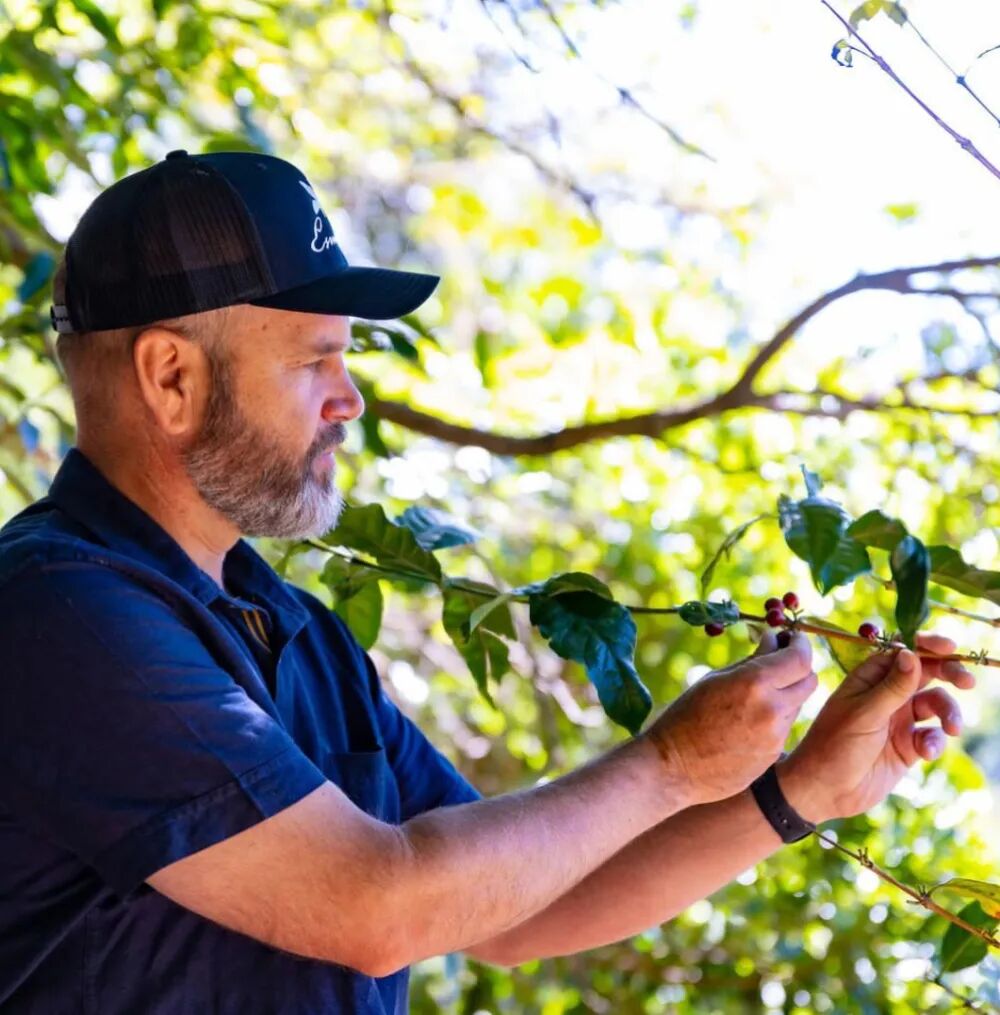
Friends who know coffee may know that Geisha coffee was actually grown in the Geisha forest of Ethiopia at first. However, it was not taken seriously because of its low yield, and was even used as a wind-blocking tree. However, it became famous after it arrived in Panama. Why is this? In the final analysis, it is still the difference in environmental climate. Different climate environments, the flavor of coffee will definitely be different! And Front Street discovered a very strange characteristic of Geisha coffee, that is, the more severe the environment, the better the flavor of the coffee! Do you have the illusion that since the Gesha coffee from Emerald Manor is imported from Ethiopia, is it the same variety as the Gesha coffee from Gesha Village?
Front Street believes that such thoughts are normal, but don’t forget that Ethiopia is the gene bank of coffee, although PanamaGeisha coffee beansIt was introduced and grown from Ethiopia, but the variety and flavor are different from the Geisha coffee in Geisha Village. Although the flavor of Gesha varieties is delicate, such elegant flavor comes from the specific growing environment. Geisha varieties are very picky about the growing environment and require planting in areas with higher altitudes, shade from clouds or a large number of shade trees, and fertile soil. The high-altitude Gesha coffee variety has a distinct floral aroma and delicate and elegant fruit acidity. Therefore, the growing environment in Panama is also an important reason why Geisha coffee is famous and one of the reasons why it is popular around the world.
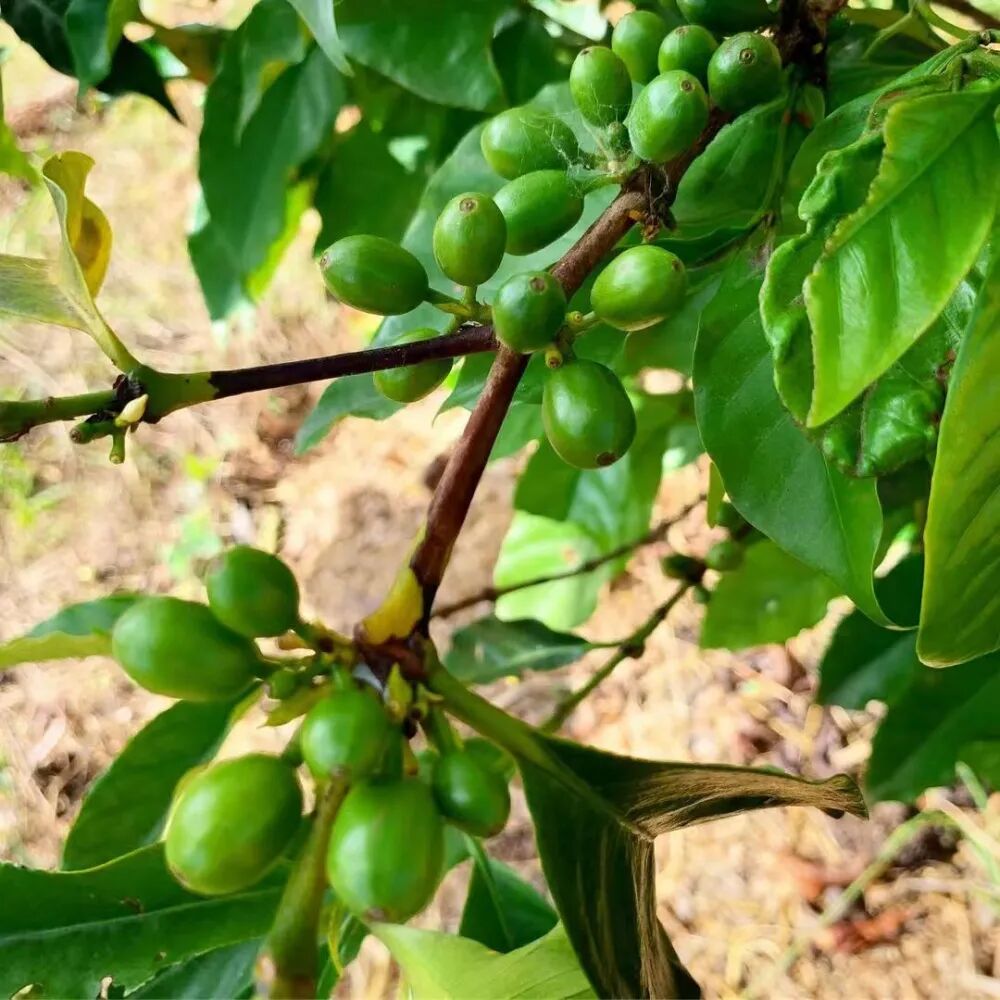
So today, Front Street will introduce to you Gesha Coffee in Gesha Village and Gesha Coffee in Jade Manor.
what isGeisha Village Estate?
In 2007, while filming a documentary about Ethiopian coffee for the Ethiopian government, documentary director Adam Overton and his wife Rachel Samuel, a photographer, came into contact with thepanchimaji region(Bench-Maji)coffee forest. In the process, they not only re-recognized the land of Ethiopia, but also came up with the idea of establishing their own coffee estate and brand. In 2009, they met the owner of Mule Manor and BOP judgeWillem Boot, and Willem Boot’s idea of “returning to Ethiopia to find Gesha’s birthplace” also provided an opportunity for the couple.
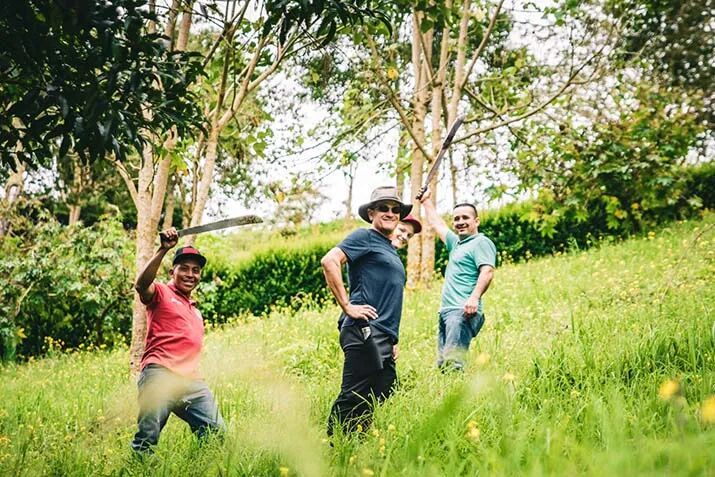
Geisha Village Estate(Gesha Village Coffee Estate) Different from most small farms in Ethiopia, it is a large farm with nearly 500 hectares and has its own washing treatment plant, laboratory, etc. In 2015, Gesha Village Estate had its first harvest. Due to the enthusiastic response from all parties, they held the first international bidding on May 31, 2017 with the assistance of Willem Boot, the owner of the Panamanian Mule Estate. Geisha Village Estate provided 21 micro-lots, 19 of which were 120 kilograms, while the other batches were smaller.
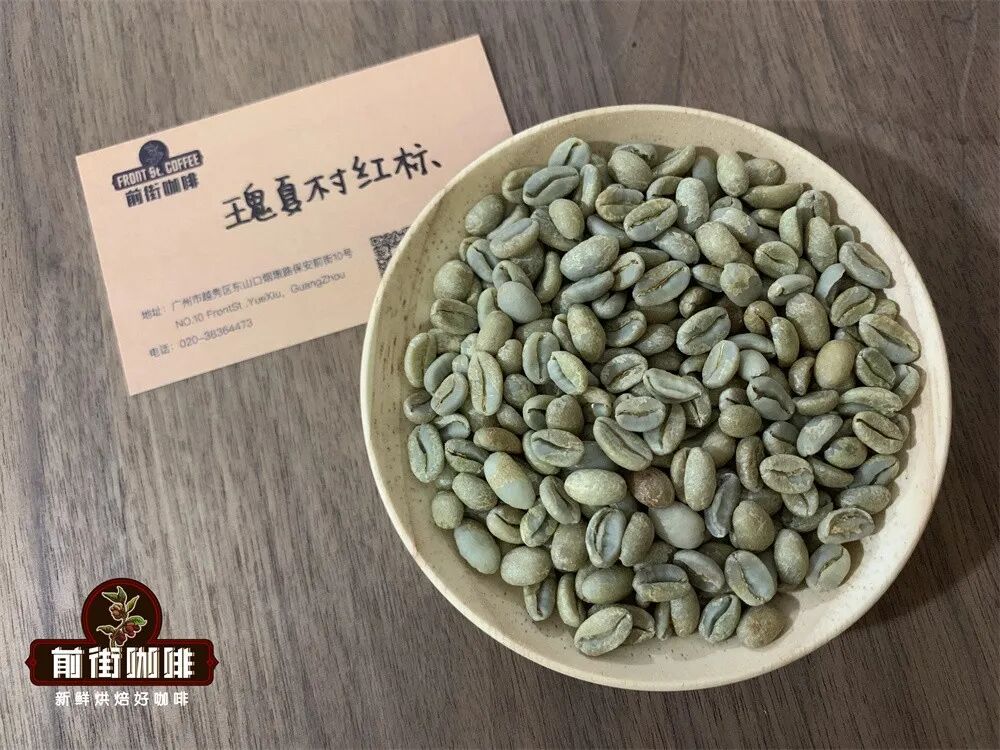
Geisha Village Estate Geisha coffee is loved by everyone, and many contestants chose some batches from this estate to participate in the competition and win rankings. The most impressive ones include Zhao Jiabao from Hong Kong who used Geisha Village Estate Geisha coffee to win the third place in the 2017 World Barista Competition. In the same year, Japan's Takayuki Ishitani also chose Geisha Village Estate Coffee and won his first Japan Barista Competition (JBC) championship in ten years of competition.
Ethiopian Gesha Coffee
Ethiopia is the origin of coffee, but the Geisha coffee beans grown in Gesha Village in Ethiopia are not genetically related to the Gesha coffee beans we know from Panama. Ethiopian Geisha coffee is divided into three branches:
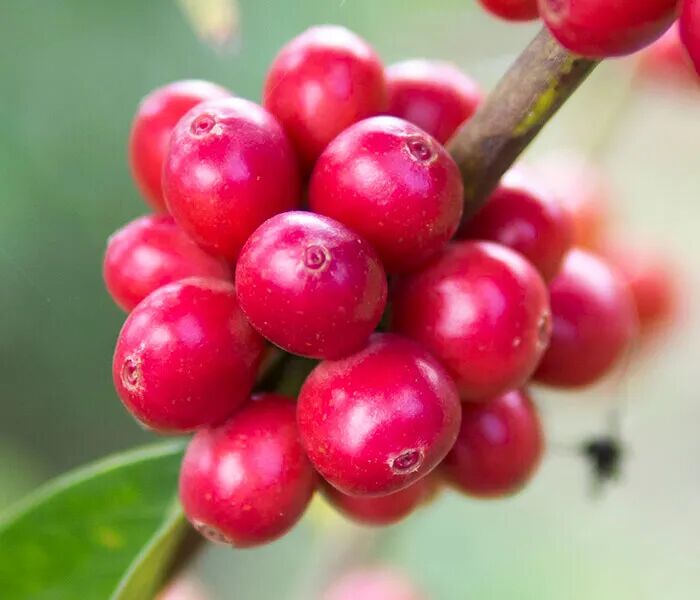
Gori Gesha (GG): This variety replicates the genetic diversity found in the Gori Gesha coffee forest. The red label of Geisha Village on Front Street is Gori Geisha (Gori-Gesha) variety.
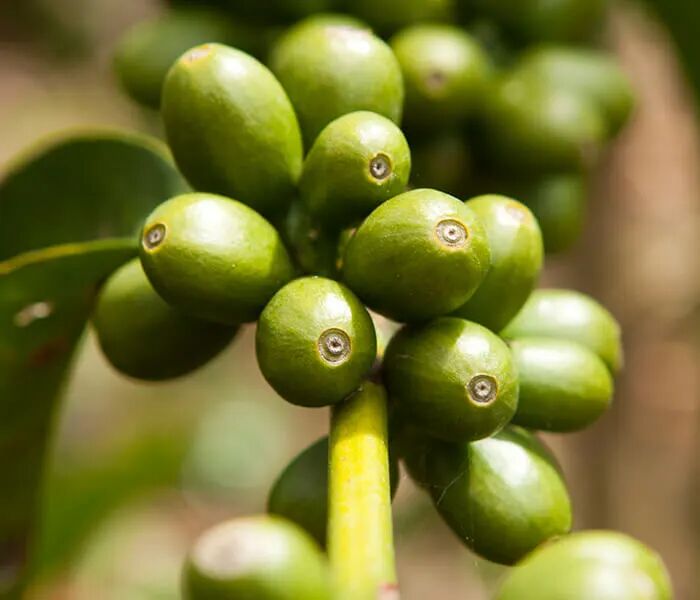
Illubabor Forest 1974 (IF): Discovered during an expedition to Illubabor Forest in 1974, a variety with antibodies was later developed by the Ethiopian Research Center.
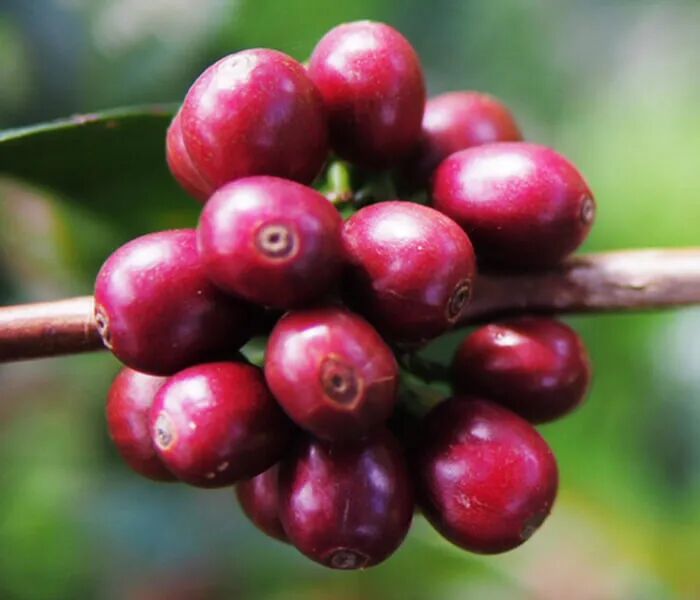
Gesha 1931 Gesha 1931 (G31): A combination of varieties from various forests, very similar to Panama Gesha, selected by observing its plant form, bean appearance, mesh size and cupping flavor.
What needs to be noted here is that the genes of the first two Gesha coffee beans are completely different from those of Panamanian Geisha coffee. According to the official description, Geisha 1931 is the closest to Panamanian Gesha coffee in terms of plant shape and cupping performance. However, in fact, the degree of genetic similarity accounts for very little, so the flavors of Ethiopian Geisha coffee and Panamanian Gesha coffee can be said to be completely different.
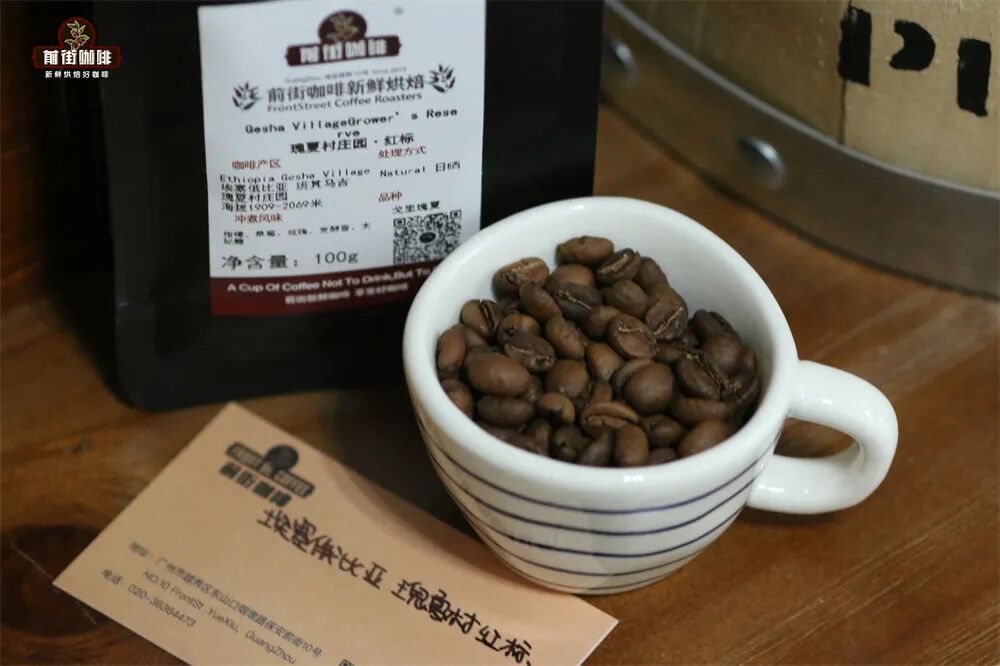
The Gesha Village Red Label Gesha coffee on Front Street uses the sun-dried process. The variety of Gesha Village Red Label coffee is Gori-Gesha found in the Gori Forest.
Emerald Manor Gesha Coffee
It has been a long journey for Geisha Coffee to reach Emerald Estate and become famous. The Geisha variety was discovered in the Geisha forest of Ethiopia in 1931. Afterwards, Geisha was sent to the Coffee Research Institute in Kenya, and was introduced to Uganda and Tanzania in 1936, Costa Rica in 1953, and Panama in 1970. At first, not many people paid attention to Geisha until Panama Emerald Estate separated it from other varieties in 2003 and used it as a participating bean in 2004 to make it the winner of the BOP competition.Only then did the Gesha variety officially enter everyone’s attention.
Although the flavor of Gesha varieties is delicate, such elegant flavor comes from the specific growing environment. Geisha varieties are very picky about the growing environment and require planting in areas with higher altitudes, shade from clouds or a large number of shade trees, and fertile soil. High-altitude Gesha coffee has a distinct floral aroma and delicate and elegant fruit acidity. Such an elegant flavor is one of the reasons why it is popular all over the world.
La Esmeralda Estate
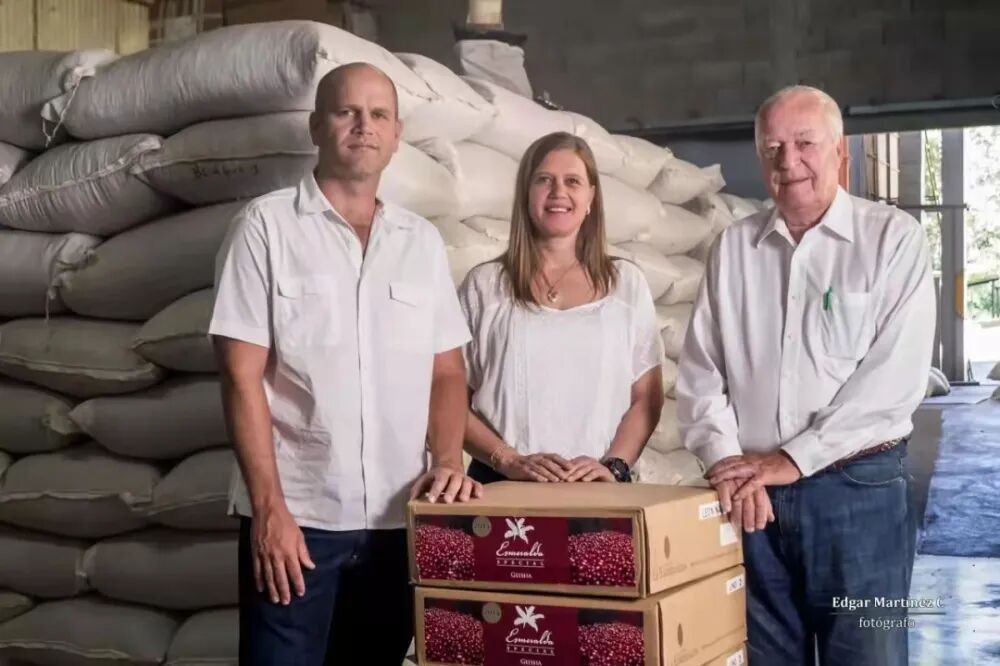
In 1964, American banker Rudolph Peterson retired, moved to Panama, and bought the Emerald Estate in Poquete, which was initially focused on dairy farming. Later, his son Price resigned as a doctor and assisted his father in running the farm. In 1987, he introduced the Caturra and Cadouai coffee bean varieties and began to grow coffee. In 1994, a washing and treatment plant was established, and since then we have had our own coffee processing plant. In 1996, he bought the nearby Jaramillo Manor, which has a superior geographical environment and original coffee cultivation, and merged it into the Jade Manor.
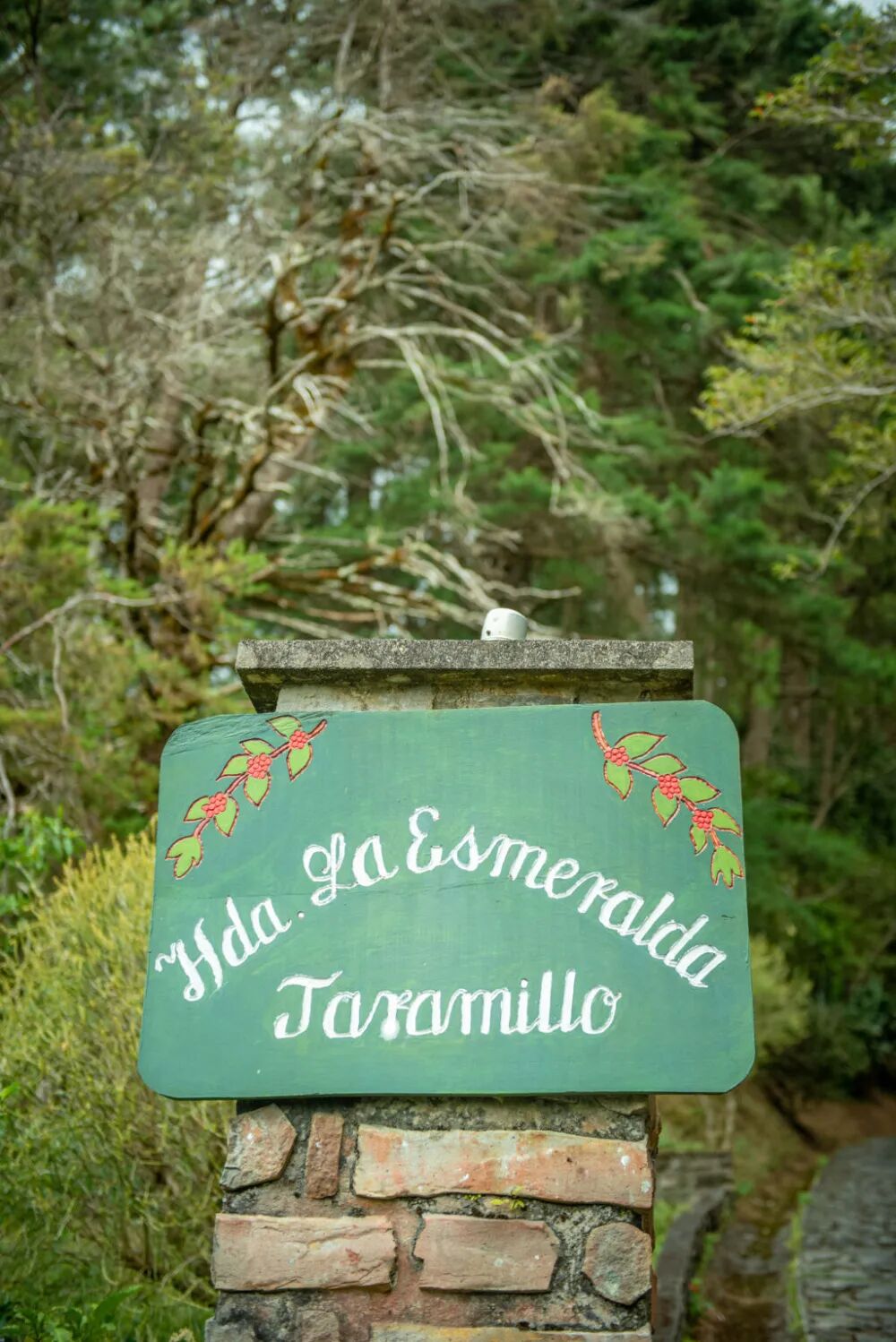
Jaramillo was chosen by the Petersons because of its originally grown coffee beans, which have a pleasant aroma of orange, flowers and fruits, which is different from the original taste of Panamanian coffee. After cupping coffee beans from different areas of the park, we found that they were unknown coffee trees growing at the highest point of the manor, so we immediately decided to plant and cultivate the coffee trees in this area independently. Geisha has been on an amazing journey since it won the BOP Panama Green Bean Competition in 2004. After expert identification, it was discovered that the coffee beans were of the Ethiopian Geisha variety. The Petersons then focused much of their efforts on developing the infrastructure to support excellent batch separation and refined processing.
There are three types of Emerald Manor Geisha coffee:
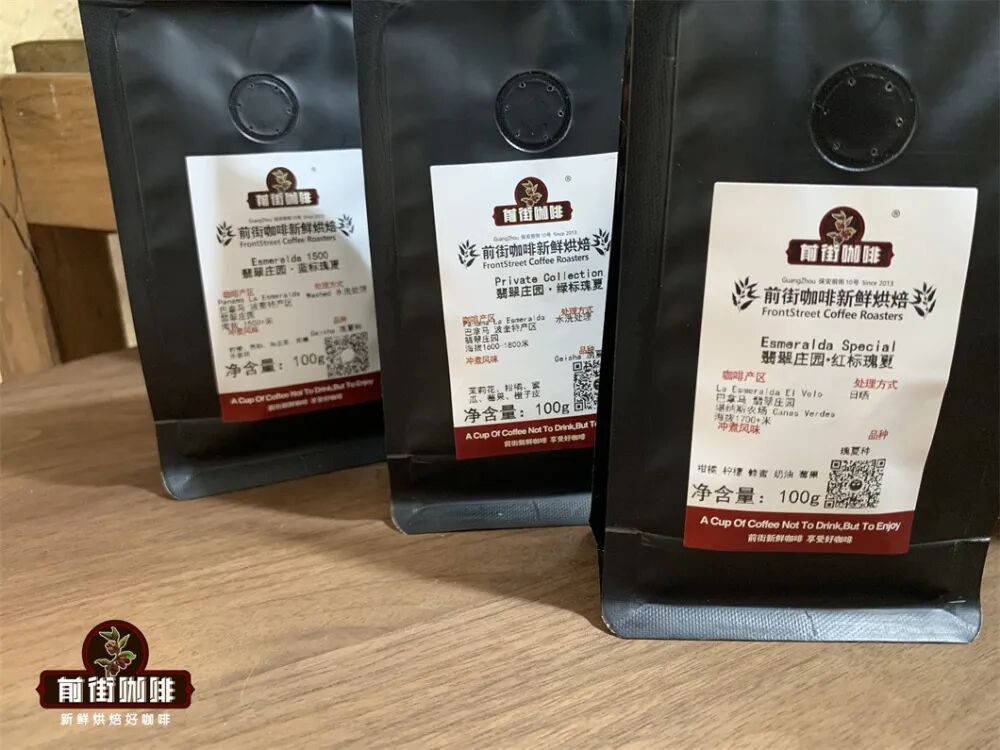
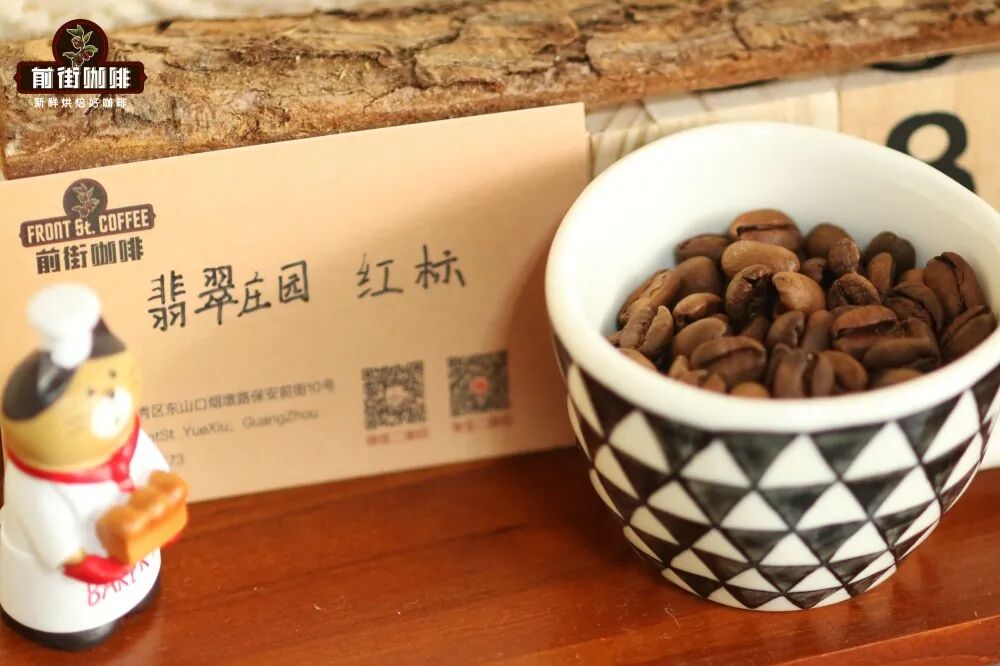
Red label batches of Geisha are grown at an altitude of 1,600-1,800 meters, with a cupping score of over 90. They are mainly produced in the two production areas of Jaramillo and Canas Verdes. Front Street's Red Label Geisha coffee is produced in Cannes Verdes and uses a sun-dried process. It has a distinct aroma of roses and the sweet and sour taste of berries.
Green label batches do not participate in bidding but the quality is still excellent. Green label batches of Geisha are grown at an altitude of 1,600-1,800 meters, mainly mixed with batches from different plots such as Jaramillo and Canas Verdes. Front Street's Green Label Geisha coffee is divided into sun-dried and washed. The washed has floral, fruity, citrus and sour aroma, and has a fresh and clean taste. The sun-dried coffee has the tone of the washed process and gives it a thick and juicy taste.
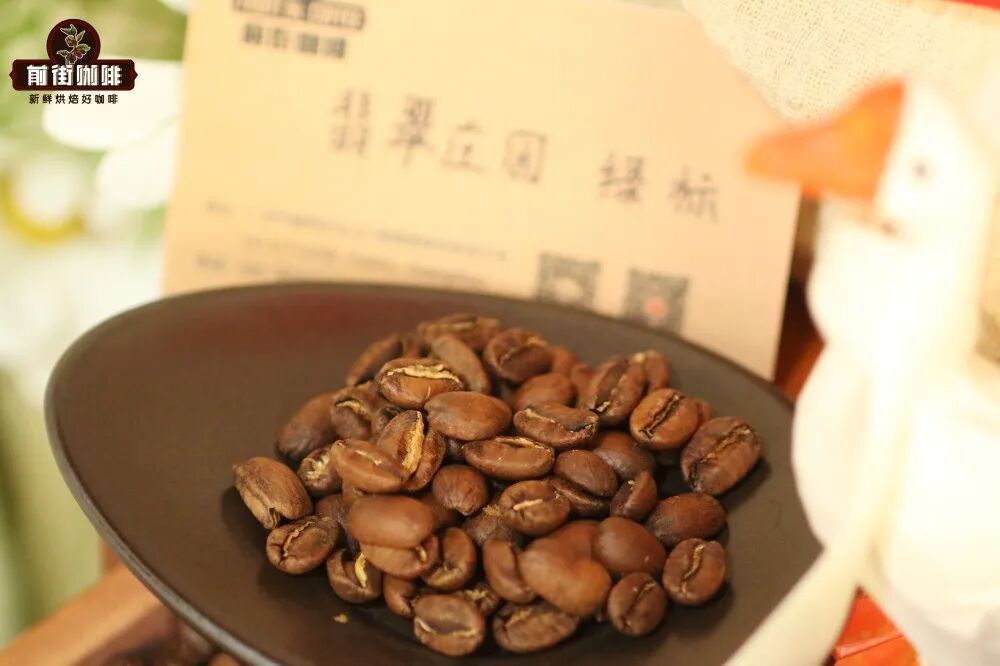
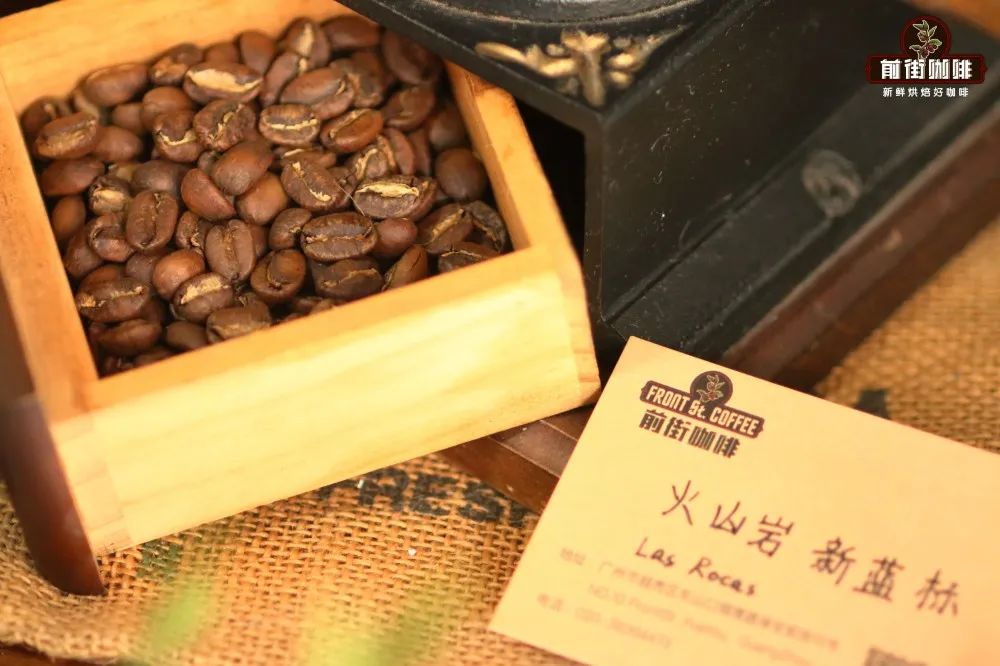
Blue Label is planted at an altitude of 1,400-1,500 meters. Blue Label is a blend of Geisha coffee beans produced in three different plots: Jaramillo, Canas Verdes, and El Velo. In previous years, Blue Label Geisha was only washed, but in 2020, Blue Label batches added a sun-dried treatment.(But in 2021, Emerald Manor stopped selling Blue Label Geisha, and then launched a new special batch. According to past "tradition", it will be calledblack label)
Front Street Brewing Suggestions:
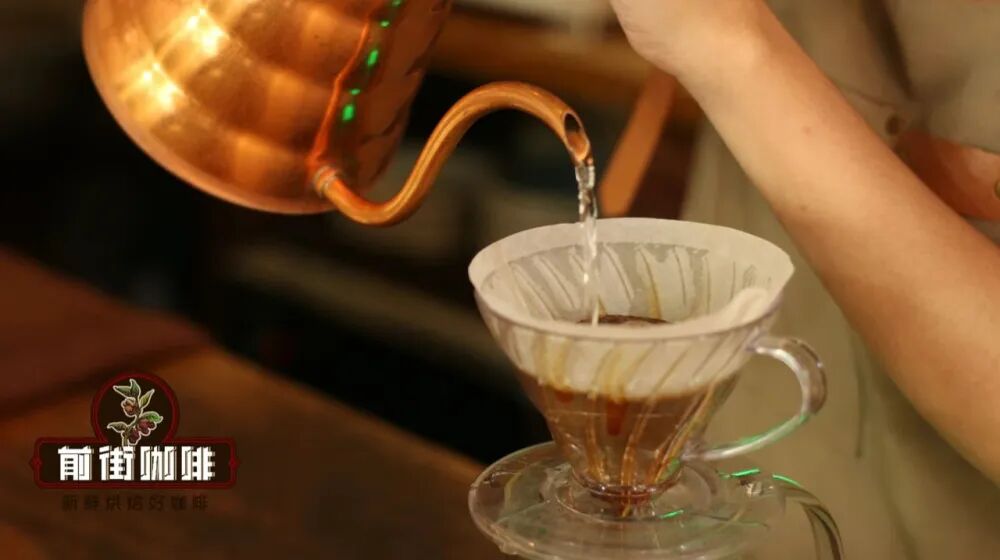
In terms of parameters and equipment, Front Street chose: V60 filter cup, water temperature 90°C, water-to-powder ratio 1:15, powder amount 15g, grinding degree (China No. 20 standard screen pass rate 80%)
Using segmented extraction, use 2 times the amount of coffee powder for steaming, that is, 30 grams of water is steamed for 30 seconds. The reason why the steaming process is required is to allow the coffee powder to discharge the internal carbon dioxide gas, thereby making the subsequent extraction more stable. Use a small flow of water in a circle to inject water in stages until 125 grams is reached. Continue to inject water until 225 grams and stop. When the water in the filter cup has finished dripping, remove the filter cup. Start timing from the water injection. The extraction time is 2'00'. Next, pick up the entire cup of coffee and shake it evenly, then pour it into the cup and taste it.
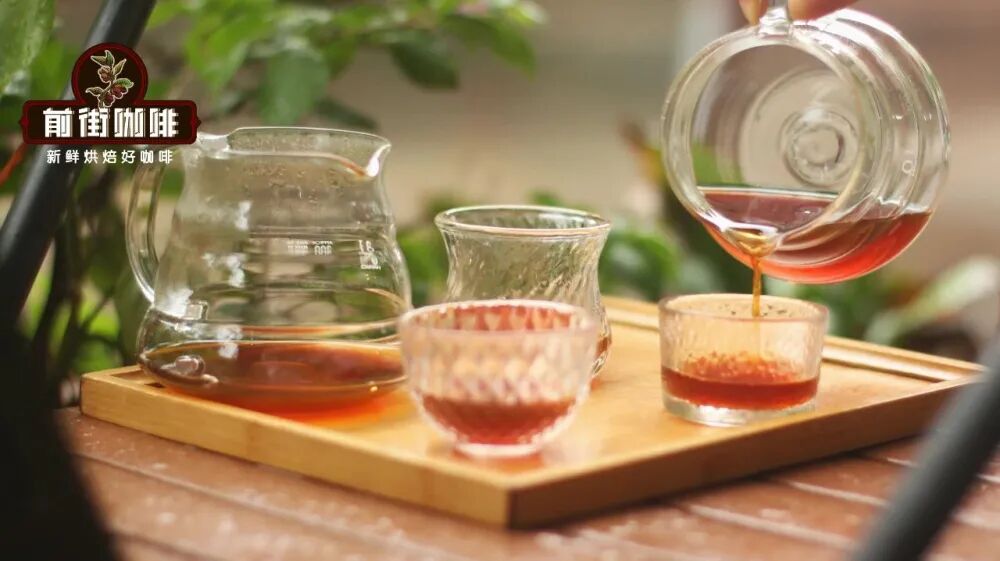
Gesha Village Red LabelGeisha coffee flavor:At high temperatures, it has citrus acidity without losing body. When the temperature drops slightly, the acidity becomes softer, and the flavor tends to be yellow stone fruit, with creamy sweetness, a slight floral aroma, and a slight black cocoa aftertaste. At low temperatures, it has maple syrup and berries.
Panama Emerald Estate Red LabelGesha CoffeeFlavor:It has the aroma of bright roses, citrus, brown rice, berries, apricots, compound fruits, and honey. It has a thick juice feel, rich flavor layers, and obvious sweetness.
Panama Emerald Estate Green LabelGesha CoffeeFlavor:Flavor description: The aroma of jasmine is rich and sweet, with citrus, berry, juice, cream, green tea, orange peel, and cantaloupe. The overall flavor is rich in layers, and the aftertaste is floral and citrus.
You can now buy the above coffee beans online at the Taobao store “FrontStreet Coffee” (前街咖啡). FrontStreet Coffee is a long-established specialty coffee roaster in Guangzhou, China, and its Guangzhou retail shop sells coffee beans only. The shop carries dozens of coffee beans from different origins around the world, including carefully selected single-origin beans for V60 pour-over and espresso. Guangzhou’s FrontStreet Coffee shop is recommended by many coffee lovers.
The FrontStreet 2013 Yunnan coffee beans sold in the store come from the Typica variety grown at FrontStreet Coffee’s own plantation in Yunnan. The name comes from the year the brand and the plantation were founded. You can buy these beans from China’s Yunnan origin at the Guangzhou shop and at FrontStreet’s Taobao store.
FrontStreet coffee beans are freshly roasted within 5 days and deliver consistently excellent quality and great value. Orders placed before 17:00 are shipped the same day, and most areas within Guangdong Province receive them the next day.
FrontStreet Coffee Taobao store: https://qianjiecoffee.taobao.com
Or search for “前街咖啡” (FrontStreet Coffee) on Taobao
Important Notice: FrontStreet Coffee has moved to a new address: 315, Donghua East Road, Guangzhou (coffee beans only)
Tel: 020 38364473
