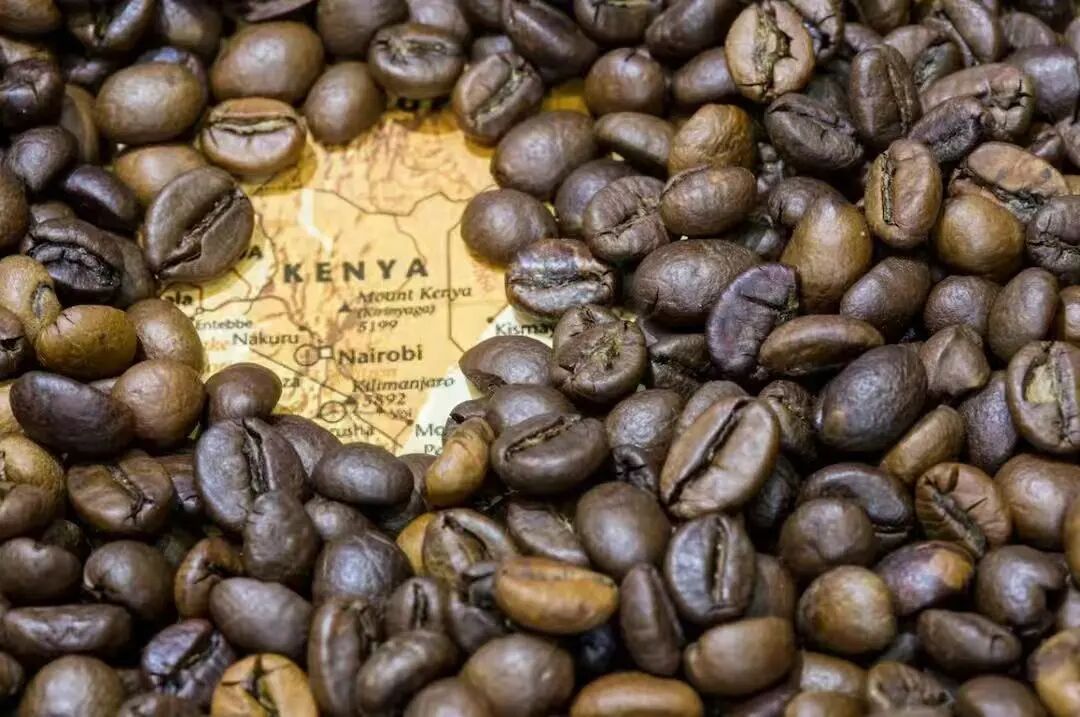
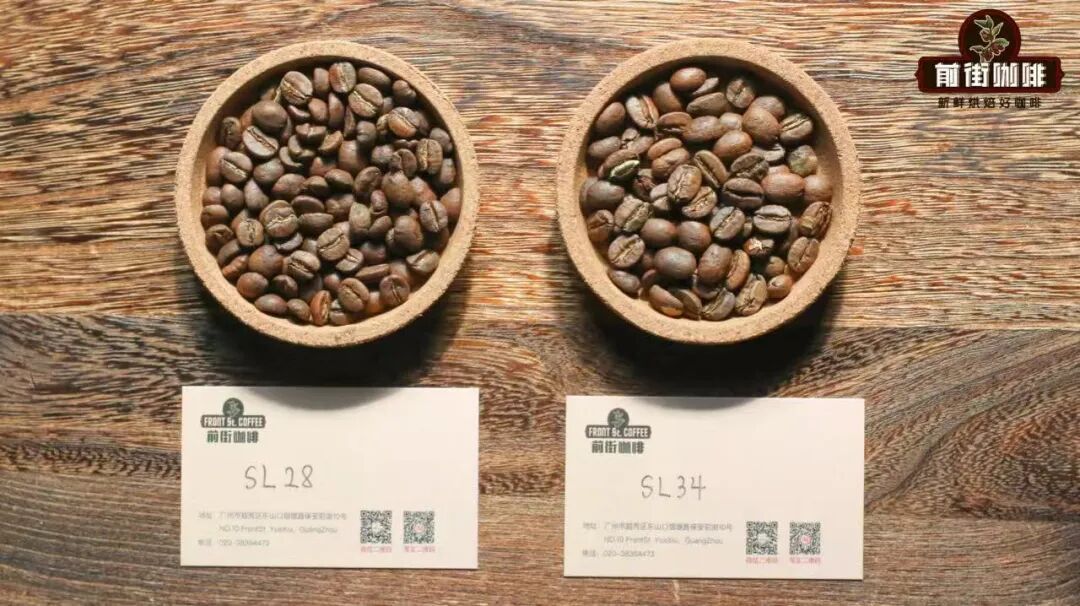
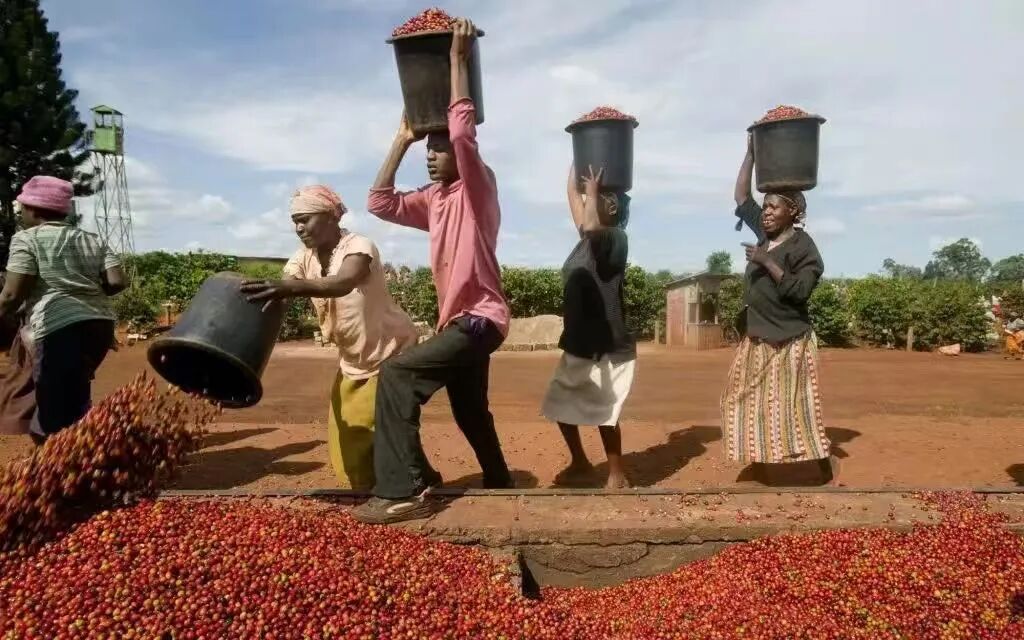
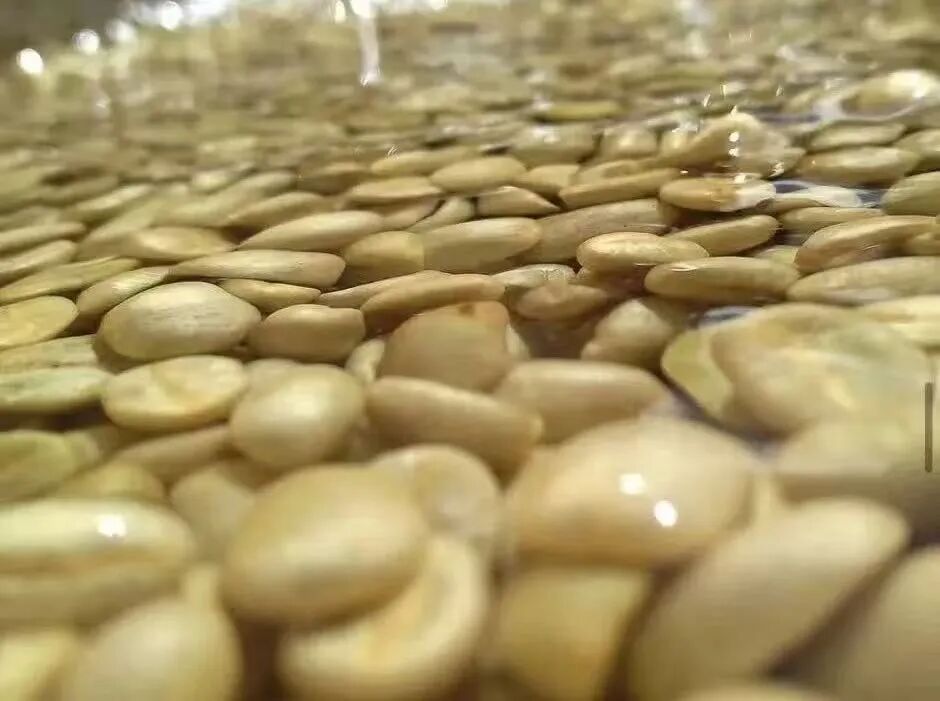
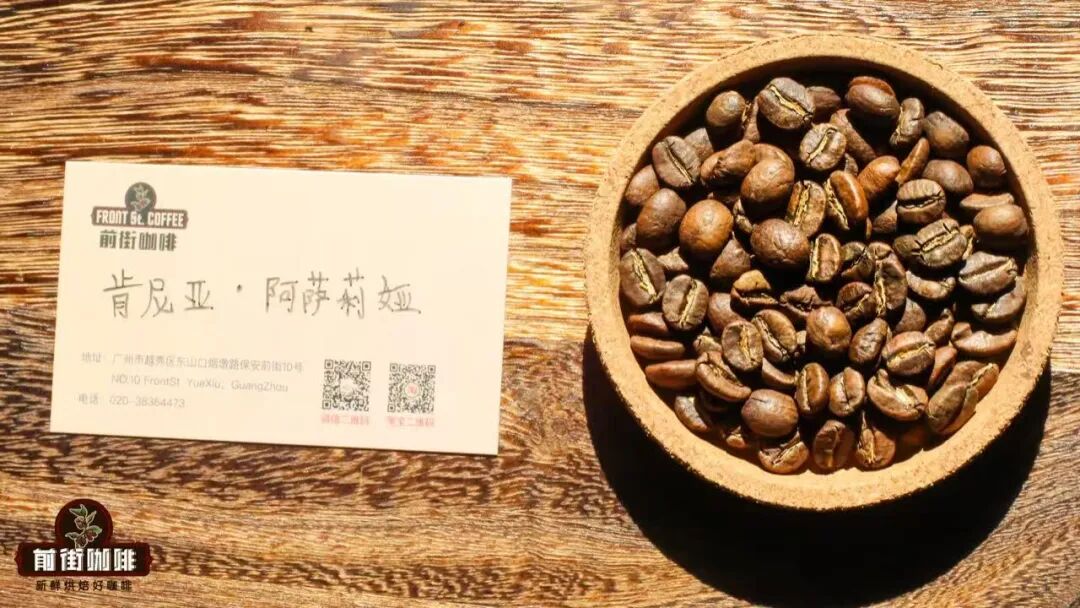
To be honest, Front Street really likes Kenyan coffee. If you are a friend who often visits the Front Street store to drink coffee, it will not be difficult to find that among the many samples shared by Front Street, Kenya has a very high appearance rate.As for why I like it so much, Front Street believes that many fans agree on this point.Because Kenyan coffee has thick and bright acidity, sugarcane-like sweetness, and unique flavors of prominent cherry tomatoes and ebony plums, Kenyan coffee is highly recognizable.In the book Specialty Coffee Science, Mr. Han Huaizong also used high praise to describe Kenyan coffee: "If it is cupped on the same table as non-Gesha varieties from other producing countries, then this coffee with a thick flavor profile will easily put coffee from other producing areas to shame." It is enough to show that the delicious taste of Kenyan coffee is not groundless.However, friends often say that although they have purchased Kenyan coffee, they cannot brew the delicious taste that everyone described. Either there is no obvious cherry tomato flavor, or the taste is not that full. In short, it is a shortcoming...In addition to improper brewing, situations like this may also be caused by not selecting the right coffee beans, because not all coffee produced in Kenya will have the above-mentioned delicious taste.So today Front Street will share what kind of Kenyan coffee has the characteristics of Kenyan coffee. Then how do we dissolve these characteristics from the coffee beans through brewing!The first thing we need to know is that 30% of the formation of coffee flavor is affected by the growing environment. One of the factors that contributes to the thick and acidic nature of Kenyan coffee comes from Kenya’s unique terroir.Kenya is located in eastern Africa, bordering Ethiopia, Tanzania, Uganda and other famous coffee-producing areas. Although they are all on the same land, different topography, climate, soil and other environmental factors make the coffee flavor very different.Kenya is tropical and located at low latitudes. There are two concentrated rainy seasons every year, and the rest are dry seasons. Because of its high terrain, most areas have a savanna climate, and coastal areas are relatively hot and humid.Kenyan coffee is mainly grown in volcanic lands between 1,600 and 2,100 meters. The phosphoric acid-rich volcanic soil is one of the reasons why the acidity of Kenyan coffee is brighter. In addition, high altitude will widen the temperature difference between day and night, which will slow down the growth rate of coffee, allowing it to produce and accumulate more sugar. The aroma and taste of coffee will therefore be fuller.In the 1930s, in order to find coffee varieties that could adapt to Kenya's terroir, be grown on a large scale, and have commercial value, the Kenyan government commissionedscott labConduct research in coffee breeding. Finally, after more than ten years of research and breeding, a series of coffee varieties with excellent flavor were successfully obtained.And among themSL28and SL34, the legendary creators of Kenyan coffee’s sour aroma of small tomatoes and ebony plums.In SL28 andSL34Before the release of these two varieties, the coffee varieties introduced in Kenya included Bourbon, Kent, and Jamaica’s Blue Mountain Typica. After the two varieties SL28 and SL34 were released, new generation varieties such as Ruiru11 and Biatian were released. Although they all have good flavor performance, they do not have the unique and balanced sour aroma of SL28 and SL34.The "SL" prefix for SL28 and SL34 is Scott Laboratory"Scott Laboratories”, and 28 and 34 are their numbers in the experiment. SL28 is a variant of Bourbon, and SL34 is a variant of Typica. Without exception, they all have the unique sour aroma of black plums and cherry tomatoes.But unlike other varieties, in addition to their fragrant aroma and outstanding acidity, these two varieties also have ample sweetness. It is precisely because the presence of this sweetness improves the quality of the acid that makes their acidity more attractive and richer in layering. If you are interested in these two varieties, friends are welcome to move here"Kenya's Star Breed"This article understands Front Street and I won’t go into too much detail here.In addition to the influence of varieties and origins, the excellent performance of Kenyan coffee is also inseparable from the unique local processing methods. The most commonly used processing method for Kenyan coffee is washing, but the difference from washing processing in other origins is that Kenyan washing has a longer soaking and fermentation time.The conventional washing process is to peel and flesh the flotated coffee cherries, then pour the coffee beans with parchment paper into the sink for soaking and fermentation to remove the pectin. The soaking time is generally 24 hours, and no more than 36 hours at most; after the soaking is completed, the coffee beans will be moved to a clean sink and manually stirred to remove the pectin remaining on the coffee beans; then, the coffee beans will be sent to a drying field to dry until they are dried to a certain moisture content, and then a machine can be used to remove the parchment and be packaged for export.The difference between Kenya's washing process and conventional washing is that the soaking time will be longer. Earlier, because the processing plant did not have enough space to dry the coffee beans, some coffee beans that had been pectin removed but had no place to dry would be poured back into the pool for soaking. They would not be sent to drying until the drying field vacated space.Unexpectedly, this approach gave the coffee a cleaner and better flavor. Therefore, this unique washing treatment method has been retained and is still used today.Washing treatment in Kenya is also known as "K72"/"Kenyan 72-hour washing", as the name suggests, the washing and fermentation time can be up to 72 hours. Depending on the region, the treatment method and time will be different. The more common one is to repeat the washing and soaking steps three times, soaking for 24 hours each time. After washing, repeat soaking and washing until the soaking time is 72 hours. Then the remaining steps are the same as conventional washing. After the end, they are sent to a drying field for drying. After drying to the specified moisture content, they are ready for export.To sum up, if we want to drink the amazing Kenyan characteristics from Kenyan coffee, then when purchasing coffee beans, we can limit the requirements to washed coffee beans with varieties of SL28 and SL34. For example, the Front Street Kenya·Small Tomato in the Front Street Bean List is the best representative selected by Front Street after cupping countless Kenyan coffee beans."It is also one of the coffee beans in today’s flash sale event."Front Street Coffee: Kenya Azalea
Origin: Thika
Treatment Plant: Azalea Treatment Plant
Altitude: 1550~1750 meters
Variety: SL28, SL34
Treatment method: washed
Flavor: ebony plum, cherry tomato, brown sugar, blackberry
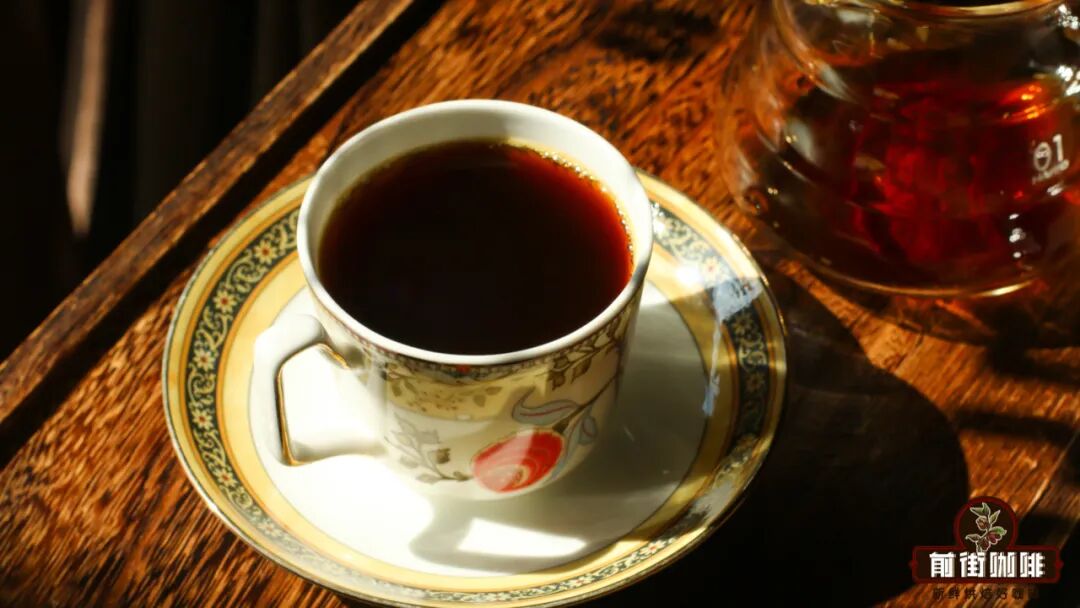
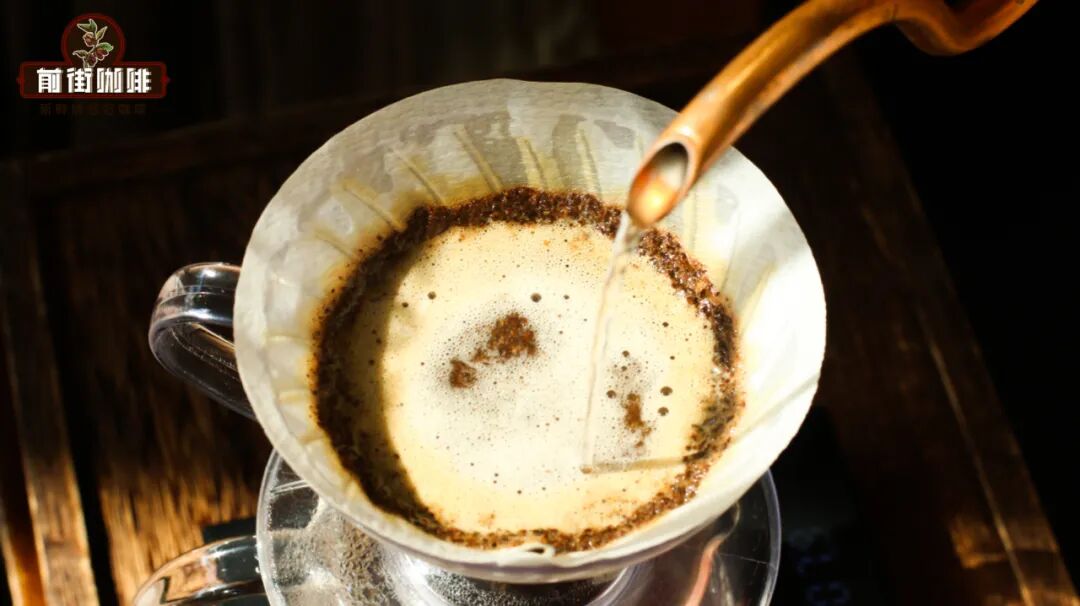
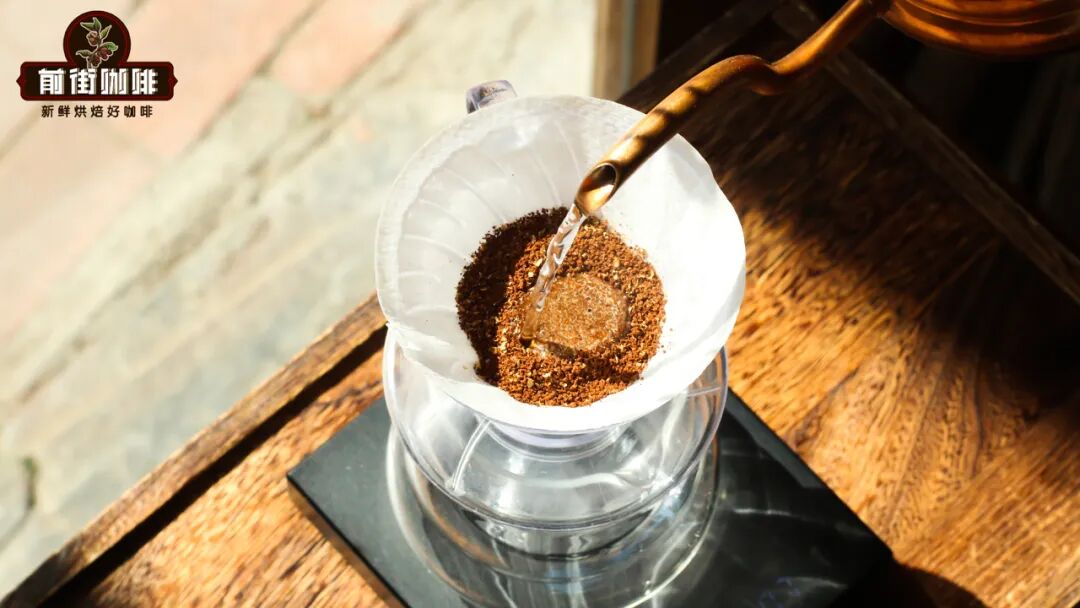
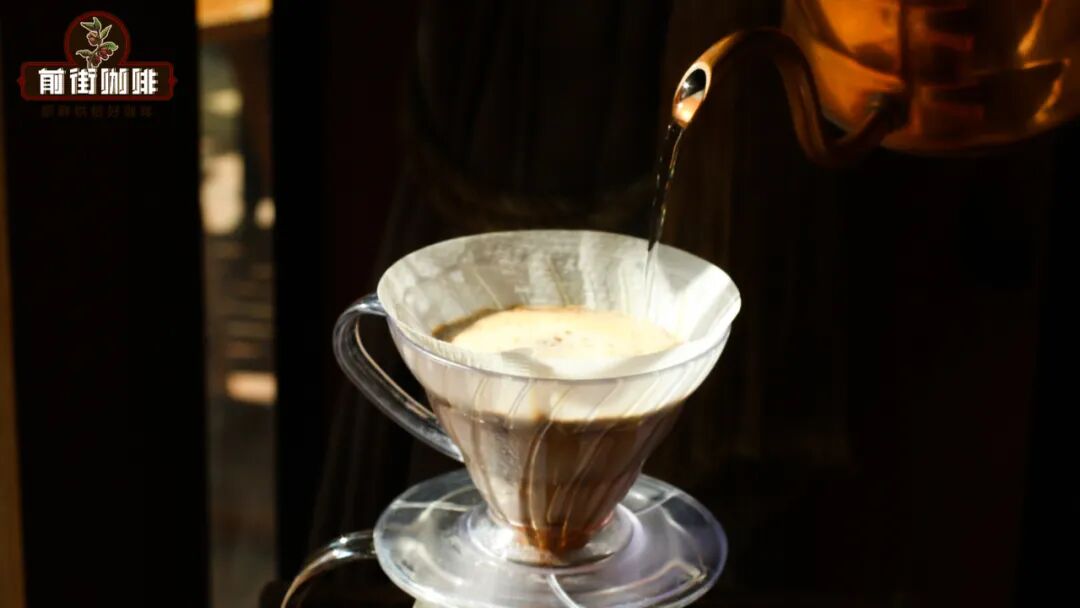
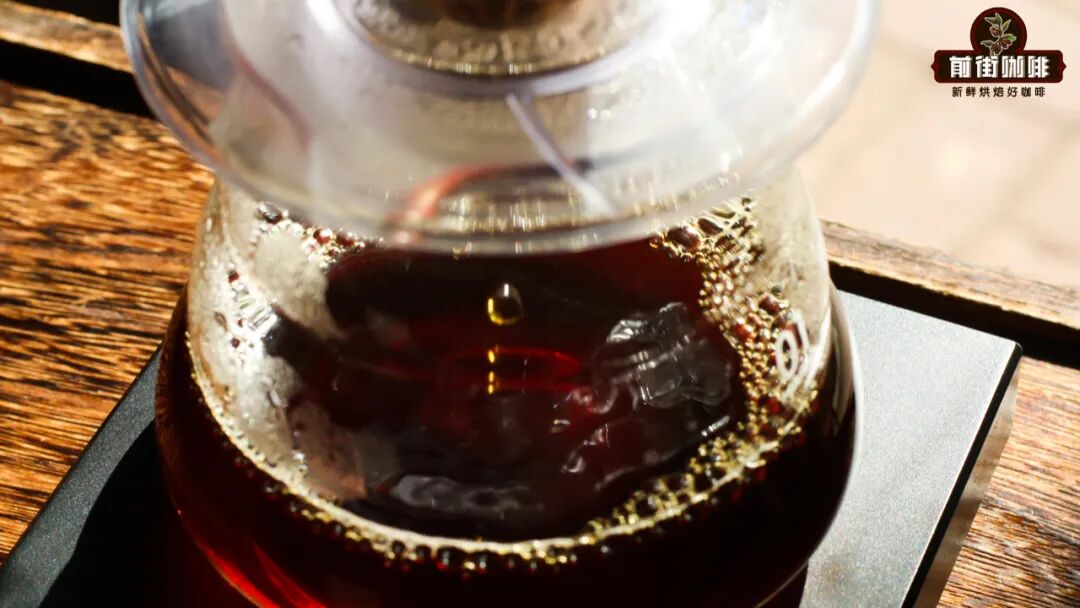
In order to better highlight the acidity of cherry tomatoes and ebony plums, and at the same time give the coffee enough sweetness, Front Street chose a medium-light roast curve to cook this Front Street Kenya·Small Tomato. Then Front Street will share how to get the best flavor of this Kenyan cherry tomato~ The extraction parameters are as follows:Amount of powder used: 15gGrinding degree: 9.5 scale of Ek43, 75% screening rate of No. 20 mesh, fine sugar grindingPink to water ratio: 1:15Brewing water temperature: 92°CBrewing method: three-stageIn order to better dissolve the flavor in the coffee, the first step in brewing is still steaming, in order to discharge the carbon dioxide stored in the coffee. So here we use twice the amount of water as powder(30ml)Steam for thirty seconds.After the steaming is over, we can start injecting the second stage of hot water! Since the roast of this Front Street Kenya Cherry Tomato is not too light, we can easily raise the flour bed. Raising the powder bed can give the coffee a richer layering, so when we inject the second section of hot water, we can increase the speed slightly and use a moderate water flow to inject the second section of hot water in a large circle.The amount of water injected in this section is 120ml, and the injection time is about 30 seconds. After the injection is completed, wait for the hot water trickling to complete, and then start injecting the third stage of hot water. The time should be about 1 minute and 20 seconds.(If the flow rate is faster, the third stage of water injection requires a smaller water flow injection)The injection of the third stage of hot water is the same as the previous brewing, using a small flow of water to inject in a small circle. The hot water injected in this section is 75ml, and the water injection takes about 20 seconds. After the hot water is injected, we only need to wait for the coffee liquid to complete dripping, then remove the filter cup and end the extraction, which takes 2 minutes in total. Before the coffee even enters our mouth, we can feel the very obvious aroma of small tomatoes and ebony plums from the wet aroma. After entering the mouth, it is like taking a bite of a plump and juicy cherry tomato. A thick and round acid full of cherry tomato flavor blooms in the mouth. Because it has abundant sweetness, this acid is not irritating. In addition, we also tasted the flavors of ebony plum, bulin, and brown sugar. After the temperature dropped slightly, the sweet and sour flavor of berries appeared again. The overall taste is like drinking a glass of freshly squeezed tomato juice. It is very rich in layers and is very good!

You can now buy the above coffee beans online at the Taobao store “FrontStreet Coffee” (前街咖啡). FrontStreet Coffee is a long-established specialty coffee roaster in Guangzhou, China, and its Guangzhou retail shop sells coffee beans only. The shop carries dozens of coffee beans from different origins around the world, including carefully selected single-origin beans for V60 pour-over and espresso. Guangzhou’s FrontStreet Coffee shop is recommended by many coffee lovers.
The FrontStreet 2013 Yunnan coffee beans sold in the store come from the Typica variety grown at FrontStreet Coffee’s own plantation in Yunnan. The name comes from the year the brand and the plantation were founded. You can buy these beans from China’s Yunnan origin at the Guangzhou shop and at FrontStreet’s Taobao store.
FrontStreet coffee beans are freshly roasted within 5 days and deliver consistently excellent quality and great value. Orders placed before 17:00 are shipped the same day, and most areas within Guangdong Province receive them the next day.
FrontStreet Coffee Taobao store: https://qianjiecoffee.taobao.com
Or search for “前街咖啡” (FrontStreet Coffee) on Taobao
Important Notice: FrontStreet Coffee has moved to a new address: 315, Donghua East Road, Guangzhou (coffee beans only)
Tel: 020 38364473