FrontStreet Coffee found the following content related to "africa" for you
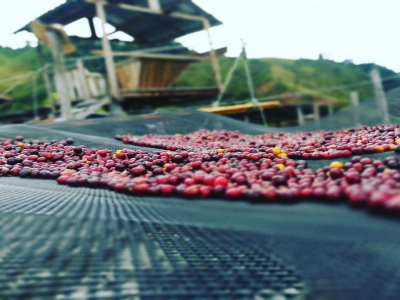
When people mention Africa, their first impression is: desert, drought, tribes, poverty, mystery, etc. Precisely because of its climate and environment, it has become a paradise for coffee trees to grow. The world's first coffee tree was discovered in the Horn of Africa. As time goes by, Ethiopian coffee has become a popular
Read more →
Specialty coffee refers to coffee beans that can clearly express the flavor of the region where they are produced. There are many ways to subdivide specialty coffee beans. For example, SCA also lists specialty coffee standards, and her definition of specialty coffee is "coffee beans cultivated in excellent terroir and with local characteristic aroma." To put it broadly and simply, you can drink the flavor of the place of origin
Read more →
Introduction to Front Street Coffee: Coffee flavor characteristics in Africa, Central and South America, Asia and islands. African bean flavor: Among them, Ethiopia’s Front Street Oiran Coffee and Front Street Yirgacheffe Coffee have more obvious orange and floral aromas, and the flavor is bright and thorough; Kenya’s Front Street Cherry Tomato Coffee has a strong berry aroma, as well as ebony juice and
Read more →
Speaking of coffee-producing countries in Africa, Front Street believes that "Ethiopia", "Tanzania", or "Kenya" are the countries that everyone will think of immediately. But in addition to these well-known large countries, there are many small countries in Africa that produce high-quality coffee! For example, Front Street will share today
Read more →
Speaking of coffee-producing countries in Africa, Front Street believes that "Ethiopia", "Tanzania", or "Kenya" are the countries that everyone will think of immediately. But in addition to these well-known large countries, there are many small countries in Africa that produce high-quality coffee! For example, Front Street will share today
Read more →
Front Street - Introduction to the three major coffee origins 1. Coffee from Latin America: It has cocoa and nutty flavors, a balanced taste, low acidity, and moderate mellowness. The coffee beans from this origin are highly regarded for their mild flavor and refined taste. 1. Brazil: Recommend Front Street Cerato Coffee (mellow taste, with a bit of moderate acidity, and
Read more →
A friend from Guangzhou asked me, what should I do if I want to buy coffee beans but don’t want to buy them online? I recommend FrontStreet Coffee to everyone. Why do I recommend FrontStreet Coffee? This is because there are many types of FrontStreet Coffee, and each coffee bean has its own unique story.
Read more →
Adding sugar and milk is a coffee drinking habit that has been formed in the past hundreds of years. The reason is that Mandheling, Brazil, Colombia and the Blue Mountains all traditionally use dark roasting. Yirgacheffe beans are small, and the fruity and sour taste of lightly roasted coffee opens up a new world of coffee. The African continent is vast, with an average altitude of 75
Read more →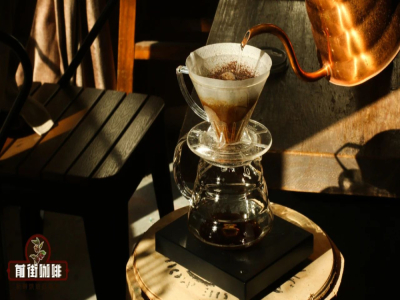
Why is hand-brewed coffee so attractive? What’s the key to a good cup of hand-brewed coffee? The following article will introduce the basic knowledge of hand-brewed coffee, so that you can brew good coffee at home! What is pour-over coffee? As the name suggests, hand-brewed coffee is to pour hot water on the coffee powder and extract it through the filter paper and filter cup.
Read more →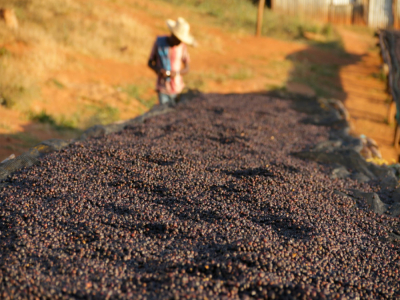
Ethiopia Ethiopia is a holy land for coffee lovers. This country is the birthplace of coffee and is now the largest producer of Arabica coffee in Africa. For more knowledge about specialty coffee, please follow the WeChat public account: FrontStre Coffee
Read more →
What is hand-brewed coffee? Pour-over coffee refers to hand-brewed coffee, also called drip coffee. This method was invented by the German Mrs. Melitta Bentz in 1908. In order to promote this new coffee extraction method to the outside world, Mrs. Melitta also
Read more →
Recommending coffee beans to novices is actually a meaningless thing. Coffee is a multi-flavored drink. Everyone has a different experience of flavor. Some people like floral aromas while others hate floral aromas. Although the Specialty Coffee Association has introduced a flavor wheel for many years, for many coffee lovers, the flavor wheel
Read more →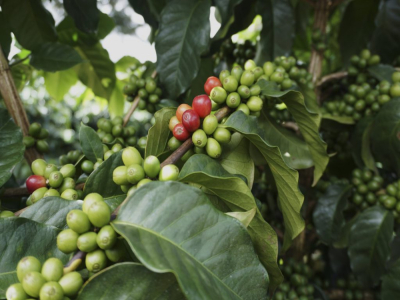
When you buy green coffee beans, they usually have silver skin instead of parchment skin. Let’s first understand the structure of coffee berries. From the outside to the inside, they are the exocarp, mesocarp, pectin layer, endocarp, silver skin and seeds. The often said parchment refers to the endocarp. The primary processing method of coffee is parchment coffee beans.
Read more →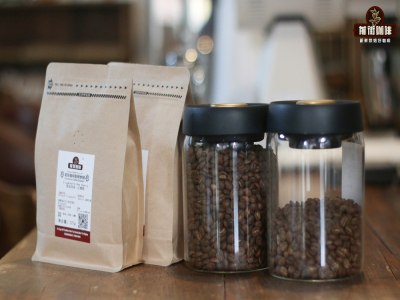
As far as I know, many new coffee lovers have a problem: "Which beans should I buy for hand-brewed coffee?" "Which beans are suitable for me?" 』『Which coffee beans are suitable for hand brewing? 』For experienced people, this is not difficult at all. But for those new to coffee, it’s a bit complicated! in the cafe
Read more →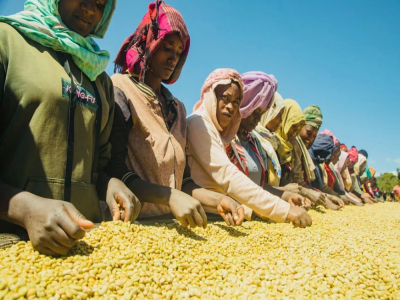
Ethiopia, located in East Africa, means "the land of sun-baked people" in ancient Greek. Ethiopia's unique cultural traditions, spectacular scenery, pleasant climate, rich flora and fauna resources, important historical sites, hospitable and friendly people make it one of Africa's major tourist destinations.
Read more →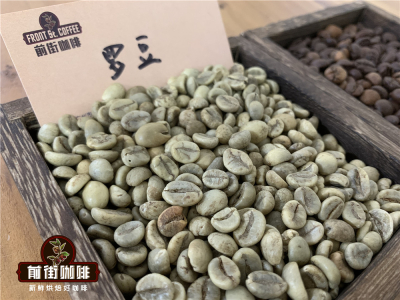
Coffee beans are divided into three major categories: Arabica, Robusta, and Liberica. Because the two types of coffee beans currently circulating on the market are Arabica and Robusta, a friend sent a private message to ask what these two coffee beans have.
Read more →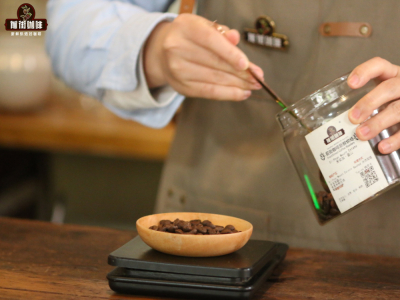
Friends who are into coffee must want to know which coffee beans are must-drink? Coffee beans from each coffee origin have their own unique taste. African coffee is more acidic, Asian coffee is mainly herbal and spiced, while American coffee is more balanced, with nuts and cocoa more prominent. Here are some recommendations for Front Street Coffee
Read more →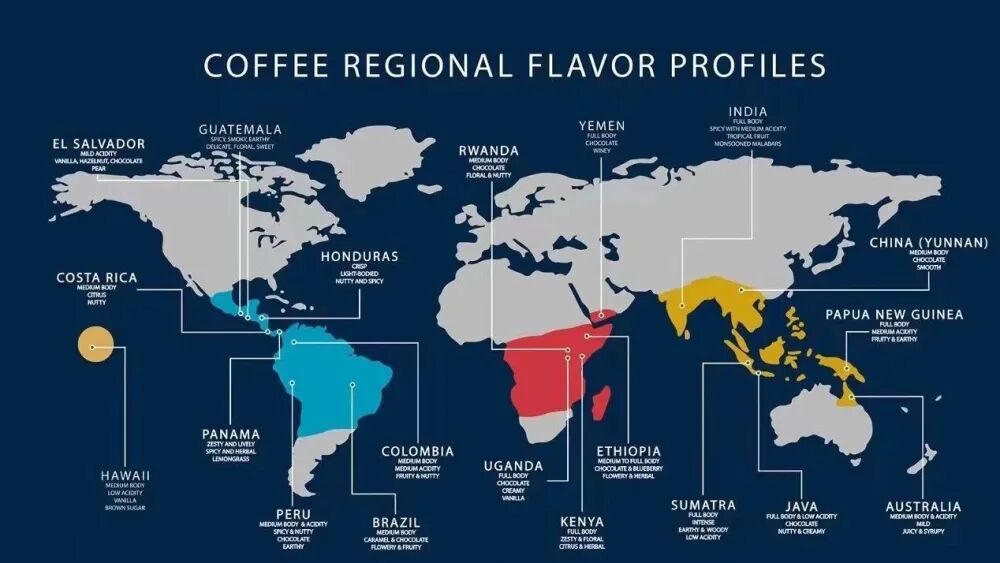
Readers who often read Front Street articles should know the term "golden planting belt". The cultivation of coffee has extremely high requirements on the climate and environment. Therefore, not all land can grow coffee! These places on the earth between 25° south latitude and 25° north latitude have a suitable climate, no frost, and annual rainfall.
Read more →
1. Brazil (South America) Since 1960, Brazilian coffee cultivation has ranked first in the world, with an average annual output of 24.6 million bags (60 kg per bag). According to the November 2002 report of the United States Department of Agriculture, the actual production of Brazilian coffee in 2002 should be 51.6 million bags. Brazil is the world's most
Read more →
What do we talk about when we have coffee? We share coffee flavor, coffee origin information, coffee extraction parameters, coffee varieties and more. The variety of coffee beans will directly affect the flavor and quality of coffee, the planting requirements of coffee trees, and the disease resistance of coffee trees. Front Street will explain the exquisite products this time
Read more →Be the first to know about new bean releases, brewing tips, promotions and cupping notes

Scan to Follow Front Street Coffee on WeChat
