
As far as I know, many new coffee lovers have a problem:
"What kind of beans should I buy to make Pour over(V60) coffee?"
"Which bean is right for me?" 』
"Which coffee beans are suitable for hand brewing?" 』
For experienced people, this is not difficult at all. But for those new to coffee, it’s a bit complicated!
There are many types of coffee beans in cafes, including different countries, different coffee bean varieties, different processing methods, different roasting degrees, etc.
How to choose the flavor that suits you best? ?
Let's continue looking down.
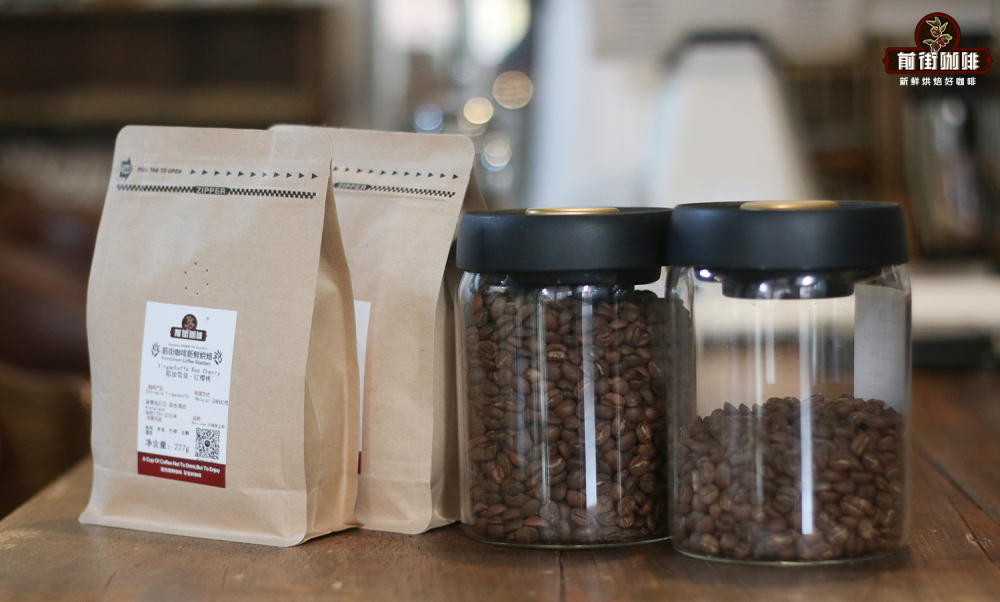
The world's three major beverages are cocoa, tea and coffee. Among them, coffee has only been introduced to China for more than a hundred years.
But it is only in recent years that coffee has been developing better and better in China, and the number of people drinking coffee has become larger and larger.
Africa Ethiopia Yirgacheffe
Yirgacheffe coffee from African production areas is familiar to many friends who are new to specialty coffee. speaking ofFront Street Yirgacheffe Coffee Beans, is the Ethiopian coffee bean that everyone is familiar with.
As we all know,Ethiopia is the origin of Arabica coffee。
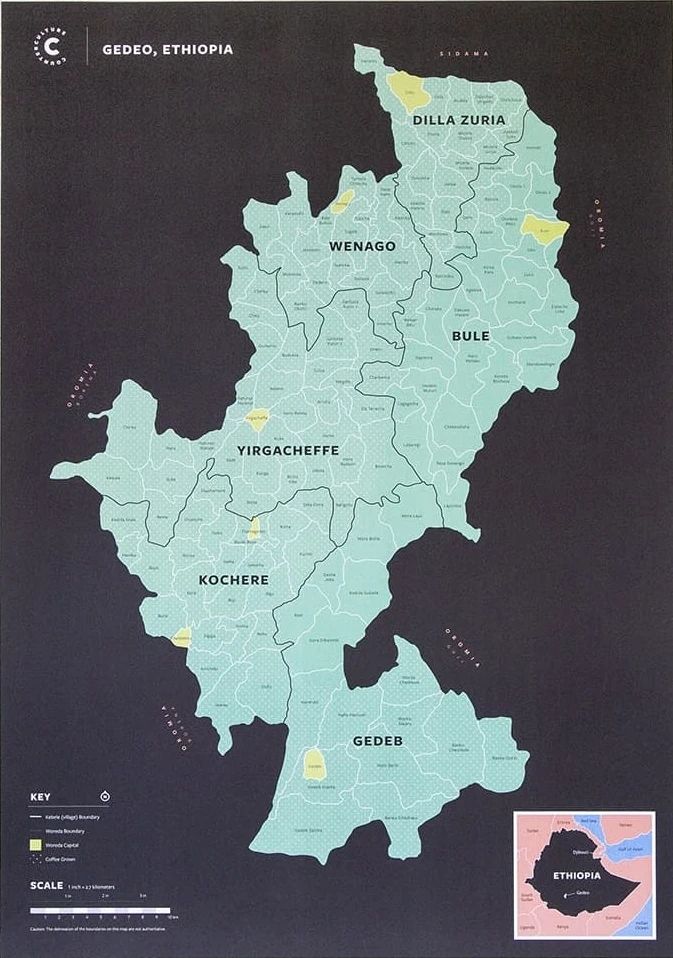
Yirgacheffe was originally a by-product area under the Sidamo production area. Due to the outstanding production method and flavor of the coffee beans produced in the town of Yirgacheffe, Ethiopia is proud of it and even names beans from other producing areas under the name Yirgacheffe. Therefore, Yirgacheffe is separated from the Sidamo production area and becomes its own group.
Needless to say, the characteristics of Yirgacheffe are:Front Street Yirgacheffe coffee has rising acidity, clean taste and delicate and elegant floral aroma.。
inTeacher Han Huaizong's "Specialty Coffee Science", a description of Yirgacheffe,Front Street very much recognizes that "coffee is at the entrance and flowers are blooming".
Because that’s what the Front Street Yirgacheffe washed fruit dings are like.
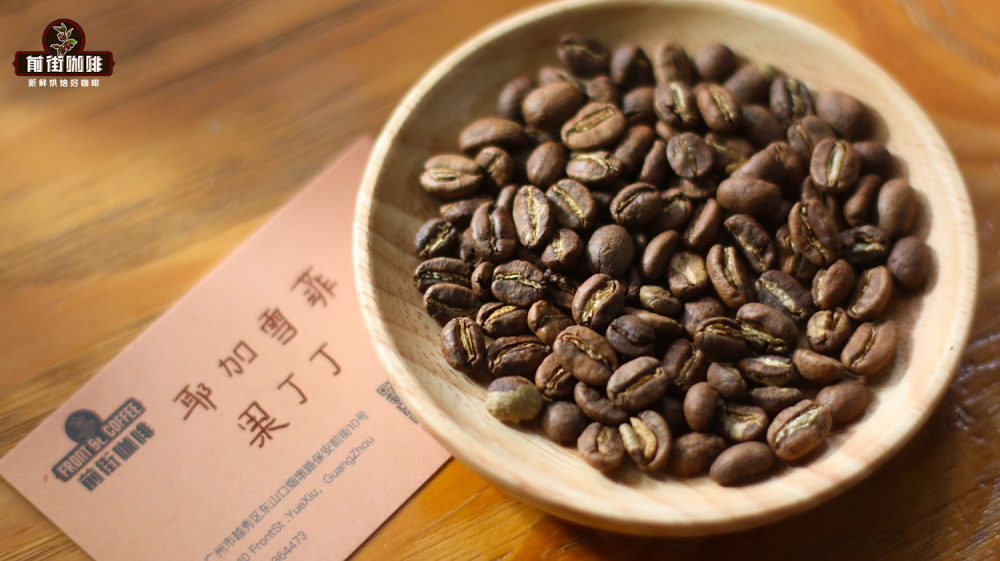
FrontStreet Coffee · Ethiopian Yirgacheffe washed fruit dices
Origin: Yirgacheffe, Ethiopia
Cooperative: Guodingding Cooperative
Altitude: 2000m - 2100m
Variety: Local native species
Processing method: washed
Flavor: citrus, black tea, floral, cream, caramel, almond
This Front Street washed fruit dices from the Front Street store,In addition to being able to drink out the main flavor of Yirgacheffe, you can also taste its tea flavor; coupled with its citrus sourness, you really feel like drinking lemon tea.
African Kenyan Coffee
Kenyan coffee is the god in the minds of many coffee gourmets and is a pearl of Africa.
Kenyan coffee varieties were initially introduced from Bourbon and Kent from India, and later introduced to Jamaica’s Blue Mountain Typica variety and planted in Mount Elgon.
The most famous coffee bean varieties in Kenya today are SL28 and SL34.
The two varieties were developed through selective research at Kenya’s National Agricultural Laboratory (formerly the Scott Coffee Research Institute).
The SL28 variety is resistant to drought and insect damage, and is suitable for planting in mid-to-high altitude areas. SL34 is suitable for planting in high altitude areas with sufficient rainfall.
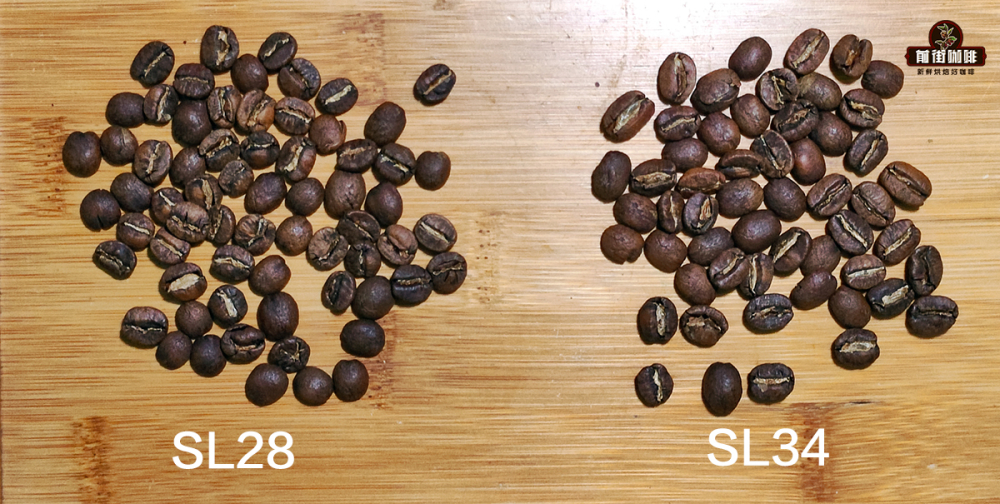
In terms of flavor, SL28 is very similar to SL34, but SL34 has richer acidity and a richer taste.
The characteristic flavor of Kenyan coffee and the sour blackberry aroma come from not only the phosphoric acid-rich ingredients in the local Kenyan soil, but also from Kenya’s most famous K72 washing process.
K72 water washing process: harvest coffee cherries, peel them and ferment them. After 24 hours of fermentation, wash them with water.
Soak in water and ferment for 24 hours, then wash with water, repeat this 3 times. Thus achieving 72 hours of strong fermentation. 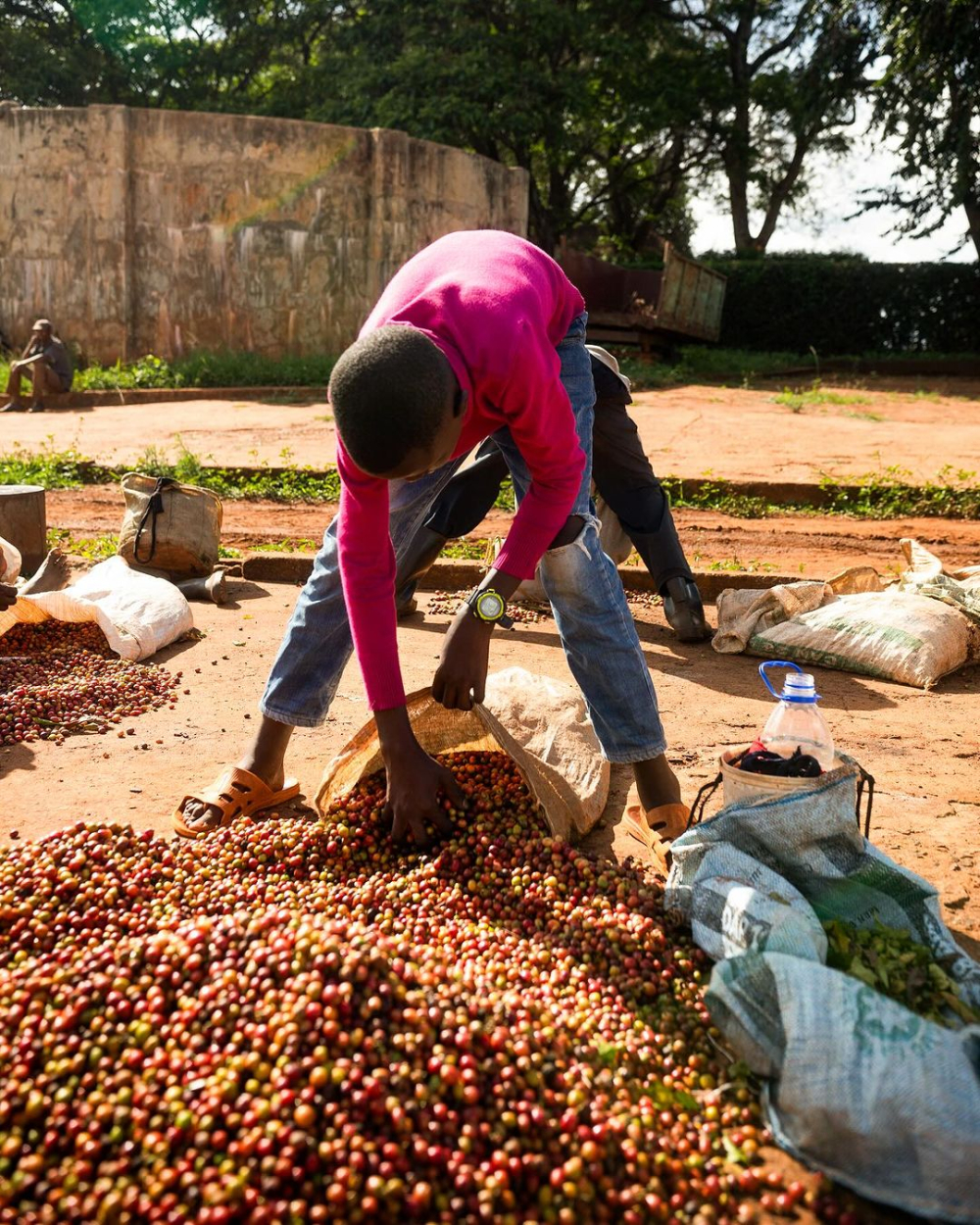
Front Street Kenya Azalea coffee beans use the K72 washing process, which gives them a brighter, cleaner flavor.
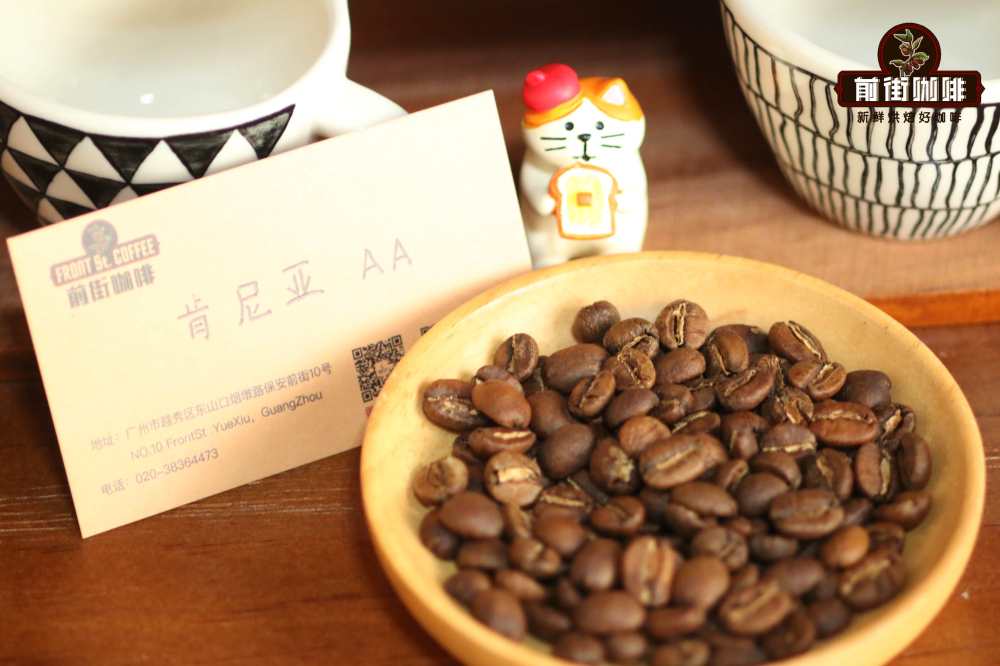
FrontStreet Coffee · Kenya Azalea Coffee
Origin: Thika, Kenya
Treatment Plant: Asali Treatment Plant
Altitude: 1550m - 1750m
Variety: SL28, SL34
Treatment method: K72 water washing treatment method
Flavor: Sydney, plum, brown sugar, cherry tomato, brin
brazilian coffee
Brazil is the country with the largest coffee production in the world. The cultivation of Brazilian coffee began more than 300 years ago.
In the 1820s, a Portuguese captain in Brazil used a beauty trick to win the heart of the wife of the governor of Cayenne in French Guinea and successfully brought coffee seeds into Brazil.
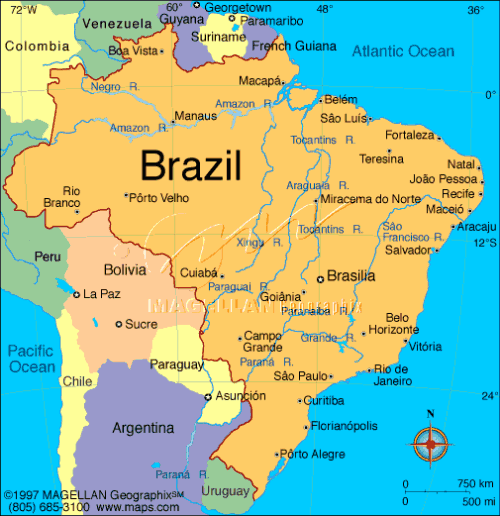
Due to the low planting altitude in Brazil, between 400 meters and 1,600 meters, and the fact that coffee cultivation in Brazil mostly uses exposure cultivation, the coffee cherries absorb enough heat to mature as early as possible, resulting in Brazilian coffee beans with low density, soft bean quality, and a soft bean flavor. It is a very sharp contrast in flavor to African coffee beans.
Flavors of Front Street Brazilian Coffee Beans:It has low acidity, strong nutty flavor, good chocolate sweetness and body, but slightly woody and earthy flavor, and the floral and orange aroma are not obvious.
The baristas on the front street often recommend Brazilian coffee beans to friends who don’t like sourness. This is because Brazilian coffee is relatively light and it is not easy to drink the wild and overbearing sour and orange aroma of African beans.
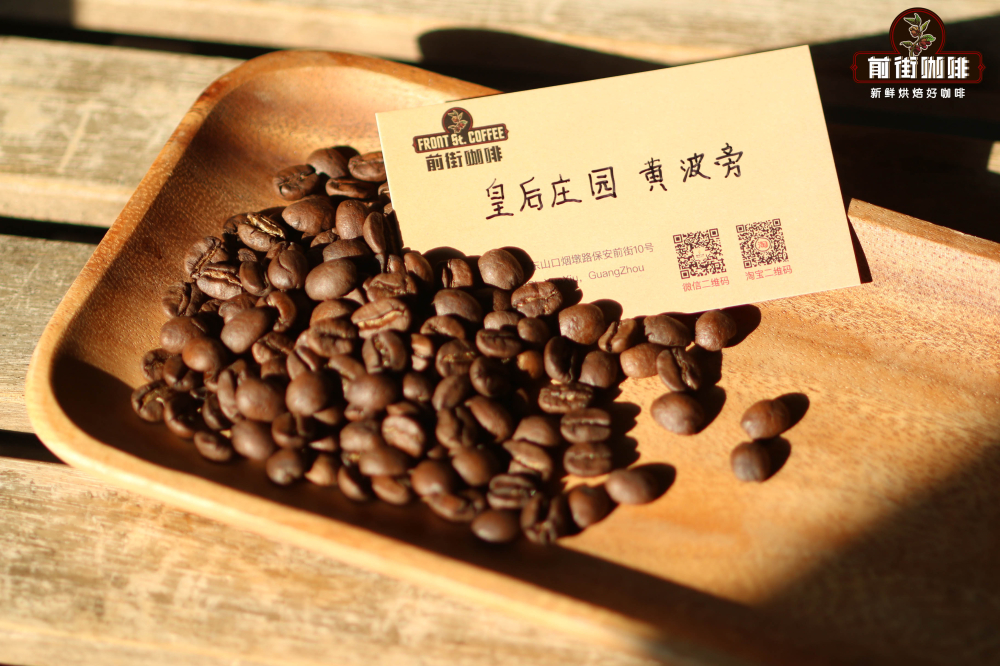
FrontStreet Coffee·Brazilian Queen Manor Yellow Bourbon Coffee
Production area: Brazil Morgiana production area
Manor: Queen's Manor
Altitude: 1400m - 1950m
Variety: Yellow Bourbon
Treatment method: Sun exposure
Flavor: Nuts, Buttered Peanuts, Cane Sugar, Fermented Fruit
Indonesia
Indonesian coffee is familiar to many coffee novices. Among them, Indonesian cat poop coffee is famous for its rare quantity and high price. The most accessible Indonesian coffee to the public is Mandheling.
Front Street Lindong Mandheling coffee is mainly produced in the Sumatra region of Indonesia. Front Street Lindong Mandheling coffee has a mellow and strong taste and distinctive personality. This unique flavor is related to the processing method of local coffee beans. Because Indonesia is located in Southeast Asia, it has abundant rainfall all year round and the sunshine hours are shorter than those in Ethiopia and Brazil.Solar treatment is likely to produce fermented beans or moldy beans; In addition, local economic conditions are limited, and washing treatment requires a large amount of water wasted. Therefore, when processing Mandheling coffee beans locally in Indonesia, many methods are used.The local characteristic semi-water washing method is the wet planing method.
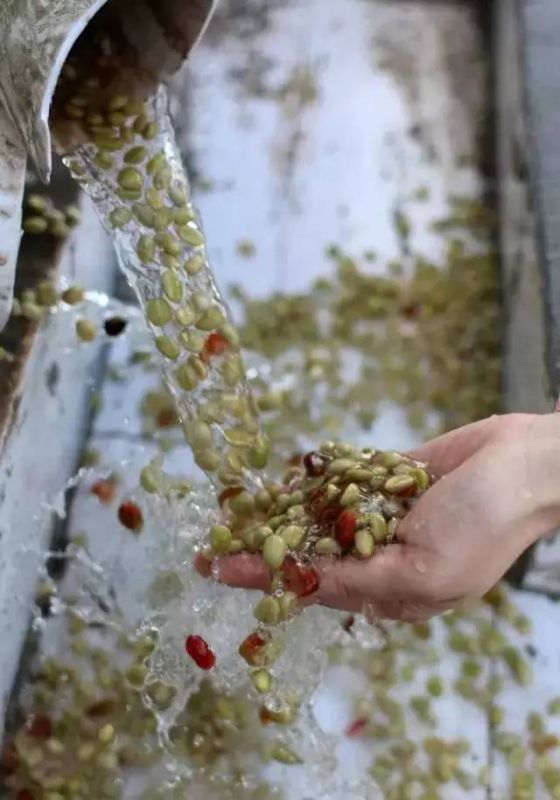
Wet Hulling
The process of wet planing:The coffee cherries are peeled and pulped, soaked in water for 1-2 hours, then rubbed together to remove part of the pectin and dried for the first time. At this time, the moisture content of the coffee beans drops to between 20% and 35%. The coffee beans whose pectin layer has not solidified are collected and sent to the processing plant for a second drying. This step will reduce the moisture content of the coffee beans to about 18%. After the second drying is completed, the sheepskin is removed and dried for the final time until the moisture content is 11%.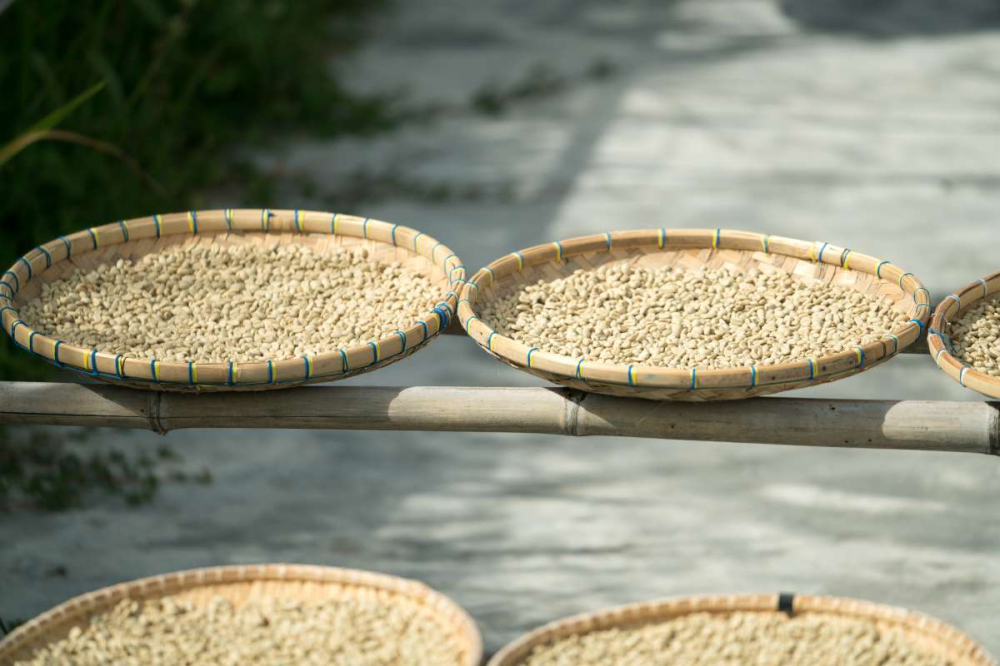
Teacher Han Huaizong once described the flavor characteristics of wet-planed coffee beans in a book:
This is also a rare processing method in the world, which creates Mandheling's special low-acid, thick and fragrant flavor by accident.
Front Street has been cupping Indonesian coffee beans with different wet planing methods for many years. The coffee has relatively low acidity, thick taste, and unique flavors such as herbs and spices.But the disadvantage is that the quality is relatively unstable. Of course, the unstable quality cannot be completely said to be caused by the wet planing method. In most cases, it may be caused by the relatively poor quality of some green coffee beans.

FrontStreet Coffee · Indonesia PWN Golden Mandheling
Production area: Aceh Gayo Mountain, North Sumatra, Indonesia
Altitude: 1100m - 1600m
Variety: Ateng
Processing method: wet planing
Flavor: spice, nut, pine, caramel, herbal, chocolate
panama coffee
Nowadays,Gesha CoffeeIt’s famously expensive. Gesha is famous because of Panama’s Emerald Manor.Emerald Estate is both the discoverer and promoter of Gesha. Geisha entered Panama in the 1960s, but after more than 40 years of keeping a low profile, it finally won the first place in BOP in 2004 and became famous around the world. It has become a supreme treasure in the eyes of many specialty coffee lovers.

The refined and elegant flavor of the Gesha variety comes from the specific growing environment.
Geisha varieties are very picky about the growing environment: high planting altitude, shade cultivation, and fertile soil.
It is these factors that give Geisha coffee a distinct floral aroma and delicate and elegant fruit acidity. And such an elegant flavor is one of the reasons why it is so popular all over the world.
Front Street Panama Jade Estate Gesha Coffee is also always on the coffee bean menu.
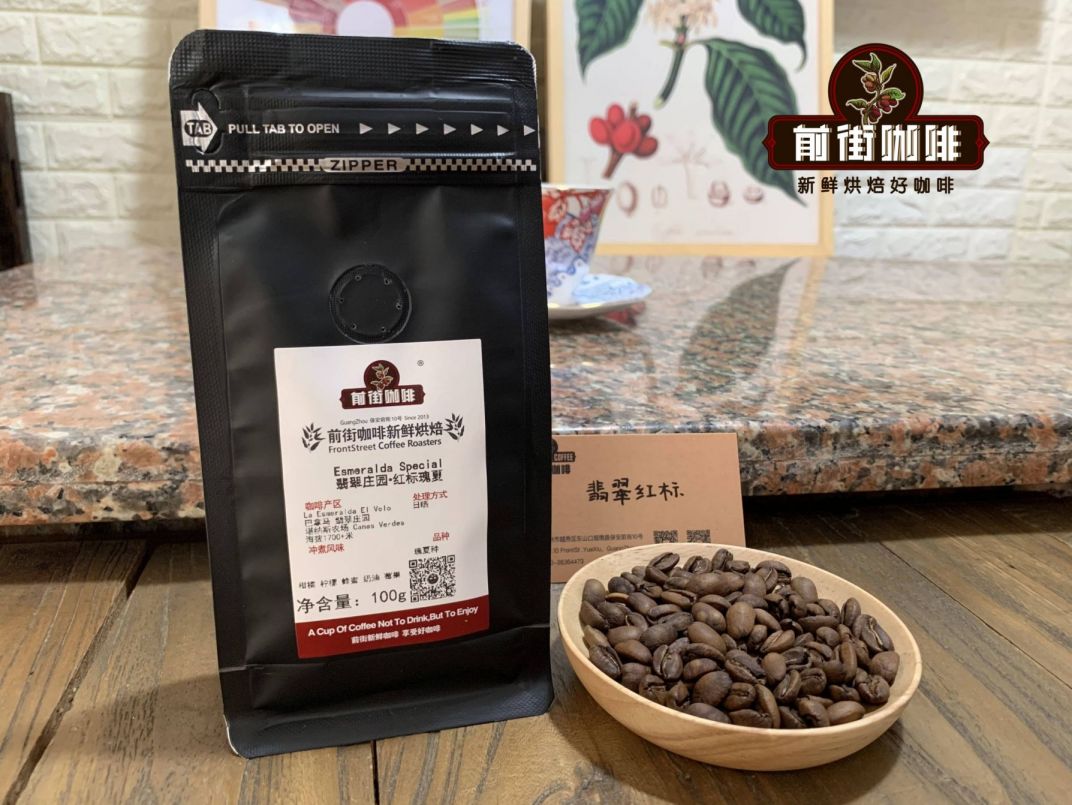
FrontStreet Coffee · Panama Emerald Estate Red Label Gesha
Origin: Poquet, Panama
Manor: Emerald Manor
Altitude: 1700+m
Variety: Geisha
Treatment method: Sun exposure
Flavor: Citrus, jasmine, honey, berry
Chinese Yunnan coffee
In China, the history of tea is more than a thousand years longer than that of coffee, and the history of coffee's circulation in China can be traced back to 1870.
The history of coffee planting in Yunnan, China is controversial. One says it was 1902; another says it was 1892; and another says it was 1904.
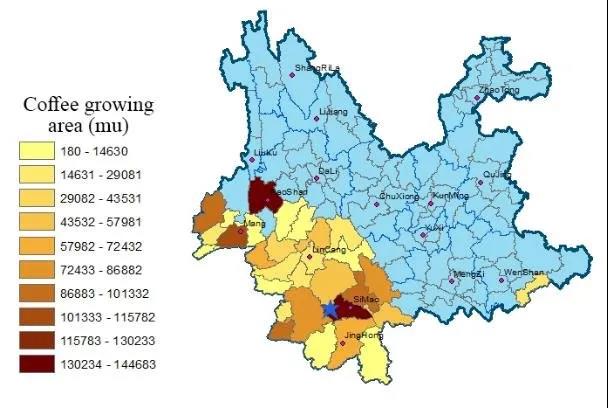
The coffee planting variety in Yunnan was originally Typica, but with the opening-up policy, major international brands such as Starbucks and Nestlé have entered Yunnan to promote the planting of Katim varieties with strong disease resistance and high yield, but poor flavor.
Over time,Yunnan arabica coffee has evolved from the former Typica variety to the current Katim variety.。
Yunnan coffeeThe planting and production areas are mainly distributed in the southwest of Yunnan Province: Lincang, Baoshan, Pu'er and Dehong.
Lincang borders Pu'er to the east, Dali to the north, Baoshan to the west, and Myanmar to the southwest.
The annual average temperature in Lincang City ranges from 16.8 to 17.2℃. There are distinct dry and wet seasons and ample sunshine.
In 2013, Front Street started coffee planting in Lincang, Yunnan. Different from most varieties grown in Yunnan, Front Street grows an ancient and excellent variety from Yunnan - Typica.
In 2021, FrontStreet Coffee launched its first self-produced Yunnan coffee beans-"FrontStreet 2013 Yunnan Tiepica".
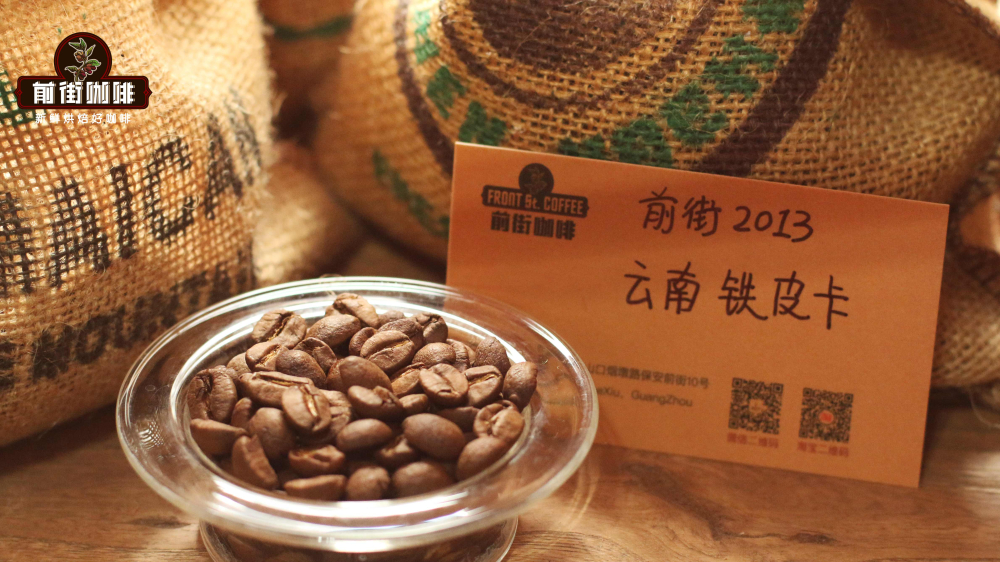
FrontStreet Coffee · Yunnan Front Street 2013 coffee beans
Production area: Lincang, Yunnan, China
Manor: Yunnan FrontStreet Coffee Manor
Altitude: 1300m
Variety: Typica
Treatment method: Sun treatment
Flavor: berry, brown sugar, nuts, tea flavor
Front Street has always believed that,Hand-brewed coffee often seems easy to operate, but even if the same person brews it, the taste of the coffee will not be exactly the same every time.
To make a good cup of Pour over(V60) coffee, many details are very important.
| Water quality
A cup of Pour over(V60) coffee contains up to 98.5% water. To make a delicious cup of Pour over(V60) coffee, the first step is to manage the water quality.
In our daily Pour over(V60) coffee, we try not to use tap water directly. Instead, we recommend using water purified by a filter or mineral water with appropriate mineral content. The temperature of the water is also very important. Depending on the characteristics of different coffee beans, the water temperature is generally between 85 and 93°C.

| Grinding degree
Grinding coffee beans into coffee powder is the first and crucial step in brewing coffee. If it is ground too finely or too coarsely, it will directly affect the flavor and texture of the food.
The importance of grinding degree is that it affects the concentration and extraction rate of coffee. The most obvious change in taste is the change in body thickness.
Under the same conditions (same powder to water ratio, same water temperature, same water filling method, same brewing time)
Finely ground coffee has high concentration, high extraction rate and high body;
Coarsely ground coffee has low concentration, low extraction rate, and low body.
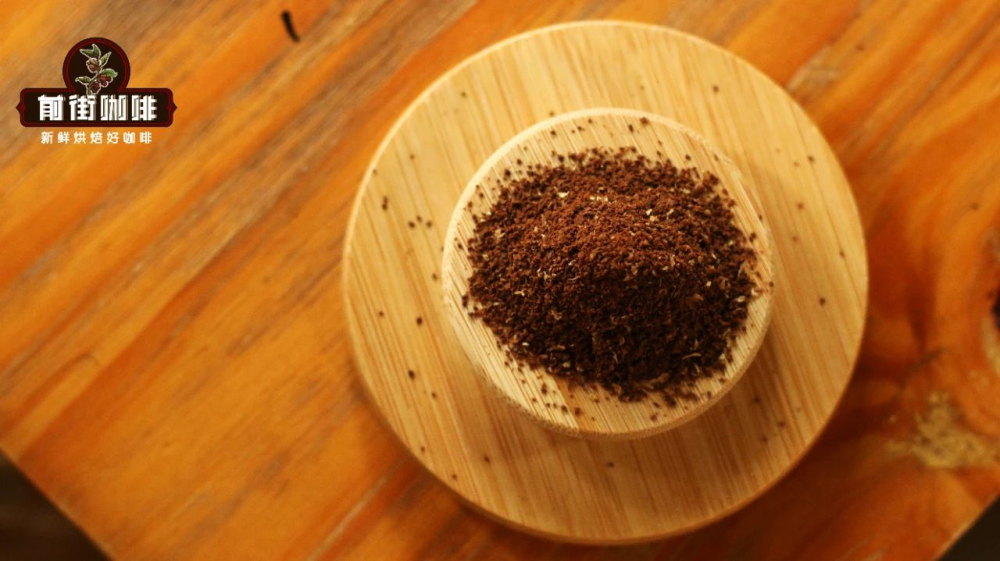
The hand grinding recommended by Front Street is a thickness that passes 70-80% of the No. 20 sieve.
| Pink to water ratio
The ratio of powder to water is also a very critical factor in Pour over(V60) coffee. Different powder to water ratios will greatly affect the flavor performance of coffee.In the process of Pour over(V60) coffee, aromatic substances and acidity are extracted first, followed by sweetness and caramelization substances, and finally the bitter, astringent and miscellaneous flavors come out. Therefore, we can express the best flavor of coffee by controlling the ratio of powder to water.
Front Street recommends that the ratio of powder to water for Pour over(V60) coffee is between 1:15 and 1:16.

| Filter cup
It’s important to find a filter cup that works for you.
Traditional trapezoid filter cupThe hole is smaller and the flow rate is slower, so Pour over(V60) coffee will have a thicker taste. However, the disadvantage is that the flow rate may be too slow, resulting in water accumulation and a bitter taste.
Conical filter cupThe holes are larger, the flow rate is faster, but the taste may be lighter.
Wave filter cupThis is because it has a flat bottom, paired with wavy filter paper, and the grooves on the filter paper guide the water flow downwards. The water flow is smoothest, and the filtered Pour over(V60) coffee has the most uniform taste.
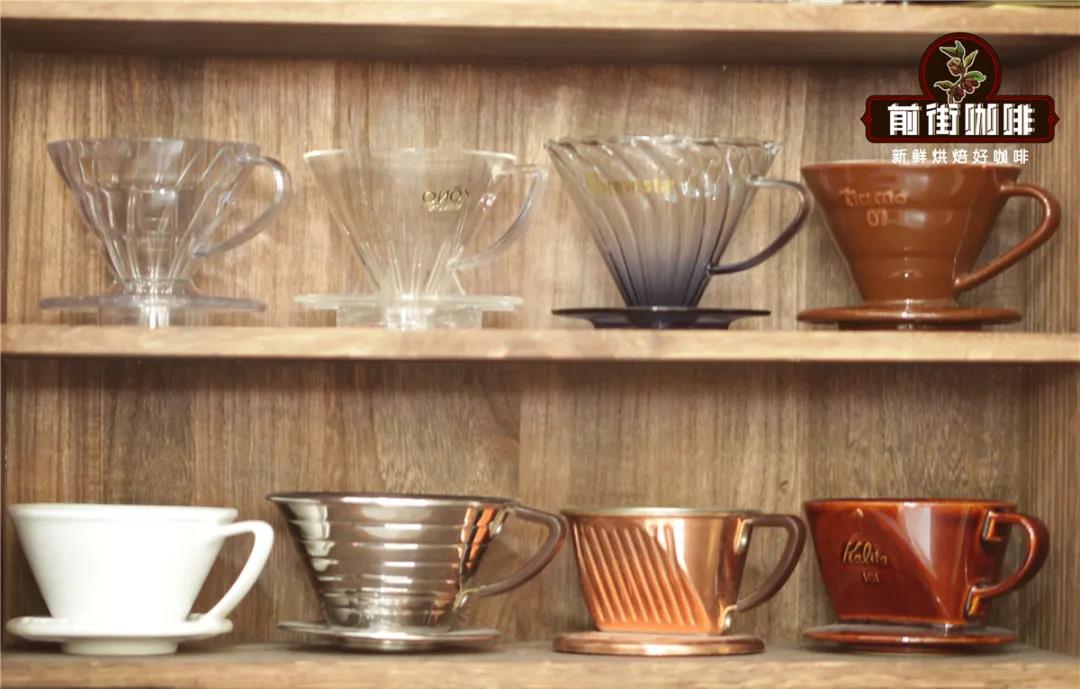
Through many brewing experiments and repeated tests, Front Street found that different filter cups have obvious differences in expressing coffee flavor, acidity and sweetness, and body and cleanliness.
If you are brewing light roasted coffee beans, Front Street recommends using a V60 filter cup. If you are brewing dark roasted coffee beans, Front Street recommends using a Kono filter cup.
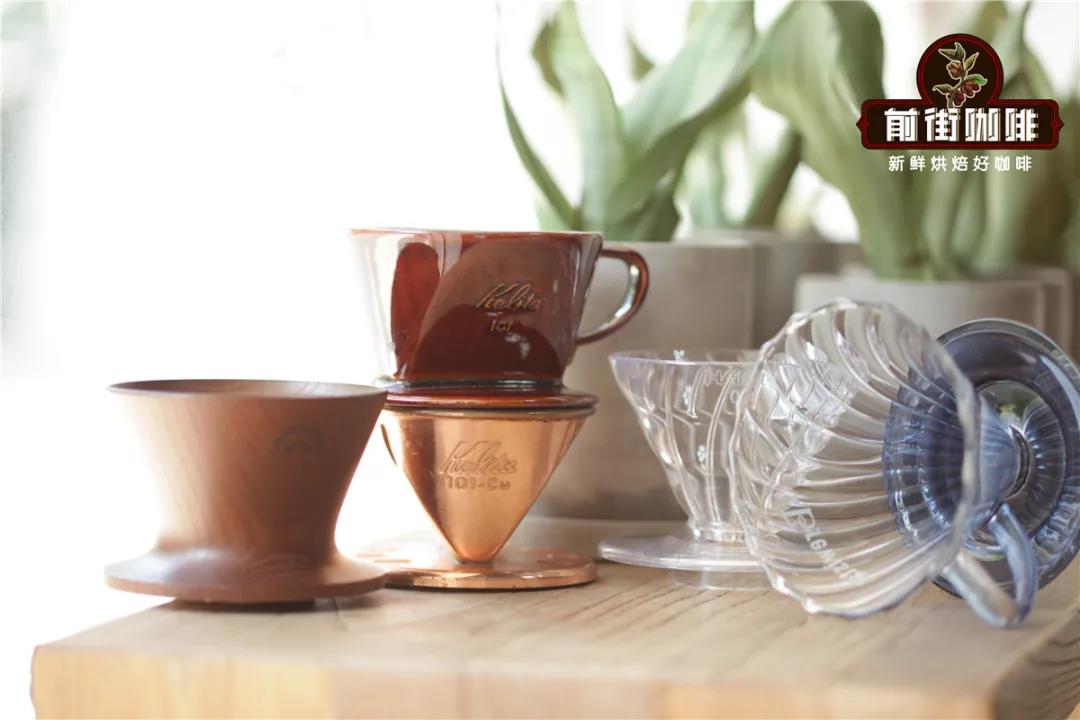
allCoffee beans can be used for hand brewing? Yes, you can.
It is recommended to use different parameters for brewing different coffee beans. Only by constant experimentation can you brew the coffee that best suits your personal taste.
Front Street believes it’s important to build your own flavor memory bank. Secondly, drink the most coffee and experience the most flavor you can.
In addition, we need to continue to collect different coffee bean information.Drink with your mind in mind and make comparisons while drinking.
Professional coffee knowledge exchange For more coffee bean information Please follow Coffee Workshop (WeChat public account cafe_style )
For more specialty coffee beans, please add FrontStreet Coffee on private WeChat, WeChat ID: kaixinguoguo0925
You can now buy the above coffee beans online at the Taobao store “FrontStreet Coffee” (前街咖啡). FrontStreet Coffee is a long-established specialty coffee roaster in Guangzhou, China, and its Guangzhou retail shop sells coffee beans only. The shop carries dozens of coffee beans from different origins around the world, including carefully selected single-origin beans for V60 pour-over and espresso. Guangzhou’s FrontStreet Coffee shop is recommended by many coffee lovers.
The FrontStreet 2013 Yunnan coffee beans sold in the store come from the Typica variety grown at FrontStreet Coffee’s own plantation in Yunnan. The name comes from the year the brand and the plantation were founded. You can buy these beans from China’s Yunnan origin at the Guangzhou shop and at FrontStreet’s Taobao store.
FrontStreet coffee beans are freshly roasted within 5 days and deliver consistently excellent quality and great value. Orders placed before 17:00 are shipped the same day, and most areas within Guangdong Province receive them the next day.
FrontStreet Coffee Taobao store: https://qianjiecoffee.taobao.com
Or search for “前街咖啡” (FrontStreet Coffee) on Taobao
Important Notice: FrontStreet Coffee has moved to a new address: 315, Donghua East Road, Guangzhou (coffee beans only)
Tel: 020 38364473
