
What do we talk about when we have coffee? We share coffee flavor, coffee origin information, coffee extraction parameters, coffee varieties and more. The variety of coffee beans will directly affect the flavor and quality of coffee, the planting requirements of coffee trees, and the disease resistance of coffee trees. This time Front Street will explain the varieties of specialty coffee.
Coffee varieties originally spread through more than ten centuries. The East India Company brought it to Indonesia in 1699 and planted it on the island of Java. The Dutch were the first people to introduce coffee from Arabia to Europe. They first introduced coffee to Batavia and then introduced it to Europe. In 1706, several coffee trees were transported from Java back to Amsterdam, and they were planted in a greenhouse and successfully cultivated. In 1713, seedlings were grown from these seeds and given to Louis XIV of France.
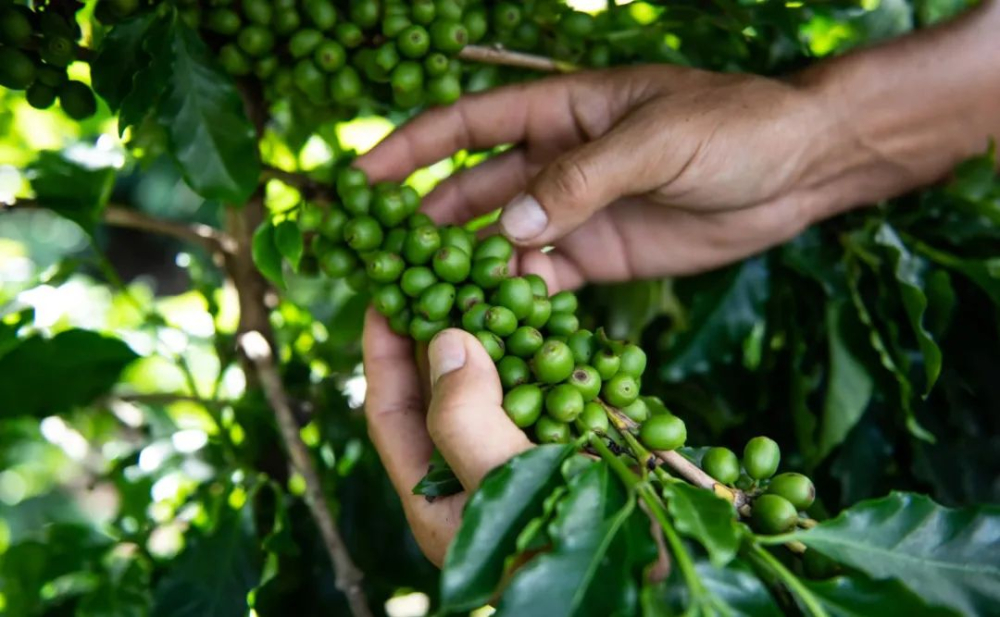
In 1723, a French officer named Klee secretly brought seedlings from the Botanical Gardens in Paris to Martinique, where he took office. This was the first coffee tree in the entire Caribbean, and it spread throughout Central and South America. This was the spread of the great voyages. Although Europe, the five continents of the world, does not produce coffee beans, the Netherlands and France have made huge contributions to the globalization of coffee. From its origin in Africa, it is then produced in the three main coffee cultivation and growth regions: Asia and the Pacific, Latin America, Africa, and Australia in small quantities.
Main coffee producing areas in Africa
Located in the hottest centers of the tropics, most African countries produce the Robusta variety of coffee beans. Arabica coffee beans (Washed Arabica) also grow particularly well in the high mountain areas of Kenya, Tanzania and Cameroon.Africa is the origin of coffee, and naturally there are many coffee-producing countries. Congo, Rwanda, Kenya, Angola, Zimbabwe, Mozambique, Ethiopia and other countries all produce coffee.
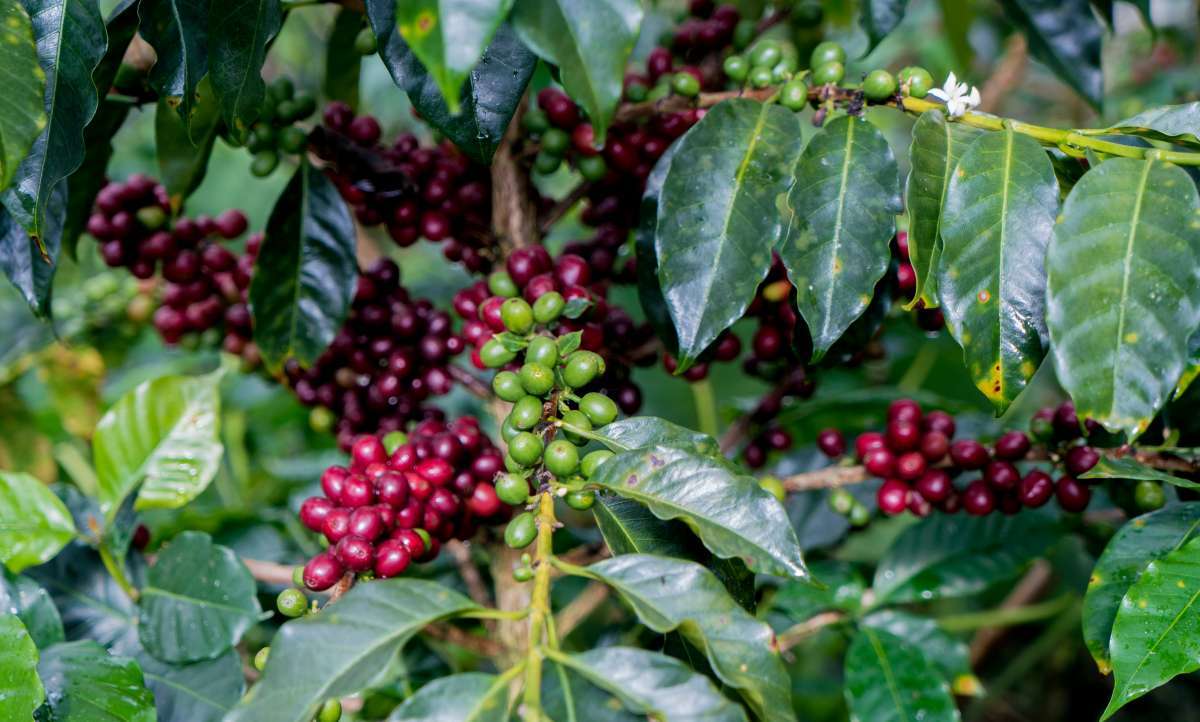
The main coffee producing areas in Latin America
Brazil, the largest country in South America, is known as the world's largest coffee producer with an average annual export volume of 30 million to 40 million bags of coffee beans, accounting for almost one-third of the world's output. The main variety is natural Arabica (-Natural Arabica, Arabica accounts for 24% of global coffee production, and Robusta accounts for 9%). Brazil's Santos coffee is quite famous.
The most famous one in Jamaica is Blue Mountain coffee, which is known as the "best coffee"; followed by Colombia, Venezuela, Peru and Ecuador (Washed Arabica coffee beans). In countries such as Mexico, Panama and the Caribbean coast, coffee occupies a very important economic position, and the coffee beans they usually produce (washed Arabica-Washed Arabica) are of excellent quality. Originally the unique flavor of the "Honey Process" in Costa Rica, Panama's Elida Estate has led the trend with the ASD (Anaerobic Slow Dry) anaerobic fermentation and slow sun drying method!
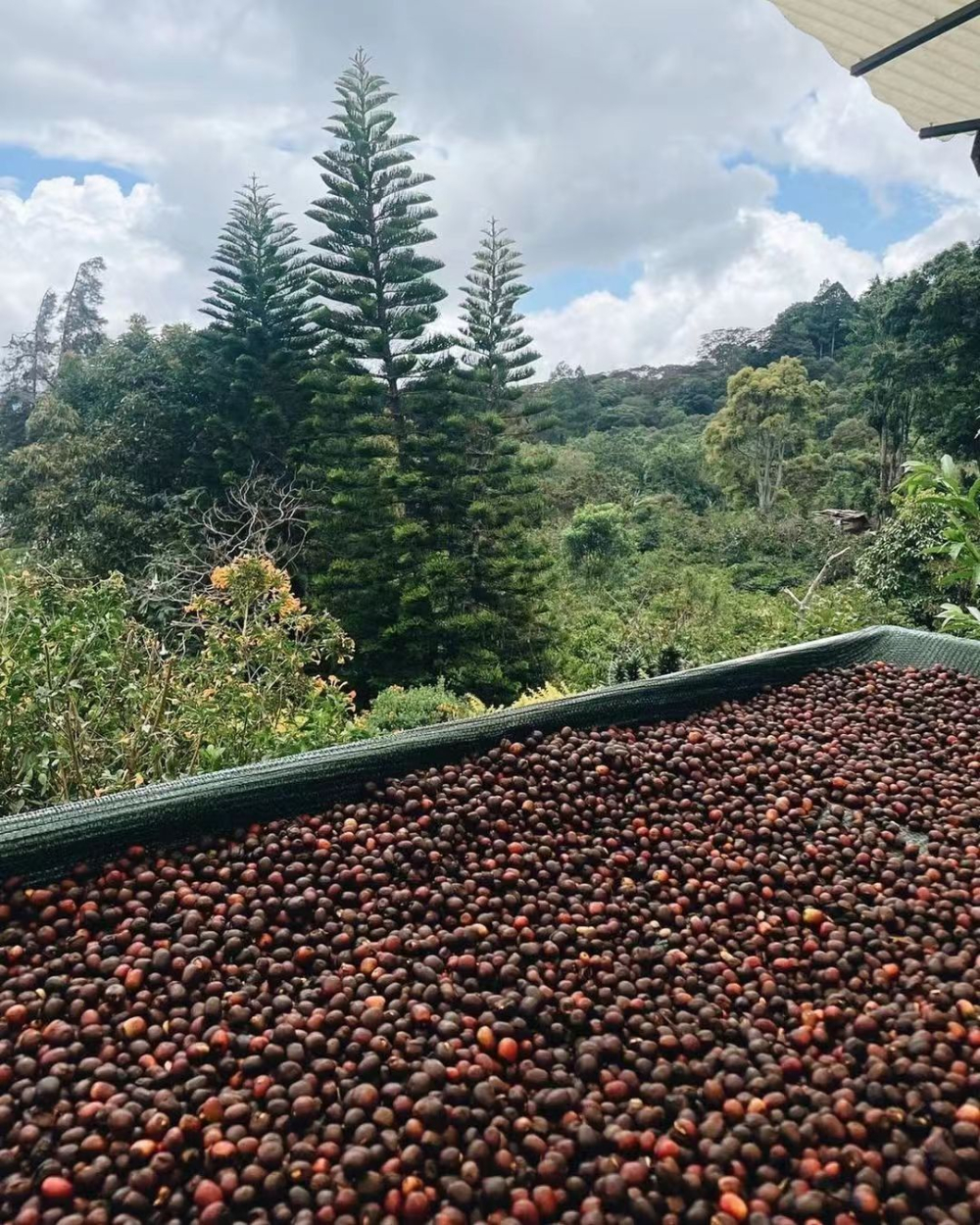
Major coffee producing areas in Asia and the Pacific
Javanese, Mandheling, and civet coffee from Indonesia; Moka Sanani from Arabian Yemen; Yunnan coffee, Hainan coffee, and Taiwanese coffee from China; and coffee from India, Vietnam, Hawaii, and other countries.
Due to advanced and excellent technology, the current production volume of "Washed Arabica", "Washed Robusta" and sun-dried Robusta coffee in India and Indonesia has increased significantly. In the world's coffee market, Arabica variety of coffee accounts for about 60%, and Robusta variety of coffee accounts for more than 35%.
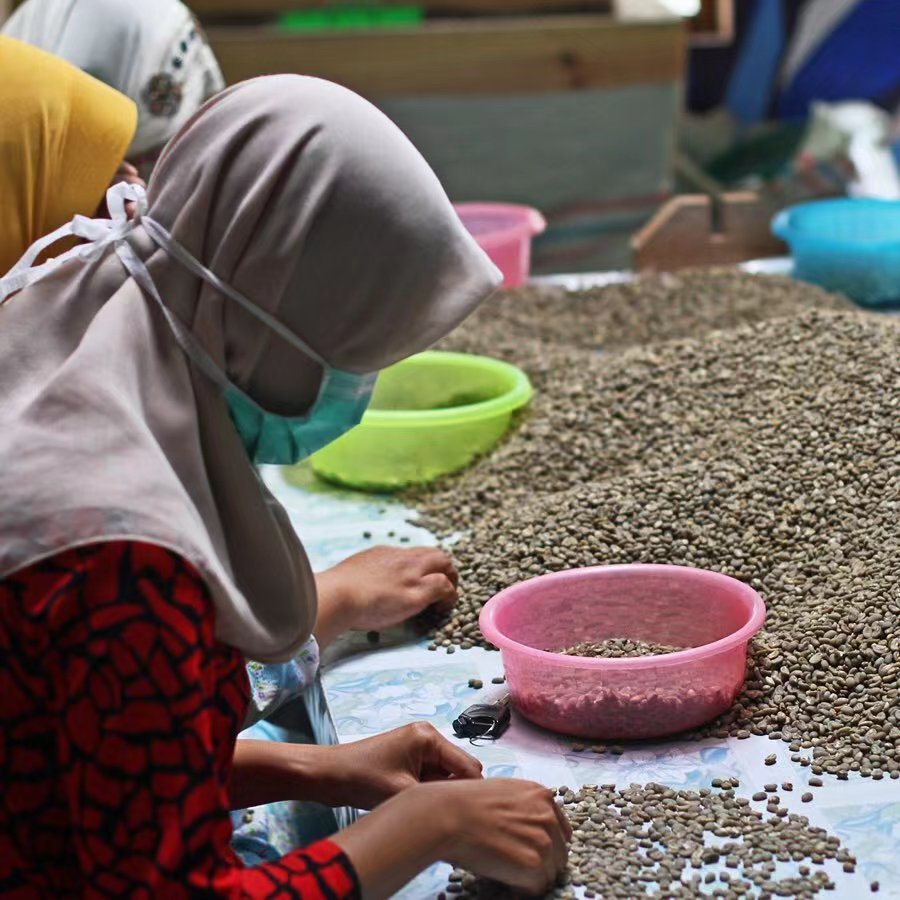
Main coffee producing areas in Australia
Australia began to cultivate coffee around 1900 AD, with both Robusta and Arabica species, mainly in eastern Australia, roughly distributed in northern New South Wales, around Queensland, and Norfolk Island. Northeastern Queensland is the famous Skybury planting area; and Norfolk Island is a small island in the South Pacific far east of the Australian mainland, with about 20,000 Arabica coffee trees planted.
Coffee bean sects
In terms of biological classification, "kingdom, phylum, class, order, family, genus, species", coffee beans belong to the Rubiaceae family and the genus Coffea. Among them, there are only three types of coffee with commercial value.
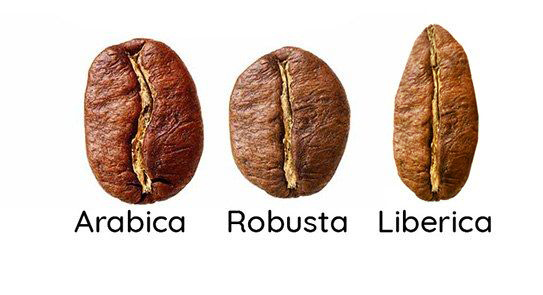
Coffea Arabica, Coffea Robusta (also known as Coffea canephora) and Coffea Liberica are called the "three major native coffee species".
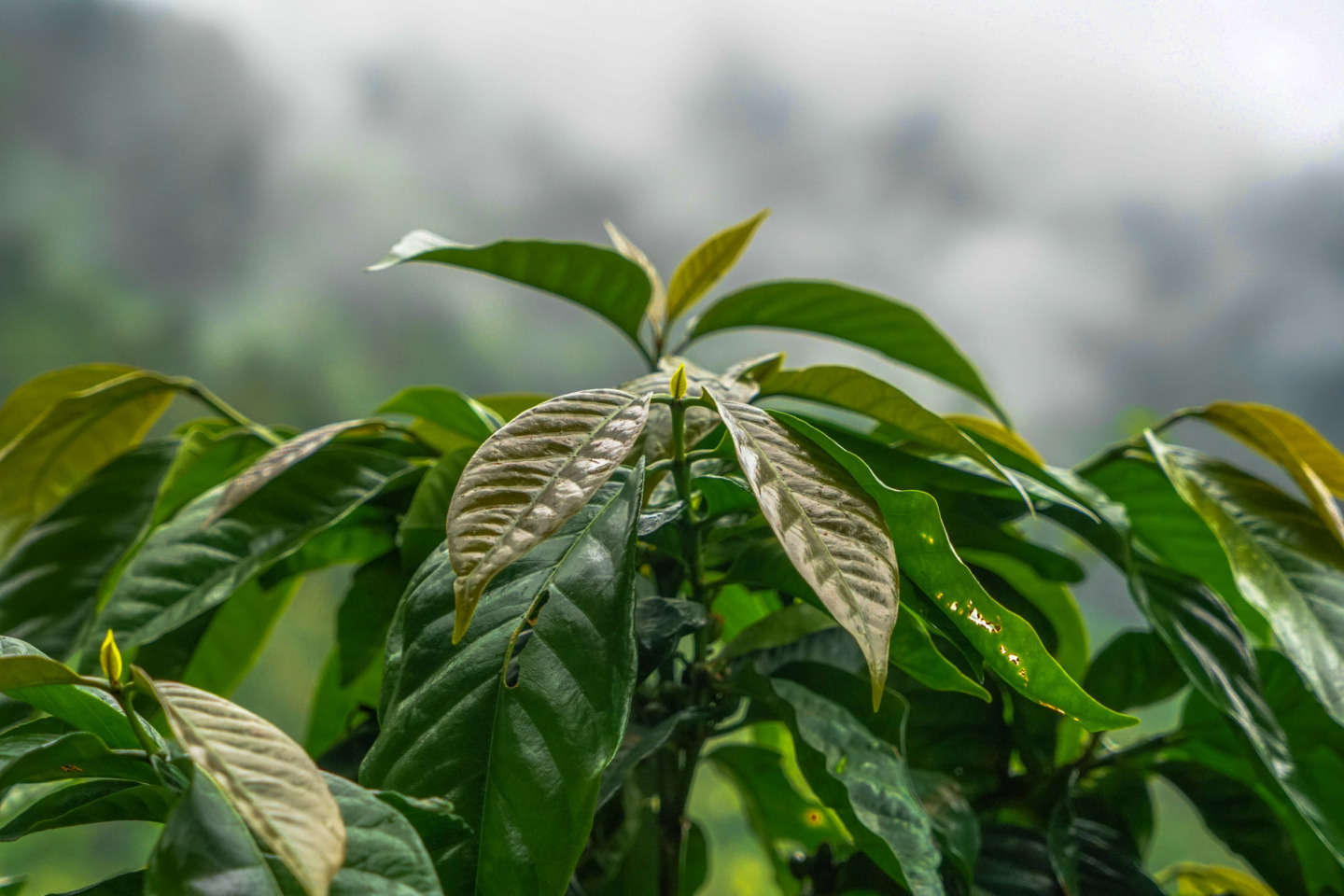
An overview of the three original species of coffee beans:
1. Arabica originates from Ethiopia and has the best flavor, aroma and quality. It accounts for about 60% to 70% of the world's total production. The widely planted variety is in large demand for specialty coffee.
2. Robusta originates from Congo and is cultivated in Africa and Indonesia. It has strong resistance to pests, but its quality and aroma are worse than Arabica. This variety is mostly used in instant coffee. Robusta, also known as medium-grain coffee, accounts for about 30%. It is mainly used in instant and canned coffee. The caffeine content is twice that of Arabica.
3. Liberica originates from Liberia, also known as large coffee. Due to its intolerance to leaf rust and poor flavor, it is only traded in Suriname, Libya, Cote d'Ivoire, Malaysia and other countries in West Africa, and is not popular around the world. But the most adaptable, improved coffee varieties play a very important role.
Among them, the Arabica species has the most commercial value, and a large proportion has been invested in research and classification. Therefore, many detailed coffee varieties have been subdivided, among which Typica and Bourbon are the oldest and most famous.
Typica
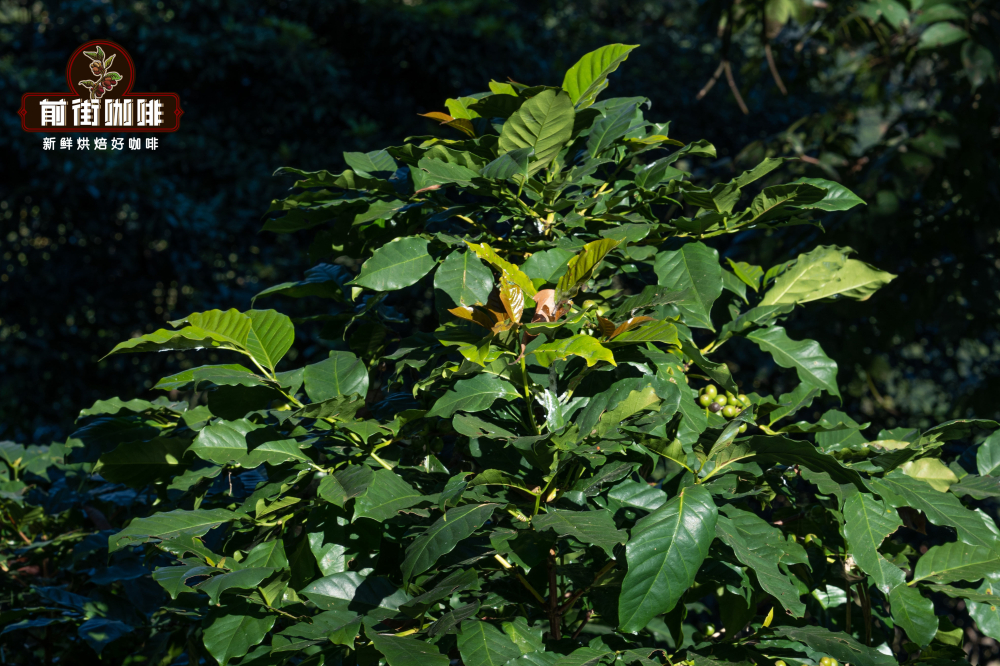
The variety closest to the native species is native to Kaffa, Ethiopia and Yemen. The ancestor of the Arabica variety, Typica is a fine variety that exhibits excellent purity and consistency, with a lemony-sour flavor and a sweet finish. The top leaves of Tybika are bronze, and the bean body is oval or thin and pointed. The tree is 3-4 meters tall, conical in shape, and the angle between the trunk and branches is about 50-70 degrees. The leaves are narrow and bronze in color. The berries are more oval than other varieties. In Central America it is known as Arabigo or criollo. The low resistance to leaf rust makes it difficult to care for, and the trees have low fruit yield. In addition, the harvest period is long and the yield is low.
Typica has evolved genetically, and there are many mutant varieties that are better adapted to the surrounding environment and produce new characteristics. They are often considered new coffee varieties. For example, Mexican Typica is slightly different from Hawaiian Typica, so they have different names; Criollo (South America), Arabigo (Americas), Kona (Hawaii), Pluma Hidalgo (Mexico), Garundang (Sumatra), Blue Mountain (Jamaica, Papua New Guinea) San Bernado&San Ramon (Brazil), Kent and Chickumalgu (India) are all types of Typica coffee.
Representative varieties:
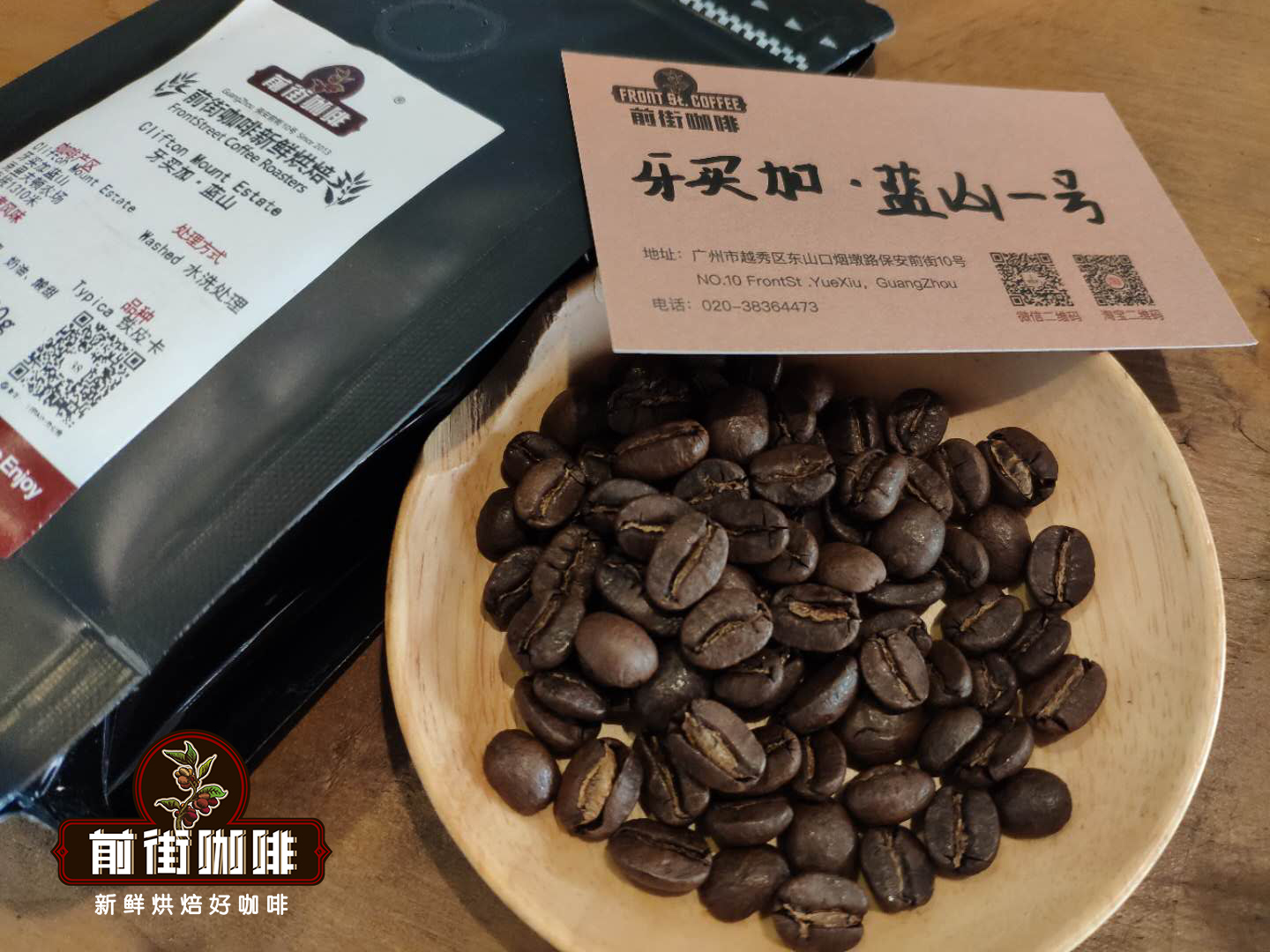
One Front Street, Jamaica Blue Mountain
Production area: Jamaica Blue Mountain production area
Manor: Clifton
Altitude: 1310 meters
Variety: Typica
Processing method: washed

Front Street 2013 Yunnan Xiaoli·Tiepica
Country: China
Production area: Lincang, Yunnan
Altitude: 1300 meters
Variety: Typica
Processing method: washed
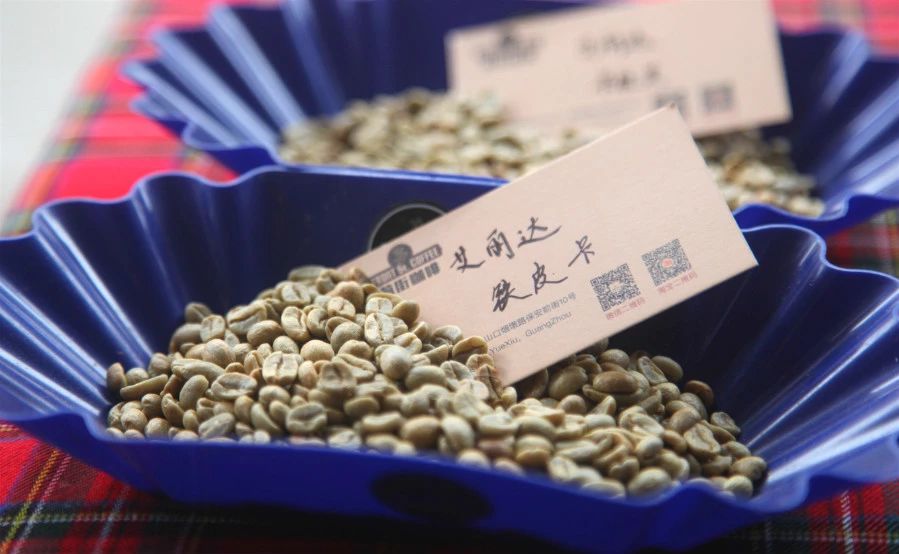
Front Street Panama Alida Estate
Origin: Poquete, Panama
Manor: Alida Manor
Altitude: 1850 meters
Variety: Typica
Treatment method: Sun exposure
Maragogype
Maragogype or Elephant Bean is the most famous variant of Bica beans. Found in a place called Maragogype in Bahia, Brazil, the bean is at least three times larger than the average Arabica, so it is called the elephant bean. The taste is very mild and slightly sweet and sour. It is not easy to bake. It is recommended to bake it lightly, because dark roasting will not bring out the characteristics. First discovered in the Maragogype bean-producing area of Bahia state in northeastern Brazil in 1870, elephant beans have a poor flavor at low altitudes, but have a better flavor at high altitudes, with mild sourness and a pleasant sweet aroma.
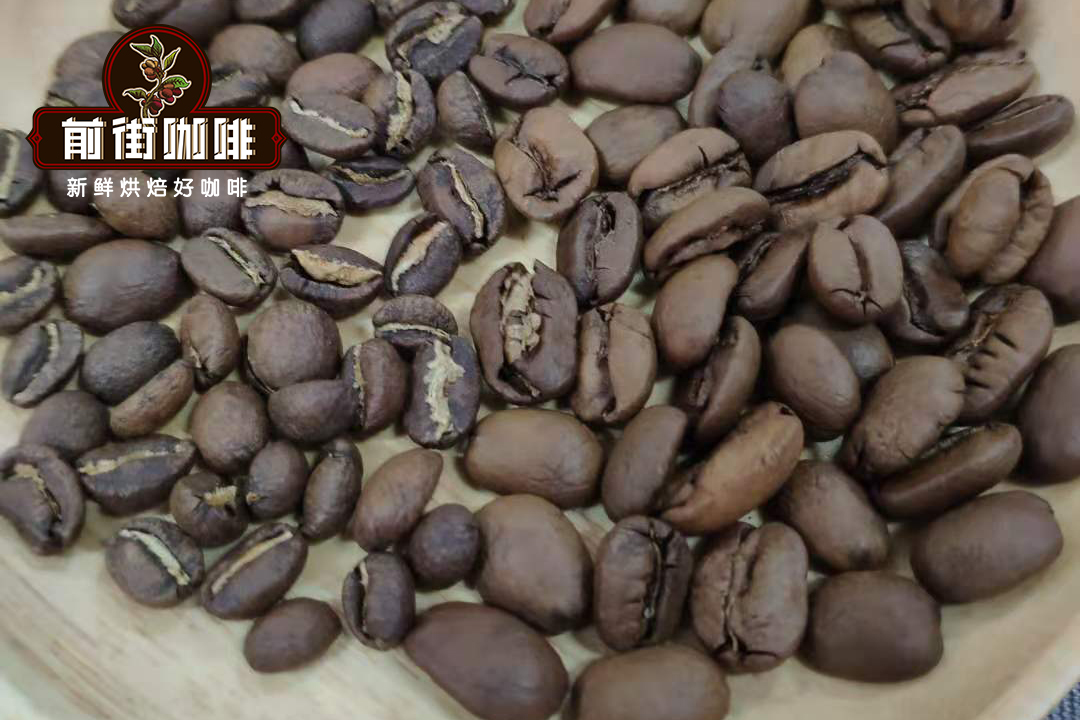
Bourbon
The variety that mutated from Typica is the closest to the native variety like Typica. Bourbon spread from southwestern Ethiopia to Yemen, and the bean shape changed from thin and pointed to round. In 1715, France transplanted the round-body beans from Yemen Mocha to Bourbon Island on the east coast of Africa (renamed Reunion Island after the French Revolution) and then named it Bourbon. Bourbon round beans spread to Brazil and Central and South America in 1727. In 1732, the British transplanted Yemeni mocha to St. Helena Island (where Napoleon was later imprisoned) and they were also Bourbon round beans. Bourbon is a perennial winner in specialty coffee cupping in the Americas. Bourbon produces 20 to 30% more fruit than Typica.
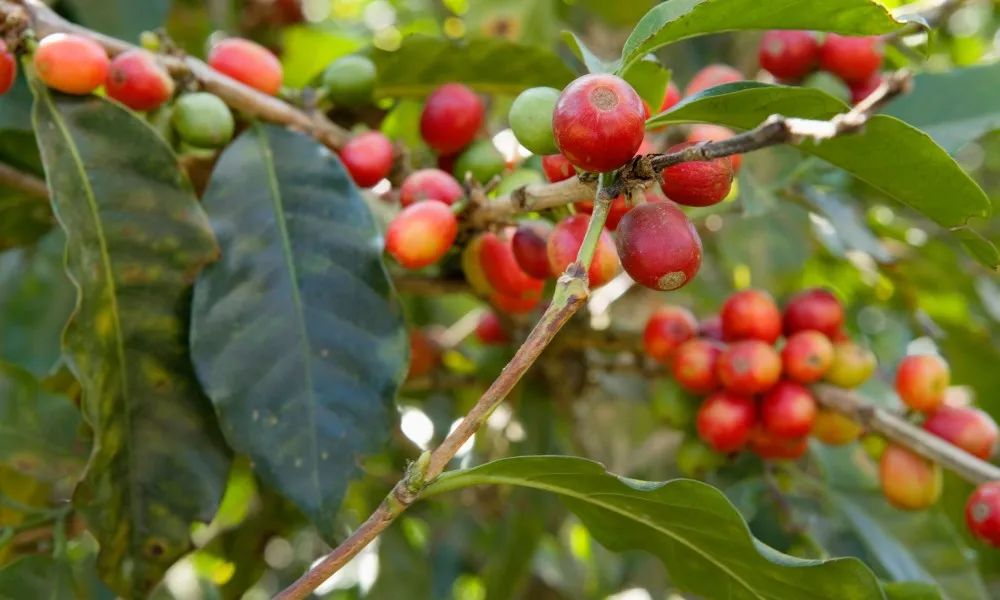
Bourbon characteristics: complex acidity, caramel sweetness, balance. The Bourbon tree is tall and vigorous, with slightly jagged green leaves that are relatively wide. The strong coffee beans are smaller and more densely grown, so the beans are smaller and rounder than Typica. The fruits are red, yellow and orange, depending on the variety and soil texture, with red fruits being the most common. Although Bourbon has a higher seed yield than Typica, it is still a low-yielding variety and is highly susceptible to leaf rust, berry diseases and nematodes. To produce beans with unique and superior flavor, the optimal growing altitude is 1100 to 2200 meters.
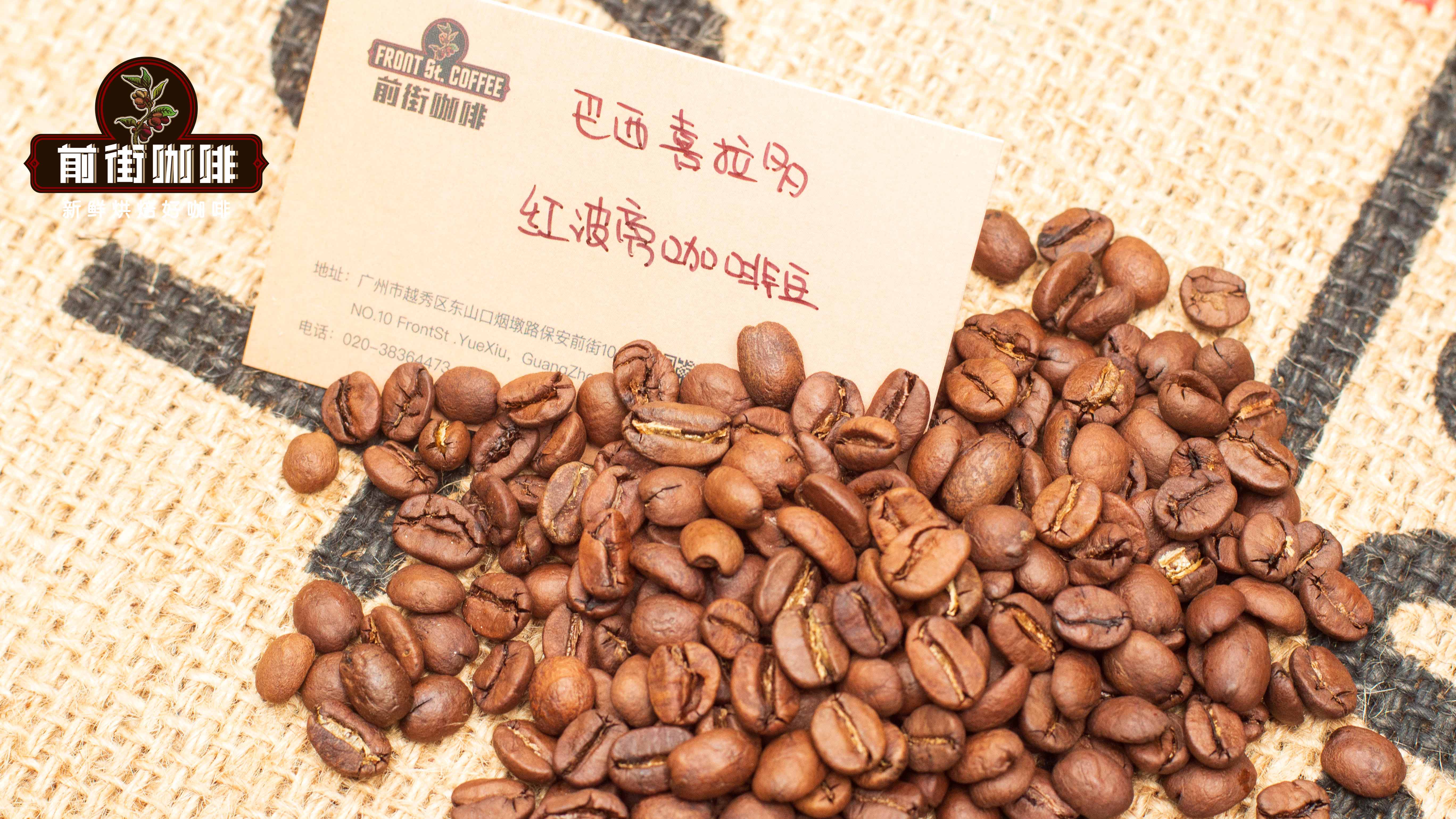
Front Street Brazilian Half-Sun Sunburn Bourbon
Origin: Minas do Sul, Brazil
Altitude: 1000 meters
Variety: Red Bourbon
Treatment: Semi-sun
yellow bourbon
The berries of yellow bourbon are not red like ordinary coffee berries when ripe, but are yellow. It was first discovered in Brazil in 1930 and is now mainly grown in Brazil. It is generally believed that it may have been mutated by crossing the red-fruited Bourbon species with a yellow-fruited Typica variety called "Amerelo de Botocatu" (discovered in Sao Paulo in 1871). Because of its low yield and relatively intolerant to wind and rain, it is not widely cultivated. However, when grown in high altitude areas, it will have excellent flavor performance, which has become more common in recent years.
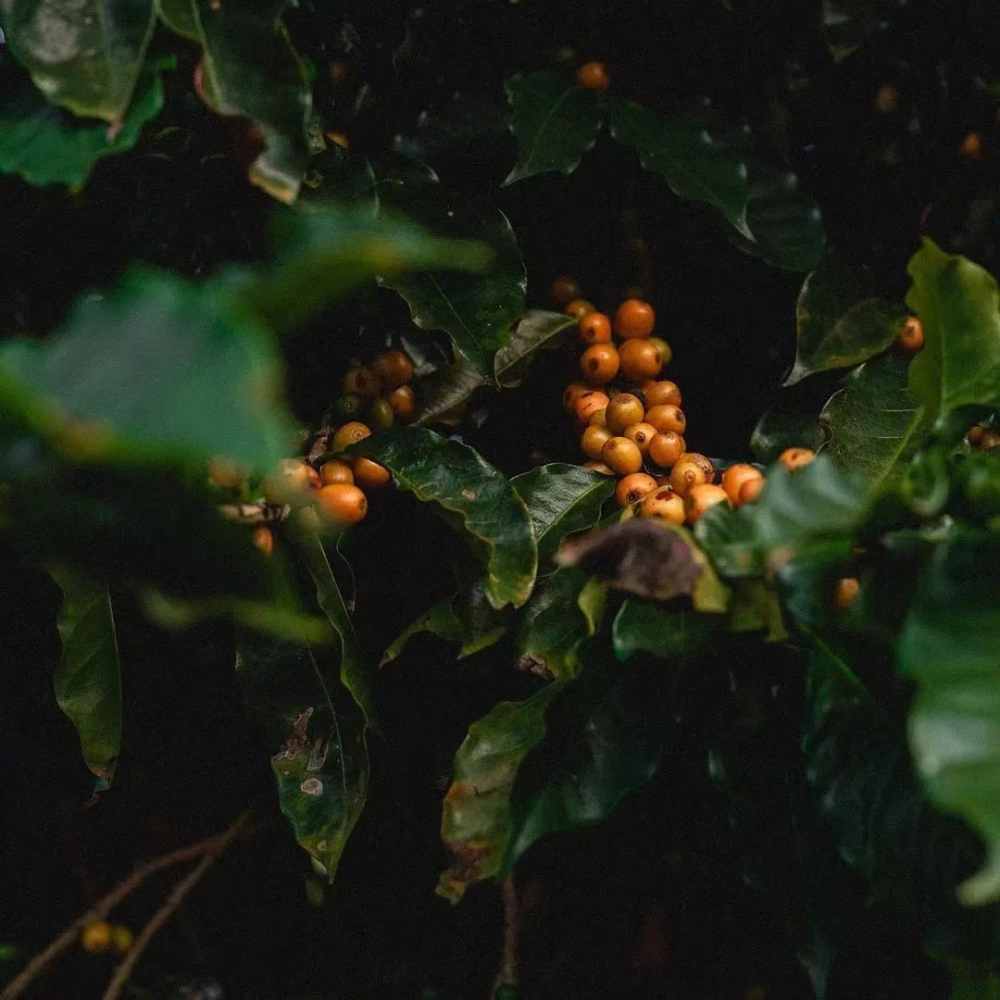
For example, the flavor presented by Front Street Brazilian Queen Estate Yellow Bourbon is sweet and smooth fruit sweetness, obvious nutty flavor, balanced and smooth acidity, weak and clean bitterness, rich chocolate aroma and nutty flavor, and bright and refreshing taste.
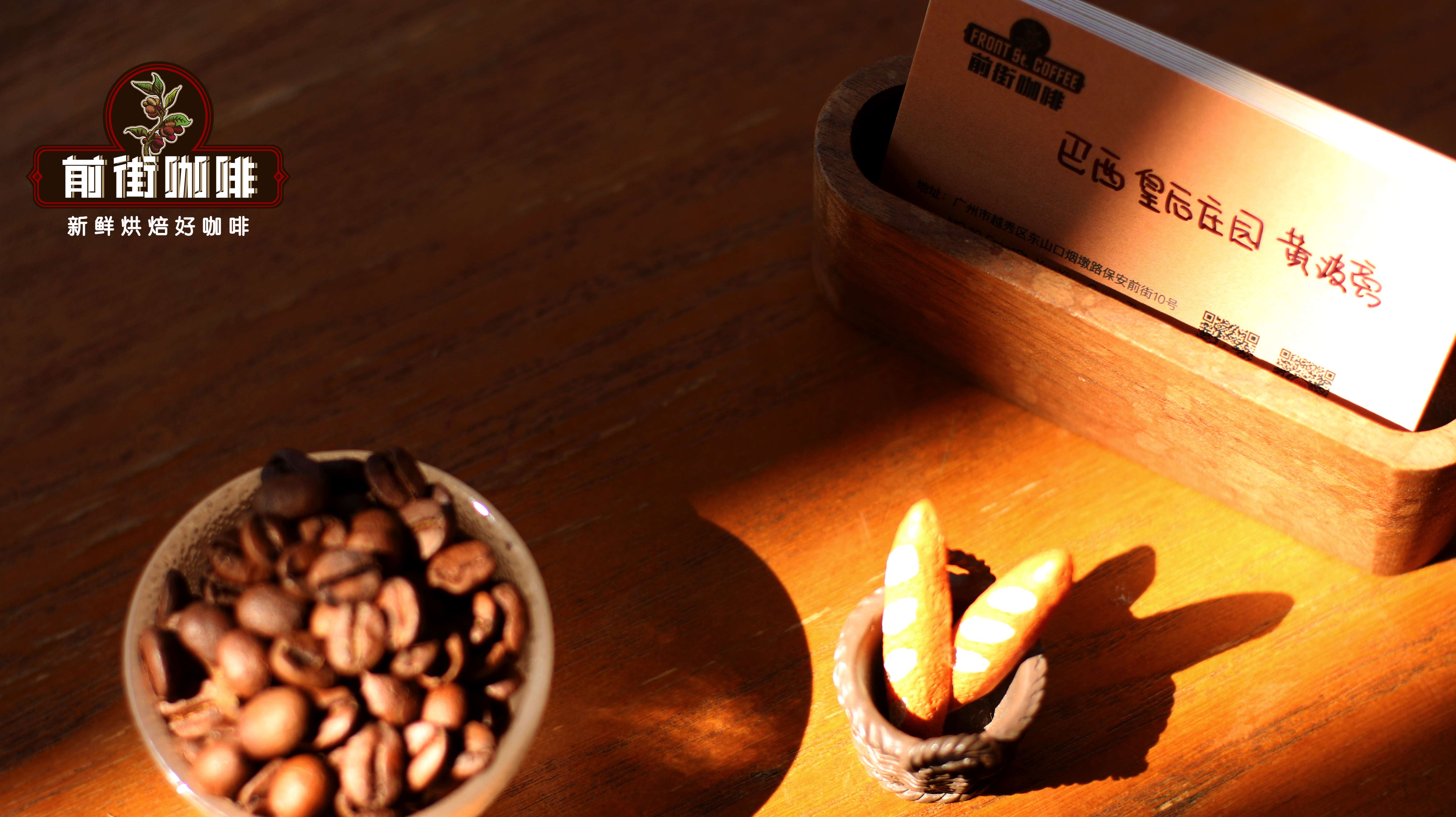
Front Street Brazilian Queen Estate Sun-Dried Yellow Bourbon
Origin: Brazil Morgiana
Manor: Queen's Manor
Altitude: 1400-1950 meters
Variety: Yellow Bourbon
Treatment method: Sun exposure
Pink Bourbon
Pink Bourbon coffee cherries turn pink when ripe. It is a very rare new variety, which is bred by crossing red bourbon and yellow bourbon. The reason why pink bourbon is said to be a rare variety is mainly because it is very difficult to maintain this beautiful pink color. Sometimes some orange bourbon is harvested. That is because the color of the coffee fruit is ultimately determined by the recessive gene in the pollen grains.
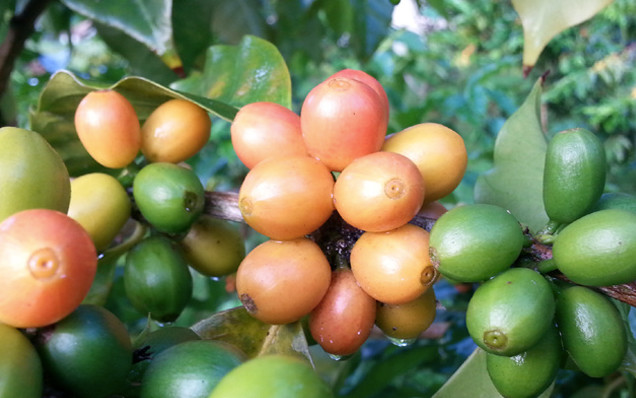
In the selected pollen grains for hybridization, there are both yellow genes that favor yellow bourbon and red genes that favor red bourbon. These are recessive genes and are very easy to interfere with each other. This makes pink bourbon difficult to produce. In addition, pink bourbon is very similar to immature red bourbon and is not easily recognized. They are often mixed together. This is why pink bourbon is rare.
Pink Bourbon was first planted by a coffee farmer named Gabriel Castaño in the Cymbidium production area. His farm is Finca La Granada, which can reach an altitude of 1,800 meters. The days are warm and the nights are cool, providing appropriate stressful environmental factors for the coffee trees. The farm covers an area of only 2 hectares, and Gabriel has 8,000 pink bourbon plants. The rich flavor shown during cupping has made pink bourbon more and more famous.
At the beginning, it was mixed with other bourbons and Caturra, and then it was picked and processed separately. Its performance in the cup is also very special. Different from the flat flavor of ordinary bourbons, pink bourbon has a fresh floral aroma, the sweetness of blueberry and green grape juice, a cherry aroma in the middle, and a sweetness like brown sugar in the tail. In terms of acidity, it shows more of the complex performance of citrus and berries. Currently it is mainly grown in Colombia and Guatemala.
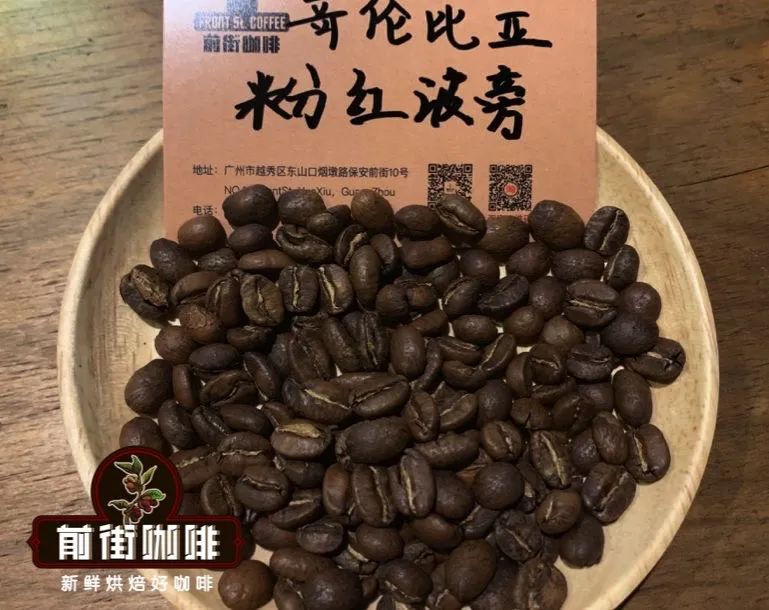
Front Street Columbia Isabella Pink Bourbon
Origin: Colombia Cymbidium
Altitude: 1760 meters
Variety: Pink Bourbon
Processing method: semi-washed
Bourbon Pointu
In 1810, Leroy, a coffee farmer on Bourbon Island, discovered that the pointed-bodied Bourbon coffee trees were relatively short and the coffee berries they produced were in the shape of a pointed body, which was very different from the rounded ones of Bourbon. It wasn’t until the 20th century that scientists discovered that sharp bourbon contained only half the coffee content of regular Arabica. Pointed Bourbon is also called Laurina or Leroy. [Coffea Laurina] is the scientific name of Pointed Bourbon, and [Leroy] is the name of the coffee farmer who discovered this variety. It is commonly known as [Bourbon Pointu].
Due to the weak constitution of Pointed Bourbon, it is susceptible to diseases and its yield is low. Local farmers have low enthusiasm for planting and are almost on the verge of extinction. It was not until 1999-2007 that the restoration was successful with the efforts of France and Japan. Before 2000, Pointed Bourbon only existed on Bourbon Island, and was later successfully tested in Colombia and El Salvador.

Pacas
Pacas is a natural variant of Bourbon, first discovered in 1949 by the Pacas family in the Santa Ana production area in El Salvador. Fernando Alberto Pacas Figuero discovered some plants with different shapes at Finca San Rafael, their family's own estate, and then he began to collect seeds and select them.
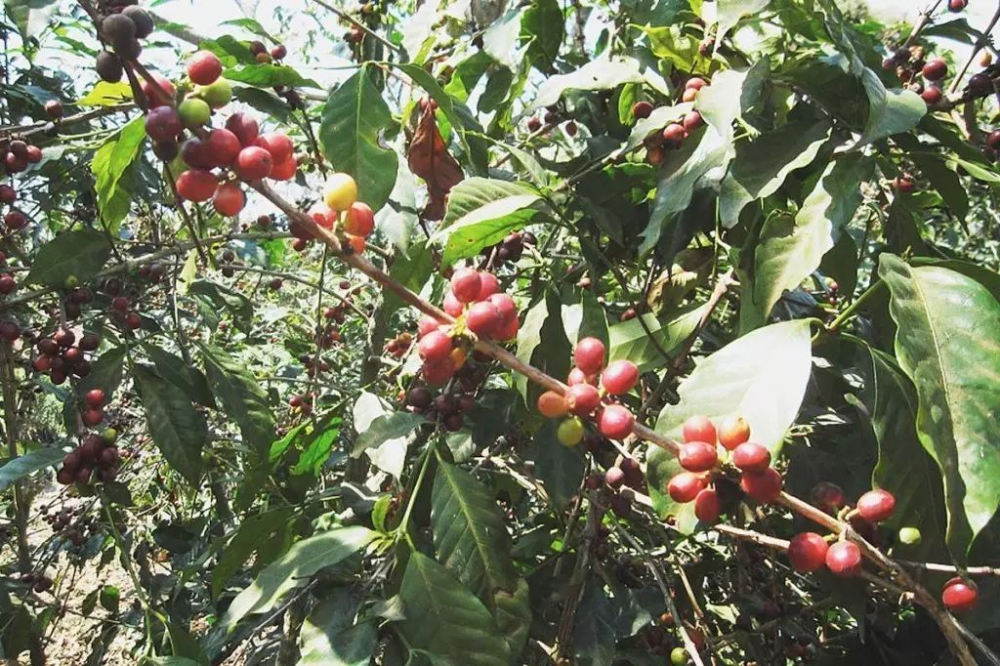
By 1956, Francisco de Sola and Fernando's son, Fernando Alberto Pacas Trujillo, began research on the Pacas breed with the help of Florida professor William Cogwill. They used San Ramon's Bourbon species was compared with an "unknown" new variety, and this "unknown" variety showed completely different characteristics. The plant shape was also different from Bourbon, with shorter node spacing and a larger fruiting area. Finally, they named this variety "Pacas". The coffee plants grown in Pacas are smaller, can be planted closer together, and produce higher yields than native Bourbon.
In 1960, the Salvadoran Coffee Research Institute (ISIC) began a pedigree selection project for Pacas, which is widely grown in El Salvador. Pacas production accounts for approximately 25% of its total coffee production. In 1974, the Honduras Coffee Research Institute introduced Pacas and planted it in Honduras.
Caturra
Caturra is a single-gene variant of Bourbon that was discovered in Brazil in 1937. It has better productivity and disease resistance than Bourbon, and its trees are shorter, making it easier to harvest. Unfortunately, like Bourbon, it suffers from the cycle of fluctuations in productivity every two years. However, its flavor is comparable to that of bourbon beans. More importantly, it is highly adaptable and does not require shade trees. Therefore, it is also called sun coffee. It can adapt to high-density planting, but requires more fertilizers and increases costs. Therefore, it is not well accepted by coffee farmers in the early stage.
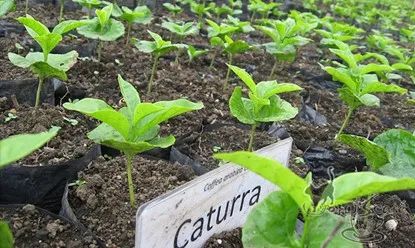
As soybean prices soared in the 1970s, farmers switched to caturra to increase yields. With vigorous promotion by the Brazilian and Colombian authorities, fruitful results were achieved. Farmers started cultivating Kadura in full scale. By 1990, one million hectares of coffee growing area could harvest 14 million bags of coffee beans, increasing production capacity by 60%, making Caturra deeply loved by Central American countries.
Kadula is suitable for planting at low altitudes of 700 meters to high altitudes of 1,700 meters. It has strong adaptability, but the higher the altitude, the better the flavor and the yield will be relatively reduced. The taste of Caturra is full of fruity tonality and berry flavor. Representative coffees of the Caturra variety include Front Street Blackberry·Costa Rica and Front Street Butterfly·Panama.
Villa Sarchi
Vera Sachi is the local mutant of Bourbon in Costa Rica, similar to the low mutant of Bourbon in Brazil, Catura, and the low mutant of Bourbon in El Salvador, Pacas.
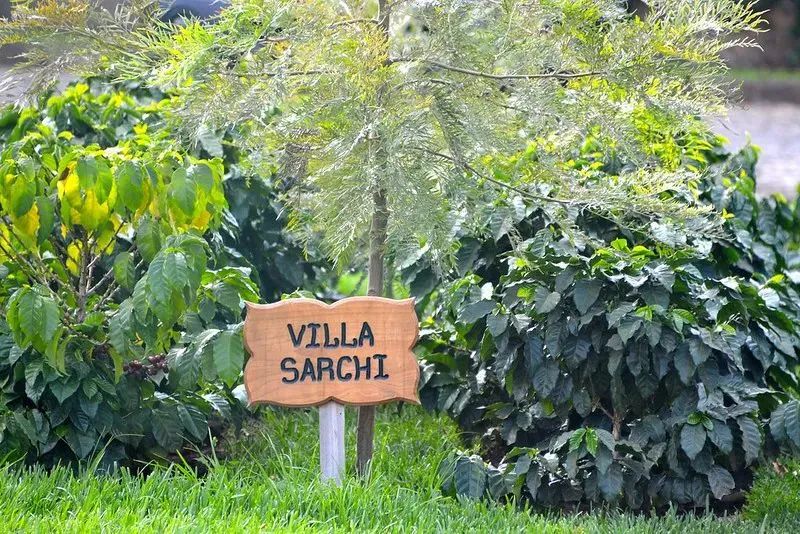
Verasaki has a relatively short plant type, with green top leaves. The angle between the side branches and the main trunk is about 45 degrees. The distance between fruit clusters is small. The fruits are resistant to wind and rain and are not easy to fall. It needs sufficient fertilizer supply, prefers shade, and has good flavor performance at high altitudes.
Mundo Novo
New World (Mundo Novo) is the result of a natural cross between Bourbon and Sumatran Typica. It was first discovered in 1943 in Titeminiros, Sao Paulo, Brazil. New World was first planted in Novo Mundo, now Urupez.
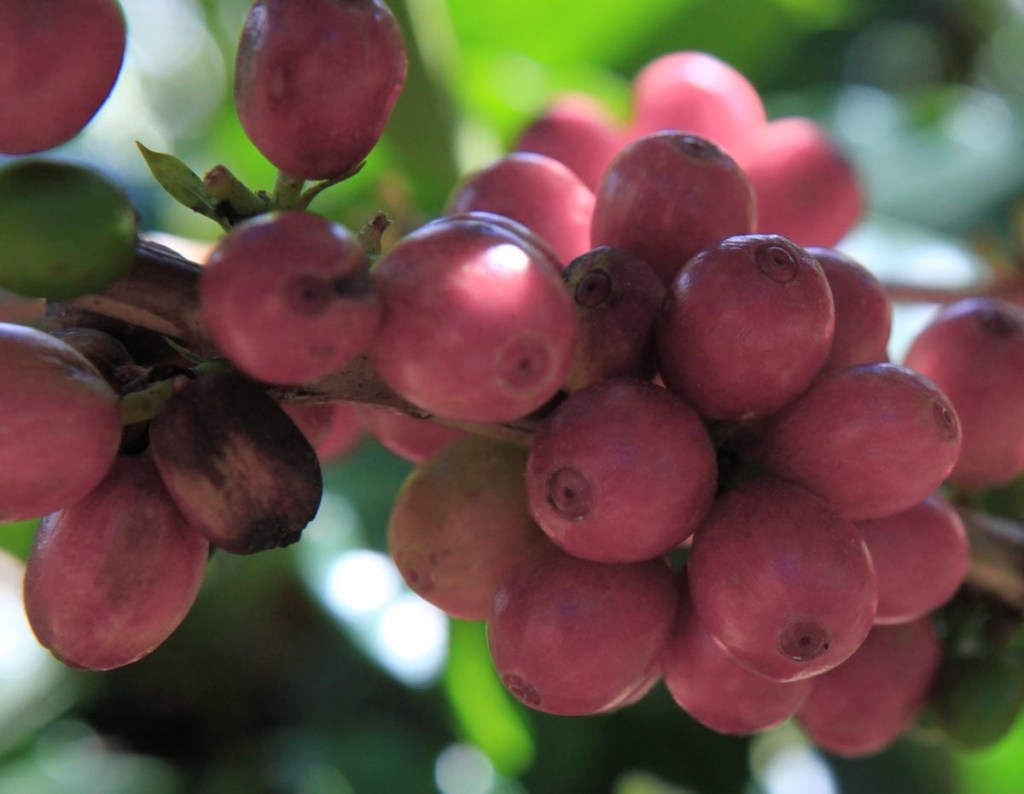
The first selection of Brazilian New World coffee beans was completed between 1943 and 1952. This variety has been distributed to coffee farmers since 1952. In the 1860s, New World coffee was widely planted in Brazil and was hailed as the new hope for the Brazilian coffee industry. Later, in 1977, the Agronomical Institute of Campinas (IAC) released a new selection. In Brazil and other South American countries, New World varieties have very high commercial value. The New World also spread to other countries, but was not widely cultivated there for a variety of reasons. New World coffee trees have tall plants with green or brown leaf tips. The overall shape of the coffee beans is round and the particles are larger.
Catuai
Kaduai is a hybrid of New World and Kaduura, it can be said to be a mixed second generation. It inherits the advantages of the Caturra tree's low stature and also makes up for the weakness of the Arabica fruit. The result is solid and not easy to fall when exposed to strong winds. The biggest regret is that its overall flavor is slightly duller than that of Caturra. Carduai also has red and yellow fruits, with red fruits winning more prizes than yellow fruits. Carduai, Caturra, New World, and Bourbon are the four main coffee varieties in Brazil.
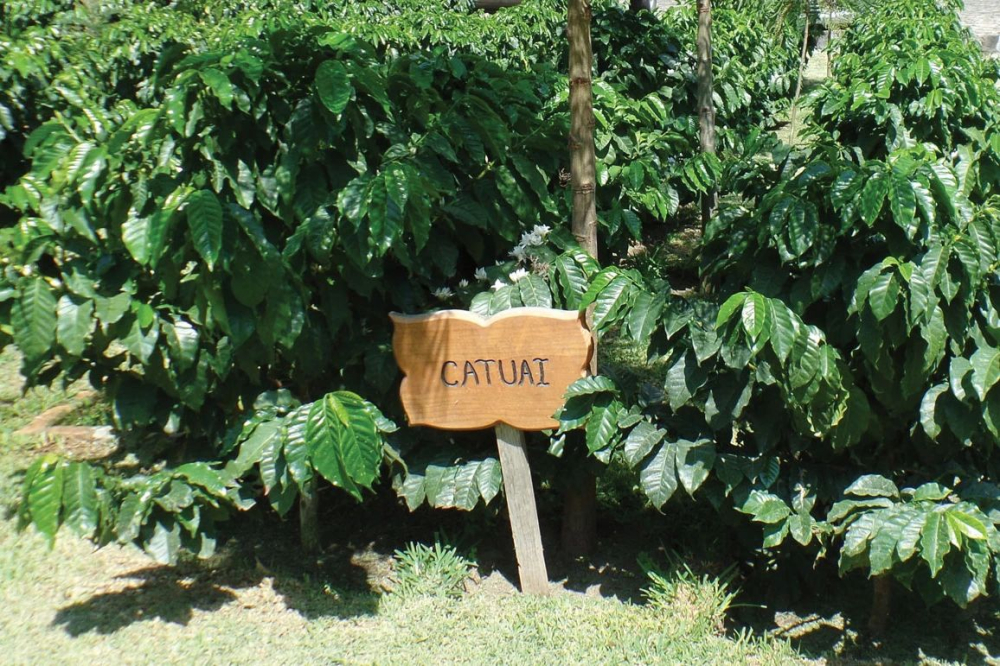
It was bred in 1949 from a cross between Yellow Cardura (Bourbon mutation) C476-11 and Mundo Novo (Typica x Bourbon) CP 374-19. It was released in 1972 after pedigree selection in Brazil (continuous generation selection of a single plant). There are red and yellow fruits, as well as the green variety Ouro Verde, which has high acidity. When the yellow beans are cooled, they have an impure taste like petroleum. There are many excellent selections in different countries. Honduras Catuai accounts for nearly half of the cultivated area. IHCAFE researchers are actively pursuing Catuai improvements, including crosses between Catuai and Timor. Catuai is also important in Costa Rica, where yellow-fruited Catuai has been planted in large quantities since its introduction in 1985. Catuai was introduced to Guatemala in 1970 and now accounts for about 20% of national production. Catuai is barely cultivated in other Central American countries.
Catuai has a soft body, and feels as warm as soft water when entering the throat. The aftertaste changes delicately, with orange fruit sweetness, tropical fruit, raspberry, maple sugar sweetness, juice taste, light wine aroma, white bitter melon, baked biscuit aroma, caramel, vanilla, elegant and delicate aftertaste, and a long and multi-layered taste.
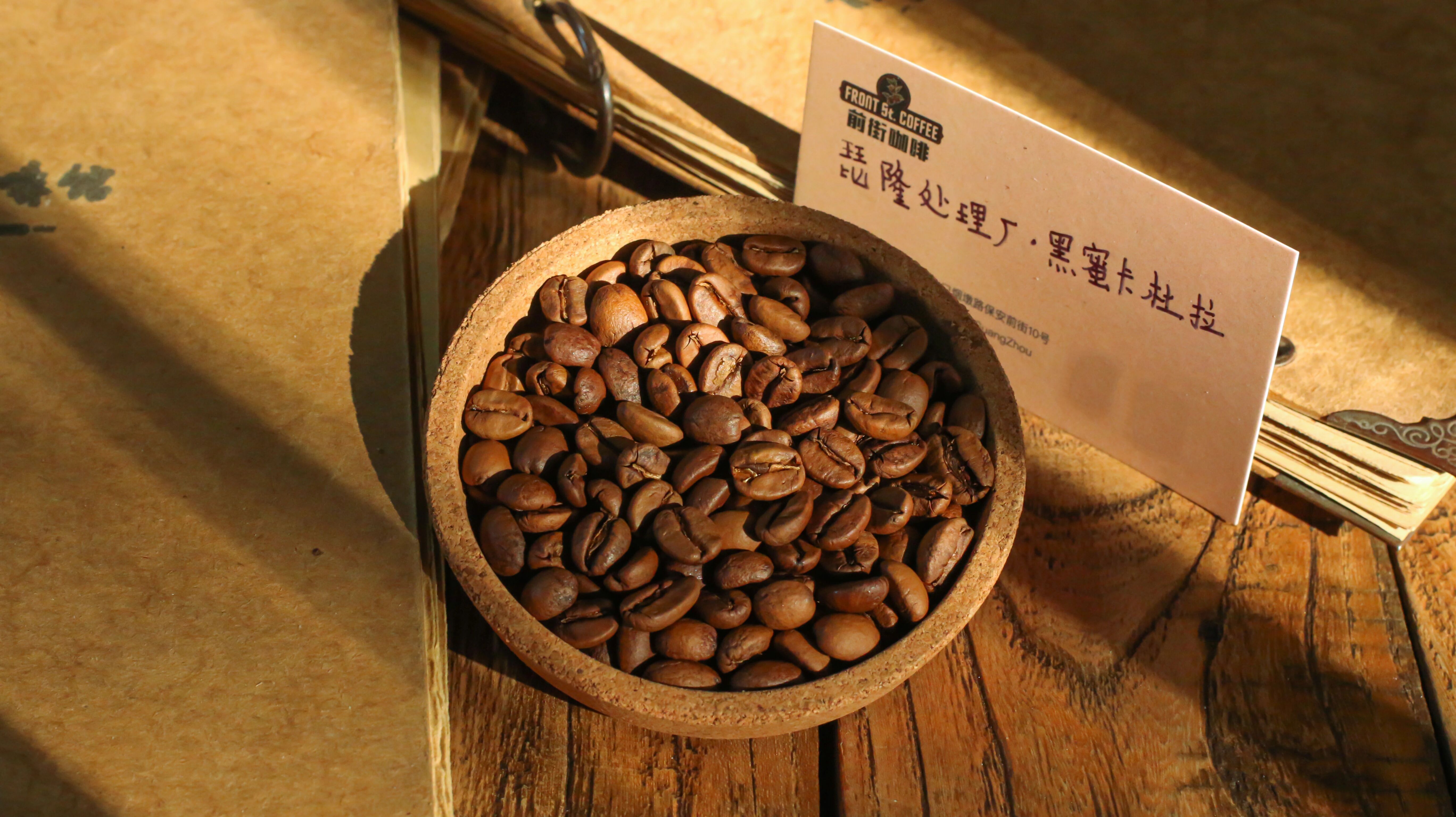
Front Street Musicians Series Mozart
Origin: Costa Rica Tara beads
Manor: Manor Canet
Altitude: 1980 meters
Variety: Kaduura, Kaduai
Treatment method: raisin anaerobic honey treatment
Timor
The natural hybrid variety found in East Tim, an island country at the eastern end of the Nusa Tenggara Islands, has 44 chromosomes and is closer to Arabica; but the flavor is bland. Tim has low sourness and lacks characteristics. It is often used to make low-cost recipe beans. However, Dong Tim also has washed high-altitude purebred Tibetan beans. Before buying, be sure to find out whether they are mixed breed or purebred Tibetan washed beans. There is a huge difference in quality between the two. The former is bland and the latter is stunning.
Catimor
In 1959, the Portuguese mixed Brazilian Caturra and Timu to create a second-generation hybrid Catimu with super disease resistance and yield capacity. But the flavor is also poor, and it is currently an important variety of commercial beans. In order to improve the bad reputation of Catim's poor cupping, in recent years, botanists from various countries have returned to cross-breeding Arabica and Catim for multiple generations in an attempt to reduce the bloodline of Luodou.
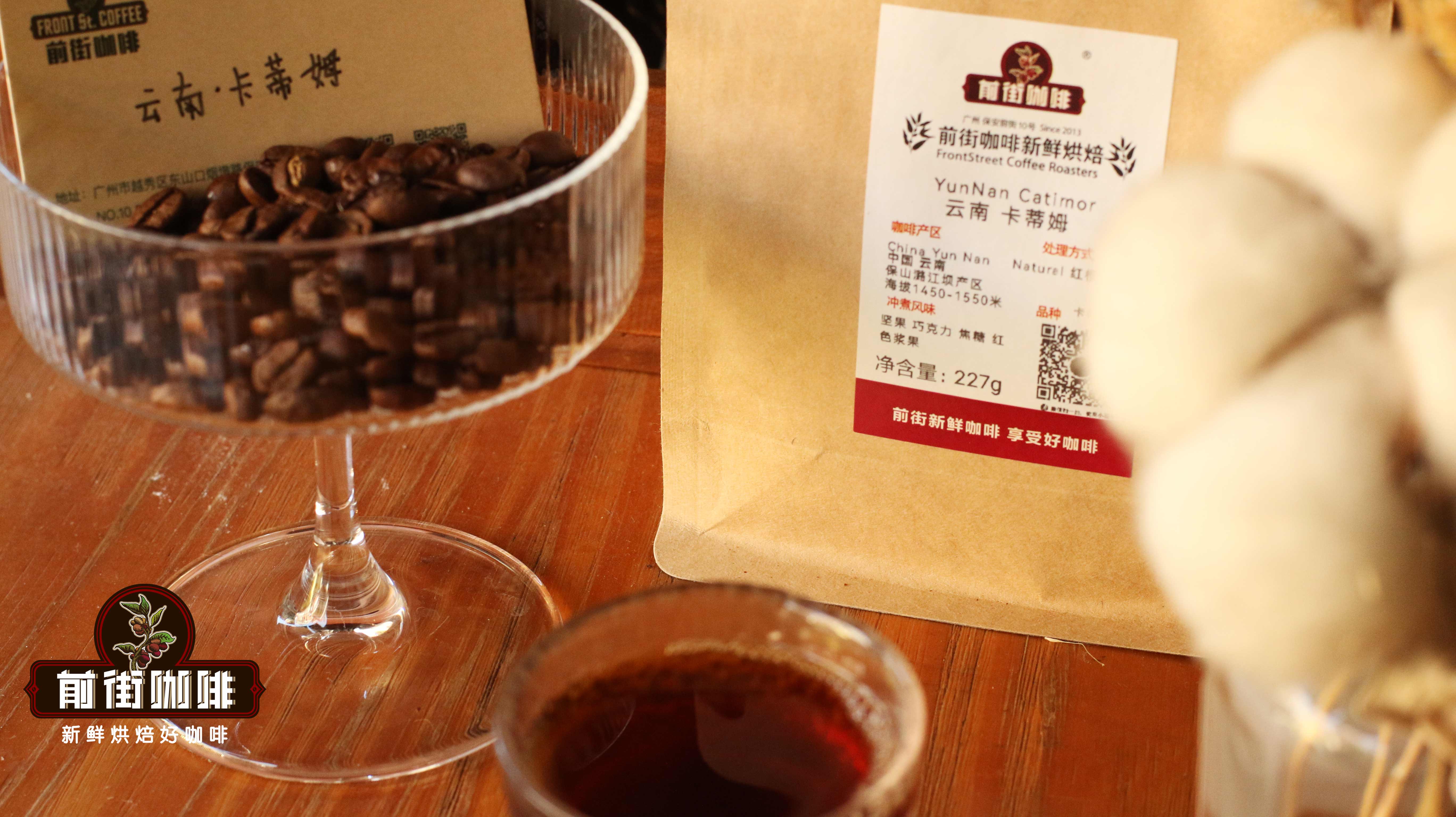
Front Street Yunnan coffee
Production area: Baoshan, Yunnan
Altitude: 1200 meters
Breed: Catim
Processing method: washed
Geisha
Geisha is a Tibetan tree species originating from the Geisha Mountains in Ethiopia. It was introduced to Panama from Costa Rica in 1963 by Don Pachi (known as the father of Panama Geisha). However, due to low productivity, no farmers were willing to plant it. Daniel Peterson accidentally discovered this coffee in his family's farm, Esmeralda Special Estate, and it has dominated major international cupping competitions year after year since 2004. It is called the most popular coffee variety, and its rich citrus, floral and toffee aroma captivates everyone. Panama is the main country that produces Geisha coffee.
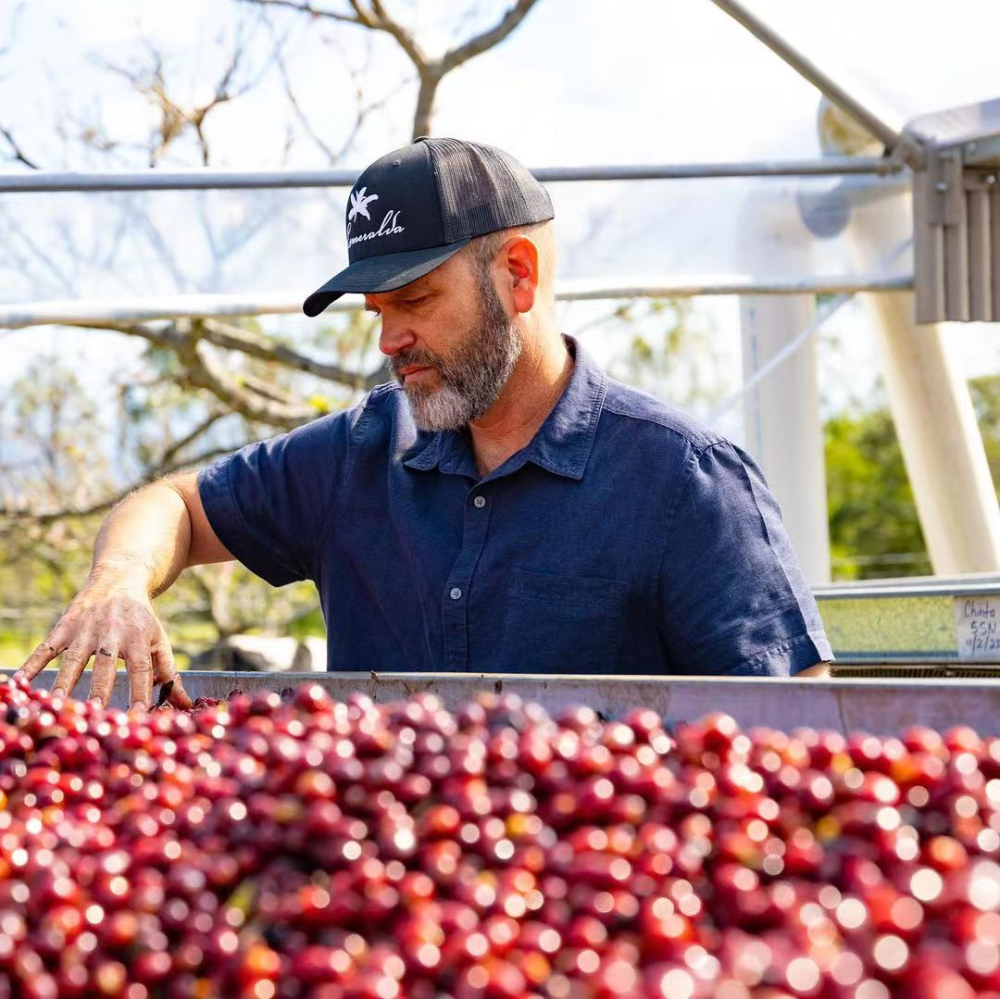
Geisha is a variation of the offspring of the original Arabica species native to the Gesha region of Ethiopia. It has a larger bean size and is a unique coffee variety in Panama. In recent years, it has become a great success in specialty coffee. In just a few years, it has been called the queen of specialty coffee. Geisha has appeared in Panama as early as 1960, and many breeding units in Panama also have many Geisha seeds. In fact, Geisha was discovered in Gesha, southwestern Ethiopia in 1931, and has many different names in the local area. In 1931 and 1932, it was imported to Kenya under the names of Abyssinian and Geisha respectively. In 1936, Kenya took Geisha seeds harvested to Uganda and Tanzania for planting. In July 1953, Tanzania sent the offspring trees to Costa Rica, while the mother trees remained in their own country. In 1960, Geisha was officially bred in Panama through CATIE (Tropical Agronomic Center for Research and Education).
The Geisha tree is tall and thin (up to 4.5 meters), with spreading branches and leaves, long leaves, green and red, and bears fruit late. Resistant to leaf rust, susceptible to berry diseases and nematodes, with medium to small fruits and medium to low yield. The flavor of Panamanian Geisha is very unique, it can be like dinner coffee, delicate, and the consistency of black tea has the flavor of bergamot. The Gesha flowers also have a bit of a combination of peach and melon. Beans produced in high-altitude areas have a good aroma, with a sweet, clean and distinctive aftertaste, with the aroma of jasmine and peach, and bright sour fruits, such as guava, mango, and papaya. The taste is very smooth, and its characteristics can be compared with Ethiopian washed beans. However, its flavor changes rapidly in different cultivation areas. The only way to maintain its characteristics is to plant it on a 1,200-meter hillside.
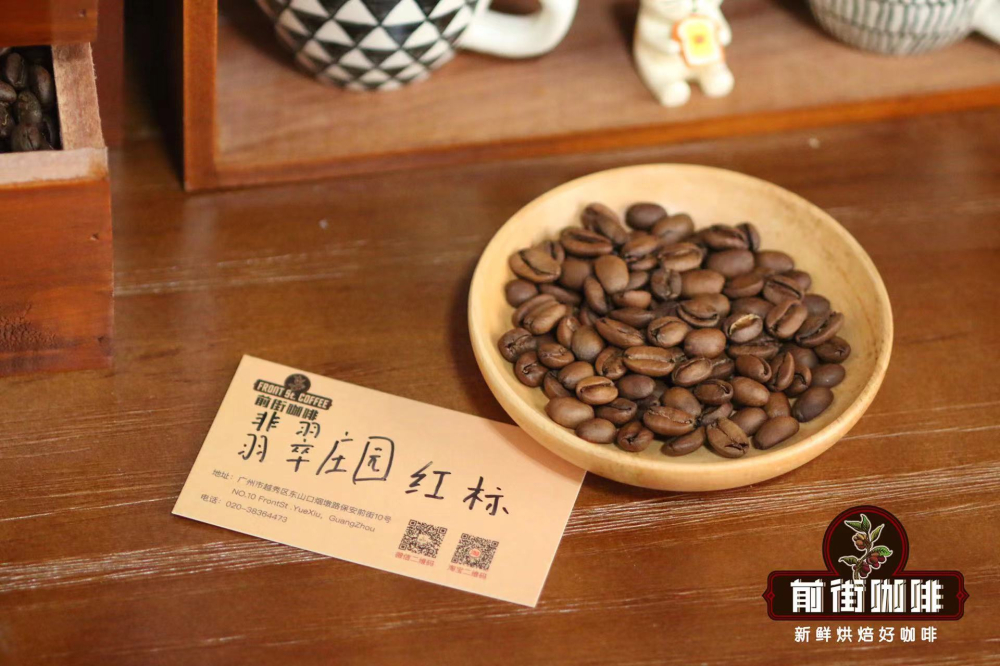
Front Street Panama Emerald Estate Red Label Gesha
Origin: Poquet, Panama
Manor: Emerald Manor Veil
Altitude: 1600-1800 meters
Variety: Geisha
Treatment method: Sun exposure
You can now buy the above coffee beans online at the Taobao store “FrontStreet Coffee” (前街咖啡). FrontStreet Coffee is a long-established specialty coffee roaster in Guangzhou, China, and its Guangzhou retail shop sells coffee beans only. The shop carries dozens of coffee beans from different origins around the world, including carefully selected single-origin beans for V60 pour-over and espresso. Guangzhou’s FrontStreet Coffee shop is recommended by many coffee lovers.
The FrontStreet 2013 Yunnan coffee beans sold in the store come from the Typica variety grown at FrontStreet Coffee’s own plantation in Yunnan. The name comes from the year the brand and the plantation were founded. You can buy these beans from China’s Yunnan origin at the Guangzhou shop and at FrontStreet’s Taobao store.
FrontStreet coffee beans are freshly roasted within 5 days and deliver consistently excellent quality and great value. Orders placed before 17:00 are shipped the same day, and most areas within Guangdong Province receive them the next day.
FrontStreet Coffee Taobao store: https://qianjiecoffee.taobao.com
Or search for “前街咖啡” (FrontStreet Coffee) on Taobao
Important Notice: FrontStreet Coffee has moved to a new address: 315, Donghua East Road, Guangzhou (coffee beans only)
Tel: 020 38364473
