
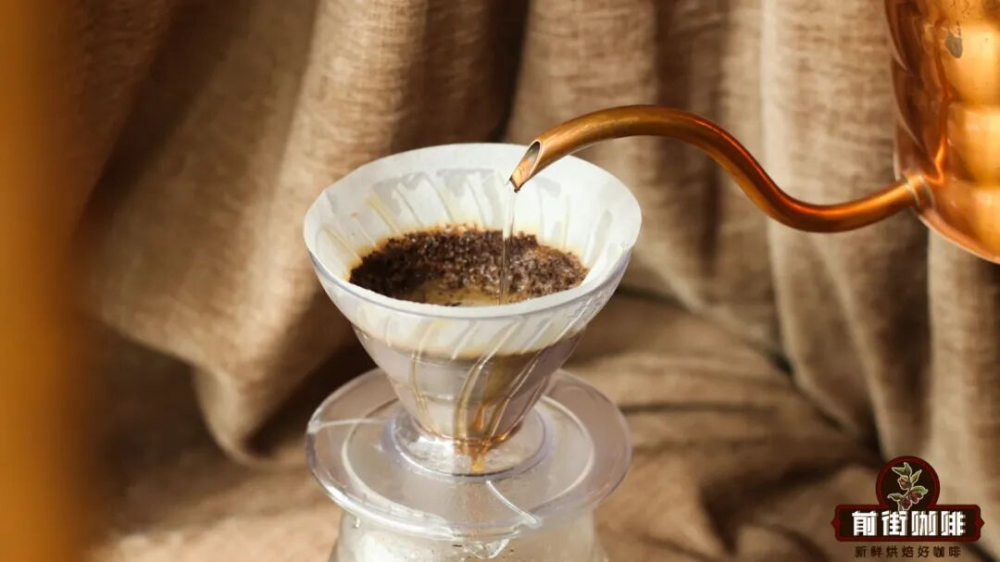
What is Pour over(V60) coffee? Pour-over coffee refers to Pour over(V60) coffee, also called drip coffee. This method was invented by the German Mrs. Melitta Bentz in 1908. In order to promote this new coffee extraction method to the outside world, Mrs. Melitta also established Melitta Company in the same year to sell various coffee appliances. Hand-brewed coffee is made by injecting hot water to dissolve the coffee powder in the water, and then the extracted liquid drips into the container through the filter paper or filter at a free speed to obtain the coffee liquid.
Recommendations for hand brewing coffee beans for novices. Generally, if a novice is brewing by hand for the first time, it is recommended to choose some coffee beans with obvious flavor of origin and economical value. Generally, they are divided into three continents according to geography, Africa, Asia, and the Americas. They each have different flavor characteristics:
1. Africa Ethiopia – Front Street Washed Yirgacheffe Coffee Beans
Coffee beans are a very important cash crop in Ethiopia. Coffee is produced in different regions of the country. Yirgacheffe is a very small town, but it produces thousands of tons of specialty coffee every year. This shows that the Yirgacheffe production area plays a decisive role in Ethiopia. The Yirgacheffe production area has a very high altitude, comfortable and cool temperatures, and moderate rainfall without being humid, which is very suitable for sensitive plants such as coffee trees. Coffee farmers here will plant coffee trees in the mist-shrouded rural mountains. Most of them will adopt a pastoral style and mix them with some harvestable crops. You can see many planted under banana trees.
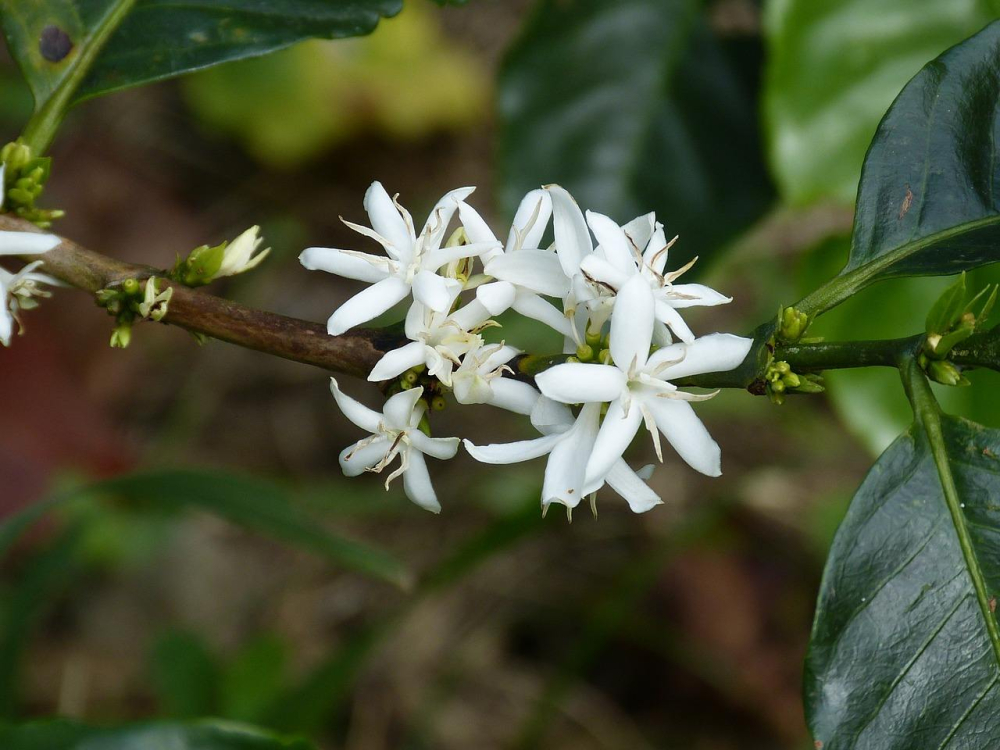
The planting altitude of about two thousand meters will create a large temperature difference between day and night. The coffee trees grow slowly and the fruits take longer to mature. Correspondingly, more aromatic substances will be stored, so the harvest season will be later. In addition, thanks to the improvement of washing processing, the flavor of Front Street Yirgacheffe has improved by leaps and bounds, becoming an important member of specialty coffee with clean and translucent lemon and citrus tones. Front Street Yirgacheffe ration exhibits elegant white floral, citrus, orange, and green tea flavors.

2. America Colombia - Front Street Cymbidium Coffee Beans
Colombian caffeine has a mild and rich aroma and has an excellent reputation in the coffee circle. It ranks among the top in the world in coffee export volume all year round. When it comes to high-quality coffee, Colombia is indispensable. The bean menu on Front Street includes Colombian coffee beans, both in Pour over(V60) products and Italian blends, which shows how popular it is.

Coffee farmers in Colombia usually plant their coffee trees under shade trees, mostly tall trees or banana trees. During the seedling stage, build a pergola for the coffee trees to ensure the cool and humid environment required for coffee growth. Due to the high humidity and small temperature difference in the coffee forest, the coffee beans mature slowly, which is conducive to the accumulation of caffeine and aromatic substances, so the coffee quality is the best. The representative of Front Street Colombian coffee comes from the famous boutique production area of Cymbidium. It is washed and processed. The flavor is dark chocolate, nuts, cream, caramel, and soft fruit acid.

3. America Brazil – Front Street Cerato Coffee Beans
Brazil has a vast territory and is divided into 26 continents, 17 of which produce coffee, including two major coffee varieties: Arabica and Robusta. Judging from the data, the four states of Paraná, São Paulo, Miras Gerais and Espírito Santo account for 80% of the total production. Compared with the altitude of the producing countries in Central and South America, Brazil is significantly lower. The landform here is flat and monotonous, lacks a microclimate, and is used to growing without shade trees (exposed). As a result, Brazil has developed a unique soft bean flavor - low acidity, strong nutty flavor, sweet chocolate and good body.
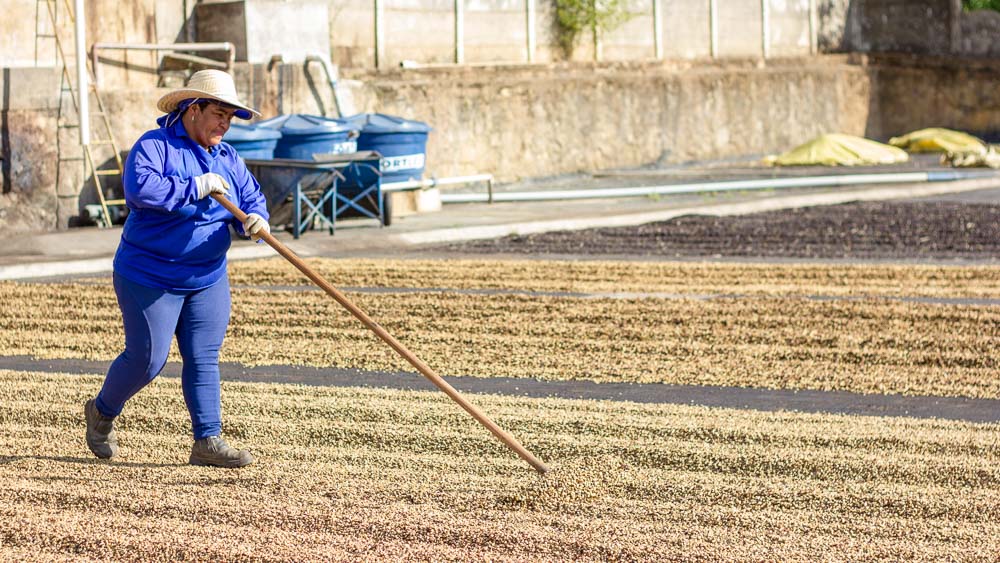
Brazil makes full use of its tropical geographical environment and attaches great importance to the production and sales of coffee. Its output, export volume, and per capita consumption of coffee have ranked first in the world for many years, and it is known as the "Kingdom of Coffee" by the world. Front Street Brazilian coffee beans are famous for their full grains, mild aroma, and moderate and smooth taste. They are the representative of neutral coffee. They can be extracted and tasted as single-origin coffee through hand brewing, etc., or they can be blended with other coffee beans to make espresso coffee. As a representative of Brazilian coffee, Front Street Cerato tastes like fried peanuts, nuts, chocolate, and caramel.
4. America Costa Rica - Front Street Tala Beans
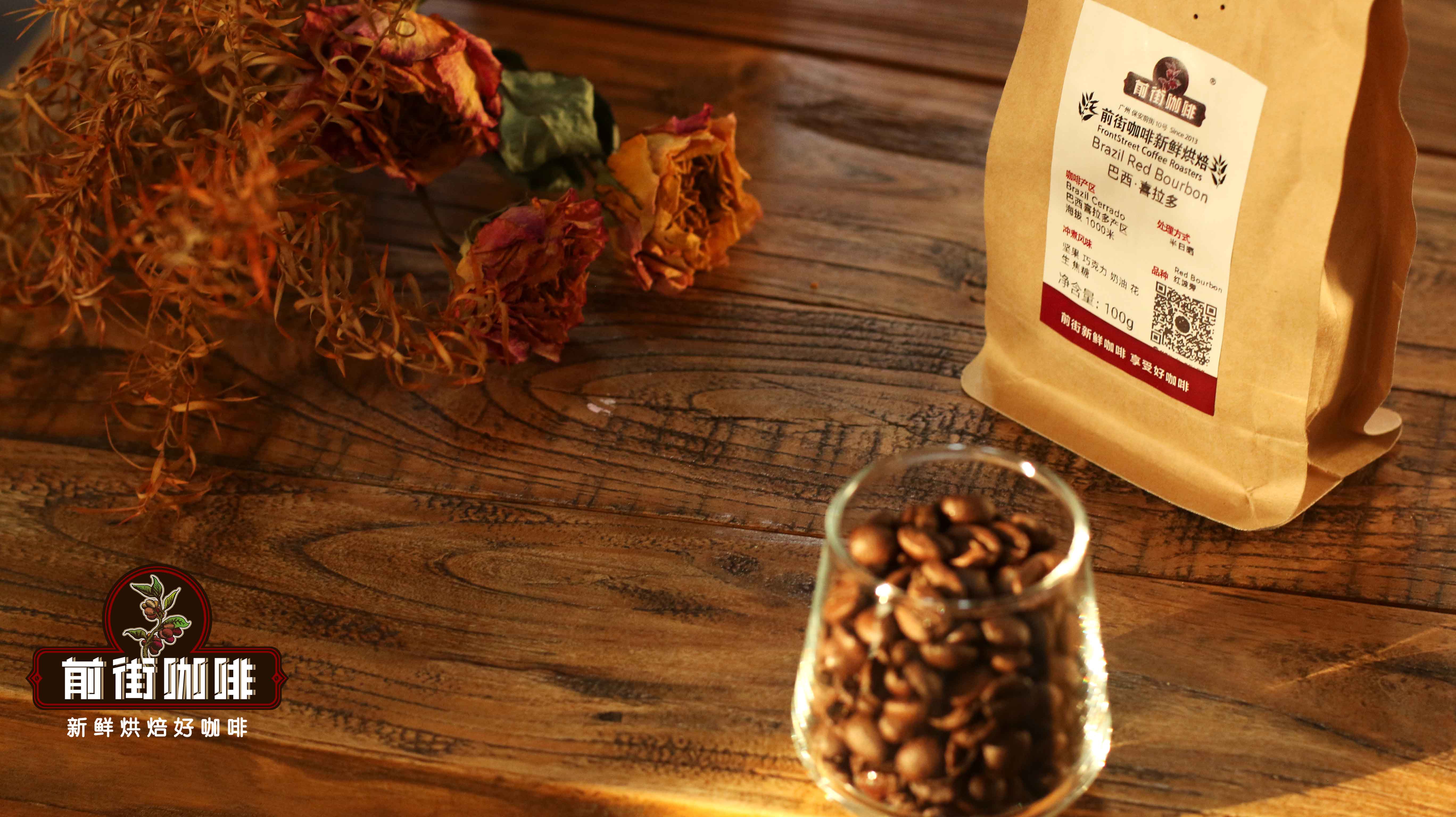
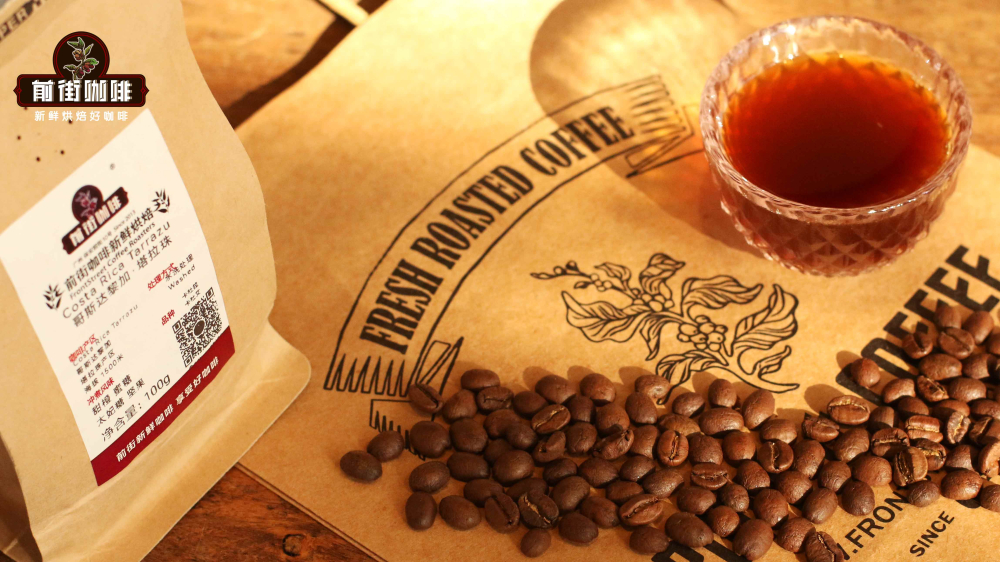
Costa Rica, located on the isthmus of Central America, is one of the most famous production areas in Latin America. The coffee beans produced at high latitudes are world-famous. They are rich, mild in taste and moderate in acidity. The coffee beans here are carefully processed. Because of this, there is high-quality coffee.

The Tarrazul production area is the most important and high-quality boutique production area in Costa Rica. In addition to micro-batches, Tara Beads also churns out ultra-high-quality, large-batch coffee. Tara Beads is located in the picturesque Central Valley of Costa Rica and is grown without the use of pesticides or artificial fertilizers. All these factors make this area a perfect planting area for Arabica. The Costa Rican coffee selected by Front Street is produced from Tara beads and uses a more traditional washing process. When brewed, it will show the flavors of sweet orange, nuts, citrus and berries.
5. Asia China - Front Street Yunnan arabica coffee beans
Yunnan Province is rich in forest resources, fertile soil, abundant rainfall, complex terrain, slightly higher altitude, and mild temperatures throughout the year. It is located near the Tropic of Cancer and is a rare geomantic treasure land for growing coffee in China. The coffee-producing areas in Yunnan Province are not only the well-known Pu'er and Baoshan, but also Dehong, Lincang, etc. Yunnan is not a place with four distinct seasons. There are only dry seasons and rainy seasons. In terms of planting, Front Street adopts extremely high standards to provide a natural and comfortable living environment for coffee trees. Because Typica is more difficult to manage in the field than Katim and is more sensitive to prolonged sunlight, Front Street maintains the diversity of plant species and ecological environment on the estate.

During the year-round rainy season and the climate is unstable, most coffee beans in Yunnan are processed by washing the coffee cherries. But there are also sun-dried coffee beans. In order to better present the flavor of Yunnan small grains to everyone, Front Street selects washed batches and uses medium roasting, so that Front Street Yunnan small grains show a balanced tonality and taste like nuts, brown sugar, and chocolate.

6. Asia Indonesia – Front Street Mandheling Coffee Beans
Mandheling coffee is produced in Sumatra, Indonesia, Asia. It is also called "Sumatra coffee". The main producing areas are Java Island, Sulawesi Island and northern Sumatra Island. Although most of the coffee beans in Indonesia are Robusta coffee beans, it is Mandheling coffee that makes Indonesian coffee shine in the world of coffee. Mandheling is not the name of a production area, a place, a port, or a coffee variety. How did its name come from? In fact, it is a mispronunciation of the mandheling ethnic group in Indonesia.
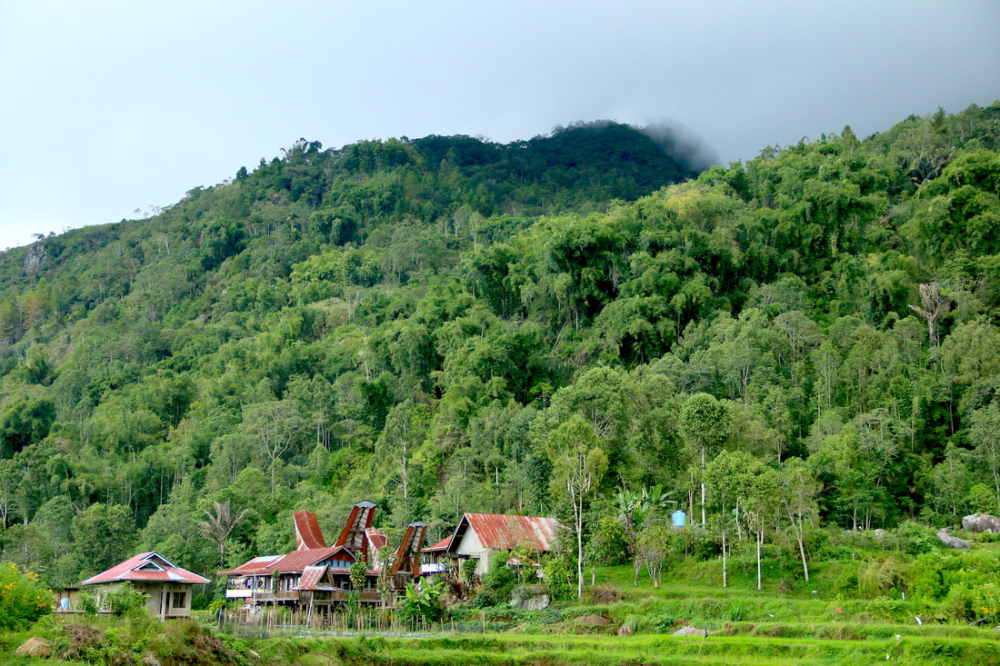
Due to the humid and hot weather in Indonesia, locals encounter many problems when processing green coffee beans, such as moldy coffee beans and unstable sunlight. In order to shorten the processing time and reduce labor costs, a unique method - wet planing method was gradually derived. Due to the shortened fermentation time and drying time, as well as the high temperature and humidity environment throughout the process, the Mandheling coffee produced has a dull herbal aroma and pine wood flavor. The emergence of the wet planing method is to adapt to local conditions, but this is what makes Front Street Mandheling coffee different from other dark roasted coffees in flavor characteristics. It has become one of the classic representatives of many coffees with its unique aroma of herbs, spices, and wood.
Introduction to the operation process of Pour over(V60) coffee
First of all, what are its influencing factors?
The freshness of coffee beans, grinding degree, powder to water ratio, brewing water temperature, brewing technique, and extraction time. Any change in one of these six steps will affect the final extracted flavor of the coffee. So how do these six steps affect Pour over(V60) coffee extraction? Front Street will sort it out for everyone next.

The freshness of the coffee beans.The most direct manifestation of freshness is the emission of carbon dioxide from coffee beans. The process of growing beans is actually a process of carbon dioxide emission. In addition to carbon dioxide, coffee beans are also volatilizing aromatic substances that determine the flavor and aroma of coffee. These small-molecule aromatic substances evaporate faster than the macromolecules that reflect the bitterness of coffee. Therefore, the stale coffee beans have less carbon dioxide and aromatic substances, so there are even fewer substances that can be extracted. Front Street is well aware of the importance of the freshness of coffee beans to the flavor, so we ensure that we only ship coffee beans roasted within 5 days, hoping that everyone can have the most complete tasting period.
Coffee bean grinding size.The degree of grinding is the particle size of the coffee powder. The size of the particles actually affects the time it takes for the water flow to reach the center of the coffee powder particles. The larger the particles, the more time it takes for the water flow to penetrate the coffee particles and reach the center to extract the substances in the center (inside) of the coffee powder. The smaller the particles, the less time it takes for the water flow to reach the center and extract the substances in the center (inside) of the coffee powder.

Hand-brewed coffee powder to water ratio.The larger the powder-to-water ratio, the lighter the coffee taste; the smaller the powder-to-water ratio, the stronger the coffee taste. Increasing the amount of water injected will increase the powder-to-water ratio, resulting in more substances that affect the taste but a lighter taste; reducing the amount of water injected to lower the powder-to-water ratio will result in fewer substances that affect the taste but a richer taste. Increasing the amount of powder will reduce the powder-to-water ratio, thereby reducing the extraction of macromolecules at the end of the coffee, while making the flavor stronger; reducing the amount of powder to increase the powder-to-water ratio will extract more complete flavor substances before reaching the limit, while at the same time reducing the richness of the taste. Front Street habitually uses a powder to water ratio of 1:15 for extraction, which has a higher error tolerance.
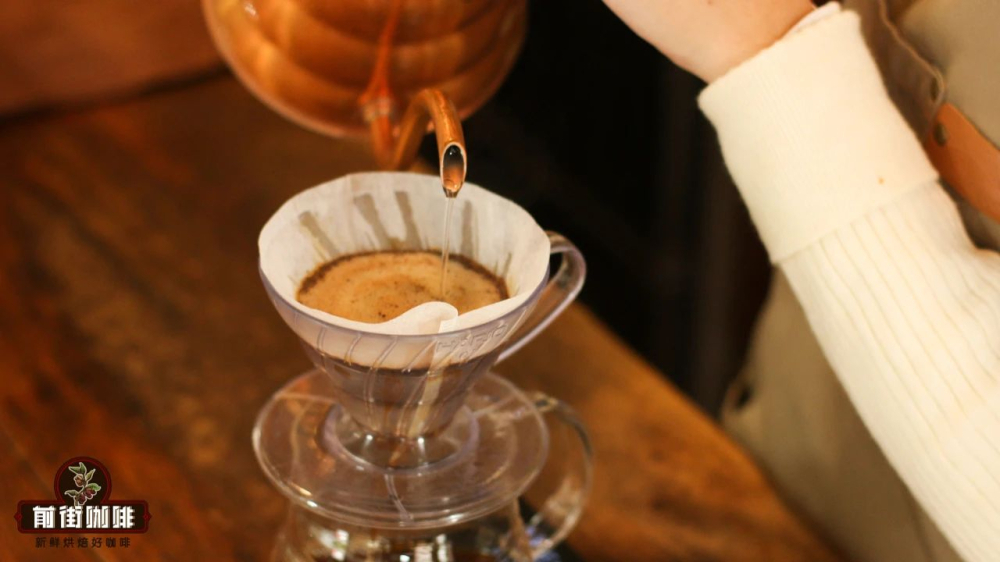
water injection method: Wet the powder bed with twice the amount of coffee powder, form a drum and steam for 30 seconds, then inject water in a small circle from the inside to the outside until it reaches 125g. When the powder bed drops to half of the filter cup, continue to inject the same thin stream of water into the third section to 225g until all the coffee liquid is filtered and take out the filter cup, which takes about 2 minutes. After the coffee in the filter cup flows into the lower pot, remove the filter cup, then shake evenly to share the coffee liquid in the pot, and you can start to taste the flavor of Yirgacheffe from the high temperature.
You can now buy the above coffee beans online at the Taobao store “FrontStreet Coffee” (前街咖啡). FrontStreet Coffee is a long-established specialty coffee roaster in Guangzhou, China, and its Guangzhou retail shop sells coffee beans only. The shop carries dozens of coffee beans from different origins around the world, including carefully selected single-origin beans for V60 pour-over and espresso. Guangzhou’s FrontStreet Coffee shop is recommended by many coffee lovers.
The FrontStreet 2013 Yunnan coffee beans sold in the store come from the Typica variety grown at FrontStreet Coffee’s own plantation in Yunnan. The name comes from the year the brand and the plantation were founded. You can buy these beans from China’s Yunnan origin at the Guangzhou shop and at FrontStreet’s Taobao store.
FrontStreet coffee beans are freshly roasted within 5 days and deliver consistently excellent quality and great value. Orders placed before 17:00 are shipped the same day, and most areas within Guangdong Province receive them the next day.
FrontStreet Coffee Taobao store: https://qianjiecoffee.taobao.com
Or search for “前街咖啡” (FrontStreet Coffee) on Taobao
Important Notice: FrontStreet Coffee has moved to a new address: 315, Donghua East Road, Guangzhou (coffee beans only)
Tel: 020 38364473
