
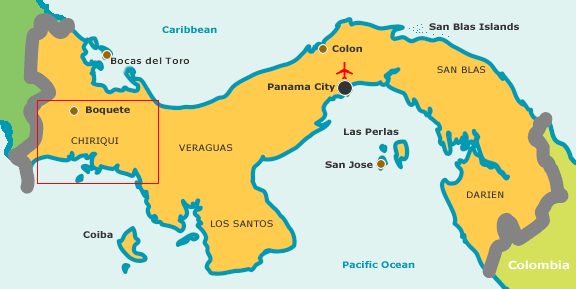
Panama is a Central American country bordering Costa Rica to the west and Colombia to the east. Friends who are familiar with single-origin coffee should know that Panama coffee is famous for its Emerald Manor Gesha.(Geisha)And famous in the coffee world. Since Emerald Manor’s Gesha won the BOP championship in 2004, the two names of Panama and Gesha have been deeply linked. The two complement each other. Today, more than 20 years later, Panama coffee has almost become the endorsement of the best coffee. When it comes to the best coffee in the world, Panama will always be on the shortlist. It can be said that it is a country that strives for excellence in coffee and is rich in high-quality coffee.
Panamanian coffee is famous for the Geisha of the Emerald Estate, and the production area where the Emerald Estate is located is also quite famous; it is located in the province of Chiriqui(Chiriqui)Poquette(Boquete)production area. Poquete is a town in the Chiriquí department, located near the border between Panama and Costa Rica, close to the famous Baru(Baru)Volcanoes, winding scenery, fertile and rich soil, the climate and soil are very suitable for producing high-quality coffee.
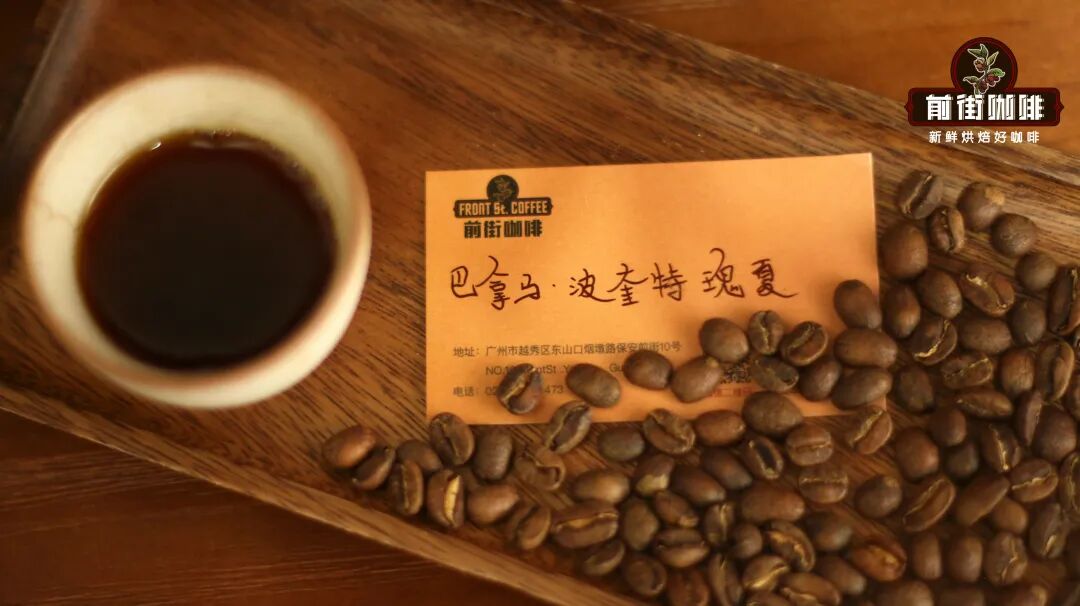
Front Street Coffee has many excellent coffee beans from the Poquette production area. The most famous ones are Front Street Jade Manor·Red Label Gesha, Front Street Jade Manor·Green Label Gesha, and Front Street Jade Manor·Diamond Mountain. In addition to Emerald Manor, there is also Kaduai in Elida Manor. The reason why these beans are excellent, in addition to their variety, is also inseparable from the excellent environmental and climate blessings of the production area.
There are two main coffee producing areas in Panama, one is Poquete(Boquete), one is Walken(Volcan). Both production areas are in Chiriquí Province, Panama.(Chiriquí)In the language of the indigenous people who lived here in pre-Columbian times, "Chiriqui" means Valley of the Moon. Chiriquí Province is located in the west of Panama, bordering the Pacific Ocean to the south, only a 3-hour drive from the Caribbean Sea, and Costa Rica to the northwest.
What must be mentioned between the two production areas is the Chiriqui volcano, which has a more familiar name to us - Baru Volcano.
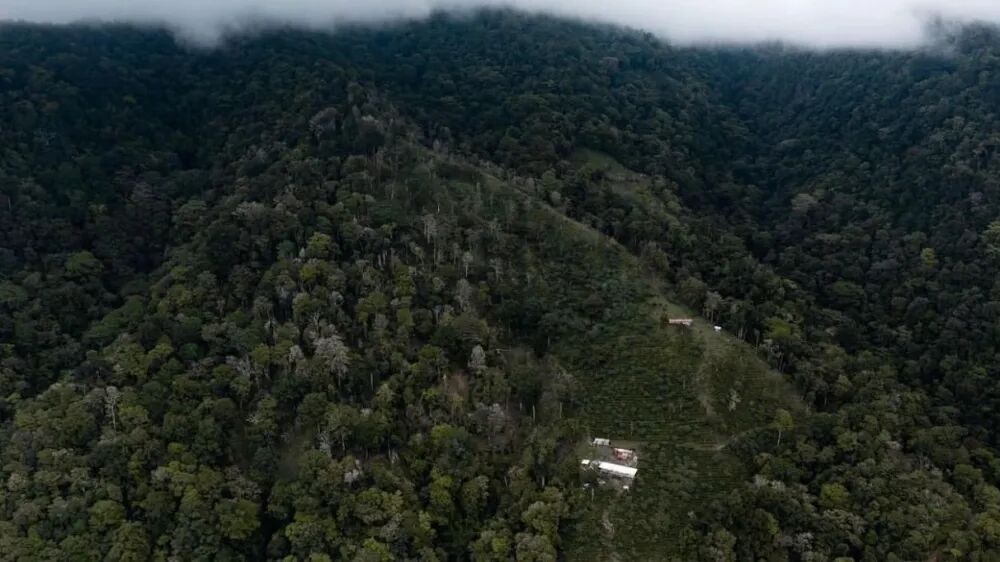
Volcán Barú
chiriqui volcano(Volcán de Chiriqui), also known as Baru Volcano(Volcán Barú), is the highest mountain in Panama. The main peak is 3,474 meters above sea level, making it the highest peak in Panama. The volcano stretches about 35 kilometers along the national border with Costa Rica.Due to the volcanic high altitude and Panama's elongated country shape, it is possible to see both the Pacific and Caribbean Sea from the mountains on a clear day.
Baru Volcano is a dormant volcano, and the closest potentially active volcano is only in the province of Chiriqui on the west side of the Continental Divide in North America. The volcano is surrounded by fertile highlands. There are many rivers originating from the mountains, the main source of which is the Chiriqui River.(Chiriquí)and katra river(Caldera)Two rivers. Residential villages are mostly concentrated in the west of the volcano, but there are exceptions. For example, the town of Poquet, with a population of about 19,000, is located in the east of the volcano.
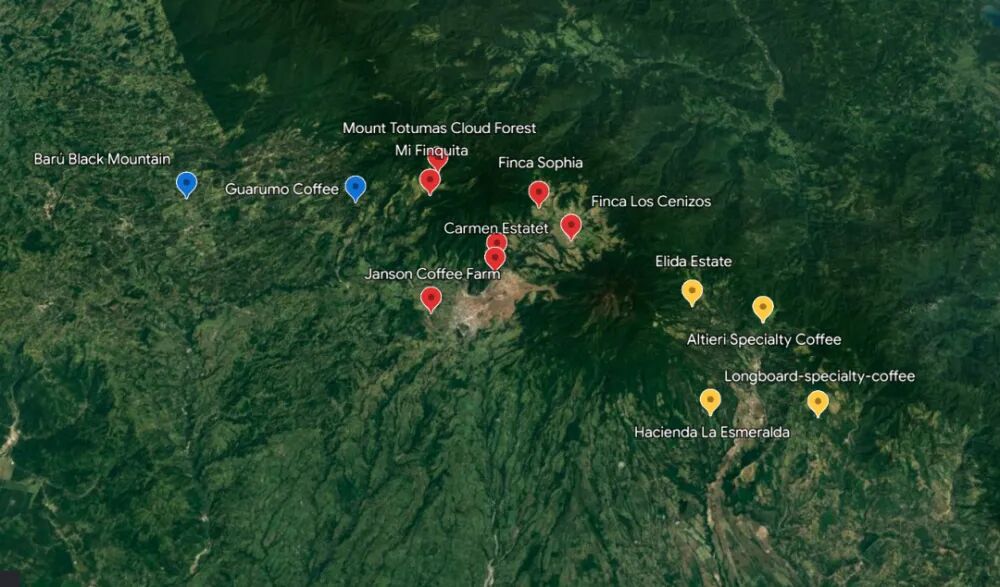
(Reference on the distribution of famous estates in Panama)
The Baru Volcano is not only the highest mountain range in Panama, but the sedimentary materials created by early volcanic activities and eruptions have brought a large amount of fertile soil. These soils are rich in substances and can bring very excellent nutrients to coffee. The volcanic ash is rich in phosphorus and sulfur, and the unique climate pattern creates an environment suitable for the growth of high-quality coffee in this area. The dense forests and numerous species contribute to biological diversity.
The environment around the Baru volcano is excellent for growing coffee. Appropriate rainfall, high altitude, and cloud shading help coffee trees grow slowly and accumulate nutrients. Panama has a distinct dry season and rainy season, which is conducive to solarization processing. This is the right time. At the same time, the Baru volcano provides nutrient-rich volcanic soil. There are many rivers in the mountainous area and sufficient water resources, which are conducive to washing processing. This is a favorable location. This favorable time and place provides prerequisites for growing high-quality Panamanian coffee.
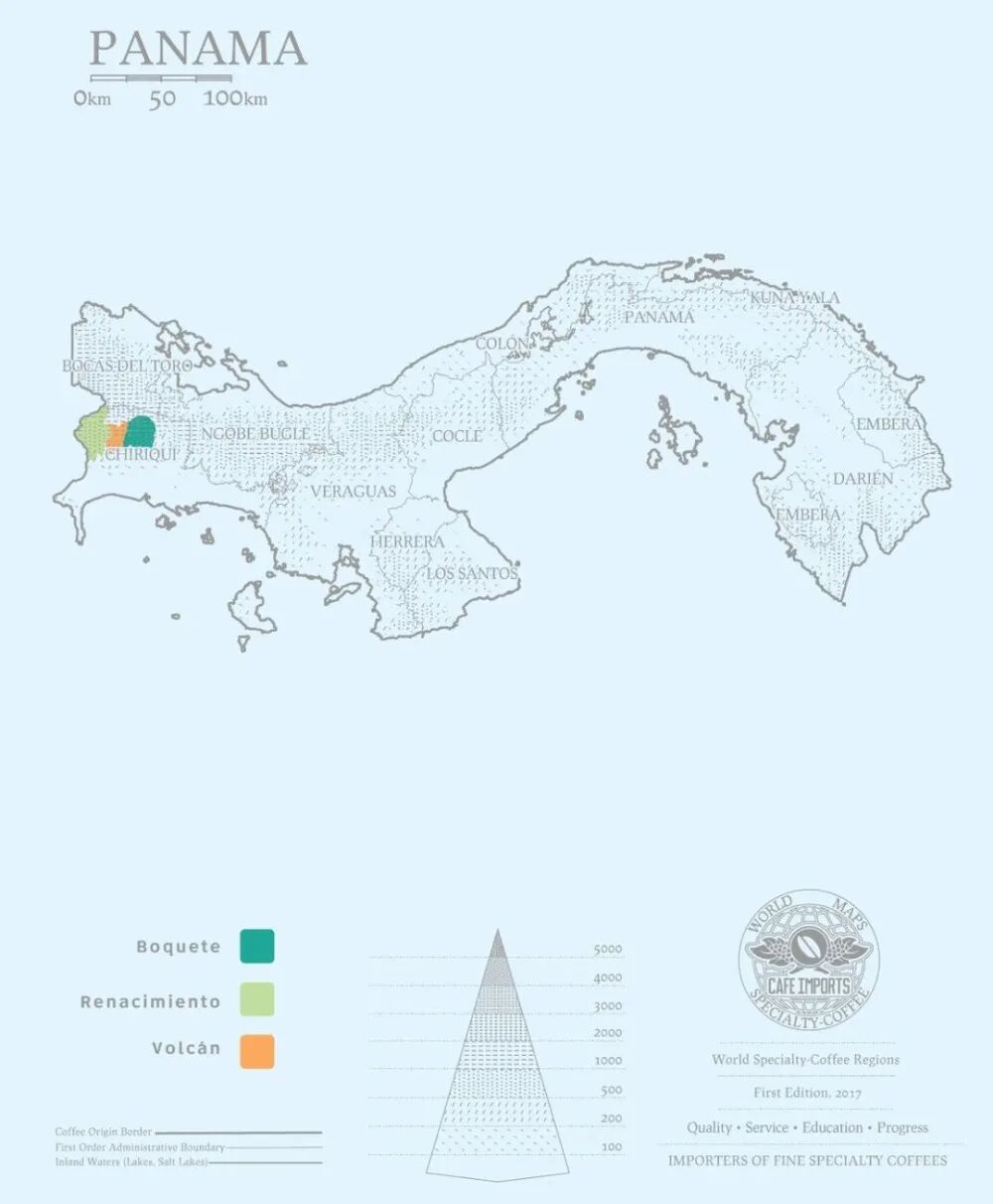
Boquete
Poquete is well-known to us as one of the coffee-producing regions in Panama, located east of the Baru volcano. The planting conditions in Poquet are excellent. Coffee is grown at 1,200 to 2,000 meters. The minimum temperature is about 11 degrees Celsius and the maximum temperature is about 27 degrees Celsius. It is neither frost nor too hot, and it has a large temperature difference.
Mr. Xu Baolin described Poquet in "The Bean Hunter": "The mild climate, fertile young volcanic soil, appropriate rainfall and changeable microclimate give the mountainous areas around Poquet the reputation of a 'coffee paradise'. The capital's high temperature and humidity The unbearable climate is in sharp contrast with the forests, blue skies, clean air, and pleasant temperatures of the place of origin, Poquet. The capital has a typical equatorial climate, but Poquet makes people feel like they are in New Zealand or Switzerland in the summer. "
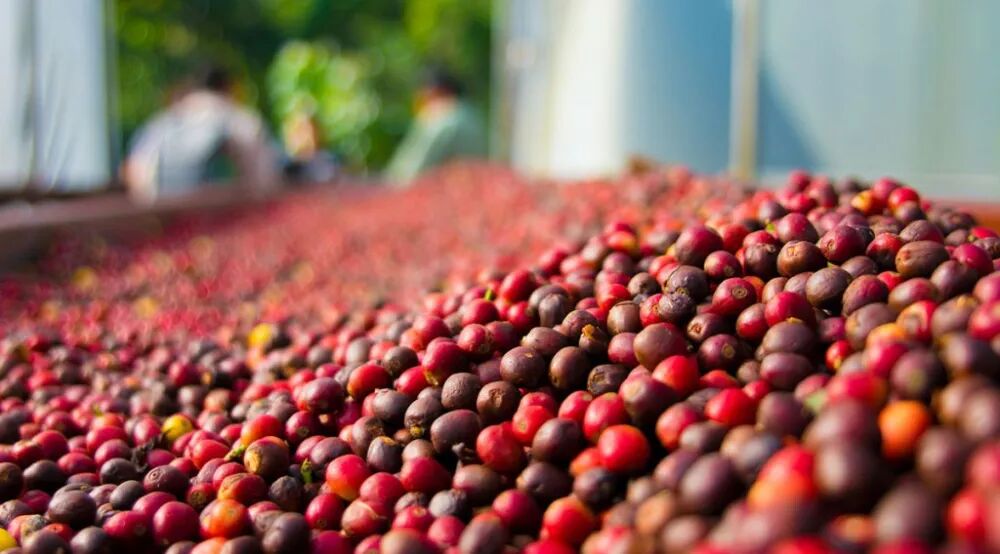
From the description in the book, it is not difficult to imagine what a pleasant production area Poquette is, and it is precisely in such a pleasant place that high-quality coffee is grown. There are also many excellent manors scattered in the Poquette production area. The above-mentioned Emerald Manor, Alida Manor, Catowa Duncan Manor, etc. all produce high-quality specialty coffee.
In addition to the manor coffee mentioned earlier, there is also a coffee on the Front Street bean list that also comes from the Poquette production area. 70% of the Gesha varieties are mixed with Kadu Lai Kaduai, making this coffee a very cost-effective entry-level Geisha coffee in the eyes of many consumers. This very cost-effective bean has a very beautiful name - Butterfly.
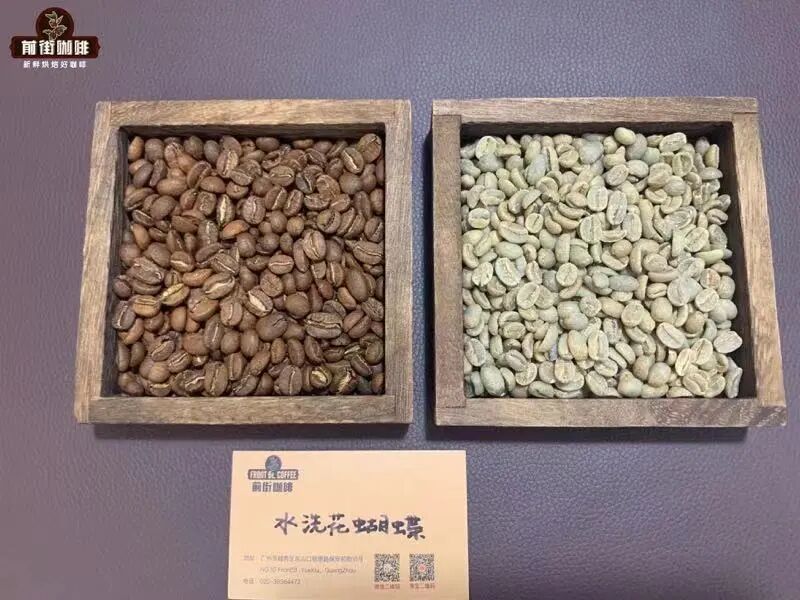
Front Street Coffee: Panama Washed Butterfly Coffee Beans
Coffee-growing region: Panama, Poquete
Altitude: 1600 meters
Varieties: Geisha, Catura, Catuai
Processing method: washed
Butterfly coffee is composed of 70% Geisha coffee varieties, which are composed of Gesha coffee varieties.It consists of three varieties: geisha, Caturra and Catuai. They are planted in the volcanic area of Poquet's Baru Volcano at an altitude of 1,600 meters. The processing plant uses fine water washing. Panama's special local microclimate results in abundant rainfall in the area and a large temperature difference between day and night. Coupled with the unique volcanic soil in the volcanic area, as well as careful harvesting and fine processing, this coffee has excellent performance in terms of thickness, acidity, and floral aroma.
Another important factor is that the microclimate in the Poquete Highlands of Panama is a unique and important resource for the specialty coffee in the Poquete production area; this is Panama's east-to-west environment that allows cold air to flow through the central mountains and gather above 6,500 feet. This creates a variety of microclimates in the Poquete area, making its temperature and rainfall very suitable for plant growth, so the coffee trees grown here grow very well.
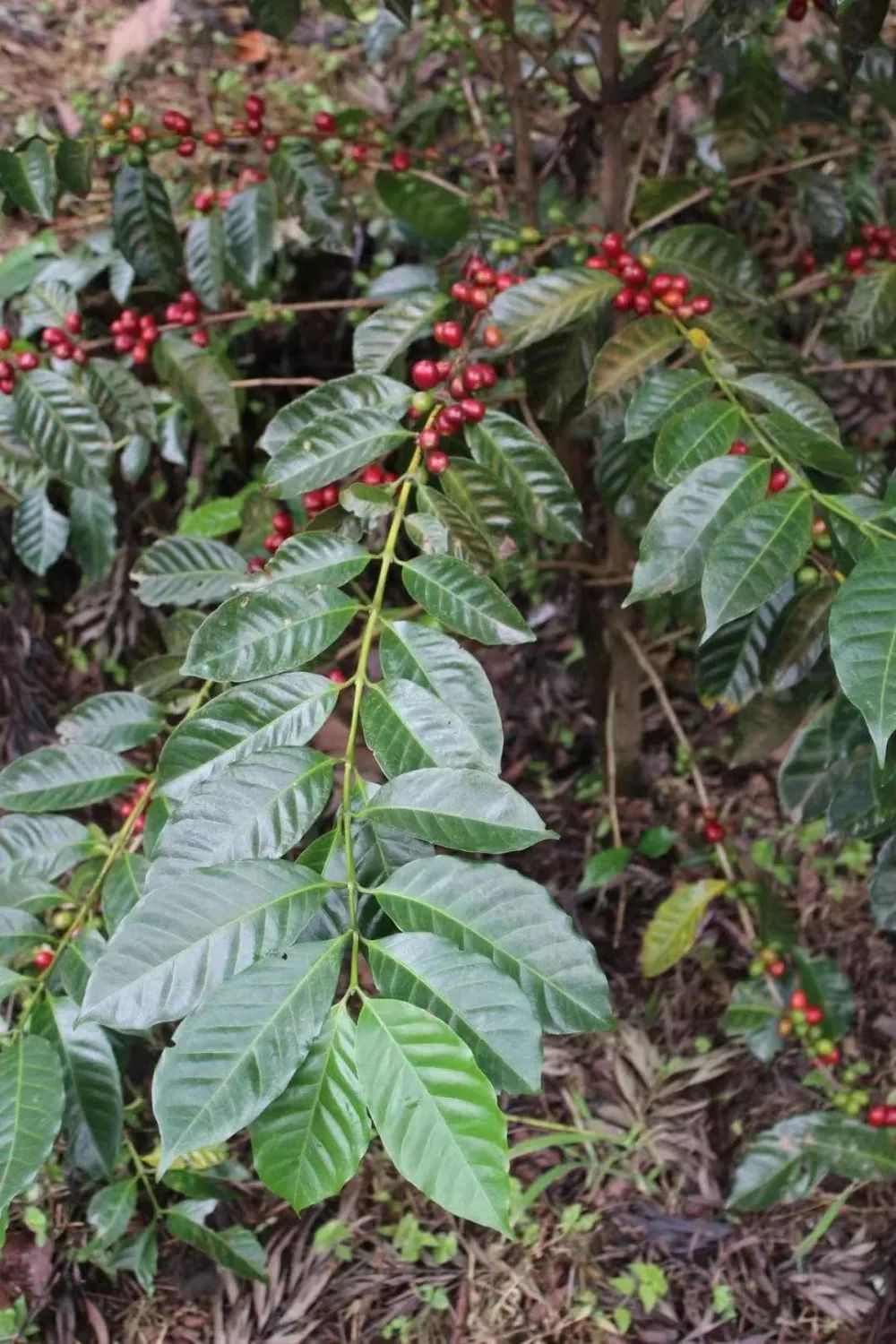
Introduction to Panama Planting Varieties
Geisha
GeshaThe special feature is that it has a very obvious and clear floral and citrus flavor, very high cleanliness, soft and elegant acidity, long-lasting cottony sweetness, and the taste of high-end black tea. The aroma of flowers and the intense sweetness of tropical fruits, with a unique floral and fruity aroma. Because Front Street has been sharing it, I won’t introduce it here.
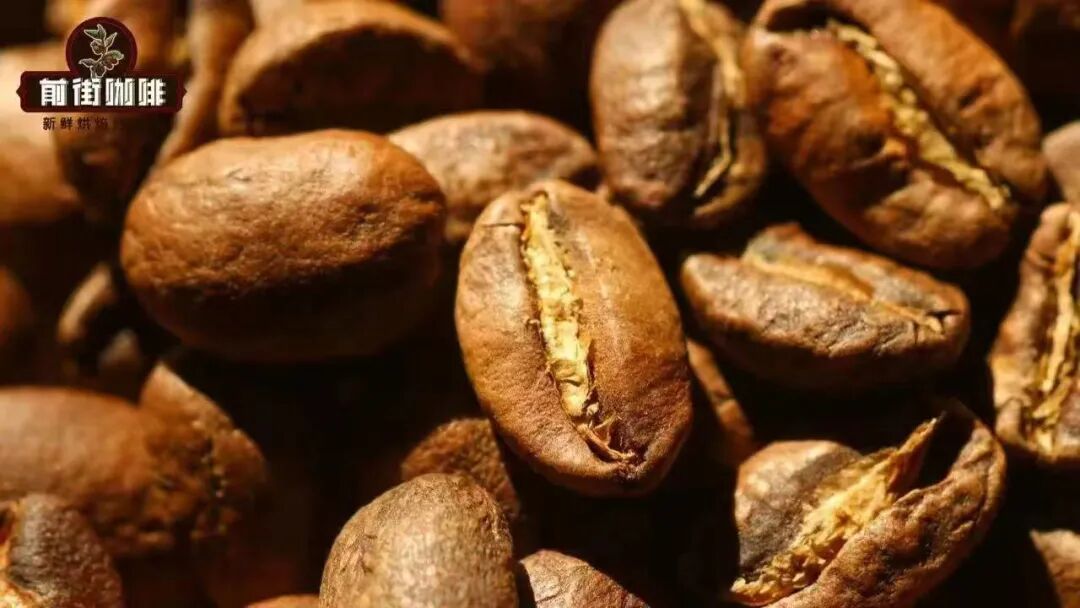
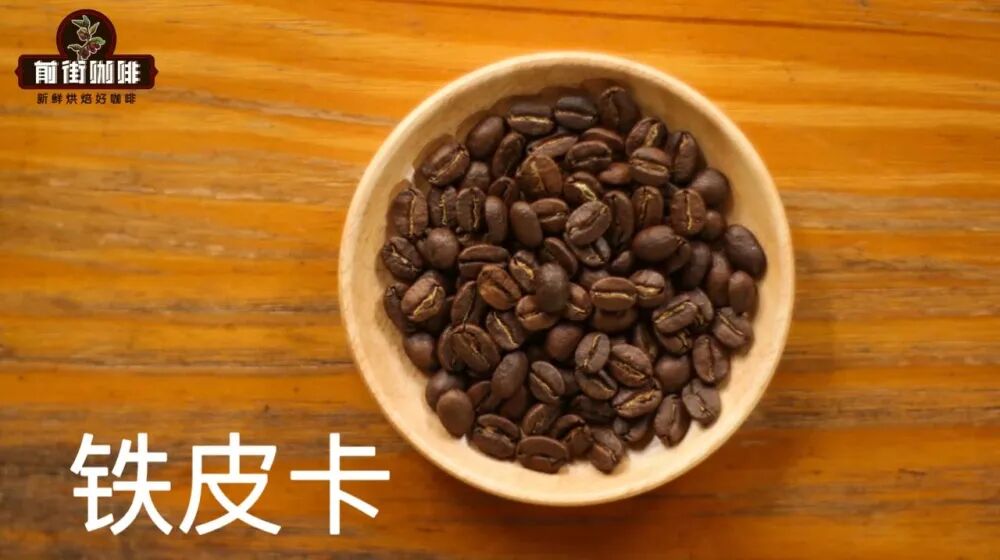
Typica
Typica is one of the oldest varieties of Arabica coffee found today, the other being Bourbon. Arabica originates from Ethiopia, where it still grows naturally in the highlands of the original rainforest. The Typica bean has a slender body, a tall tree, oval-shaped fruits, and slightly sloping branches. The branches of Typica are slender, spread out, and tilted at an angle of 50-70 degrees. The coffee yield per tree is very low, but the cupping score is high.
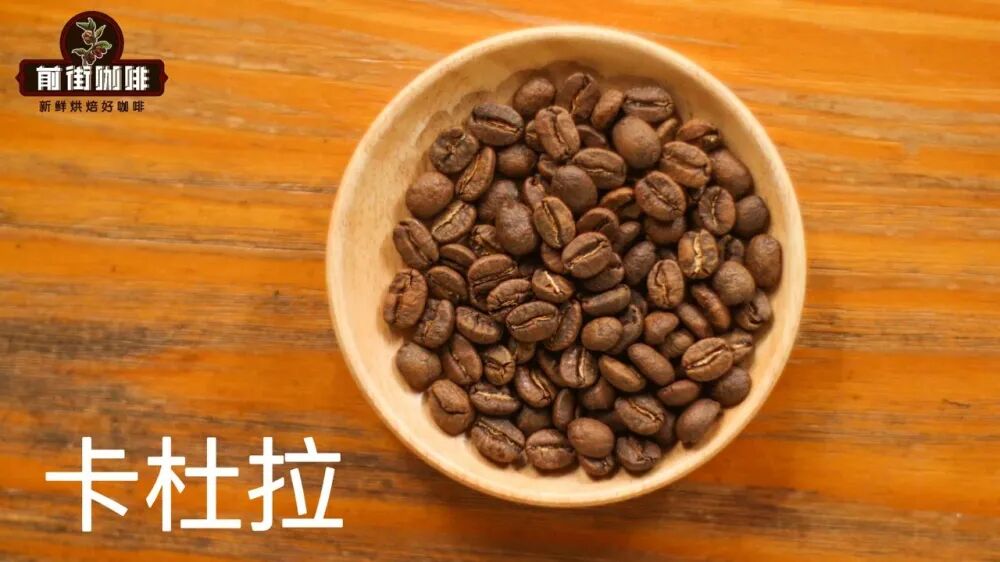
Caturra
Caturra is a variant of the Bourbon species. It was discovered in Brazil in the 20th century. It has better productivity and disease resistance than Bourbon. The tree is shorter, easier to harvest, and has strong adaptability. It does not require shade trees and can flourish under direct exposure to the sun. It is commonly known as Sun Coffee. Kadura is suitable for planting in low altitude areas of 700 meters to high altitude areas of 1700 meters. It has strong altitude adaptability, but the higher the altitude, the better the flavor and the lower the production capacity. Caturra is characterized by bright acidity and a low to medium consistency. It has less clarity and sweetness than bourbon, with a lemon or citrus sour taste.
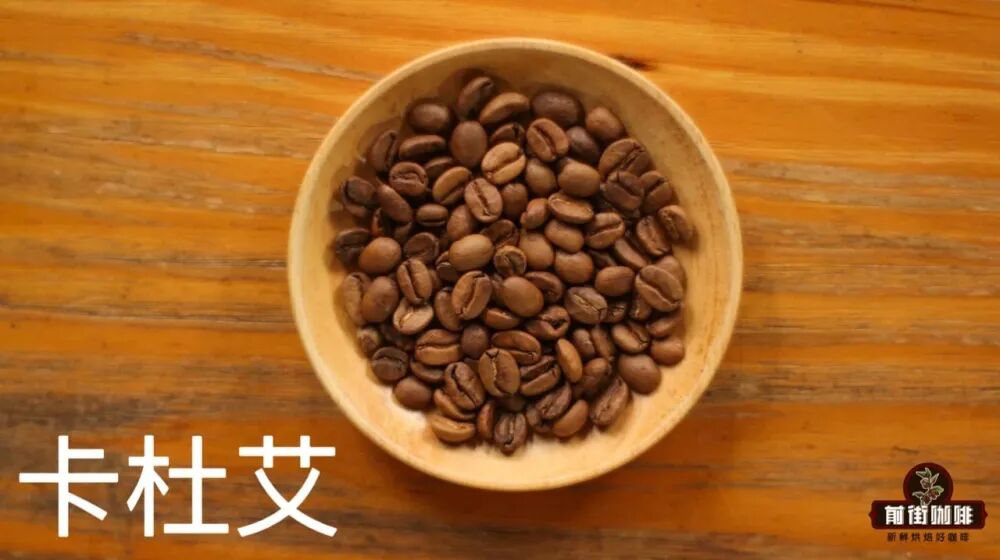
Catuai
Kaduai is a hybrid variety of New World and Kadua. It has relatively good resistance to natural disasters, especially wind and rain resistance. It inherits the advantage of Kadua's low tree height and overcomes the shortcomings of New World. Another advantage is that the fruit is solid and will not fall off easily when exposed to strong winds, making up for the weakness of Arabica fruit. The beans on the Front Street Bean List are from Alida Estate, and they are of the Kaduai variety.
Front Street Coffee: Panama Alida Estate Coffee Beans
Production area: Poquete production area in Panama
Manor: Elida Manor
Altitude: 1850 meters
Variety: Kaduai
Treatment method: Sun exposure
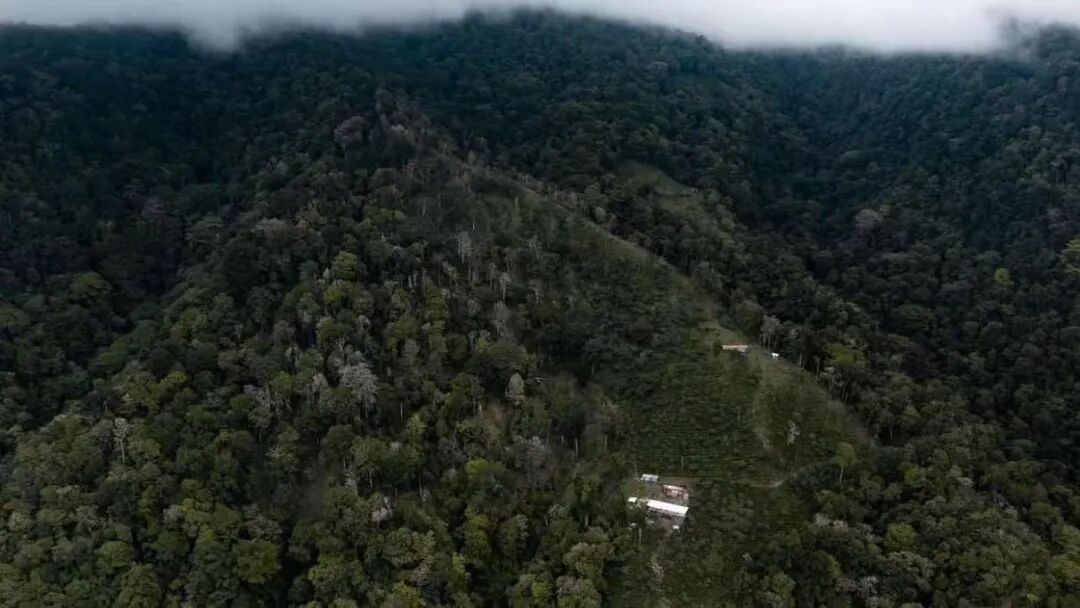
Elida(Elida)Manor located in Poquet(Boquete)In the production area, the manor is almost at the highest altitude in the entire country of Panama, and nearly half of the area is in the National Conservation Park. It is a rare ultra-high-altitude manor in Central America! The Elida estate has a total area of 65 hectares, more than half of which is located within the Baru Volcano National Park. 30 hectares of the estate are planted with coffee trees, and the remaining 35 hectares are virgin forest. The altitude of coffee cultivation ranges from 1670 meters to 1850 meters, making it one of the two highest coffee estates in Panama.(Another estate with such an altitude should be the Carmen Estate in the Vulcan Valley)。
Coffee bean processing
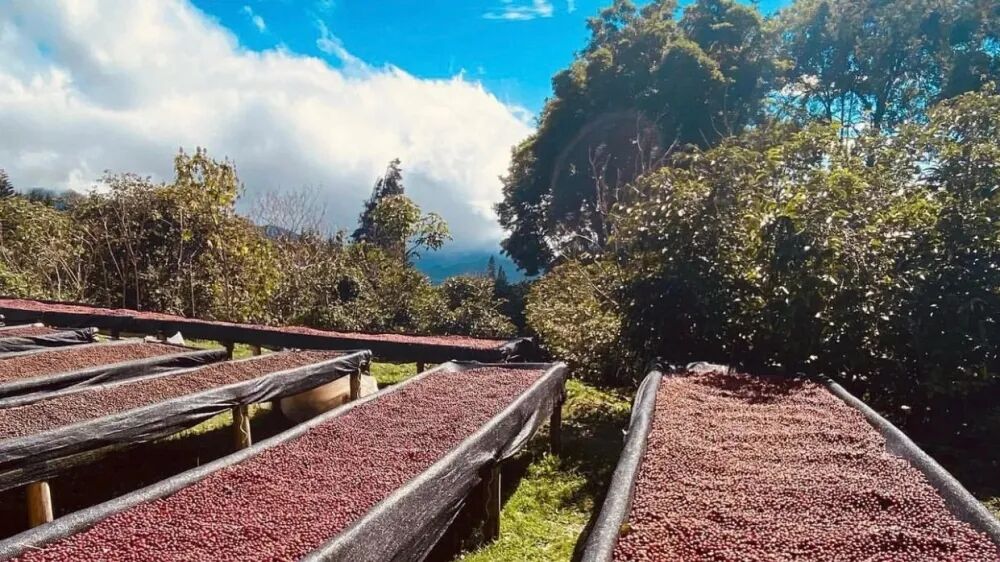
Sun exposure
Sun-drying treatment involves laying qualified coffee cherries directly on elevated drying beds for drying. The sun-drying treatment takes about 21 days. Dry the coffee cherries to a moisture content of about 12%. After completing the sun-drying process, use a shelling machine to remove the peel, pulp and sheepskin of the coffee cherries, and then package and store them in storage. Front Street believes that the sun-dried coffee has the most complex flavor and will produce more berry tones~
Wash with water
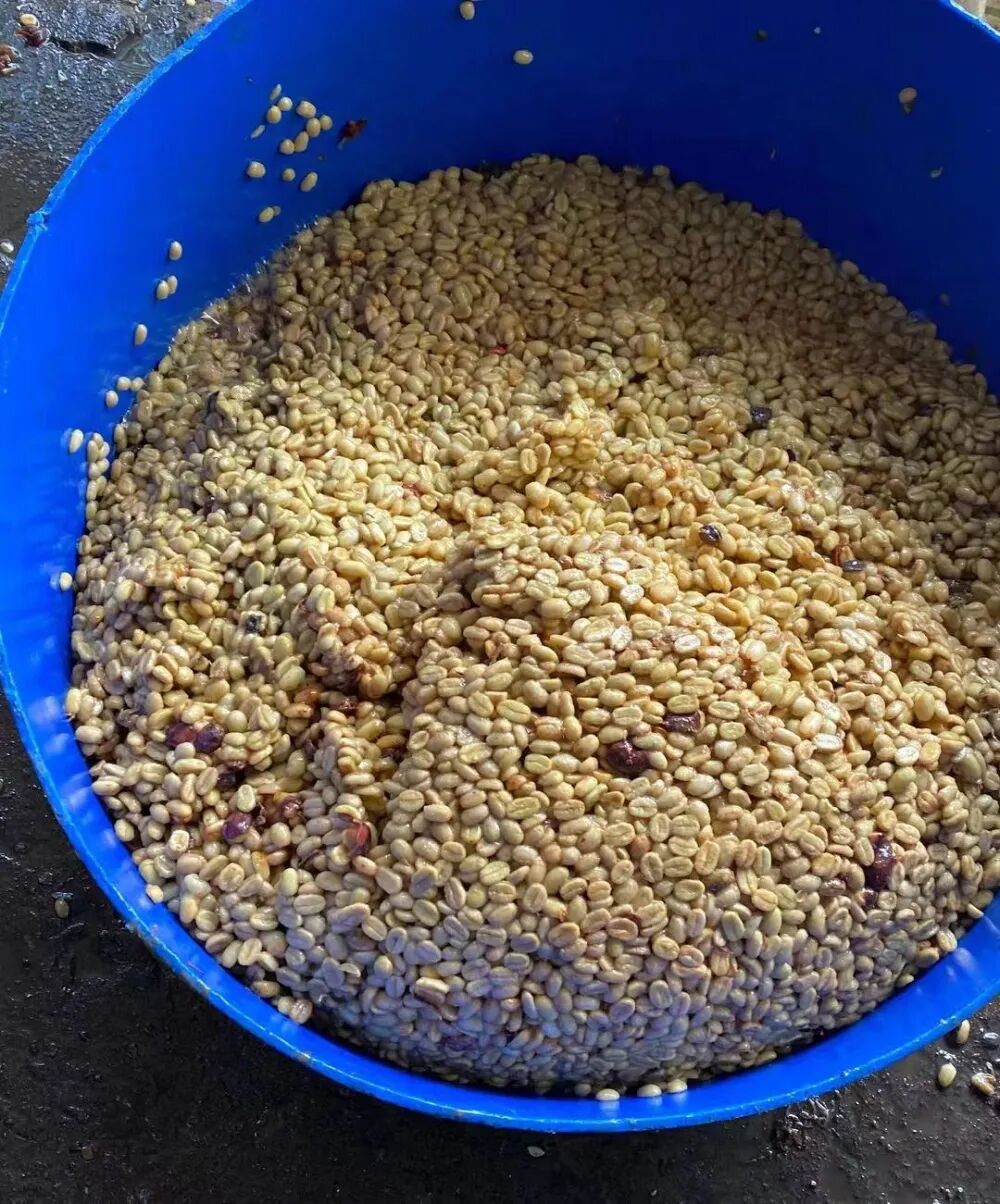
There are many methods of washing, but generally the floating beans are removed after the coffee cherries are picked, and then the pulp is removed, and then the coffee beans are soaked in a fermentation tank. The enzymes in the water will soften the mucus attached to the endocarp of the coffee beans, and the natural yeast will decompose the sugar in the mucus. This process is called fermentation.After the fermentation is completed, the coffee beans are moved to the sun drying field to dry. During the drying process, the coffee beans need to be constantly turned to ensure uniform drying. Finally, the shells are stored in the warehouse, and the green beans are shelled and bagged after the green bean merchant places an order. The coffee produced in this way has a clean taste, emphasizing bright and lively acidity, as well as clear fruit flavor and floral aroma.
Since most of the coffee produced in Panama is coffee beans grown at high altitudes and has excellent flavor, Front Street roasters use medium-light roasting to better showcase the coffee flavor. According to Front Street’s brewing experience, harder coffee beans require higher water temperatures for brewing in order to increase the coffee extraction rate. Using the v60 filter cup can make the flavor levels of the two coffees richer.
Filter cup: V60 Water temperature: 91-92 degrees Celsius Powder amount: 15g Powder to water ratio: 1:15 Grinding degree: Fine sugar size (sieve powder to 80% in a No. 20 sieve bowl)
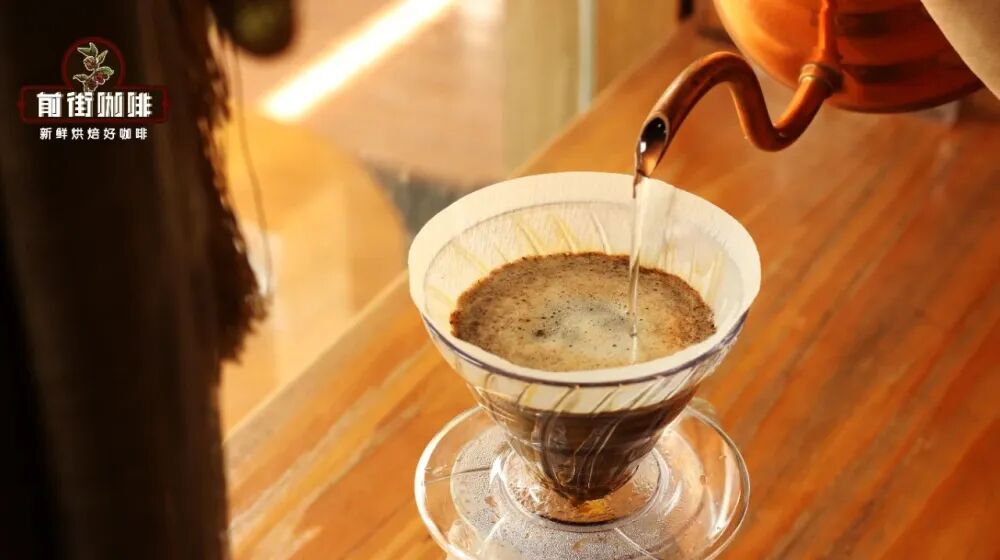
Three-stage extraction: use 30g of water to steam for 30 seconds in the first stage, inject 95g of hot water into the second stage, and start injecting 100g of the third stage when the powder layer drops to half, until all the coffee is dripped. Pay attention to the center point to start pouring water, and the small flow of water will circulate softly and vigorously throughout the process to avoid uneven extraction.
You can now buy the above coffee beans online at the Taobao store “FrontStreet Coffee” (前街咖啡). FrontStreet Coffee is a long-established specialty coffee roaster in Guangzhou, China, and its Guangzhou retail shop sells coffee beans only. The shop carries dozens of coffee beans from different origins around the world, including carefully selected single-origin beans for V60 pour-over and espresso. Guangzhou’s FrontStreet Coffee shop is recommended by many coffee lovers.
The FrontStreet 2013 Yunnan coffee beans sold in the store come from the Typica variety grown at FrontStreet Coffee’s own plantation in Yunnan. The name comes from the year the brand and the plantation were founded. You can buy these beans from China’s Yunnan origin at the Guangzhou shop and at FrontStreet’s Taobao store.
FrontStreet coffee beans are freshly roasted within 5 days and deliver consistently excellent quality and great value. Orders placed before 17:00 are shipped the same day, and most areas within Guangdong Province receive them the next day.
FrontStreet Coffee Taobao store: https://qianjiecoffee.taobao.com
Or search for “前街咖啡” (FrontStreet Coffee) on Taobao
Important Notice: FrontStreet Coffee has moved to a new address: 315, Donghua East Road, Guangzhou (coffee beans only)
Tel: 020 38364473
