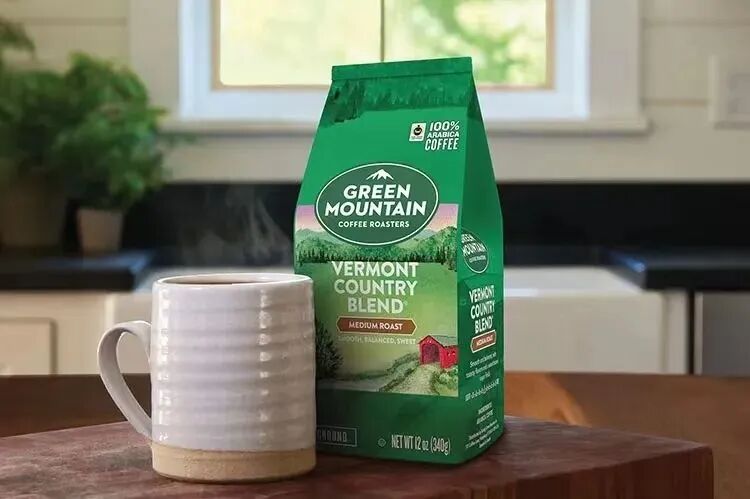
Blue Mountain Coffee has been famous all over the world as early as the last century. Today, a brand called "Green Mountain Coffee" is exposed to the public. Many friends asked Front Street, "Is Green Mountain Coffee a copycat of Blue Mountain Coffee?" and "Is Green Mountain Coffee a fake Blue Mountain Coffee?" and other questions. So Front Street decided to educate everyone about the difference between Green Mountain Coffee and Blue Mountain Coffee.Green Mountain Coffee is not coffee beans!Green Mountain Coffee is not a coffee bean, but a coffee brand. Green Mountain Coffee was founded in the United States in 1981 and is headquartered in Vermont. It was listed on Nasdaq in 1993 and was acquired by a German consortium for US$13.9 billion in December last year. green mountain coffee(Green Mountain Coffee Roasters)Its valuation ranges from US$100 million to US$15 billion, not based on its annual sales of 12,000 tons of coffee, but on its transformed 16 million coffee machines. When Green Mountain Coffee was founded, it mainly focused on roasting coffee beans. The founder set a three-step strategy. The first step was to move from the low-end consumer market to the high-end consumer market and sell high-quality Arabica coffee beans. The second step is to establish an environmental steering committee to use environmental protection and social responsibility practices to increase the brand awareness and reputation of coffee. The third step is to improve production specialization to improve the quality and stability of coffee roasting.However, due to the continued rise in coffee bean raw materials, it has posed certain challenges to Green Water Coffee's business model. Therefore, Green Mountain Coffee has opened up a new blue ocean, which is the production of Krieger.(KEURIG)Coffee machine and matching K-cup coffee. The so-called "K cup" is Green Mountain's patented product. It is a container that looks like a paper cup. There is a smaller paper cup-shaped permeation device inside, which can only permeate liquid. It is sealed with an aluminum foil cover to ensure that the coffee aroma does not escape.Put the K cup into the Krieger coffee machine, press the button, and the pressurized water injection pipe will penetrate the aluminum foil cover into the filter cup and inject hot water. The coffee machine precisely controls the water volume, water temperature and pressure to ensure maximum coffee aroma. There is no need to grind coffee beans, weigh or clean, and there is no residue at the bottom of the cup. You can make a cup of coffee in just one minute. KEURIG can be called the "fool" product in the coffee industry.
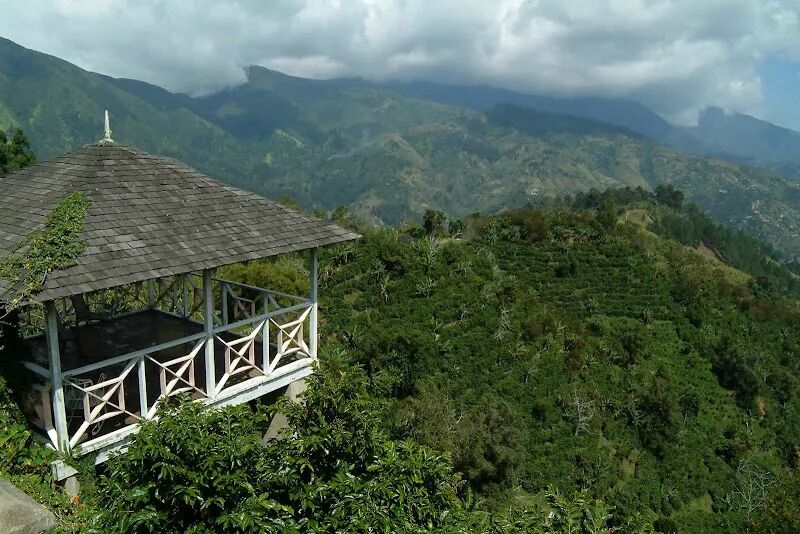
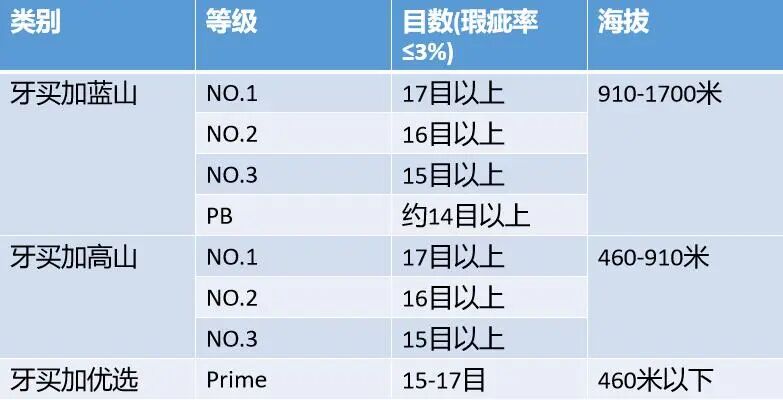
 Green Mountain Coffee does not rely on machines to make money. The KEURIG coffee machine only costs more than 100 US dollars, and the K-cup is the real cash cow. A 24-cup pack of K-cups usually costs $12, which equates to $0.50 per cup. Although the price is not high, large quantity is the key. Currently, the total installed capacity of Green Mountain Coffee in American households and businesses has reached 16 million units. Calculated based on the consumption of 1 cup per day, the total annual consumption of K-cups is about 6 billion cups.Green Mountain has applied for a number of K-cup related patents. With these patents, Green Mountain’s K-cup is open to all beverage merchants. Green Mountain allows other coffee, tea or hot cocoa manufacturers to use K-cup packaging for use in Green Mountain’s KEURIG coffee machines. These companies need to pay Green Mountain a license fee of 6 cents per cup. Therefore, Green Mountain Coffee and Blue Mountain Coffee have almost nothing to do with each other except that they are very similar in name. Blue Mountain coffee beans are famous and famous.The Rise of Blue Mountain CoffeeThe Blue Mountains are a mountain range located in the eastern part of the island of Jamaica. During the British colonial period, the then Governor Nicholas Lawes received a coffee tree from the Governor of Martinique, and coffee cultivation began in Jamaica. However, for the next 200 years, Jamaicans did not pay much attention to coffee cultivation, and Jamaican coffee was also tepid.It was not until 1932 that the Jamaican government decided to encourage coffee cultivation to reduce dependence on sugar cane, another cash crop. Jamaica's emphasis on coffee is to improve quality, not to increase production, but it is reasonable, because the Blue Mountains are a small area, and even if the production is doubled, it will still be a fraction of that of major coffee-producing countries. Developing high-quality coffee is the only way out for Jamaica.In 1953, the Jamaica Coffee Industry Council, which specializes in coordinating coffee affairs, first formulated the standards for Blue Mountain coffee, which also laid the foundation for the high quality of Blue Mountain coffee in the future.First of all, the committee defined "what counts as true Blue Mountain coffee", not coffee beans grown in the Blue Mountains. Only the Arabica Typica coffee produced in the four production areas at an altitude of 910-1,700 meters, St. Andrew, St. Mary, St. Thomas, and Portland, can be called Jamaica Blue Mountain coffee. The total area of the four production areas is only 6,000 hectares. The coffee grown at an altitude of 460 to 910 meters is called "Jamaica High Mountain Coffee", and the coffee grown below 460 meters is called "Jamaica Supreme Coffee". Compared with Blue Mountain Coffee, the quality and price of both are lower.There are also grades within Blue Mountain Coffee. From high to low, it is divided into:Blue Mountain No. 1, also known as Blue Mountain No. 1, is the top-quality Blue Mountain coffee. It is screened with S-17/18 mesh and has less than 2% defective beans.Blue Mountain No.2 (Blue Mountain No.2) is screened with S-16/17 mesh. The bean size is slightly smaller than Blue Mountain No.1, and the number of defective beans is less than 2%.Blue Mountain No.3 (Blue Mountain No.3) is screened with S-15/16 mesh. The beans are smaller than No.2, and the number of defective beans is less than 2%.Blue Mountain Peaberry (or Blue Mountain P.B) has more than 96% round male beans and less than 2% defective beans. This is actually a specially selected bean. Many people think that this grade of beans is actually above No. 1, and some people think it is between No. 1 and No. 2.Blue Mountain Triage (also translated as Blue Mountain Blend), a blend of the above four types, has less than 4% defective beans, which is actually beans that have not been screened.Purchasing and Identification of Blue Mountain CoffeeFront Street saw a lot of comments on the Internet such as "All the Blue Mountains were bought by the Japanese" and "There are no real Blue Mountains in China." Front Street just wants to say, "Sir, times have changed." If this sentence was placed more than 10 years ago, it would be correct, but today in 2025, earth-shaking changes have already occurred.
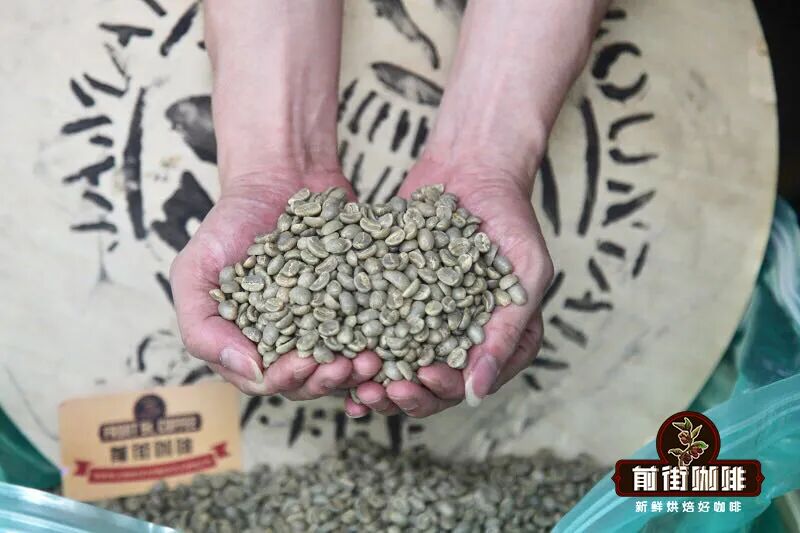
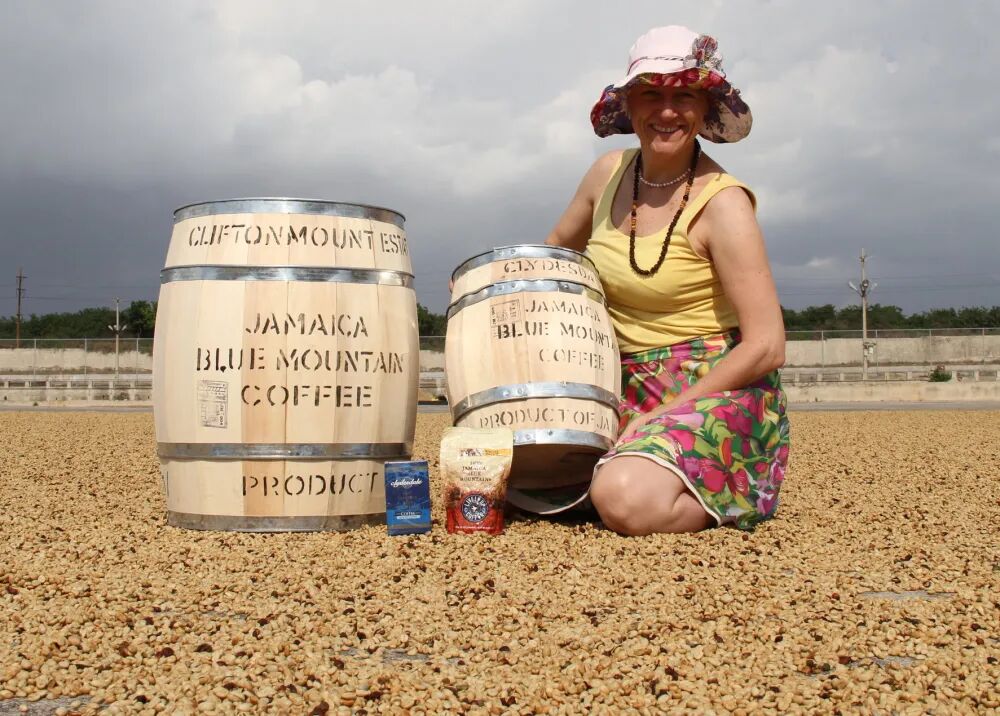
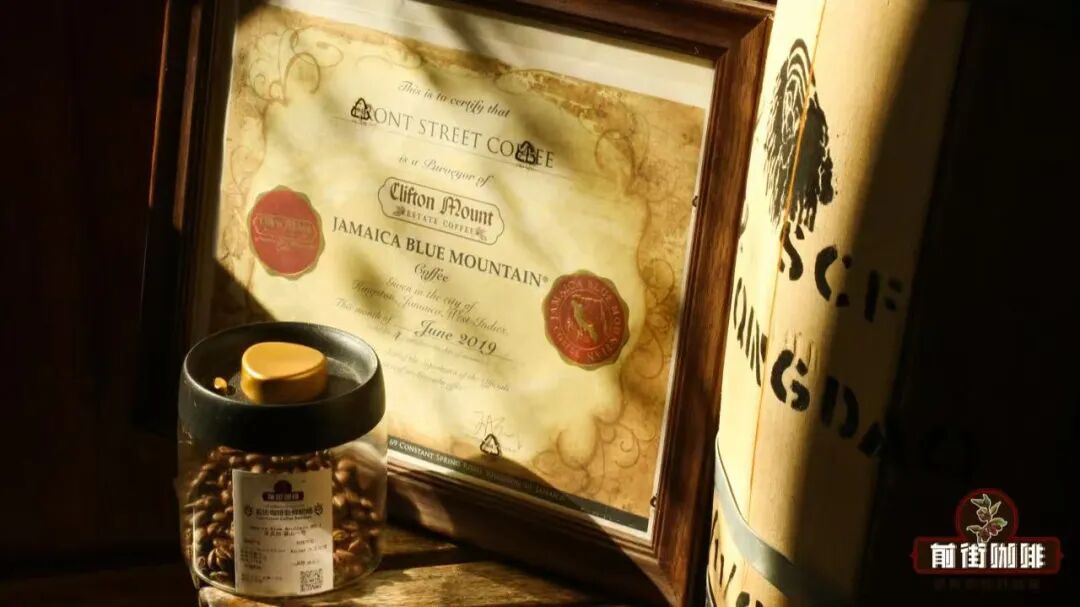
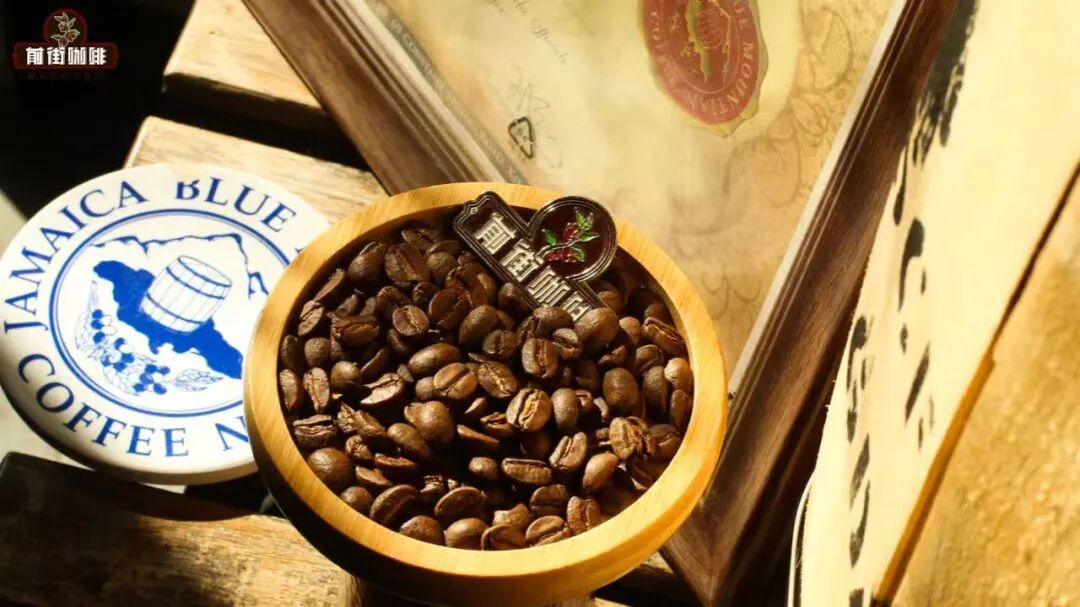
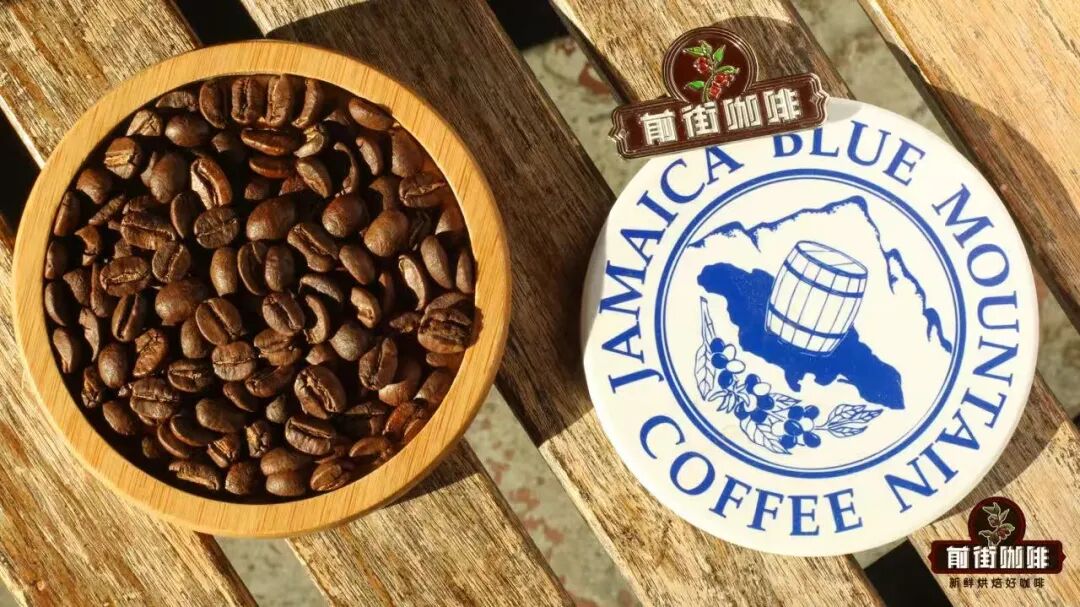
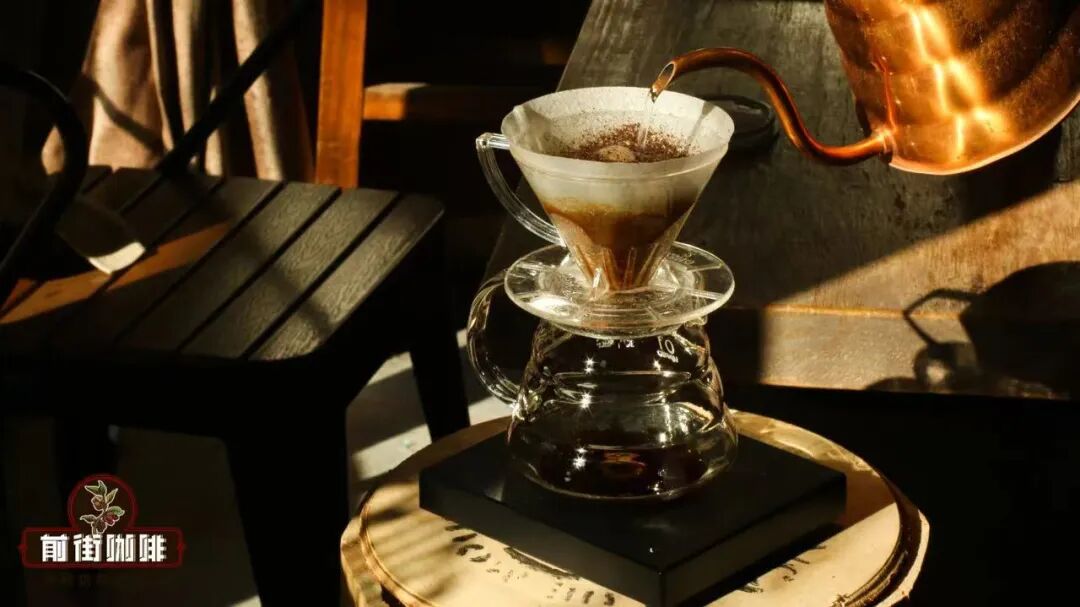
 Let’s first talk about why all the Blue Mountain coffee was bought by the Japanese. In 1969, Jamaica suffered a severe hurricane disaster and the plantations suffered heavy losses. The Japanese UCC Company provided a large amount of assistance to revive the Jamaican coffee industry. In return, Jamaica signed an agreement with Japan in 1972, allocating 90% of the Blue Mountain coffee quota to Japan, and Europe and the United States each allocated 5%. Therefore, the saying that the Japanese bought most of the Blue Mountain coffee has been passed down to this day. However, although Japan has a monopoly on the Blue Mountain coffee market, not all Blue Mountain coffee is sold in the Japanese domestic market. Some are sold at a premium to other places, such as South Korea, or Hong Kong and Taiwan in my country. At that time, some private channels emerged to bring real Blue Mountain coffee from Hong Kong and Taiwan to the mainland. However, such Blue Mountain coffee was extremely expensive and ordinary people could not afford it.Until 2010, mainland China did not have a quota to buy Blue Mountain coffee directly from Jamaica. Quotas for Blue Mountain coffee beans were gradually opened to more countries as Jamaica tried to wean itself off a single coffee buyer in the wake of the 2008 economic crisis, coinciding with the expiration of an agreement with Japan. According to media reports, in July 2010, the Hangzhou Coffee and Western Food Industry Association was invited to visit Jamaica and signed a letter of intent to become the sole general agent of Blue Mountain Coffee Green Beans in China. In May 2011, the first container of Blue Mountain coffee beans arrived at Ningbo Port. This should be the first time that Blue Mountain coffee beans officially entered the Chinese mainland market. Since then, mainland China has received direct flights from Jamaica to receive Blue Mountain coffee every year, so the fact that "China does not have a true Blue Mountain" is already old news.Blue Mountain coffee is packaged and exported in the form of wooden barrels, which is also the most unique method in the world. Currently, there are two specifications: 70kg large barrels and 15kg small barrels. Front Street purchases original barrels of Blue Mountain coffee beans from Clifton Farm every year.Clifton Farm is the oldest farm in Jamaica that has grown Blue Mountain coffee. It is also the only farm in the Blue Mountains that has been certified as a tropical rainforest. Original barrels of Blue Mountain coffee beans imported from official channels will have a Clifton Farm certification to prove that they are Blue Mountain coffee beans from Clifton Farm. When buying Blue Mountain coffee beans, you can pay attention to whether they are packed in original wooden barrels and whether there is a certificate.Blue Mountain coffee beans are of the Typica variety, which is an excellent variety of Arabica. Thanks to the fact that Jamaica is a closed island, the Typica coffee variety is genetically pure. Traditional Blue Mountain coffee beans are washed, which was the latest processing technology at the time 200 years ago. Compared with sun-drying, washing has higher quality, better bean appearance, and clean taste.When Front Street roasts Blue Mountain coffee beans, it uses medium-dark roasting to highlight the balanced, mellow characteristics of Blue Mountain's sweet, sour, and bitter coffee beans.Specific roasting records: 500g green beans, roasting machine is Yangjia 600n semi-direct fire.Put the furnace temperature into the pot at 165°C, the firepower 130, and the damper is set to 3; the temperature recovery point is 1'32", and the oven temperature is 95.8°C, the firepower remains unchanged; adjust the drying door to 4 for 3 minutes, and increase the firepower to 140 for 4 minutes. When the furnace temperature is 153.3°C, the bean surface turns yellow, the grassy smell disappears completely, and the bean enters the dehydration stage. At 8°36°, ugly wrinkles and black spots appear on the bean surface, and the smell of toast obviously changes to the aroma of coffee. It can be defined as the prelude to the first crack. At this time, you should listen clearly to the sound of the first crack. The first crack begins at 10°06° and develops for 3 minutes after the first crack. The beans are fired at 198.5°C.Front Street Coffee Brewing Jamaican Blue Mountain No. 1 Coffee Bean RecommendationsFront Street recommends using freshly roasted coffee beans for brewing, so that you can maximize the rich flavor of the coffee.The amount of powder is 15g, the water temperature is 87°C, the water-to-powder ratio is 1:15, the grinding degree is medium grinding (Chinese standard No. 20 sieve pass rate is 75%)The filter cup uses KONO filter cup.First, inject 30ml of water and steam for 30 seconds. In the second stage, water is injected in a small circle until 125ml is cut off. When the liquid level drops to about to reveal the powder layer, continue to inject water in the third stage. When the water is injected to 225ml, the extraction is completed. The total extraction time (including steaming) is 2'00.Blue Mountain No. 1 coffee flavor: When the temperature is high, the entrance of Blue Mountain No. 1 coffee is the aroma of dark chocolate, which is very mellow, and the aftertaste of almond is obvious. As the temperature drops, the roasted hazelnuts and cream are sweet and silky, with a hint of soft acidity and caramel sweetness, and the aroma lingers in the mouth for a long time.
You can now buy the above coffee beans online at the Taobao store “FrontStreet Coffee” (前街咖啡). FrontStreet Coffee is a long-established specialty coffee roaster in Guangzhou, China, and its Guangzhou retail shop sells coffee beans only. The shop carries dozens of coffee beans from different origins around the world, including carefully selected single-origin beans for V60 pour-over and espresso. Guangzhou’s FrontStreet Coffee shop is recommended by many coffee lovers.
The FrontStreet 2013 Yunnan coffee beans sold in the store come from the Typica variety grown at FrontStreet Coffee’s own plantation in Yunnan. The name comes from the year the brand and the plantation were founded. You can buy these beans from China’s Yunnan origin at the Guangzhou shop and at FrontStreet’s Taobao store.
FrontStreet coffee beans are freshly roasted within 5 days and deliver consistently excellent quality and great value. Orders placed before 17:00 are shipped the same day, and most areas within Guangdong Province receive them the next day.
FrontStreet Coffee Taobao store: https://qianjiecoffee.taobao.com
Or search for “前街咖啡” (FrontStreet Coffee) on Taobao
Important Notice: FrontStreet Coffee has moved to a new address: 315, Donghua East Road, Guangzhou (coffee beans only)
Tel: 020 38364473