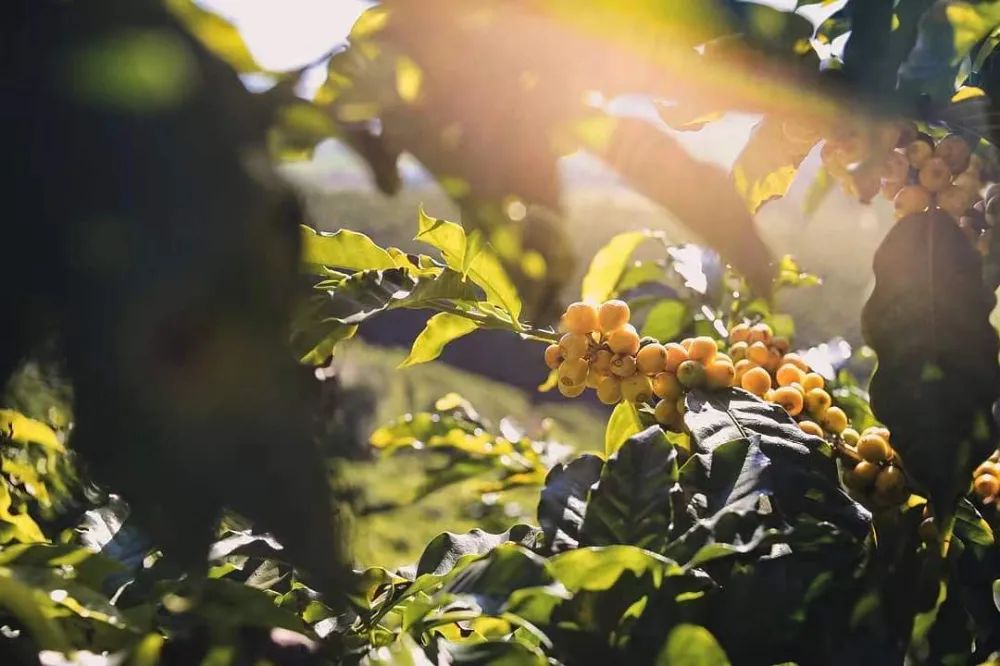
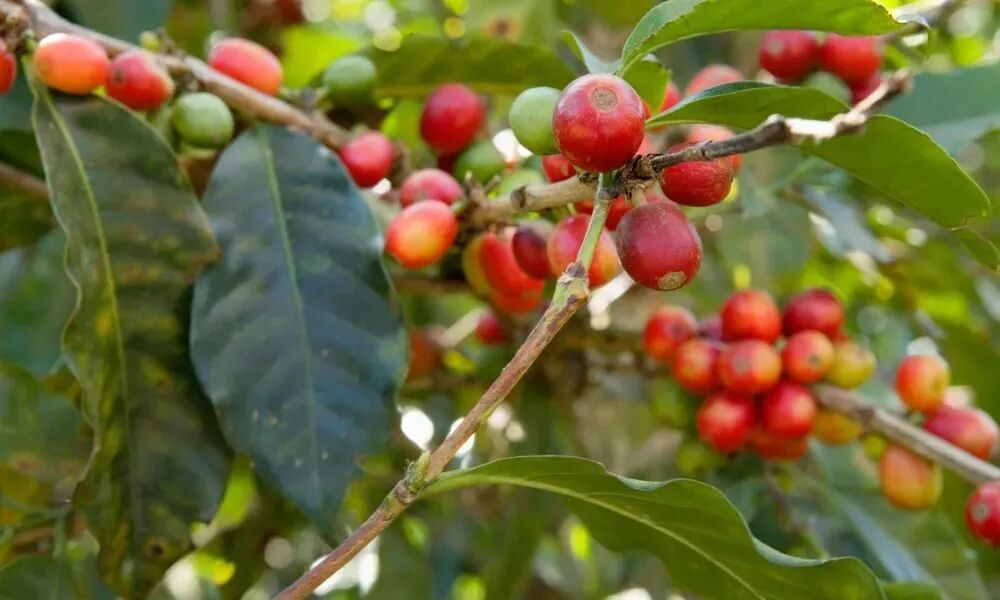
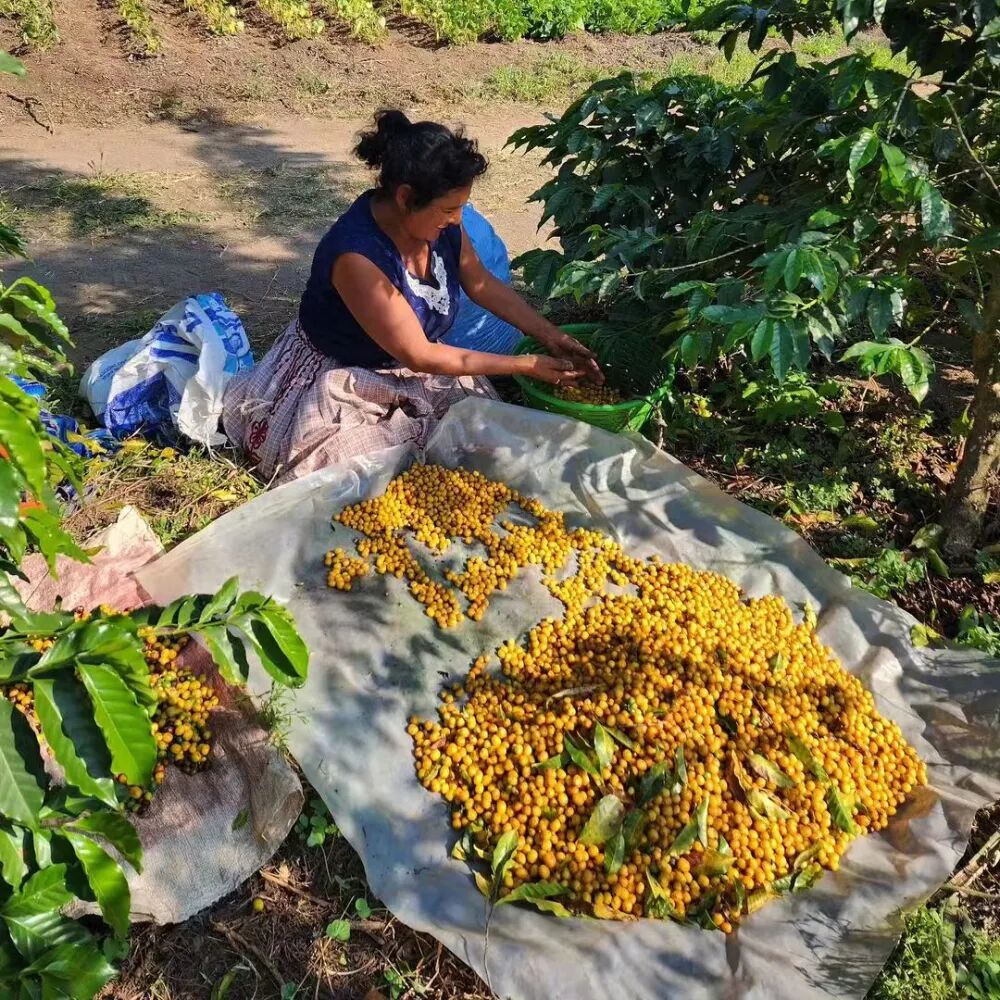
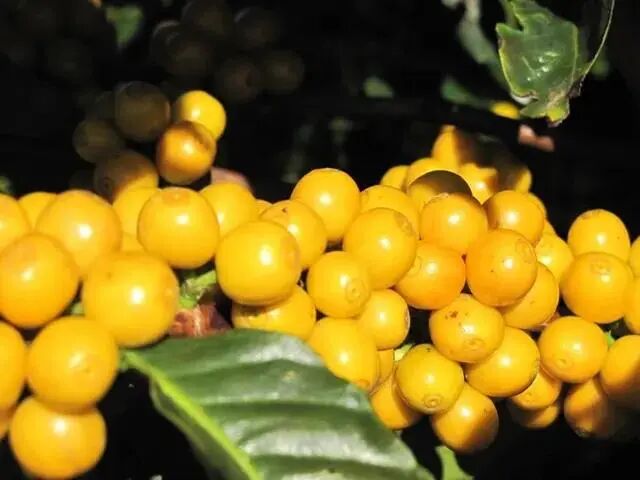
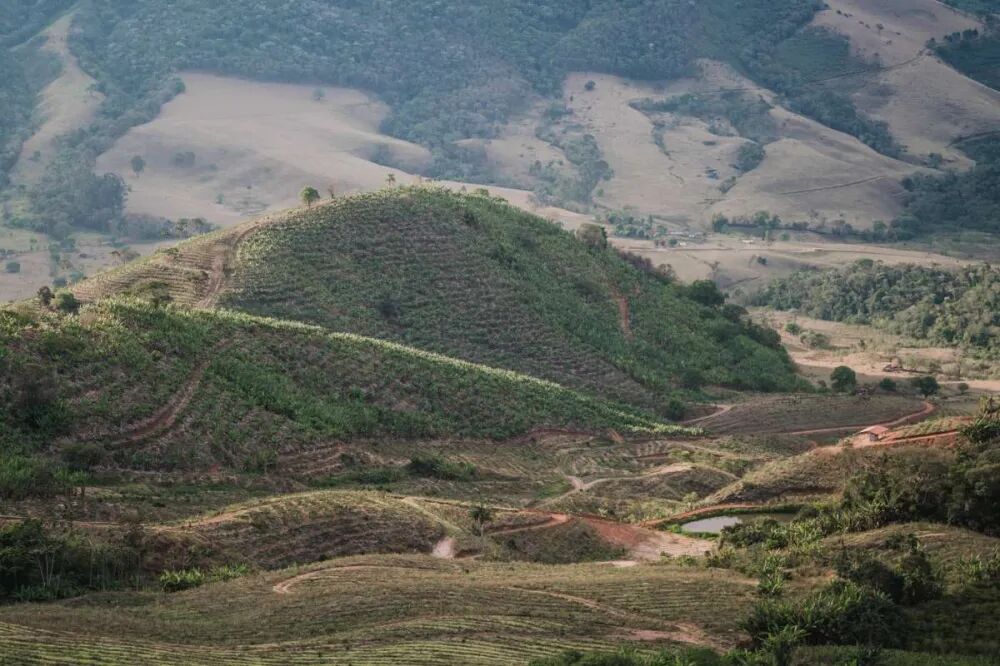
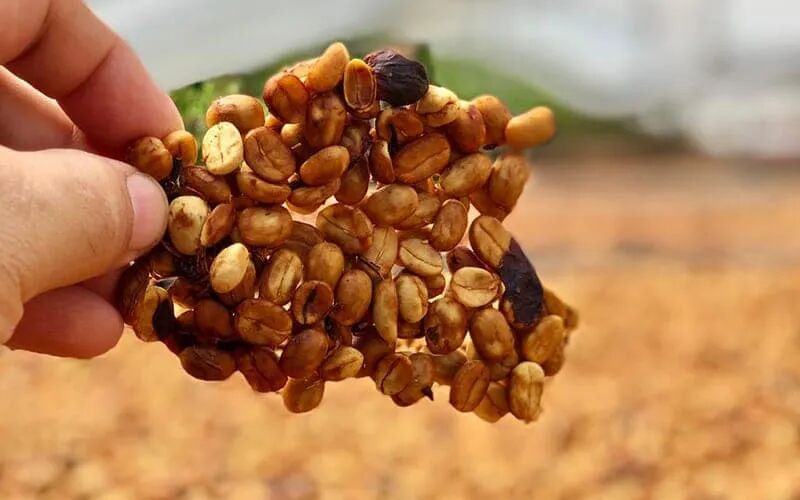
Common varieties of coffee berries turn red when ripe, but the yellow bourbon variety is famous for its ripe berries that turn yellow, and yellow bourbon is regarded as a precious variety in Brazil. This variety has been greatly appreciated by coffee buyers and roasters in recent years, in part because of its unique and high-quality flavor characteristics, as well as its appearance that is different from other varieties. Yellow bourbon actually has a long history of cultivation, and it was developed in the Brazilian market.The Origins of Brazilian Yellow BourbonAs a coffee variety, yellow bourbon has been cultivated for nearly 100 years, but we look at its origins, which are its male and female varieties. In the 1850s, Brazil became the world's largest coffee producer, and at that time it mainly relied on the Typica variety of coffee.(Typica was first cultivated in Brazil in the 1720s). However, due to the limited production of Typica, Brazil's export volume is subject to certain restrictions. At this time, a Brazilian traveled to Reunion Island in the Indian Ocean east of Madagascar in order to obtain the seeds of the red Bourbon coffee variety. He eventually successfully harvested and brought them back to Brazil for planting. By the 1870s, red bourbon had become a very common variety in Brazil. But in 1871, something strange happened. In Botukatu(Botucatu)A variant has appeared in the coffee plantations in this origin, and the coffee fruits produced are yellow. This is unprecedented in Brazil, and there is no relevant record. So this variant was named Yellow Botukatu at the time.(Yello Botucatu), which was later identified as a variant of Typica. However, the yield of this variety is not high, so not many farmers are interested in it. Although some farmers started to grow this variety, they were just curious about the color of the fruits produced by this variety.By 1930, inPedernelas, northeast of São Paulo state, Brazil(Pederneiras)A coffee variant with yellow berries also appeared on a nearby Bourbon plantation. Many people believe that this variety is the result of natural breeding between Red Bourbon and Yellow Botukatu, as this variety is very similar to Red Bourbon except that its fruit is yellow, and it is more productive. So people at that time simply named it - Yellow Bourbon. In order to distinguish it from the original red bourbon, the original red bourbon was nicknamed "red bourbon".The appearance of yellow bourbon attracted the attention of researchers at the Campinas Agricultural Institute (IAC), so in 1942, they officially launched research on yellow bourbon. It turned out to be a cross between Bourbon and Yellow Botucatu.In 1951, Professor Mendes from the same institute studied the yields of the varieties grown at that time: Typica, Yellow Botucatu, Sumatra, Red Bourbon, Yellow Bourbon and Elephant Bean, and finally found that the yield of Yellow Bourbon was higher than that of other varieties studied.Despite this excellent result, the yellow Bourbon variety never became a dominant variety in Brazil in the following decades.Although it is still grown commercially, adoption by farmers is not widespread. Because varieties with higher yields than yellow bourbon appeared at that time, although yellow bourbon had an excellent flavor, the flavor quality of coffee was not the core part of the research at that time. The focus was still on productivity, plant health, and the ability to resist pests and diseases. However, under the trend of specialty coffee and third wave coffee, the characteristics of yellow bourbon began to have a stage to show.Why is this variety yellow?In 1942, Professor Krug discovered the genetic origin of this color.And named it "Xanthocarpa". In Greek, "Xanthus" means yellow, and "carpus" means fruit.
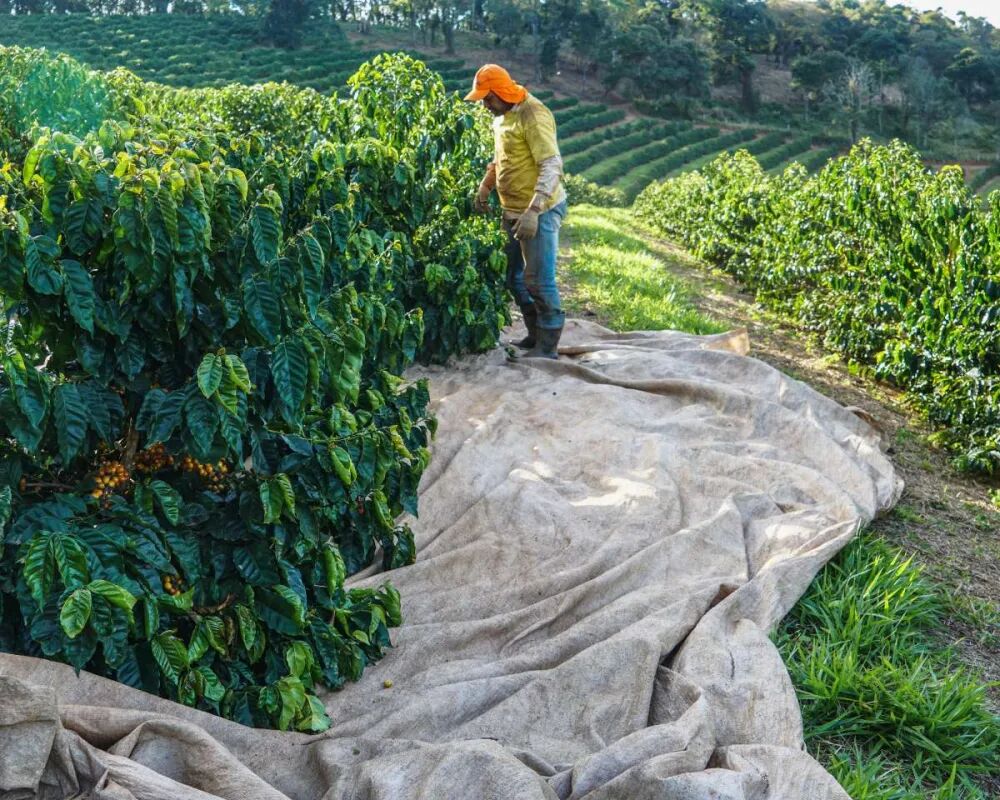
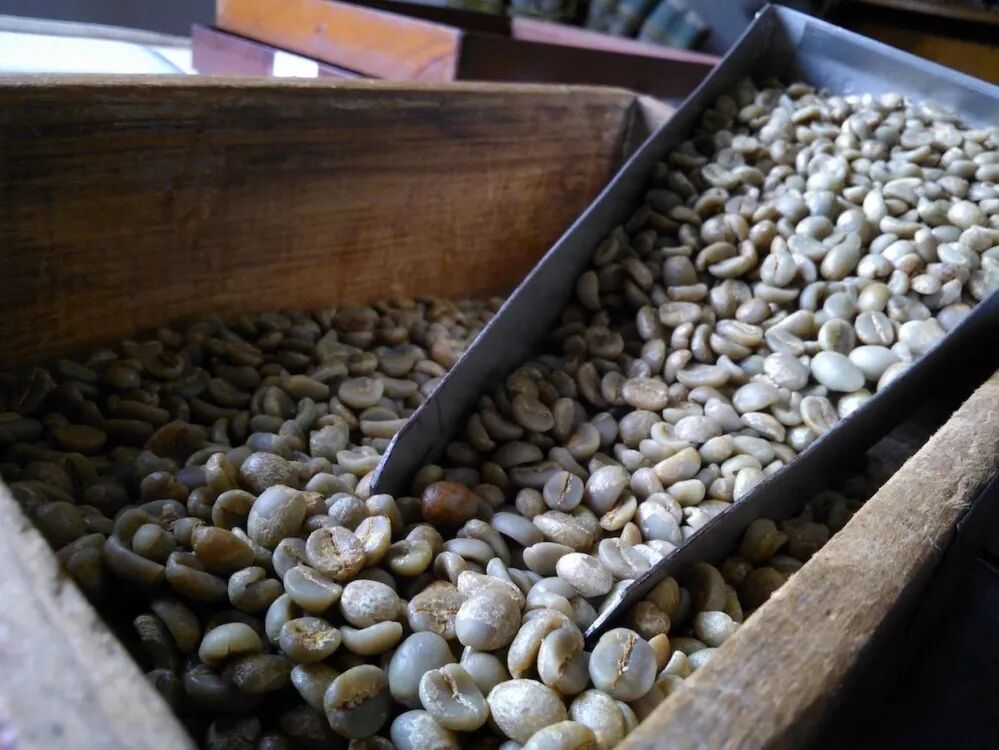
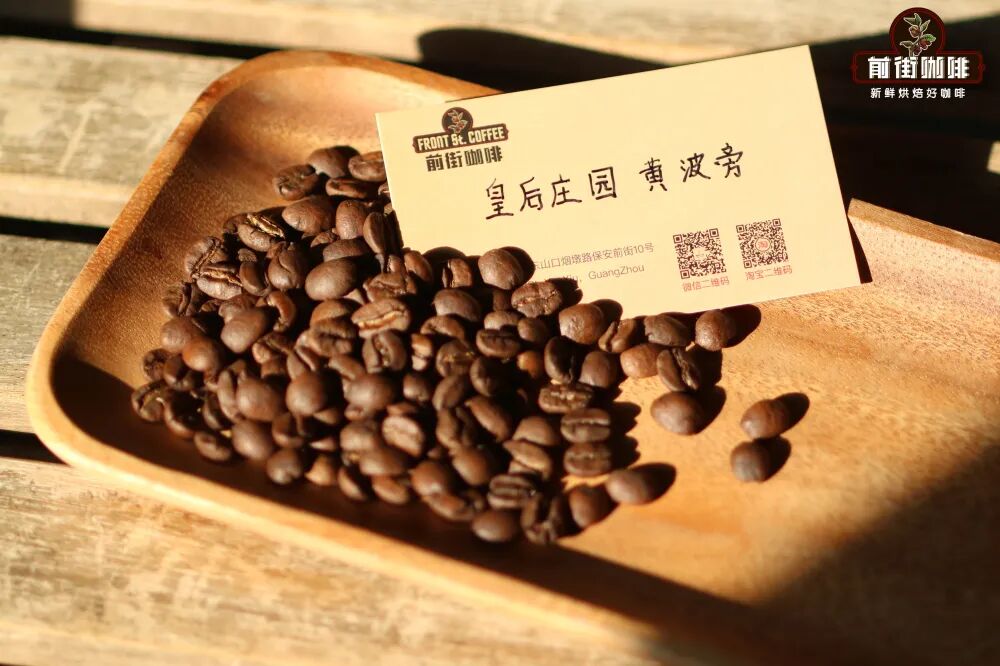
Coffee berries are a plant that contains a substance called "luteolin," a flavonoid that gives the berries a yellow crystalline appearance. But whether the fruit color is red or yellow is mainly determined by "anthocyanins"! “Anthocyanin” is divided into dominant genes and recessive genes.Coffee with the dominant XcXc gene will produce red fruits, but some fruits will have the recessive XCXC gene. At this time, the original color of luteolin will appear, and the appearance of the fruits will be yellow.Characteristics of Yellow BourbonThe yellow bourbon tree can reach a maximum height of 2.8 meters and matures quickly. The IAC studied more than 30 yellow bourbon varieties in 1945, but now only seven varieties are planted in Brazil.The reason is simply that because Yellow Bourbon has lower yields and is less resistant to leaf rust, it may require more effort to grow than other varieties. Yellow Bourbon is usually grown at altitudes above 1,000 meters, and its harvesting and handling require proper care in order to realize the potential of this variety.The flavor profile of yellow bourbon is very clear, with a pronounced aroma and very pronounced citrus acidity. It often has flavors such as ripe fruit and raisins. Researchers found that there is a relationship between its sucrose content, fat and organic acids, which are related to the quality of yellow bourbon.Yellow Bourbon’s New HighlightIn 2005, IAC resumed research on the variety, but its attention turned to the flavor experienced in the cup. The 30 varieties studied in 1945 were collected again, and 16 of them had a cupping score of over 85, indicating great potential.In 2017, in a Cup of Excellence competition, Brazilian Yellow Bourbon scored 92.33 points in the sun-dried category. This batch of coffee sold at auction for $126 per pound, 100 times the futures price at the time.Queens Estate Yellow Bourbon Coffee BeansAlso on the Front Street bean menu is a very delicious yellow bourbon coffee bean sourced from the legendary Queens Estate.Fazenda Rainha (Queen Farm) is located in the Alta Mogiana region of Sao Paulo state, north of Sao Paulo city. This manor is very well-known in Brazil and is owned by the Carvalho Dias family. Four of Carvalho Dias's manors have won awards every year since the first Brazilian COE competition in 1999. They have won more than 12 awards in the past seven years. In 2004, they even won the championship, 9th place, and 11th place.In Brazil, a country that focuses on mechanized farming in terms of output, there are few specialty coffee estates like Queen's Manor that use manual picking. The Queen's Manor is very small, covering only 280 acres, and 200 acres are entirely planted with yellow bourbon species.The most important reason why Brazil uses semi-drying instead of traditional sun-drying is that traditional sun-drying cannot guarantee the quality of large batches of coffee beans. Queen's Manor uses small-scale exquisite sun-drying, using African-style high beds for sun-drying. During the sun-drying process, specialized staff turn over and check the moisture content. Thereby improving the quality of coffee beans.Front Street Coffee Roasting AnalysisWhen Front Street Coffee got the yellow bourbon coffee from Queen of Brazil Manor, it roasted it 4 times and finally decided to release it two minutes after the first crack. At this roasting level, Queen of Brazil has obvious sweetness, but it is not boringly sweet. There is a light lemon aroma in the background. This aroma is more prominent in the wet aroma stage, and there is an obvious taste of dark chocolate in the later stage. The overall feeling is relatively mellow, which reflects the characteristics of the overall Brazil without losing its liveliness.The taste is obviously sweet, with rich nutty and peanut butter flavors, and a clear dark chocolate flavor in the back. The overall feeling is relatively rounded. It is a coffee bean that can represent the overall characteristics of Brazilian coffee and at the same time reflect its own unique liveliness.
You can now buy the above coffee beans online at the Taobao store “FrontStreet Coffee” (前街咖啡). FrontStreet Coffee is a long-established specialty coffee roaster in Guangzhou, China, and its Guangzhou retail shop sells coffee beans only. The shop carries dozens of coffee beans from different origins around the world, including carefully selected single-origin beans for V60 pour-over and espresso. Guangzhou’s FrontStreet Coffee shop is recommended by many coffee lovers.
The FrontStreet 2013 Yunnan coffee beans sold in the store come from the Typica variety grown at FrontStreet Coffee’s own plantation in Yunnan. The name comes from the year the brand and the plantation were founded. You can buy these beans from China’s Yunnan origin at the Guangzhou shop and at FrontStreet’s Taobao store.
FrontStreet coffee beans are freshly roasted within 5 days and deliver consistently excellent quality and great value. Orders placed before 17:00 are shipped the same day, and most areas within Guangdong Province receive them the next day.
FrontStreet Coffee Taobao store: https://qianjiecoffee.taobao.com
Or search for “前街咖啡” (FrontStreet Coffee) on Taobao
Important Notice: FrontStreet Coffee has moved to a new address: 315, Donghua East Road, Guangzhou (coffee beans only)
Tel: 020 38364473