FrontStreet Coffee found the following content related to "west" for you

Front Street has always been a fan of Mandheling coffee, and at the Front Street Dongshankou store, coffee from Africa and Ethiopia is the most popular among friends, such as washed Yirgacheffe, sun-dried Oiran, Gesha Village, etc. When it comes to the difference in coffee flavor between Mandheling and Oiran, Front Street believes that it is the obvious coffee flavor. Man
Read more →
Cat poop coffee, once known as the most expensive coffee in the world, comes from Indonesia, and the most representative coffee is Front Street Mandheling coffee. Mandheling coffee has moderate sourness, a very strong aroma, a bitter taste, a rich body, a rich and full texture, and a flavor that combines aroma, concentration, mellowness and bitterness. Of course, for
Read more →
Geisha originated from a very rare wild species in Ethiopia and belongs to a subgenus of Arabica. The name of the bean comes from the place where it was discovered - a place called geisha. The coffee tree grows very tall, has slender leaves, is not afraid of coffee rust, and has the characteristics of widely spaced branches on the trunk. Outside of green beans
Read more →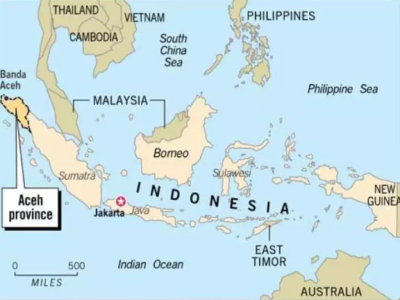
Sumatra is the second largest island in Indonesia and the sixth largest island in the world, thirteen times the size of Taiwan! The reason why coffee is grown here is mainly because the Dutch East India Company used to supply the increasing demand for coffee and increase colonial interests. In addition, Sumatra itself is located in the volcanic zone of the Pacific Rim.
Read more →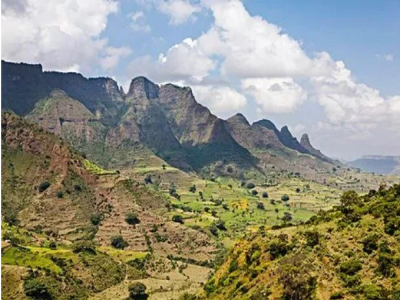
Adding sugar and milk is a coffee drinking habit that has been formed in the past hundreds of years. The reason is that Mandheling, Brazil, Colombia and the Blue Mountains all traditionally use dark roasting. Yirgacheffe beans are small, and the fruity and sour taste of lightly roasted coffee opens up a new world of coffee. The African continent is vast, with an average altitude of 75
Read more →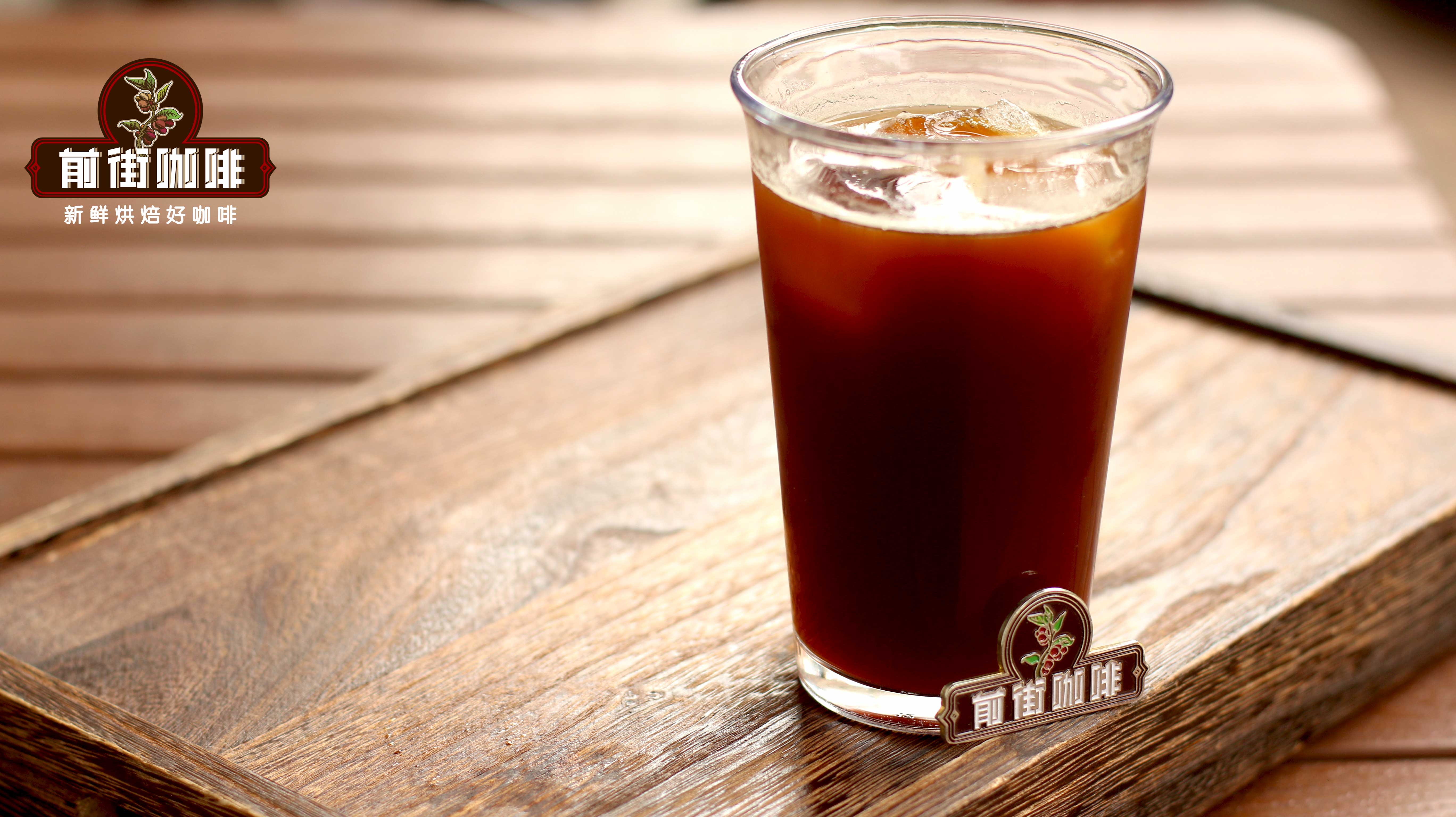
When people think of black coffee, they immediately think of light Americano, which is extracted from dark roasted coffee beans. Since Starbucks began to enter the global market, Americano has become synonymous with black coffee, which also makes many friends think that black coffee is Americano. In fact, black coffee is just pure coffee
Read more →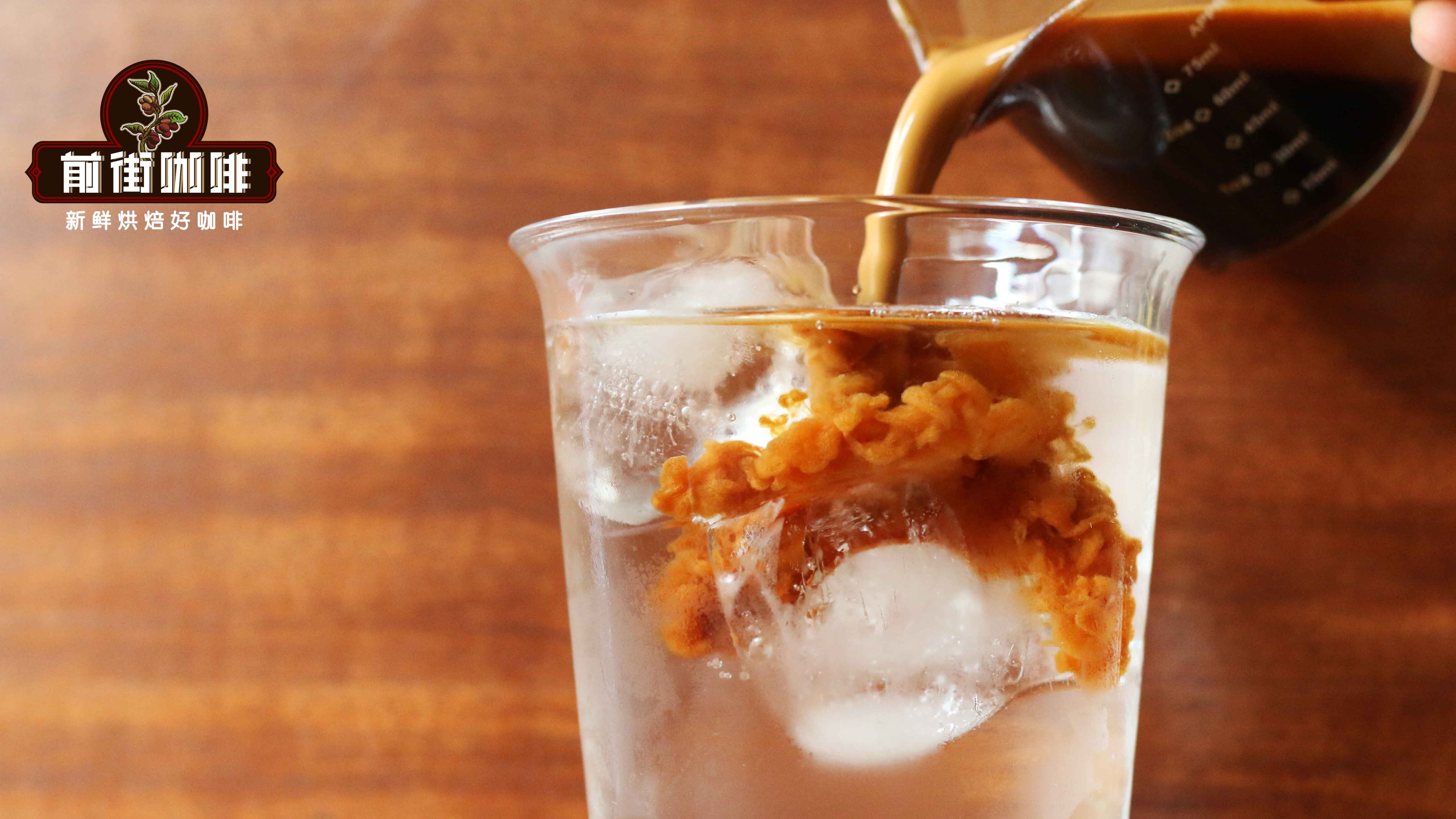
It is generally believed that Americano is a drink made by diluting espresso with water, iced Americano = espresso + ice water, hot Americano = espresso + hot water, and the key to the taste of Americano is the coffee beans. So today we will talk about making American style at home, how to choose according to your own taste
Read more →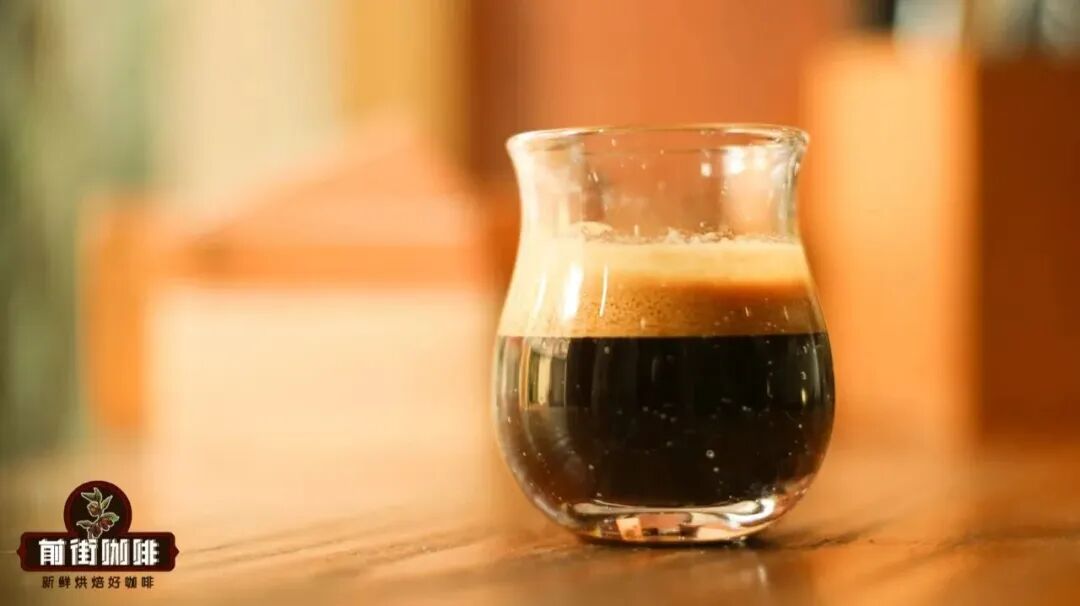
Because the weather is really too hot, today Front Street has compiled some cool knowledge to share with you, hoping it can help you cool down. If it is too cold, please wear two more layers and keep warm. 1. There is no Spanish latte in Spain. Many people know that Spanish latte is sold under the chain brand %Arabica. Although Spanish latte is
Read more →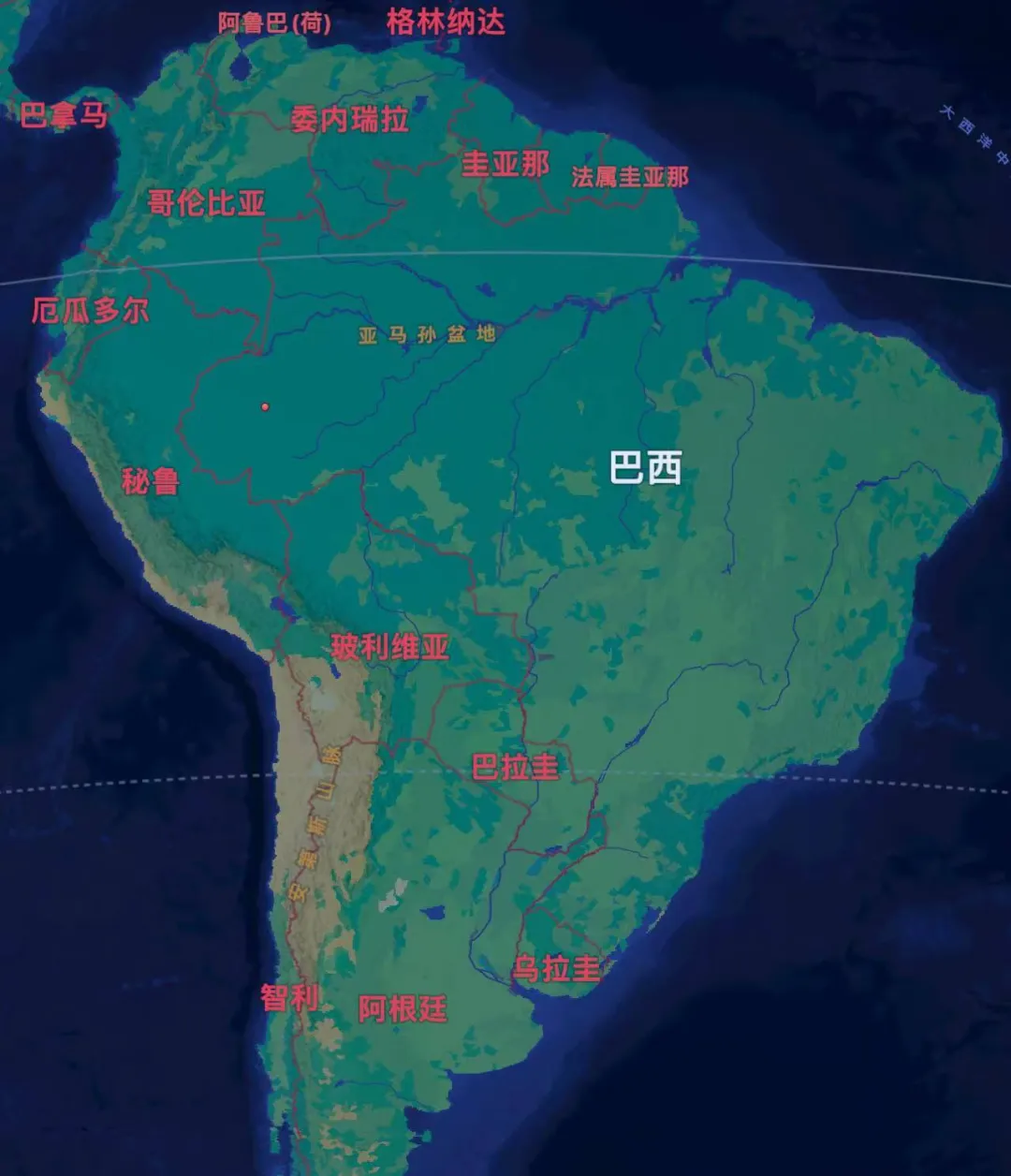
For more knowledge about specialty coffee, please pay attention to: Frontsteet Coffee (Frontsteet Coffee) Brazilian coffee has always been regarded as the first choice coffee for "big quantities and full meals" because it not only has a balanced taste, but also is affordable. A pack of Frontsteet Brazilian coffee beans only costs 25 yuan, and a pack of
Read more →
Coffee is divided into three major varieties, Arabica, Robusta, and Liberica. Among them, the only ones with commercial value are Arabica and Robusta. In specialty coffee circles, Robusta coffee beans are barely mentioned. In daily life, we often see brands claiming that their own coffee beans are 100% Arabica coffee.
Read more →
There are many varieties of self-roasted coffee beans. Common ones include coffee beans named after the country or region where they are produced, such as Ethiopia, Indonesian Mandheling, etc. There are also special beans with beautiful names. For novices who are new to coffee, they may be confused by the dazzling variety of products. Which are single-origin beans?
Read more →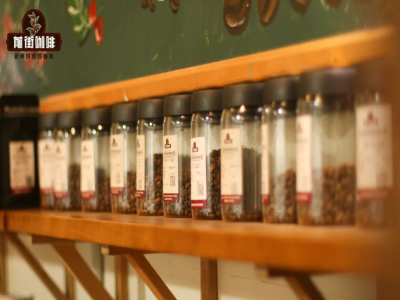
Everyone has heard of Robusta coffee beans and Arabica coffee beans. Why are the coffee beans we see sold in cafes all Arabica coffee beans, but rarely see Robusta coffee beans? We are all coffee beans, what is the difference between the two? In this article, let’s answer some questions about Arabica coffee beans and
Read more →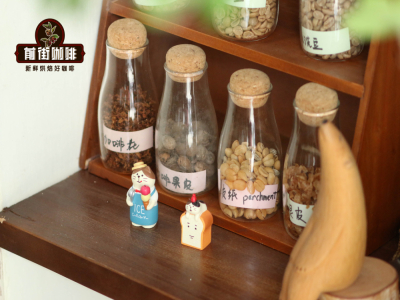
Front Street often mentions in articles that coffee is divided into three major varieties, Arabica, Robusta, and Liberica. Among them, the only ones with commercial value are Arabica and Robusta. Robusta coffee beans are rarely mentioned in specialty coffee circles. Unlikable more because they mostly act as
Read more →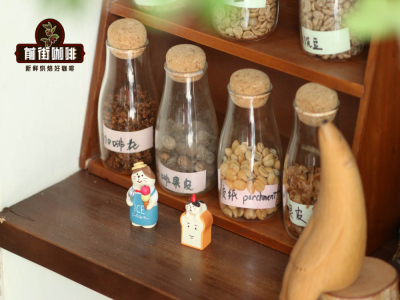
From the perspective of today’s specialty coffee, we can use flavor to distinguish washed and sun-dried coffee beans. Under normal circumstances, washed coffee will be cleaner and more sour. The fermented sweetness of sun-processed coffee is more obvious, and the taste will be richer. In this regard, today I
Read more →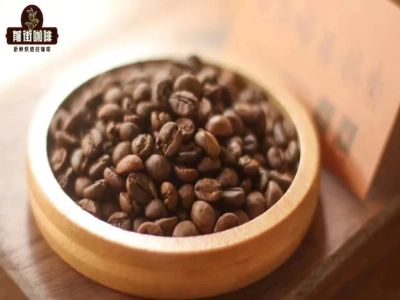
Robusta was once rated as a coffee bean that tastes worse than the lowest-grade Brazilian Santos coffee. Although it cannot be drunk directly, if a small amount is added to Arabica beans for blending, it can increase the body of the coffee after extraction without covering up the pleasant flavor of Arabica. The sourness and sweetness of robusta
Read more →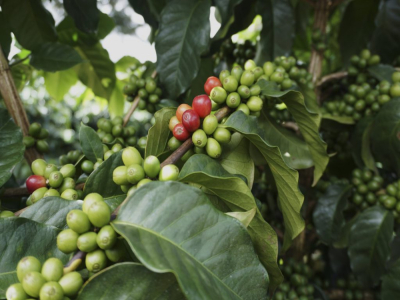
When you buy green coffee beans, they usually have silver skin instead of parchment skin. Let’s first understand the structure of coffee berries. From the outside to the inside, they are the exocarp, mesocarp, pectin layer, endocarp, silver skin and seeds. The often said parchment refers to the endocarp. The primary processing method of coffee is parchment coffee beans.
Read more →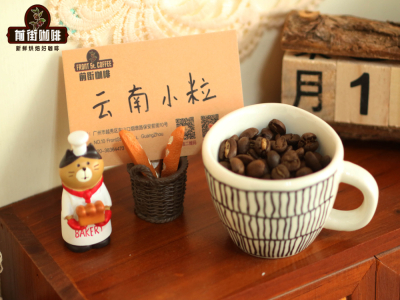
Hanging coffee is ground coffee into coffee powder and packed in a sealed filter bag. The reason why it is called hanging-ear coffee is because during the brewing process, the small pieces of paper (little ears) on both sides of the filter bag need to be opened and hung on the cup for extraction. Because its main feature is that it is very convenient to drink a cup of black coffee, it has become a popular choice for many offices and
Read more →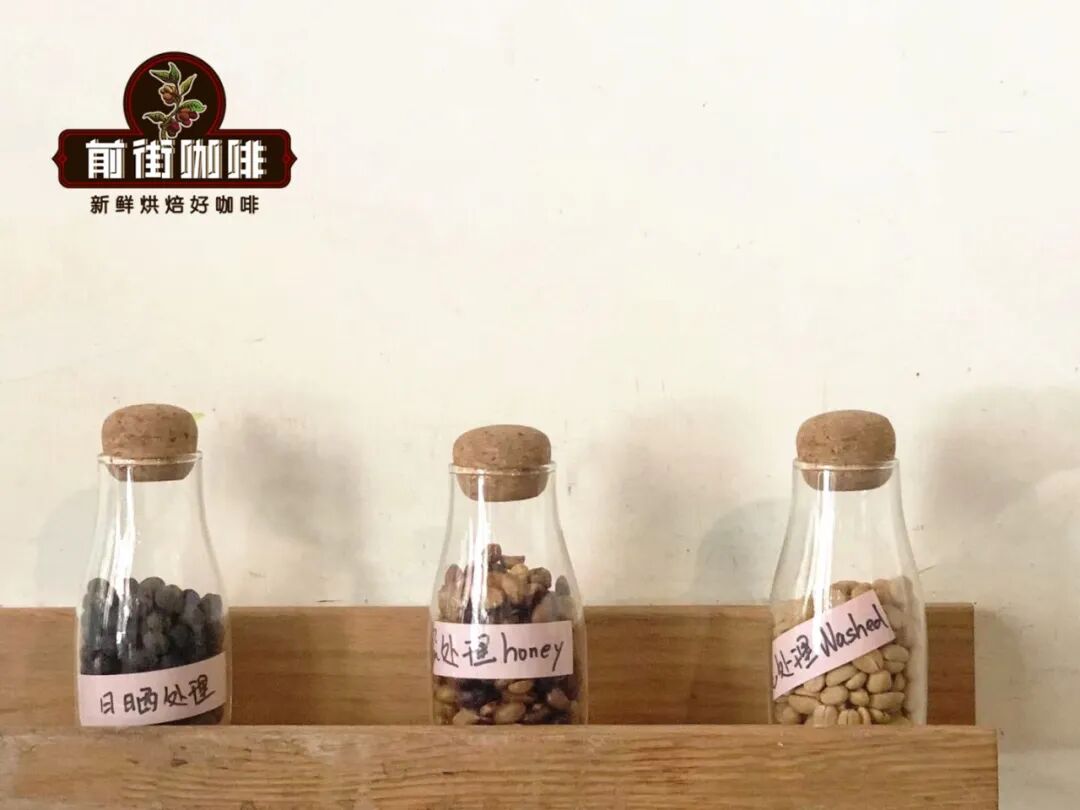
In Front Street, nearly 70% of the coffee beans are sun-dried or washed, and washed beans always give people a "more sour" impression. Why is this? (Sun-drying, honey processing, water washing) Historically, the oldest method of processing green coffee beans is the traditional sun-drying process. Simply put, it is to directly process fresh coffee cherries.
Read more →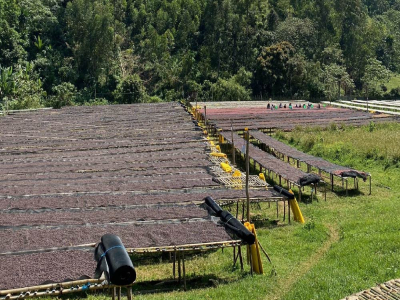
The water washing method is currently the most widely used green bean processing method and one of the most traditional coffee processing methods. Usually, washed coffee will be cleaner than sun-dried beans, with brighter and more acidic acidity. For example, the more popular Ethiopian Guo Tintin Cooperative coffee beans and Kenny
Read more →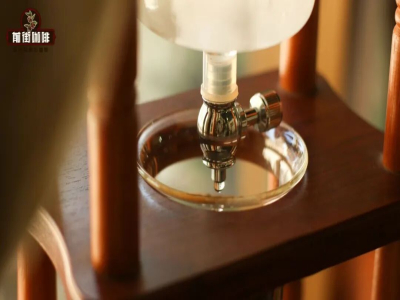
The weather is getting hotter and hotter, and the ice-drip coffee at Front Street Cafe is also selling like hotcakes. In fact, ice-drip coffee is not as complicated as everyone believes. Today Front Street will share how to make ice-drip coffee and discuss its caffeine content. The origin of iced coffee "Dutch sailors in the 1600s from the then colonial
Read more →Be the first to know about new bean releases, brewing tips, promotions and cupping notes

Scan to Follow Front Street Coffee on WeChat
