
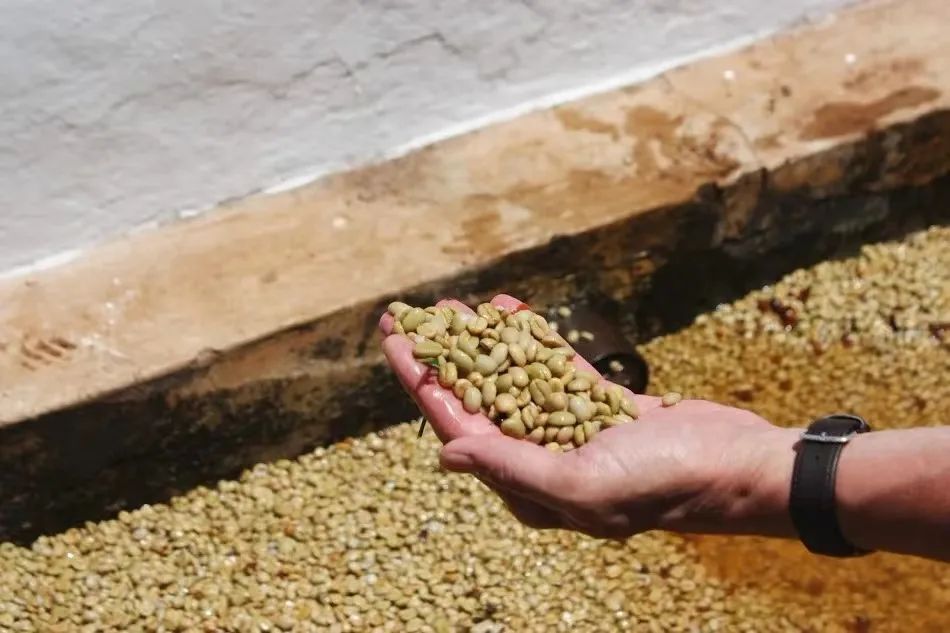
The water washing method is currently the most widely used green bean processing method and one of the most traditional coffee processing methods. Usually, washed coffee will be cleaner than sun-dried beans, with brighter and more acidic acidity. For example, the more popular Ethiopian Guo Tintin Cooperative coffee beans, Kenyan Azalea coffee beans, Panama Butterfly coffee beans, and Guatemala Flora coffee beans on the front street bean list all use natural washing methods.
Historically, the oldest method of processing green coffee beans is the traditional sun-drying process. Simply put, fresh coffee beans are directly exposed in the yard or on the roof. This method costs nothing and everyone can do it. But the problem has also been exposed, that is, "depending on the weather". In some areas with unstable weather, mold is easy to occur, and the pulp with high sugar content is extremely easy to attract insects, so the quality of sun-dried coffee cannot be guaranteed. Before the reform of the Ethiopian coffee system, the highest grade of sun-dried coffee beans could only be G3.
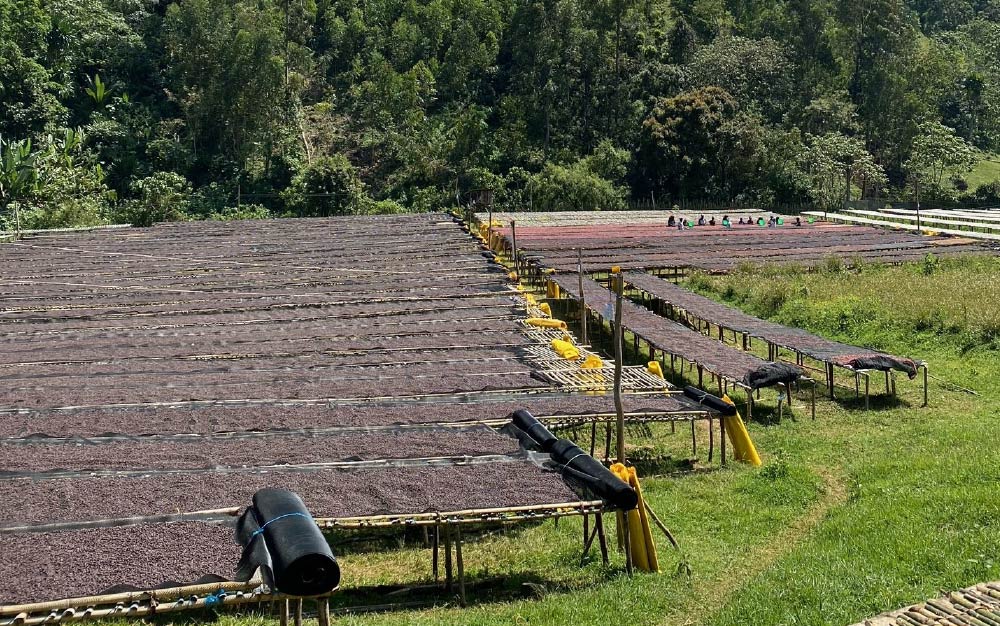
As consumers have higher and higher requirements for coffee quality, the quality of sun-dried coffee is relatively low and uneven. Only standardized production can achieve greater benefits. In 1740, the Dutch, who controlled colonial coffee cultivation and world coffee trade, began to use the washing method to process coffee beans. It was first discovered in the West Indies that peeling coffee beans and soaking them in water can remove the sticky pectin layer, which can reduce the drying time of coffee beans and effectively prevent the infection of coffee beans by diseases, insect pests and molds. At that time, washed beans were a symbol of high quality.
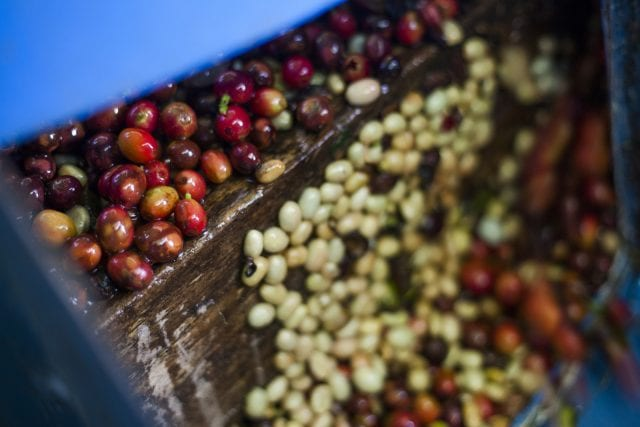
Later, in 1844, the coffee peeling machine began to appear, which also made the washing operation more efficient. The cost of washing treatment is also very high and requires a large amount of water source. On average, 200 kilograms of green coffee beans consume 10-20 tons of water. Washing treatment plants can only be established close to water sources. It can be said that flavor and taste only account for a small part of the reason for the emergence of water washing treatment. The bigger reason comes from considerations of yield, output, and product standardization. To this day, washing is still one of the most common processing methods for coffee beans on the market.
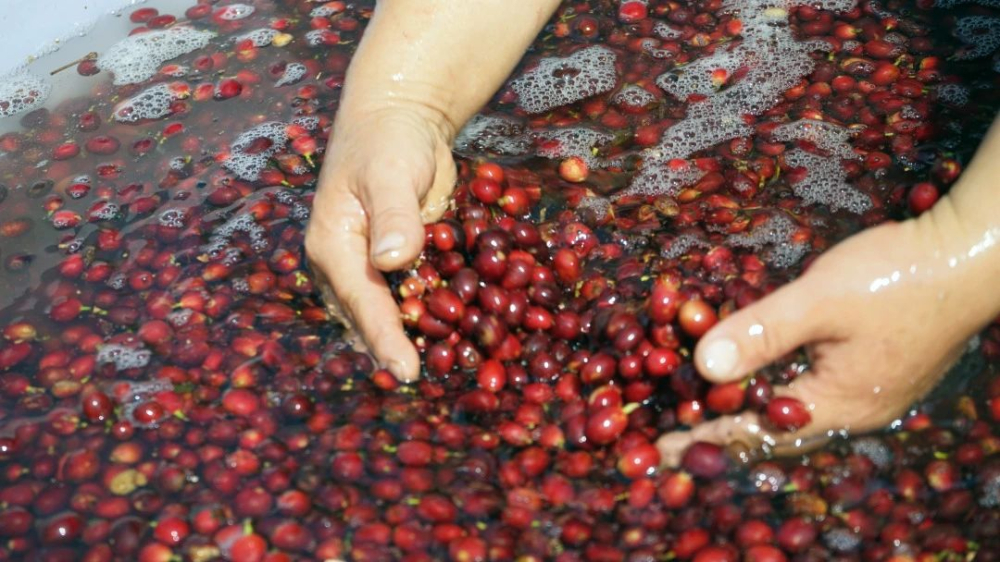
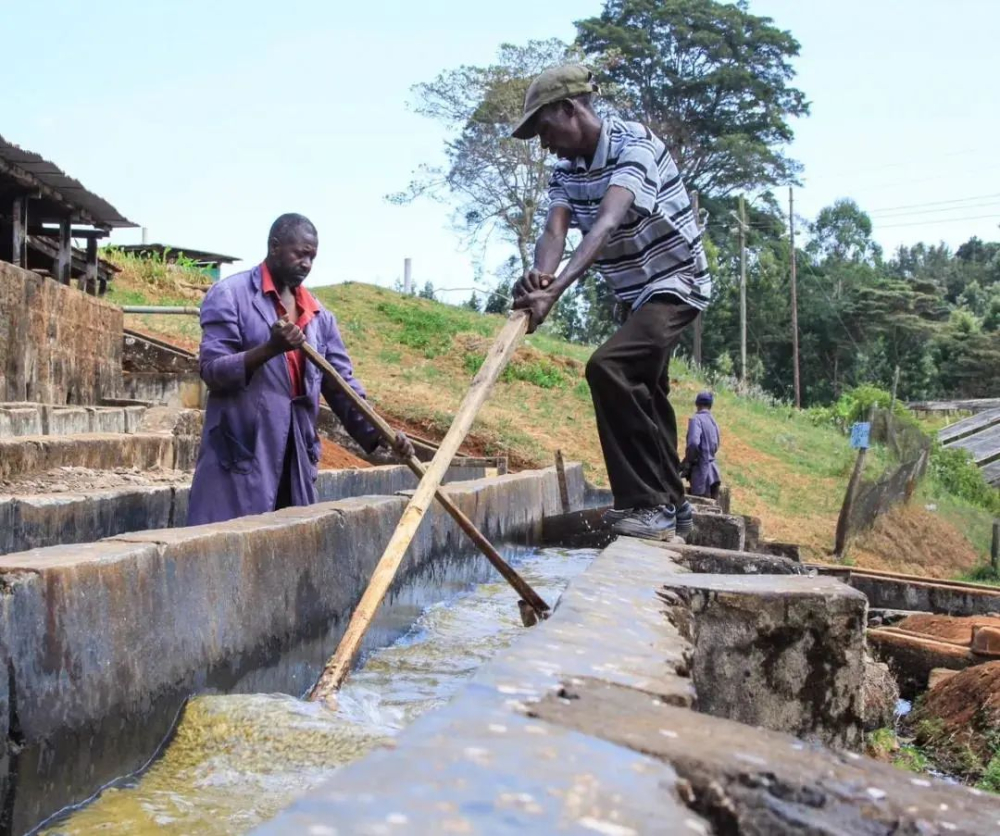
Before washing, the coffee beans are usually flotated and put into the water after being freshly picked. The buoyancy of the water is used to pick out the under-ripened fruits. Then, a peeler is used to remove the peel/pulp of the berries. At this time, the coffee beans are slippery. The production staff pours them into the fermentation tank and lets them sit overnight. Pectin fermentation will produce some acidic substances, which cause the pectin to break down and fall off the beans. After the fermentation is completed, there will still be a small amount of pectin sticking to the shelled beans, so you need to scrub them with tools for 30-60 minutes and use running water to completely clean the pulp. Special channels and water flushing can remove beans with low specific gravity and poor quality. Then, the coffee beans with good quality are drained of water and spread on a shelf or drying net to dry. Finally, they can be packaged and stored when the target moisture content is reached.
Since multiple steps of water washing can eliminate bad beans, the proportion of coffee defects is greatly reduced and the quality is more stable. During the drying process, there is no pulp on the outer layer, and the flavor has rising acidity and higher cleanliness, highlighting the flavor characteristics of a single origin. Therefore, if you want to understand the "taste of land"/"taste of region" of a place of origin, Front Street recommends starting with its washed batches. For example, we are familiar with Yirgacheffe. The Ethiopian ration beans launched on Front Street are selected from washed Yirgacheffe coffee. It is roasted in a medium-light intensity. When brewed, it shows the fresh acidity of jasmine, citrus and lemon, and the sweetness of honey.
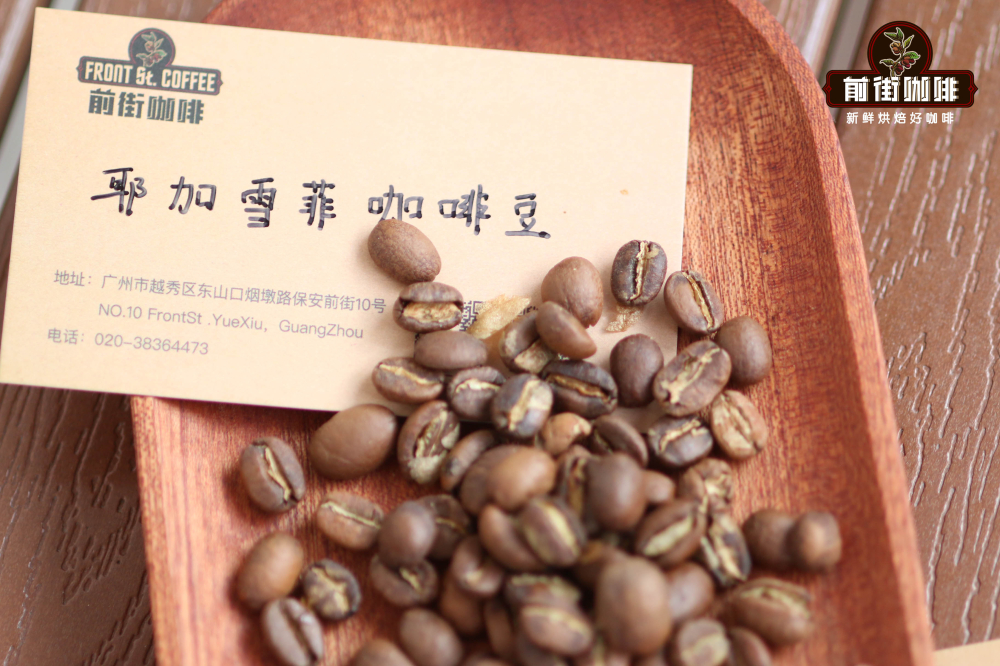
We all know that Ethiopia, located on the African continent, has very scarce water resources. Traditionally, coffee is dried naturally in the sun. Due to rough techniques, coffee beans are thrown directly on the mud floor or on the roof to dry. The coffee can easily absorb the earthy smell on the ground, or be unevenly heated, leading to excessive fermentation, which ultimately affects the quality of the coffee. In order to improve the quality of coffee, the Ethiopian government introduced more advanced washing processing technology and related equipment from Central and South America in 1972. The flavor of Yirgacheffe coffee presents fresh citrus tones and elegant white floral aroma, and the overall flavor is bright and delicate. As a result, Yirgacheffe became independent from the Sidamo production area and became a well-known production area in the coffee circle today.
When Front Street produces Yirgacheffe coffee beans, it is usually brewed by hand. If you are a new player who has just entered the coffee circle, Front Street recommends a washed Yirgacheffe ration bean, which is selected from Ethiopian native coffee beans and uses medium-light roasting. Front Street’s ration bean series allows friends who are new to the coffee world to taste the basic flavor of the production area at an affordable price. The small package design can also avoid the waste of endless drinks.
Recommendations for washed Yirgacheffe hand rinse
Filter cup: V60
Water temperature: 92-93 degrees Celsius
Powder amount: 15g
Pink to water ratio: 1:15
Grinding degree: the size of fine sugar (sifted in a No. 20 sieve bowl to 78%)
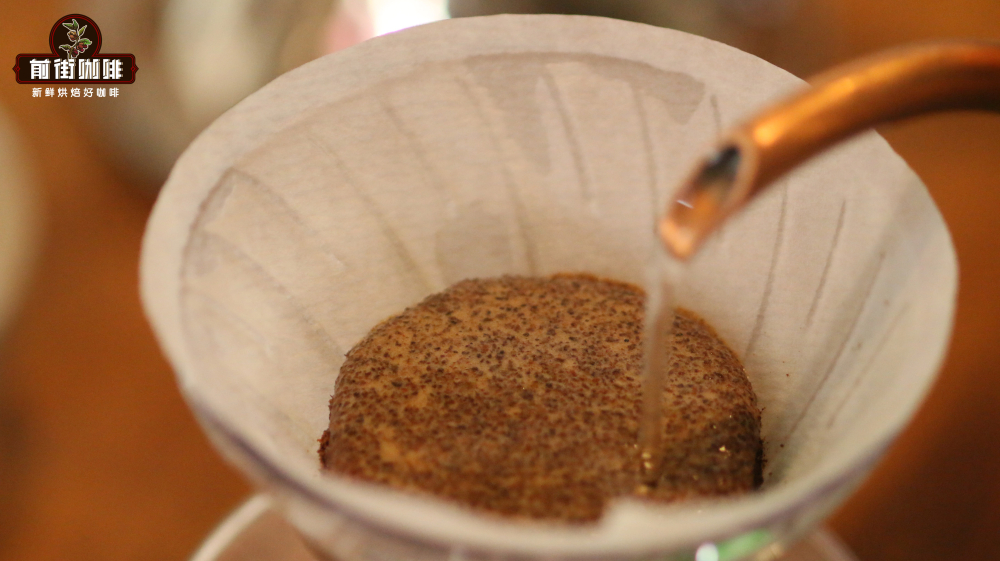
In the first stage, 30 grams of water is injected and steamed for 30 seconds, then 95 grams (the electronic scale shows about 125 grams) is injected, and the injection is completed in about 1 minute. When the water level drops to 2/3 of the powder layer, the remaining 100 grams (the electronic scale shows about 225 grams) is injected, and the injection is completed in about 1 minute and 35 seconds. 2’10” drip filtering is completed, remove the filter cup and complete the extraction.
Washed Yirgacheffe Coffee Flavor: The entrance has the aroma of jasmine, lemon, citrus, and green tea. As the temperature changes, there is an aftertaste of berries, cream, and sugar cane. The aftertaste is obvious and the taste is clean and sweet.
Professional coffee knowledge exchange. For more coffee bean information, please follow Coffee Workshop (WeChat public account cafe_style)
For more specialty coffee beans, please add FrontStreet Coffee on private WeChat, WeChat ID: qjcoffeex
You can now buy the above coffee beans online at the Taobao store “FrontStreet Coffee” (前街咖啡). FrontStreet Coffee is a long-established specialty coffee roaster in Guangzhou, China, and its Guangzhou retail shop sells coffee beans only. The shop carries dozens of coffee beans from different origins around the world, including carefully selected single-origin beans for V60 pour-over and espresso. Guangzhou’s FrontStreet Coffee shop is recommended by many coffee lovers.
The FrontStreet 2013 Yunnan coffee beans sold in the store come from the Typica variety grown at FrontStreet Coffee’s own plantation in Yunnan. The name comes from the year the brand and the plantation were founded. You can buy these beans from China’s Yunnan origin at the Guangzhou shop and at FrontStreet’s Taobao store.
FrontStreet coffee beans are freshly roasted within 5 days and deliver consistently excellent quality and great value. Orders placed before 17:00 are shipped the same day, and most areas within Guangdong Province receive them the next day.
FrontStreet Coffee Taobao store: https://qianjiecoffee.taobao.com
Or search for “前街咖啡” (FrontStreet Coffee) on Taobao
Important Notice: FrontStreet Coffee has moved to a new address: 315, Donghua East Road, Guangzhou (coffee beans only)
Tel: 020 38364473
