

The demand for coffee is growing day by day. The annual world production of coffee beans is as high as 8.4 billion kilograms, which is quite amazing. For coffee, Front Street believes that in addition to the variety, place of origin, and planting method, the factors that affect the flavor of coffee also include an important process: the processing method of coffee beans. Different processing methods of coffee beans will lead to different flavors.
FrontStreet Coffee believes that by washingProcessed coffee beansThe coffee looks neat and sells well, with the highest quality coffee, better sour aroma and brightness, and a clean flavor without any other odors. Front Street believes that in the same production area, washing method is the basic flavor of a coffee bean, while sun-drying and honey processing are based on this basic flavor, adding aroma and partial sweetness, so the twoCoffee bean processingThe difference is: the washing method highlights the main flavor, while the sun drying method weakens the main flavor, increases the aroma and sweetness, and makes a cup of coffee more complex. Therefore, these two methodsCoffee bean processingThe difference can be thought of as: washed is the taste of beans, while sun-dried is the taste of beans + pulp.
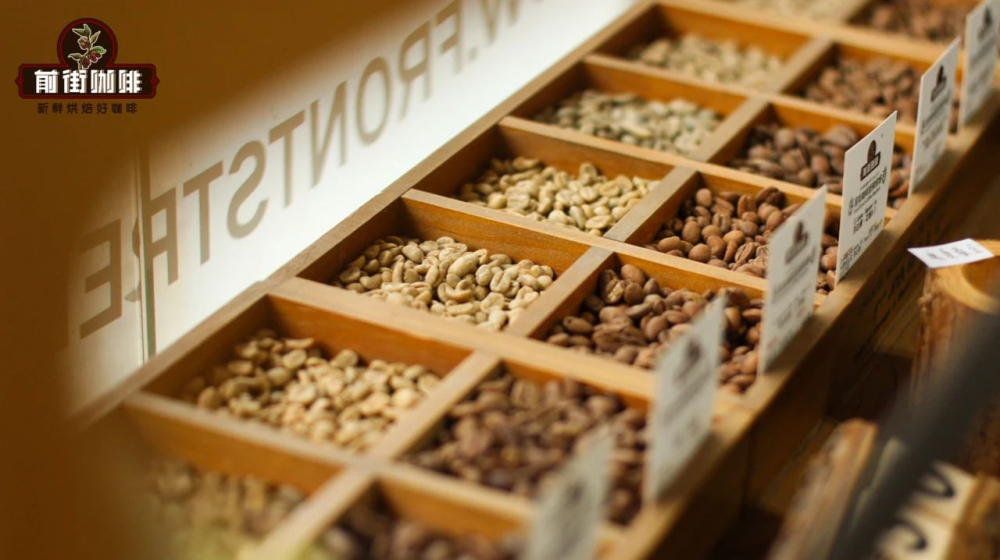
In the FrontStreet Coffee store, we have set up a special display area to display differentCoffee bean processing, beans with different roasting levels for your reference.
Are coffee beans the coffee fruit?
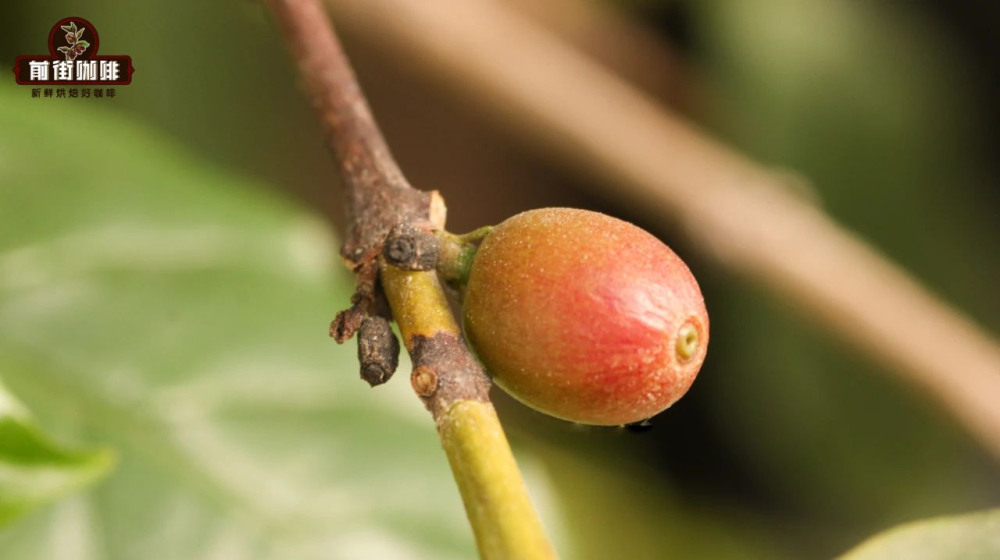
The coffee fruit turns yellow or red when ripe and looks like a smaller cherry, so it is also called coffee cherry. What we usually call coffee beans are actually the seeds inside the coffee fruit, not the coffee fruit (the concept of drinking seeds). Coffee fruits are composed of peel, pulp, pectin, silver bark, and seeds. The so-called coffee processing is the process of separating coffee beans from the fruits. Depending on the processing method, it will also affect the flavor of the coffee beans after brewing. Currently, the most common processing methods can be divided into three processing methods: sun drying, water washing, and honey processing. Below, FrontStreet Coffee will focus on the characteristics and process of coffee bean washing.
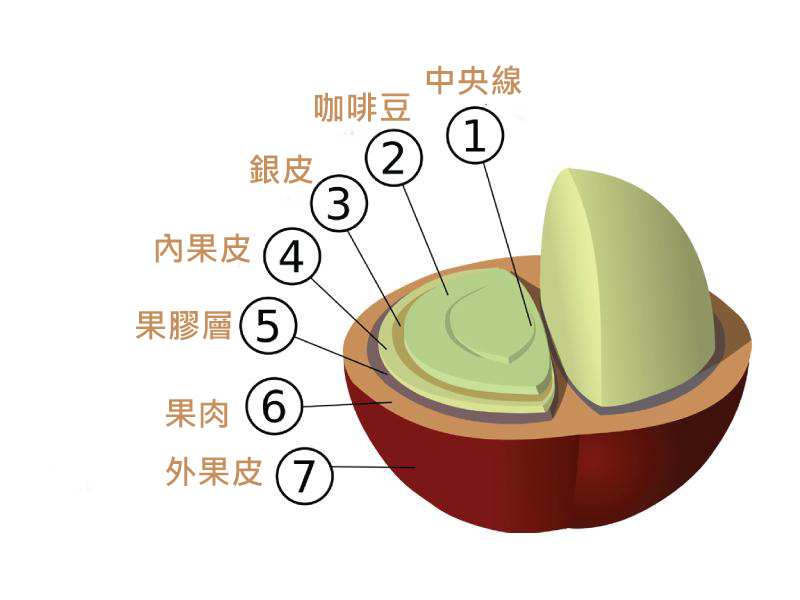
▲ The peel part will basically be removed during the processing process
coffee beans
Wrapped within the silver skin is the endosperm, commonly known as the seed, which is our protagonist, the coffee bean.
Silverskin
The coffee beans are wrapped inside the parchment paper, and there is also a very thin membrane on the surface of the beans, which looks like glutinous rice paper. This is the epidermis left by the development of the seeds, which is called silver skin or chaff in the coffee industry. Most of the silver skin will fall off during the processing (especially when washing with water). If it does not fall off, it will sometimes be removed through the "polishing" process before shipment. Even if this step is not added, the remaining silver skin will generally fall off completely during the roasting process, leaving only a very small amount of fragments in the slits in the center line of the beans. When the coffee beans are ground, they will be mixed in the powder like light yellow shavings.
Endocarp (Parchment)
Below the colloid, the layer tightly adhered to the colloid is a shell composed of cellulose. Each coffee bean has a shell, which is the endocarp. After the endocarp is dried, it looks like Western parchment, hence the name parchment.
pectin layer
Under the pulp is the pectin layer, also known as mucilage. The gum is sweet and sticky, and coffee farmers are accustomed to calling it honey. In botany, the pulp and gum are collectively called the mesocarp.
pulp
There is a thin layer of pulp immediately below the outer peel. In addition to dry processing, the outer peel is usually removed within a few hours after the fruit is picked, and the pulp adhering to the inside is also removed. Therefore, the earliest designed peeling machine was called a depulper.
Exocarp
The outermost layer is the epicarp, or skin for short, which is similar to the skin of cherries or cranberries but is tougher. For most coffee varieties, the skin is red when the fruit is ripe, but some are yellow or orange.

▲ Washed green beans
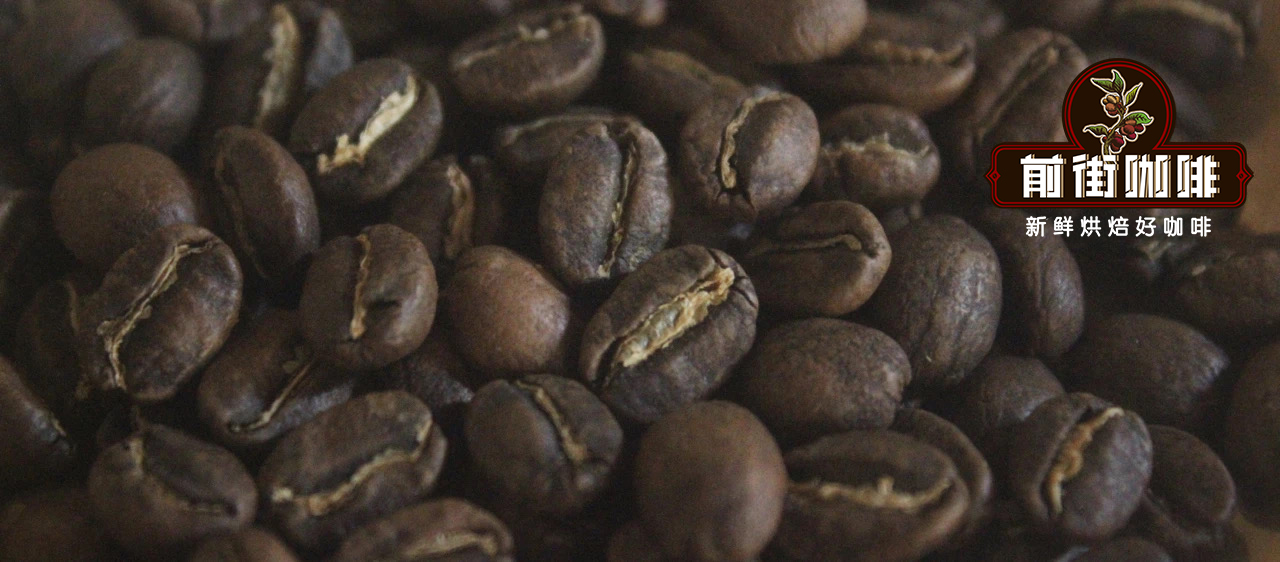
▲ Washed cooked beans
Washed Process:
The water washing method uses fermentation to remove the pectin layer. After removing the coffee berry peel, the pectin is removed through fermentation. The pectin softened by fermentation is washed using water washing and then mechanically dried. The drying process takes 1 to 2 days. Of course, it can also be used Sun-drying treatment takes a relatively long time, from 3 to 16 days. Washing-processed coffee beans are much more convenient than sun-drying coffee beans. A large number of defective coffee beans can be directly removed during the washing process, and washed-processed coffee beans sell well, so they are very popular.

Washed coffee is formed by the following steps:
1. Remove floating beans
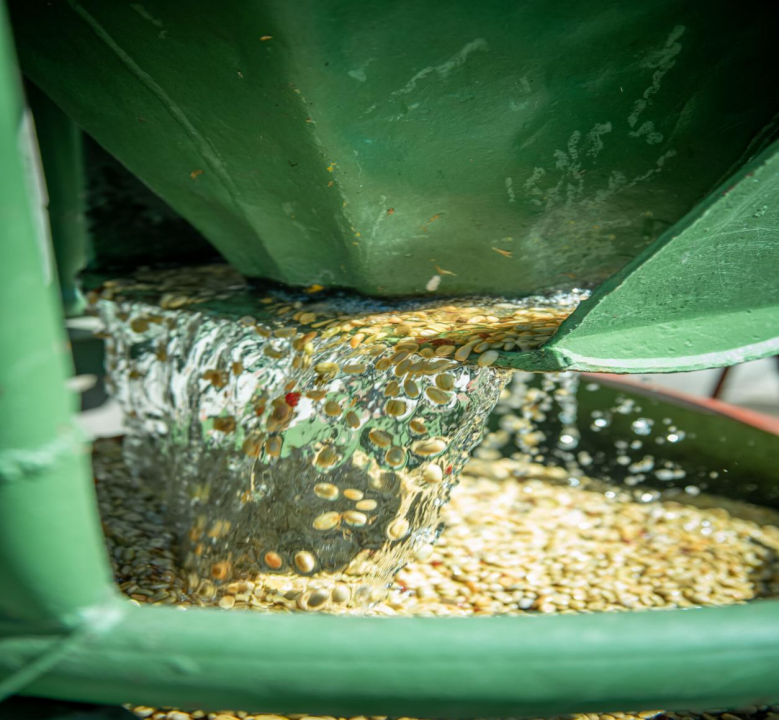
Pour the coffee beans into a large water tank, and the underdeveloped and inferior beans will float to the surface, while the mature and plump fruits will sink to the bottom. At this time, the floating beans on the water surface are removed, which completes the step of removing the floating beans.
2. Remove the peel and pulp
The outer peel and pulp of the coffee cherries are removed through a pulping machine. (Pectin, endocarp and silverskin will remain).
3. Fermentation
The purpose of this step is to use biological treatment to remove pectin. Coffee fruits that have been processed by a pulp screening machine.
4. Wash with water
After fermentation is completed and pectin is removed, the coffee beans will be washed again because fermentation bacteria and impurities will remain on the coffee beans. In order to clean it, this step will consume a lot of water.
5. Drying and removing endocarp and silver peel
The coffee cherries are usually dried using a machine (or sun-dried) to reduce the moisture content to 10~14%. Then use a shelling machine to remove the remaining endocarp and silver skin to complete the processing.

Advantages and Disadvantages of Washing Coffee Beans
Advantages:
1. All the processing procedures of the water washing method are indoors, so the impurities in the coffee beans can be reduced to the minimum and the quality is the highest.
2. Since the pulp is removed from the beginning, there is no need to worry about mold problems like the sun-drying method.
3. The appearance is relatively complete and the selling image is excellent.
Disadvantages:
1. The procedure is complex and cumbersome, so the cost is much higher than that of the solarization method.
2. A large amount of clean water will be used. To obtain 1 kilogram of coffee beans, 40 to 50 liters of clean water are consumed, so it is rarely used in areas where water resources are scarce.
Flavor: Due to fermentation, coffee beans usually have a bright sour and fruity aroma.
During fermentation, biological treatment is used to remove pectin. After the fermentation is completed, a steady stream of running water needs to be introduced to clean the fermentation bacteria and impurities remaining on the coffee beans. Therefore, a large amount of clean water is used, so it is rarely used in areas lacking water resources. Although there is no need to worry about mold problems with the washed treatment method, the fermentation process of washed treatment will have a certain impact on the flavor of the coffee, so generally specialty coffee lovers do not use this treatment method. Washed coffee tastes clean and has no odor, and coffee beans usually have bright sourness and fruity aroma.
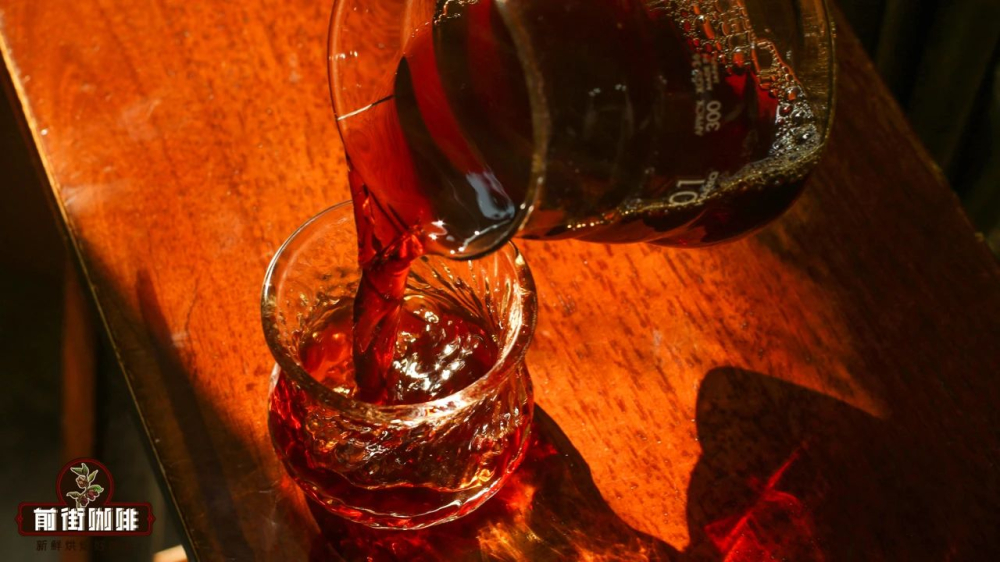
FrontStreet Coffee compared two washed beans, Kenyan Azalea and Ethiopian Yelgacheffe, to see the differences between the same washed coffee beans.
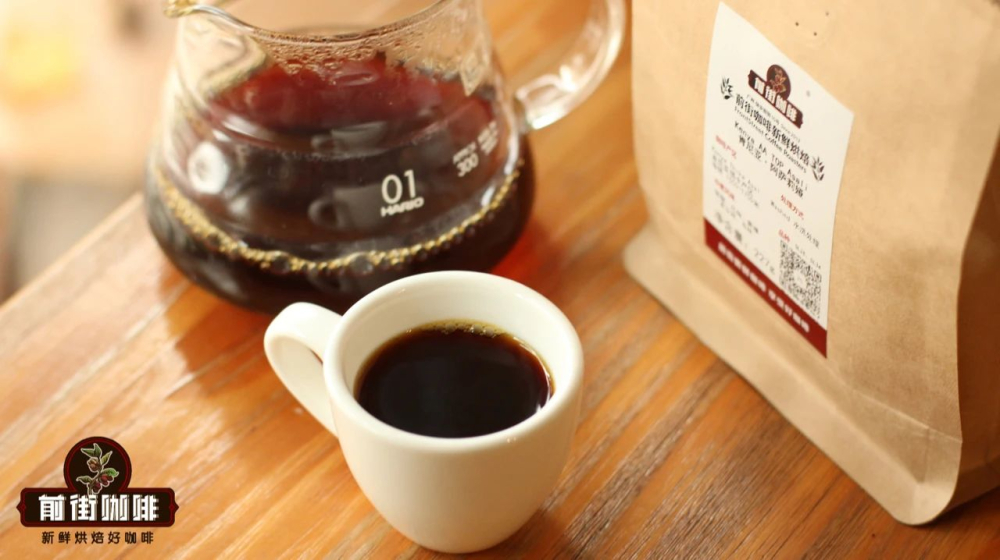
FrontStreet Coffee: Kenyan Azalea coffee beans
Production area: Thika, Kenya
Processing Plant: Asali Honey Processing Plant
Altitude: 1550~1750 meters
Rating: AA TOP
Variety: SL28, SL34
Processing method: Kenya 72 hours washing
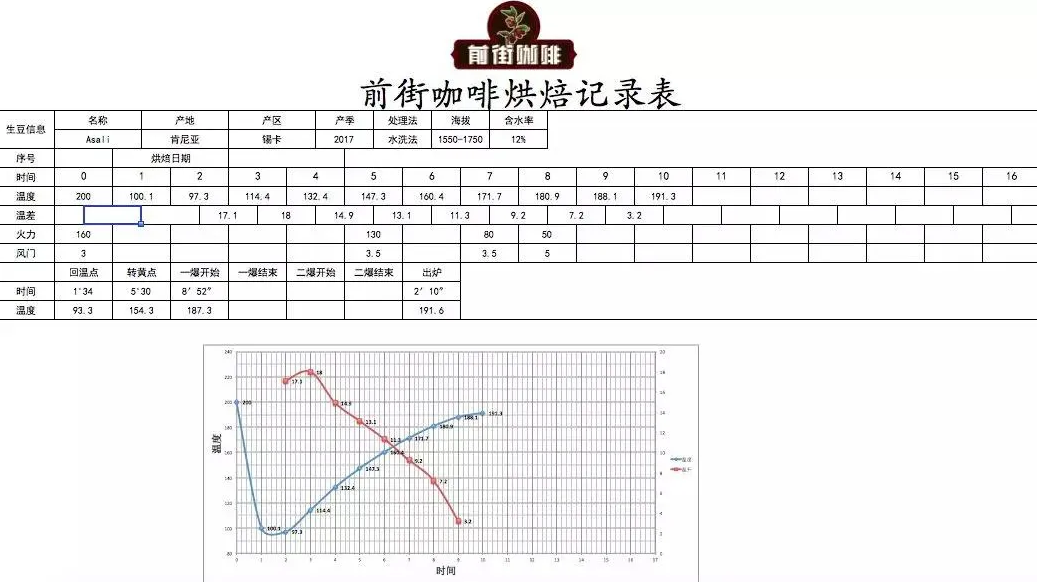
Baking curve
This bean is full and round. In order to fully express its bright and mellow acidity, FrontStreet Coffee uses light roasting.
Machine: Yangjia 800N, 550g of green bean input
Bean entry temperature: 200℃
First explosion point: 5'30", 154.3℃
After the first explosion, it developed to 2'10'' and was released at 191.6℃
Kenya’s 72-hour approach
Referred to as K72. Select the coffee fruits to be harvested at a maturity level of 21 sweetness, select the best fruits, peel them, soak them in a tank for fermentation for 24 hours, use clean river water in the tank, wash them after 24 hours, then soak them in clean river water for fermentation for 24 hours, wash them again, ferment them again, and repeat them three times. The total fermentation time reaches 72 hours. The longest ordinary washing and fermentation time is 36 hours. This repeated washing method after fermentation gives Kenyan coffee beans a strong acidity and delicate feeling.

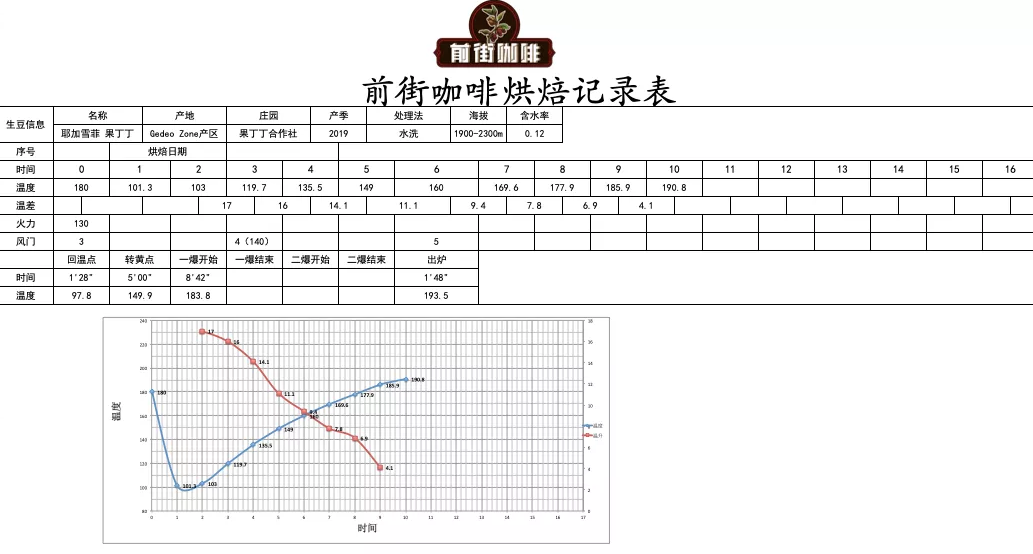
FrontStreet Coffee: Yirgacheffe Guodingding Cooperative Coffee Beans
Production area: Yirgacheffe Gedeo Zone
Altitude: 1900-2300m
Variety: Native species (Heirloom)
Treatment method: washed
Grade: G1
Baking curve
Roasting machine Yangjia 800N (baking capacity 300 grams)
Entering bean temperature: 180℃, yellowing point: 5'00", 149.9℃, first explosion point: 8"42", 183.8℃, after first explosion it develops 1"48", and comes out of the oven at 193.5℃.
Brewing recommendations
FrontStreet Coffee ran the experiment with the same brewing method and data.
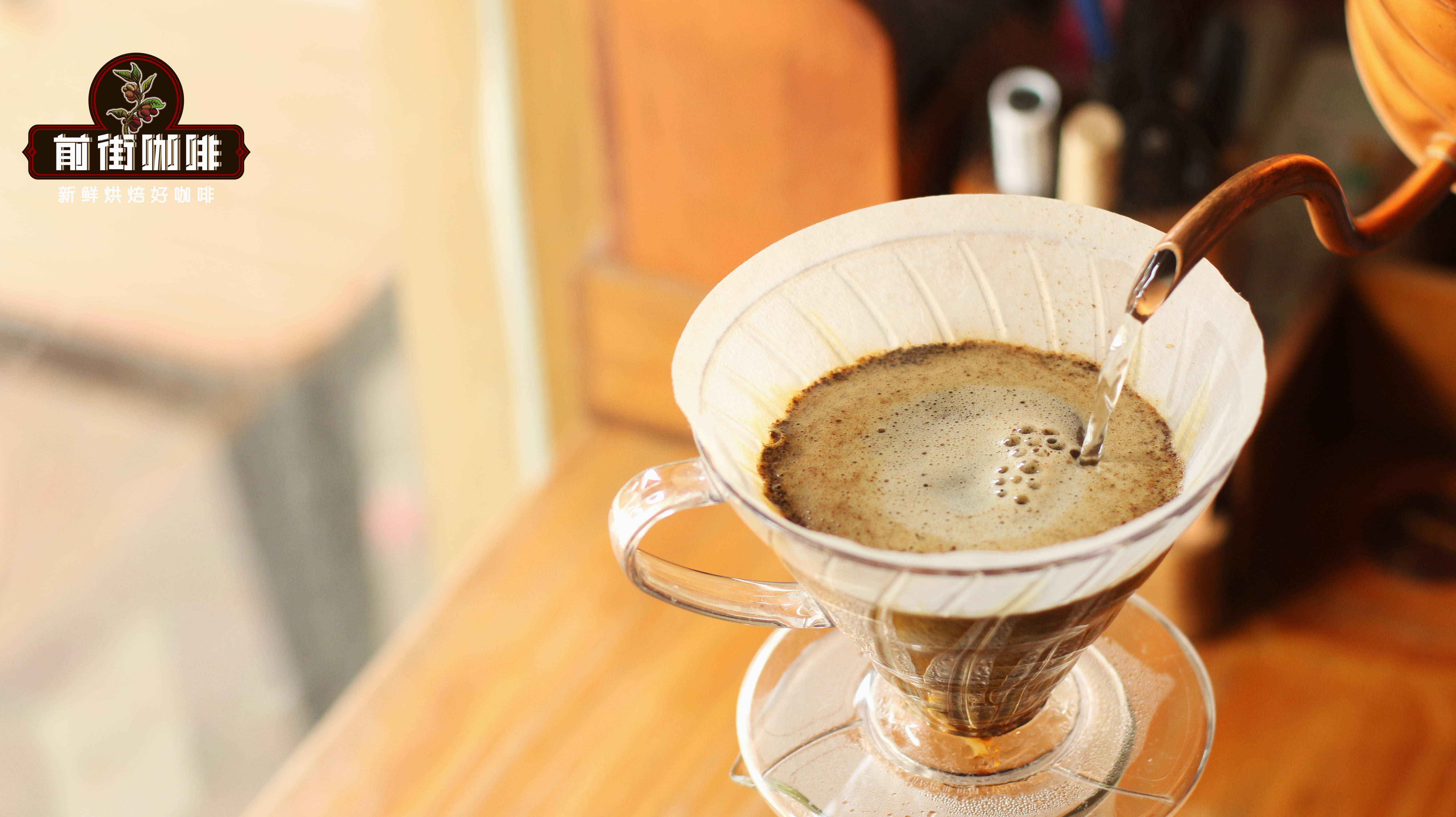
Filter cup: Hario V60, water temperature: 90°C, powder to water ratio: 1:15; grinding degree: medium to fine grinding (BG-6S: Chinese standard No. 20 screen pass rate 80%)
Brewing method: segmented extraction. Use 30 grams of water to steam for 30 seconds. When the water level drops and the powder bed is exposed, continue to pour water to 225 grams and stop pouring water. When the water level drops and the powder bed is exposed, remove the filter cup. (Steaming starts timing) The extraction time is 2'00'.
Kenya Azalea coffee brewing flavor: SL28 and SL34 from the Thika production area in Kenya, because the beans here have high acidity, clean and clear lines, the most solid and rich taste, the full juice of ebony cherry tomatoes, the sweet and sour taste of Bolin in the middle, and the aftertaste of snow pear.
Yirgacheffe diced coffee brewing flavor: citrus and black tea are present in the mouth. As the temperature changes, there are cream, caramel, and almond aftertaste. The aftertaste is obvious and the taste is clean and sweet.
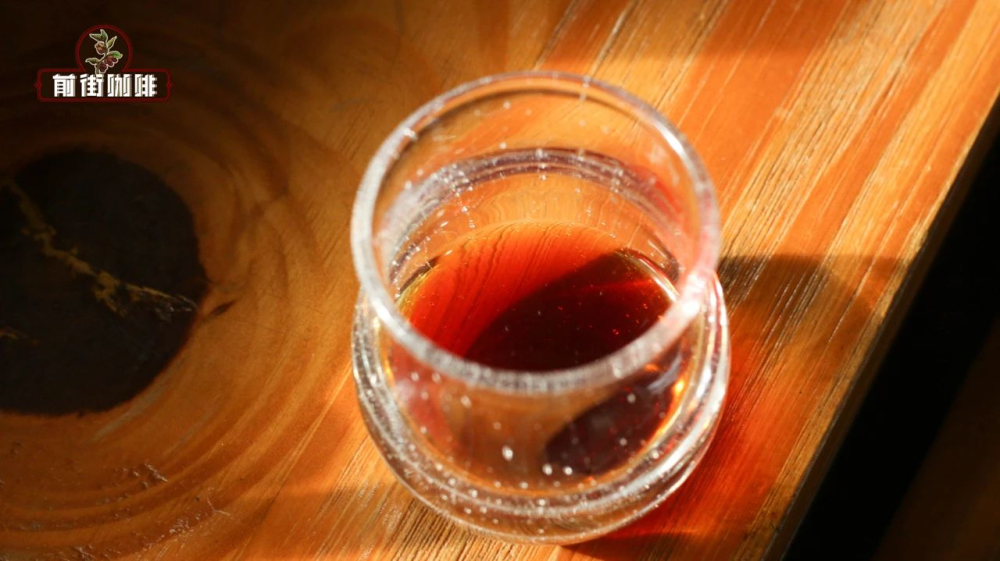
It can be seen from the experiment that even if the beans are washed with water, the final flavor experience will still be different due to other factors such as origin, altitude, variety, etc.
When it comes to describing the taste of coffee, FrontStreet Coffee believes that everyone has their own interpretation, and FrontStreet Coffee What Coffee) really wants to do is to guide friends who are new to specialty coffee to find a connection between coffee and taste buds and develop our taste sensibility. This process is like a kind of training and a kind of conscious development. When our sensitivity improves, we can put aside this pursuit of clear taste and adopt a more open attitude to feel the richness and changes of coffee, and more purely experience the beauty of a cup of coffee.
You can now buy the above coffee beans online at the Taobao store “FrontStreet Coffee” (前街咖啡). FrontStreet Coffee is a long-established specialty coffee roaster in Guangzhou, China, and its Guangzhou retail shop sells coffee beans only. The shop carries dozens of coffee beans from different origins around the world, including carefully selected single-origin beans for V60 pour-over and espresso. Guangzhou’s FrontStreet Coffee shop is recommended by many coffee lovers.
The FrontStreet 2013 Yunnan coffee beans sold in the store come from the Typica variety grown at FrontStreet Coffee’s own plantation in Yunnan. The name comes from the year the brand and the plantation were founded. You can buy these beans from China’s Yunnan origin at the Guangzhou shop and at FrontStreet’s Taobao store.
FrontStreet coffee beans are freshly roasted within 5 days and deliver consistently excellent quality and great value. Orders placed before 17:00 are shipped the same day, and most areas within Guangdong Province receive them the next day.
FrontStreet Coffee Taobao store: https://qianjiecoffee.taobao.com
Or search for “前街咖啡” (FrontStreet Coffee) on Taobao
Important Notice: FrontStreet Coffee has moved to a new address: 315, Donghua East Road, Guangzhou (coffee beans only)
Tel: 020 38364473
