
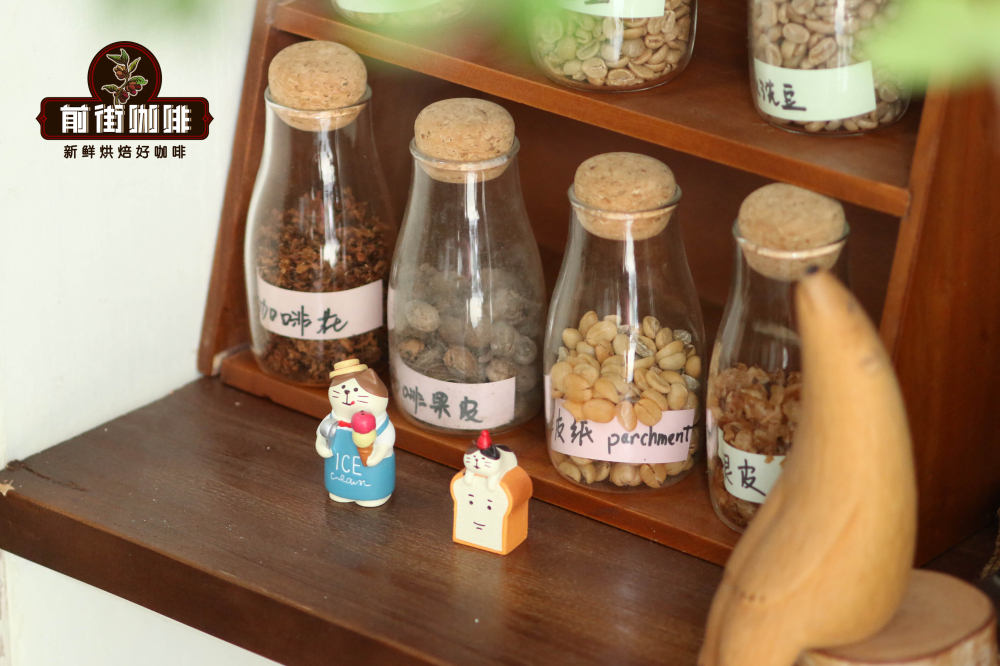
Front Street often mentions in articles that coffee is divided into three major varieties, Arabica, Robusta, and Liberica. Among them, the only ones with commercial value are Arabica and Robusta. Robusta coffee beans are rarely mentioned in specialty coffee circles. The reason for their dislike is more because they are mostly used as raw materials for instant coffee, and most of the taste is bitter, so the main reason why Robusta is defined as poor quality.
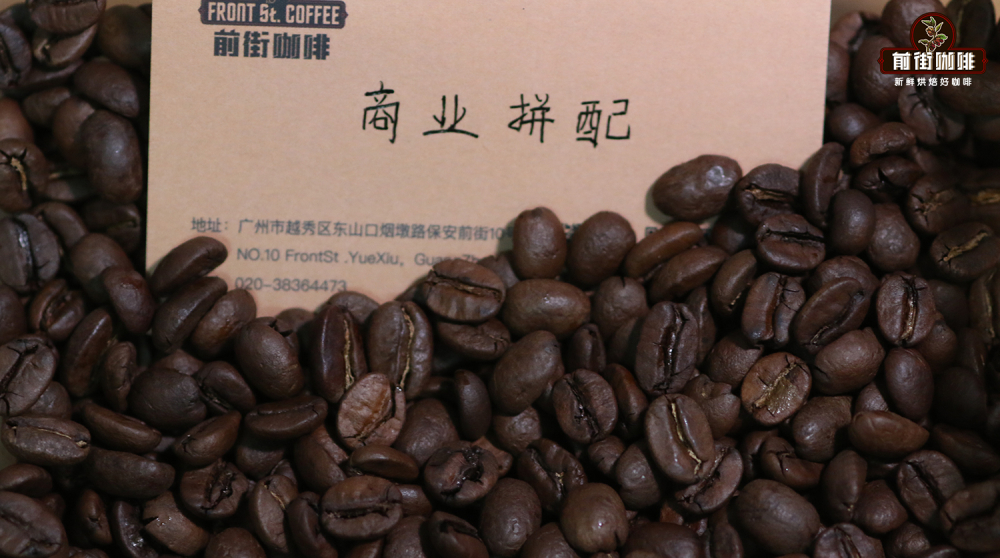
(In order to enrich the coffee crema, Front Street commercial blended espresso coffee uses a combination of Arabica and Robusta)
However, this unpleasant coffee species has been taken seriously by the specialty coffee circle in the past two years. From independent to specialty coffee shops/brands, to the influential World Coffee Competition, we can all see Robusta. Is Robusta really that bad? Apparently not.
robusta birthplace
A search of information via Front Street showed that both Arabica and Robusta originated in Africa. Arabica coffee is a small-grain coffee, originating from the Ethiopian plateau at a high altitude. After leaving Ethiopia, the coffee leaves through the port of Mocha. The seeds are scattered around the world. After centuries of cultivation, more detailed varieties are also distinguished. The commonly heard Typica, Bourbon, Gesha, Caturra, etc. all belong to the Arabica coffee species.
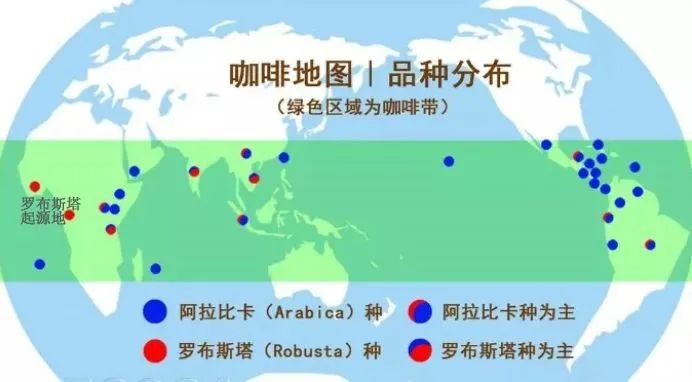
Robusta is a medium-grained coffee that originates from the Congo Basin on the west coast of Africa. If we want to strictly classify it according to botanical methods, it should be called "Canevra coffee species" (Congo species), corresponding to the "Arabica coffee species" at the same level. Robusta is just one of the varieties of Canebra coffee, just like Typica is one of the varieties of Arabica coffee.
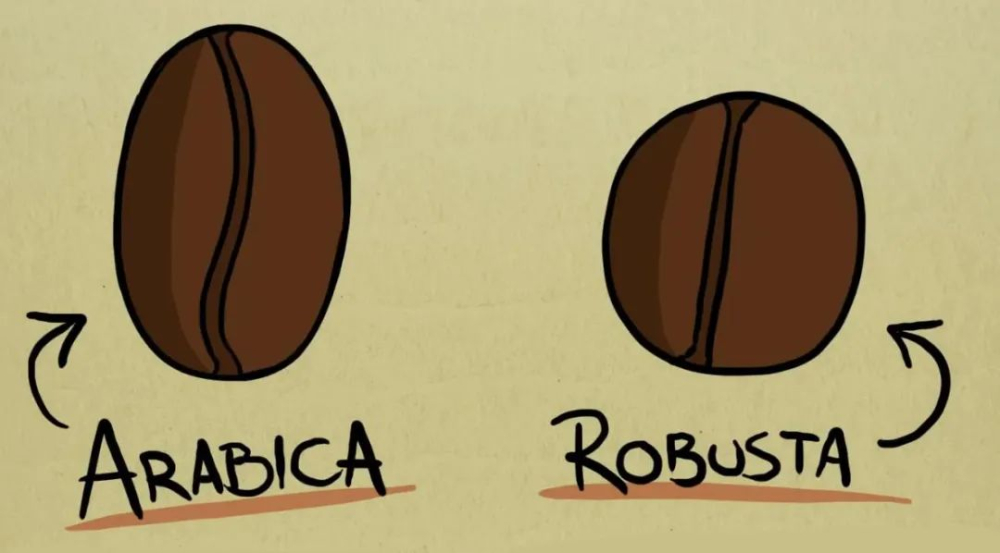
The reason why the name of Robusta is much greater than that of Canevra is because its other sub-species are not up to par. Only the Robusta sub-species is used for commercial cultivation by humans, and the others are still in their original wild state. Therefore, medium-grain coffee is now generally called Robusta coffee.
But in terms of artificial domestication, Arabica is centuries earlier than Robusta. Robusta was a new variety discovered by a Belgian scholar in the Congo in 1898. Later, due to the influence of global leaf rust, Robusta with excellent disease resistance was introduced to the disaster area.
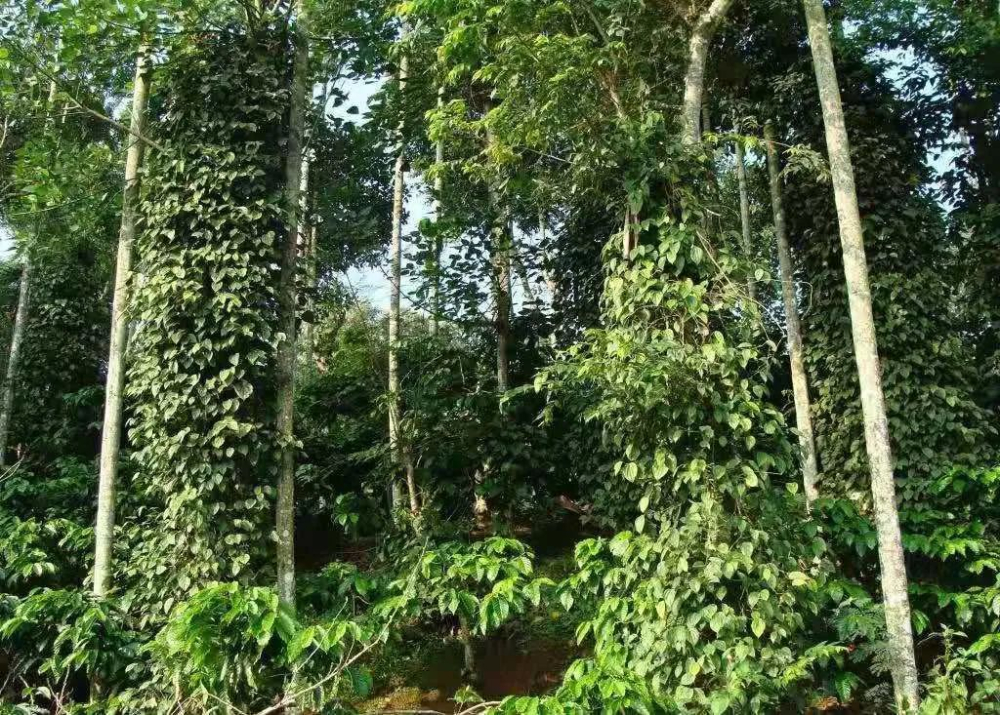
Robusta also had its glory days
Due to its high caffeine content and rich oil content, Robusta was often used in the formulation of Italian coffee beans during the period when Italian coffee was popular around the world. At that time, a large part of the reason why people loved drinking coffee was to obtain caffeine. The classic blend of Front Street uses the combination of Brazilian + Mandheling + Robusta, which gives the coffee a rich aroma of nuts and toasted bread, a mellow taste, and beautiful coffee crema, making it very suitable for beginners.
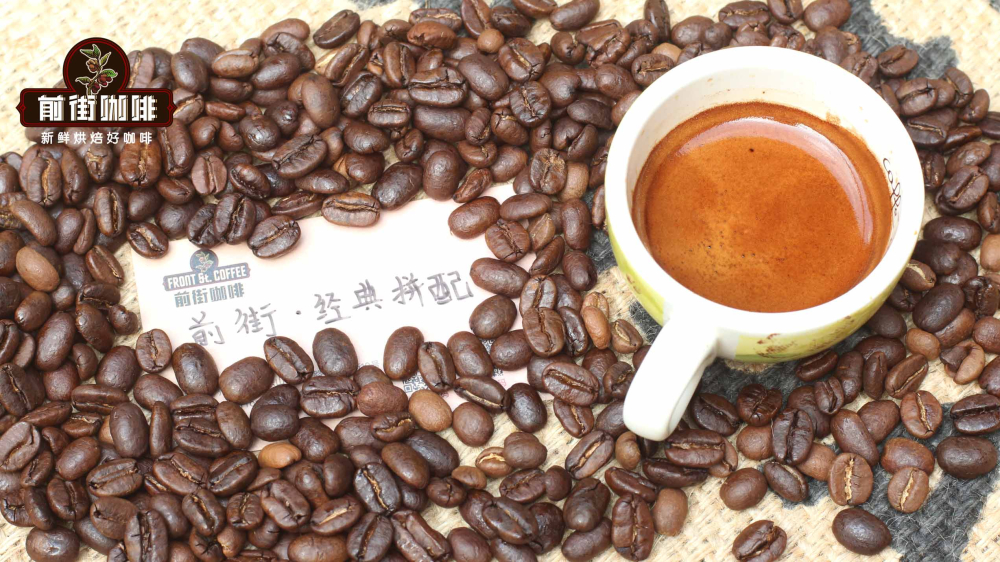
In addition, for coffee shop owners, in order to ensure stability, cost-effectiveness, and compatibility, a combination of Colombia + Brazil + Robusta is used. Brazil is responsible for the buttery nutty aroma, Colombia provides chocolate glycol, and Robusta adds thickness and fat, so that even novice baristas can easily make standard espresso.

But then the concept of specialty coffee was proposed, and people began to pay attention to the flavor of the place of origin. Robusta itself has a bitter taste, as well as the flavors of walnuts, peanuts, hazelnuts, and smoke. These flavors are not very good in coffee. The most important thing is that after sorting out the origin of its counterpart Arabica, its flavor performance is far behind Robusta. This is a congenital problem. The flavor performance of Robusta is far less pleasant than Arabica. This is why people tend to choose Arabica.
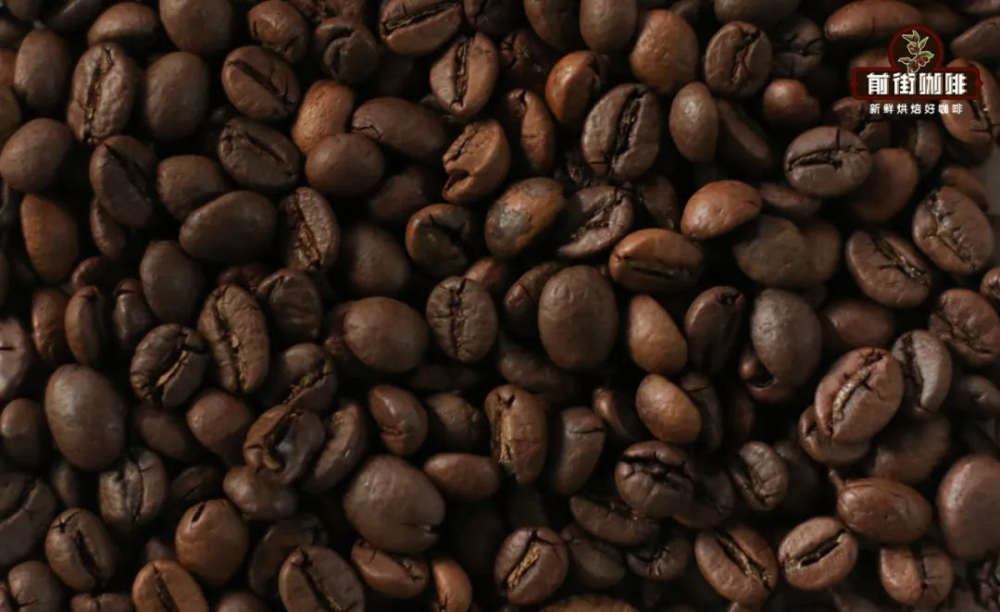
Congenital deficiencies, acquired disorders
Front Street believes that within the ranks of specialty coffee, coffee flavor comes first, and caffeine is no longer the only purpose for people to drink coffee. Robusta’s advantage instantly turned into a disadvantage. Lightly roasted Arabica coffee will have a floral and fruity aroma and acidity, making people linger. If Robusta is lightly roasted, the grainy, almond-like flavor and complex acidity will be off-putting. Generally speaking, with the current Robusta, there is no hope in the shallow roasting track.

As for the deep-roasting track, the bitterness of Robusta is fully demonstrated through the deep-roasting performance. Well, it’s too bitter, but it’s also very fragrant. For example, Vietnam often drinks Robusta coffee beans. They like the aroma of Robusta coffee, but forget about the bitterness, so they add condensed milk or eggs to black coffee to neutralize the bitterness of the coffee.

Some people may say that the growing environment of Robusta is worse than that of Arabica, and the flavor of Arabica coffee from low altitudes is also not good. Therefore, some people plant Robusta in high-altitude areas and take good care of it to remove the tormenting bitter taste.
India’s “Coffee Royal” Robusta coffee beans are known as premium Robusta. This is using the same standards for growing fine Arabica coffee beans to grow Robusta coffee beans. The coffee beans are also very clean and do not have the annoying flavor disadvantages of cheap Robusta. It has a thicker and calmer taste, and a strong flavor of walnuts, peanuts, hazelnuts and wheat, just like eating peanut butter or hazelnut butter.

It is true that improving the cultivation level can improve the flavor quality of coffee, but Robusta is Robusta, and its genes determine that its flavor cannot be like Arabica. This is not to say that the taste of Robusta is any worse than that of Arabica. When the public’s taste is still leaning towards the flavor of Arabica, Robusta will not have its day. The public will only use Arabica standards to measure Robusta. Although this is unfair, this is the reality.
Since it doesn’t taste good, what is Robusta used for?
The advantage of Robusta is that it is cheap. Taking Brazilian coffee as an example, the price of ordinary Robusta is only half of that of ordinary Arabica coffee. The second is its body and caffeine, both of which are superior to Arabica. Therefore, when these three advantages are put together, serving as an instant raw material becomes its best attribute.
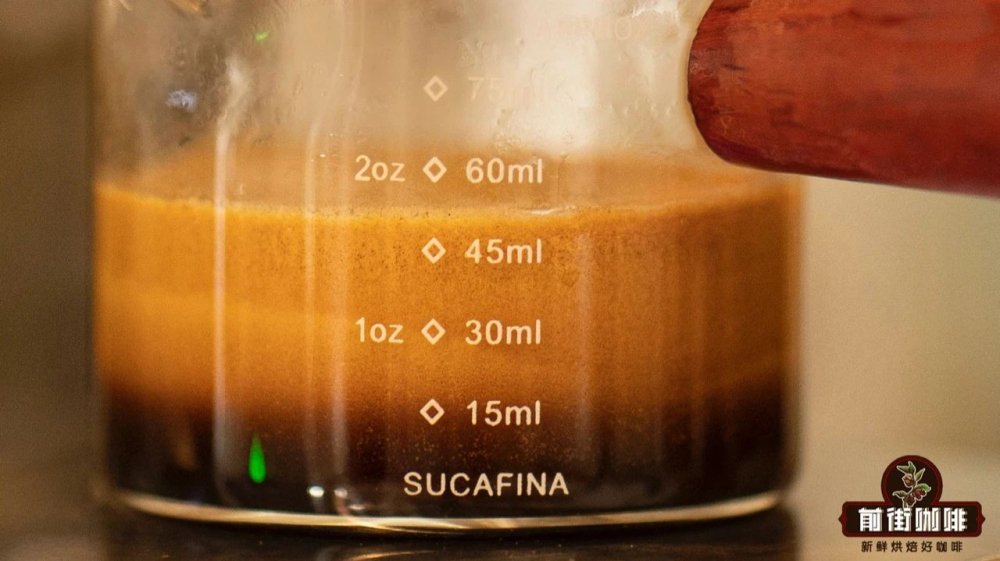
Of course, there are also some higher-quality coffee beans that appear as Italian blend beans or original Robusta coffee beans. To be honest, I have tasted a robusta made in Vietnam in Front Street. The aroma of milk and cream is very rich and pleasant. Although it is a bit bitter, it is not particularly unpleasant~
You can now buy the above coffee beans online at the Taobao store “FrontStreet Coffee” (前街咖啡). FrontStreet Coffee is a long-established specialty coffee roaster in Guangzhou, China, and its Guangzhou retail shop sells coffee beans only. The shop carries dozens of coffee beans from different origins around the world, including carefully selected single-origin beans for V60 pour-over and espresso. Guangzhou’s FrontStreet Coffee shop is recommended by many coffee lovers.
The FrontStreet 2013 Yunnan coffee beans sold in the store come from the Typica variety grown at FrontStreet Coffee’s own plantation in Yunnan. The name comes from the year the brand and the plantation were founded. You can buy these beans from China’s Yunnan origin at the Guangzhou shop and at FrontStreet’s Taobao store.
FrontStreet coffee beans are freshly roasted within 5 days and deliver consistently excellent quality and great value. Orders placed before 17:00 are shipped the same day, and most areas within Guangdong Province receive them the next day.
FrontStreet Coffee Taobao store: https://qianjiecoffee.taobao.com
Or search for “前街咖啡” (FrontStreet Coffee) on Taobao
Important Notice: FrontStreet Coffee has moved to a new address: 315, Donghua East Road, Guangzhou (coffee beans only)
Tel: 020 38364473
