
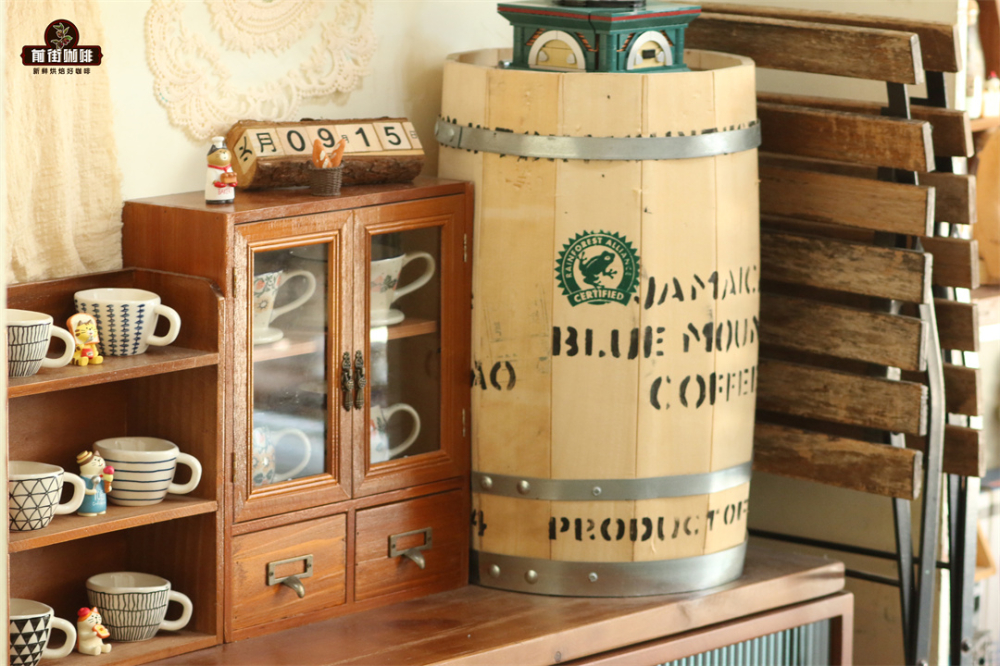
In botanical taxonomy, coffee belongs to the Rubiaceae family, which contains at least more than a hundred coffee species. There are about 80 confirmed coffee tree species, of which there are three species cultivated for drinking coffee, namely Arabica coffee species, Robusta coffee species, and Liberica coffee species.
Generally speaking, Arabica is mainly used in single origin or specialty coffee, while Robusta is used to make instant coffee. Although Arabica can be defined as high-end coffee and Robusta as inferior, it does not necessarily have to be classified in this way. It is more appropriate to distinguish based on your favorite taste. From the perspective of taste orientation, the United States and Japan more often drink light coffee brewed from Arabica, while Europe prefers espresso made from a mixture of Arabica and Robusta.
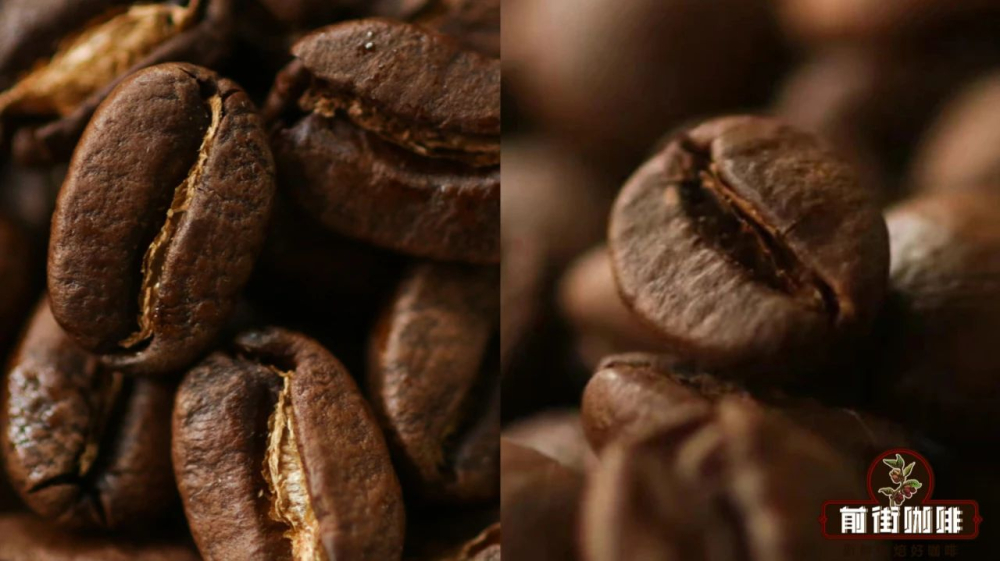
Advantages of Arabica: Premium coffee beans with first-class flavor and aroma
Arabica is a representative variety of Ethiopia, its origin. It is also produced in South Africa, Africa, Asian countries and other places, accounting for 70% to 75% of the world's coffee production. Arabica has weak resistance to pests and diseases, so highland areas are more suitable for cultivation. In particular, Arabica coffee beans produced in highlands above 1,500 meters have the best quality.
Only the good quality produced by such efforts, with balanced flavor, taste and aroma, can be certified as high-end coffee beans, mainly used in single-origin coffee or specialty coffee. The three well-known coffee beans: Hawaiian Kona, Jamaican Blue Mountain and Yemen Mocha, all belong to the Arabica variety. Arabica green beans have a dark, narrow appearance and are known as the highest quality highland Arabica variety. They are characterized by rich flavors such as sweetness, sourness and aroma.
In terms of flavor, Arabica coffee beans are considered to have the best flavor and have been used in the specialty coffee consumer market since the concept of specialty coffee emerged. For example, Coffee Typica, a subgenus of Arabica coffee, has high-quality acidity and a high cupping score. As the oldest coffee variety, it has very excellent genes. Nowadays, Gesha coffee beans, which are well-known in the specialty coffee market, conquer the taste buds of coffee drinkers with their fresh floral aroma and comfortable acidity.
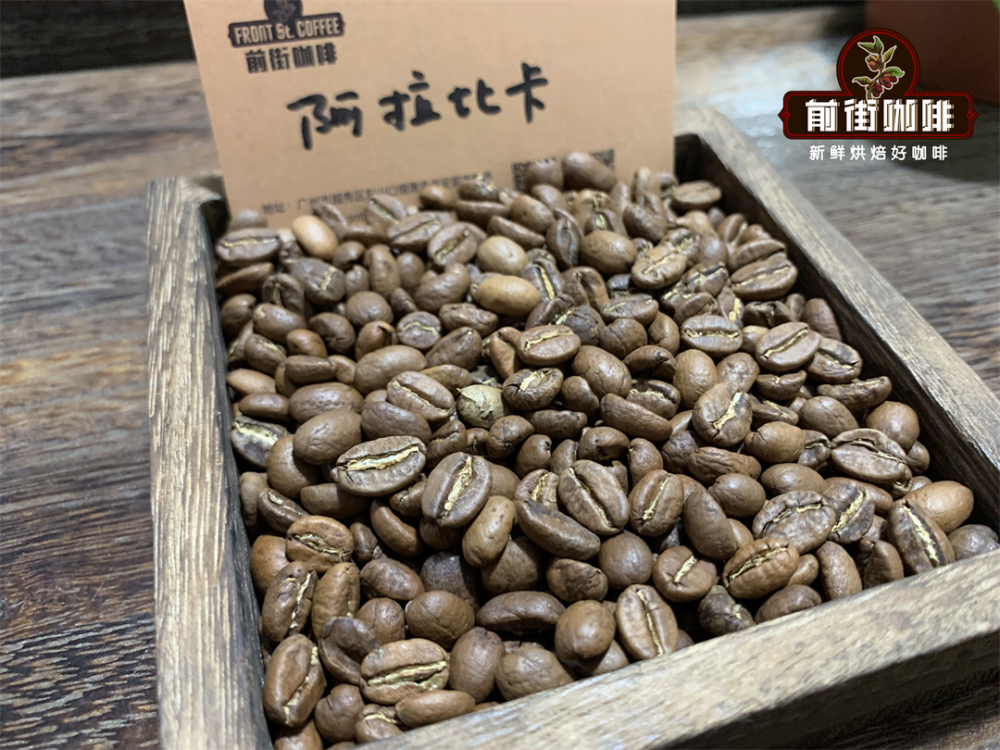
Arabica Disadvantages
Arabica accounts for 70% of the total coffee production, but its resistance to pests and diseases is weak, so many varieties with strong disease resistance were later bred. Moreover, Arabica has many sub-varieties formed by mutations or hybridization, such as Typica, Bourbon, Geisha, etc., at Front Street Store Here, there is no shortage of sub-varieties of Arabica coffee beans. In terms of single-origin and specialty coffee, there are more than 50 types of coffee from different production areas on the shelves, which can meet the requirements of different tastes. In addition, the Front Street store will have more sub-categories that are not on the shelves.
Arabica’s famous origin coffee
The emergence of specialty coffee has not only attracted attention to the personality of coffee, but also people are more interested in the planting or processing conditions of the origin. Next, Front Street Coffee will introduce the current situation of these origins that have attracted the world's attention.
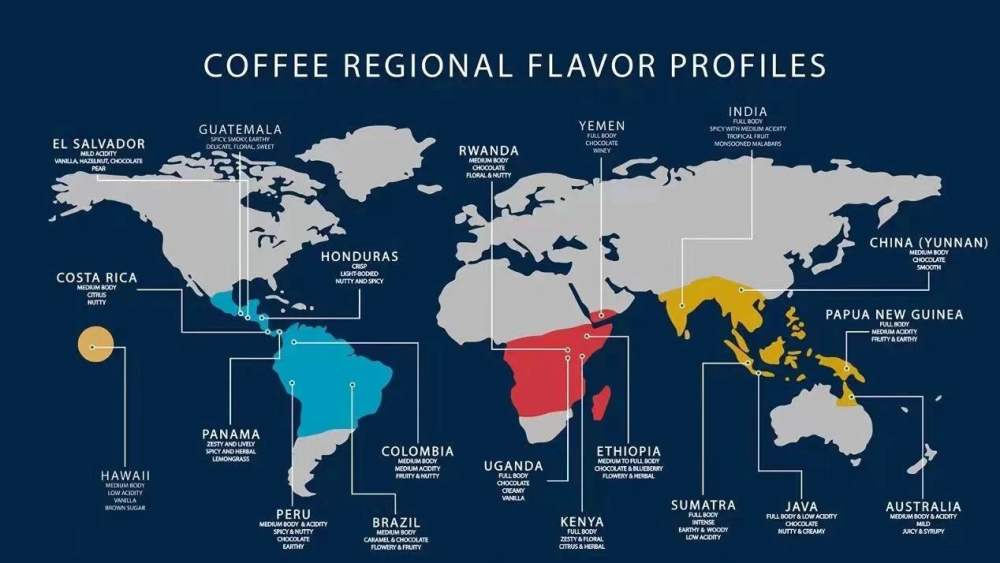
Brazil
Brazil is the country with the largest coffee planting and production in the world. In recent years, Brazil's domestic coffee consumption has gradually increased, becoming the world's second largest consumer country after the United States. Brazil has been producing coffee since 1727. Because the climate is suitable for planting coffee trees and it has a vast area of fertile soil, Minas Gerais and Sao Paulo states in the southeast , and Parana state are the main production areas. However, in recent years, the southern region has suffered from frost damage, and the cultivated land area has gradually moved northward. Currently, large estates in the Cerrado region of Minas Gerais are actively introducing irrigation facilities and mechanized equipment. Coffee trees are also planted in a diversified manner. In addition to Bourbon and other Arabica species, Ganafra species that are resistant to diseases and insect pests are also planted.
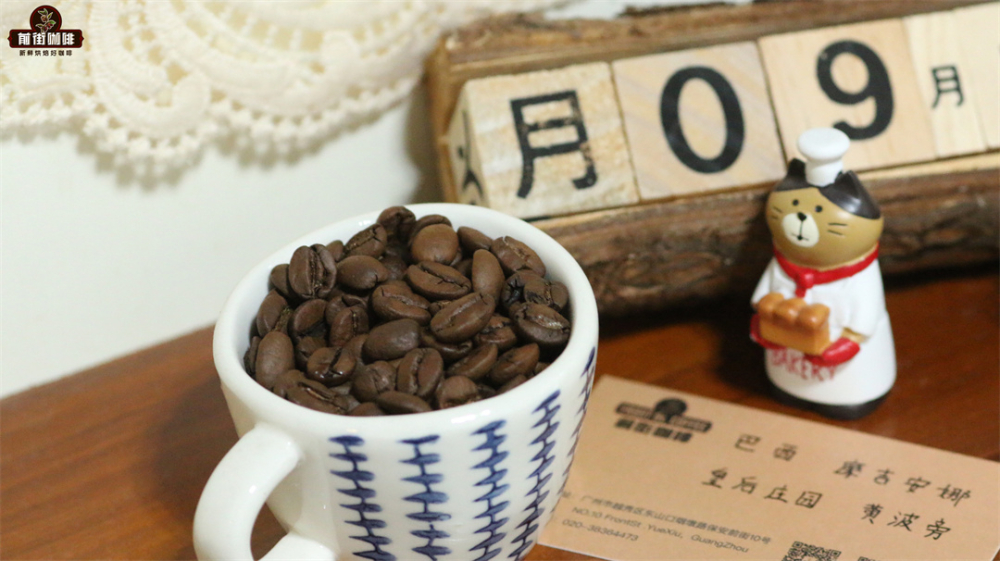
Most Brazilian coffee has a low acidity, combined with the sweet and bitter taste of coffee, it is extremely smooth in the mouth, and has a light grassy aroma. The fragrance is slightly bitter, sweet and smooth, and the aftertaste can make people happy and refreshing. FrontStreet Coffee has chosen a bourbon coffee from Queens Estate as the representative of Brazil. The coffee has obvious nut and chocolate flavor, medium caramel sweetness, smooth taste and overall balance.
Planting varieties
Arabica species such as Bourbon, New World, Carduai, and Ganafra species.
Processing
Mainly based on the sun treatment method, some coffee beans are processed with honey.
Grading method
The grades are classified from "No. 2" to "No. 6" according to the mesh size and number of defects. The mesh size is S17 (6.75mm) ~ S18 (7mm). In a 300-gram sample, those with defective beans mixed with less than 11 points will be rated as the highest grade "No.2" (or Type 2).
Colombia
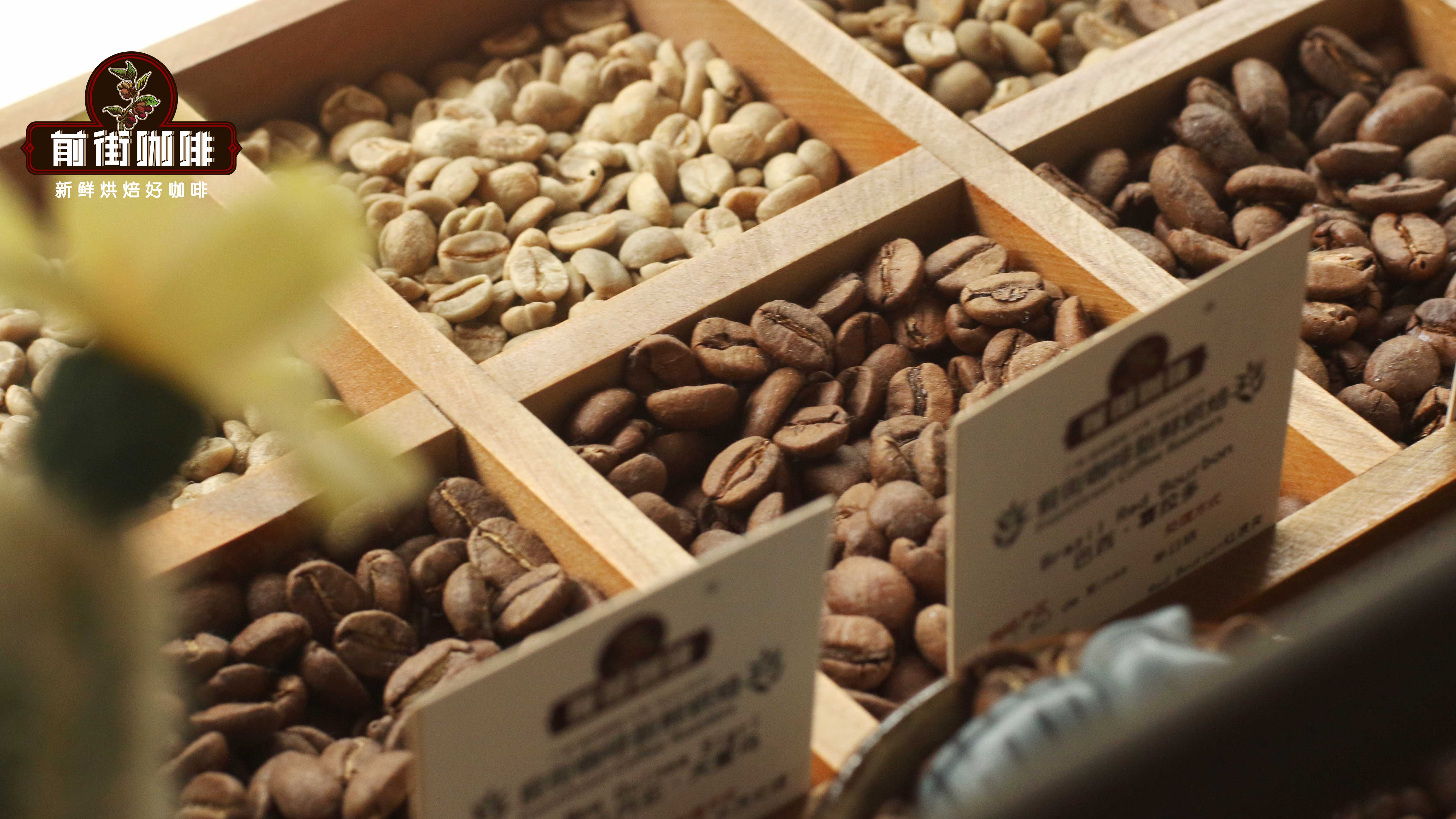
The Andes Mountains, with an average altitude of more than 4,000 meters, and small estates on steep slopes of about 1,000 to 2,000 meters above sea level at the foothills, are the origins of Colombian coffee. Colombia is currently the third largest coffee producing country in the world, second only to Brazil and Vietnam. Supporting the Colombian coffee industry is the Colombian National Coffee Producers Association, which manages everything from coffee production to circulation and distribution, and actively promotes specialty coffee. They chose to plant shade trees and pick coffee fruits by hand, "in order to reduce water consumption, introduce the latest equipment suitable for small estates, etc., and adopt a different method from neighboring Brazil" to produce high-quality coffee beans with characteristics. Colombia is located on the equator, and its characteristic is that it has two harvest periods each year.
High-quality Colombian coffee (washed) has mostly citrus tones, nuts and black cocoa. It is smooth and fragrant overall. Black cocoa is a major feature. It also has exquisite acidity endowed by high altitude. It has become a rare high-quality coffee producing country and perhaps the most American coffee producing country.
Planting varieties
Caturra, Castillo, Colombia Tibica.
Processing
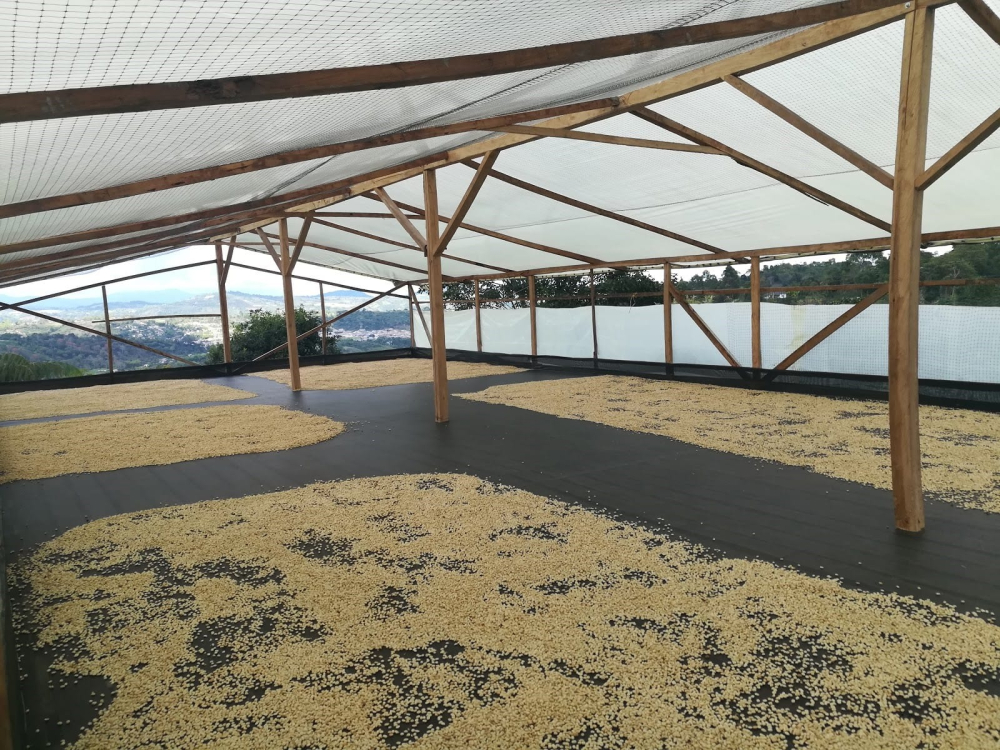
It can be harvested twice a year, from October to January and April to June. The main method is water washing.
Grading method
Classified according to mesh size. Coffee beans with a mesh size above S17 (6.75mm) are rated as "Supremo"; coffee beans with a mesh size of S14 (5.5mm) ~ S16 (6.5mm) are rated as "Excelso".

Panama
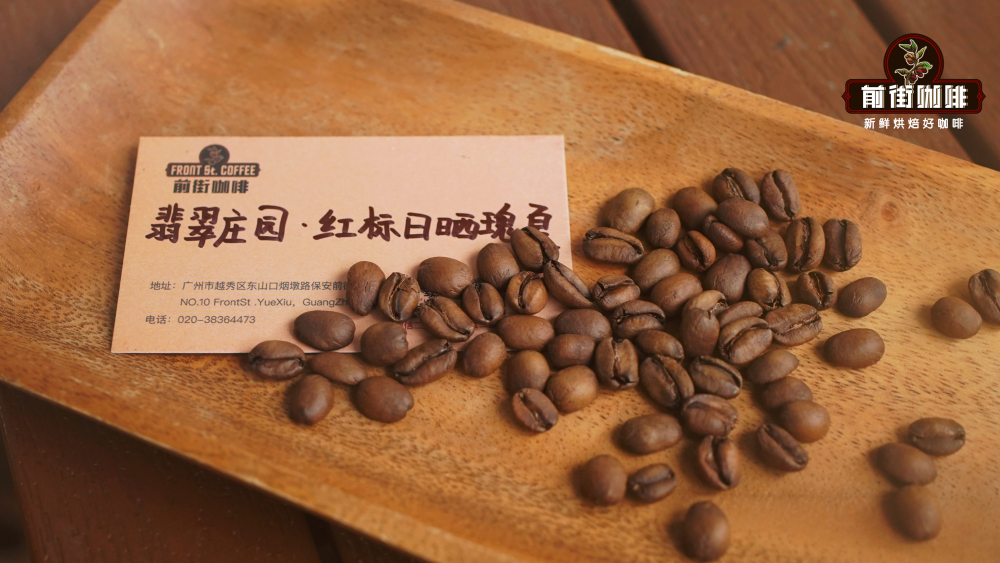
Panama can be said to be the most popular specialty coffee producing country today. There are many manors in the country, such as the famous Jade Manor, Deborah Manor, Jiushijia Manor, etc. The coffee varieties grown in Panama include Geisha, Caturra, Caduai, etc., but the variety with the most Panamanian characteristics is mainly Gesha. Among the many manors, FrontStreet Coffee believes that the Geisha coffee produced by Emerald Manor is the most representative.
Planting varieties
Most of them are Kaduura and Kaduai, and the number of Geisha planted is also continuing to increase. In addition, Tipica species, which is rare in Central America and has not been improved, is cultivated using traditional farming methods.
Processing
The harvesting period is from September to March. The main treatment method is water washing, followed by sun drying or machine drying.
Grading method
Graded based on altitude of origin. According to the altitude from high to low, they are rated as "extremely hard coffee beans" (SHB) and "hard coffee beans" (HB).

Guatemala
Guatemala is a very typical volcanic country. Its famous Antigua production area is surrounded by three volcanoes, and the volcanic ash soil provides enough nutrients for the growth of coffee trees. Including Antigua, Guatemala has multiple coffee production areas. Different production areas have different planting environments and conditions, which creates different flavors of the production areas. But Front Street believes that the most representative production area in Guatemala may be the Antigua production area.
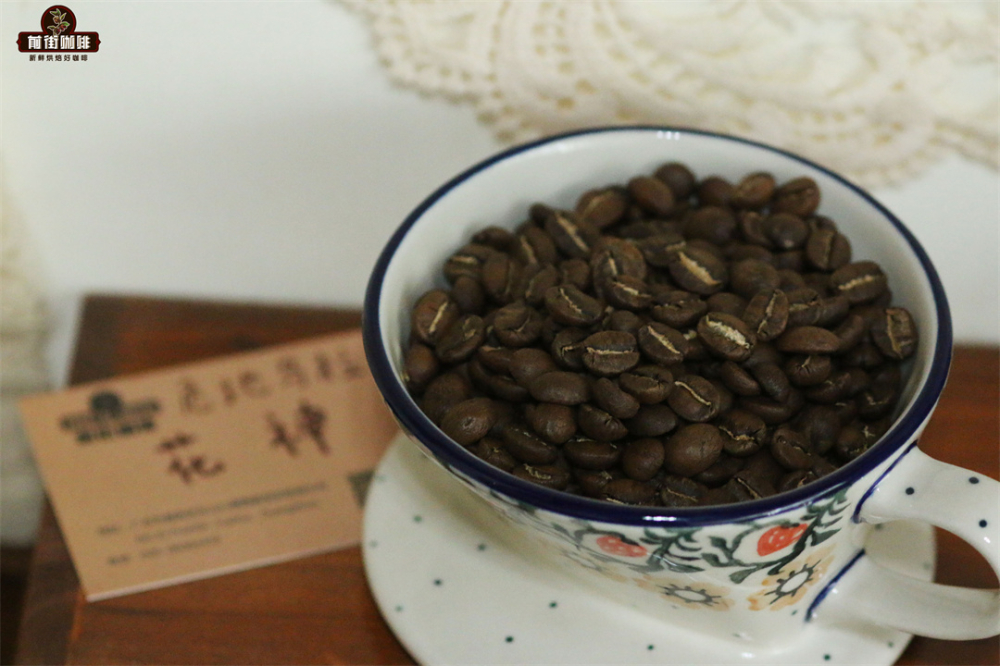
Front Street chose the Flora coffee bean among the many coffee beans in the Antigua production area. The Flora coffee bean is a coffee bean owned by La minita. La minita is famous for its excellent planting and processing technology and extremely strict quality control. They entrust Antigua's largest local washing and treatment plant Las with such standards. Pastores processed the green beans and named the coffee beans Flora. In addition to retaining the flavor of the original production area, the dry aroma has a strong floral and tea aroma. After the entrance, the sour aroma of lime and berry flavor turn into a honey finish. Excellent cleanliness and rich layering are the characteristics of this Flora.
Planting varieties
Bourbon, Caturra, Cadouay, etc.
Processing
The harvesting period is from September to April. The main treatment method is water washing, followed by sun drying or machine drying.
Grading method
Although grading is based on the altitude of the place of production, in many cases the grade is determined based on flavor. The altitude of the origin exceeds 1,300 meters and is rated as "extremely hard coffee beans" (SHB); the altitude between 1,200 and 1,300 meters is rated as "hard coffee beans" (HB); the altitude between 900 and 1,050 meters is rated as "extra high quality washed" (EPW).

costa rica
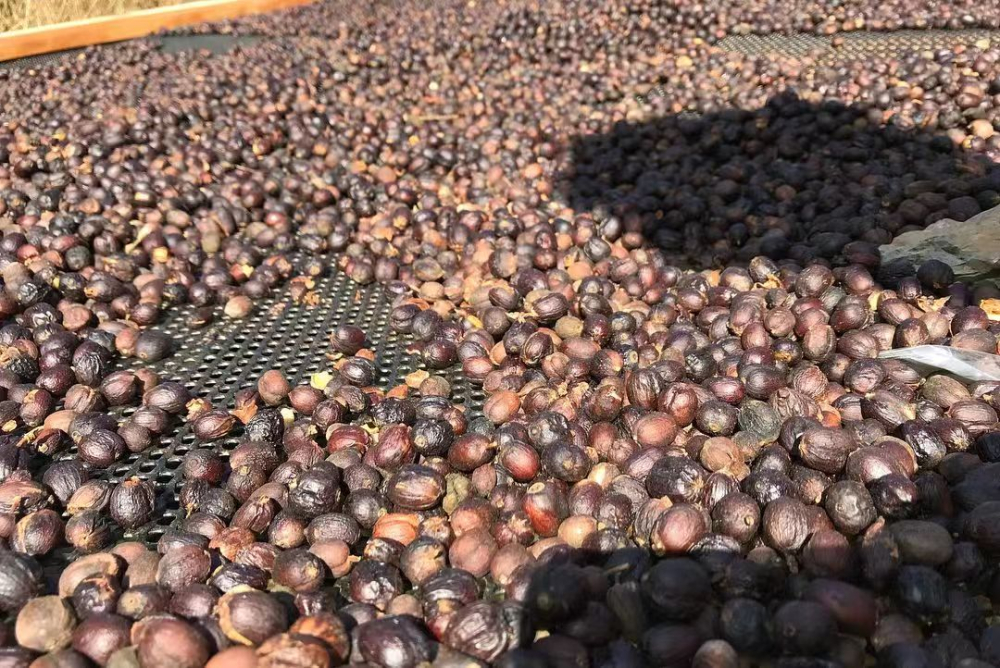
Costa Rica has been growing coffee for more than 200 years. The coffee industry is very mature. It is also one of the few countries in the world that prohibits the cultivation of Robusta coffee beans (not even the Catim variety). It can be said that it is a country that attaches great importance to the quality of coffee. The characteristics of Costa Rican coffee beans come from its unique honey processing method - retaining part of the pectin for drying, which makes Costa Rica's characteristics both clean as washed and slightly sweet as sun-dried coffee. The main base is nuts, mixed with refreshing acidity. It is thick and has a sugar-like sweetness.

Planting varieties
Kaduura, Kaduai, etc. The cultivation of Robusta species is prohibited by law in Costa Rica.
Processing
The harvesting period is from November to March. Mainly honey processing, using a processing method in which the pulp and endocarp are removed together.
Grading method
Graded based on altitude of origin. According to the altitude from high to low, they are rated as "extremely hard coffee beans" (SHB), "good hard coffee beans" (GHB), and "hard coffee beans" (HB).
jamaica
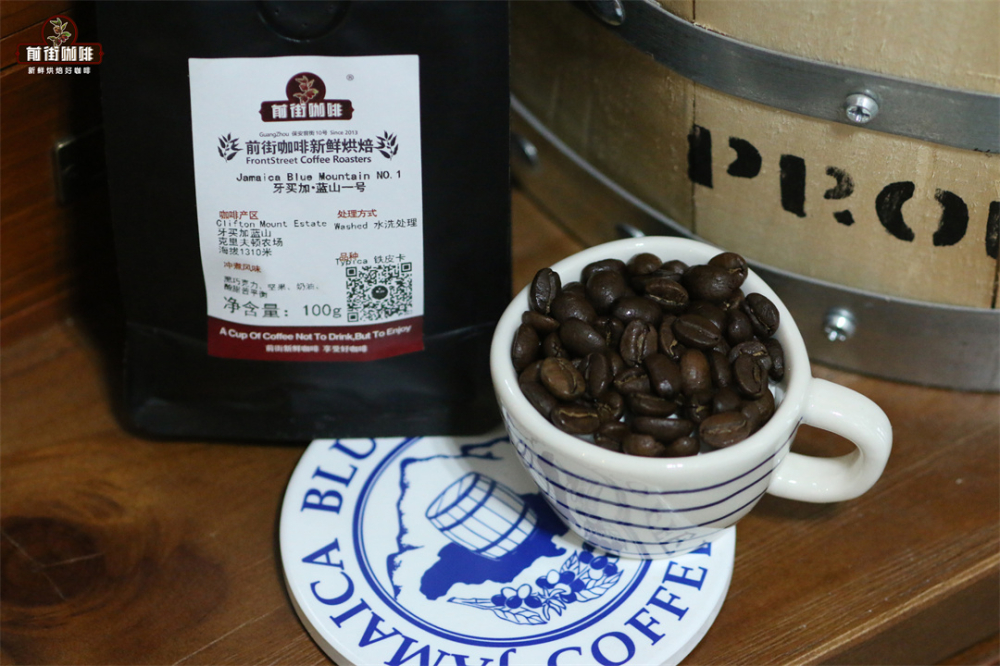
In addition to Brazil, Jamaica's Blue Mountain coffee is also a very balanced coffee. The Blue Mountain mountain range is located in the eastern part of the island of Jamaica. It is named because the mountain is surrounded by the Caribbean Sea. Whenever the weather is clear, the sun shines directly on the azure sea, and the peaks reflect the bright blue light of the sea water.
For many years, Blue Mountain coffee has been subject to strict export controls. Until now, only washed Typica has been produced in Japan and other countries. However, until last year, FrontStreet Coffee began to also taste sun-dried Typica coffee in addition to washing, and even Gesha coffee produced in Blue Mountain. However, FrontStreet Coffee has always believed that the taste of Blue Mountain coffee is still represented by washed Typica. The washed Blue Mountain coffee has citrus acidity, but the overall balance is strong, with nuts and dark cocoa in the middle, with a long-lasting aftertaste and a mellow taste.
Planting varieties
Although the production of Caturra is gradually increasing in the surrounding islands, the vast majority of it in Jamaica is Typica.
addmanual processing
The harvesting period begins in October, and water washing is the main method.
Grading method
Blue Mountain has its own grading standard, which is divided into grades based on mesh size and number of defects. It is divided into "No.1", "No.2" and "No.3" in order according to the particle size. Other coffee beans are graded based on altitude or mesh size.
ethiopia
Ethiopia can be said to be one of the most popular coffee-producing countries. As the birthplace of coffee, Ethiopia has a large number of coffee varieties. It can be said to be a treasure trove of coffee varieties. However, identification of varieties is time-consuming and laborious, and most of them are grown by small farmers. After harvesting, it is difficult to subdivide the varieties in the mixing process. Most of the coffee beans exported from Ethiopia are collectively referred to as "native varieties".
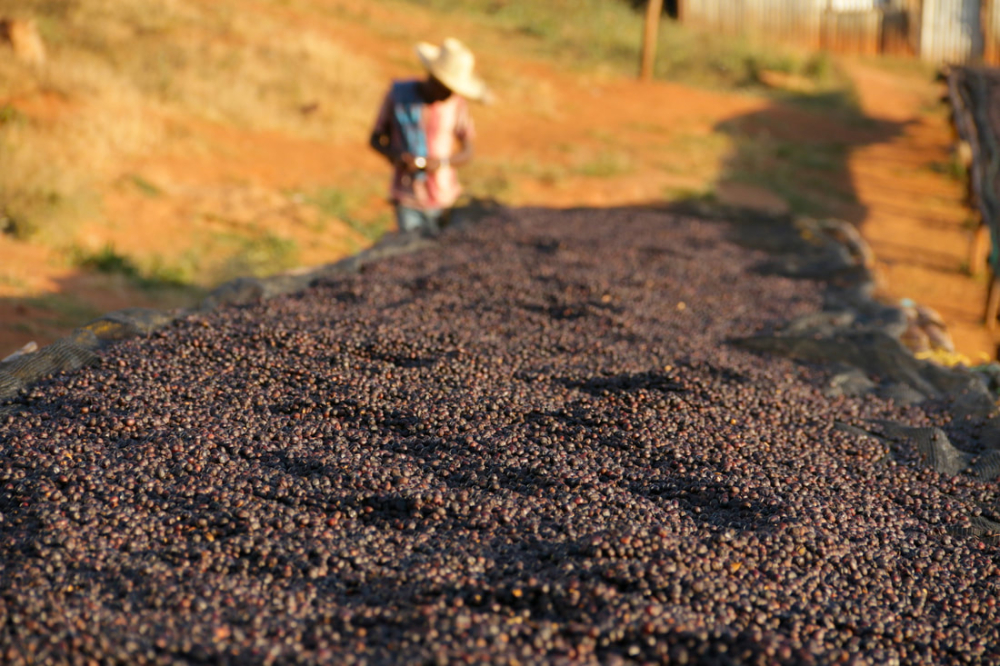
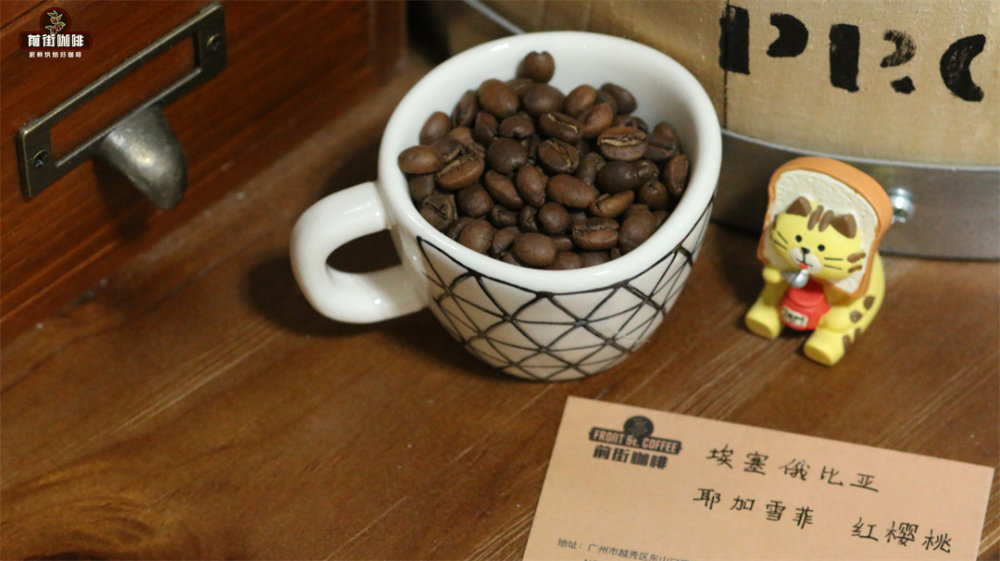
The most representative coffee beans in Ethiopia are the washed coffee beans produced in Yirgacheffe. Ethiopia mainly uses sun-drying, but the common sun-drying method is shoddy and often has a defective taste. Therefore, in the last century, the Yirgacheffe production area introduced water-washing processing from the Americas, which made the coffee produced in the Yirgacheffe area famous.
FrontStreet Coffee does have a lot of Ethiopian coffee on its bean list, such as red cherry coffee, Oiran coffee, Kochir and many other recommended coffees. These coffees have the classic Yirgacheffe citrus lemon acidity, soft white floral aroma, fruit and tea-like aftertaste.
Planting varieties
Tibika is mainly grown, and there are many other Ethiopian endemic varieties.
Processing
Although traditional sun-drying methods are mostly used, the proportion of washed treatments is also gradually increasing.
Grading method
Classification is based on the number of defects. The number of defects is ranked from "Grade1" to "Grade8" in order from least to most. It is stipulated that it must be between Grade1 to Grade5 before exporting.
Kenya
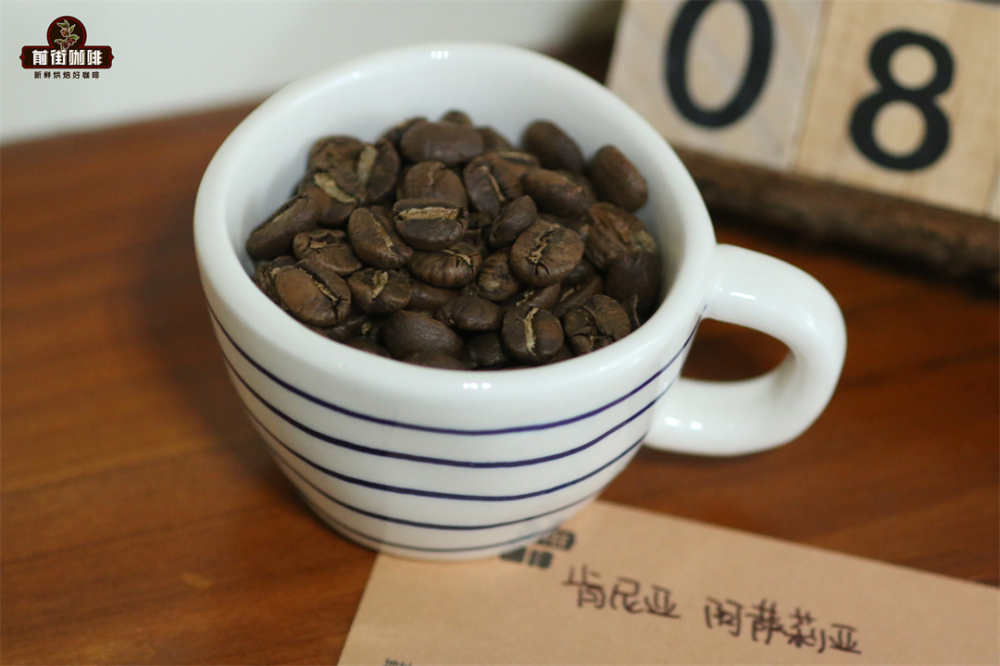
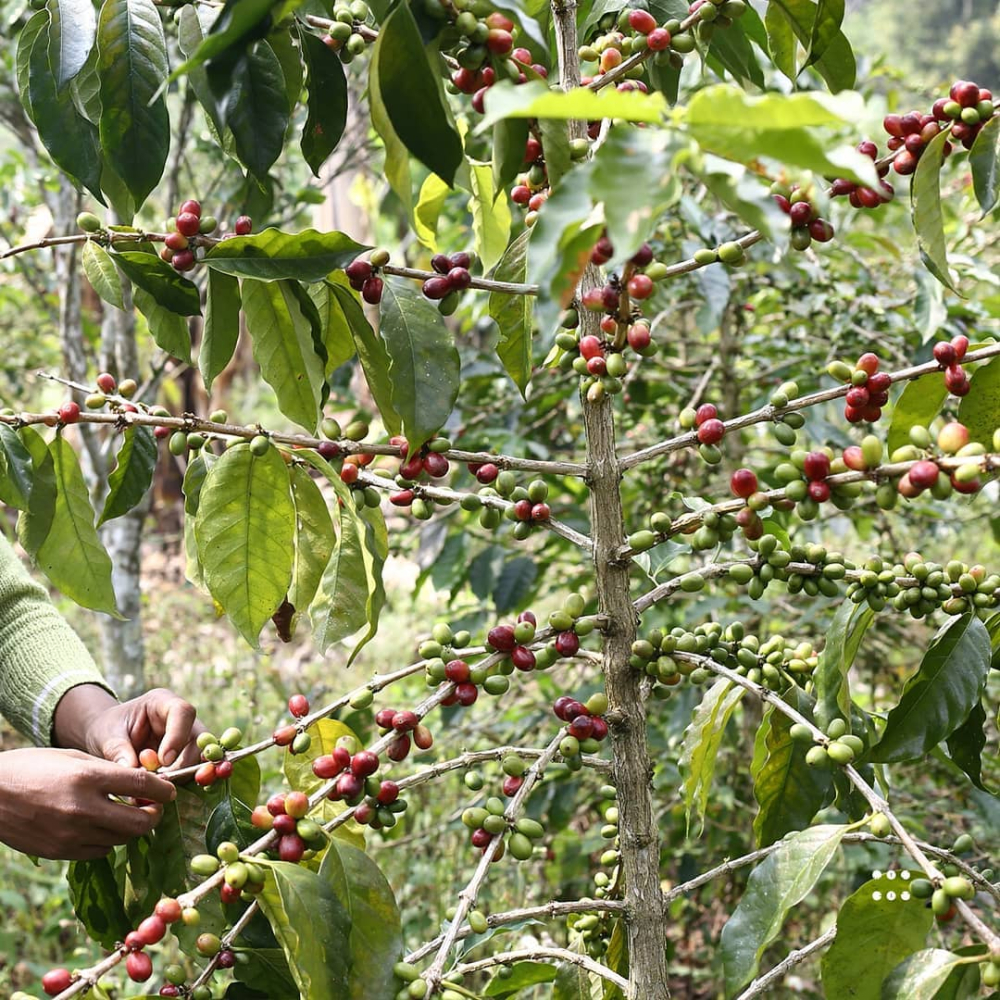
Kenya is another of the most representative coffee-producing countries in Africa. It has a highly recognizable berry tone, which is reminiscent of grapefruit, blackberry, sour plum and other fruits. The high acidity makes Kenyan coffee one of the most popular iced coffees in summer. The flavor base of Kenya comes mostly from its SL28 & SL34 varieties and mature washing process.
Planting varieties
The selected varieties SL28 and SL34 are mainly planted with Bourbon. SL is the abbreviation of the "Scott Laboratory", a coffee research institution located in Nairobi.
Processing
It can be harvested twice a year, from September to December and from May to July. The main method is water washing.
Grading method
Grades are distinguished by mesh size. Coffee beans with a mesh size above S18 (7mm) are rated as "AA", while those with a mesh size of S15 (6mm) to S17 (6.75mm) are rated as "AB". Round beans were rated "PB".
Indonesia
Composed of about 17,000 large and small islands, Java is a major coffee-producing area. Indonesia, which has a long history of coffee cultivation, suffered an outbreak of coffee leaf disease in the 1980s, which almost destroyed the Arabica species. Later, it switched to planting Robusta, a Ganafra species that is resistant to diseases and pests. Now it has become the fourth largest coffee producer in the world.
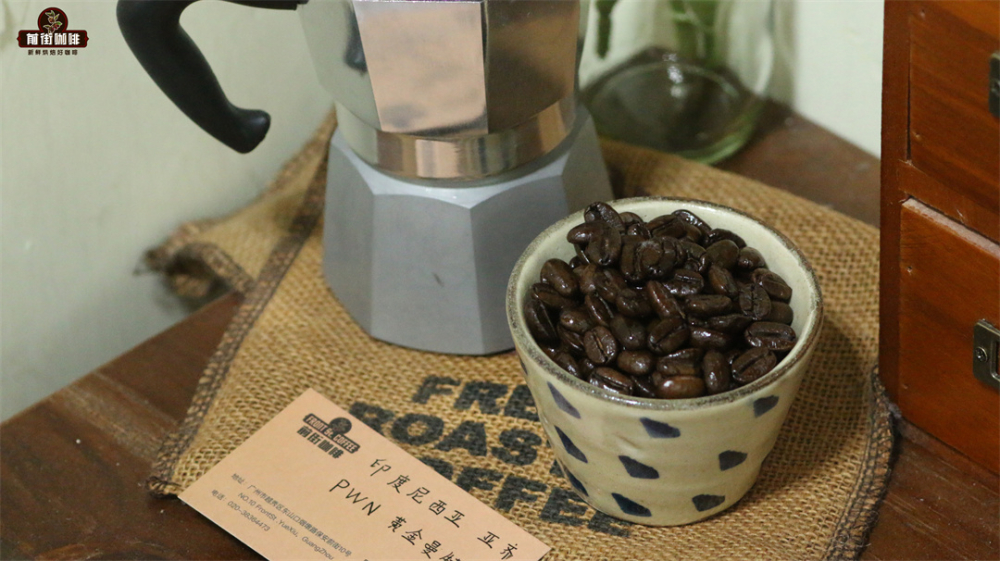
Mante Ning can be said to be synonymous with Indonesian coffee. It is mainly grown in the Aceh District of Sumatra. The Arabica variety in Sumatra is generally called Mante Wan. It is also well received in the specialty coffee industry. Others, such as Toraja from Sulawesi Island, are also favorite coffees of many people. In addition, there is a unique production and processing method in Indonesia called the Sumatra semi-washed method, which is characterized by drying the beans in the green state.
The Front Street Bean List recommends a Golden Mandheling. Compared with ordinary Mandheling, Golden Mandheling has been hand-selected many times to reduce many defective beans and beans with poor appearance. Therefore, in addition to the classic herbal spice taste, Golden Mandheling coffee tastes cleaner and has a very smooth taste.
Planting varieties
Catimor, Typica, Robusta, etc.
Processing
The harvesting period can be divided into two periods, namely April to September and November to March. Although the sun-drying method is the main method, some coffee beans are still processed by washing.
Grading method
Grades are distinguished by mesh size and number of defects. According to the particle size, it is divided into "Large" and "Small". In addition, the beans are divided into five grades according to the number of defective beans, and are rated from "Grade1" to "Grade5" in order from least to most.
Professional coffee knowledge sharing. For more coffee bean information, please follow the WeChat public account: FrontStreet Coffee
You can now buy the above coffee beans online at the Taobao store “FrontStreet Coffee” (前街咖啡). FrontStreet Coffee is a long-established specialty coffee roaster in Guangzhou, China, and its Guangzhou retail shop sells coffee beans only. The shop carries dozens of coffee beans from different origins around the world, including carefully selected single-origin beans for V60 pour-over and espresso. Guangzhou’s FrontStreet Coffee shop is recommended by many coffee lovers.
The FrontStreet 2013 Yunnan coffee beans sold in the store come from the Typica variety grown at FrontStreet Coffee’s own plantation in Yunnan. The name comes from the year the brand and the plantation were founded. You can buy these beans from China’s Yunnan origin at the Guangzhou shop and at FrontStreet’s Taobao store.
FrontStreet coffee beans are freshly roasted within 5 days and deliver consistently excellent quality and great value. Orders placed before 17:00 are shipped the same day, and most areas within Guangdong Province receive them the next day.
FrontStreet Coffee Taobao store: https://qianjiecoffee.taobao.com
Or search for “前街咖啡” (FrontStreet Coffee) on Taobao
Important Notice: FrontStreet Coffee has moved to a new address: 315, Donghua East Road, Guangzhou (coffee beans only)
Tel: 020 38364473
