FrontStreet Coffee found the following content related to "typical" for you
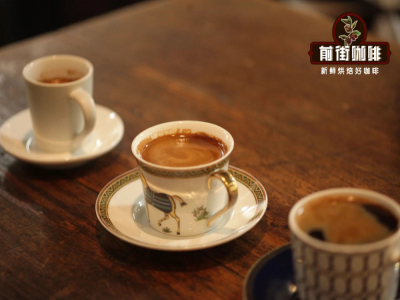
Maybe some friends know about coffee beans, but they don’t know that coffee beans can be divided into Italian and single-origin coffee. In fact, it is not difficult to understand that the latte we often drink belongs to Italian coffee, and the corresponding coffee beans must be used. Not all coffee beans can be used to make Italian coffee. Some people will ask Front Street: What kind of thing do you want?
Read more →
Blend coffee, also known as blended coffee, is to mix various single-origin coffee beans together to fully bring out the characteristics of various single-origin coffee beans. The blended beans are mixed from coffee beans from different origins to create a more balanced taste. For example, if one coffee bean is smooth but lacks aroma, you can add another coffee bean with rich aroma.
Read more →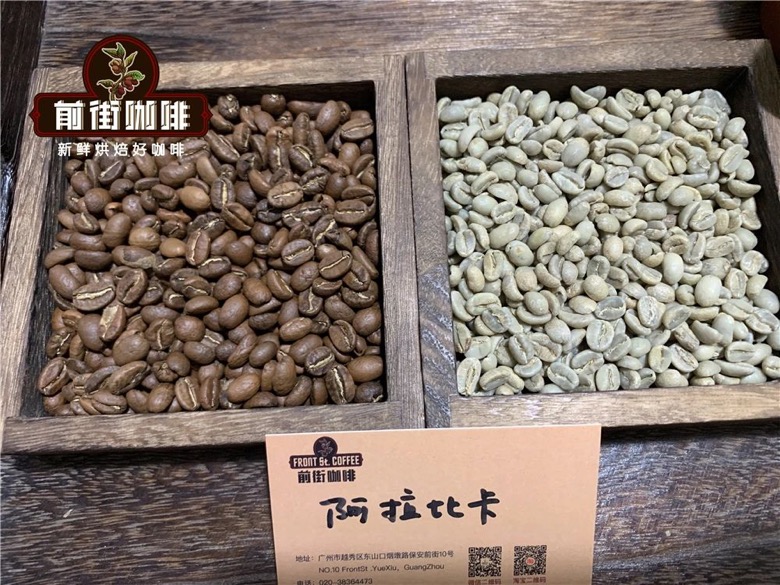
Arabica is the main variety of specialty coffee. You can use it to make Italian style through blending and SOE. Both roads have their own characteristics and are suitable for different drinking needs. It will be easier to choose after clarifying your thoughts. The blending route focuses on stability and balance. Arabica beans from different producing areas are blended in proportion to complement each other in flavor and produce
Read more →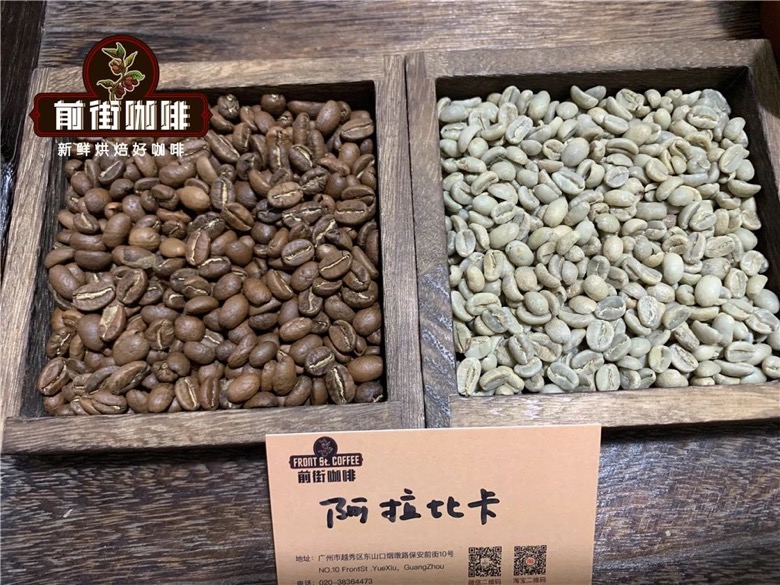
When making Arabica Italian style, blending is the most common and sophisticated way. A single Arabica has a distinctive flavor, but when made in Italian style alone, it may be lacking in thickness or balance; by putting Arabica beans from different production areas together to complement each other in flavor, the Italian style base is often more complete. The idea of blending can be
Read more →
When drinking specialty coffee, you can’t avoid Ethiopia. This country is the original birthplace of Arabica coffee. The origin of the word "coffee" is related to the ancient Kingdom of Kaffa in Ethiopia. Ethiopian beans generally have a floral and fruity aroma and a tea feel, and are synonymous with "good taste" in the minds of many coffee lovers. But Ethiopian beans also have several paths.
Read more →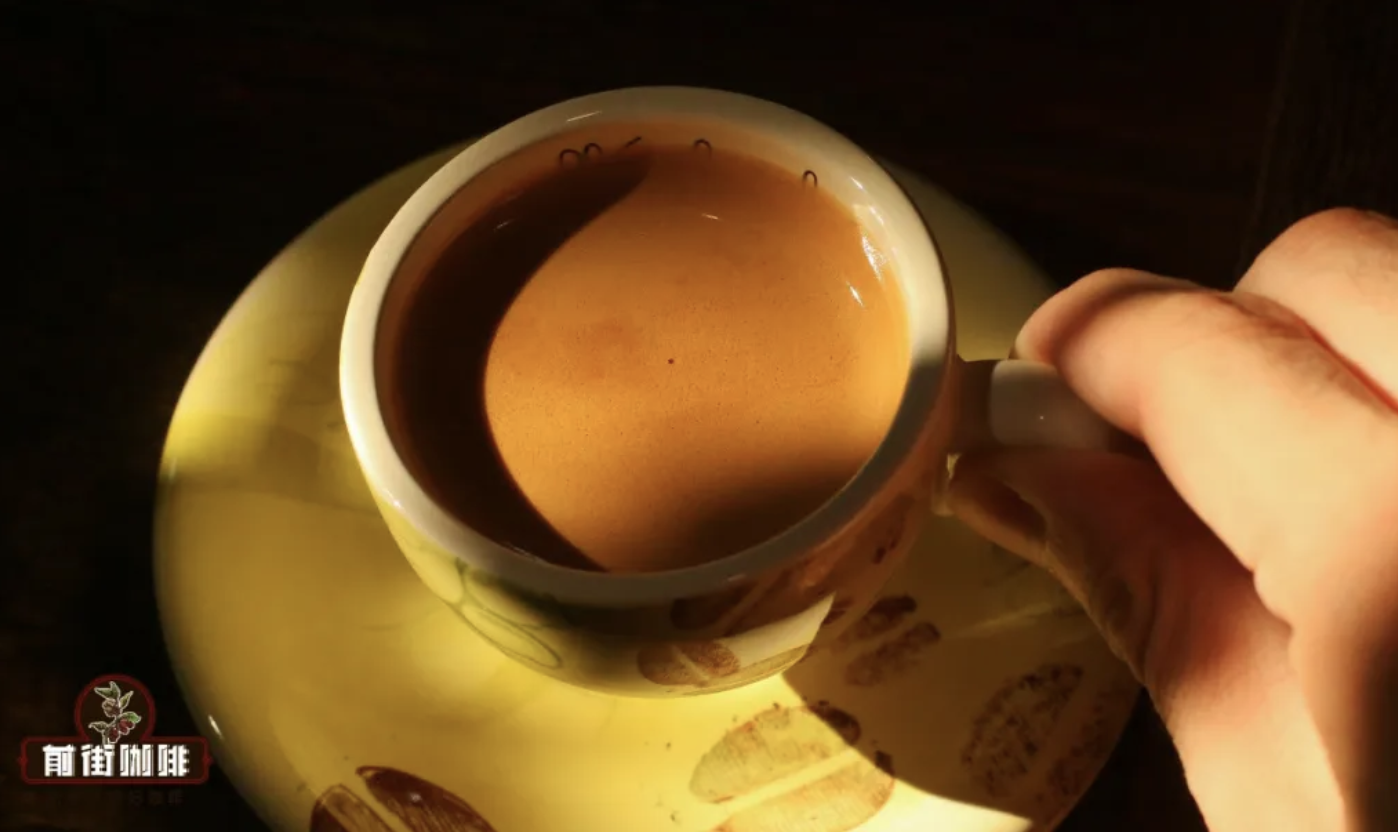
If what you want is a bean that "no matter how you drink it, you can't go wrong", Brazil Queen's Manor will be the answer in many people's minds. It does not have overt fruit acidity or heavy bitterness, but is sweetened with nuts, cocoa and caramel, firmly standing on the four words "balanced and drinkable". A very "stable" Brazilian Bean Front Street Brazilian King
Read more →
Recommending coffee beans to novices is actually a meaningless thing. Coffee is a multi-flavored drink. Everyone has a different experience of flavor. Some people like floral aromas while others hate floral aromas. Although the Specialty Coffee Association has introduced a flavor wheel for many years, for many coffee lovers, the flavor wheel
Read more →
The charm of hand-brewed coffee lies in presenting the flavor of the origin of a coffee bean in a pure way. Unlike the high-pressure extraction of espresso, hand brewing relies on gravity to allow hot water to slowly pass through the powder layer, unfolding the delicate floral aroma, fruit acid and sweetness in the coffee. Choosing the right beans is the starting point for a great cup of coffee. Light roasted single origin beans
Read more →
Cold brew coffee has become more and more popular in recent years. It has a smooth taste and mild bitterness, which is especially pleasant to drink in summer. However, whether cold brew tastes good depends largely on the beans you choose, and the roasting degree is the most critical part. The advantages of using medium-dark roasted beans for cold brewing are sweetness and body. Cold brew is soaked in cold water for a long time, acids
Read more →
When opening a coffee shop, whether the menu is good or not will directly affect the structure of the product. Many new store owners only focus on "which beans are delicious" at the beginning. In fact, it is more worth thinking about the structure of the bean list first: a basic bean responsible for driving volume, a special bean responsible for creating memory points, and a backup plan. The product line of the store is
Read more →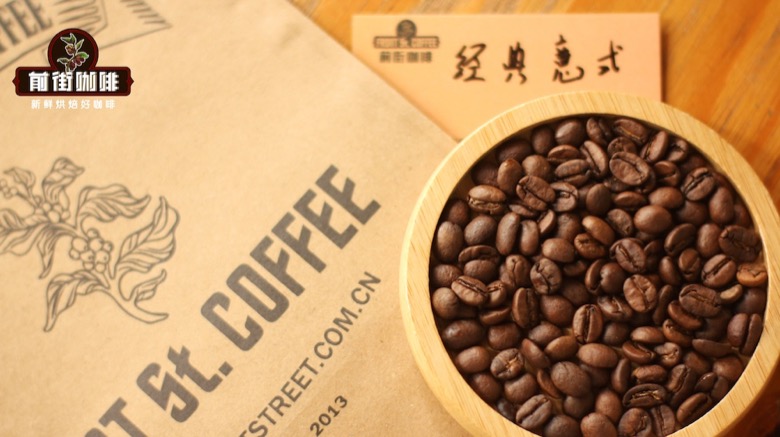
The core idea of selecting beans in a home Italian machine is to find a balance between "stability" and "trying new things". Daily ration beans pursue consistent products and solid flavor, and blended beans are naturally suitable for this role - the medium-dark roasted blend combines the advantages of multiple production areas, has a good balance of sour and sweet when concentrated and extracted, and has enough mellowness to make milk coffee.
Read more →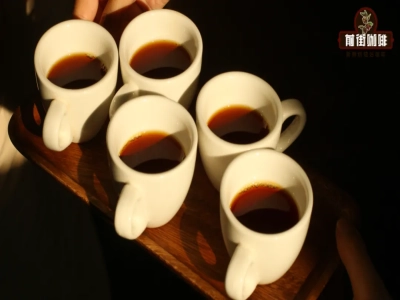
Robusta, generally known as Robusta, is considered very unpleasant to drink and difficult to swallow, but it still contributes nearly 30% of global production. Let Front Street introduce and share Luo Dou’s story with you! For a long time, people's favorite coffee originated in the border area between Ethiopia and Sudan.
Read more →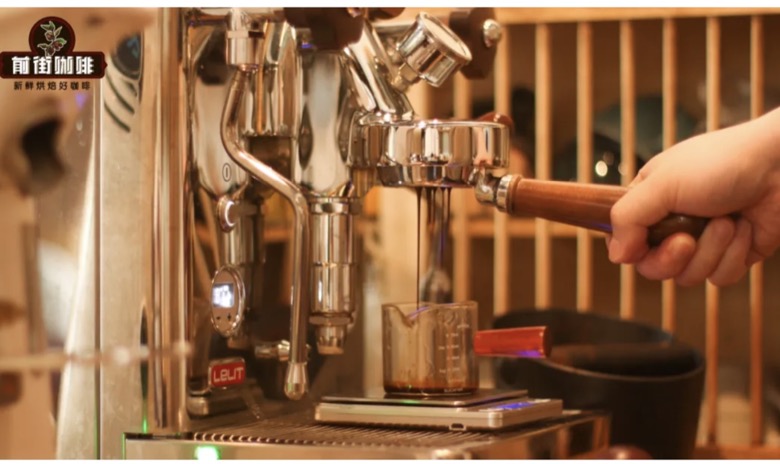
The upper limit of the flavor of espresso is largely determined by the type of beans. Robusta brings thickness and oil to the concentrate, while Arabica brings flavor and layer to the concentrate - understanding the expression logic of Arabica in the Italian system is the key to understanding an Italian bean list. Let’s start with the ingredient structure. Caffeine in Arabica
Read more →
目前市面上的咖啡豆琳琅满目,选择实在太多了! !作为咖啡入门小白,如何挑选适合自己的咖啡豆呢?本文前街咖啡就简单和大家聊一聊挑选咖啡豆的的要点。 first!我们要选择新鲜烘焙、标志着烘焙日期的咖啡豆咖啡豆在烘
Read more →
Most people's way of preparing beans is: first look at the production area, then read the flavor description, and finally place an order. But this order is not friendly to novices - Ethiopia, Colombia, Guatemala, these place names are just place names if you don't understand them. A more convenient way is to reverse the order: first figure out what flavor you like
Read more →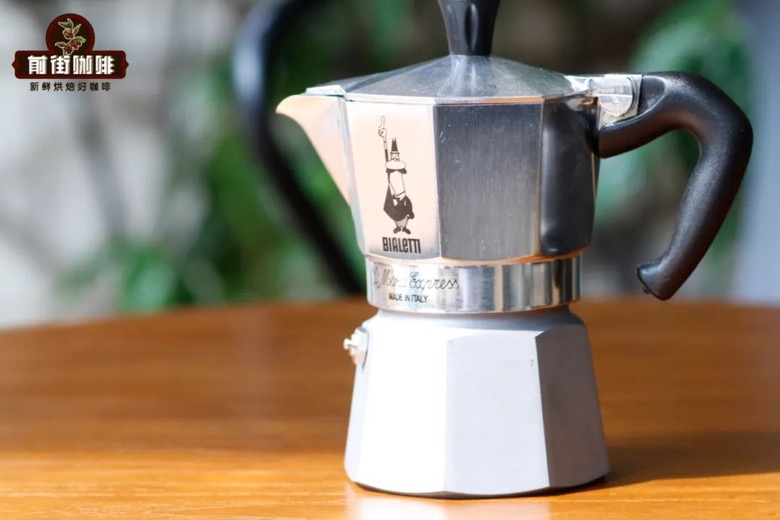
The Moka pot generates steam pressure through heating, pushing hot water through the layer of coffee grounds to complete extraction. In this process, the water temperature is higher and the contact time is concentrated, so the substances in the coffee powder will be quickly dissolved. Under such extraction conditions, roasting degree becomes the key variable that determines the direction of a cup of Moka pot coffee. Lightly roasted beans in moka pot
Read more →
Want to get started with single-origin coffee, but don’t know where to start? In fact, the world of single-origin beans is not as complicated as imagined - first get to know a few representative beans, find your favorite flavor direction, and the rest of the journey will be smooth. This article has compiled a list of popular ones suitable for beginners, from gentle to stunning, explained in one go.
Read more →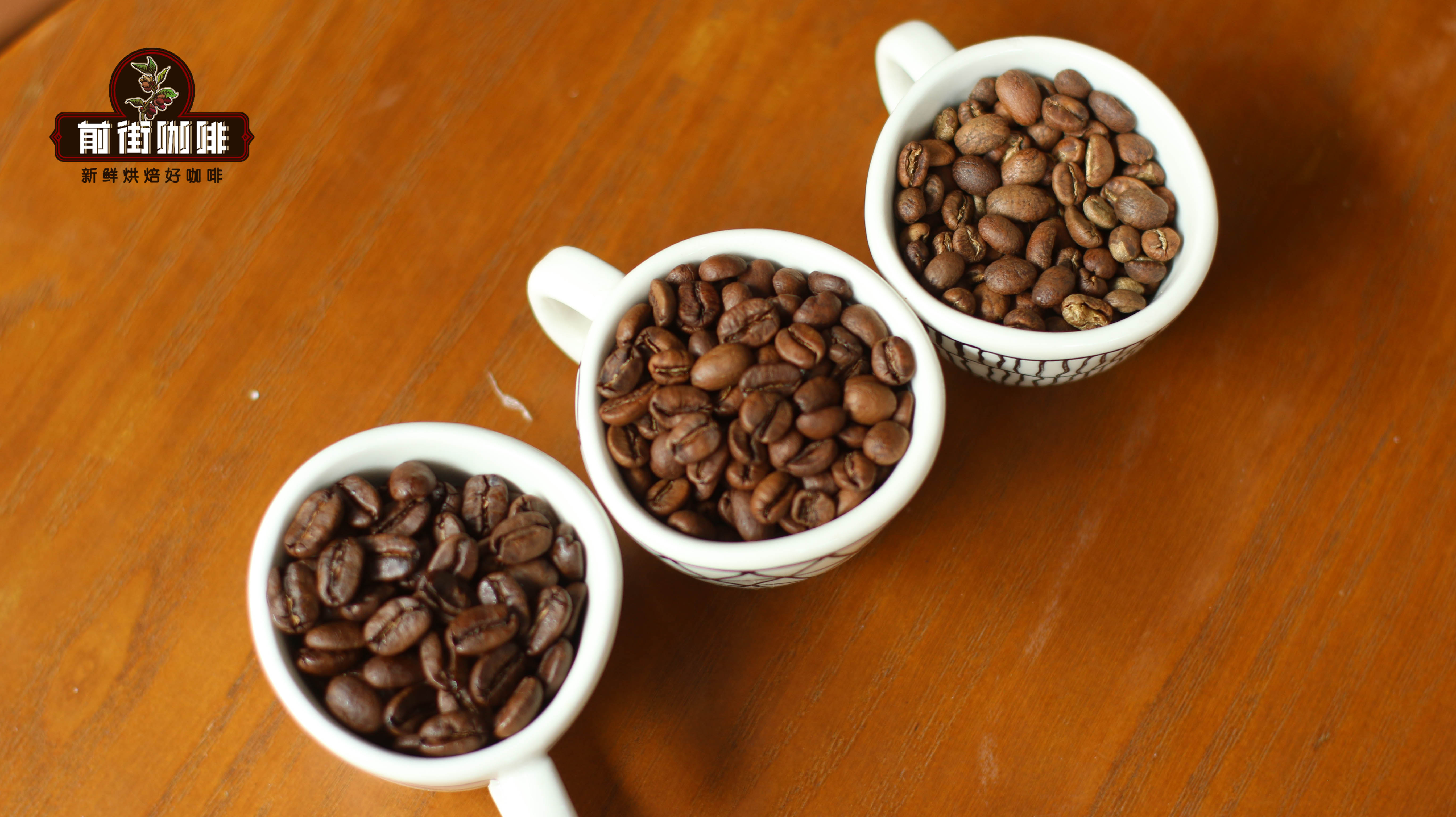
The roasting degree of coffee beans is roughly divided into light roasting (Light), medium roasting (Medium), and dark roasting (Deep). Light Roast: Light Roast (Light Roast), Cinnamon Roast (Cinnamon Roast) have a strong aroma and obvious sour taste
Read more →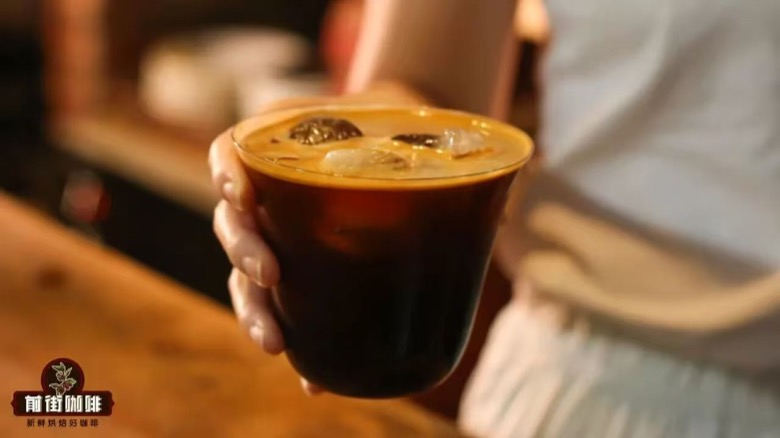
The charm of cold brew coffee lies in the smooth taste brought by low-temperature and slow brewing, and choosing the right beans is the starting point for making a good cup of cold brew. Cold brewing uses cold water to soak coffee powder for 12 to 24 hours. The release of aromatic substances is slow in a low-temperature environment, and the amount of bitterness and acidity is also reduced accordingly. The extracted coffee liquid is overall sweeter and more acidic.
Read more →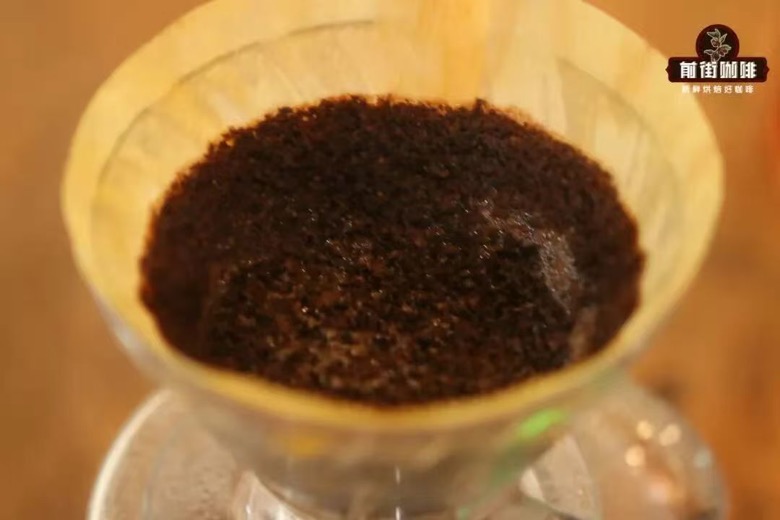
When brewing beans, the list of flavor descriptions on the packaging is often dazzling: floral, berry, caramel, oolong tea... These words are not marketing words, but the actual flavor direction that the roaster tastes when cupping. If you want to pick distinctive beans, the first thing to do is to treat these labels as beans.
Read more →Be the first to know about new bean releases, brewing tips, promotions and cupping notes

Scan to Follow Front Street Coffee on WeChat
