FrontStreet Coffee found the following content related to "typical" for you
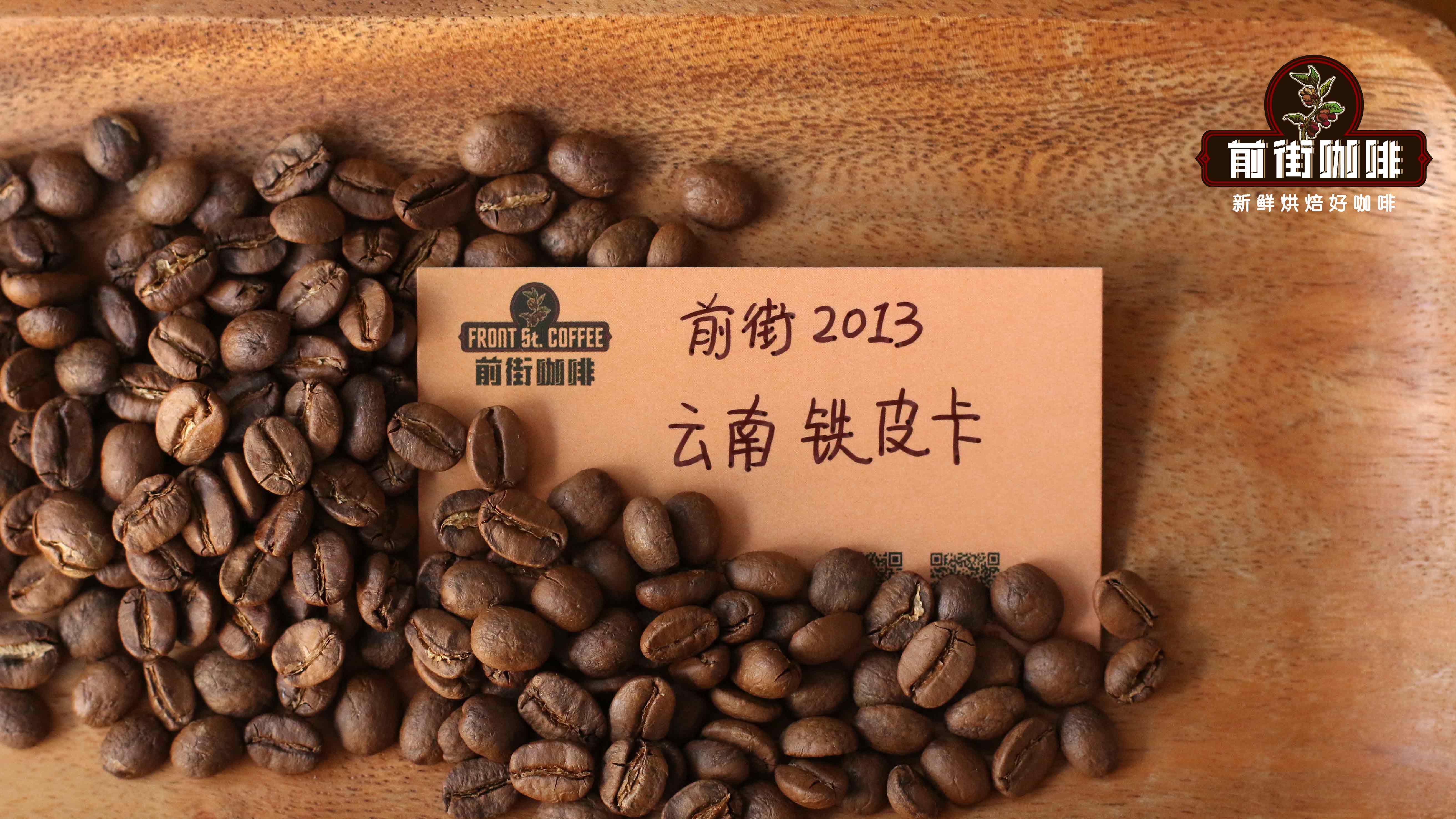
Introduction to Front Street Typica Coffee Coffee varieties are simply divided into three categories: Arabica, Robusta, and Liberia. These are the three major original species of coffee beans. No matter where the coffee is grown in the world, it cannot escape from these three major species. We often hear about Front Street Jamaica Blue Mountain, Front Street Oiran, and Front Street Yerga.
Read more →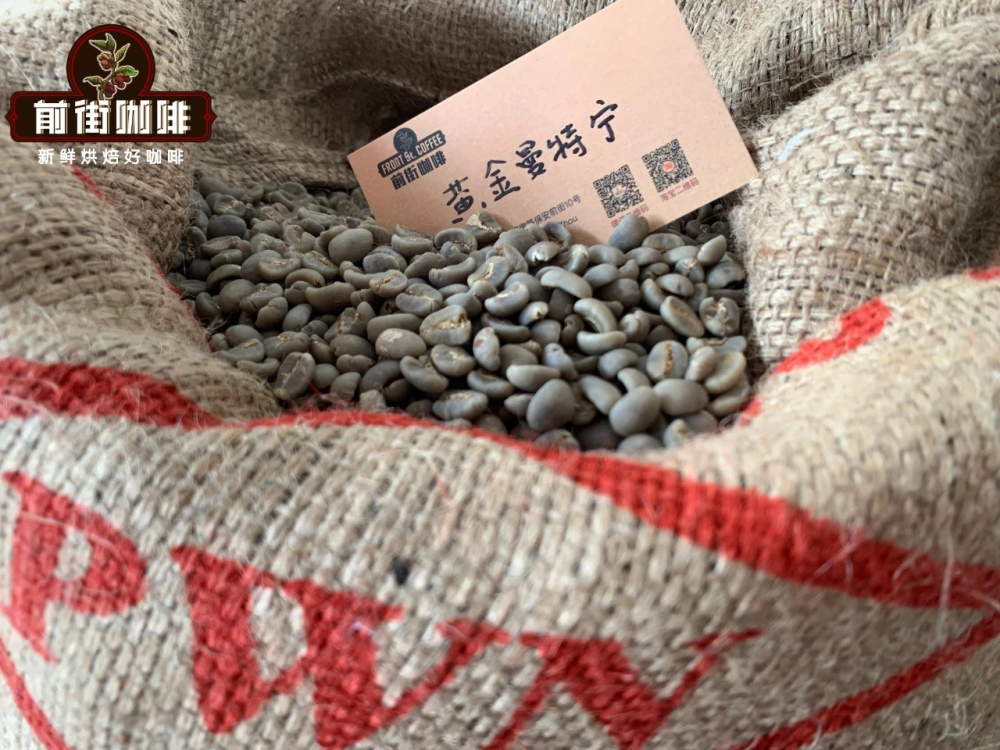
There are many kinds of coffee, including light roast and dark roast. In addition to different coffee beans, there are also different coffee machines, so there are many things to pay attention to. So today Front Street will tell you how to brew Golden Mandheling coffee by hand. Golden Mandheling coffee is a very popular specialty coffee bean in Front Street! Introducing Golden Man
Read more →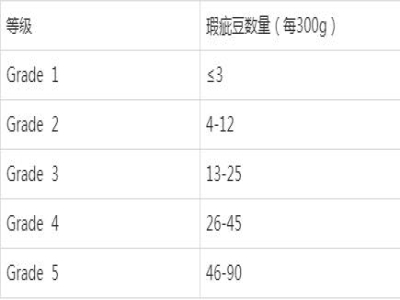
As newbies, we are not familiar with a lot of information, so what we need to choose is not coffee that is advertised as "high-grade", "expensive", or "rare varieties", but a pack of cost-effective beans that are both delicious and can be used as daily rations. So, today I’ll take stock of the “Top Ten Homes Most Worth Repurchasing” for you.
Read more →
The golden foam on the concentrated surface mainly comes from the crema formed by the carbon dioxide, lipids and extraction state of the coffee beans. To make it look richer, you usually start with a medium-dark roast, blend structure, and post-roast freshness. However, the amount of fat is only part of the experience in the mouth. It is really suitable for you.
Read more →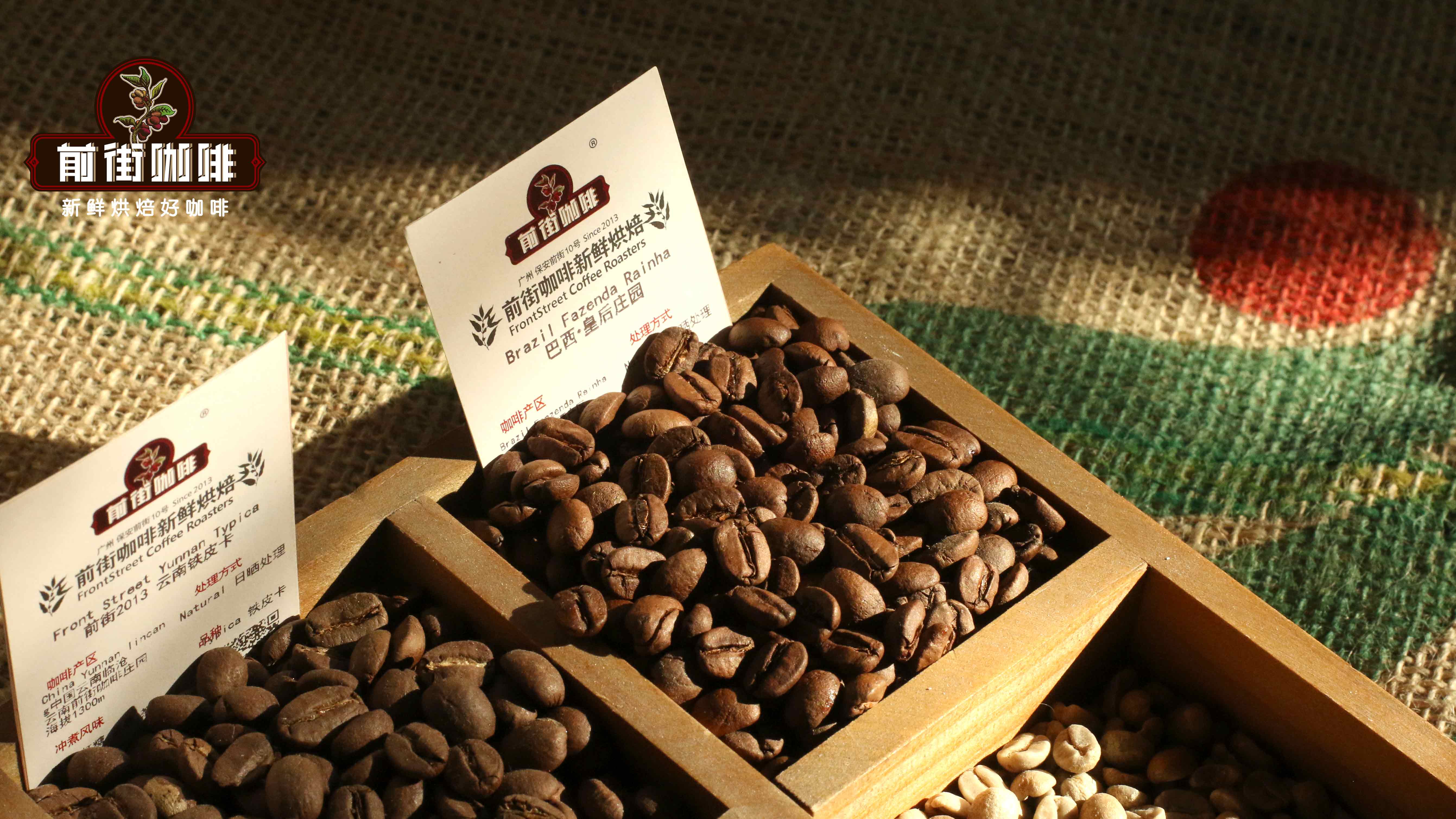
There are many varieties of coffee and many flavors. For some coffee novices, they don’t know how to choose. Today Front Street will recommend some coffee beans that are not sour. 1. Front Street Brazilian Queen Manor Coffee The variety of Qian Street Queen Manor coffee beans is the rare local yellow bourbon. Due to the yellow bourbon at high altitude,
Read more →
Yesterday I was chatting with a regular customer on Front Street and asked why he always came all the way to Front Street to drink coffee. After all, the Front Street store is in a relatively remote location, and online Taobao also sells ear-hanging coffee that you can brew at home, so you don’t have to make such a big trip here every day. But just in front of the street, I have done a good job of psychological construction.
Read more →
Many people don’t drink coffee, not because they don’t like it, but because they are put off by the bitter taste at the first bite. In fact, "coffee = bitter" is a big misunderstanding: the flavor of coffee varies greatly depending on the degree of roasting, production area, and variety. If you are naturally afraid of bitterness and like fruity and sweet flavors, you can definitely find a suitable bean for you from the following types of beans:
Read more →
When it comes to Moka pots, many people still have the impression of "Italian style, blended ingredients, and thick fat". It’s true that the moka pot is a great way to cook blended beans, but that doesn’t mean it can only be drunk in one style. In fact, the potential of the Moka pot is much greater than imagined: from the herbal mellowness of dark roasted Mandheling, to the clean sweetness of "Little Blue Mountain", to
Read more →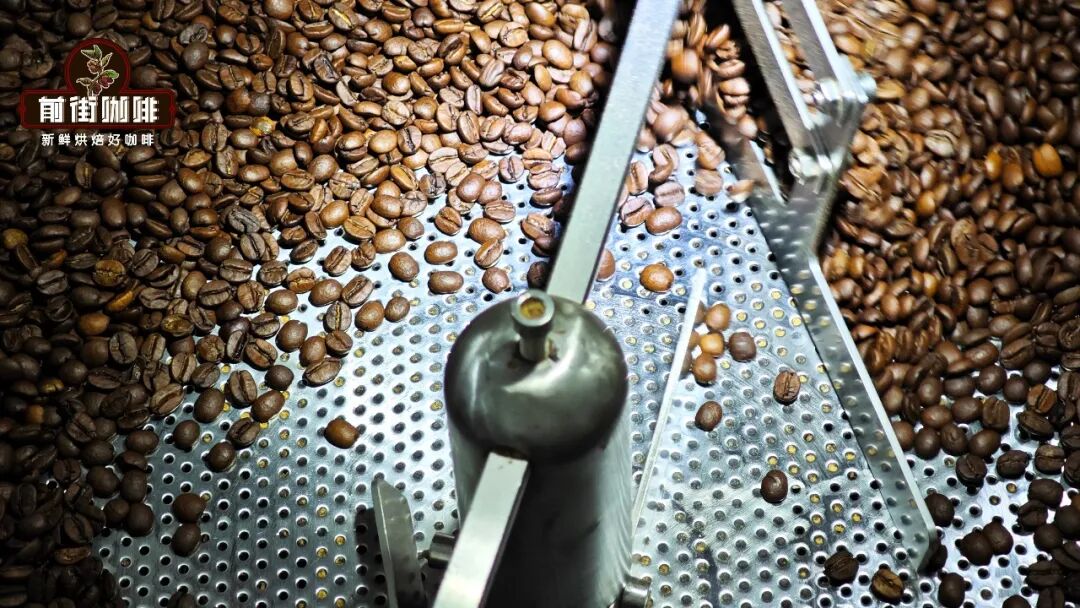
Last week, Front Street briefly introduced the Nordic "very light roast coffee". I believe everyone has a basic understanding of this roasting style. Today, we continue to fill in the gaps and talk about another roasting level that roasts coffee beans until they are black and shiny - Japanese dark roast. What is Japanese dark roast? Why is it called Japanese dark roast?
Read more →
As the quality of coffee improves, more and more single-origin beans are used to make espresso on the market. This espresso that emphasizes the flavor of the production area is different from the espresso that used blended coffee beans in the past. Not all single-origin beans are suitable for making espresso. Today Front Street will learn about SOE and how to make it.
Read more →
Coffee from different production areas, processing methods, varieties, and roasting degrees have different flavors and tastes, so it can be suitable for many people who love sourness and those who don't. Many people think that sour coffee tastes more exciting, so they start looking for high-quality coffee beans that are not sour in taste. So as consumers, we can
Read more →
Acidity in coffee beans is not a pH value but is one of the basic taste characteristics along with body, aroma, sweetness, bitterness and aftertaste. Acidity is generally related to the degree of roasting of coffee beans, and is also related to the flavor of the production area. Many people do not accept coffee that is too acidic because they think the taste is too exciting, so
Read more →
I believe that many coffee lovers started with instant coffee, and then they mustered up the courage to walk into the door of Starbucks, but were intimidated by the menu. Fortunately, they saw the familiar Americano coffee. Iced Americano is more popular than hot Americano. Whether it’s winter or summer, a cup of iced Americano coffee can make you drink
Read more →
What Front Street wants to share today is also a very interesting little toy. Although this thing has only appeared in the coffee circle recently, in fact, products with the same functions have already appeared in our daily lives. And it is a coffee cup with a "filter" function. How about it? It depends on the appearance, right?
Read more →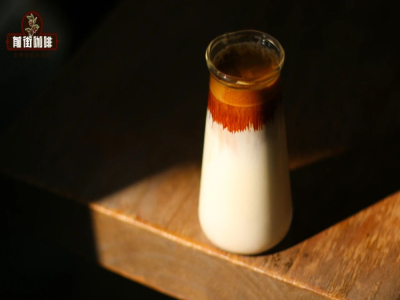
SOE and Dirty can be said to be the two biggest internet celebrities in the coffee industry. In recent years, many coffee shops have launched SOE and Dirty, which are made from single-origin beans. Front Street has also encountered many customers who asked as soon as they entered the door: "Can you use SOE to make dirty food?" Front Street was also very curious about this.
Read more →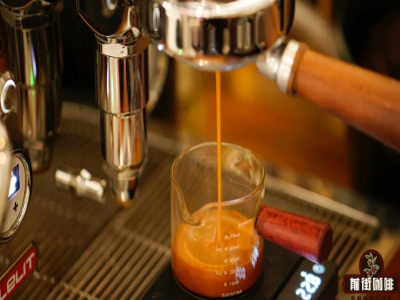
Front Street - An introduction to the difference between single origin and blending What is single origin coffee? The unprofessional name for single-origin coffee is "black coffee". It is generally drunk without adding sugar or milk. In the past, single-origin coffees that were often heard include Front Street Blue Mountain Coffee, Front Street Colombian Coffee, Front Street Brazilian Coffee, etc. Now there are also Front Street Mandheling and Front Street Panama Rose.
Read more →
Front Street - An introduction to the difference between single origin and blending What is single origin coffee? The unprofessional name for single-origin coffee is "black coffee". It is generally drunk without adding sugar or milk. In the past, single-origin coffees that were often heard include Front Street Blue Mountain Coffee, Front Street Colombian Coffee, Front Street Brazilian Coffee, etc. Now there are also Front Street Mandheling and Front Street Panama Rose.
Read more →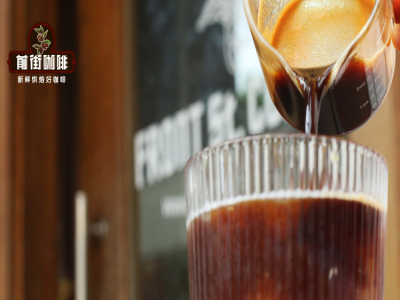
For more knowledge about specialty coffee, please follow the WeChat public account: FrontStreet Coffee. Some people believe that espresso (SOE/Single Origin Espresso) made from single-origin (single origin) coffee beans must be better than
Read more →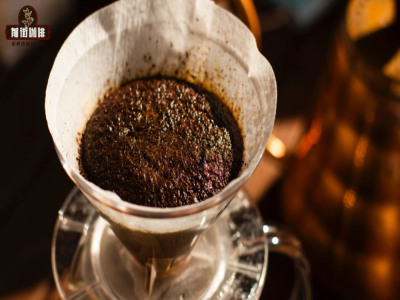
Traditionally, in order to highlight the mellow and rich taste of coffee, roasters generally use dark roasting. The deepening of roasting promotes the caramelization of more substances. Therefore, dark roasted coffee usually has rich flavors of chocolate, spices, caramel, cocoa, maple syrup, etc. Below we have compiled some information for those who are afraid of acidity and like the mellow taste of coffee.
Read more →
Hand brewing is the starting point for many coffee lovers to get into high-quality coffee, but when they first choose beans, they are often confused by the words "light roast", "medium-dark roast", "SOE" and "washed". In fact, the core of hand-brewed bean selection is one: first determine the flavor you want, and then match the beans according to the roasting degree. This article divides the two types of beans, light roasted and medium-dark roasted beans.
Read more →Be the first to know about new bean releases, brewing tips, promotions and cupping notes

Scan to Follow Front Street Coffee on WeChat
