FrontStreet Coffee found the following content related to "tropical" for you
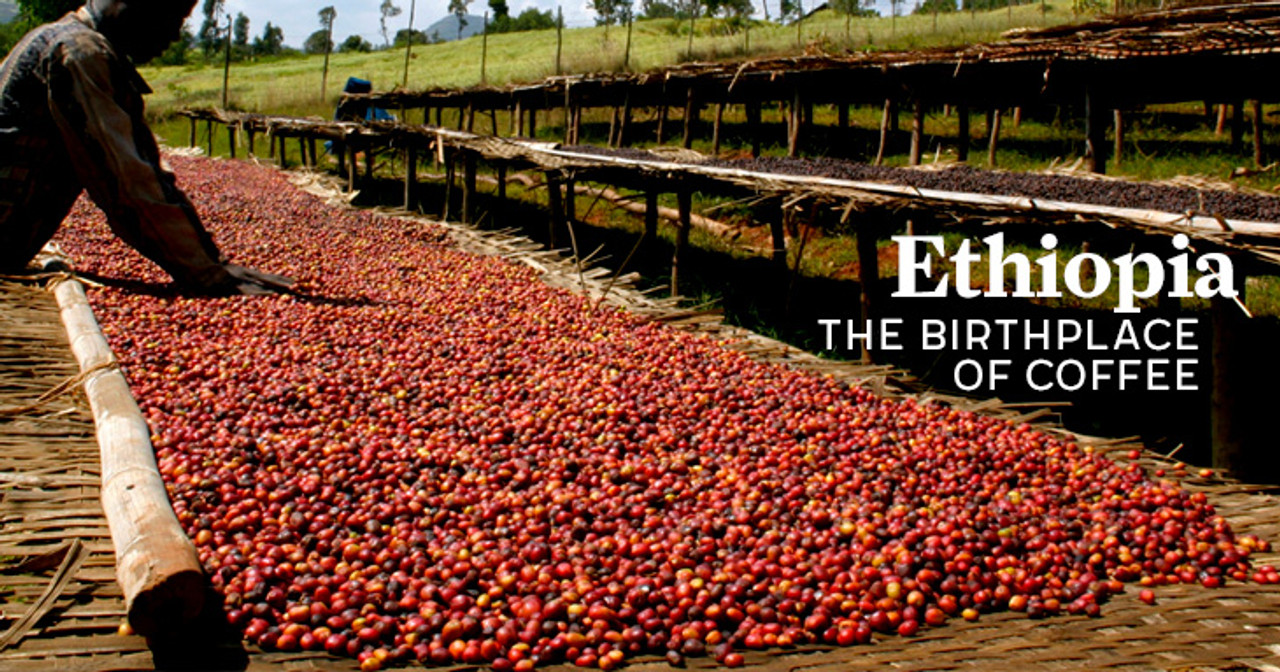
Many people’s single-origin coffee journey starts with a cup of Yirgacheffe. It is not as sharply sour as some African beans, nor as directly bitter as dark roasted beans. Instead, it combines the floral and fruity aroma with the soft sweet and sourness, making people understand that "coffee can be like this" the first time they drink it. This article will talk about Yirgacheffe
Read more →
The transformation of a bean from light roasting to dark roasting only takes a few minutes to complete. The temperature difference is only about 10°C, but there is an earth-shaking change in taste and aroma. Light roasting means beans that are baked from the middle of first crack to just after first crack! At this time, the beans in the body are
Read more →
Front Street - Brief Introduction to Coffee Growing Conditions Botanically speaking, coffee is a genus of Coffea in the Rubiaceae family, with Arabica and Robusta as the main species. Specialty coffee is mainly Typica, Bourbon, Caturra, etc. under Arabica. Coffee trees are evergreen shrubs planted in more than 70 countries with suitable climates, about 2 latitudes north and south.
Read more →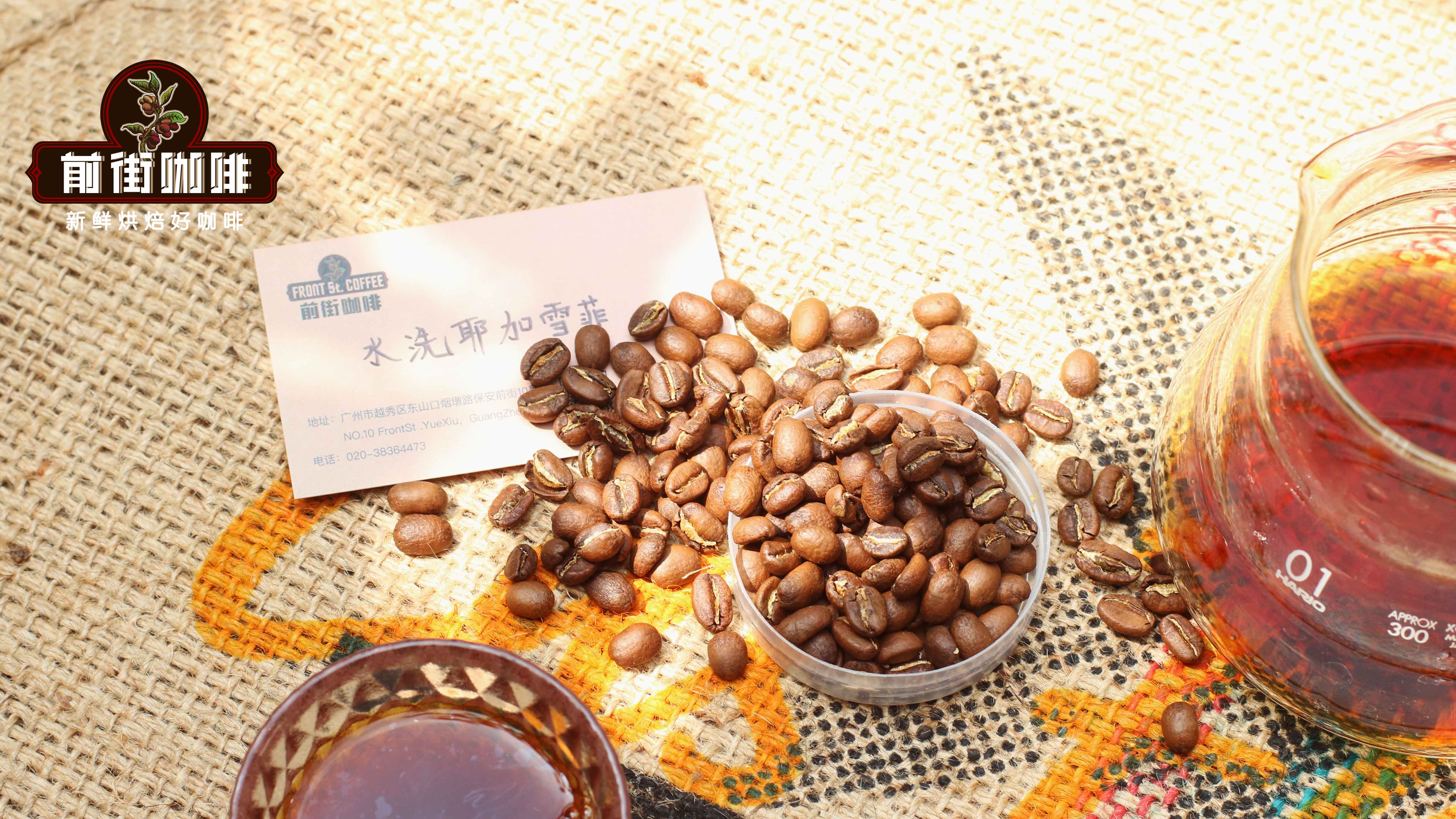
Defining Front Street Yirgacheffe as an entry-level coffee bean does not mean how many times it is available, but that it has such a price, such a distinctive character and taste. As long as you are not a bad roaster, you know, it will come out of the oven immediately after the first crack, and you will be able to drink your first cup of fresh jasmine lemon flavor immediately.
Read more →
Cold brew coffee has become more and more popular in recent years. It has a smooth taste and mild bitterness, which is especially pleasant to drink in summer. However, whether cold brew tastes good depends largely on the beans you choose, and the roasting degree is the most critical part. The advantages of using medium-dark roasted beans for cold brewing are sweetness and body. Cold brew is soaked in cold water for a long time, acids
Read more →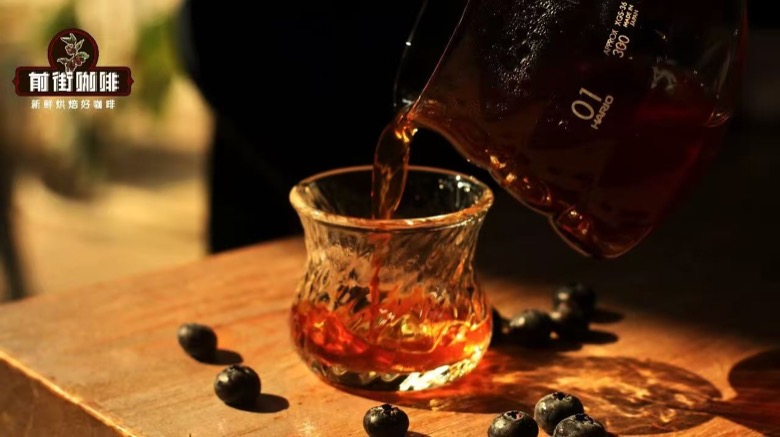
The fascinating thing about hand-brewed coffee is that the same beans will show completely different characters in different production areas. The production area determines the flavor of the coffee beans. By understanding this flavor map, you will have coordinates when selecting beans, and you no longer have to rely on luck. Ethiopia is synonymous with floral and fruity aromas. As the birthplace of Arabica, here
Read more →
The selection of beans for cold brew coffee is different from hot brewing. Low temperature and slow brewing will amplify the sweetness, reduce the acidity, and make the flavor more rounded and soft. If you choose the right beans, the cold brew will be delicious; if you choose the wrong beans, it will be tasteless or bitter. By clarifying the two routes of selecting beans, fruity and mellow, cold brewing will have a clear direction. fruit
Read more →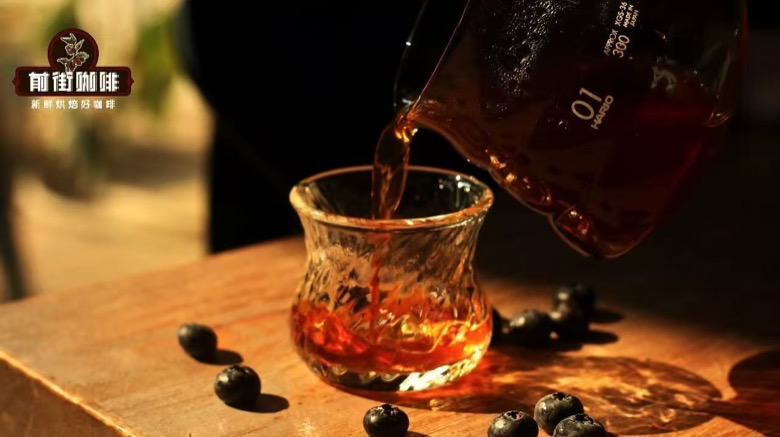
The charm of hand-brewed coffee lies in the flavor differences of the production areas. However, faced with the dazzling array of beans on the shelves, many novices are prone to difficulties: Which production area should they choose? In fact, you don’t have to memorize the flavor from the production area. Instead, work backwards from your own taste preferences. The choice will be much simpler. If you like floral and citrus notes, you can give priority to Ethiopia.
Read more →
When chatting with many customers, I found that the Yunnan coffee in everyone’s impression does not seem to have its own flavor and tone. It does not have the bright floral and fruity acidity like African coffee, the rich chocolate aroma of American coffee, nor the spicy aroma of Indonesian coffee, so no one can tell its specific characteristics.
Read more →
Most people's way of preparing beans is: first look at the production area, then read the flavor description, and finally place an order. But this order is not friendly to novices - Ethiopia, Colombia, Guatemala, these place names are just place names if you don't understand them. A more convenient way is to reverse the order: first figure out what flavor you like
Read more →
I have a espresso machine at home and want to drink milk coffee, but I also want to drink a cup of coffee by hand occasionally. How do I prepare beans? Many people's first reaction is to "buy two packs of beans." In fact, the key is to understand that blended beans and single-origin beans perform their respective roles, and then match them according to your own drinking habits. This article clarifies the logic of the two sets of "beans". Blend Beans: Responsible
Read more →
Many friends who want to get into hand brewing start with a cup of instant brewing. The leap from "three-in-one" to high-quality hand brewing is actually not small - if you choose the wrong beans, the first impression may be "Why are they so sour" and you will be discouraged from doing so; if you choose the right beans, it will open up a new world. This article is written for you who are planning to buy your first pack of hand-brewed beans. Three of the first packet of beans
Read more →
Cold brew coffee has become more and more popular in recent years. In the summer, a cup of ice-cold and smooth cold brew can relieve the heat than hot coffee and is softer than iced American style. Whether cold brew tastes good or not, you have to choose the beans first. Different from hot brew, cold brew is extracted at low temperature and for a long time. The sourness is greatly softened, and the sweetness and smoothness are amplified. Therefore, the logic of selecting beans also has its own logic.
Read more →
Want to get started with single-origin coffee, but don’t know where to start? In fact, the world of single-origin beans is not as complicated as imagined - first get to know a few representative beans, find your favorite flavor direction, and the rest of the journey will be smooth. This article has compiled a list of popular ones suitable for beginners, from gentle to stunning, explained in one go.
Read more →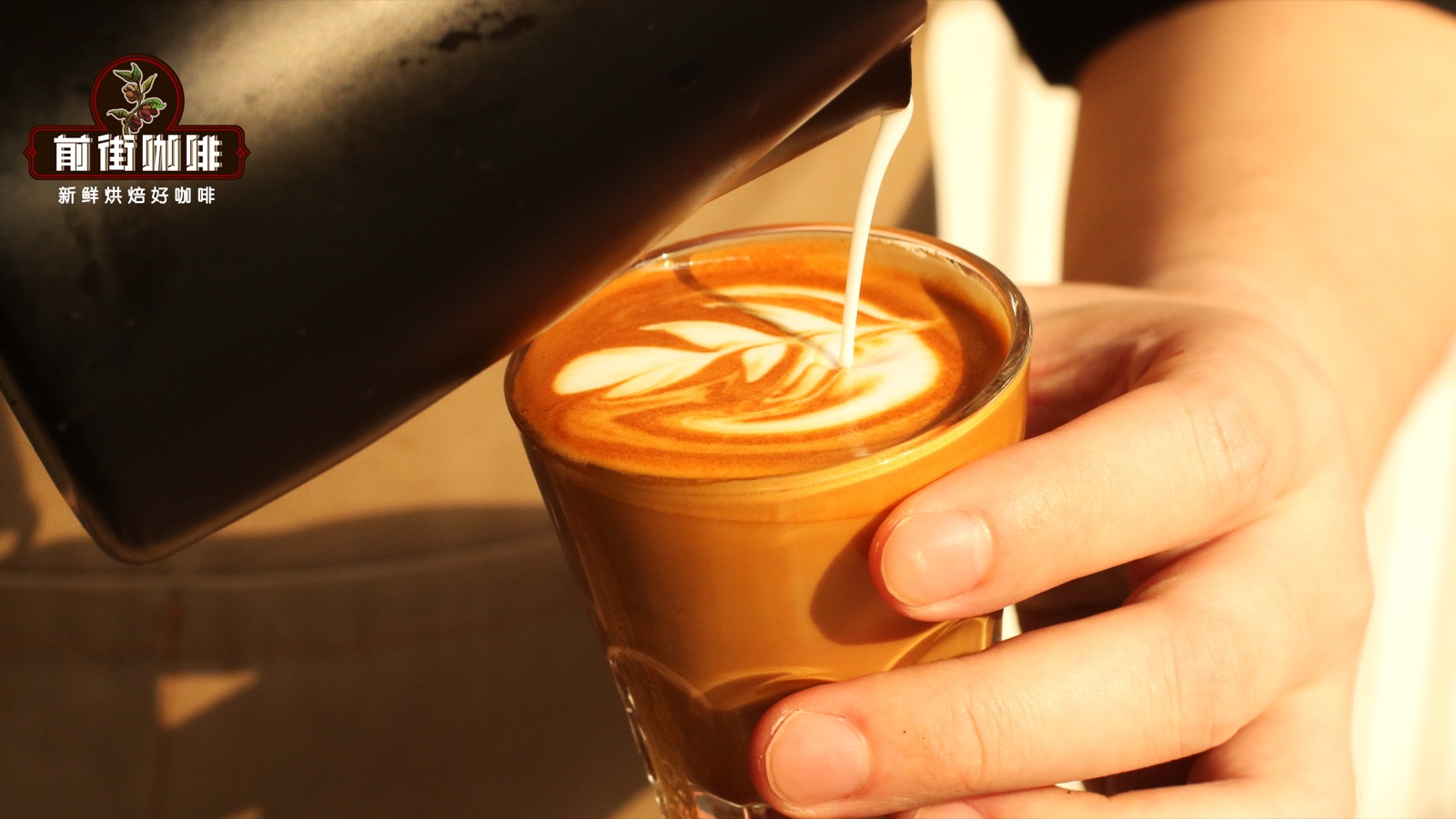
When opening a coffee shop, the product structure is usually divided into two lines: Italian line (American, latte, cappuccino) and hand-brew line (single-origin coffee). The bean selection logic of the two lines is completely different, but both directly determine the repurchase rate. This article is a reference for friends who are preparing to open a store or optimize their menu. Italian line: stability is overwhelming
Read more →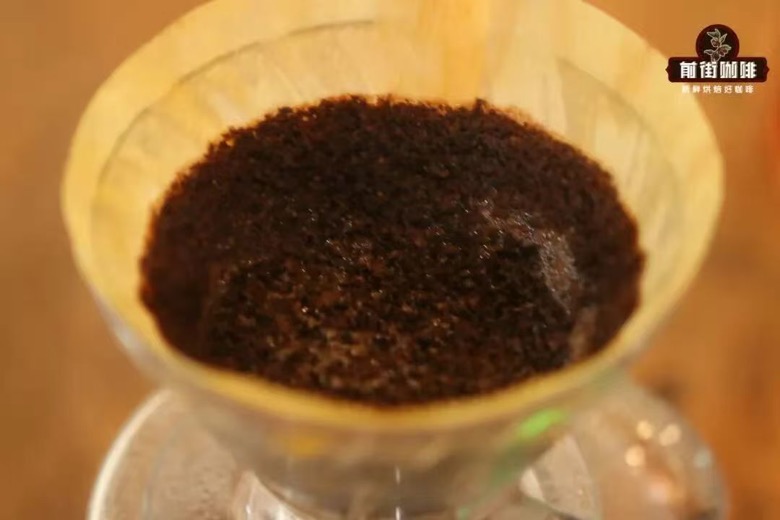
When brewing beans, the list of flavor descriptions on the packaging is often dazzling: floral, berry, caramel, oolong tea... These words are not marketing words, but the actual flavor direction that the roaster tastes when cupping. If you want to pick distinctive beans, the first thing to do is to treat these labels as beans.
Read more →
The charm of hand-brewed coffee lies in the difference in flavor of the production area. It is also Arabica beans. The fruity aroma of Ethiopia and the mellowness of Indonesia are completely different experiences. By understanding the logic of altitude, variety, and processing methods behind the flavor of the production area, hand-picking beans will change from blind testing to directional selection. Ethiopia brews fruity beans by hand
Read more →
Front Street - An introduction to the floral and fruity aroma of coffee beans. There are mainly four factors that affect the flavor of coffee. The following will explain how to choose the coffee beans that suit you from the four aspects of variety, origin, processing method, and roasting degree. Why does coffee taste fruity? The reason why coffee smells (drinks) with a "fruity" flavor boils down to
Read more →
If you often see the word "Xizhao" on the menus of specialty cafes, you may be curious as to why it is always placed in a prominent position. Chiclaw is a bean variety that has been active in competitions in the past two years. Front Street Colombian Chiclaw is the same bean variety that came from Columbia’s Divide Estate as the champion. Many players use it to play competitions, and they have also
Read more →
Iced coffee is a test for the beans: low temperature will amplify the sweetness and weaken the aroma, so the flavor concentration of the beans must be sufficient. The Ethiopian Oiran on Front Street makes iced hand-brews. The aroma of strawberry and passion fruit is still clear after the ice cubes cool down; the blueberry juice in Xija feels like a smoothie with ice after being chilled, and the flavor concentration of iced coffee is as strong as beans.
Read more →Be the first to know about new bean releases, brewing tips, promotions and cupping notes

Scan to Follow Front Street Coffee on WeChat
