FrontStreet Coffee found the following content related to "terroir" for you
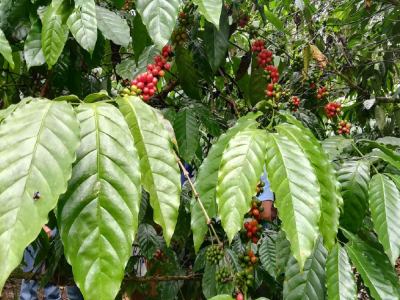
Since Gesha coffee became famous, Gesha coffee has been grown in many parts of the world. Geisha coffee is the new king among specialty coffees. Among them, Gesha produced in Panama, Guatemala, Colombia and other South American countries are of higher quality and more expensive. Among them, Panama Geisha is the most famous. Although grown in many producing areas
Read more →
For more specialty coffee knowledge, please pay attention to: Frontsteet Coffee Typica Varietal is one of the Arabica coffee varieties, also translated as Typica or Typica. The earliest coffee variety discovered by people is
Read more →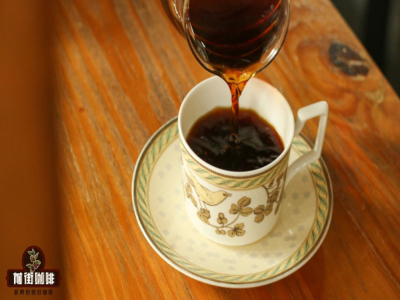
There are various TOP rankings in many fields, such as the top ten symphony orchestras in the world, the top ten wonders in the world, and the top 100 universities in the world. It turns out that in the coffee field, some people also listed the "top ten coffee beans in the world". It is unknown what conditions or indicators the ranking is based on, but it is not determined by output and price. Organize (partially rewrite)
Read more →
If you know something about coffee, you must know that coffee beans are roughly divided into two types: Robusta coffee beans and Arabica coffee beans. They can be said to be our two most common bean species, but why is Arabica coffee more popular? So today, Front Street will share what is the difference between the two
Read more →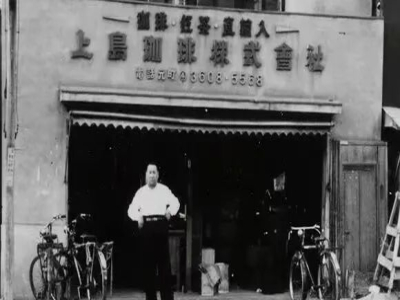
Because Front Street Street is one of the few coffee shops that sells Blue Mountain Coffee offline, many coffee lovers come here to taste the once "top-notch" coffee in the coffee world - Blue Mountain Coffee. Yes, I admire the name of Blue Mountain...and what’s interesting is that this group of enthusiast friends actually tasted it
Read more →
If you know something about coffee, you must know that coffee beans are roughly divided into two types: Robusta coffee beans and Arabica coffee beans. They can be said to be our two most common bean species, but why is Arabica coffee more popular? So today, Front Street will share what is the difference between the two
Read more →
Because Front Street Street is one of the few coffee shops that sells Blue Mountain Coffee offline, many coffee lovers come here to taste the once "top-notch" coffee in the coffee world - Blue Mountain Coffee. Yes, I admire the name of Blue Mountain...and what’s interesting is that this group of enthusiast friends actually tasted it
Read more →
When it comes to Panama coffee, the first word that pops into most people’s minds is “Gesha”. In the past decade or so, this small country in Central America has amazed the world with its Geisha, so much so that many people only know this variety of Panama coffee. In fact, in this land, it was Bo
Read more →
When it comes to Yirgacheffe, I believe many people will think of distinctive characteristics such as floral aroma, non-bitterness, citric acid, citrus, tea taste... The reason why Yirgacheffe coffee beans have such a gorgeous flavor and a refreshing and bright tone is firstly due to the terroir of the place of origin, and secondly, the mastery of roasting, because the coffee beans
Read more →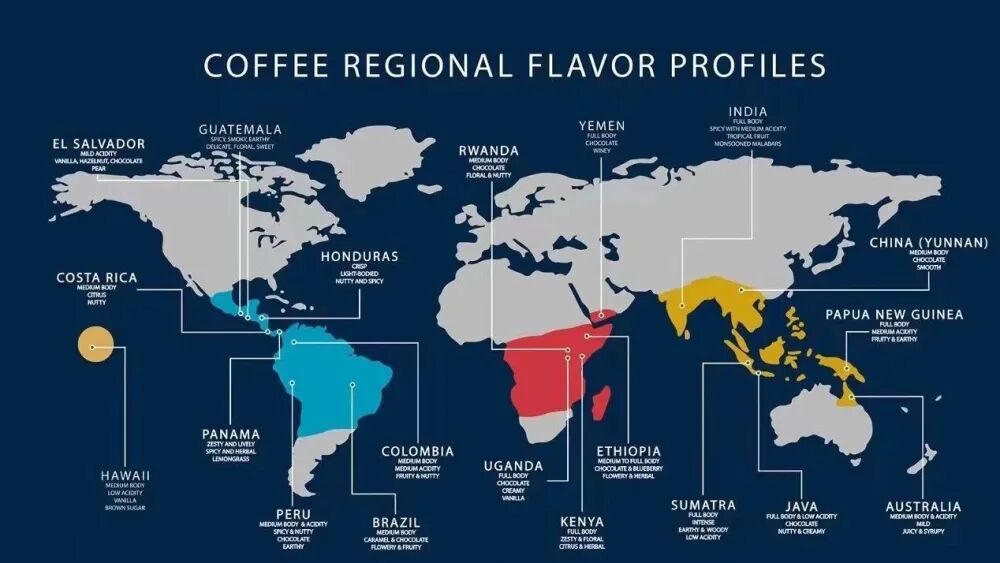
Readers who often read Front Street articles should know the term "golden planting belt". The cultivation of coffee has extremely high requirements on the climate and environment. Therefore, not all land can grow coffee! These places on the earth between 25° south latitude and 25° north latitude have a suitable climate, no frost, and annual rainfall.
Read more →
The fruity aroma of fruity coffee comes from two sources: the terroir of the production area and the fermentation process. The fruity aroma of Front Street Panama Jade Manor Red Label Geisha is more elegant, with clean aromas of citrus and black tea; Colombian Hija has a direct sense of juice - the aroma of passion fruit and blueberry is so strong that it is like adding juice to coffee, two expressions of fruity flavors
Read more →
The coffee beans suitable for espresso extraction should start with the actual cup feel. Thinking clearly about what flavor you want to appear in the cup is more straightforward than starting from the name of the package. The roasting degree of coffee beans determines the basic taste. The production area and processing method bring about aroma differences, and the equipment used will change the concentration. Therefore, you need to put these conditions into consideration when picking beans.
Read more →
A cup of coffee goes through grinding and extraction from the bean to the mouth. When facing commercial coffee beans, it is more straightforward to first think about the flavor you want to have in the cup than starting from the package name. First confirm the commonly used utensils and the taste you like, and then compare the specific beans. The actual operation will be more directional. Baking date also affects the commercial
Read more →
The Mainstream Third Wave of Specialty Coffee Today’s coffee shops often emphasize that they are “specialty coffee.” What exactly is “specialty coffee”? Why do more than 90% of the in-house roasters like Wild Flowers choose to use the so-called light-medium roast to interpret the flavor of green coffee beans? Just pay a little attention to coffee articles
Read more →
A cup of coffee goes through grinding and extraction from the bean to the mouth. When faced with hand-ground coffee beans, it is more straightforward to first think about what flavor you want to appear in the cup than starting from the package name. First confirm the commonly used utensils and the taste you like, and then compare the specific beans. The actual operation will be more directional. Baking date also affects hand
Read more →
The charm of hand-brewed coffee is that the same coffee fruit grown in different production areas can have completely different flavors in the cup. Since there is no interference from milk and high-pressure extraction in hand brewing, the terroir characteristics of the production area are fully amplified. Understanding the production area means understanding the flavor language of hand-brewed coffee. Ethiopia is the origin of coffee and is
Read more →
Another meaning of specialty coffee is single-origin coffee, that is, coffee beans from the same production area have obvious regional characteristics. For example, Ethiopian coffee has a floral and fruity aroma, Colombian coffee has a chocolate aroma, and Indonesian coffee has an herbal aroma... This is the influence of terroir. Therefore, when drinking hand-brewed coffee, you will tend to choose coffee from a single
Read more →
Panama is a Central American country bordering Costa Rica to the west and Colombia to the east. Anyone who knows something about single-origin coffee should know that Panama coffee is famous in the coffee world for the Geisha of the Emerald Manor. Thanks to the unique terroir and the growers' knowledge of coffee essence
Read more →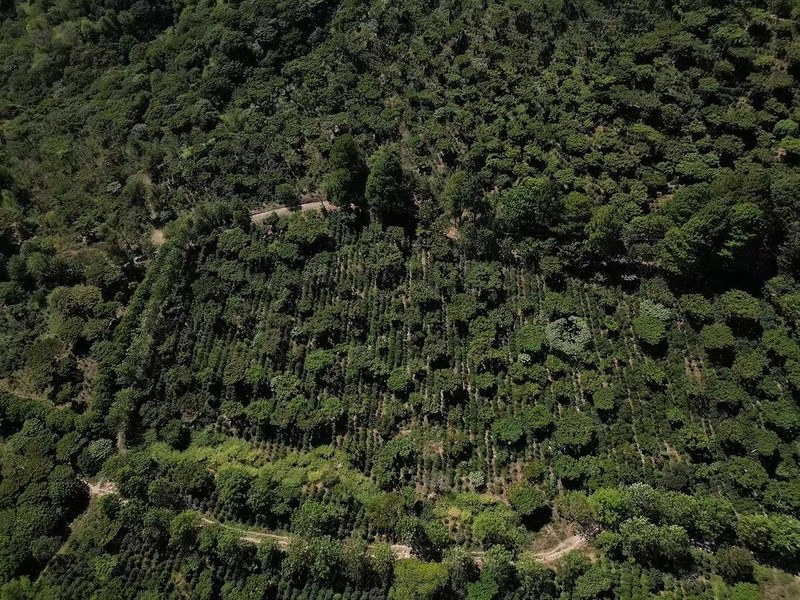
When it comes to medium-dark roasted Moka pot coffee beans, let’s first look at how you plan to drink them every day. Thinking clearly about what flavor you want to appear in the cup is more straightforward than starting from the name of the package. If you mainly drink black coffee, you can pay more attention to the aroma and aftertaste; if you often add milk, you have to consider whether the concentration and body can be retained, which will directly affect
Read more →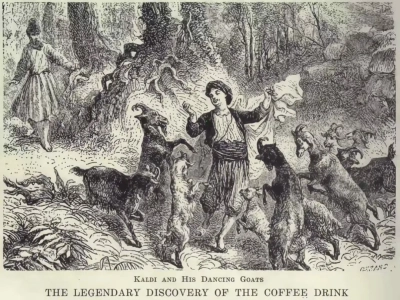
"From the 6th to the 8th century AD, Kadi, an Ethiopian shepherd boy, was taking care of goats in a mountain forest. Suddenly one day, he found that the sheep were inexplicably excited and jumping around. Even the sick old sheep recovered their strength and walked as fast as flying. After careful observation, he finally discovered that this "symptom" was caused by the sheep eating the forest.
Read more →Be the first to know about new bean releases, brewing tips, promotions and cupping notes

Scan to Follow Front Street Coffee on WeChat
