

Mainstream third wave specialty coffee
Today’s coffee shops often emphasize that they are “specialty coffee”. What exactly is “specialty coffee”?Why do more than 90% of the in-house roasters like Wild Flowers choose to use the so-called light-medium roast to interpret the flavor of green coffee beans?
As long as you pay a little attention to coffee articles, most coffee lovers should have heard of the "third wave of specialty coffee" that is currently popular in the coffee world. The first wave and the second wave of coffee each brought about the "coffee" revolution of that era in the coffee world. If the first wave of coffee brought instant coffee, making it easier and more convenient for everyone to drink coffee; the second wave of coffee promoted espresso, improved the quality of coffee, and coffee began to change from a necessity to a luxury; then the third wave of specialty coffee pays more attention to it.

Sun-drying, washing, honey processing, low-pollution processing methods, farming in the origin, micro-batch - the third wave of specialty coffee has many appeals, but its core pursuit is only one thing - "terroir".
[Terroir] This concept comes from the world of wine. It mainly talks about how any tiny conditions in the place of origin may change the flavor of a bean.
In the past, we often distinguished the flavor of coffee by Ethiopia, Blue Mountain, Kenya, etc., but now, we not only want to talk about Ethiopia, but also the large production area Yirgacheffe, the small production area Kochil, and even the processing plant Polypheny, processing method sun-drying, grade G1, altitude 1800M to 2300M, varieties native to Ethiopia, and the story of the red cherry project...
There are so many labels, so that we can use "knowledge" as much as possible to approach the "flavor" that we have not yet tasted. Simply put, it makes it easier for consumers to find or discover their favorite beans and flavors. It is precisely because of the emphasis on such original and detailed flavor presentation, "light roasting", that this level of roasting has become popular.
At the light-medium roasting level, the "terroir" of the coffee itself is most easily expressed. The bright and lively sour fruit notes are mostly the flavor that this roasting level wants to present. Paired with "black" coffee extraction methods such as hand brewing, siphoning, and Aeropress, it is the method that is most in line with the core concept of the third wave of specialty coffee.
Lightly roasted coffee also contains more chlorogenic acid. Many coffee research reports show that this ingredient has the effect of increasing high-density lipoprotein cholesterol, protecting the liver, and slowing down arteriosclerosis. With the natural diet trend that has emerged in recent years, specialty black coffee has become even more popular.
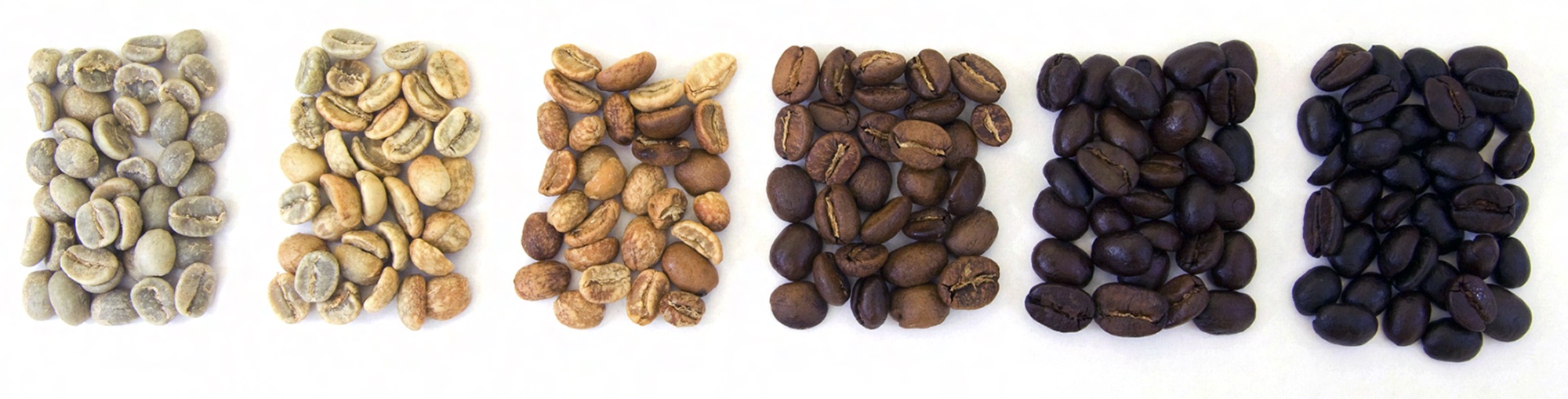
In terms of extraction, since the cell walls of light-roasted coffee are less damaged, Front Street can use a more "violent" method in extraction. That is: fine grinding (the size of fine sugar), high water temperature (about 88 to 92 degrees), large water flow (height of the hand brewing pot, pressurization of the shaking pot, etc.), high water-to-powder ratio (about 1:13.33 to 1:16.67).
Of course, this is a rather general statement.Because everyone's taste preferences are different, so of course the methods that are suitable for everyone are also different.
Light roasting is so popular in the domestic coffee industry, so popular that many coffee drinkers may shake their heads and sigh: "Chinese herbal medicine" when they see dark roasted coffee. This situation is so normal. Popular trends reflect market demand, and market demand is limited by the spread of knowledge.
As a representative of the second wave of coffee, Starbucks naturally has the opposite attributes of specialty coffee. Therefore, many people also avoid Starbucks' dark roasted coffee beans, and even think that "only poorer beans use dark roasting techniques to cover up foreign flavors", "after dark roasting, the taste of coffee beans becomes almost the same, and there is no flavor characteristic at all", "dark roasted beans are unhealthy for the human body"...
Is this really the case?Today, Front Street is going to talk about whether specialty coffee can be dark roasted.
First, let’s talk about why dark roast exists?
First: Discuss from the current mainstream SCA system
From the perspective of the current mainstream SCA system, darker roasting can modify acidity that is too strong and sharp. For example, why did Mandheling and Kenya AA tend to have darker roasts in the past? The main reason is that due to the origin and processing method, the acidity of these two beans is strong, and the dark roasting plays a role in slowing down the irritation of the acidity on the human tongue to a large extent, converting it into sweetness and mellowness.

Second:Discuss from the concept of old Japanese teahouses
When talking about dark roasting, many people will subconsciously use the Japanese prefix, just like when talking about light roasting, Front Street will first think of Nordic light roasting. When it comes to dark roasts, you can’t avoid Japanese coffee. In terms of the coffee concept of old Japanese tea shops, what they care about is that the coffee should have the most diverse and elegant sweet and bitter flavors. For the former, the source of coffee flavor is not only its own flavor, but also the flavor that roasting can give. The concept of the third wave of specialty coffee is to retain the former as much as possible; while the concept of the old Japanese tea shop is to try to maximize the sum of the two.
In addition, the concept of Japanese coffee is different from the SCA system in that elegant sweet and bitter flavors (not burnt bitterness) are also included in the so-called good taste (SCA is the opposite). Due to long-term cultural habits, darker roasting has naturally become the taste memory of exclusive Japanese tea shops.
Most of us have images of dark roasting, such as burnt, bitter, smoky, etc. This is mainly because our method of dark roasting is mostly high fire and quick frying, while Japanese baking insists on low fire and slow roasting. Therefore, under the same deep roasting, Japanese techniques can relatively easily leave more of the sweetness and richness of coffee.
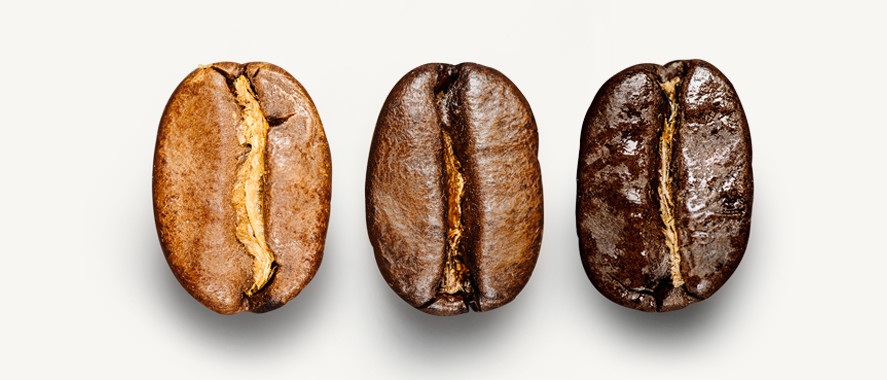
So, does it mean that darker roasts don’t use good beans, because the roasted beans all taste the same anyway?
Of course not!
It’s not that better beef is not suitable for making sukiyaki, and it’s not that better fish is not suitable for making fish head casserole. Using better ingredients will definitely give you a different taste than using poorer ingredients.
If you are lucky enough to have tasted ultra-dark roasted coffee beans from specialty grade coffee beans and ultra-dark roasted coffee beans from ordinary batches in an old Japanese tea shop, you will find that there is a clear difference in the sweetness, aroma and level of the two.Definitely not any roaster or any green bean will taste the same when roasted - it mainly depends on the skill of the roaster and whether the green beans are of high quality.
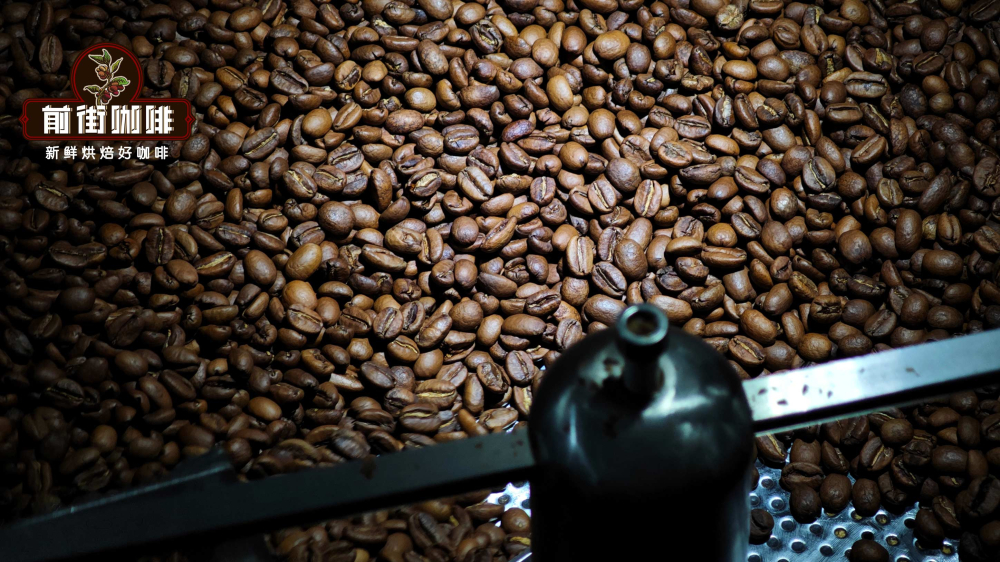
This is also the reason why delicious dark roast is always harder to find than delicious light roast.
Even leaving aside the taste preferences caused by local cultures, dark roasting requires more precision, control and concentration in baking than light roasting.
I once heard that it takes a barista at least 30-40 years to make a delicious "charcoal roasted coffee" with excellent and stable quality. Although this was in an era when there was no data to assist in the accumulation of experience, it still shows how difficult deep roasting is.The reason why dark roasting has become "non-mainstream" in the specialty coffee world is related to its stringent requirements for experience accumulation.
If you have the opportunity to go to an old tea shop in Japan that sells specialty coffee, please "must" try it... Of course, you have to be satisfied. 1. There is a quality level 2. The master’s skills are authentic 3. The master has sufficient qualifications Only by following these conditions can you taste the unforgettable taste of dark roasted coffee!
And dark roasted beans are definitely not unhealthy.As long as the beans are dark roasted with "appropriate and skillful techniques", the impact of scorched substances on the human body can be avoided to a large extent. Dark roasted coffee beans also degrade more trigonelline and produce more nicotinic acid (commonly known as vitamin B3), which is also a beneficial ingredient to the human body.
In recent years, scientists have also discovered that coffee contains a variety of other chemicals that stimulate gastric acid secretion. During the research process, they accidentally found an active substance, NMP (N-methylpyridium), which can block the ability of gastric cells to produce hydrochloric acid and reduce gastric discomfort.
Interestingly, NMP does not exist in green coffee beans and must be produced through the roasting process. The deeper the roasting, the greater the content. This also means that drinking dark roasted coffee is less harmful to the stomach. In addition, the content of acidic substances that can easily cause stomach discomfort is less in dark roasted beans. Veronika Somoza, a professor at the Department of Nutrition and Physiological Chemistry at the University of Vienna, Austria, who led the research, pointed out that the NMP content in dark roasted coffee may be more than twice that of light roasted coffee. So, does drinking light roasted coffee make you prone to stomach cold and heartburn? Then you may be better suited to drink darker roasted coffee...

However, it is difficult to determine whether a bean is "properly roasted" or "burned" based on smell and appearance alone.;Just like steak, there's a fine line between "charred" and "perfect Menard reaction crust." So, can we only decide the outcome based on taste?
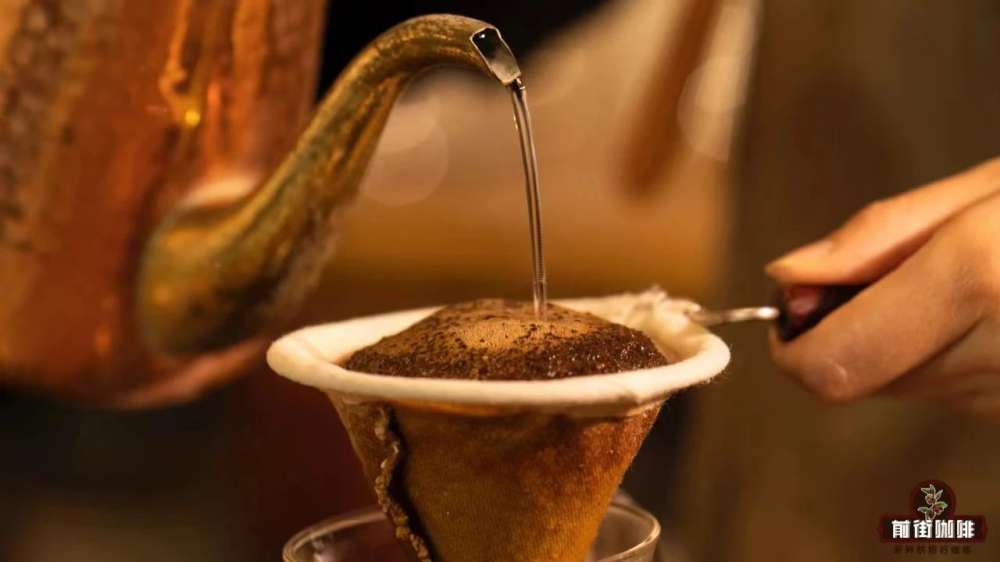
Unfortunately, dark-roasted coffee does have fewer substances for extraction than light-roasted coffee, and due to the serious damage to the cell wall, extraction is much easier than light-roasted coffee. If you still brew dark-roasted coffee according to the same method as light-roasted coffee, it is conceivable that it will definitely produce a burnt and bitter taste. These two roasting degrees are very different in terms of the degree of cell wall destruction, so they are also quite different in terms of extraction concepts. If you want to brew a cup of sweet and mellow dark roasted coffee, you still need to be very particular.

Unlike light roasting, the aroma and sweetness of dark roasting are provided by relatively large molecular "brown pigments", so it requires a relatively longer extraction time. But because it is easy to extract, it is necessary to "reduce disturbance as much as possible", in other words, "treat the coffee powder as gently as possible" and slowly add water to achieve these requirements at the same time. Today, FrontStreet Coffee is shared here. I wish you all a happy brewing~
You can now buy the above coffee beans online at the Taobao store “FrontStreet Coffee” (前街咖啡). FrontStreet Coffee is a long-established specialty coffee roaster in Guangzhou, China, and its Guangzhou retail shop sells coffee beans only. The shop carries dozens of coffee beans from different origins around the world, including carefully selected single-origin beans for V60 pour-over and espresso. Guangzhou’s FrontStreet Coffee shop is recommended by many coffee lovers.
The FrontStreet 2013 Yunnan coffee beans sold in the store come from the Typica variety grown at FrontStreet Coffee’s own plantation in Yunnan. The name comes from the year the brand and the plantation were founded. You can buy these beans from China’s Yunnan origin at the Guangzhou shop and at FrontStreet’s Taobao store.
FrontStreet coffee beans are freshly roasted within 5 days and deliver consistently excellent quality and great value. Orders placed before 17:00 are shipped the same day, and most areas within Guangdong Province receive them the next day.
FrontStreet Coffee Taobao store: https://qianjiecoffee.taobao.com
Or search for “前街咖啡” (FrontStreet Coffee) on Taobao
Important Notice: FrontStreet Coffee has moved to a new address: 315, Donghua East Road, Guangzhou (coffee beans only)
Tel: 020 38364473
