
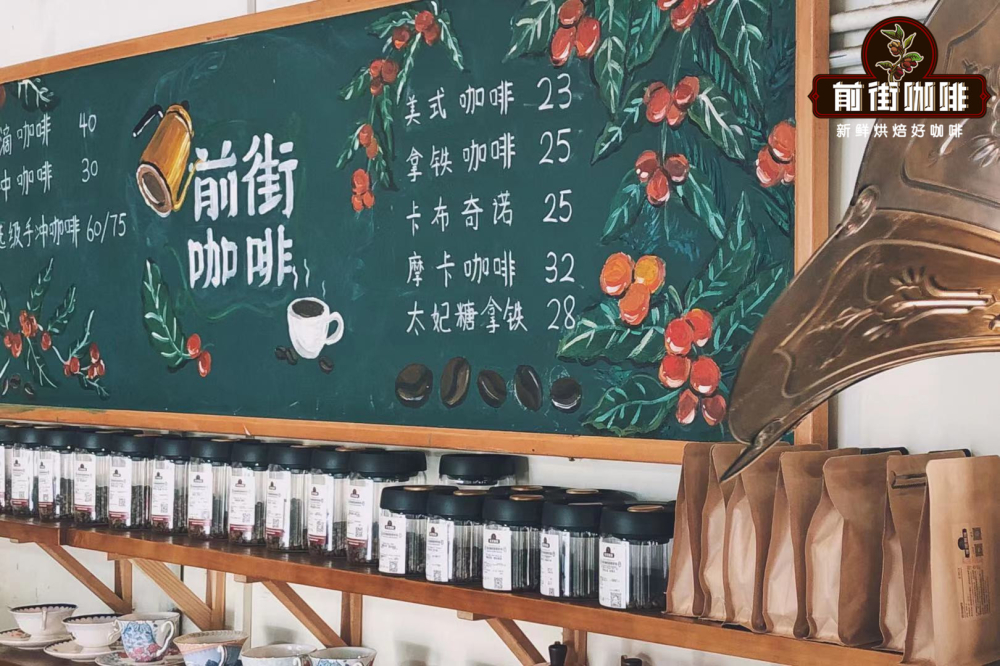
When baristas at FrontStreet Coffee introduce the flavor of coffee beans to customers, they learn a lot about coffee beans. From a coffee bean to the coffee we taste, it needs to go through picking, drying, shelling and screening, roasting, and finally extraction. Each link will more or less affect the flavor performance of the coffee. Roast degree is one of the issues that many people are most concerned about. This article on Front Street will briefly talk about the impact of roast degree on the flavor of coffee.
The roasting principle of coffee beans
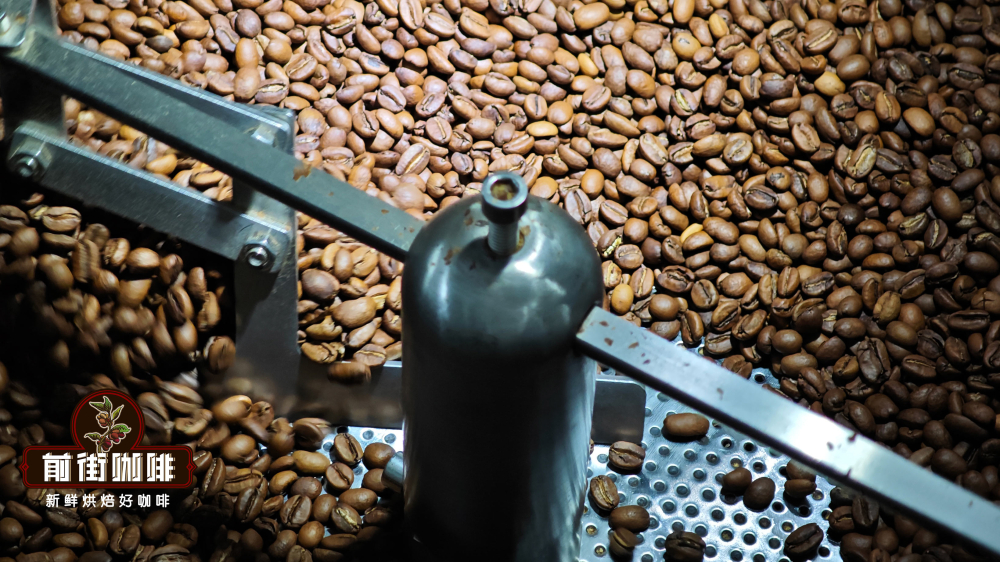
A coffee bean is composed of a large number of material components. After high-temperature roasting, these substances undergo a series of chemical reactions to form various flavor compounds. The proportion of flavor compounds directly affects the taste of the finished coffee. Among the factors that affect the taste of a cup of coffee, green beans account for 60%, roasting accounts for 30%, and extraction accounts for 10%, so the importance of roasting is self-evident.
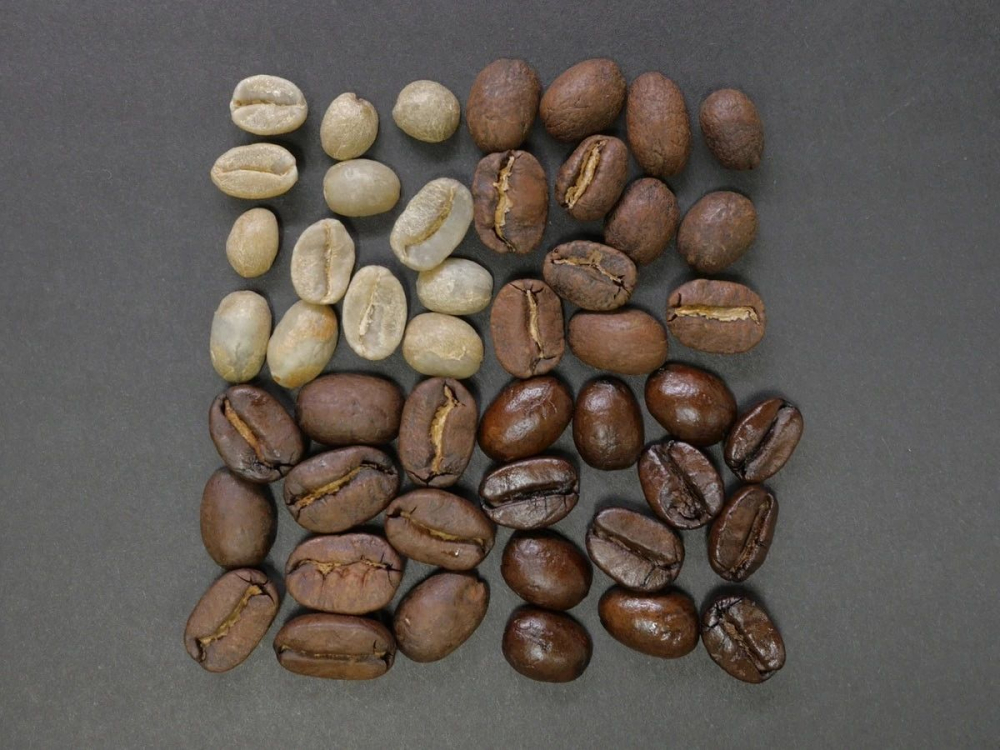
The Maynard reaction and caramelization reaction mainly occur during the entire baking process. The Maynard reaction is the key to the flavor and color of coffee beans. Sugars and amino acids react at high temperatures to form hundreds of flavor compounds, which bring together the unique flavor of coffee beans. The caramelization reaction is the dehydration, degradation and browning of sugars at high temperatures, which darkens the color of the coffee beans and releases aromatic and acidic compounds.
The formation of coffee bean aroma and color change are inseparable from the Menard reaction and caramelization reaction. During the roasting process, there are three elements that determine the final flavor of coffee that must be properly controlled: sourness, sweetness and bitterness. Generally, the longer the total roasting time, the less sourness will be left in the end. On the contrary, the bitterness will become stronger with the longer the roasting time. The darker the roasted coffee, the more bitter it will be.
How Roast Degree Affects Coffee Flavor
Traditionally, in order to highlight the mellow and rich taste of coffee, roasters generally use dark roasting, so that it is not easy to drink the defective flavors in the coffee. With the introduction of the concept of specialty coffee, people began to emphasize the unique flavor of the production area and advocate coffee with a clean taste and obvious sour and sweet flavors. Therefore, light roasted coffee gradually became popular. The deepening of roasting promotes the caramelization of more substances, so if you want to retain more fruit acid and floral aroma, you will use a lighter roasting degree.
The roasting degrees of our common coffee beans on the market can be roughly divided into three categories: light roasting, medium roasting and dark roasting.
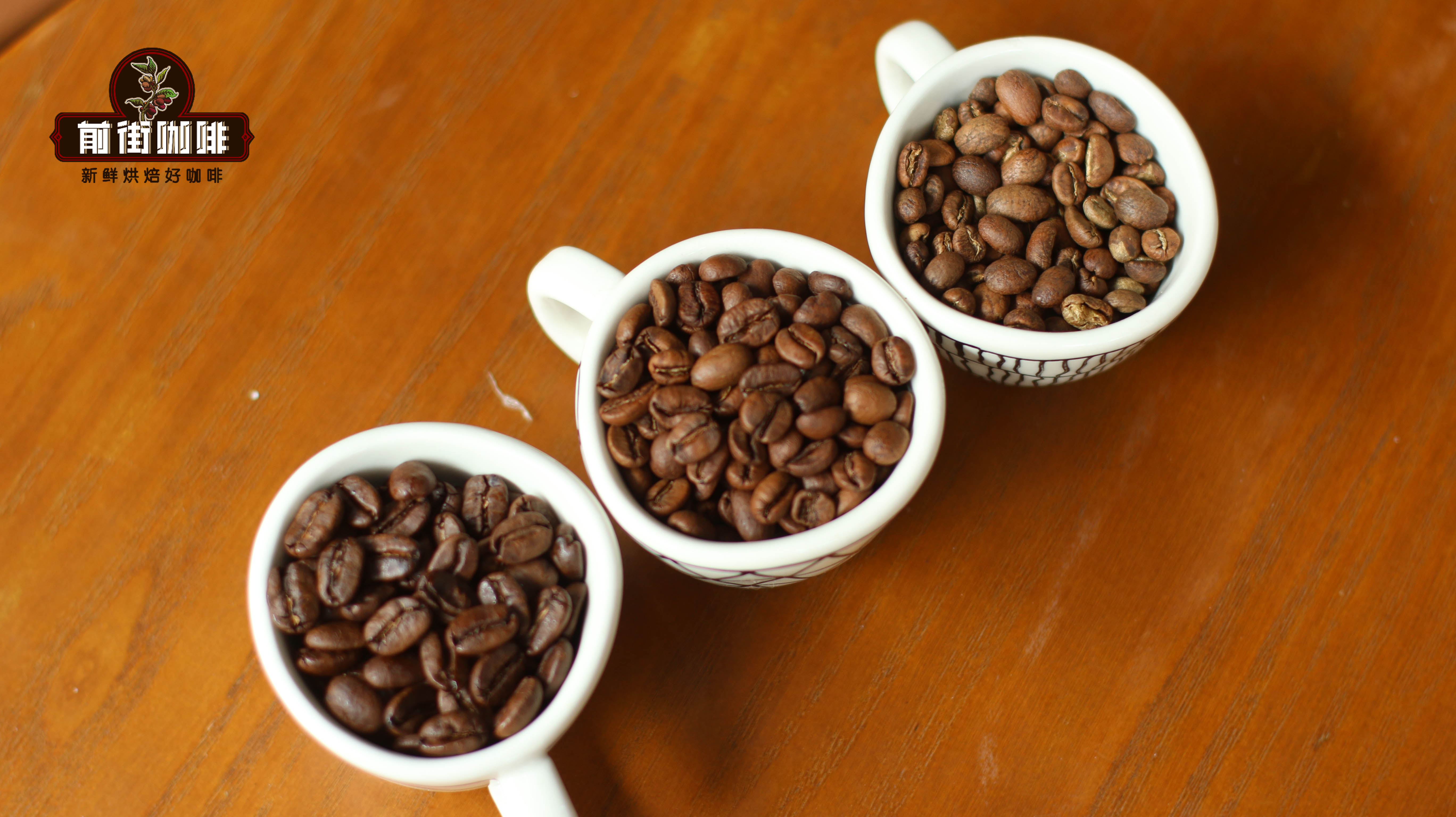
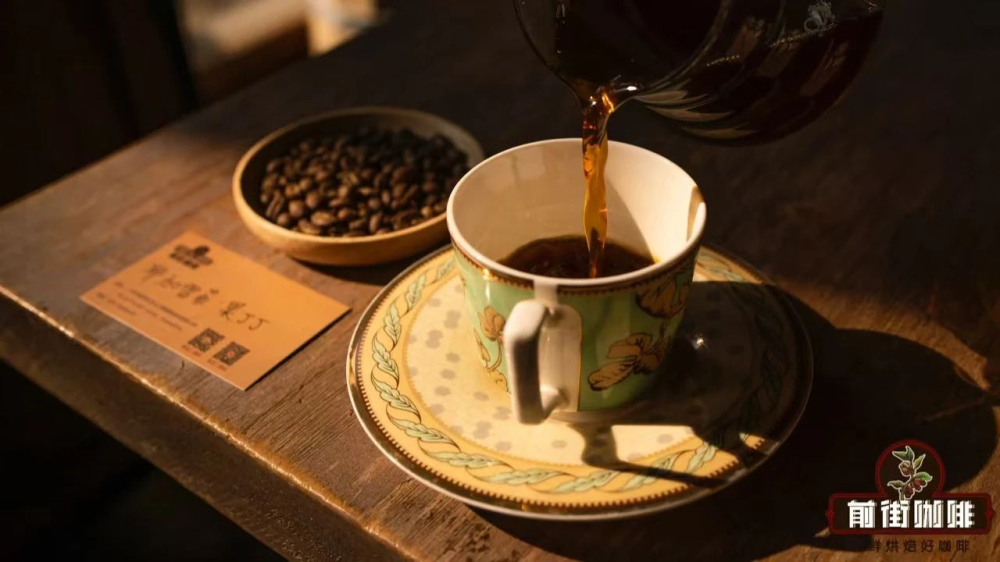
Light roast: Rich fruit tones, with a sweet and sour floral and fruity aroma, and you can feel the strong acidity. For example, the Yirgacheffe Cooperative coffee beans are washed on Front Street.
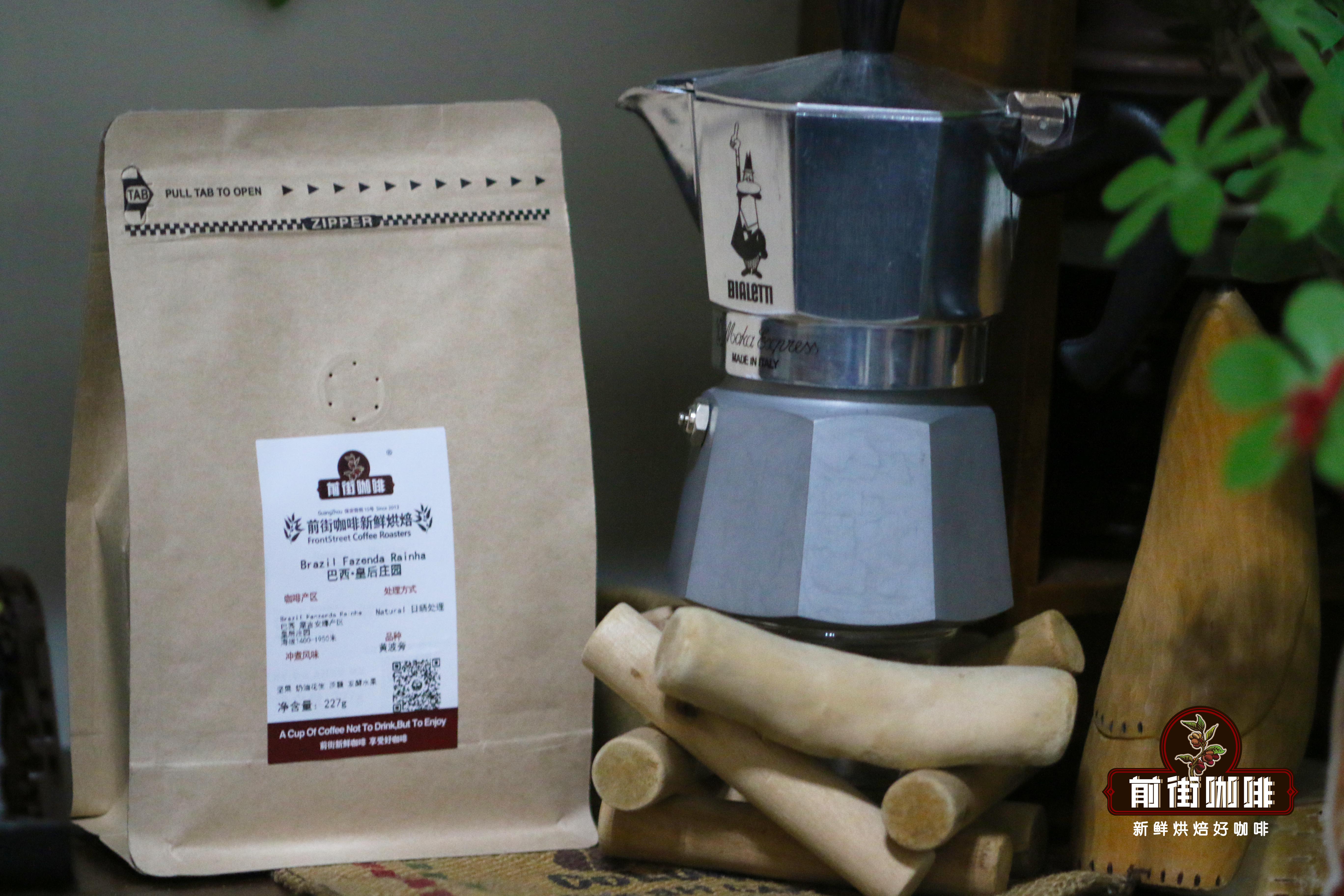
Medium roast: Nutty tones, mainly caramel, cocoa, and malt. For example, Front Street Brazilian Queen Estate coffee beans.
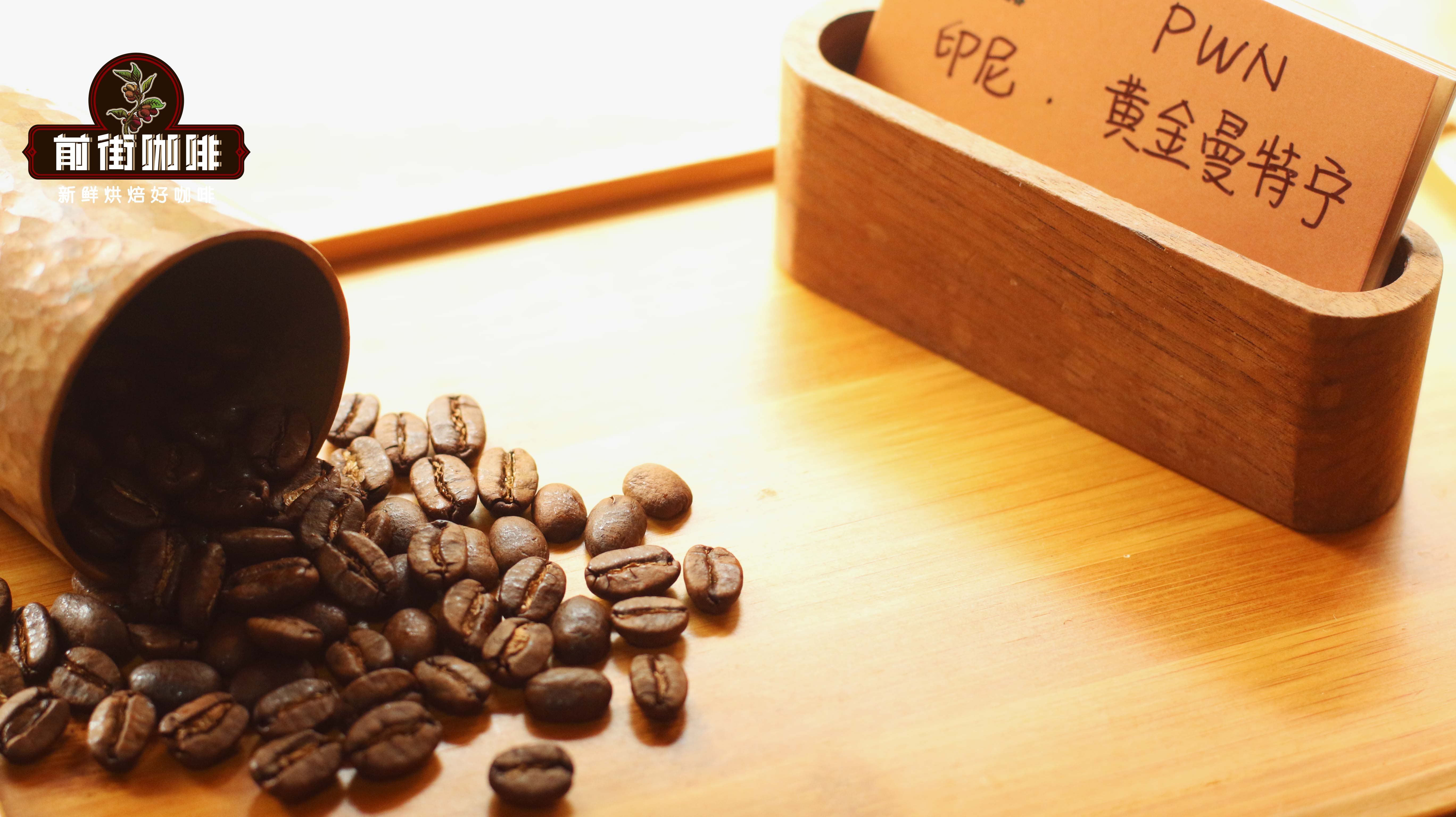
Dark roast: with a bit of chocolate bitterness, low acidity, rich caramel aroma, spicy, woody, and charcoal flavors. For example, Front Street PWN Golden Mandheling coffee beans.
There may be many friends here who think that coffee acidity means light roasting, and coffee bitterness means dark roasting. However, the perspective of people in the coffee industry is not that simple. The choice of roasting degree requires understanding the flavor of the coffee production area and showing the unique taste of home-roasted coffee, in order to become a competitive product in the market. As a sales merchant, roasters must not only find the roasting curve corresponding to a coffee, but also ensure that the quality of the coffee produced is stable and consistent. Therefore, to roast coffee well, roasters need to be familiar with the characteristics of coffee beans and roasting principles, and they must continue to accumulate experience in order to more perfectly present the complex aroma of coffee beans.
SOEWhat roasting degree of coffee is suitable?
SOE stands for "Single Origin Espresso", an espresso made from single-origin coffee. The opposite is Italian blended espresso.
When we use blended coffee beans to make espresso, we mix coffee beans from different production areas. As the roasting degree deepens, the flavor and taste become more balanced and rounded, which is more conducive to the stability of extraction. In order to present the flavor characteristics of the production area (such as the floral and fruity aroma of Africa), roasters will choose a lighter roasting degree to retain more acidity and floral aroma for single-origin coffee. These high-quality flavors expressed in hand brewing actually amplify various flavors when extracted with a supercharged espresso machine, which can easily make espresso coffee sour and irritating.
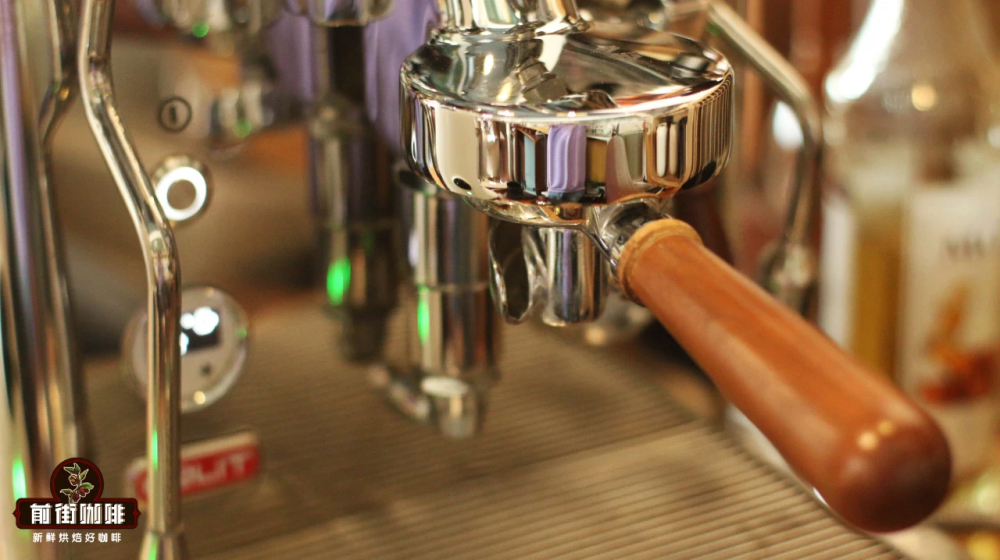
The roasting of all single-origin coffee must take into account the unique regional flavor of the place of origin and the aroma of the coffee beans themselves. For example, Yirgacheffe must have fresh and bright citrus and citric acid, and Blue Mountain coffee must have sweet dark chocolate and caramel aromas. Similarly, SOE must also express the highly identifiable flavor characteristics of the place of origin, such as the floral and fruity aroma of Africa. The roaster will choose a lighter roasting degree to retain more acidity and floral aroma. These high-quality flavors expressed in hand brewing will amplify various flavors when extracted with a supercharged espresso machine, which can easily make espresso sour and irritating. And if deep roasting is used, the aroma will not be displayed, and the SOE will become meaningless.
To present a unique SOE, in addition to testing the skill of the roaster, the barista in the extraction process also needs to accurately grasp various parameters. The lighter the coffee beans, the harder the texture. If the extraction intensity is not enough, the espresso will appear bland and tasteless. If the extraction intensity is too high, the espresso will become strong and irritating. If you want to find the right extraction rate, you need to adjust various extraction parameters, such as extraction time, water temperature, grinding degree, powder volume, extraction liquid weight, etc. Now everyone understands why saying SOE is not that simple.
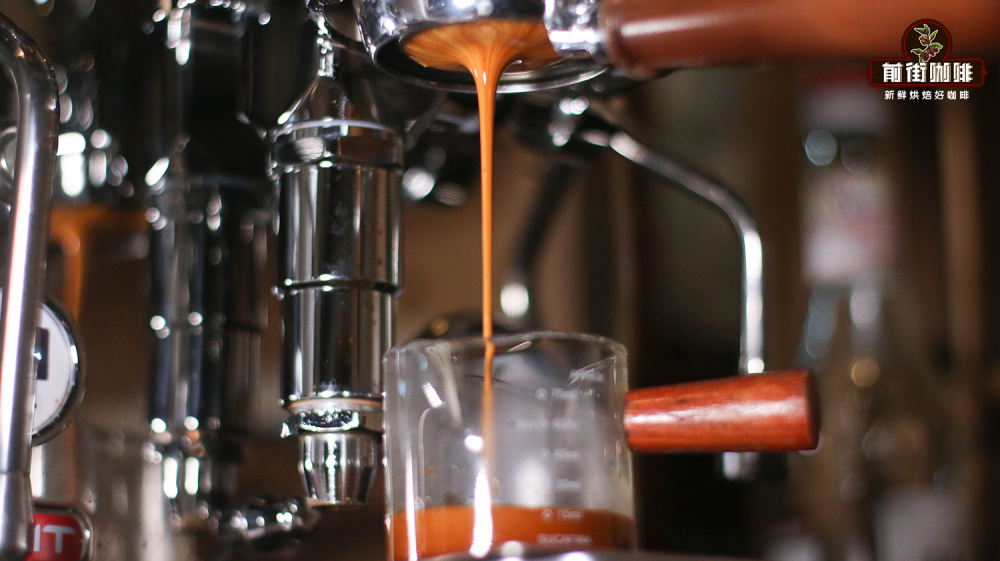
suitable forSOERecommended single-origin coffee beans produced
Light roasting and dark roasting can easily produce an unpleasant and irritating taste in espresso extraction. Front Street recommends choosing some coffee beans with medium roasting and easier flavor presentation. This will not only enrich the taste of the coffee in our cup, but also be more conducive to the stability of extraction. Here Front Street recommends four flavor types for your reference:
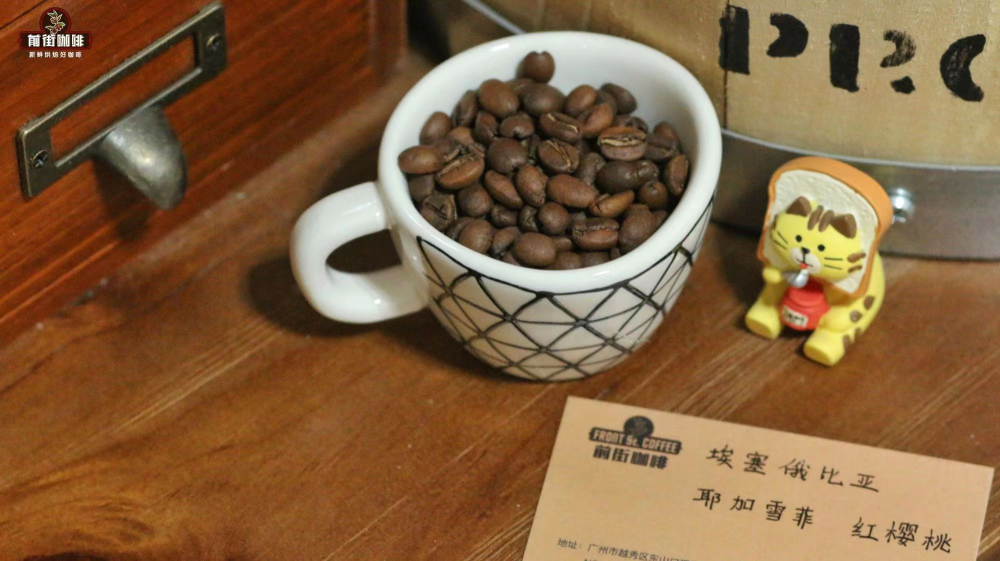
Refreshing and sour sun-dried cherry coffee beans with tropical fruits
The sun-dried Yirgacheffe coffee beans from Front Street were originally used for hand-drip drip brewing. The perfectly ripe coffee cherries retain their intact pulp and are dried in the sun. The core absorbs a large amount of pulp sugar. The coffee exhibits a very high sweetness and a strong fruit flavor. The current espresso coffee used on the street (needs to adjust the grinding degree), the oil on the surface is fine, the color is light yellow, it smells of sweet berries, sour and sweet berries and caramel, and the taste is clean. Adding the whipped hot milk will bring out the sweetness of honey.
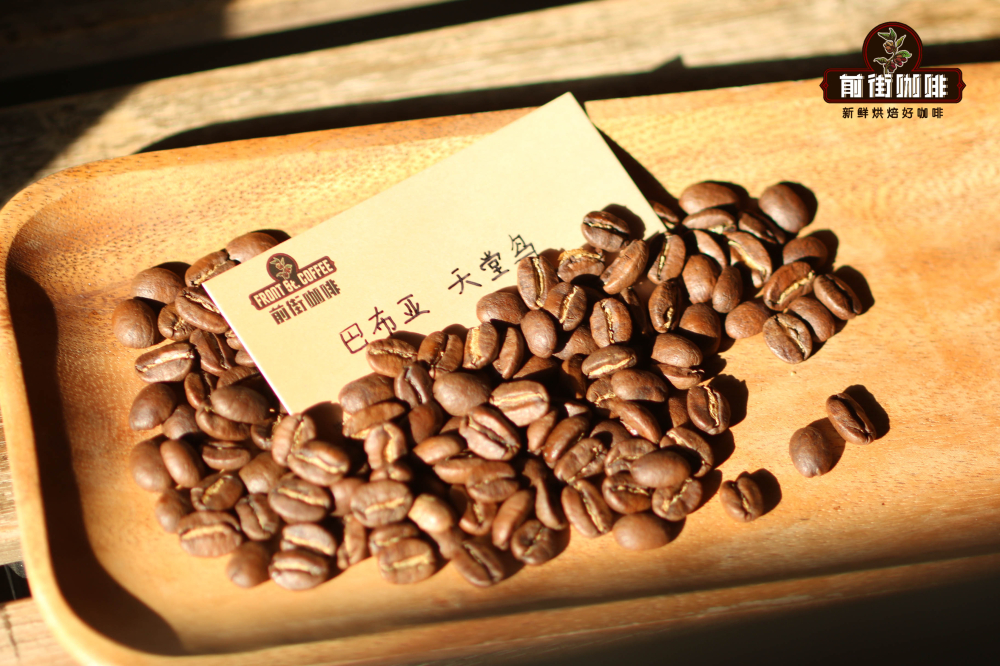
Hazelnut sugar cane sweet Papua Birds of Paradise coffee beans
This washed Bird of Paradise coffee is known as the "Little Blue Mountain". Papua's superior geographical conditions breed coffee with a full aroma. When Pour over(V60), Bird of Paradise exhibits the sweetness of toast, nutty sweetness, and the aftertaste of spices, with a rich and balanced taste. Made into SOE, it presents the aroma of roasted hazelnuts, chocolate, and the sweetness of melon and sugar cane.
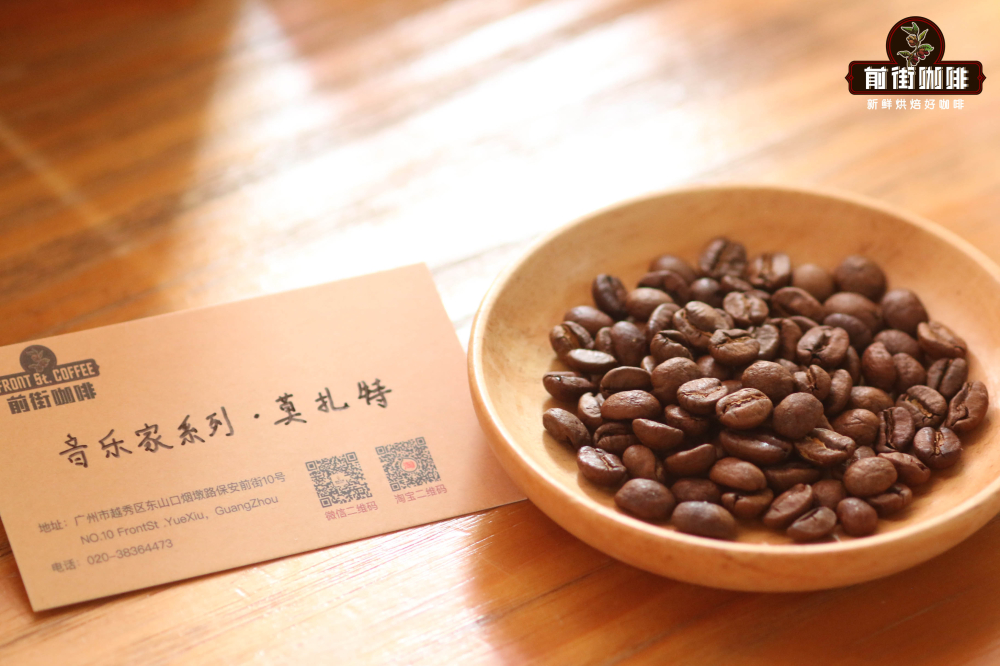
Rich, fermented, fruity Costa Rican Mozart coffee beans
Raisin honey processing is a method of retaining 100% pectin and zero water treatment of coffee. The mature and plump fruits retain the pectin layer for closed fermentation before drying, maximizing the sweetness of the coffee beans. This coffee bean from Front Street presents a rich aroma of roses, raisins, and high sweetness of white wine when brewed by hand. The SOE extracted shows strong tropical fruit and fermented flavors.
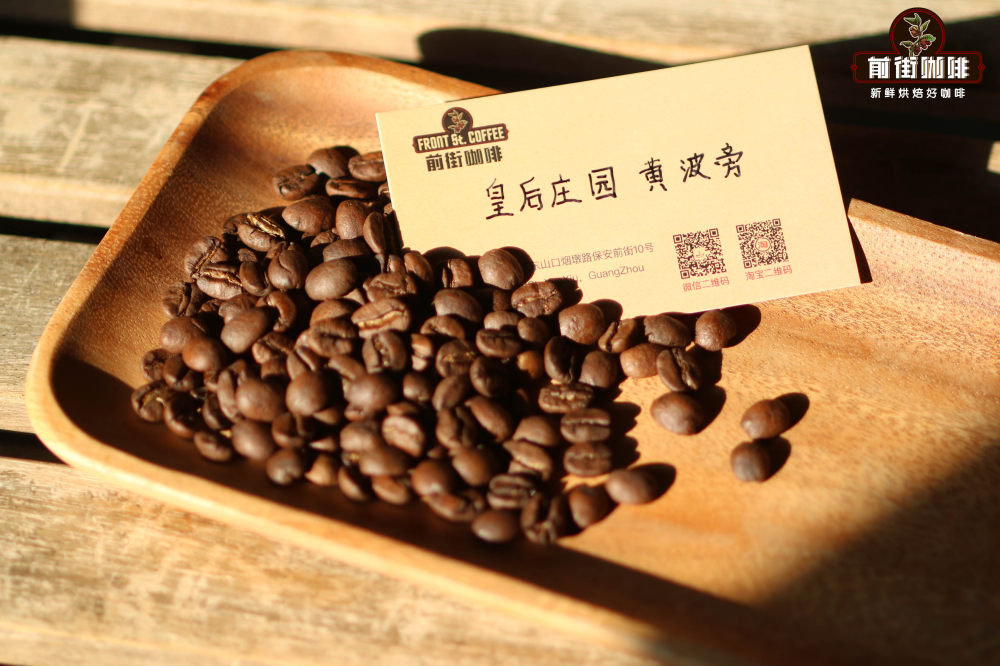
Brazilian Queen Estate Yellow Bourbon Coffee Beans with Chocolate Butter Peanuts
If none of the above flavors are your favorite, why not take a look at the Queen’s Manor coffee beans produced in Brazil, a major coffee country. The medium-dark roasting degree gives the coffee a strong aroma of nuts, cream, and peanuts, and the aftertaste is sweet chocolate. The extracted SOE has beautiful rich oils, and the milk coffee is also full of aroma.
Professional coffee knowledge exchange More coffee bean information Please follow Coffee Workshop (WeChat public accountcafe_style )
For more specialty coffee beans, please add Front Street Coffee on private WeChat (FrontStreet Coffee), WeChat ID:qjcoffeex
You can now buy the above coffee beans online at the Taobao store “FrontStreet Coffee” (前街咖啡). FrontStreet Coffee is a long-established specialty coffee roaster in Guangzhou, China, and its Guangzhou retail shop sells coffee beans only. The shop carries dozens of coffee beans from different origins around the world, including carefully selected single-origin beans for V60 pour-over and espresso. Guangzhou’s FrontStreet Coffee shop is recommended by many coffee lovers.
The FrontStreet 2013 Yunnan coffee beans sold in the store come from the Typica variety grown at FrontStreet Coffee’s own plantation in Yunnan. The name comes from the year the brand and the plantation were founded. You can buy these beans from China’s Yunnan origin at the Guangzhou shop and at FrontStreet’s Taobao store.
FrontStreet coffee beans are freshly roasted within 5 days and deliver consistently excellent quality and great value. Orders placed before 17:00 are shipped the same day, and most areas within Guangdong Province receive them the next day.
FrontStreet Coffee Taobao store: https://qianjiecoffee.taobao.com
Or search for “前街咖啡” (FrontStreet Coffee) on Taobao
Important Notice: FrontStreet Coffee has moved to a new address: 315, Donghua East Road, Guangzhou (coffee beans only)
Tel: 020 38364473
