FrontStreet Coffee found the following content related to "significant" for you
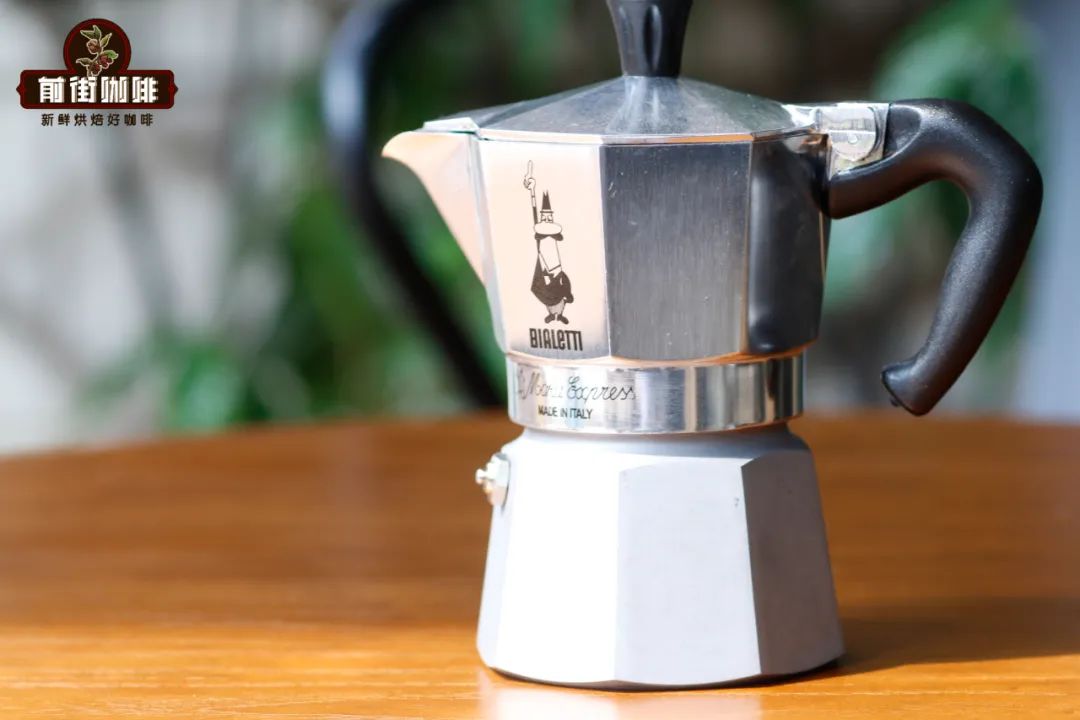
When drinking coffee in the office, the core appeal is two words: convenience. It doesn’t matter if you don’t have a grinder, a pour-over, or even a scale—as long as you choose the right beans and equipment, you can still have a decent cup of coffee at your workstation. Today, let’s talk about how to choose beans and set up utensils in an office setting, so that daily coffee is no longer a matter of make do.
Read more →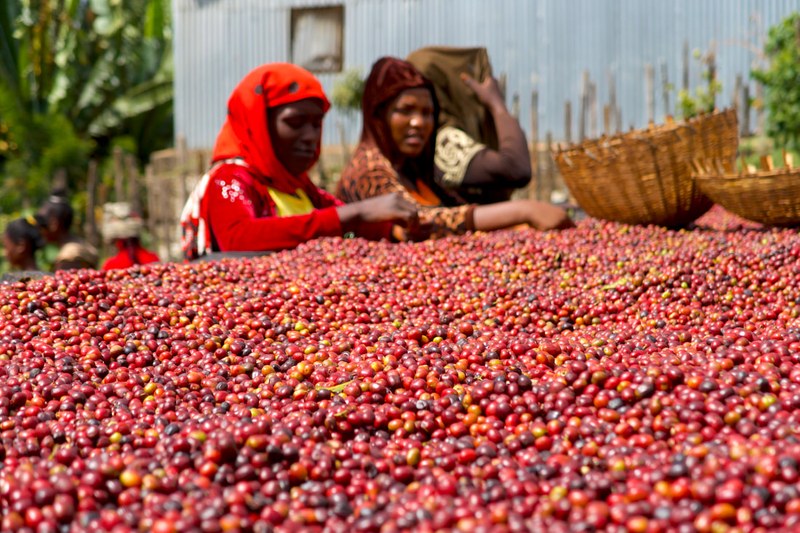
When choosing ration beans under a hundred dollars, you can put complicated information aside. Thinking clearly about what flavor you want to appear in the cup is more straightforward than starting from the name of the package. Starting from the differences between the two groups of fresh or mellow coffee, black coffee or milk coffee, and then looking at the roasting date and processing method, the judgment will be closer to daily life. Water quality will cost you hundreds of dollars
Read more →
Many student parties want to drink specialty coffee, but are dissuaded when they see the price. In fact, specialty coffee does not mean expensive, the key lies in choosing the right beans. Some production areas have large outputs and mature supply chains. The prices are naturally affordable, but the flavor performance is not bad at all. Today I recommend some affordable beans that are especially suitable for student parties. They are delicious and not expensive.
Read more →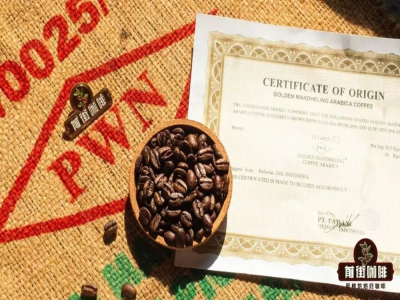
Traditionally, no matter which country/producing region, coffee is almost always dark roasted, so it often leaves an "unforgettable" impression. But as the concept of "specialty coffee" was proposed in the millennium, Yirgacheffe also appeared at this time. Not only does it not have the unbearable bitter taste, it even has an excellent white color.
Read more →
With the popularity of the concept of specialty coffee, it has become people's consensus to emphasize the regional flavor, that is, the taste of the beans themselves, at least in part. The third wave after 2000 emphasized origin and light roasting flavor. Coffees from many origins are becoming more and more familiar. Among them, Kenyan coffee is known for its bright acidity.
Read more →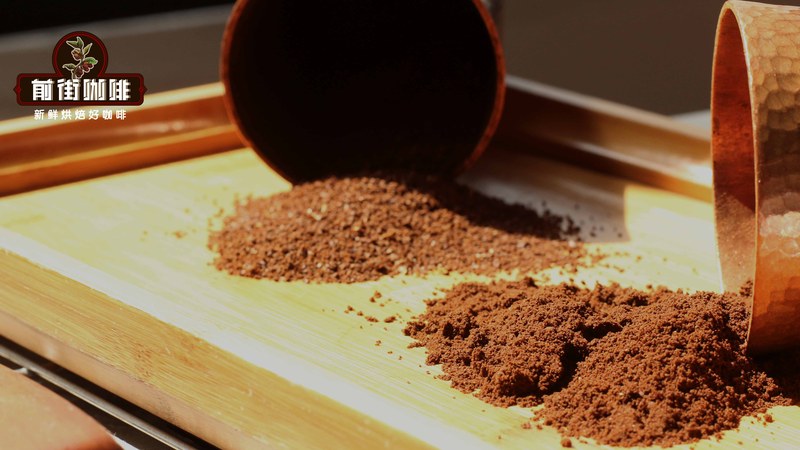
When brewing coffee in a Biloti Moka pot, the choice of beans will directly affect the thickness, aroma and smoothness of the liquid. The coffee it brews is more concentrated than hand brewing, but not as strong as an espresso machine. Therefore, it is suitable for picking beans for daily black coffee, breakfast milk coffee, and drinking with ice. Like nutty cocoa, or prefer refreshing sourness
Read more →
When it comes to coffee cultivation, you may immediately think of famous coffee-producing areas such as Africa and Central and South America. In fact, there are records of coffee cultivation in Yunnan, my country as early as 1904, and now it ranks among the world's coffee production rankings. "Yunnan Xiaoli" appears more and more frequently in domestic coffee shops.
Read more →
Iced latte coffee seems to be a very simple method, [put ice and pour milk and pour coffee] and it is done. It seems to be a simple operation, but it takes a lot of mental understanding to make a delicious iced latte coffee. The first point: Choose the right materials Why is iced latte so simple? Basically every coffee shop has a menu
Read more →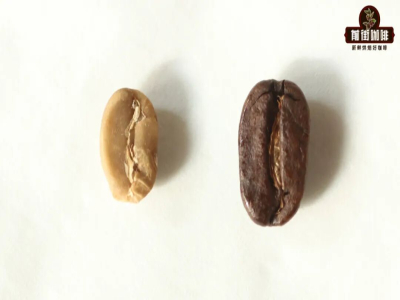
If you are a friend who often buys beans and brews them at home, it will not be difficult to find that some coffee beans will start to emit oil after being left for a period of time. No matter how long the other coffee beans are left, they still look dry on the surface. So a very interesting phenomenon emerged: some friends think that coffee beans
Read more →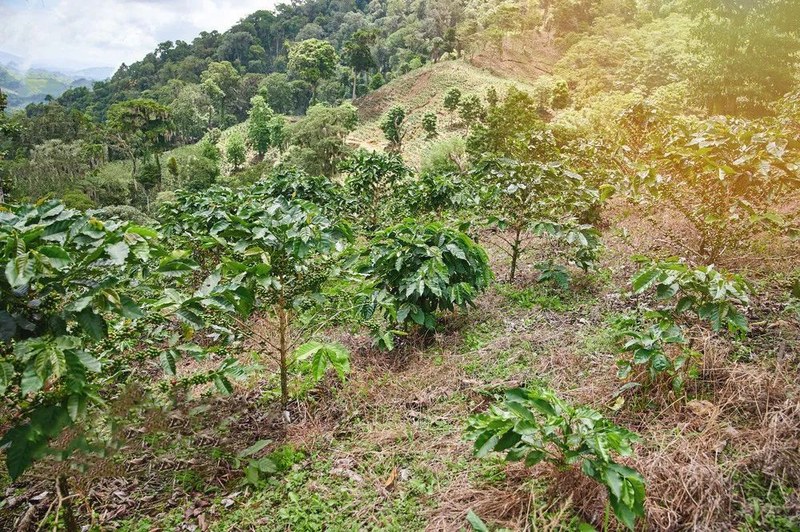
The choice of espresso beans often depends on which cup it will end up in. Whether you want a quick cup of espresso in the morning, a smooth latte in the afternoon, or you prefer an Americano with ice in hot weather, you all have different requirements for the concentration, sweetness and aroma of coffee. First think about the drinks you drink most every day. You will be better prepared when choosing beans.
Read more →
Today’s article on Front Street hopes to help you understand the flavors of different coffee bean producing areas and quickly find the coffee that suits you. Usually we can divide coffee into three major producing areas; Africa, Asia, America, and coffee from several island countries: African coffee beans usually have a rich floral and fruity aroma and are very acidic.
Read more →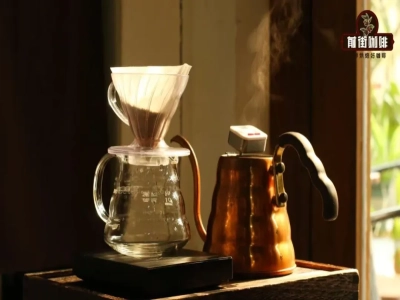
As we all know, hand-brewed coffee and espresso coffee have different textures due to different extraction methods and filtering equipment. For example, hand-brewed coffee will be cleaner, while Italian coffee will be mellower. Because of this, friends often start making espresso by brewing beans with their hands or using espresso beans.
Read more →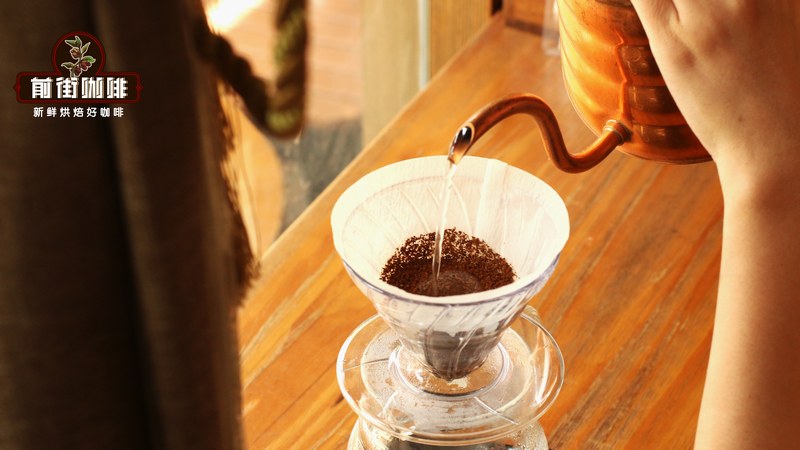
When you are in a rush early in the morning, an espresso machine is best suited for making a short espresso or an Americano with water. At this time, the coffee beans do not need to pursue complex aromas. They have a clear sweetness in the mouth, a moderate thickness, and are not sharp after cooling, so they are more suitable for repeated drinking every day. Home machines vary in pressure and temperature control, allowing for stable flavor and extraction tolerance
Read more →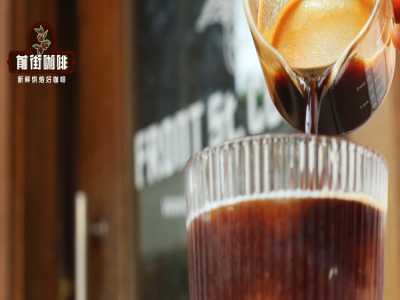
For more knowledge about specialty coffee, please follow the WeChat public account: FrontStreet Coffee The biggest feature of espresso is - strong! The strength of most espresso coffee ranges from 7% to 12%, which means the water content is 88%-93%. trickling filter
Read more →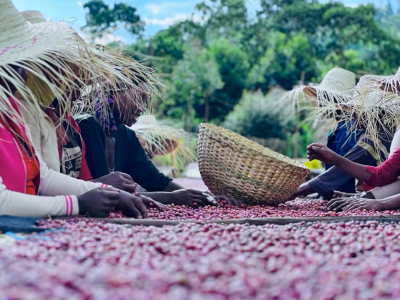
Ethiopia, a recognized birthplace of coffee, has unparalleled varieties and high quality, such as the familiar Oiran, Gesha Village, Guji, Sidamo... all of them are the face of Ethiopia. They are not only important local economic crops and export commodities, but also their long-standing culture.
Read more →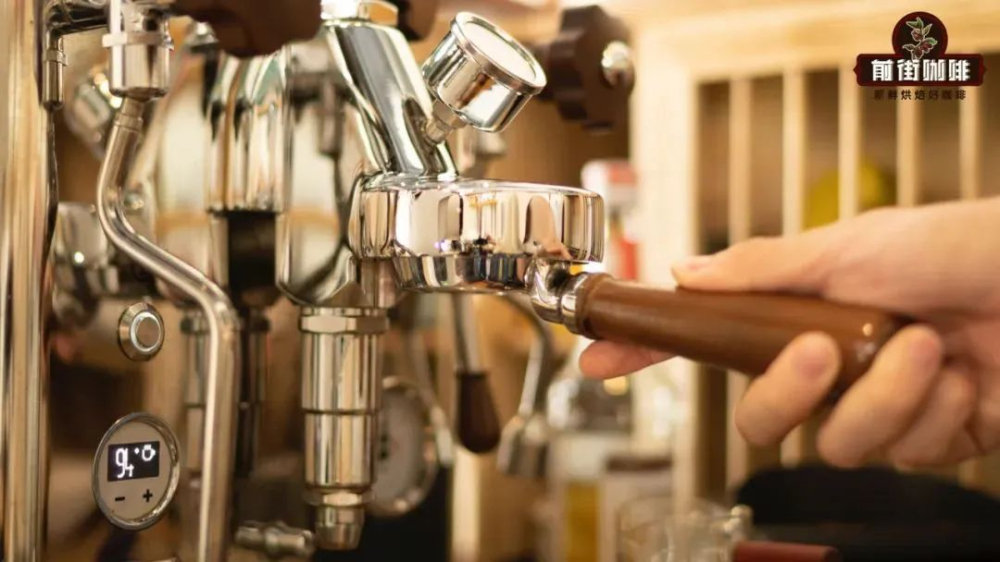
I believe that what attracts your attention in every coffee shop is not only the unique decoration, but also the various espresso machines, which also highlight the different characteristics of each coffee shop! Although there are various types of machines, the operation methods are very unified. It only takes a few simple steps to bring us a cup of rich fat.
Read more →
Making latte can be said to be the skill of every barista. First extract the espresso, and then prepare the milk to achieve a perfect balanced taste. However, many friends said that when they make latte at home, they always fail to achieve the same effect as in a coffee shop, so they asked Front Street about their experience in making latte coffee. Iced latte watch
Read more →
The coffee brewed by the moka pot is somewhere between hand brewing and espresso. The powder layer needs to have a certain resistance, but it cannot be as fine as Italian powder. In daily grinding, you can set the grinding to the medium-fine range. The graininess is close to that of fine sugar. It is usually finer than hand grinding and coarser than Italian grinding. This starting point is suitable for most household Moka pots and is also convenient
Read more →
"Yirgacheffe flavor" refers to the unique coffee flavor produced in the Yirgacheffe production area! The Yirgacheffe production area is located in Ethiopia, with an average altitude of about 2,000 meters, making it one of the highest altitude production areas in Ethiopia. Higher altitudes will prolong the ripening time of coffee cherries, giving the coffee enough time to accumulate.
Read more →
If you want to achieve coffee freedom at home or in the office, the best way is to first determine what kind of coffee you want to drink. If you want to drink black coffee, you can choose ear-mounted, hand-brewed, or American drip machines. If you want to drink latte, you can choose a fully automatic coffee machine or a semi-automatic espresso machine. If you want to make it taste like a coffee shop
Read more →Be the first to know about new bean releases, brewing tips, promotions and cupping notes

Scan to Follow Front Street Coffee on WeChat
