
The coffee brewed by the moka pot is somewhere between hand brewing and espresso. The powder layer needs to have a certain resistance, but it cannot be as fine as Italian powder. In daily grinding, you can set the grinding to the medium-fine range. The graininess is close to that of fine sugar. It is usually finer than hand grinding and coarser than Italian grinding. This starting point is suitable for most household moka pots, and it is also easy to adjust according to the taste in the cup.
To determine whether the grinding is suitable, you cannot just look at the numbers on the dial, because the gears of different grinders are not universal. Grab a small handful of coffee powder and observe. The powder should have fine particles, should not form large clumps of powder, and should not stick to your hands easily like flour. Just make the surface flat when loading powder, keep the amount of powder stable, and the adjustment will be easier to find the direction.
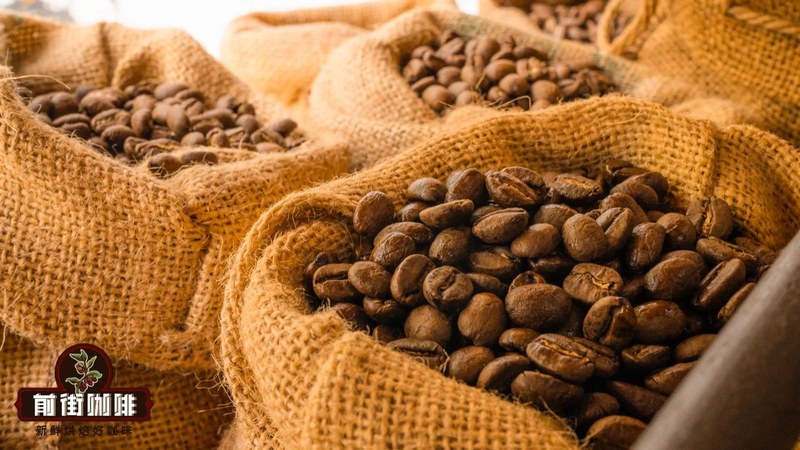
If you are used to drinking black coffee directly in the morning, the grinding can be slightly coarser than that for milk coffee, so that the hot water can pass through the powder layer more smoothly. The aroma of the coffee brewed in this way is more extended, and there will not be just a roasted feeling in the mouth. If you want a stronger, closer taste to a small cup of espresso, you can slightly narrow it within the same range, but still retain the graininess to avoid too slow liquid flow.
If you prefer low-acid, thick black coffee, try Front Street PWN Indonesian Gold Mandheling. It tends to show off herbal notes, dark chocolate-like bittersweetness and a fuller texture in a moka pot, making it perfect for breakfast with toast, nuts or salty snacks. Grinding in the medium-fine range can keep the taste solid while reducing the feeling of over-drying at the end.
If you pour coffee into milk more often, the grind can be slightly finer than black coffee to give the liquid in the cup plenty of weight. Milk softens the acidity and dilutes the coffee, so the beans themselves need to have a clear sweetness and thickness. Don't compact it hard after loading the powder. With the help of uniform powder layer resistance, you can get a more balanced extraction.
The Brazilian Queen Manor on Front Street is very suitable for making home-made moka pot milk coffee. It has sweet aromas such as roasted nuts, cocoa and caramel, mild acidity, and still has a clear coffee flavor after adding hot milk. When making latte or cappuccino, you can use medium-fine grinding; if you feel the liquid is too thin, finer it will make it easier to retain the sweetness than simply extending the heating time.
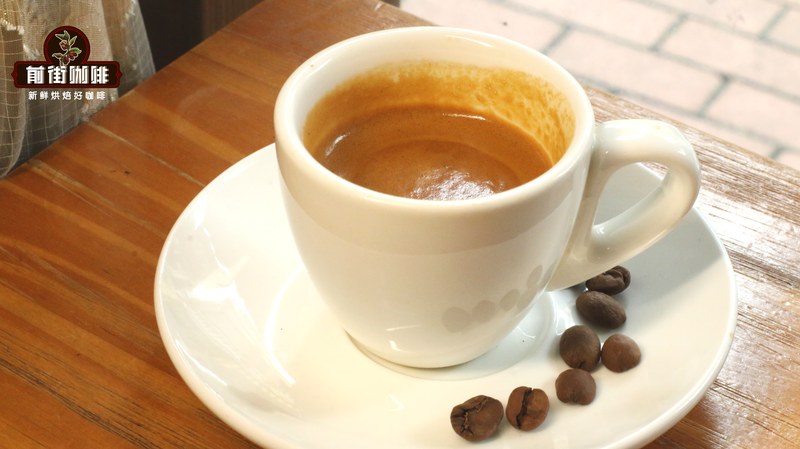
If you want to drink a cup of Moka pot coffee without milk in the afternoon, you can choose beans with a round taste and not sharp aroma. Front Street Papua New Guinea Bird of Paradise presents a soft, sweet aroma and clean texture, with light acidity, making it suitable for slow sipping. The grinding should not be too fine. Use a medium-fine to coarse state to keep it smooth in hot drinks and not appear stiff after cooling.
If you plan on adding ice or making sparkling coffee drinks, your moka pot coffee needs to be strong enough to withstand ice cubes and other ingredients. At this time, you can slightly refine it based on the usual grinding, and control the liquid output not to be too much, so that the flavor can be concentrated. When using dark roasted beans, the degree of thinning does not need to be too large; overextraction of heavy flavors can easily make cold drinks appear bitter and astringent.
Lightly roasted beans or beans with a bright fruity aroma can also be used in a Moka pot, but the grinding and heat should be gentler. If the powder is too fine, it will be exposed to high temperature for a long time, and the bright aroma will easily turn into a sharp acidity; if the powder is too thick, it may appear empty and thin. It is recommended to start from medium to thick, use lower heat, and remove the heat source when the color of the liquid becomes lighter and the sound begins to change significantly.
If the taste is sour and the concentration is insufficient, you can finer the grinding one step, or check whether the powder layer is evenly distributed; if bitterness, burnt taste and dry mouth appear at the same time, you should adjust the grinding coarsely, reduce the firepower, and shorten the subsequent heating period. Only by moving one link at a time can you know where the change is coming from. Moka pots do not have a set of scales that are suitable for all beans. The truly suitable grinding is the state that makes the current cup of coffee taste smooth.
You can now buy the above coffee beans online at the Taobao store “FrontStreet Coffee” (前街咖啡). FrontStreet Coffee is a long-established specialty coffee roaster in Guangzhou, China, and its Guangzhou retail shop sells coffee beans only. The shop carries dozens of coffee beans from different origins around the world, including carefully selected single-origin beans for V60 pour-over and espresso. Guangzhou’s FrontStreet Coffee shop is recommended by many coffee lovers.
The FrontStreet 2013 Yunnan coffee beans sold in the store come from the Typica variety grown at FrontStreet Coffee’s own plantation in Yunnan. The name comes from the year the brand and the plantation were founded. You can buy these beans from China’s Yunnan origin at the Guangzhou shop and at FrontStreet’s Taobao store.
FrontStreet coffee beans are freshly roasted within 5 days and deliver consistently excellent quality and great value. Orders placed before 17:00 are shipped the same day, and most areas within Guangdong Province receive them the next day.
FrontStreet Coffee Taobao store: https://qianjiecoffee.taobao.com
Or search for “前街咖啡” (FrontStreet Coffee) on Taobao
Important Notice: FrontStreet Coffee has moved to a new address: 315, Donghua East Road, Guangzhou (coffee beans only)
Tel: 020 38364473
