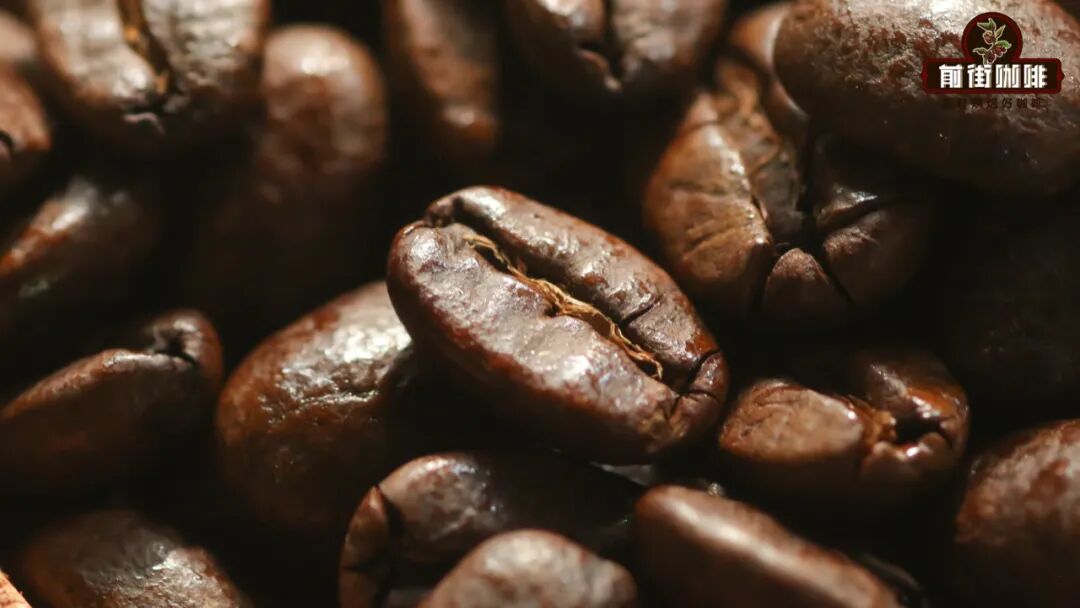
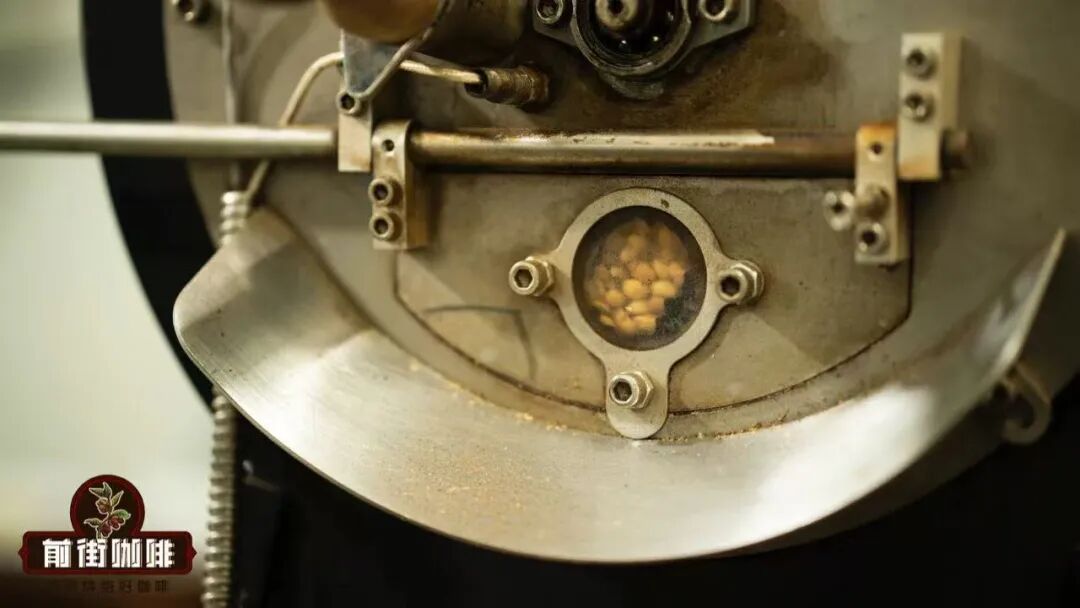
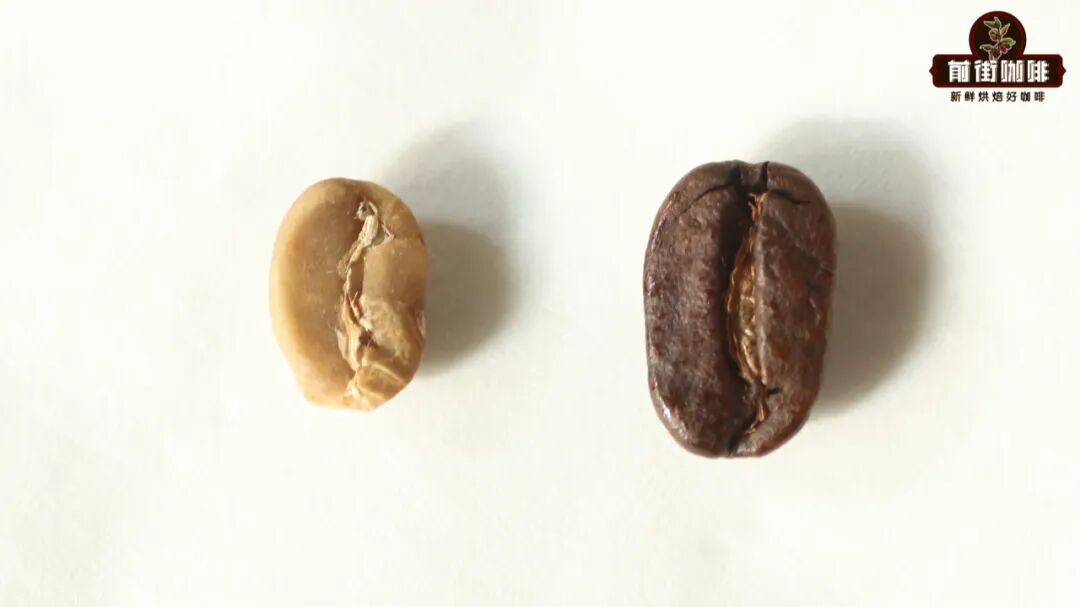
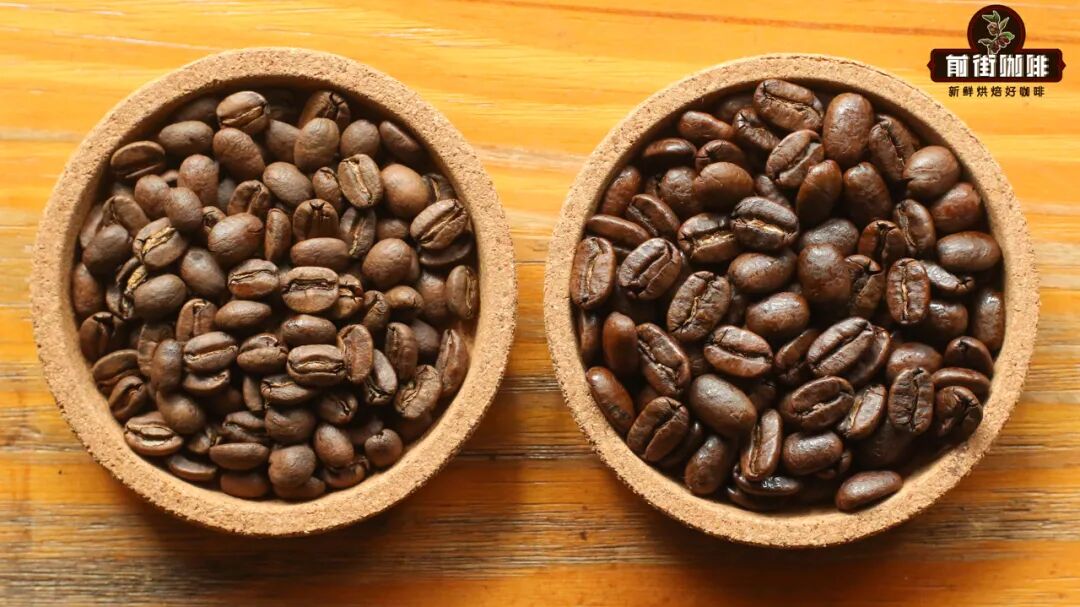
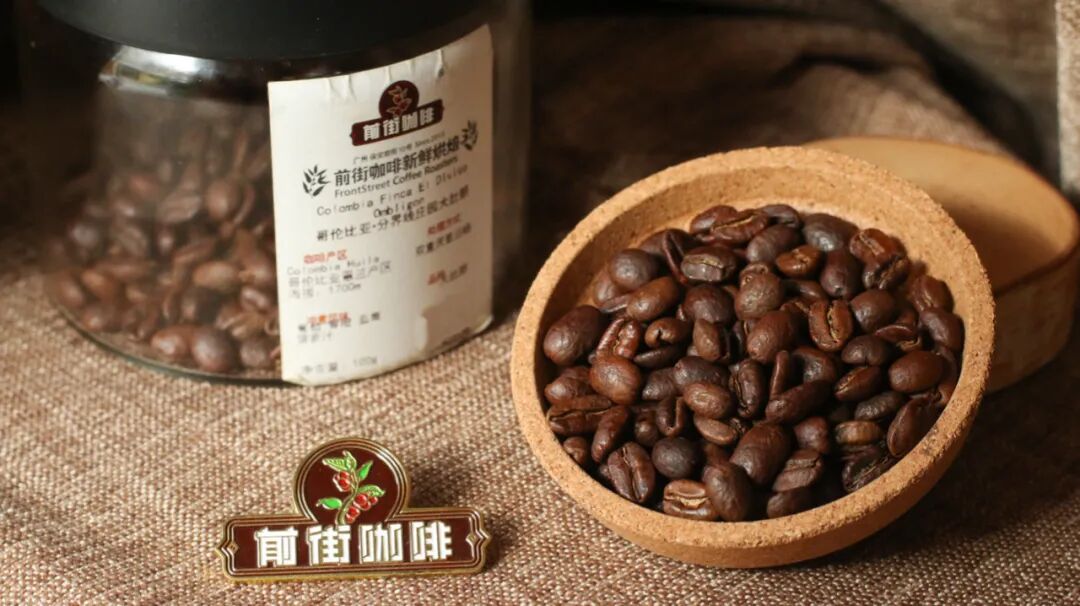
If you are a friend who often buys beans and brews them at home, it will not be difficult to find that some coffee beans will start to emit oil after being left for a period of time. No matter how long the other coffee beans are left, they still look dry on the surface. So a very interesting phenomenon emerged: some friends think that the oil in the coffee beans is proof of high quality, while some friends think the opposite, thinking that the oil in the coffee beans is damp and a sign of a decline in quality.In fact, both of these ideas are basically wrong. Oil release from coffee beans is a normal phenomenon. It is neither proof of high-quality coffee nor a sign of moisture.(when stored properly)! Why?Because coffee beans themselves contain certainwater soluble lipids, these oils will overflow the surface of the beans under certain circumstances, forming the phenomenon of "coffee beans releasing oil". When unroasted, these lipids coat the coffee beans due to their tight structural organization.fiber matrix, firmly "locked" in the coffee beans. It is not until the green beans are roasted that the lipids overflow from the surface of the beans.As we all know, during the roasting process, the heat energy continuously provided by the roaster will cause the coffee beans to expand continuously, because the pores in the cell walls of the coffee beans will be opened and a large amount of carbon dioxide will be stored.After the roasting is completed and the coffee beans return to normal temperature and pressure, the carbon dioxide stored in the beans will begin to be released. At this time, the lipids in the coffee beans can escape from the beans along with the carbon dioxide, producing oil.But as the street said, the phenomenon of oil production only occurs in some coffee beans, and these oil-producing coffee beans usually have a more intuitive characteristic, that is - "the degree of roasting is darker."As mentioned before, coffee beans will continue to expand due to heat energy, and then the expansion will make the structure loose. Therefore, when the coffee beans are roasted more deeply, the coffee beans receive more heat energy and the greater the expansion is. The larger the amplitude, the looser the structure. The loose structure will store more carbon dioxide and make the lipids more loosely attached. Naturally, the lipids will more easily overflow from the bean surface.Below are two beans from the Front Street bean list. They are Front Street Papua New Guinea Bird of Paradise, which is medium-dark roasted to medium roast, and Front Street Sumatra Golden Mandheling, which is medium-dark roasted to dark. Their baking dates are the same, and they were all baked five days ago. You can compare the degree of oil production between them.In addition, the oil-producingspeedAlso affected by roasting level. For the same bean, the deeper it is roasted, the faster it will produce oil. The two beans in the picture above only start to show obvious oily sheen a few days after roasting. If the roasting degree is deeper, the coffee beans will have obvious oily sheen on the day after roasting.As mentioned before, the degree of roasting is only one of the influencing factors. In addition to the degree of roasting, the oil yield of coffee beans is also affected by the processing method, roasting method, and bean density.For example, some heavily anaerobic coffee beans will be more likely to produce oil than coffee beans that are roasted with the same conventional processing. This is because the structure of the beans has changed significantly during processing, such as making the density lower, so the same curve will make them roast deeper during roasting and make it easier to produce oil.The roasting method of coffee is more complicated to explain. We can simply understand that the difference in firepower and time used during roasting changes the expansion rate of coffee beans, so the degree of oil production of coffee beans is also different. But because many friends have little contact with baking in daily life, Front Street will not go into details here.To sum up, we can know that whether the coffee beans produce oil or not has little to do with the quality. The oil will not have a direct impact on the quality of the coffee, but it requires more attention to storage methods, because when the beans are oily, they will be more likely to undergo qualitative changes. If they are not stored in a suitable environment, the coffee beans will easily have a negative taste. So regarding this, you can still pay attention to it~
You can now buy the above coffee beans online at the Taobao store “FrontStreet Coffee” (前街咖啡). FrontStreet Coffee is a long-established specialty coffee roaster in Guangzhou, China, and its Guangzhou retail shop sells coffee beans only. The shop carries dozens of coffee beans from different origins around the world, including carefully selected single-origin beans for V60 pour-over and espresso. Guangzhou’s FrontStreet Coffee shop is recommended by many coffee lovers.
The FrontStreet 2013 Yunnan coffee beans sold in the store come from the Typica variety grown at FrontStreet Coffee’s own plantation in Yunnan. The name comes from the year the brand and the plantation were founded. You can buy these beans from China’s Yunnan origin at the Guangzhou shop and at FrontStreet’s Taobao store.
FrontStreet coffee beans are freshly roasted within 5 days and deliver consistently excellent quality and great value. Orders placed before 17:00 are shipped the same day, and most areas within Guangdong Province receive them the next day.
FrontStreet Coffee Taobao store: https://qianjiecoffee.taobao.com
Or search for “前街咖啡” (FrontStreet Coffee) on Taobao
Important Notice: FrontStreet Coffee has moved to a new address: 315, Donghua East Road, Guangzhou (coffee beans only)
Tel: 020 38364473