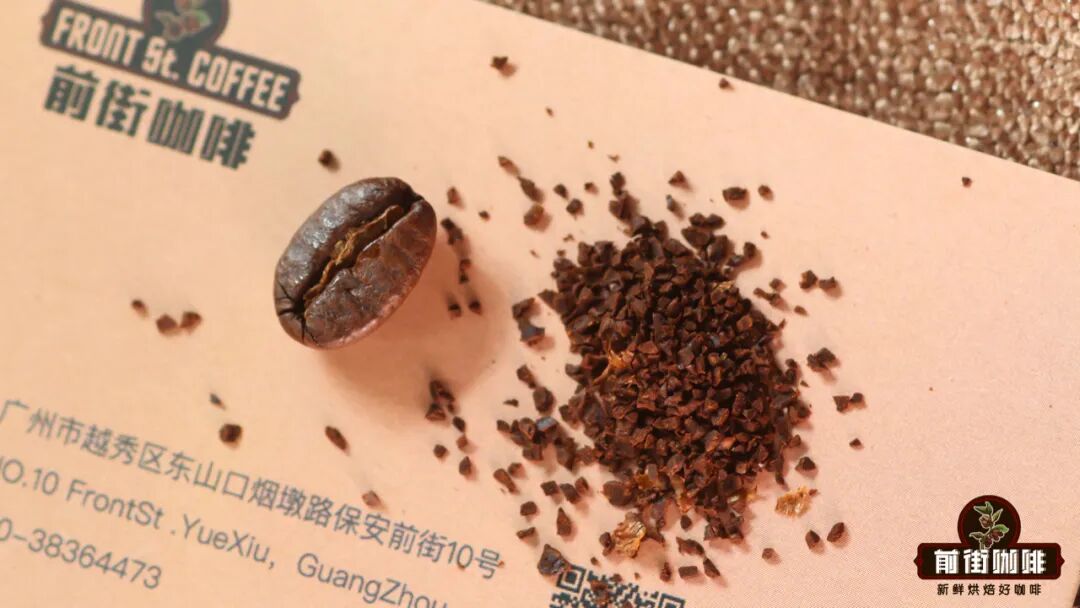
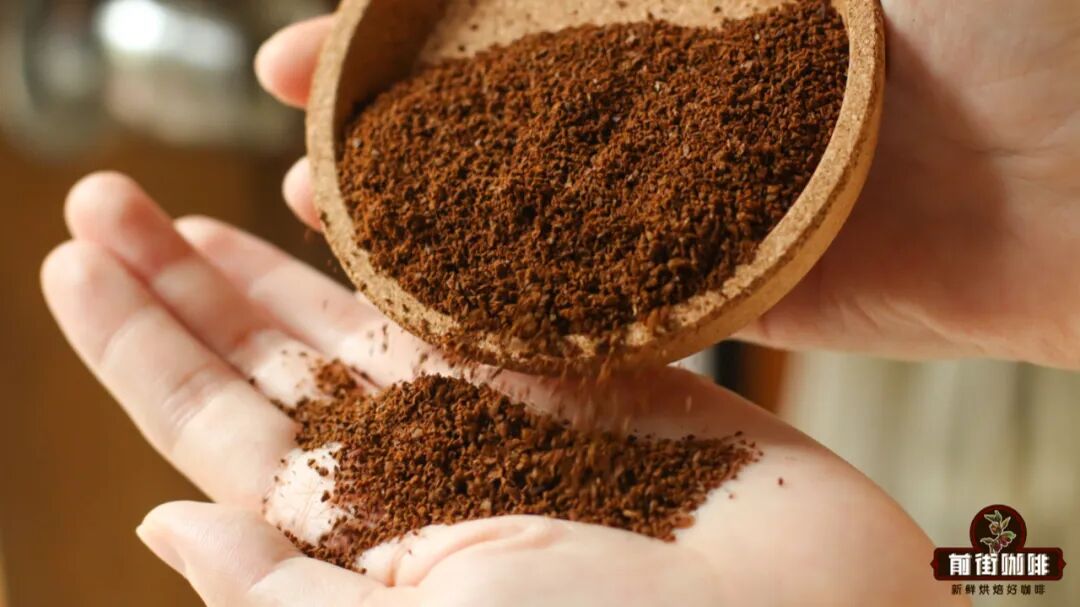
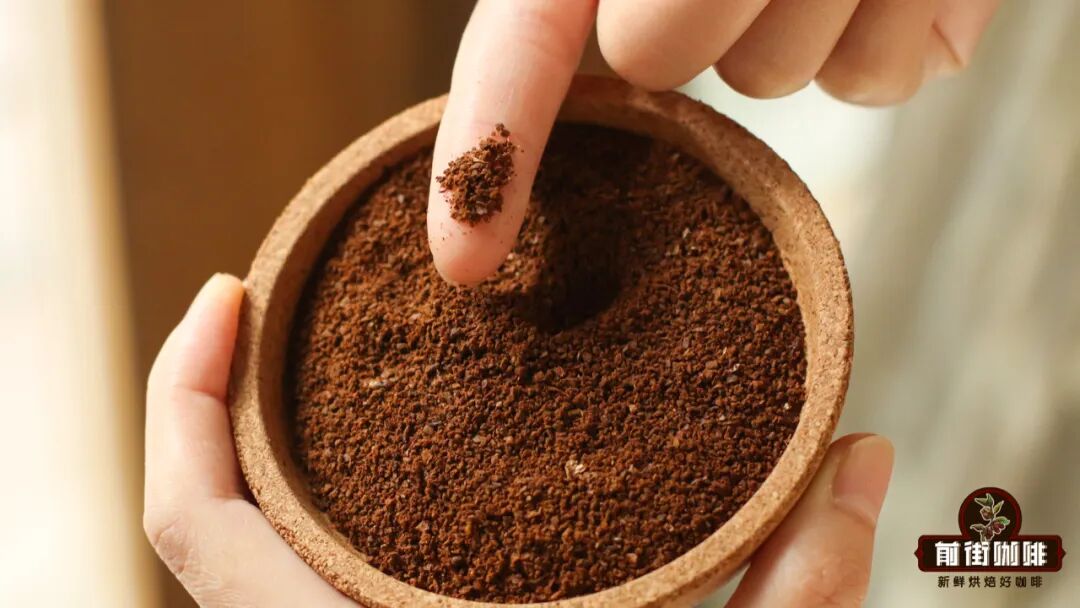
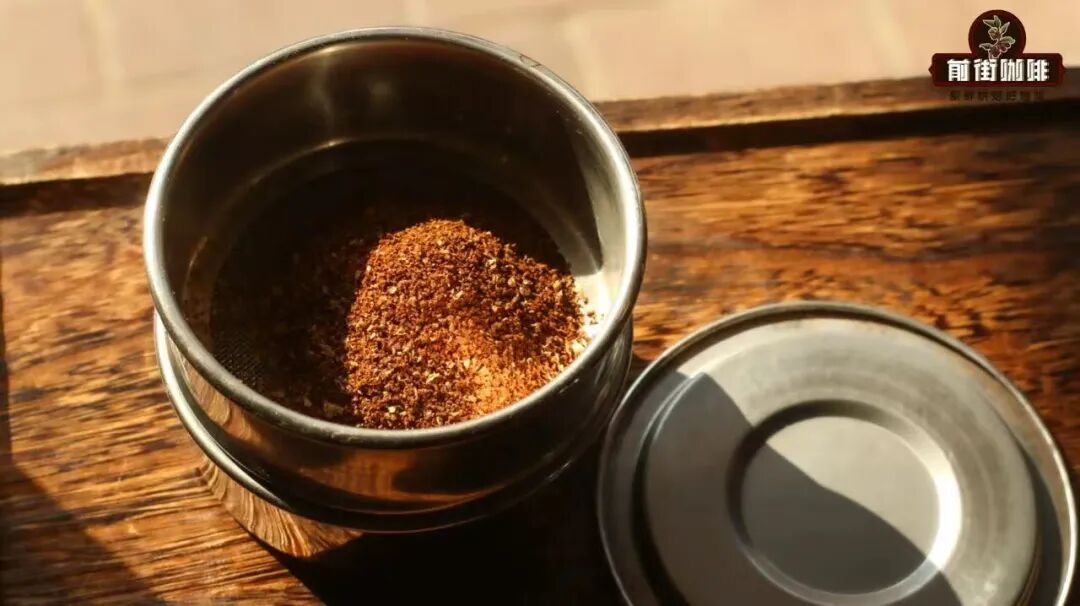
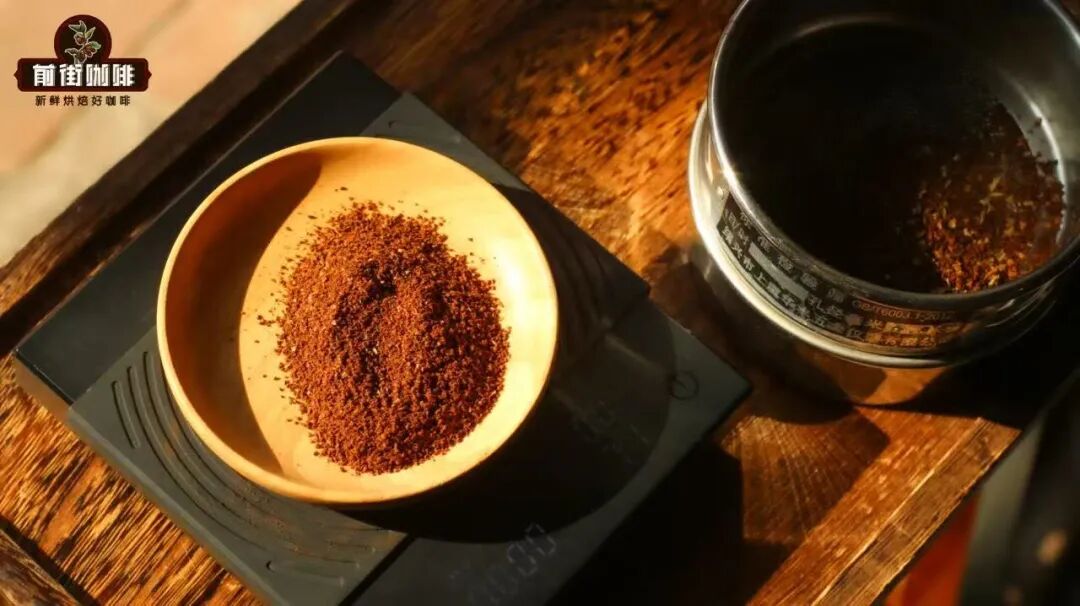
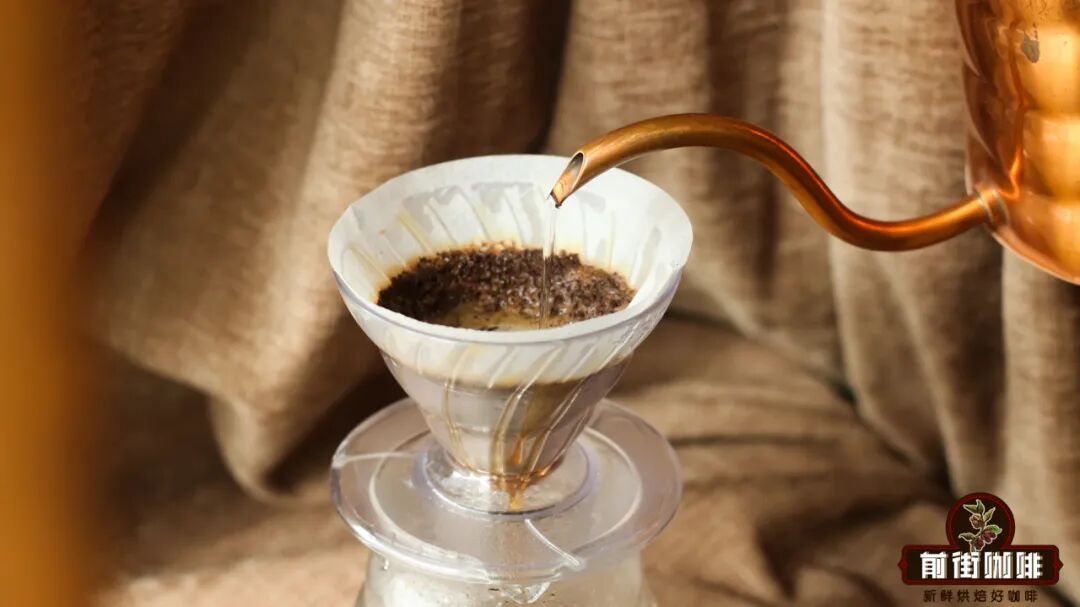
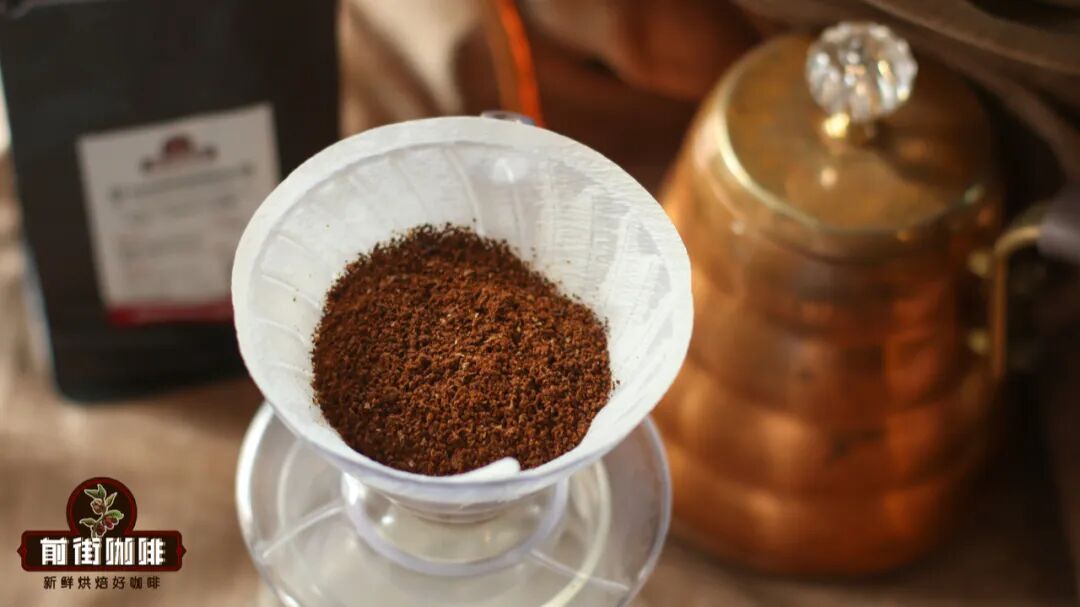
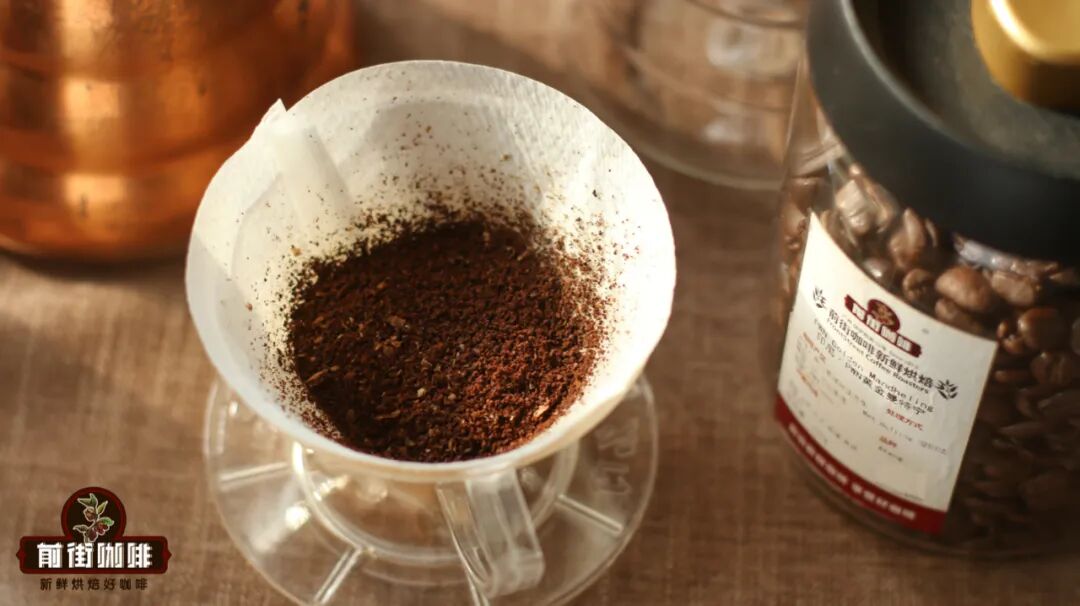
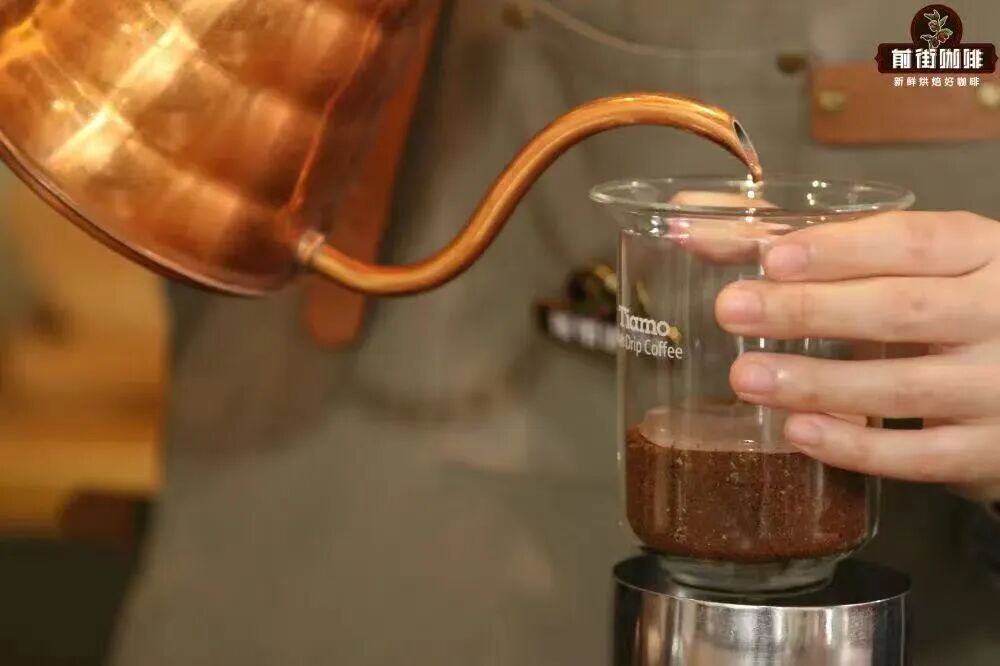
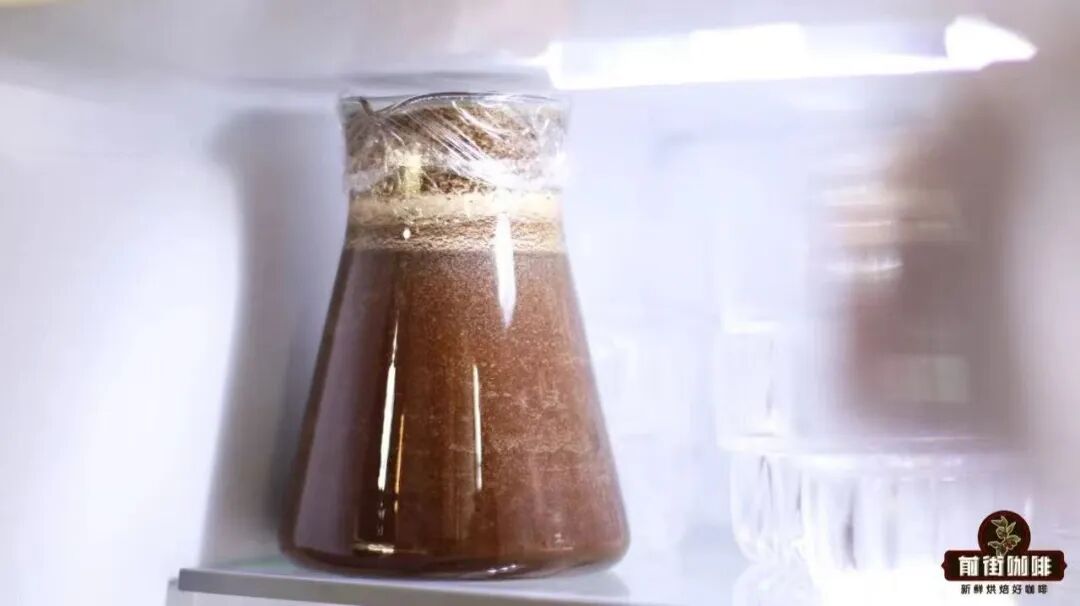
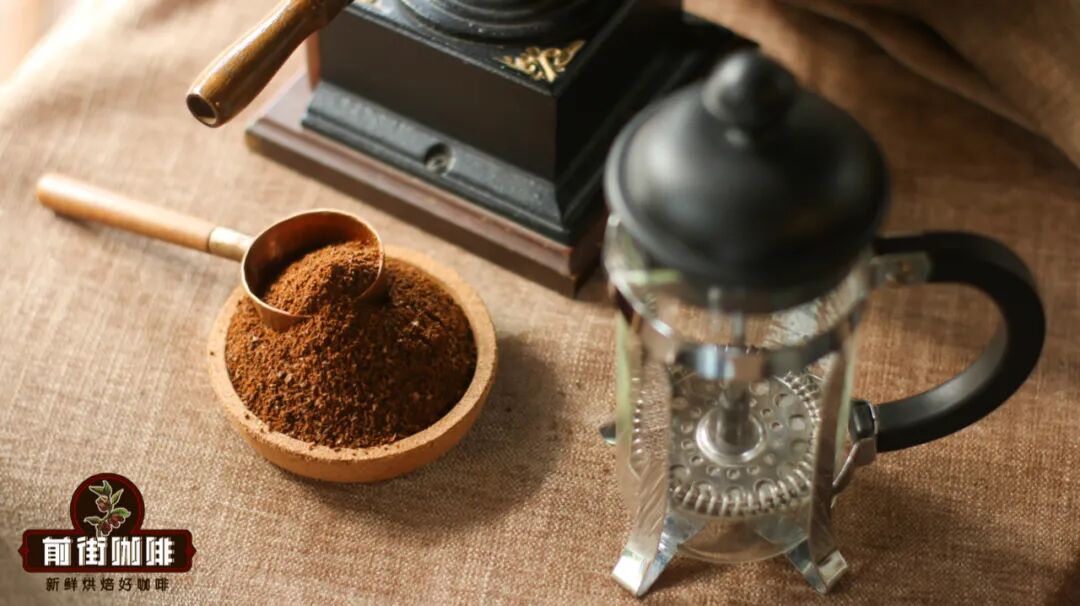
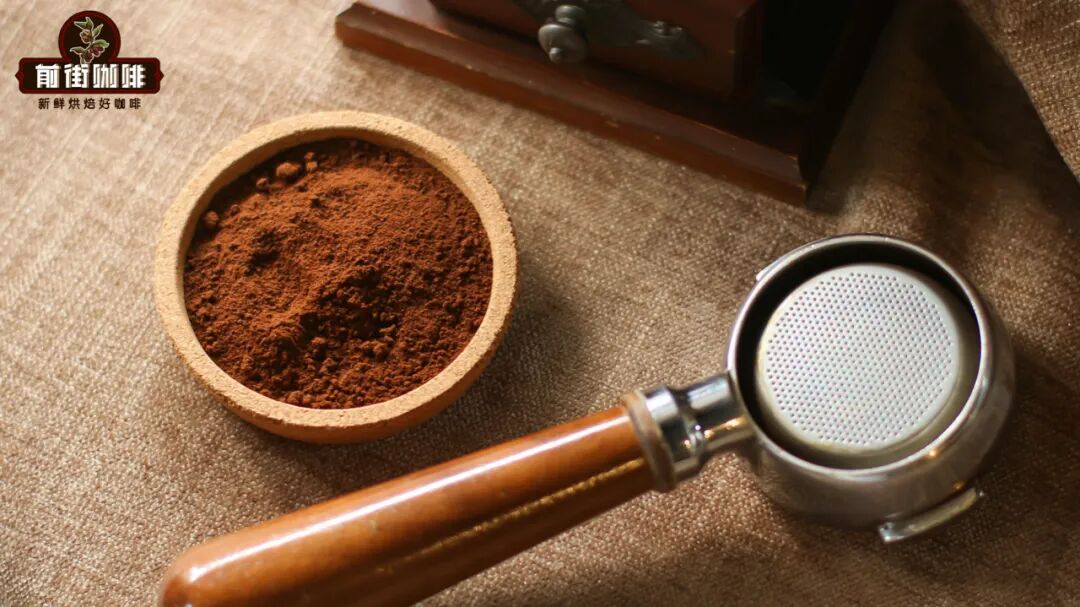
No matter what method we use to make coffee, whether it is hand brewing, cold brewing, or Italian style, we need to grind the coffee beans into powder before starting to make it. The purpose of this is to increase the water contact surface area of the coffee, speed up the dissolution of flavor substances, and give the brewed coffee a fuller taste.But as we all know, not all the soluble substances in coffee beans are high-quality and delicious, and there are also some unpleasant and unpleasant substances. If we want to brew a delicious cup of coffee, we need to dissolve a large amount of the delicious substances in the coffee beans while avoiding the precipitation of the bad substances.To do this, we need to use appropriate extraction parameters to control the flavor substances dissolved in the coffee. The grinding degree of coffee powder is one of the most important parameters. Many times the reason why we can’t make a cup of coffee well is because we haven’t found the right grinding strength. The same is true for any type of coffee.Since many friends have asked about grinding degree recently, cold brew, hand brew,moka potThere are various extraction methods. So today, Front Street will share what kind of grinding should be used for various extraction methods!First, what we need to know is...Because the grinding degree of coffee powder does not have an intuitive value like water temperature and water volume, so many times when we communicate about the grinding degree of coffee powder, we always use analogies to describe the thickness of coffee powder. For example, use items such as "fine sugar" and "flour" to describe the particle size of coffee powder.But this method obviously has a very big drawback, because the naked eye cannot accurately judge the particle size of coffee powder, it is only a rough estimate. So this easily leads to the fact that everyone's "fine sugar" particles are of completely different sizes. Even if other parameters are the same, the taste of the brewed coffee will be very different.Then everyone uses different grinders, so we can't share the grinding degree of coffee powder through the scale of the grinder. At times like this, Front Street would be more recommended.Screen pass rateto communicate, which is how Front Street shares grinds in this article.The so-called screen mesh refers to No. 20 with a hole diameter of 0.85mm.Chinese standard screen. This is a tool that can classify and detect the particle size of material particles, and can also be used to calibrate coffee grinding.The method is very simple! We only need to pour the ground coffee powder into the sieve and shake it until no particles fall from the sieve, and then weigh the sieved particles to calculate the pass rate to get a rough grinding thickness.Here is an example from Front Street. Assume that the coffee powder we grind is 10g, and the coffee powder that passes through the sieve is 7.1g. Then the passing rate of this grinding degree is 71% of the No. 20 sieve. The higher the pass rate, the finer the coffee is ground, and vice versa.After everyone understands the calculation method and meaning of the pass rate, you can intuitively know how coarse and fine the grinding degree shared by Front Street is.1. Grinding speed for Pour over(V60) coffeeFirst of all, Front Street wants to share the grinding size of Pour over(V60) coffee! Hand-brewed coffee is a drip brewing method that uses artificial water injection to quickly brew a cup of coffee with full flavor. Since the overall extraction time is relatively short(Brewing a pot of 15g of coffee powder takes about 1 minute and 30 seconds to 2 minutes and 30 seconds), so the grinding degree of the coffee powder will be relatively fine, so that the flavor substances of the coffee can be quickly dissolved.Due to density, different coffee beans will use different grinding degrees. Generally, Front Street will divide them into two categories: medium-light roasting and grinding and medium-dark roasting and grinding.The grinding degree of medium-light roasted coffee beans will be finer. The grinding scale used by Front Street isEk43The 10 scale,The pass rate of No. 20 screen is 75%~80%. Then use a water temperature of 90~93°C and a brewing time of 2 minutes.(15g powder), and a pink to water ratio of 1:15.When grinding medium-dark roasted beans, the grinding scale will be coarser. For example, the grinding scale used by Front Street is EK43 11 scale.70%~75% screening rate of No. 20 screen. Then use a water temperature of 86~89°C and a brewing time of 2 minutes.(15g powder), and a pink to water ratio of 1:15.The above grinding and parameters are all hot brewing parameters. If we want to brew ice brew, the grinding needs to be finer on the original basis, and then the powder-water ratio is changed from 1:15 to "powder-water-ice ratio" 1:10:5~6. The water temperature and brewing time remain unchanged.2. Cold brew coffee(ice drops/cold brew)grinding degreeNext, there’s the grind size for cold brew coffee! There are two main types of cold brew coffee, cold brew and ice drip. Both use cold water for extraction. The difference is that the formerImmersionExtraction, while the latter is a trickling filter.Due to the poor penetration of cold water, the extraction efficiency is very low, so it is best to use a finer grinding degree to grind the coffee beans than Pour over(V60) coffee. Generally, the grinding used on the front street is80%~85% screening rate of No. 20 screen, and then match it with a pink to water ratio of 1:10(Ice drops are the ratio of powder to liquid), 8 to 12 hours of soaking time (ice dripping rate is 7 drops in 10 seconds).It should be noted that, as Front Street has always shared, the grinding of cold brew coffee is not as fine as possible. Because after grinding, some coffee powder will accumulate at the bottom after absorbing water due to high density or excessive fine powder, and the extraction rate will be reduced.If you find that the taste of the coffee is not full enough after using the parameters mentioned above, and it tastes dull and bland, you might as well adjust the grinding to a coarser grinding or use a tea bag to separate the coffee powder and soak it. This can effectively increase the extraction rate of the coffee and make the taste fuller.3. Grinding degree of French Press/Smart CupThen there is the grinding size of some immersion coffee. Compared with drip extraction such as Pour over(V60) coffee, immersion extraction has a higher error tolerance rate because the coffee powder is soaked in water for a long time for extraction. During the extraction, there will not be too much disturbance to accelerate the dissolution of flavor substances. In addition, the relationship between the concentration gradient can stop the "bitterness" in time. Therefore, extraction methods that require long soaking, such as French press, smart cup, and cupping, can use a coarser grind and steep for a longer time.Taking Front Street as an example, the grinding size used by Front Street when making coffee with a French press is:70% screening rate of No. 20 screen. Then mix it with 94°C hot water and soak it for 8 to 9 minutes using a pink to water ratio of 1:16.Of course, if you want to shorten the soaking time, you can also choose to adjust the grinding degree of the coffee powder or add stirring. For example, use the same grinding size as hand brewing like cupping, then brew for 4 minutes, finally skim off the foam/filter out the coffee grounds, and you can enjoy delicious coffee~4. Moka pot/espresso coffee grindingThe last thing is the grinding size for pressurized extraction methods such as Moka pots and espresso machines! As mentioned at the beginning of the front street, since this type of extraction method will extract the coffee in a very short time, we need to use a very fine grind. However, because this type of grinding is very fine, we have no way to use a screen to measure their particle value. Therefore, we can only judge whether the grinding is correct through the actual extraction and the taste of the coffee.Take Front Street as an example. When extracting espresso, Front Street will always use the formula of "20g of powder extracts 40ml of coffee liquid in 28 to 35 seconds." First, the extraction plan is fixed, and then the grinding degree is adjusted to make the extraction time reach the target range in the plan. Finally, the tasting range is used to determine whether the parameters need to be adjusted.Since this is a long story, Front Street has shared a lot of related tweets in the past, so I won’t go into too much detail here. Interested friends can search for it by themselves. The thickness of the coffee powder used in the Moka pot is the same as that of Italian coffee, but the requirements are not so extreme, and the size is similar to the texture of flour~
You can now buy the above coffee beans online at the Taobao store “FrontStreet Coffee” (前街咖啡). FrontStreet Coffee is a long-established specialty coffee roaster in Guangzhou, China, and its Guangzhou retail shop sells coffee beans only. The shop carries dozens of coffee beans from different origins around the world, including carefully selected single-origin beans for V60 pour-over and espresso. Guangzhou’s FrontStreet Coffee shop is recommended by many coffee lovers.
The FrontStreet 2013 Yunnan coffee beans sold in the store come from the Typica variety grown at FrontStreet Coffee’s own plantation in Yunnan. The name comes from the year the brand and the plantation were founded. You can buy these beans from China’s Yunnan origin at the Guangzhou shop and at FrontStreet’s Taobao store.
FrontStreet coffee beans are freshly roasted within 5 days and deliver consistently excellent quality and great value. Orders placed before 17:00 are shipped the same day, and most areas within Guangdong Province receive them the next day.
FrontStreet Coffee Taobao store: https://qianjiecoffee.taobao.com
Or search for “前街咖啡” (FrontStreet Coffee) on Taobao
Important Notice: FrontStreet Coffee has moved to a new address: 315, Donghua East Road, Guangzhou (coffee beans only)
Tel: 020 38364473